Visiting Rouen: 30 Must-See and Must-Do Attractions
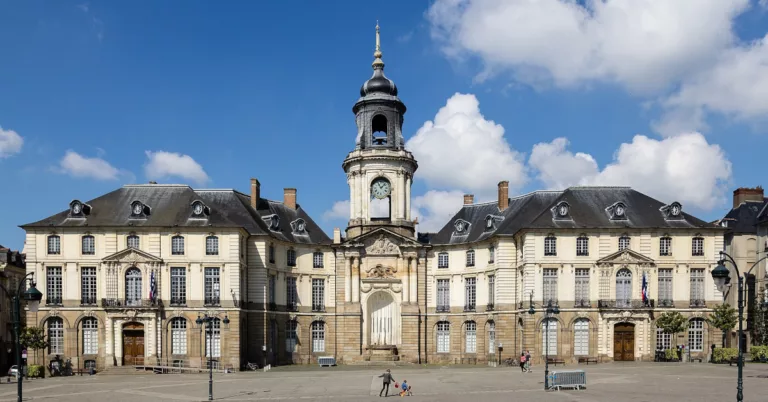
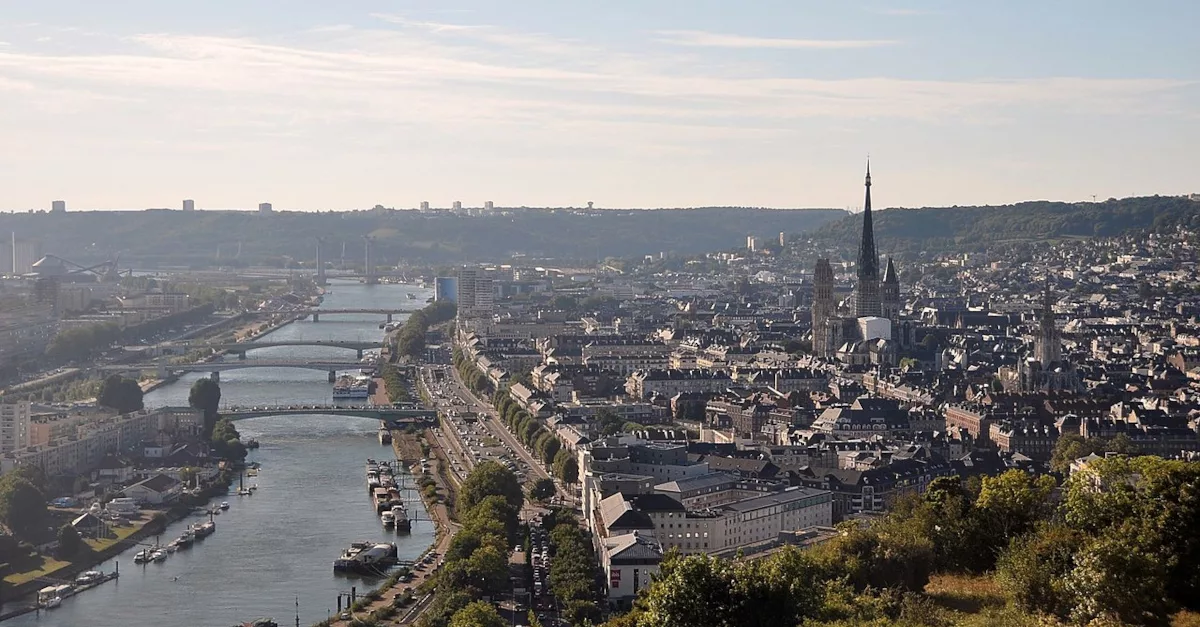
Visiting Rouen, the historic capital of Normandy, means diving into the heart of a medieval city with an exceptional heritage. Nicknamed the “City of a Hundred Spires,” Rouen charms visitors with its cobbled streets, half-timbered houses, and iconic landmarks such as Notre-Dame Cathedral and Saint-Maclou Church.
The city is also famous for its connection to Joan of Arc and for its museums dedicated to art and history. The banks of the Seine, gardens, and green spaces offer pleasant walks and unique panoramic views.
By visiting Rouen, you can discover its local gastronomy, cultural events, and traditional markets. This guide accompanies you in exploring Rouen in depth, covering monuments, museums, neighborhoods, gastronomy, and excursions around the city.
For an original experience, set off on an adventure with our route « The historic center of Rouen», a captivating blend of escape game and self-guided cultural tour that lets you explore the city in a different way.
Monuments & Historic Heritage – Rouen
Notre-Dame Cathedral of Rouen
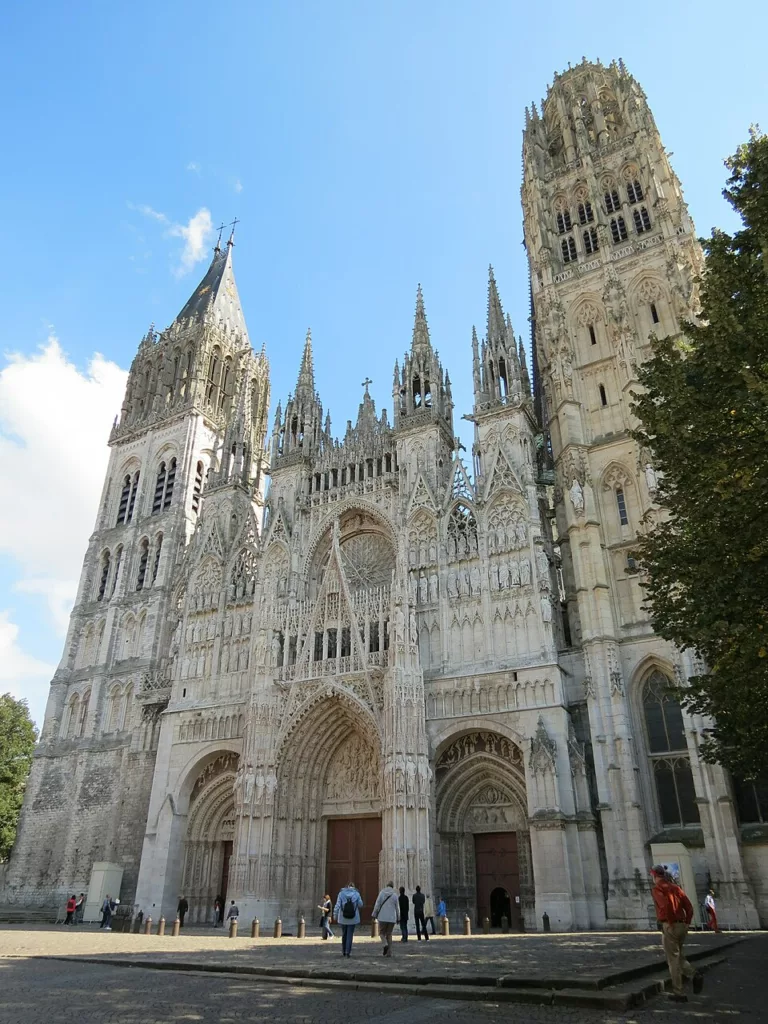
Notre-Dame Cathedral of Rouen is a masterpiece of Norman Gothic architecture, whose construction began in the 12th century. Its lantern tower, at the crossing of the transept, rises to 151 meters, making it (at the time of completion) the tallest building in the world in the 19th century.
The former wooden spire, destroyed by lightning in 1822, was replaced between 1825 and 1876 by a very slender cast-iron spire. The cathedral’s western façade stands out for its lack of symmetry, which earned it the nickname “the most human of cathedrals.”
Claude Monet immortalized the cathedral in a series of Impressionist paintings, under varying light conditions and at different times of day. The cathedral houses the tombs of famous figures, notably Rollo, founder of Normandy, and the heart of Richard the Lionheart.
During World War II, Notre-Dame Cathedral of Rouen was hit by bombings in 1944, causing severe damage, but the building was restored in the 1950s.
Every summer, the cathedral becomes a giant screen during the show “Cathedral of Light”, featuring projections evoking the Vikings and the glow of stained glass.
Discover the mysterious tree carved on the cathedral with our route The historic center of Rouen
Gros-Horloge
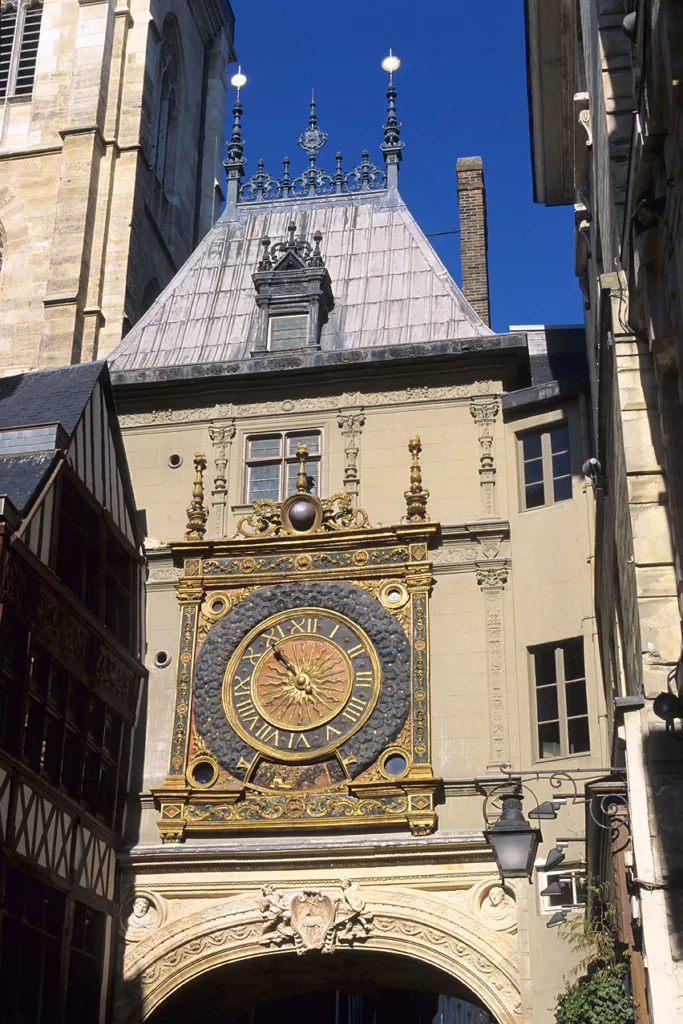
The Gros-Horloge is one of Rouen’s most emblematic monuments: a medieval astronomical clock installed in a Renaissance arch spanning the street of the same name.
The Gothic belfry dates from the late 14th century and once housed the municipal bells. The clock mechanism itself dates back to 1389, making it one of the oldest still in operation in Europe.
On the Renaissance dial, a single hand shows the time, while a globe displays the phases of the moon. The weekday indicator is decorated with mythological deities, such as Saturn for Saturday and Apollo for Sunday.
The current arch supporting the clock was built between 1527 and 1529, replacing an earlier defensive gate. Since the restoration begun in 1997 (and reopening in 2006), visitors can explore the interior: the dials, the ancient mechanism, the governor’s apartments, and enjoy a superb panoramic view over Rouen.
Discover the hidden animals on the Gros-Horloge with our scavenger hunt The historic center of Rouen
Saint-Maclou Church
Saint-Maclou Church in Rouen is a splendid example of Flamboyant Gothic architecture, built between 1436 and 1521.
Its western façade is remarkable: a five-sided semicircular porch shelters three portals, two of which are adorned with sculpted Renaissance wooden doors.
The main portal is decorated with scenes of the Last Judgment in the tympanum and the Resurrection of the Dead in the archivolts.
The church features a lantern tower, following Norman tradition, which also serves as a bell tower, topped by a stone spire rebuilt in the 19th century by architect Jacques-Eugène Barthélémy.
The church suffered significant damage during World War II (bombings in 1944); its restoration spanned several decades.
Place du Vieux-Marché & Joan of Arc Church
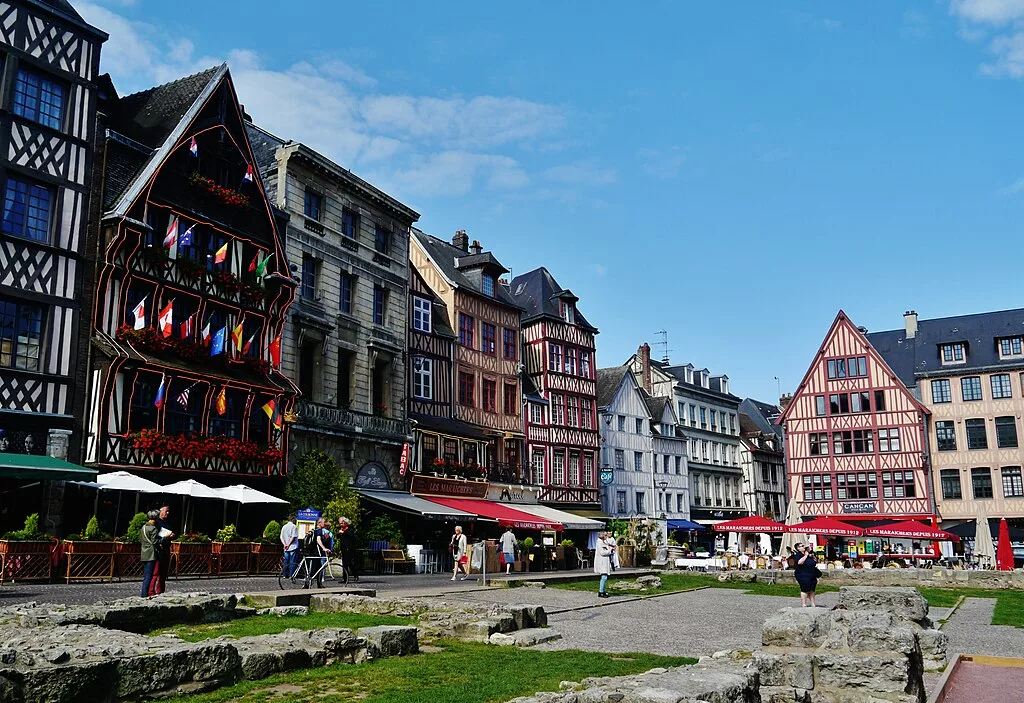
Place du Vieux-Marché in Rouen
Place du Vieux-Marché is a site steeped in history: it is where Joan of Arc was burned at the stake on May 30, 1431.
This location once housed Saint-Sauveur Church, Saint-Michel Church, a large market hall, and the pillory, making it a central place of medieval public life.
Archaeological excavations have revealed the foundations of the former Saint-Sauveur Church, now visible on the southern side of the square.
A large commemorative cross marks the exact spot of the stake where Joan of Arc was executed.
In 1979, the Church of Saint Joan of Arc was built on this square by architect Louis Arretche, blending memory and modernity.
Its bold architecture, combining concrete and slate, evokes a Viking ship, the martyrdom, and the flames of the stake.
The interior is adorned with thirteen Renaissance stained-glass windows salvaged from the former Saint-Vincent Church, destroyed during the Second World War.
Palace of Justice
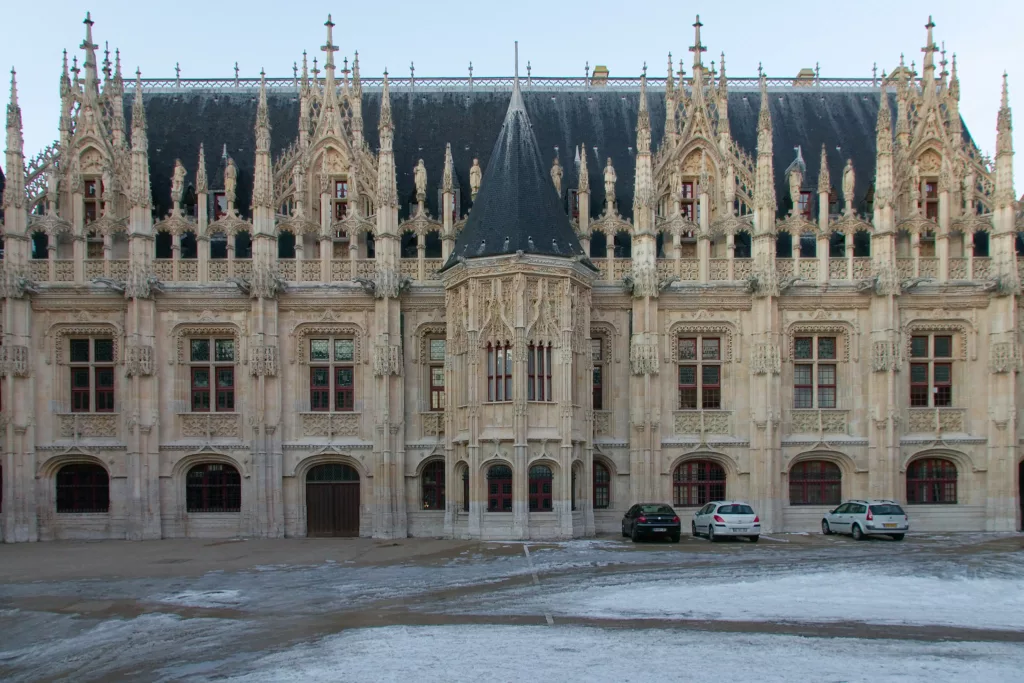
Palace of Justice
The Palace of Justice in Rouen is the former seat of the Parliament of Normandy and one of the finest examples of late medieval Gothic civil architecture.
The first wing, to the west, was built between 1499 and 1508 to house the Exchequer of Normandy, the high judicial and financial court. The northern section, often called the “Royal Palace,” was constructed in the 16th century in a transitional style between Flamboyant Gothic and the Renaissance (Louis XII style).
Numerous decorative details adorn the building: dormer windows, pinnacled balustrades, gargoyles, and sculptures representing the different social classes.
During the Second World War, the palace was heavily damaged: the bombings of 1944 almost completely destroyed the interiors, including the famous assize court. After the war, the vault of the Hall of Lost Steps was restored to its original form, with its inverted ship’s hull ceiling.
Discover the secrets of the statues decorating this former parliament with our trail The historic center of Rouen.
Hôtel de Bourgtheroulde (Renaissance private mansion)
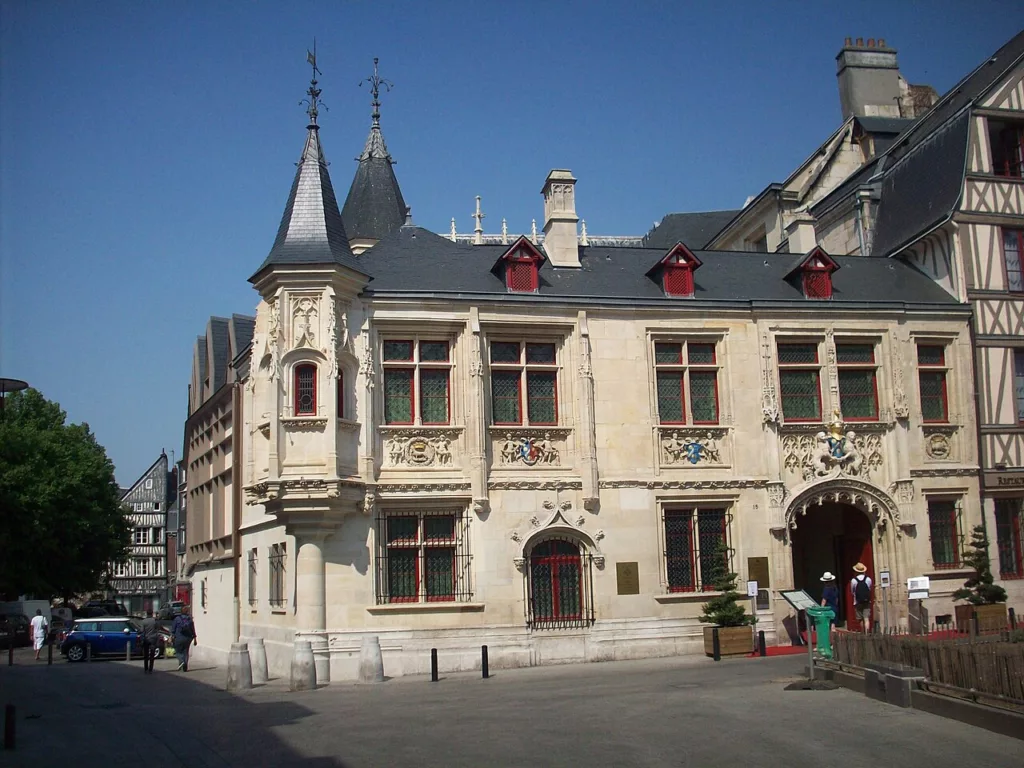
Hôtel de Bourgtheroulde
The Hôtel de Bourgtheroulde is a former private mansion located on Place de la Pucelle, in the historic center of Rouen, built at the beginning of the 16th century.
It was commissioned by Guillaume II Le Roux, Lord of Bourgtheroulde and a member of the Exchequer of Normandy, to display his rank and wealth.
The building’s architecture is a blend of Flamboyant Gothic and Renaissance elements in the “Louis XII style,” typical of a transitional period. In its inner courtyard stands the Galerie d’Aumale, decorated with finely detailed bas-reliefs, notably depicting the meeting of the Field of the Cloth of Gold between Francis I and Henry VIII.
The building suffered over time: in 1770, a fire destroyed one wing, and during the Second World War it was severely damaged by bombings. Classified as a historic monument, it has since been restored and transformed into a luxury hotel, offering 78 rooms, a spa, a restaurant, and reception spaces.
A Gothic corner turret, known as an échauguette, was faithfully reconstructed between 2009 and 2010 based on original engravings, restoring the hotel’s historic Renaissance appearance.
Discover the meaning of the hidden animal on this building with our tour The historic center of Rouen.
Joan of Arc Tower
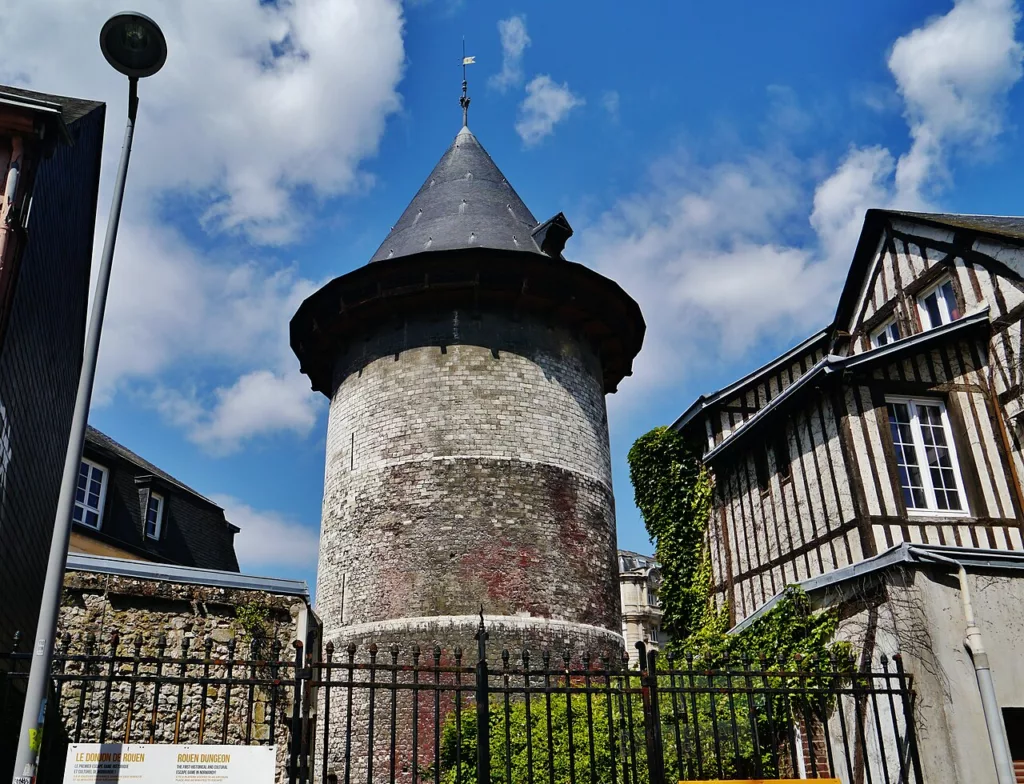
The keep of Rouen
Joan of Arc Tower is the former keep of the castle built by Philip Augustus starting in 1204, and it is now the only visible remnant of this fortress. It stands about 35 meters high on the Bouvreuil hill, on the foundations of a former Gallo-Roman amphitheater.
During the trial in 1431, Joan of Arc was brought before this tower, where instruments of torture were shown to her in an attempt to extract a confession, but she resisted with remarkable strength.
The keep has been listed as a historic monument since 1840, reflecting its major heritage value. In the 19th century, it was restored by Viollet-le-Duc, notably with the addition of a pointed roof to restore its medieval appearance.
During the Second World War, it was used as a shelter and bunker by German forces, transforming its interior into a defensive post. Today, the tower is open to visitors and houses a permanent exhibition recounting the history of the Castle of Rouen and the fate of Joan of Arc.
Saint-André Tower
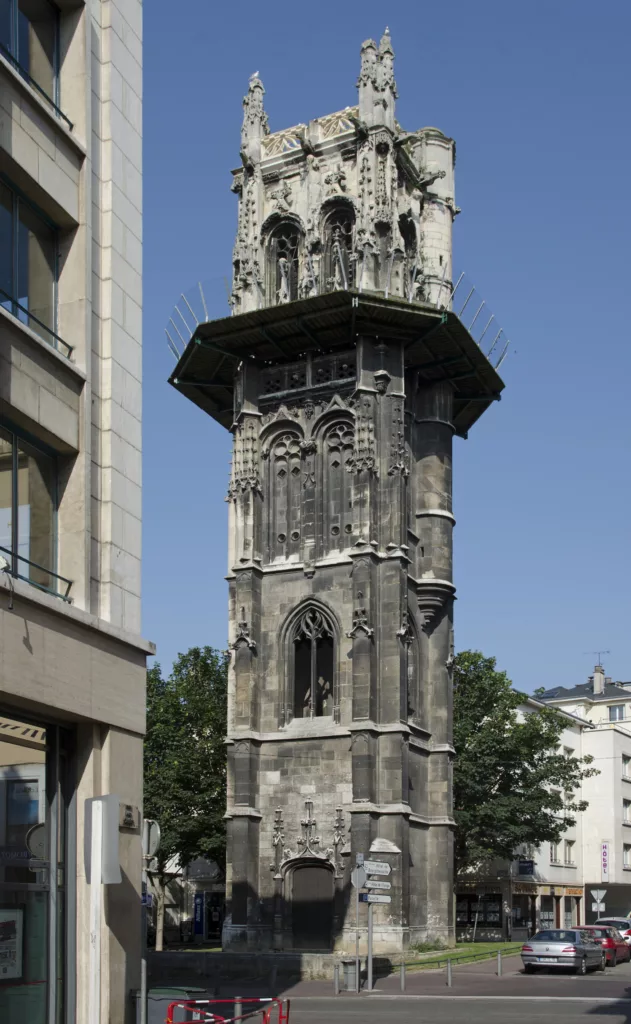
Saint-André Tower
Saint-André Tower is the last remaining vestige of the former parish church of Saint-André-de-la-Ville, which was demolished in the 19th century. The parish itself is very old, mentioned as early as the 11th century, and was associated with the blacksmiths of the neighborhood, hence its former name “Saint-André-de-la-Porte-aux-Fèvres.”
The church was rebuilt between the late 15th and mid-16th centuries: the choir was begun in 1486, the nave rebuilt in 1521, and the portal and tower completed in 1556. The tower, about 35 meters high, combines Gothic and Renaissance elements, making it a fine example of transitional architecture.
In 1562, the church was sacked by the Huguenots, and later the tower was damaged by a hurricane in 1683, during which its octagonal stone spire collapsed. Closed to worship in 1791 during the French Revolution, the church was sold as national property; the tower later housed a foundry workshop. In 1861, Saint-André Church was demolished to make way for the creation of Rue Jeanne-d’Arc, but the tower was saved thanks to historian Eustache de La Quérière.
Listed as a historic monument since 1958, Saint-André Tower underwent a recent restoration (2020) to secure its stonework and preserve this important urban landmark.
Saint-Ouen Abbey
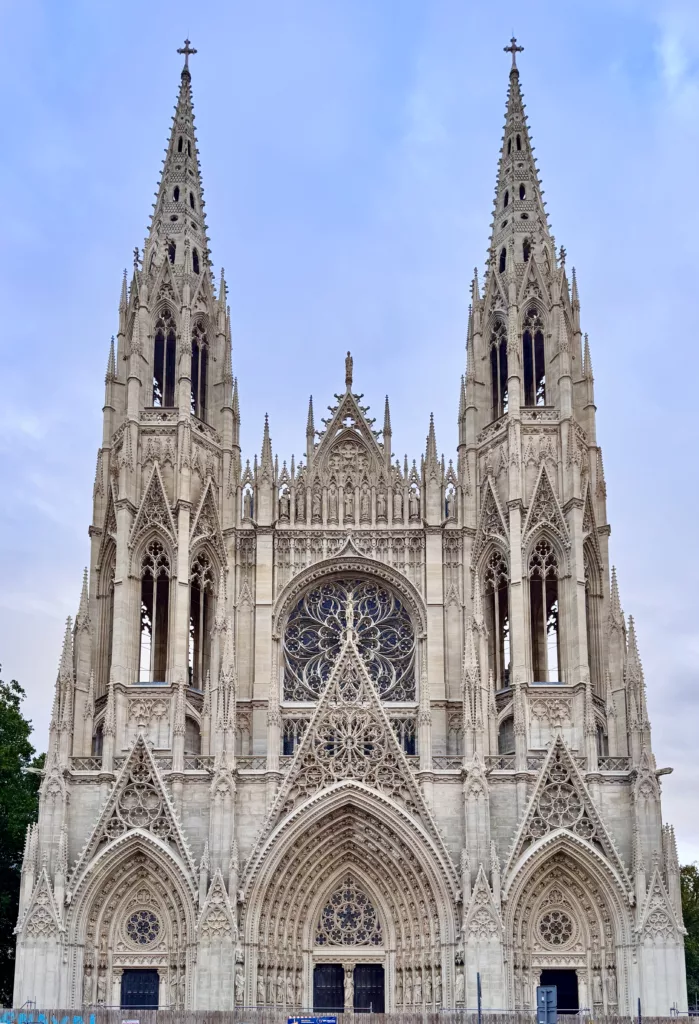
Saint-Ouen Abbey is one of the largest and most beautiful examples of Flamboyant Gothic architecture in France. Construction began in the 14th century and continued until the early 16th century.
Unlike Notre-Dame Cathedral, Saint-Ouen Abbey was never completed as originally planned, yet its architectural harmony and elegance make it a masterpiece of religious art.
Its interior impresses with its verticality and the exceptional luminosity created by the vast stained-glass windows, many of which date from the 14th to the 16th centuries.
The abbey houses one of the most remarkable organs in Europe, built by Aristide Cavaillé-Coll in 1890. Comprising more than 5,000 pipes, it is regularly played during concerts and festivals.
Severely damaged during the Second World War, Saint-Ouen Abbey underwent extensive restoration work during the second half of the 20th century. Today, it is a major cultural venue hosting exhibitions, concerts, and events.
Chapelle Corneille
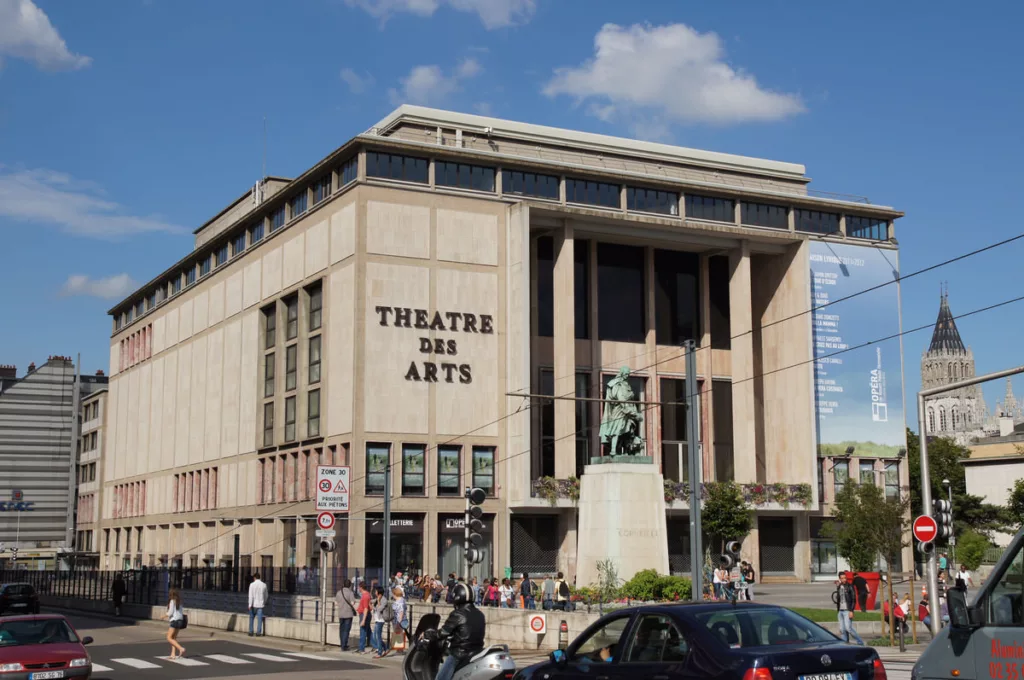
The Chapelle Corneille, located near the Musée des Beaux-Arts, is the former chapel of the Jesuit college built in the early 17th century.
Dedicated to Saint Louis, the chapel is a fine example of classical religious architecture, characterized by its harmonious proportions and sober decoration.
Closed after the French Revolution, the building was successively used as a library, a storehouse, and later abandoned before being restored in the 21st century.
Reopened in 2016, the Chapelle Corneille has been transformed into an auditorium with exceptional acoustics, hosting concerts by the Rouen Normandy Opera and international artists.
Aître Saint-Maclou
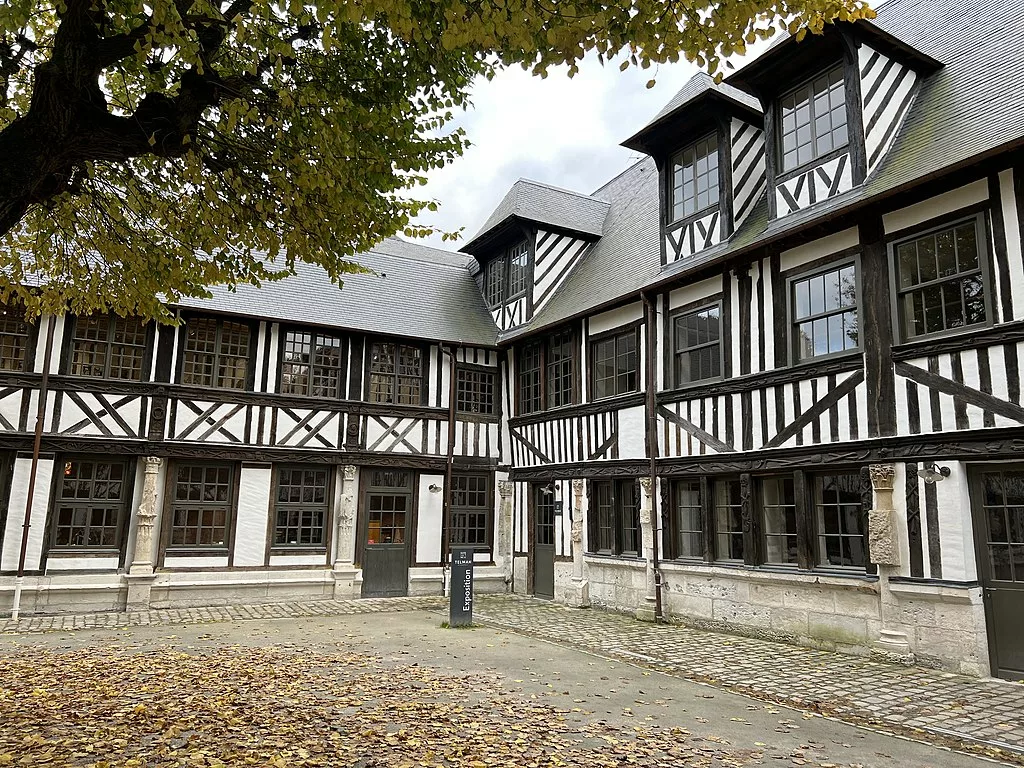
The Aître Saint-Maclou is one of the rare surviving examples of a medieval ossuary in Europe. It was built in the early 16th century following the great plagues that struck Rouen.
This former burial ground is surrounded by half-timbered galleries decorated with macabre carvings representing skulls, bones, shovels, and symbols of death, reflecting medieval beliefs about mortality.
Over the centuries, the site served various purposes: school, workshop, housing, and even a prison during the Revolution. Abandoned for a long time, it has recently undergone major restoration.
Today, the Aître Saint-Maclou houses art workshops and exhibition spaces and is a fascinating place to explore, offering a unique glimpse into Rouen’s funerary and social history.
Must-See Museums
Musée des Beaux-Arts de Rouen
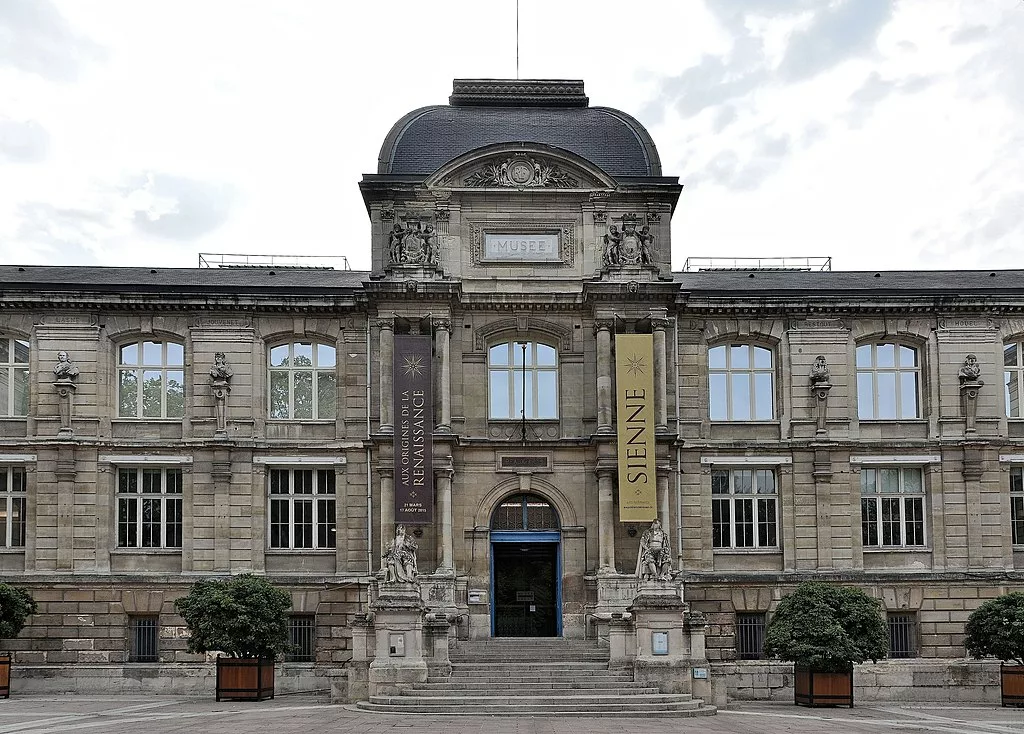
The Musée des Beaux-Arts in Rouen was created in 1801 by the Chaptal decree, shortly after the French Revolution. The current building, designed by architect Louis Sauvageot, was constructed between 1877 and 1888, and completely renovated in 1994.
The museum houses a collection of approximately 8,000 drawings, making it one of the most renowned graphic arts collections in the world.
Its collections cover a wide spectrum: paintings, sculptures, and art objects from the 15th century to the present day, including masterpieces by major artists. Visitors can admire classical and Baroque paintings by Caravaggio, Rubens, Velázquez, Poussin, Géricault, Delacroix, among others.
Thanks to a major donation from François Depeaux in 1909, the museum possesses one of the finest Impressionist collections outside Paris: Monet, Sisley, Pissarro, Degas, etc. It also houses a rare collection of Russian icons from the 15th to early 19th centuries and important contemporary works (Modigliani, Dubuffet…).
Admission to the museum’s permanent collections is free, allowing the public to explore this exceptional artistic heritage.
Historial Jeanne d’Arc
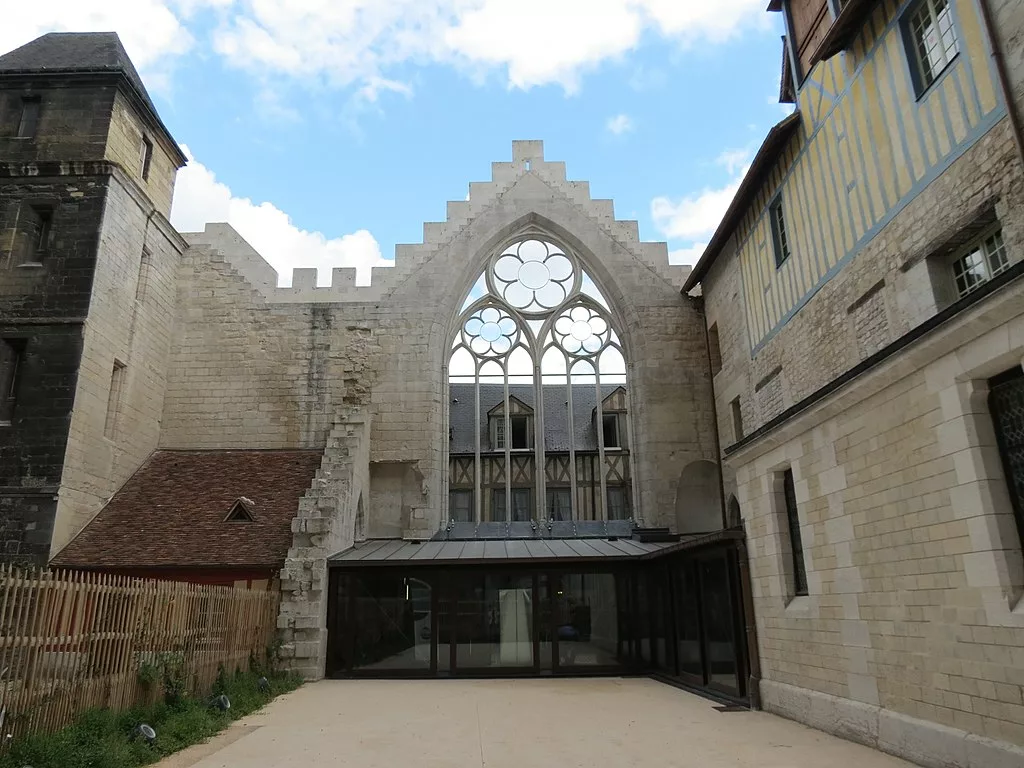
The Historial Jeanne d’Arc is located in the Archbishop’s Palace in Rouen, where part of Jeanne d’Arc’s rehabilitation trial took place.
The main tour is an immersive digital experience, which allows visitors to “travel back in time” to the 15th century and relive moments of the trial.
The virtual guide is Jean Juvénal des Ursins, Archbishop of Reims in 1456, who “narrates” the investigation and testimonies of the trial through 23 characters. The digital tour lasts approximately 1.5 to 2 hours.
Musée Flaubert et d’Histoire de la Médecine
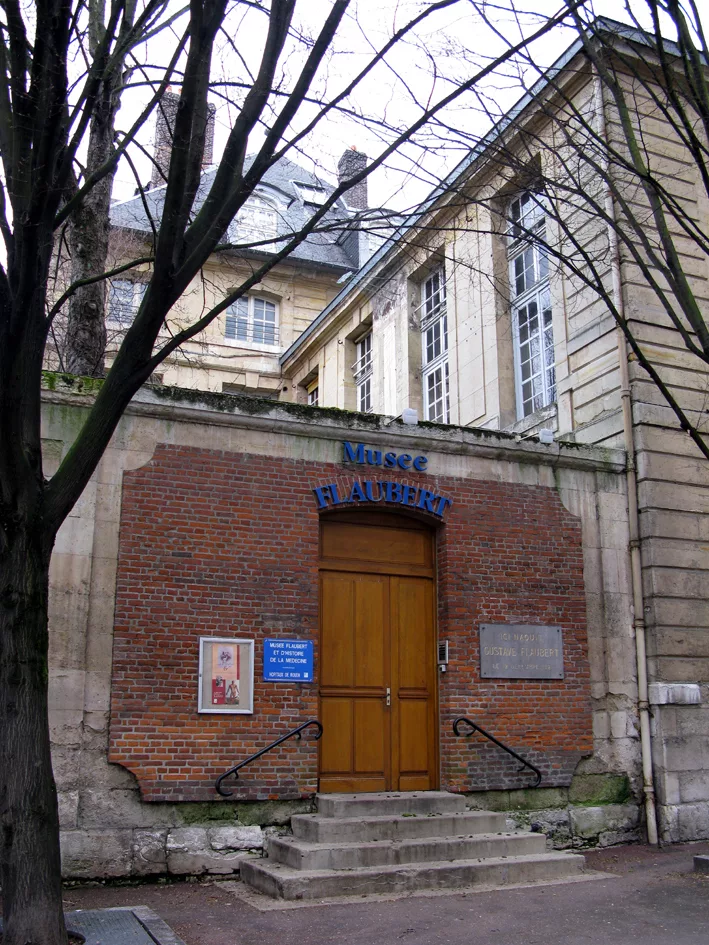
The museum is located in the birthplace of Gustave Flaubert, at 51 rue de Lecat, in the former pavilion of the Hôtel-Dieu where his father was a surgeon.
It has a dual purpose: literary (focused on Flaubert and his family) and scientific (history of medicine from the Middle Ages to the early 20th century).
The museum has 11 permanent rooms, including a cabinet of curiosities, an apothecary, and Flaubert’s birth room.
It displays rare and unusual objects: a hospital bed for six patients, a “leech perch,” and an 18th-century childbirth mannequin designed by Angélique du Coudray. The museum also features about 200 ceramic pharmacy jars from the 18th century, from the former Hôtel-Dieu apothecary.
It has a heritage library with over 2,500 ancient medical books, some belonging to the Flaubert family. In the museum garden, there is a medicinal plant garden: each plant is labeled with a QR code to learn more.
Admission to the permanent collections is free, allowing visitors to freely discover the history of Flaubert and medicine in this memory-rich site.
Maritime and Port Museum
The museum is located in Hangar 13 of the Port of Rouen, a former riverside warehouse dating from 1926. It opened to the public in 1999 during an Armada event, and is managed by a non-profit association under French law (Law 1901).
The museum traces the history of the Port of Rouen, from river navigation on the Seine to modern maritime and port development. Visitors can discover more than 2,000 objects: ship models, trawler engines, a 1960s radio cabin, diving suits, fog bells, and even a whale skeleton.
The museum also highlights historical moments, such as Jean Charcot’s polar expeditions or the nickel trade between New Caledonia and France.
Parks, Gardens & Walks – Rouen
Rouen Botanical Garden
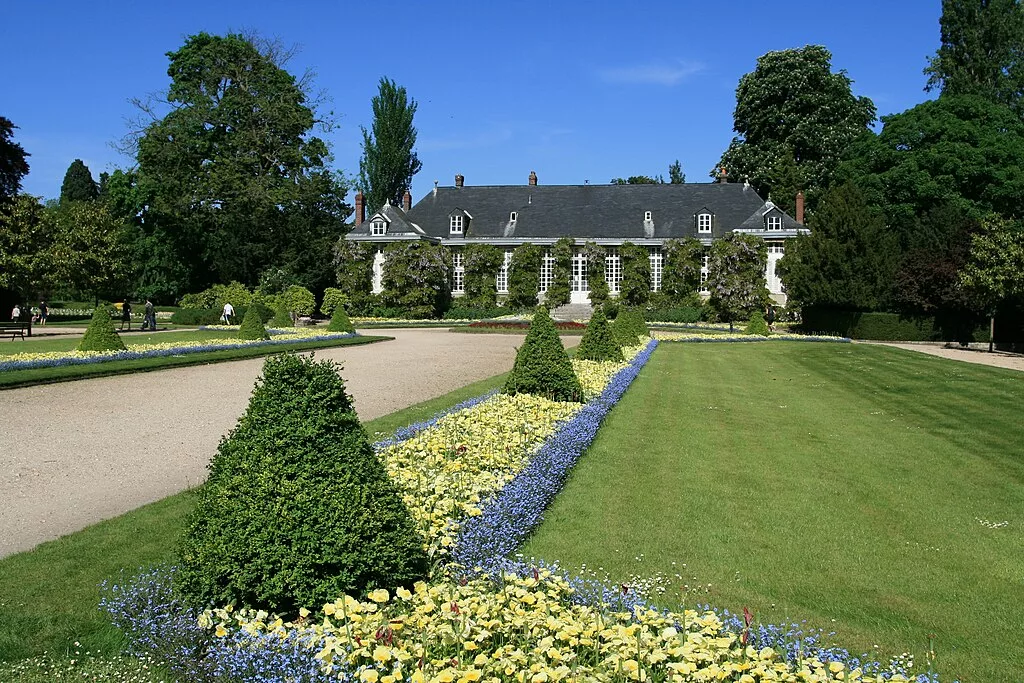
The Rouen Botanical Garden is an 8-hectare botanical garden located on the south bank of the city. It descends from a botanical garden founded by physicians in 1735, before being purchased by the city in 1832 to create the current park.
The central axial greenhouses, built between 1839 and 1842, are listed as historic monuments and were restored in 1999. The garden also houses a large orangery, built at the end of the 19th century (1895–1896), now used for exhibitions.
Visitors can explore a 670 m² rose garden, highlighting Norman-origin roses. The garden also features several botanical collections: irises, dahlias, medicinal plants, aromatic plants, rock garden plants, a conservation orchard, and a national collection of fuchsias (991 varieties).
The main greenhouse contains arid-environment plants, carnivorous plants, and Mediterranean species, while other greenhouses are tropical.
City Hall Garden
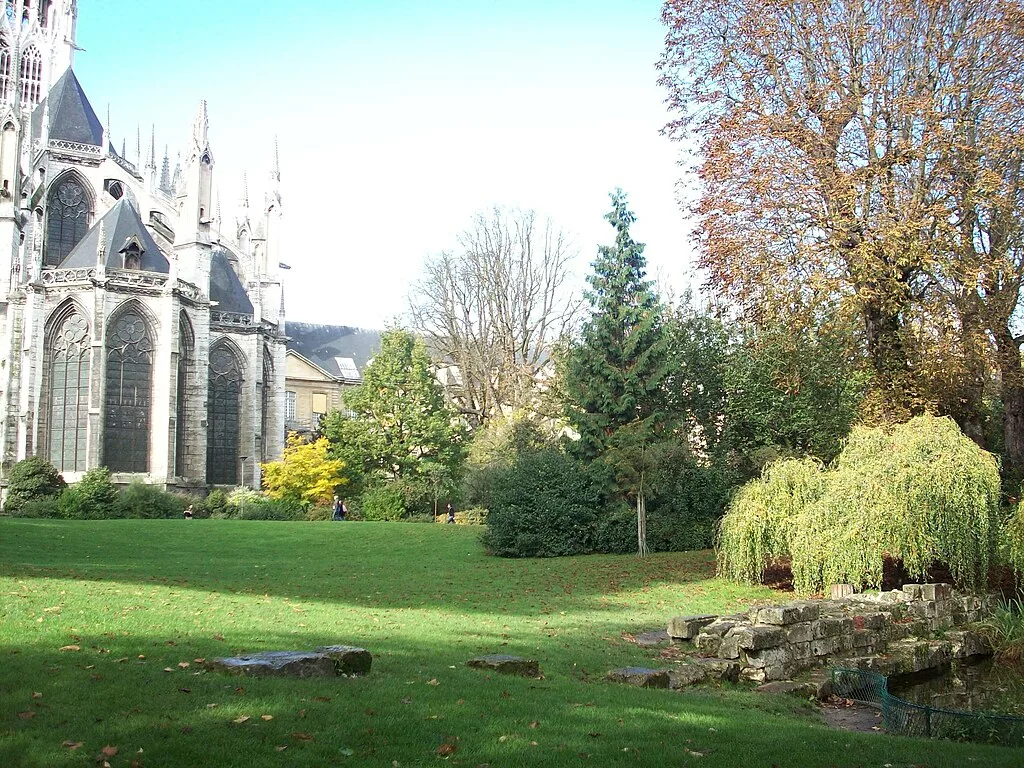
The City Hall Garden of Rouen covers an area of 25,789 m², making it a large green space in the city center.
It is laid out on part of the former gardens of Saint-Ouen Abbey, giving it significant historical value.
The historic heart of the garden is designed “à la française” around a large round pond, with a sculpture depicting the abduction of Deianira by the centaur Nessus.
Remnants of the abbey’s enclosing wall have been highlighted in the garden, including an area described as a “peat bog.”
There is also an exact reproduction of the Jelling stone (from Denmark), given to Rouen during the millennium of Normandy in 1911.
The garden offers various amenities: a children’s playground, basketball court, pétanque area, and a lawn for relaxation.
Walk along the Seine and Quays
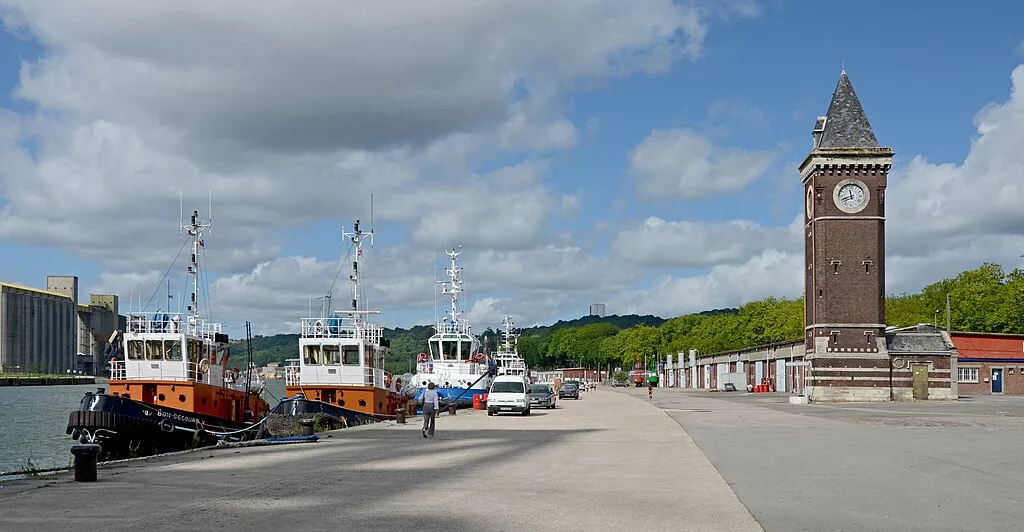
The walk along the Seine allows visitors to discover Rouen from a different perspective, blending historic architecture and riverside landscapes. The quays provide views of bridges, historic buildings, and moored boats.
Pedestrian and cycling areas make the walk enjoyable for everyone. Numerous cafés and restaurants provide opportunities to stop and enjoy the surroundings.
Roumare Forest
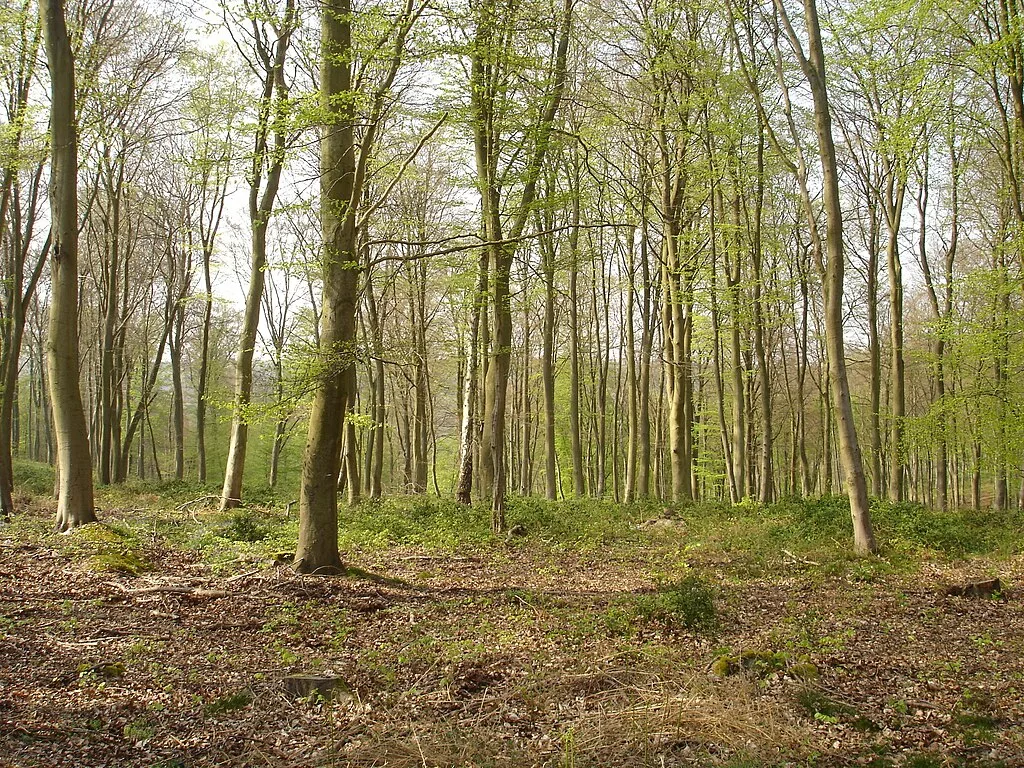
The Roumare Forest is located a few kilometers from Rouen and is a perfect natural space for hiking and outdoor activities.
Rouen Gastronomy
Dishes & Specialties
Teurgoule
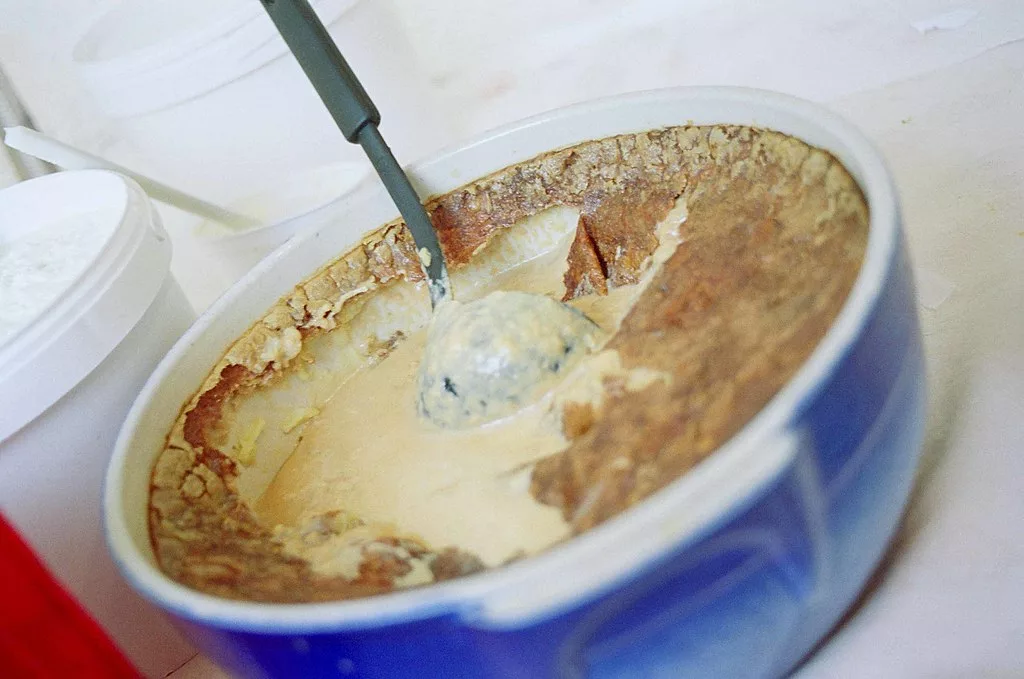
Teurgoule is a cinnamon-flavored rice pudding, a specialty of Normandy. It is a traditional dessert slowly cooked to develop subtle, caramelized flavors.
Unfortunately, this dessert is not commonly found in Rouen restaurants and is more typical in Lower Normandy, around Caen.
Norman Cheeses and Ciders
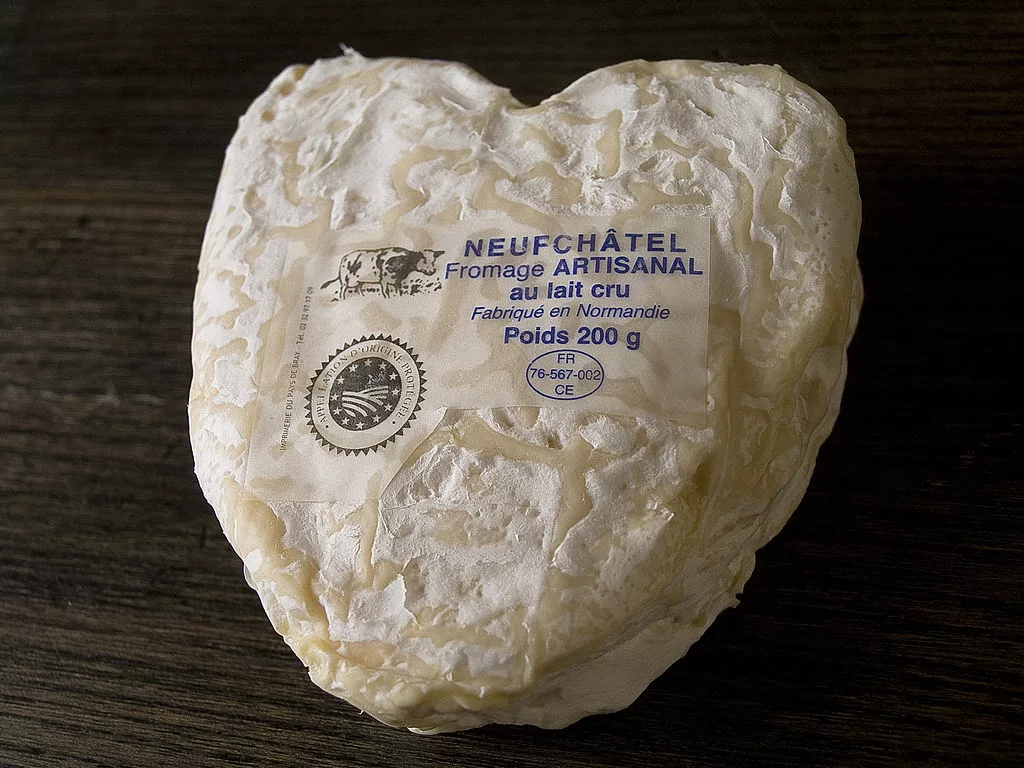
Normandy is renowned for its cheeses (Camembert, Livarot, Pont-l’Évêque) and its local ciders.
Desserts & Sweets
Apples and Norman Tart

The Norman tart showcases apples, an emblematic fruit of the region. Made with local apples and cream, it is often accompanied by a touch of Calvados or cinnamon.
Major Events – Rouen
Armada of Rouen
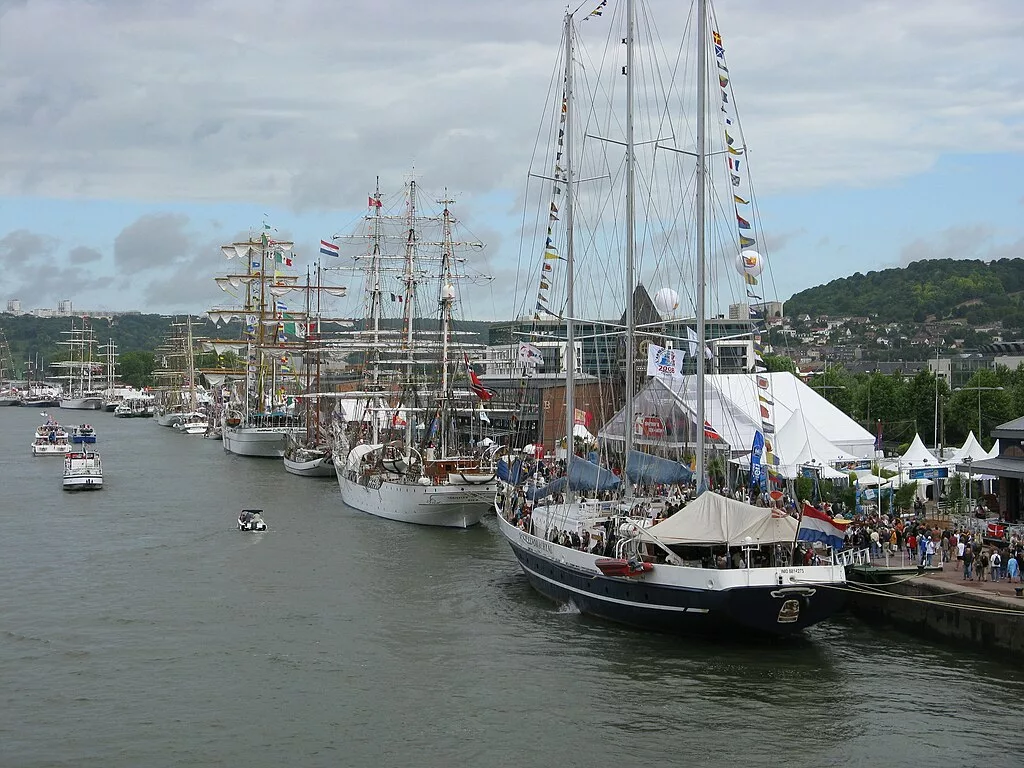
The Armada of Rouen is one of the largest maritime gatherings in the world, bringing together sailing ships, warships, and historic vessels along the Seine quays.
The event lasts approximately ten days and attracts millions of visitors, making it a popular and free festival.
The idea of the Armada emerged in the late 1980s, promoted by Mayor Jean Lecanuet and his deputy Patrick Herr, to revitalize the quays of Rouen.
The first edition took place in 1989 under the name “Les Voiles de la Liberté,” on the occasion of the bicentennial of the French Revolution.
During the Armada, all ships are moored along the quays and are freely accessible to visitors for tours.
Each evening, the quays come alive with concerts, fireworks, and performances, creating a festive atmosphere along the entire riverbank.
The highlight of the event is the Grand Parade, during which all the ships sail down the Seine to the sea, covering approximately 120 km.
Normandie Impressionniste Festival
The Normandie Impressionniste Festival is a multidisciplinary artistic event launched in 2010, entirely dedicated to Impressionism and its legacy in Normandy.
It takes place across the Normandy region, in cities such as Rouen, Le Havre, Caen, Giverny, celebrating the landscapes that inspired Impressionist painters.
The festival combines various art forms: painting, live performances, dance, photography, cinema, music, and light installations.
During the 2024 edition, marking the 150th anniversary of the Impressionist movement, over 150 events took place between March and September throughout Normandy.
The festival invites contemporary artists to engage in a dialogue with Impressionism: in 2024, David Hockney’s exhibition “Normandism” was held at the Rouen Museum of Fine Arts.
A spectacular sound and light installation was also projected on the façade of the Rouen Cathedral, created by scenographer Robert Wilson.
The festival also highlights gastronomy: “150 Flavors of Normandy” is a culinary journey where 150 restaurants, patisseries, and bars offer creations inspired by Impressionism.
Fête du Ventre
The Fête du Ventre et de la Gastronomie Normande is a major gastronomic event in Rouen, first established in the 1930s and revived by the association Rouen Conquérant.
It takes place each autumn in the historic center, notably around Place du Vieux-Marché, Rue Rollon, Rue Jeanne d’Arc, and other typical streets.
For two days, more than 150 to 170 Norman producers showcase their products: cheeses, ciders, charcuterie, honey, jams, snails, and other local specialties.
Producers often wear traditional Norman costumes, enhancing the authentic and convivial atmosphere of the festival.
The event offers not only tastings and sales but also culinary demonstrations led by local chefs.
Entertainment includes fanfares, musical groups, folk troupes, and even a mini-farm for children.
Excursions / Trips around Rouen
Château de Gaillon
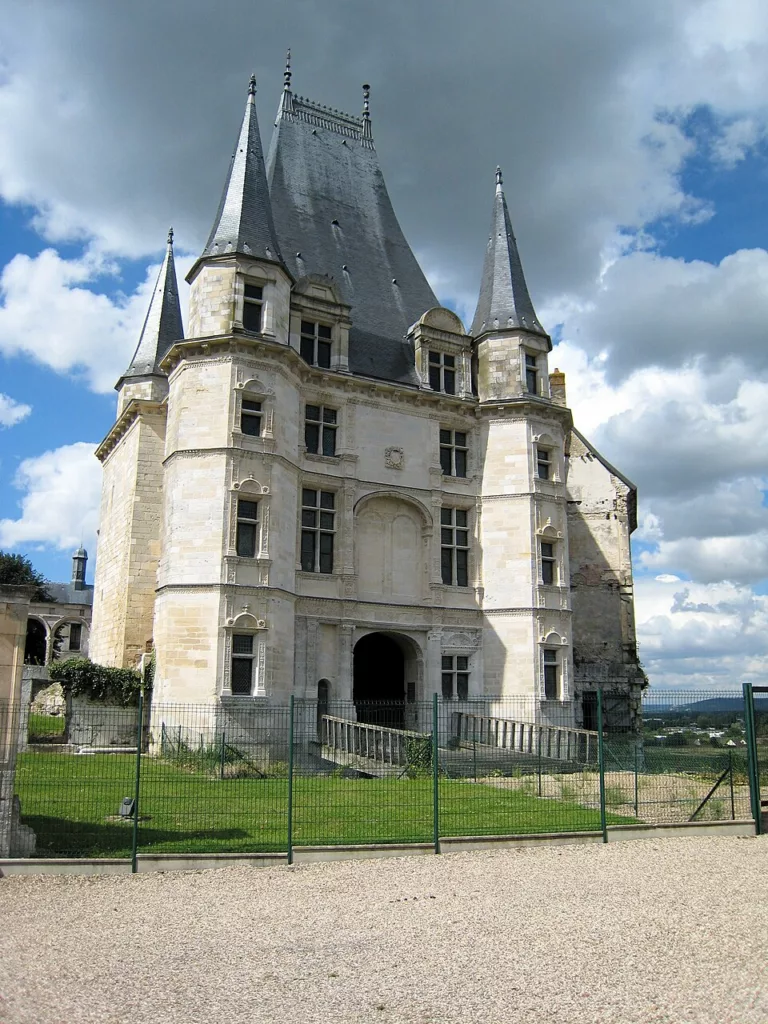
The Château de Gaillon is located in the commune of Gaillon, in the Eure department (Normandy), and originated as a medieval fortress.
Rebuilt between 1500 and 1509 by Cardinal Georges d’Amboise, it is considered the first Renaissance-style castle in France.
Its architecture embodies the transition between Flamboyant Gothic and Italian Renaissance, blending elegance and innovation.
Cardinal d’Amboise commissioned Italian artists, such as Fra Giocondo, and a landscape designer to create Renaissance gardens around the château.
During the French Revolution, the castle was dismantled, plundered, and used as a stone quarry, leading to a long period of decline.
From 1812 to 1901, it housed a central prison, converting its apartments into cells.
Purchased by the state in 1975, it has since been the focus of a major restoration program aiming to revive its Renaissance splendor.
Jumièges Abbey
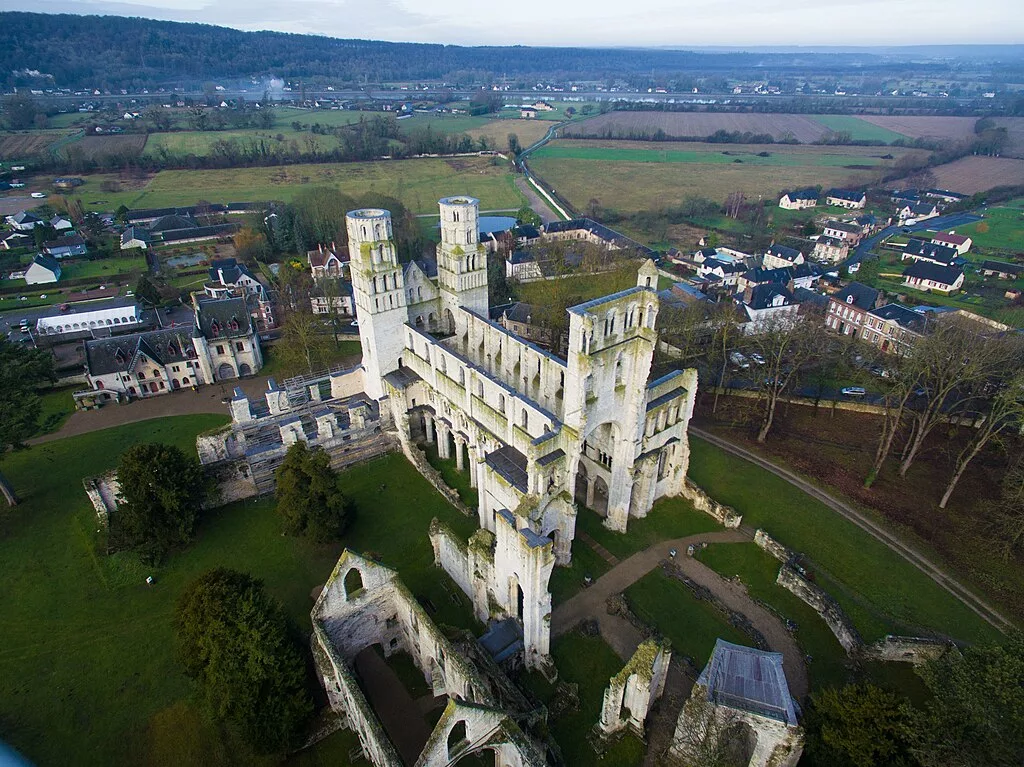
Founded around 654 by Saint Philibert, Jumièges Abbey is one of the oldest and most important Benedictine monasteries in Normandy.
Located at the end of a loop of the Seine, its twin towers of 46 meters still dominate the remains of the abbey church of Notre-Dame.
After its founding, the abbey was ravaged by Vikings in 841, forcing the monks to flee before returning to rebuild.
In the 11th century, a major reconstruction of Notre-Dame Abbey gave it its characteristic Romanesque style; the nave reached up to 25 meters in height.
The cloister, the spiritual heart of the monastery, was rebuilt in the 16th century in a style combining Flamboyant Gothic and Renaissance.
The abbey also includes a Saint-Pierre Church, with parts dating from the Carolingian era, a rarity in Normandy.
After the Revolution, the abbey was sold as national property and turned into a stone quarry, resulting in partial ruin.
Today, the site is a 15-hectare park, where the majestic ruins – often called “the most beautiful ruin in France” – coexist with exhibitions and a 3D reconstruction of the abbey.
Saint-Martin-de-Boscherville Abbey
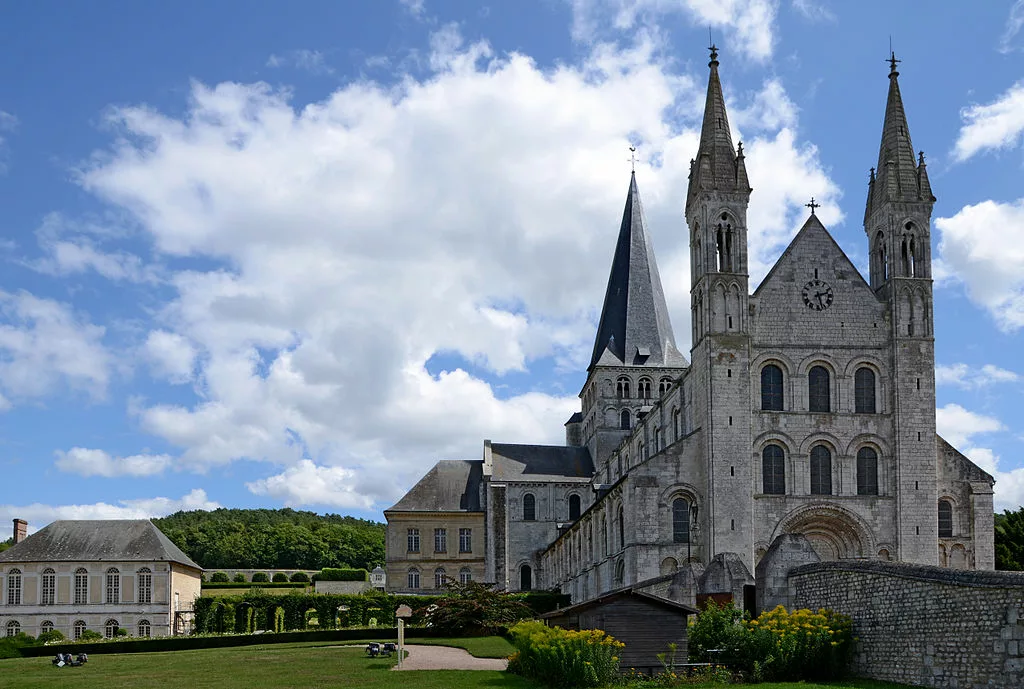
The Saint-Georges Abbey of Boscherville, located in Saint-Martin-de-Boscherville (Seine-Maritime), is a former Benedictine monastery founded in the 12th century.
It was established by Guillaume de Tancarville on the site of an ancient collegiate church and cult buildings dating back to Antiquity.
The abbey church is a beautiful example of Norman Romanesque architecture, featuring clean lines, slender towers, and bright interiors.
The chapter house, dating from the late 12th century, is decorated with statue-columns and sculpted capitals, a masterpiece of medieval sculpture.
In the 17th century, the monks of the Saint-Maur order expanded the monastery, constructing new convent buildings in a more classical style.
The abbey gardens, restored according to 17th-century Maurist plans, include terraces, a kitchen garden, an orchard, a labyrinth, and medicinal plants.
Conclusion
Visiting Rouen is an opportunity to discover a city rich in history, culture, and heritage. From the Notre-Dame Cathedral, Saint-Maclou Church, the Aître Saint-Maclou, and half-timbered houses, the city offers a journey into the heart of the Middle Ages and the Renaissance. Its museums, festivals, and street art showcase Rouen’s creativity and vibrant cultural life. Parks, gardens, and walks along the Seine allow visitors to enjoy nature and moments of relaxation. For those wishing to explore the region, excursions to Giverny, Honfleur, Étretat, or Château de Gaillon perfectly complement the visit.