Visiting Florence: 30 Must-See Sights and Experiences
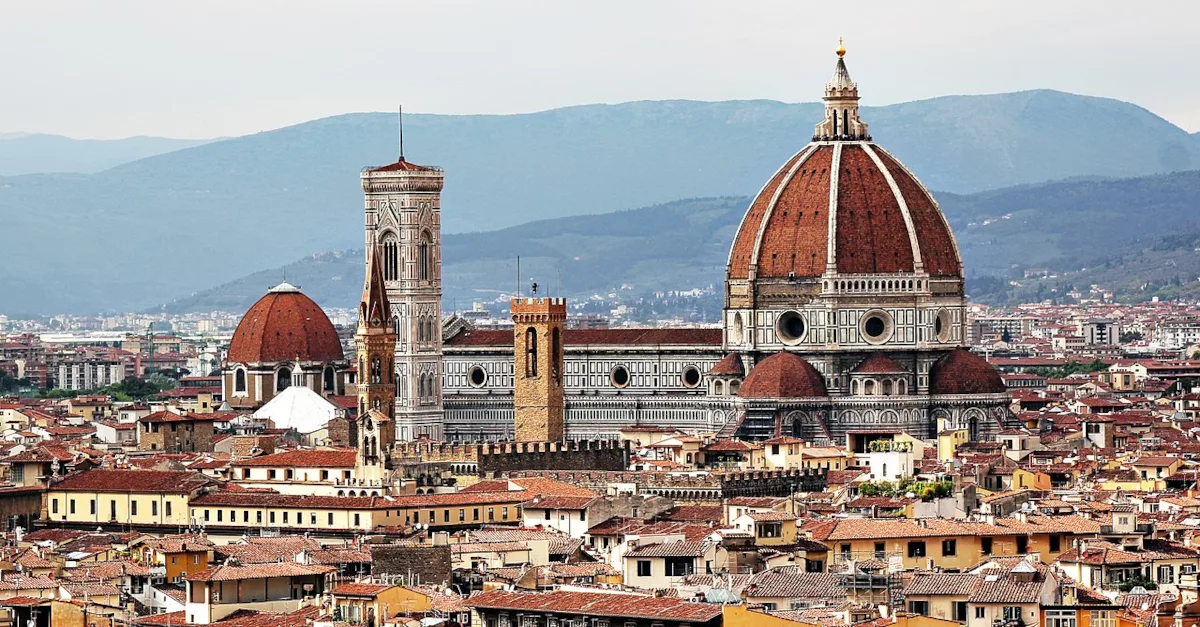
Florence, the capital of Tuscany, is the birthplace of the Renaissance and a true open-air museum. The city is full of historical monuments, majestic cathedrals, and sumptuous palaces, as well as world-famous museums such as the Uffizi Gallery and the Accademia Gallery.
Its picturesque streets, lively squares, and gardens offer a typically Tuscan charm, while the local gastronomy, from Bistecca alla Fiorentina to cantucci dipped in Vin Santo, delights the palate.
Florence is also an excellent starting point for exploring the surrounding areas: Fiesole, Chianti, San Gimignano, or Siena offer panoramic views, medieval villages, and vineyards. The city invites visitors on a unique journey combining art, history, and Italian traditions.
Monuments & Historical Heritage of Florence
The Cathedral of Santa Maria del Fiore (Duomo)
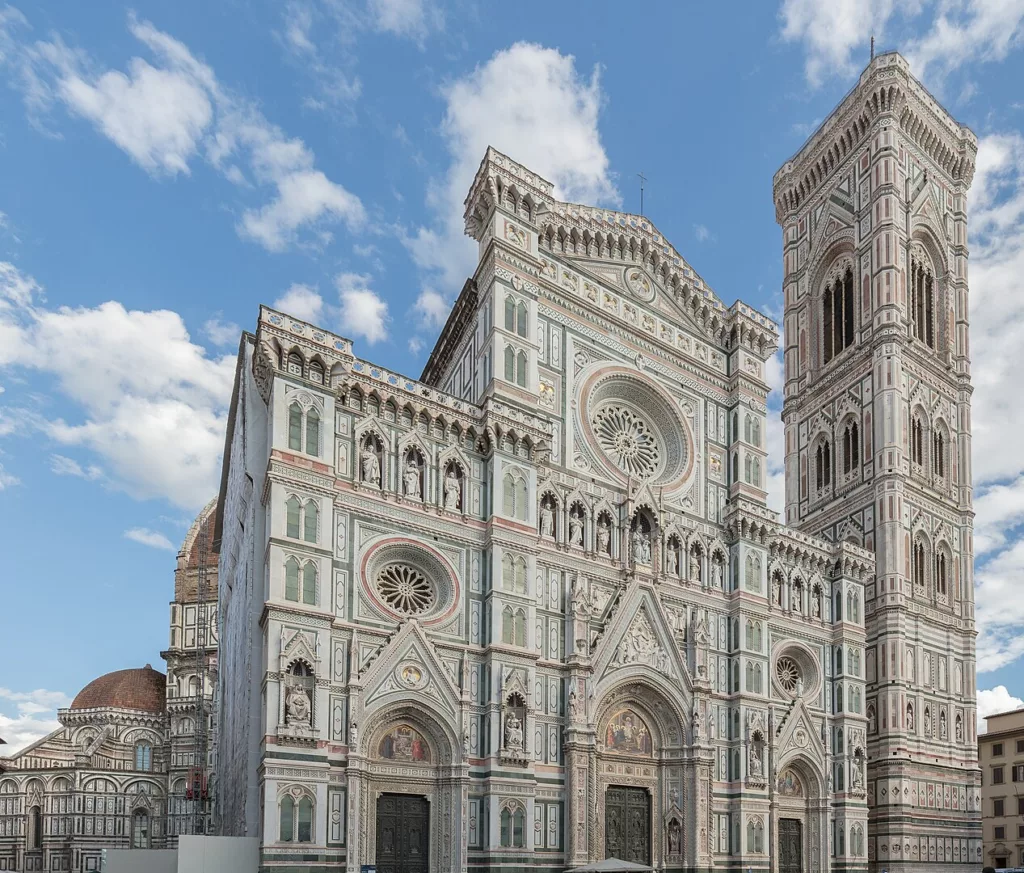
The Cattedrale di Santa Maria del Fiore, known as the “Florence Duomo,” is the city’s main cathedral church.
Construction began in 1296 on the foundations of the former church of Santa Reparata. The dome, designed by Filippo Brunelleschi, was completed in 1436, the year the cathedral was consecrated by Pope Eugene IV.
The cathedral features the largest masonry dome ever built, a remarkable feat of Renaissance engineering.
The cathedral measures 153 meters in length, 90 m wide at the transept, and 92 m high up to the lantern of the dome. Its Neo-Gothic façade, made of polychrome marble (white, green, and pink), dates from the 19th century and was designed by Emilio De Fabris.
Inside the dome are 3,600 m² of frescoes depicting the Last Judgment, painted by Giorgio Vasari and Federico Zuccari between 1572 and 1579. The cathedral can accommodate up to 30,000 people.
The Palazzo Vecchio
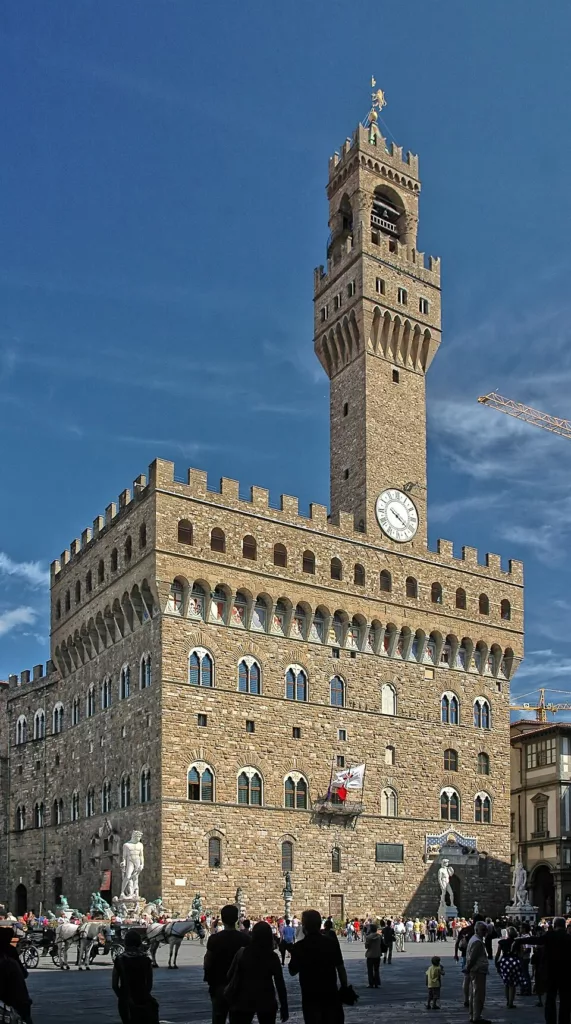
The Palazzo Vecchio, or “Old Palace,” is Florence’s town hall and stands on the famous Piazza della Signoria.
Built between 1299 and 1314, its main architect was Arnolfo di Cambio.
Originally called the Palazzo dei Priori, then the Palazzo della Signoria, it took its current name when the Medici court moved to the Palazzo Pitti. “Vecchio” means “old.”
Its imposing Gothic fortress-like silhouette is marked by a tower rising 94 meters, known as the “Arnolfo Tower.” It houses a major museum within its monumental quarters, featuring works by Michelangelo, Donatello, Giorgio Vasari, Bronzino, and many others.
Today, the palace serves as the seat of the Mayor of Florence, the city council, and a museum visited by thousands of tourists each year.
The Ponte Vecchio
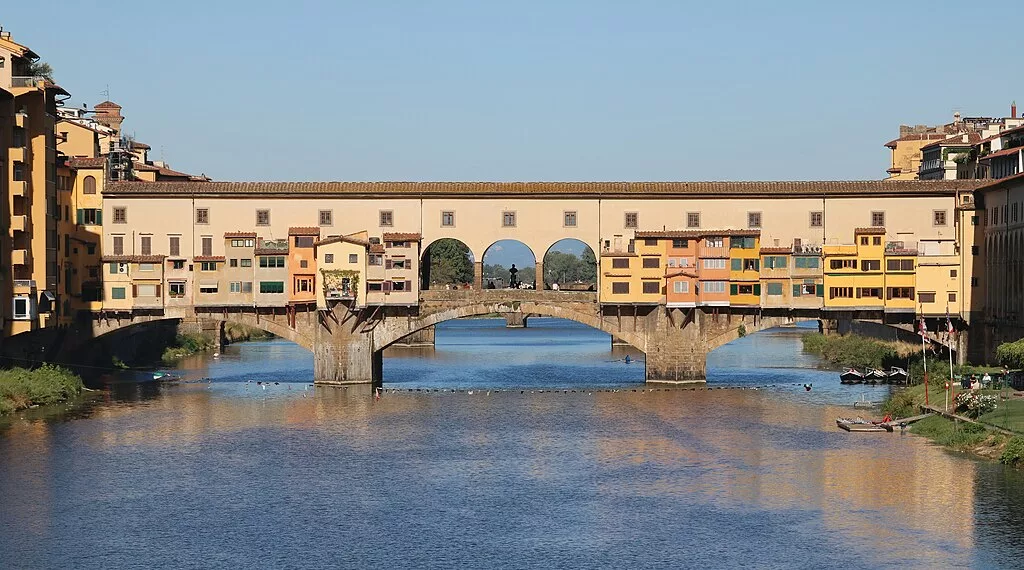
The Ponte Vecchio (“Old Bridge” in Italian) is an iconic medieval bridge in Florence, crossing the Arno at its narrowest point.
It consists of three stone arches, the largest spanning approximately 30 m. The current bridge dates from 1345, rebuilt in stone after repeated destruction caused by flooding of the Arno.
The shops on the bridge were originally occupied by butchers, tanners, and fishmongers, but since 1593, they have been reserved exclusively for jewelers and goldsmiths.
The Vasari Corridor, built in 1565 by Giorgio Vasari, runs above the bridge: it connected the Palazzo Vecchio to the Palazzo Pitti for the Medici family. This elevated passage allowed Medici members to cross the bridge without mingling with the public.
At the center of the bridge, one can see a 14th-century sundial, a remnant of earlier times.
During World War II, the Ponte Vecchio was the only Florentine bridge not destroyed during the retreat of German troops. A plaque commemorates the German consul Gerhard Wolf, praised for helping protect the bridge during the war.
Basilica of Santa Croce
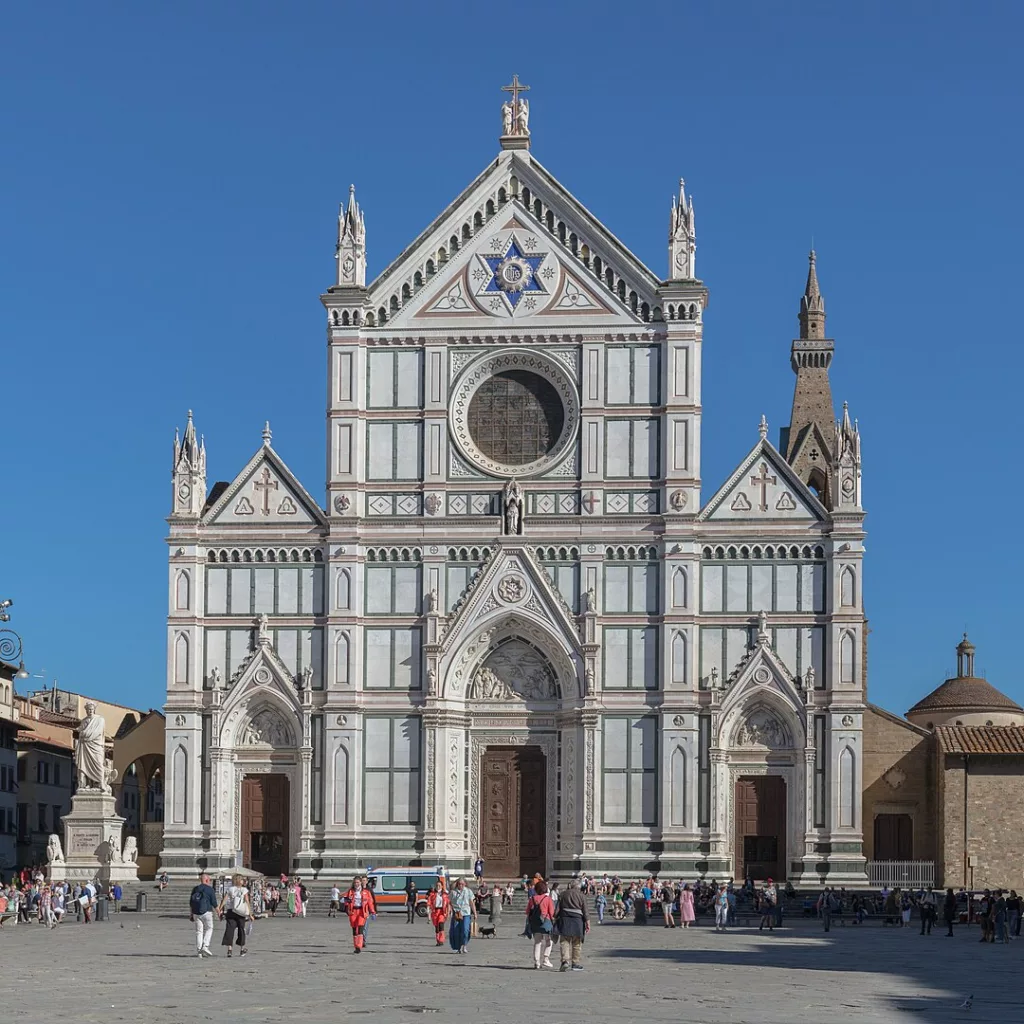
The Basilica of Santa Croce in Florence is the largest Franciscan church in the world.
Construction began in 1294, based on plans by Arnolfo di Cambio, on the site of an earlier Franciscan chapel. The current Neo-Gothic façade was completed between 1857 and 1863, designed by architect Niccolò Matas.
Inside, numerous family chapels are decorated with frescoes by Giotto and his pupils. Among its artistic treasures are sculptures by Donatello, Rossellino, and other Renaissance masters.
The basilica houses the tombs of some of Italy’s greatest figures: Michelangelo, Galileo, Machiavelli, Rossini, etc.
The Santa Croce Works Museum, located in the former monks’ refectory, preserves frescoes (Orcagna, Gaddi) and crucifixes by Cimabue.
Pitti Palace
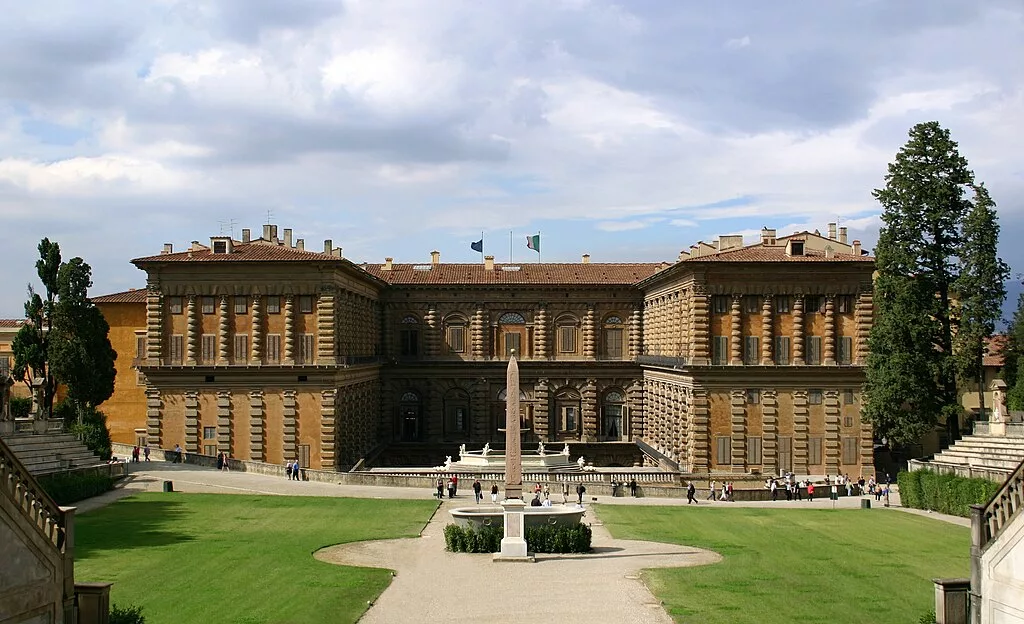
The Palazzo Pitti (or Pitti Palace) is a vast Renaissance palace located on the southern bank of the Arno in Florence. It was built starting in 1458 for the banker Luca Pitti, a rival of the Medici family.
In 1549, the Medici acquired the palace and made it their main residence, marking the beginning of its transformation into a center of power and art. The complex expanded over the centuries and today includes several museums: the Palatine Gallery, the Royal Apartments, the Treasury of the Grand Dukes, the Gallery of Modern Art, and the Costume Museum.
The Palatine Gallery, located on the first floor, retains a sumptuous décor: the artworks are displayed in rooms with painted ceilings, in the manner of a court collection. It houses masterpieces of the Renaissance and Baroque periods: Raphael, Titian, Rubens, Caravaggio, Van Dyck…
The Treasury of the Grand Dukes (formerly the “Museo degli Argenti”) displays precious objects: jewelry, crystals, vases, ivories… from the collections of the Medici and Lorraine families.
On the second floor, the Gallery of Modern Art presents Italian paintings from the 19th and early 20th centuries, notably works by the Macchiaioli movement.
Just behind the palace are the Boboli Gardens, an elegant Italian-style garden and a true open-air museum of sculpture and architecture.
The Basilica of San Lorenzo
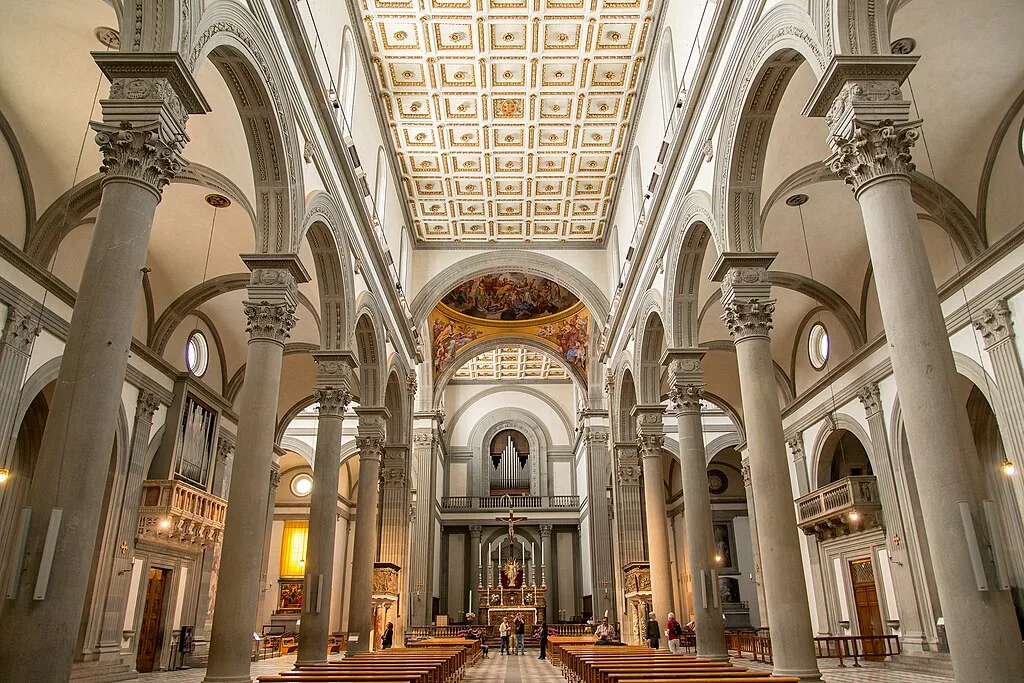
The Basilica of San Lorenzo is one of Florence’s main places of worship and is closely linked to the powerful Medici family.
Its history dates back to Antiquity: it is believed to have been consecrated as early as the year 393, long before the Renaissance. In the 15th century, Filippo Brunelleschi was commissioned to rebuild the church according to a Renaissance plan, financed by the Medici.
Inside the church is the Old Sacristy, designed by Brunelleschi and decorated by Donatello, which houses the tombs of Giovanni and Piero de’ Medici.
The complex includes the Laurentian Library, designed by Michelangelo to house the Medici book collection.
The Medici Chapels (Cappelle Medicee) notably include the New Sacristy (Sagrestia Nuova) and the Chapel of the Princes.
The Sagrestia Nuova, designed by Michelangelo between 1520 and 1533, contains sculpted Medici tombs with allegories such as Day, Night, Dawn, and Dusk.
The Chapel of the Princes, built in the 17th century, is a monumental Baroque mausoleum clad in polychrome marbles and semi-precious stones.
Giotto’s Campanile
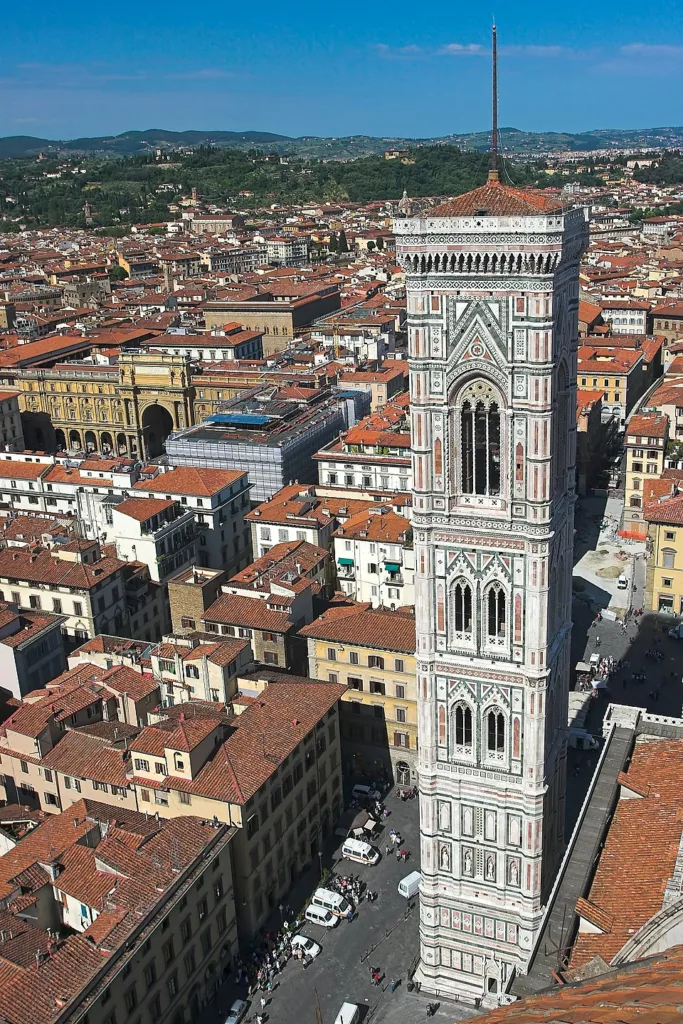
Giotto’s Campanile is the bell tower of the Cathedral of Santa Maria del Fiore, located on Piazza del Duomo in Florence.
Construction began in 1334 and was completed around 1359.
The façade is clad in polychrome marble — white from Carrara, green from Prato, and red from Siena — harmonizing with the cathedral.
The bell tower is decorated with bas-reliefs in hexagonal medallions and lozenges, depicting symbolic scenes such as virtues, the liberal arts, and the sacraments. There are also niches with statues of prophets and sibyls: the originals are preserved in the Opera del Duomo Museum and have been replaced on the tower by copies.
The Baptistery of Saint John
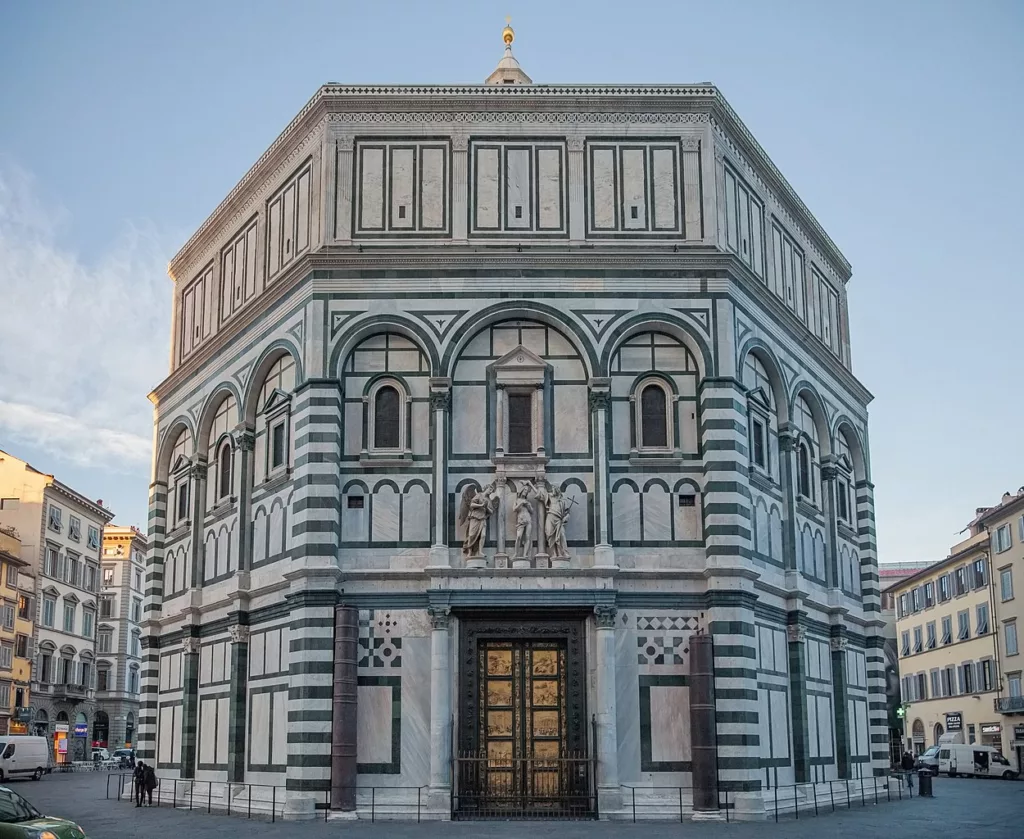
The Baptistery of Saint John is located on the Piazza di San Giovanni, opposite the Cathedral of Santa Maria del Fiore.
It is one of the oldest monuments in Florence, with origins dating back to the 4th or 5th century. The interior is famous for its golden mosaics, depicting biblical scenes and sacred figures, created between the 13th and 14th centuries.
At the center is the baptismal font, surrounded by marble inlays featuring symbolic and astrological motifs.
The Baptistery has three bronze doors: the south door by Andrea Pisano, the north door, and the famous Gates of Paradise on the east side by Lorenzo Ghiberti. The Gates of Paradise are a masterpiece of the Renaissance, illustrating scenes from the Old Testament and admired by Michelangelo.
The Baptistery also houses tombs and sculptures, including works by Donatello and Michelozzo, testifying to the site’s artistic and religious importance.
Basilica of San Miniato
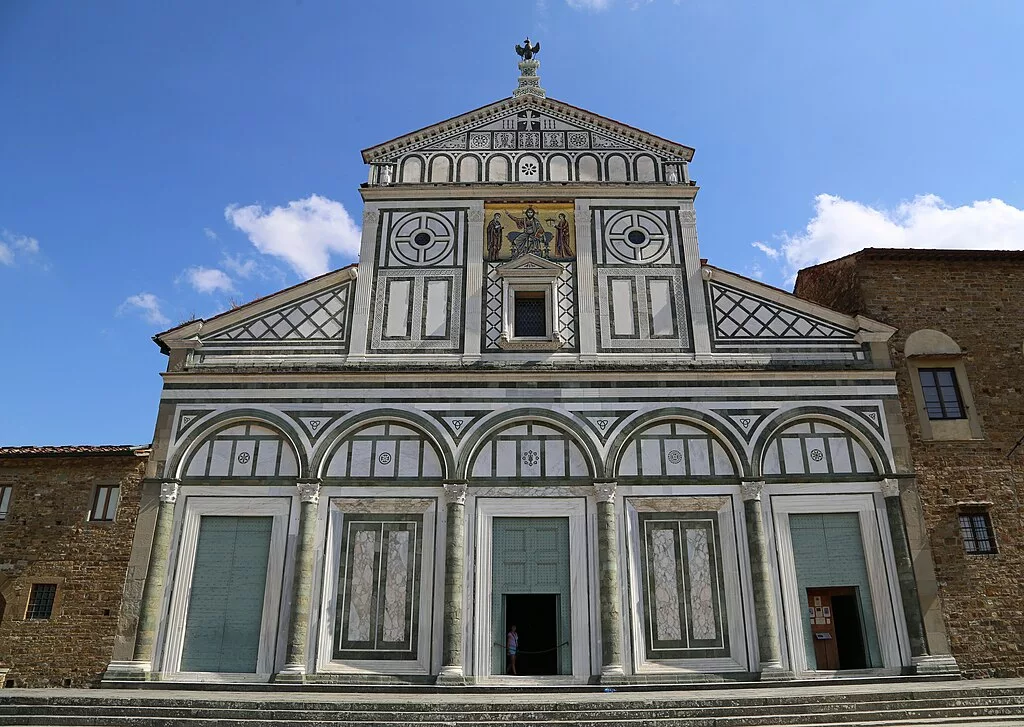
The Basilica of San Miniato al Monte is perched on one of Florence’s highest hills, offering an exceptional panorama of the city.
It is dedicated to Saint Miniato, the first martyr of Florence, whose relics rest in the church’s crypt.
The building, in Tuscan Romanesque style, was constructed starting in 1018 under Bishop Alibrando, on the remains of an older chapel.
San Lorenzo Market
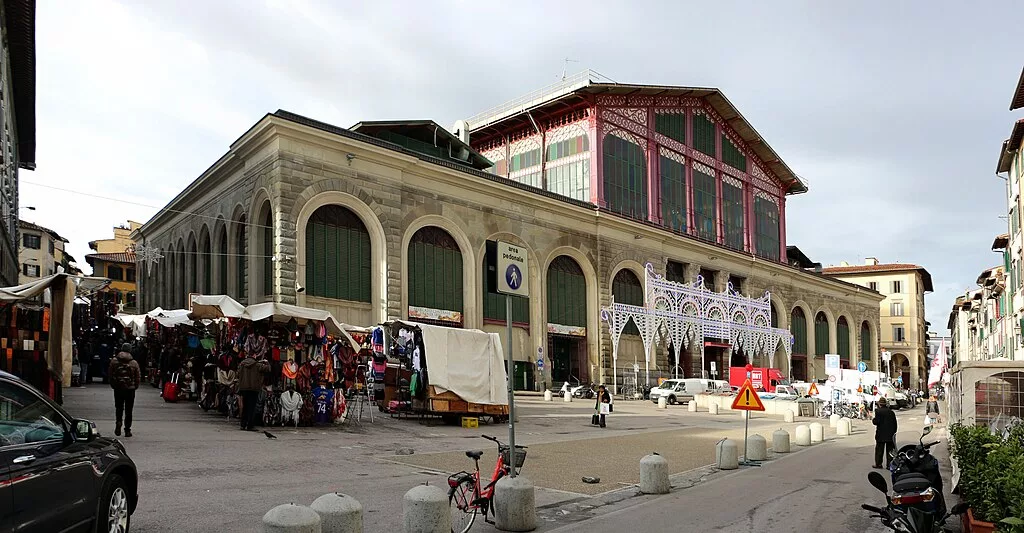
The San Lorenzo Market actually consists of two parts: an outdoor market around the building, and a large covered market called the Mercato Centrale.
The Mercato Centrale building, made of iron and glass, was designed by Giuseppe Mengoni and inaugurated in 1874, as part of Florence’s urban redevelopment. On the ground floor of the Mercato Centrale, there are traditional stalls selling food products: fruits, vegetables, meats, fish, cheeses… On the first floor, the market has been renovated to host a modern “food court” area: restaurants, pizzerias, and caterers open until midnight.
Around the covered building, in the adjacent streets, spreads the commercial “tourist” market: selling leather goods, clothing, souvenirs, and jewelry.
The San Lorenzo Market is particularly famous for its leather products, a typical Florentine craft. Note that the outdoor souvenir and leather stalls can be very tourist-oriented and prices are sometimes inflated.
Piazza della Signoria
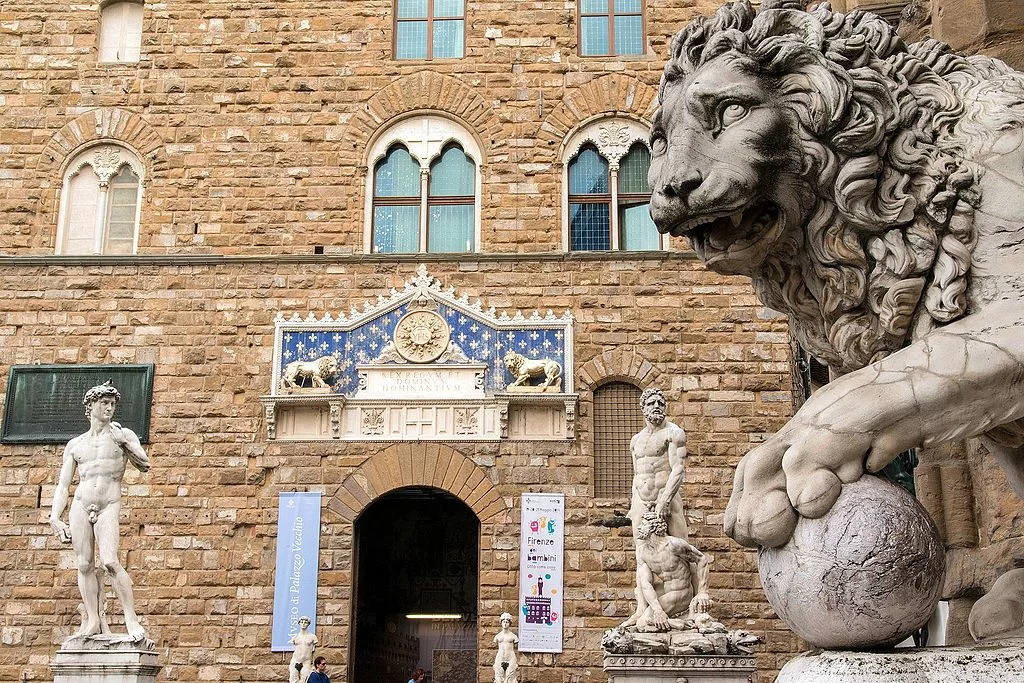
Piazza della Signoria is one of Florence’s most emblematic squares, located right in front of the Palazzo Vecchio.
Its name comes from the “Signoria,” the Florentine republican governing body, whose seat was the Palazzo della Signoria (today Palazzo Vecchio).
The square has an “L” shape, formed after the demolition of old buildings when the Guelphs gained control in 1268.
The Palazzo Vecchio, built at the end of the 13th century, dominates the square and symbolizes Florentine civil power.
The Loggia dei Lanzi, formerly the Loggia della Signoria, is an open-air space transformed into an outdoor sculpture gallery. Among the works displayed in the loggia are Perseus with the Head of Medusa by Benvenuto Cellini and The Rape of the Sabine Women by Giambologna.
A large Fountain of Neptune, sculpted by Bartolomeo Ammannati, adorns one side of the square.
The equestrian statue of Cosimo I de’ Medici, sculpted by Giambologna in 1594, is another strong visual landmark of the piazza.
The square witnessed historical events, including the execution of Girolamo Savonarola on May 23, 1498, commemorated by a plaque near the Fountain of Neptune. Girolamo Savonarola (1452‑1498) was an Italian Dominican friar and influential Florentine preacher in the late 15th century. He advocated a return to strict Christian piety and denounced the corruption of the Medici, who ruled Florence.
Piazzale Michelangelo
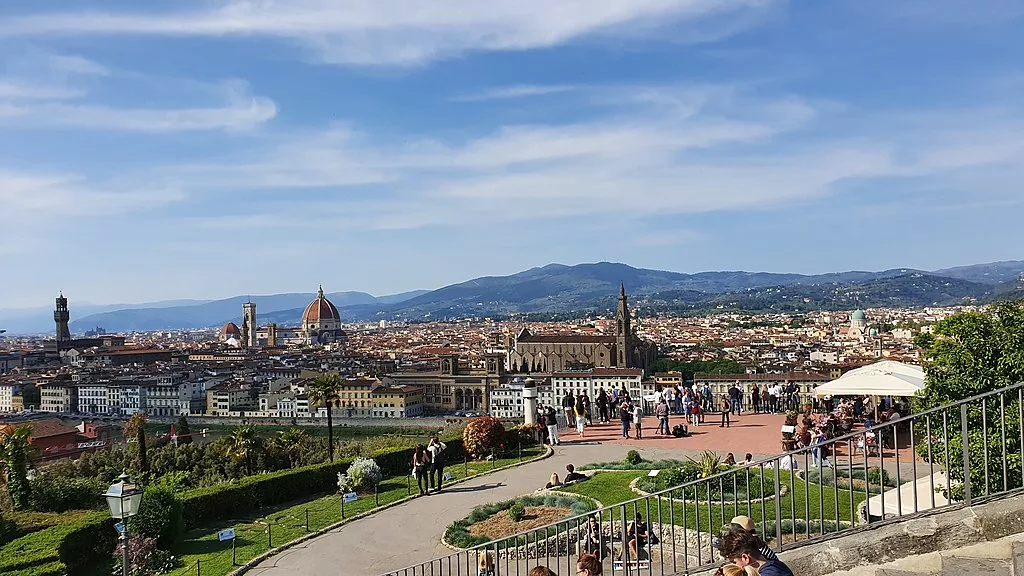
Piazzale Michelangelo is a famous panoramic terrace, perched on a hill south of the Arno in the Oltrarno district. It was designed by architect Giuseppe Poggi in 1869 as part of the large urban renovation project during Florence’s “Risanamento.”
At the center of the square stands a large bronze replica of Michelangelo’s David, facing the hills of Florence. There are also four allegories (Day, Night, Dawn, and Dusk), copies of Michelangelo sculptures from the Medici chapels.
Just below the piazzale are charming gardens such as the Rose Garden and the Iris Garden.
Piazzale Michelangelo is also a place of celebration: every June 24, fireworks are launched here for Florence’s city festival.
Must-See Museums
Uffizi Gallery (Galleria degli Uffizi)
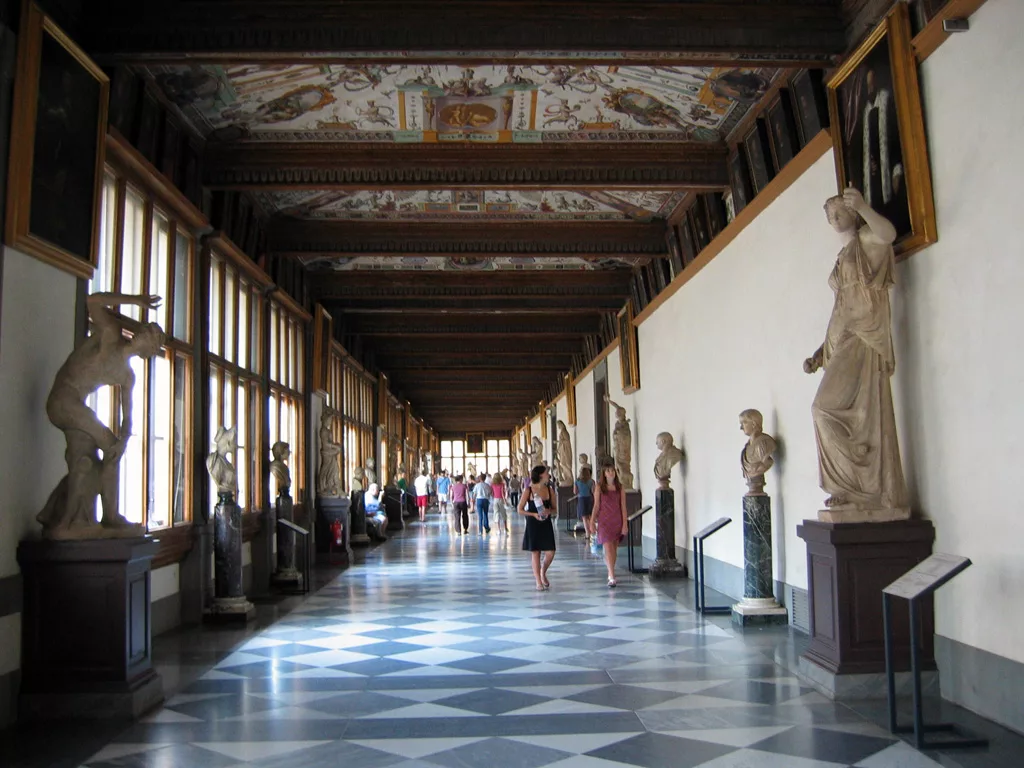
The Uffizi Gallery, or Galleria degli Uffizi, is one of the most famous and visited art museums in the world.
The building was constructed starting in 1560 on the orders of Cosimo I de’ Medici to bring together the offices of the Florentine administration (“uffizi” means “offices”). It was designed by architect Giorgio Vasari, later completed by Alfonso Parigi and Bernardo Buontalenti, and finished around 1581.
The museum houses one of the most magnificent collections of Italian Renaissance art: Botticelli, Leonardo da Vinci, Michelangelo, Raphael, Titian, etc. Iconic works include The Birth of Venus by Botticelli, The Annunciation by Leonardo da Vinci, and The Madonna of the Goldfinch by Raphael.
The museum also offers ancient sculptures, especially busts collected by the Medici family.
Academy Gallery (Galleria dell’Accademia)
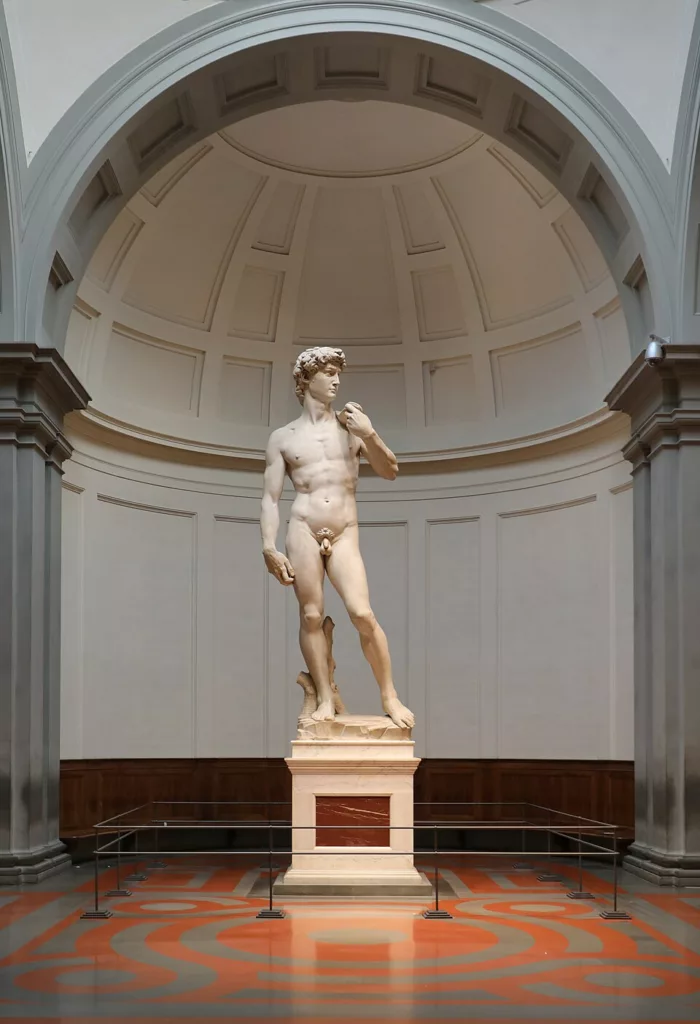
The Galleria dell’Accademia in Florence was founded in 1784 by Grand Duke Pietro Leopold to train Fine Arts students. It is located at 58-60 via Ricasoli, in former hospital and convent buildings.
The museum is most famous for housing Michelangelo’s David statue, sculpted between 1501 and 1504. It also features other Michelangelo sculptures, such as the famous “Prisoners” intended for Pope Julius II’s tomb.
The gallery has a rich collection of Florentine paintings from the 13th to the 16th century, including works by Botticelli and Uccello. One wing of the museum is dedicated to a museum of ancient musical instruments from the Medici collection.
Bargello Museum
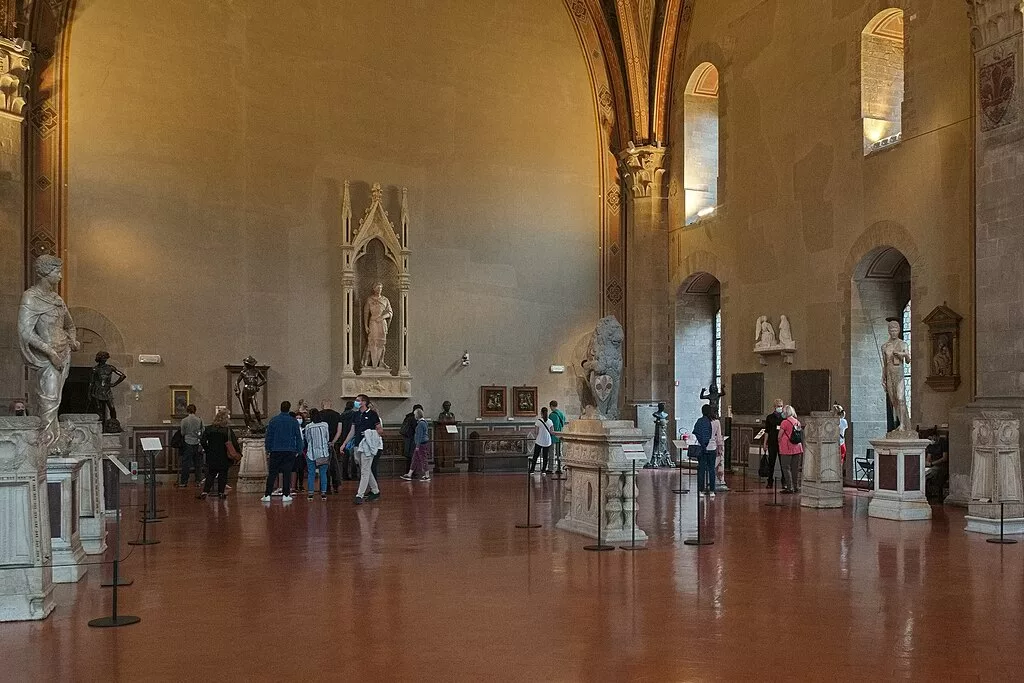
The Bargello Museum is housed in the former Palazzo del Podestà, one of Florence’s oldest public buildings.
Built starting in 1255, the palace originally served as a seat of justice and later became a prison: “Bargello” actually refers to the chief of the city’s police.
The Bargello became a national museum in 1865, making it one of Italy’s first museums dedicated to medieval and Renaissance arts. It houses one of the finest collections of Renaissance sculpture in the world, with works by Donatello, Michelangelo, Verrocchio, Cellini, Giambologna, and others.
Among the masterpieces are Donatello’s David, Michelangelo’s Bacchus, as well as impressive bronze busts and reliefs. The museum also contains a rich collection of decorative arts: ivories, enamels, majolica, weapons, textiles, medals… many from the Medici collections.
The inner courtyard of the palace is surrounded by walls adorned with the coats of arms of former magistrates (podestà), creating a very authentic medieval atmosphere. One of the most famous rooms is Donatello’s, displaying his Saint George, his Davids (marble and bronze), and reliefs by Brunelleschi and Ghiberti.
San Marco Museum
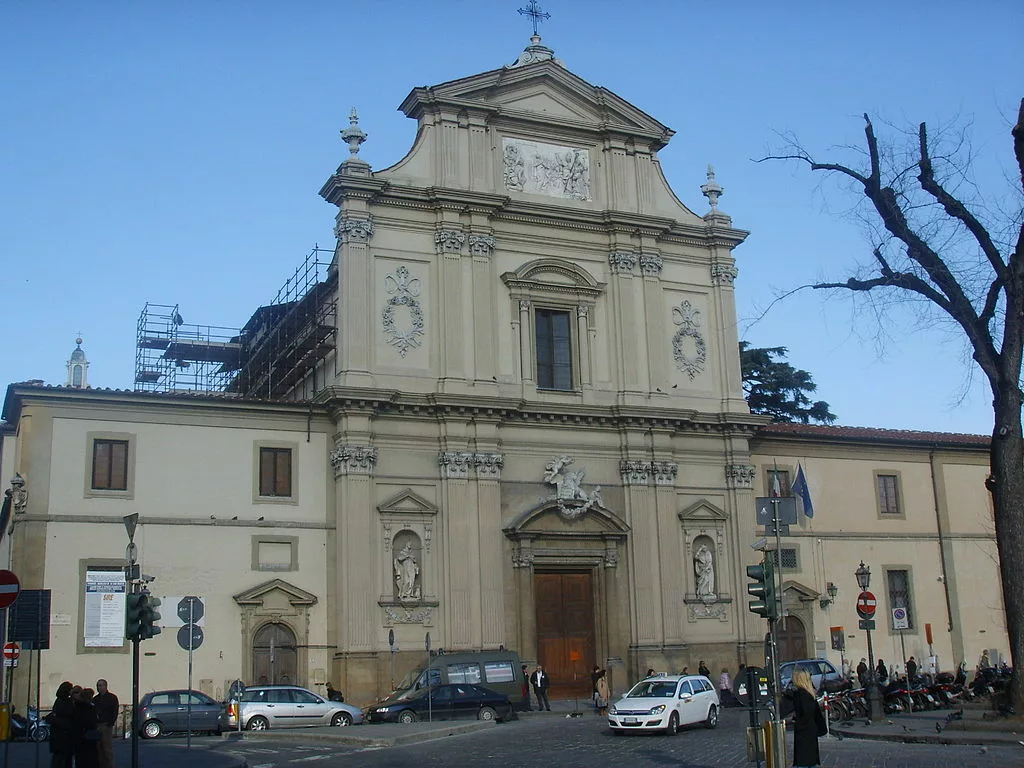
The San Marco Museum occupies the former monumental part of the Dominican convent of San Marco, renovated in the 15th century by architect Michelozzo at the request of Cosimo de’ Medici.
It is one of the main sites to admire the works of Fra Angelico, housing the largest collection of his frescoes and panels. In the convent cells upstairs, one can see a cycle of 44 frescoes by Fra Angelico and his students depicting scenes from Christ’s life; these paintings were intended to inspire the monks’ meditation.
It also contains Fra Angelico’s Annunciation, painted on the main staircase of the convent, a particularly moving work for its simplicity and spirituality. In addition to Fra Angelico, the museum exhibits works by other Renaissance masters such as Ghirlandaio, Fra Bartolomeo, Paolo Uccello, and pieces by the Della Robbia family.
The museum also preserves a library designed by Michelozzo, considered one of the first “public libraries” of the Renaissance.
Leonardo da Vinci Interactive Museum
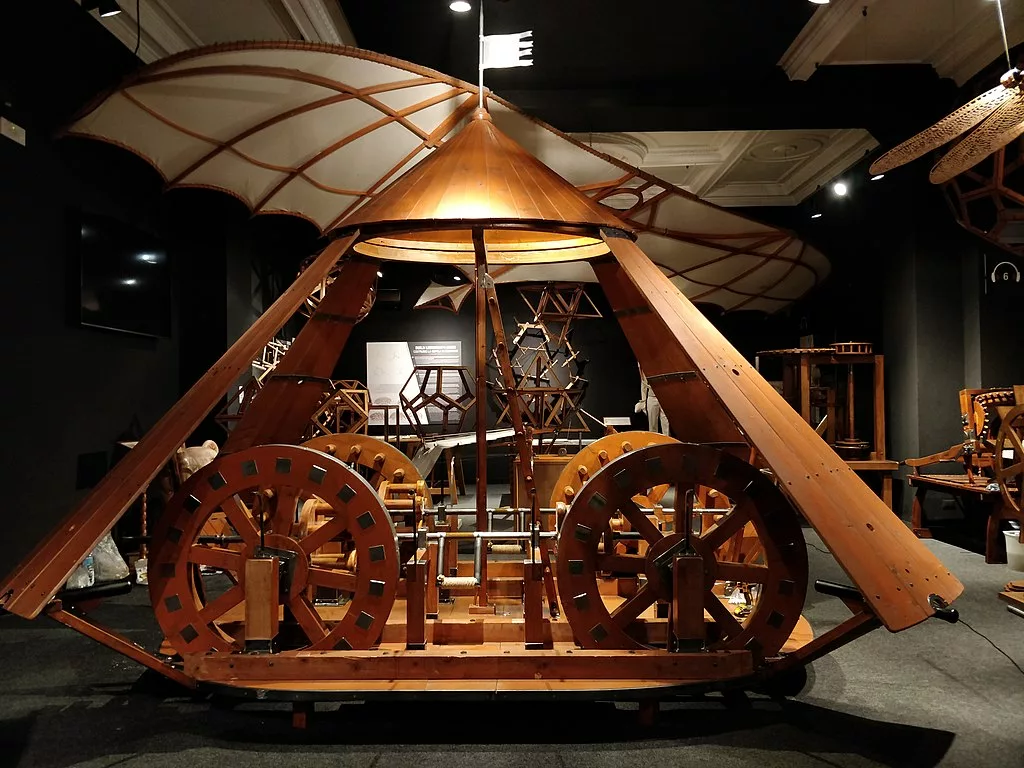
The Leonardo da Vinci Interactive Museum in Florence is a unique space where visitors can manipulate machines designed by Leonardo, based on his codices.
The prototypes on display are functional: for example, the giant tank, catapult, screw, vertical ornithopter, and hydraulic saw can be operated. Each machine is accompanied by its original drawing from Leonardo’s codices, with multilingual explanations (Italian, English, French, etc.).
The museum also includes interactive laboratories: visitors can build self-supporting bridges, domes, or polyhedra inspired by the writings of Leonardo and Luca Pacioli. It also features anatomy studies: drawings of the human body by Leonardo, approached scientifically and pedagogically.
A cartography section displays geographical maps designed by Leonardo, taken from historical manuscripts.
Galileo Museum
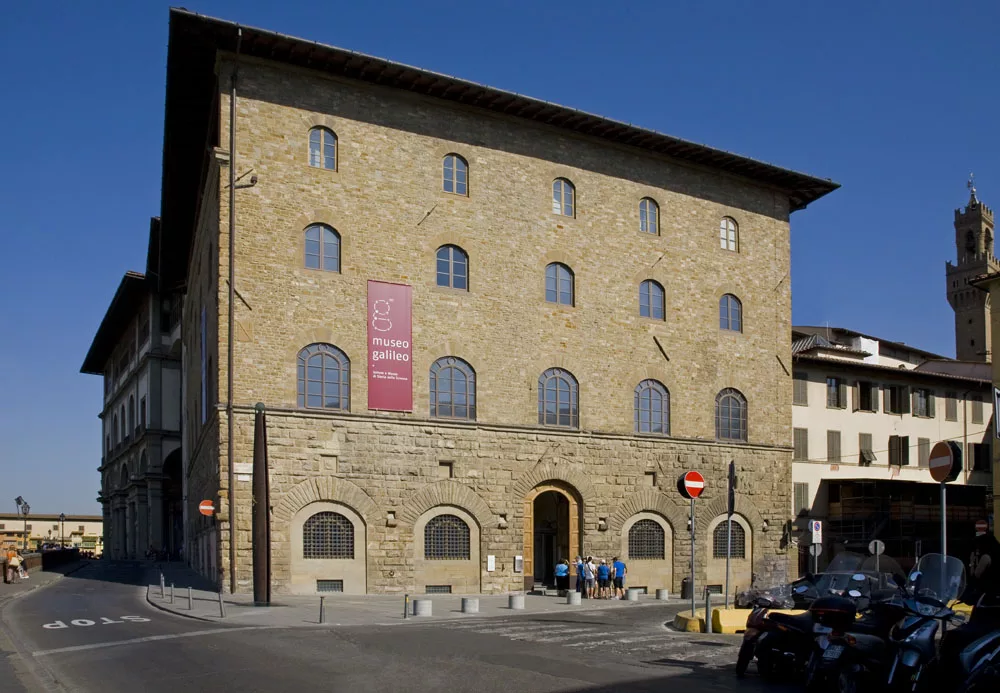
The Museo Galileo is located at Piazza dei Giudici 1, not far from the Arno River and very close to the Uffizi Gallery. It occupies the Palazzo Castellani, a building dating back to the 11th century.
The museum houses one of the most important collections of scientific instruments in the world, from the Medici and Lorraine dynasties. Among the objects on display are instruments that belonged to Galileo himself: two telescopes and the lens of one of his observational instruments.
The museum also holds globes, astrolabes, sundials, mechanical clocks, and navigation instruments spanning several centuries. A centerpiece is the Santucci armillary sphere, a large astronomical model commissioned by the Medici.
Walks and Green Spaces
Bardini Gardens
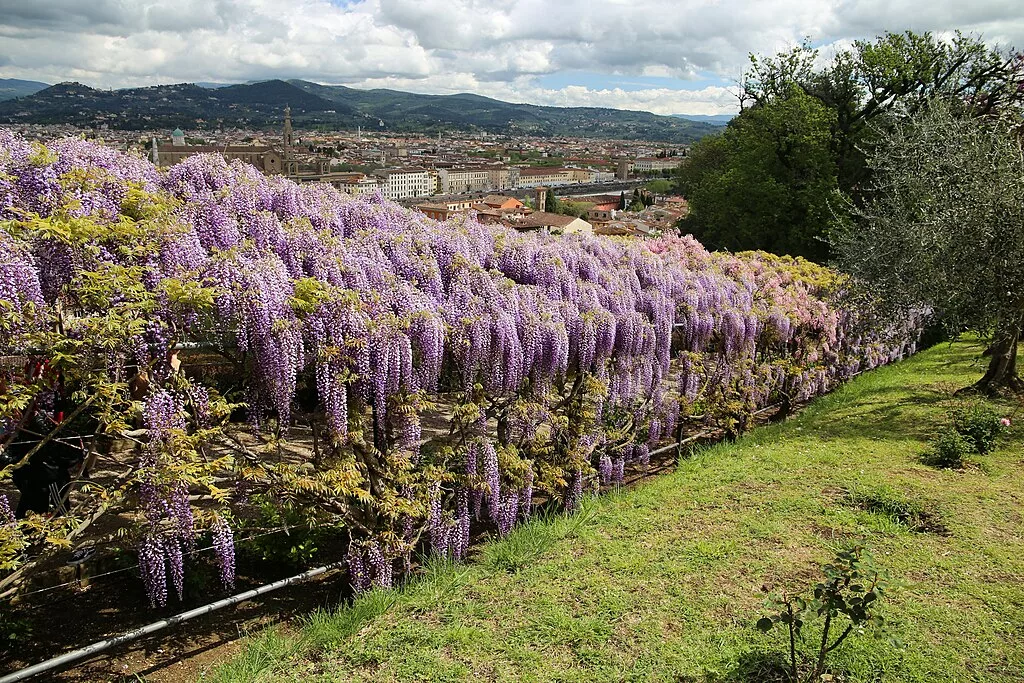
The Bardini Gardens cover about 4 hectares on the Oltrarno hill, offering superb panoramic views of Florence. The garden is divided into three distinct areas: an Italian-style garden with a large Baroque staircase, an English-style woodland, and an agricultural park with orchard and wisteria pergola.
The Baroque staircase, the centerpiece of the garden, is lined with statues, fountains, and mosaics, and leads to a panoramic terrace lookout.
The woodland to the west of the garden is a rare example of Anglo-Chinese garden, with canals, exotic groves, and decorative elements from the 19th century.
The agricultural park to the east features a traditional orchard, rose bushes, hydrangeas, and a magnificent wisteria pergola that blooms in spring.
Boboli Gardens
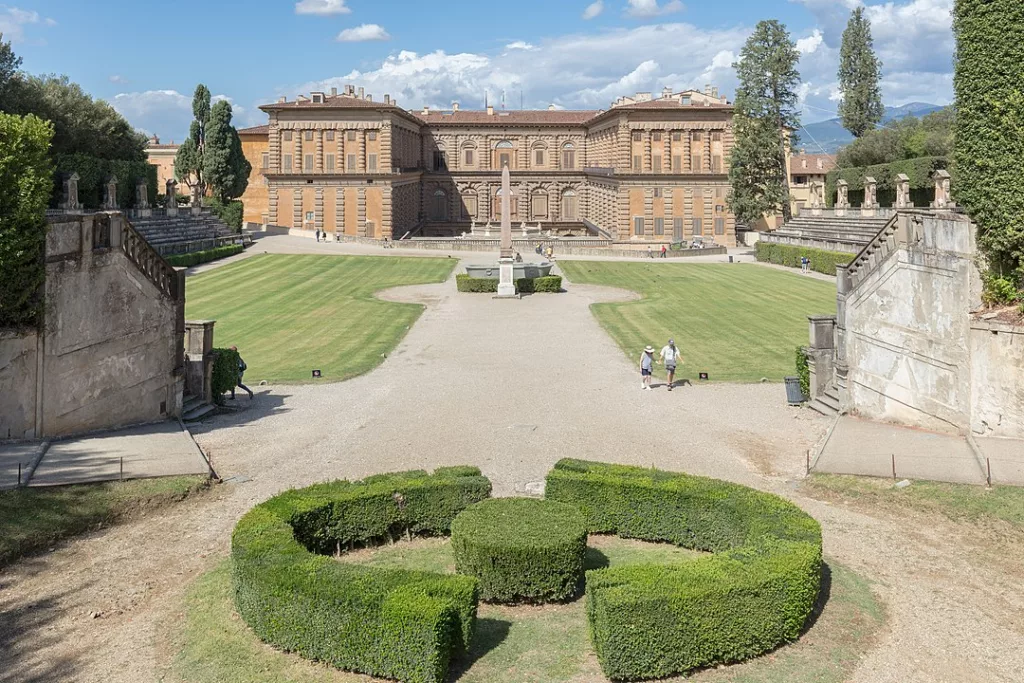
The Boboli Gardens are a historic 45-hectare park located behind the Pitti Palace, designed as an “open-air museum” by the Medici family.
Its layout began in the mid-16th century with architect Niccolò Tribolo.
The garden is structured around two main axes: a central axis with an amphitheater on the hill, and a second, called the “Viottolone,” lined with cypress trees.
At the center of the amphitheater stands an Egyptian obelisk, formerly located in Rome, giving the site a classical and solemn touch.
Among the most famous fountains are the Neptune Fountain, and the “Fountain of the Ocean,” surrounded by statues of rivers such as the Nile, Ganges, and Euphrates. The Grotta Grande, designed by Buontalenti between 1583 and 1593, is an artificial grotto richly decorated with stalactites, frescoes, and sculptures.
The garden also includes buildings such as the rococo Kaffeehaus, the “Lemon House” with its citrus trees, and neoclassical temples scattered across the terraces.
Boboli houses numerous sculptures: Roman antiquities, Mannerist and Baroque works by artists such as Giambologna.
Florentine Gastronomy & Specialties
Bistecca alla Fiorentina
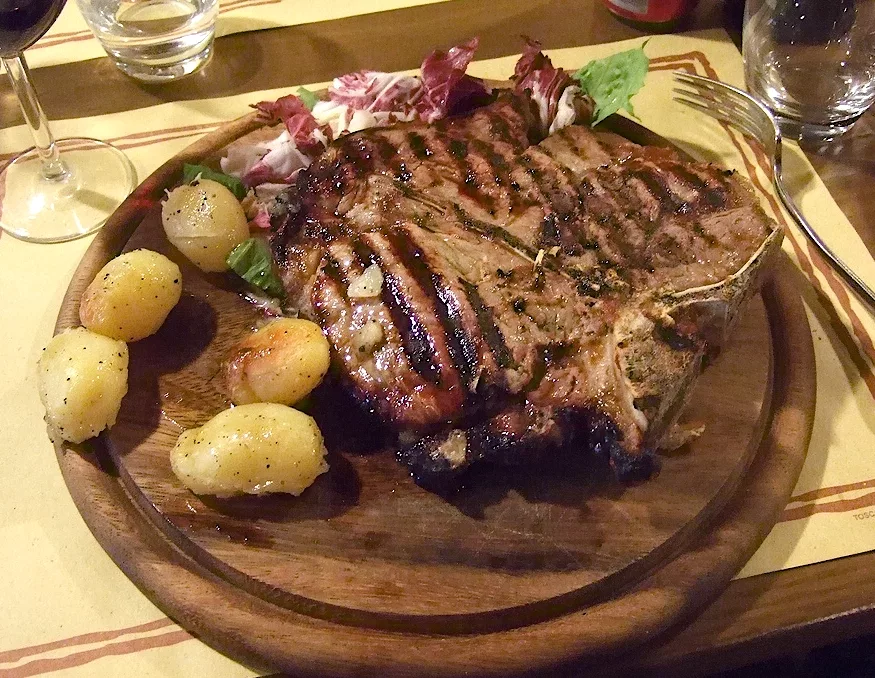
The Bistecca alla Fiorentina is a typical Tuscan T-bone steak, mainly from the Chianina breed of cattle.
This cut of meat is characterized by the T-shaped bone, separating the tenderloin from the sirloin. The steak is traditionally grilled over a charcoal fire until it is pink inside.
The word “bistecca” likely comes from the English “beef-steak,” popularized in Florence in the 19th century.
Ribollita
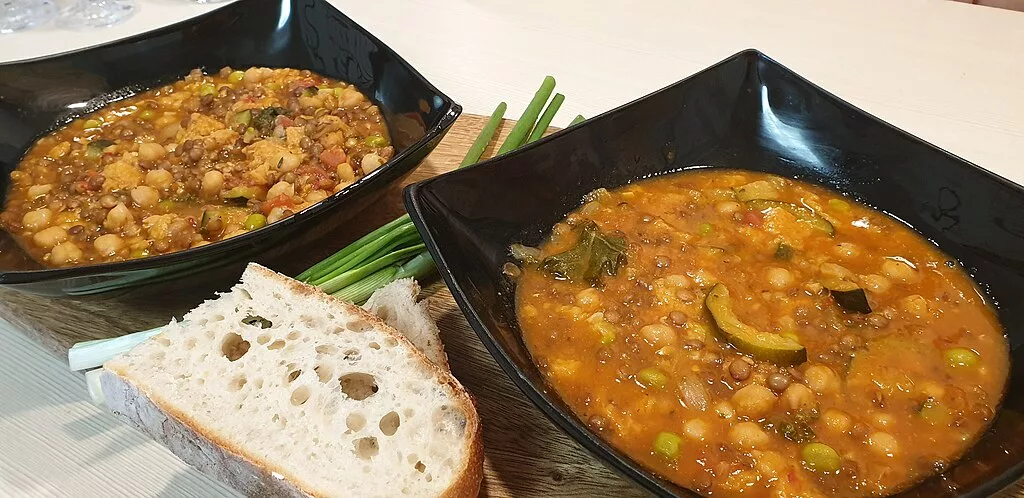
The ribollita is a Tuscan soup made with stale bread and vegetables. It often includes cannellini beans, black cabbage (lacinato), cabbage, carrots, celery, potatoes, and onions.
Its name literally means “reboiled” because it is often reheated with leftovers from the previous day’s soup.
It is traditionally simmered in a terracotta pot.
Cantucci & Vin Santo
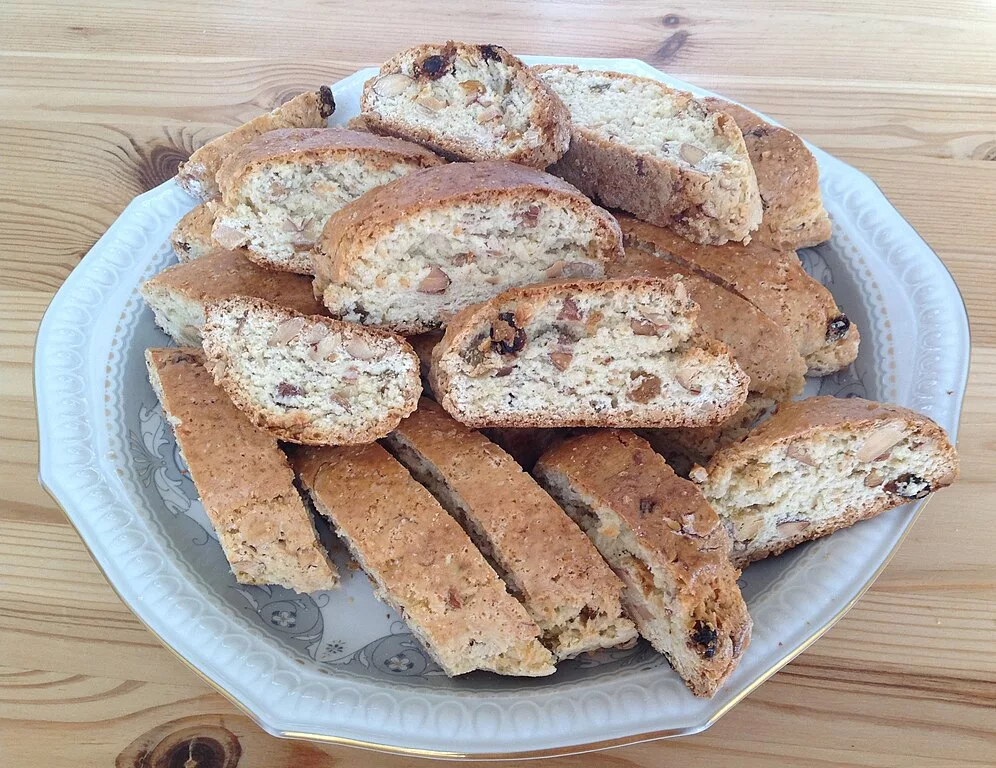
The cantucci (or cantuccini) are crunchy almond cookies, typical of Tuscany.
They are traditionally dipped in Vin Santo, a sweet Tuscan dessert wine. The Florentine
The Vin Santo (literally “holy wine”) probably got its name due to its historic use in Catholic Mass. It is made from grapes (such as Trebbiano and Malvasia) dried on mats, which concentrates the sugars. The taste of Vin Santo ranges from very dry to very sweet, depending on the producer and aging.
Artisanal Gelato
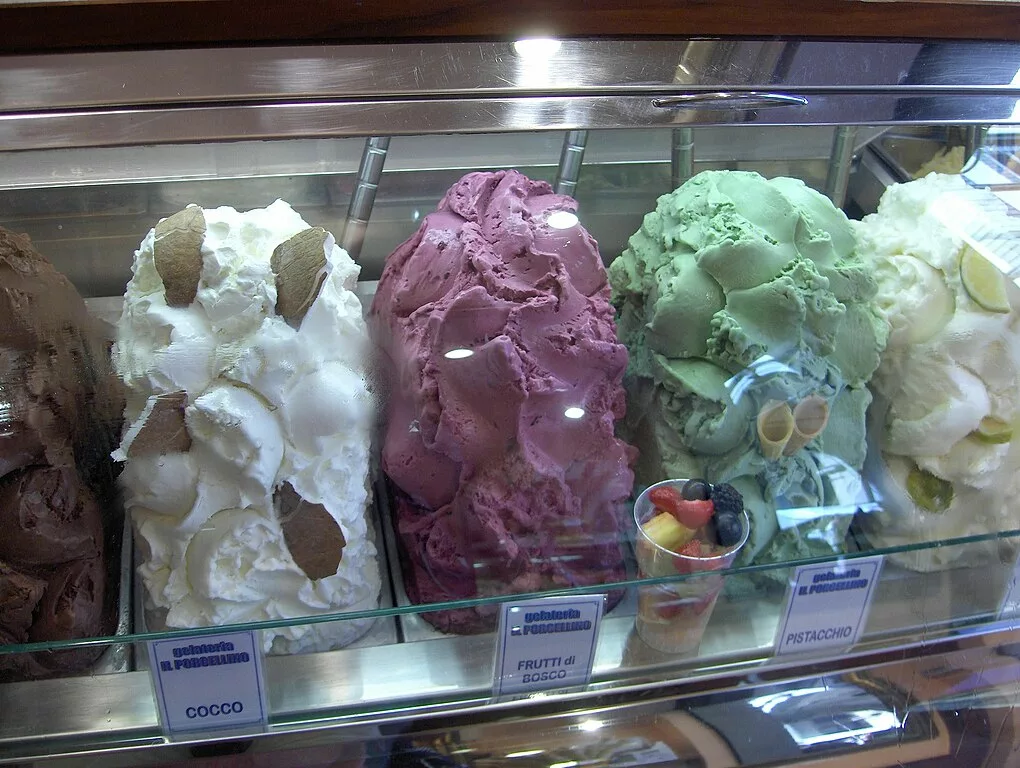
The gelato is a typical Italian ice cream, with less fat than traditional ice cream.
It is made with milk, sugar, and often fruits, nuts, or chocolate, incorporating little air, which makes it denser. The fat content is typically 6–9% in artisanal gelato.
It is often served with a spatula (“spade”) rather than a large ice cream scoop. Artisanal gelato emphasizes fresh, high-quality ingredients without industrial additives.
Excursions Around Florence
Fiesole
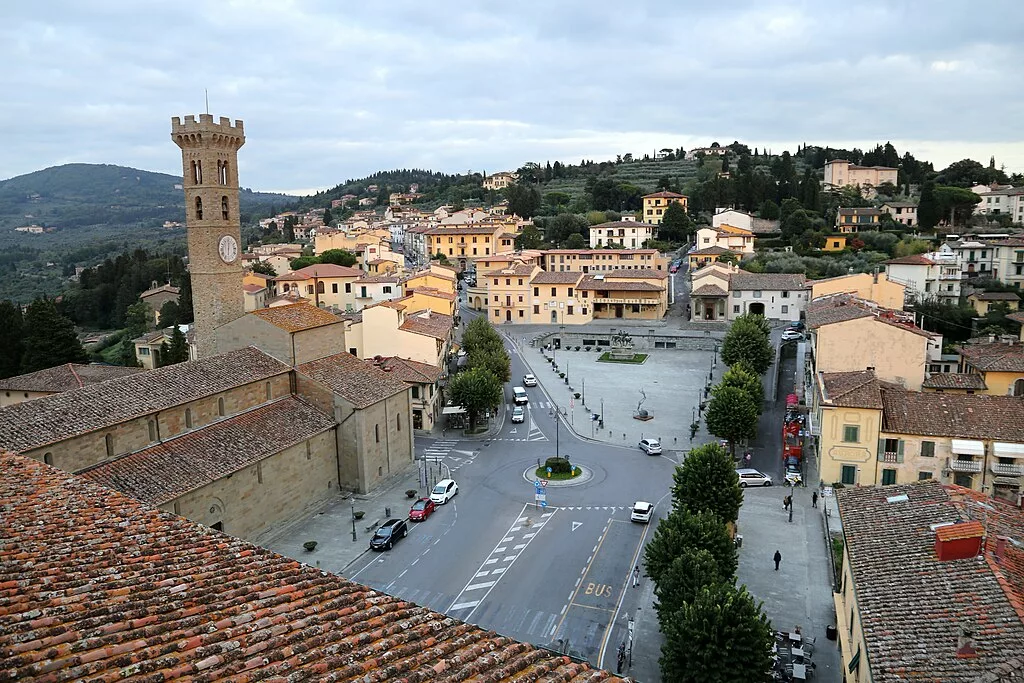
Fiesole is a Tuscan town located on a hill, about 5 km northeast of Florence.
It has Etruscan and Roman origins, with ancient remains in its archaeological site. Thanks to its altitude, Fiesole offers a spectacular panoramic view of Florence and the Arno valley.
The town has long been a retreat for the Florentine elite, who built Renaissance villas there.
Notable sites include the Roman theater, still used for summer concerts, the San Romolo Cathedral in Romanesque style, and the Fiesole Archaeological Museum, which displays Etruscan and Roman artifacts found in the area.
Chianti and Wine Tasting
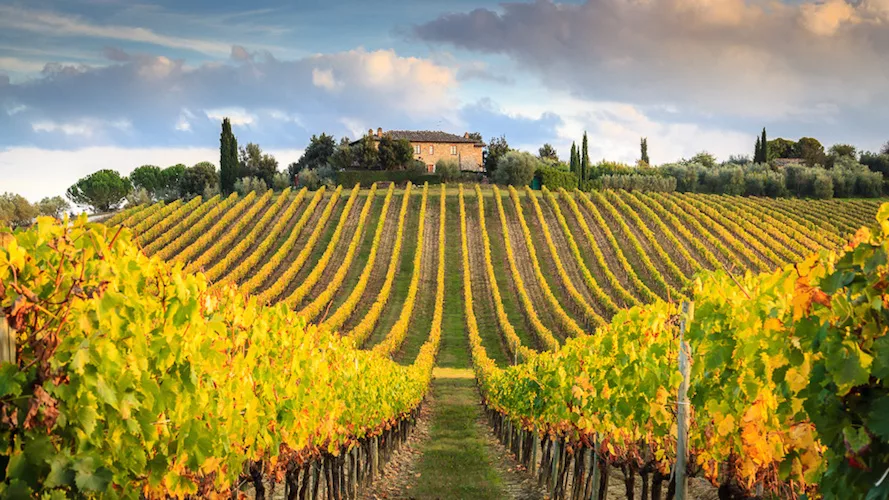
The Chianti region is located between Florence and Siena, in the Tuscan hills.
It is world-renowned for its red wine, mainly made from the Sangiovese grape.
Chianti villages are often perched on hills, with medieval castles and Romanesque churches. The Chianti Classico wine route passes through historic towns like Greve, Radda, and Castellina, typical of Tuscany’s vineyard landscapes.
San Gimignano and Its Medieval Towers
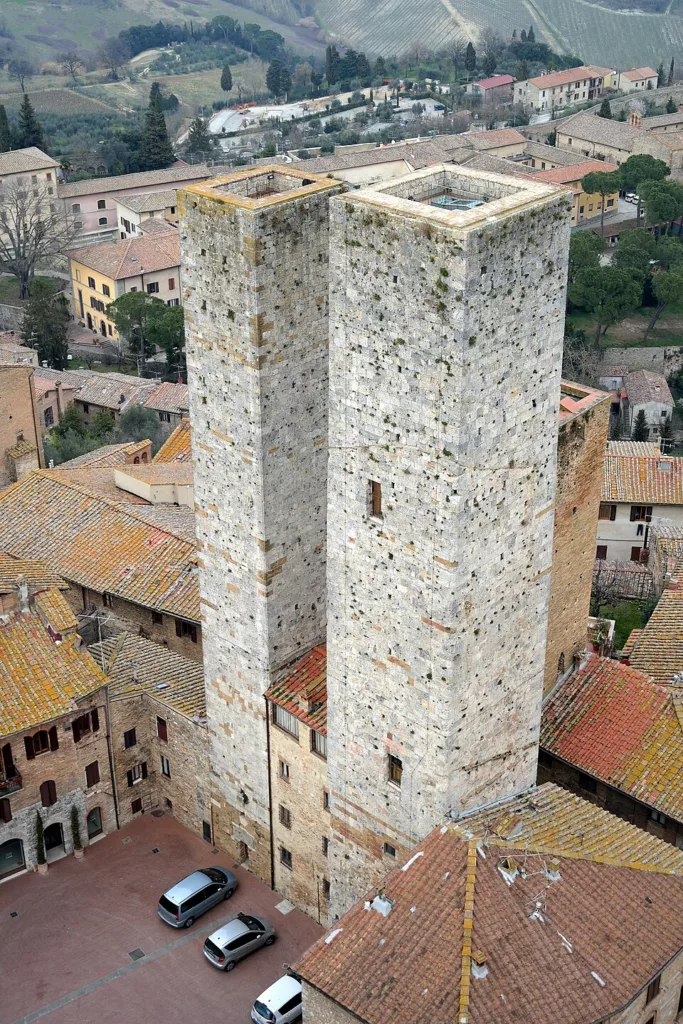
San Gimignano is a small medieval Tuscan town located in the province of Siena. It is nicknamed the “town of towers”, as a dozen well-preserved towers are still visible.
These towers were originally symbols of wealth and power of the local families in the Middle Ages. In the town center, visitors can admire Romanesque and Gothic architecture, with very well-preserved medieval buildings.
The town also produces a famous white wine: Vernaccia di San Gimignano.
Siena
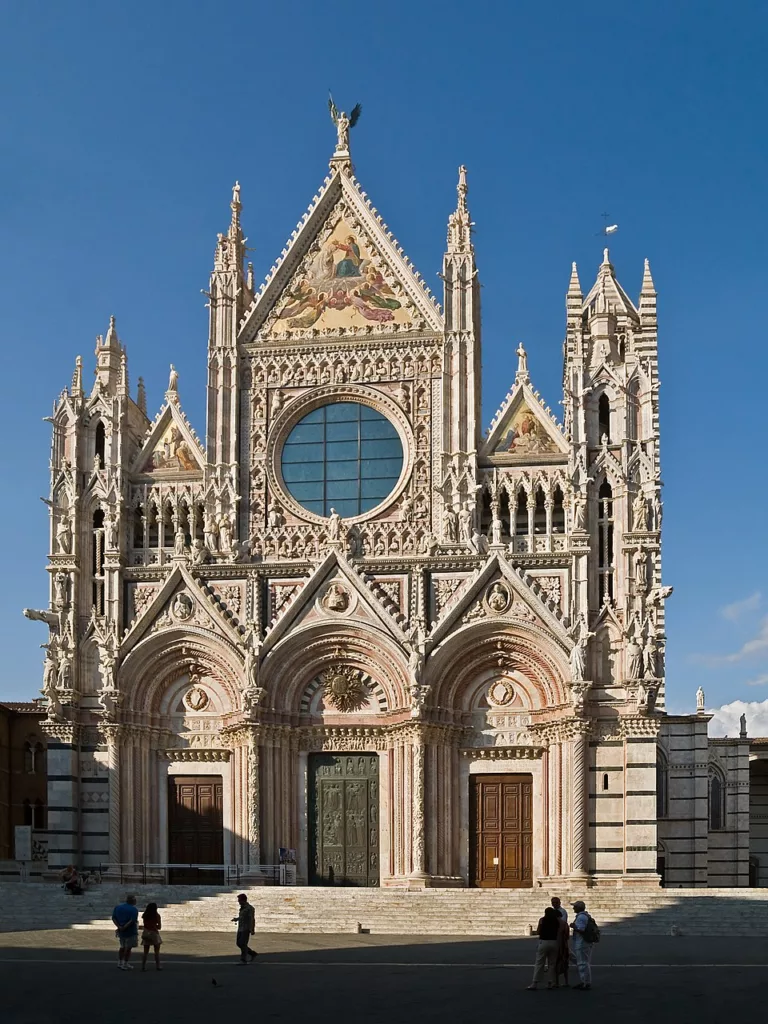
Siena is a medieval Tuscan city, about 70 km south of Florence.
The Piazza del Campo is Siena’s main square and one of its architectural symbols. The square has a distinctive shell shape, surrounded by medieval buildings such as the Public Palace.
At the edge of the piazza stands the famous Torre del Mangia, Siena’s civic tower. Twice a year, the square hosts the Palio di Siena, a traditional horse race between the city districts (contrade).
The square is divided into nine sections, a design that recalls the government of the “Nine” who ruled Siena in the Middle Ages.
Conclusion
Florence is a city where history, art, and culture meet at every street corner. Its cathedrals, palaces, bridges, and museums offer a unique journey into the heart of the Renaissance, while its culinary specialties and markets showcase the richness of Tuscan tradition.
By also exploring the surroundings, such as Fiesole, the Chianti region, San Gimignano, or Siena, visitors discover exceptional panoramas, medieval villages, and vineyards. Florence and its region thus offer a complete experience, combining heritage, gastronomy, and unforgettable landscapes.