
Visit Dublin: 30 Must-See Attractions and Things to Do
Visiting Dublin means immersing yourself in the heart of a city where history, culture, and friendliness meet on every street corner. From its medieval monuments to its modern museums, famous distilleries, and lush green parks, the Irish capital offers a rich and diverse experience. Whether you are passionate about history, an art enthusiast, a nature lover, or a foodie seeking local flavors, Dublin has something to offer everyone.
In this article, we provide a complete guide to visiting Dublin, exploring its iconic landmarks, cultural treasures, must-see museums, parks and gardens, as well as nearby excursions that will make your stay unforgettable. Get ready to discover the city from every angle and make the most of everything Dublin has to offer.
Monuments to Visit in Dublin
The Book of Kells Experience & Trinity College
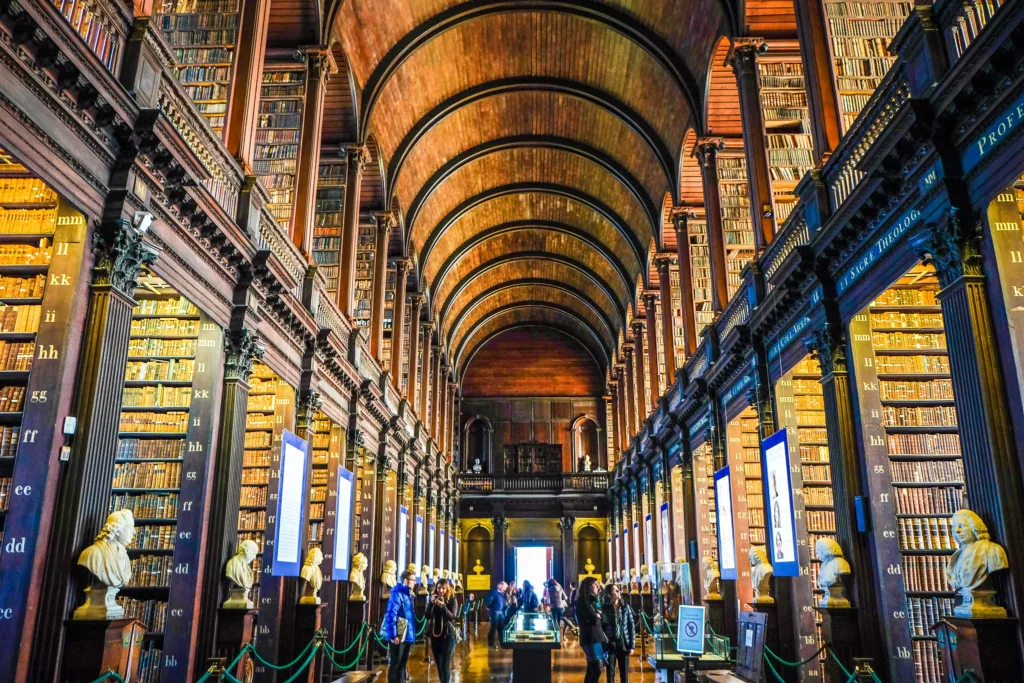
The Book of Kells is an illuminated medieval manuscript from the 9th century containing the four Gospels of the New Testament. It is considered one of Ireland’s most valuable cultural treasures.
The manuscript is displayed in the Old Library of Trinity College, an impressive historic hall featuring a long gallery filled with ancient books. Trinity College Dublin, founded in 1592, is Ireland’s oldest university and attracts visitors from around the world thanks to its academic and architectural heritage.
In the library’s Long Room, hundreds of thousands of rare volumes are preserved beneath a spectacular vaulted ceiling. The Book of Kells was probably begun on the island of Iona (Scotland) before being completed in Kells (County Meath) around the year 800.
Temple Bar District
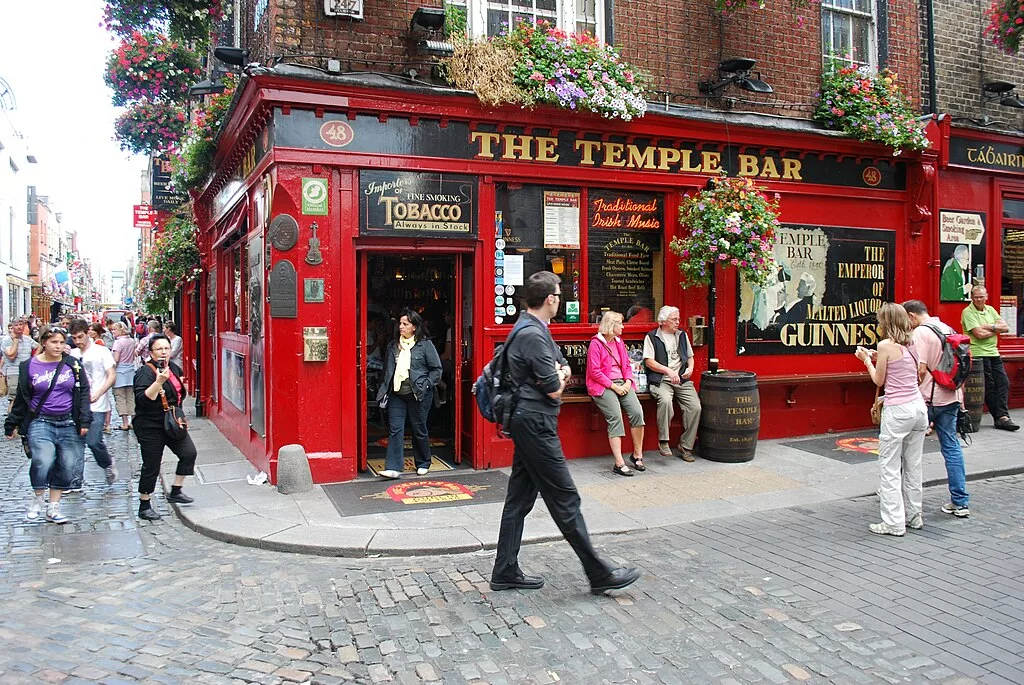
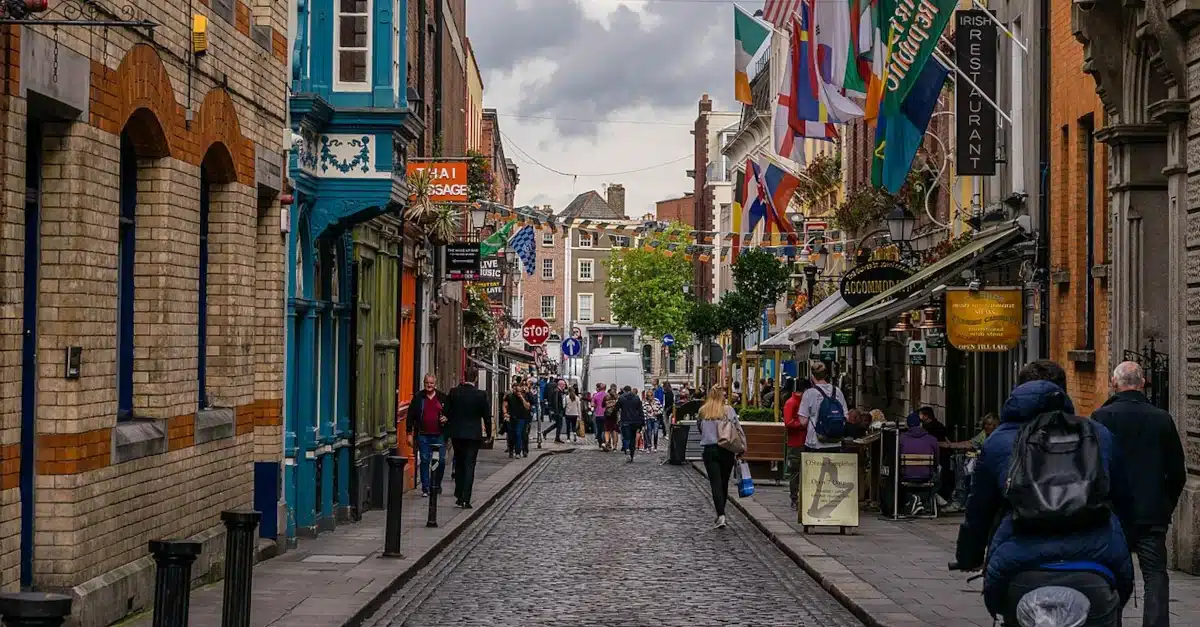
Temple Bar is a historic district in central Dublin, famous for its cobbled streets, lively pubs, cafés, art galleries, and cultural events. The district’s name most likely comes from the Temple family, who built a house and gardens there in the early 17th century.
During the 20th century, Temple Bar experienced a period of urban development followed by decline before being revitalized as a cultural quarter in the 1990s. Today, it is an essential destination for experiencing the vibrant nightlife of the Irish capital. Its narrow streets still feature historic buildings with colorful facades.
Kilmainham Gaol
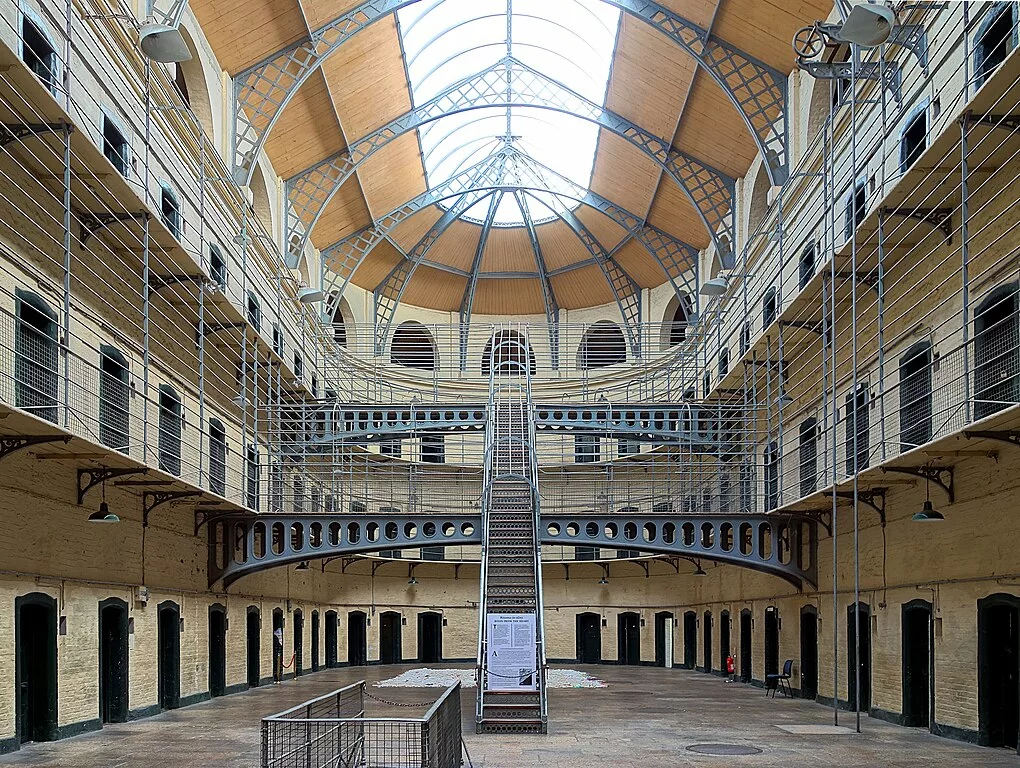
Kilmainham Gaol is a former prison in Dublin that opened in 1796 and has since been transformed into a national museum. It is famous for having held many Irish revolutionaries, including the leaders of the 1916 Easter Rising.
The site offers an immersive journey through Irish history, particularly the country’s struggle for independence. Kilmainham remained operational until 1924, after which it was decommissioned and gradually restored. In addition to political figures, many men, women, and children were imprisoned there for minor offenses during the 19th century.
Jameson Bow St. Distillery
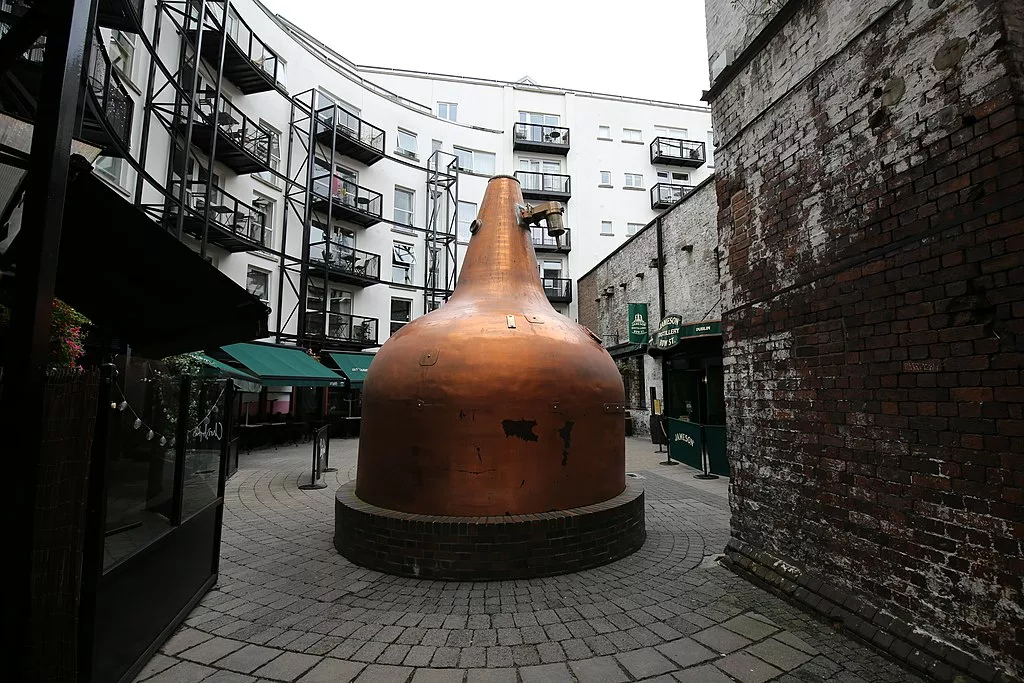
The Jameson Bow Street Distillery, founded in 1780, was the original production site of the famous Jameson whiskey and has now been converted into a visitor experience center. It was here in Smithfield that John Jameson transformed the distillery into a globally renowned business in the early 19th century.
The distillery showcases the history of Irish whiskey and traditional production techniques.
St Patrick’s Cathedral
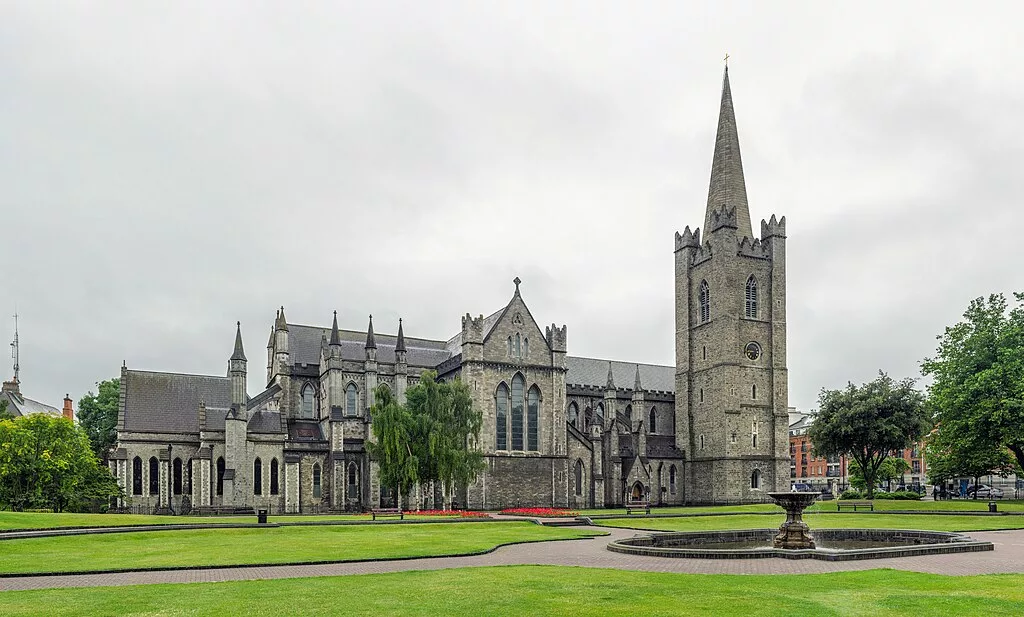
St Patrick’s Cathedral in Dublin is a grand Gothic cathedral founded in the 12th century and dedicated to Saint Patrick, the patron saint of Ireland.
Writer Jonathan Swift, author of Gulliver’s Travels, served as Dean of St Patrick’s during the 18th century. Swift’s tomb and epitaph can be seen inside the cathedral.
The spire added in 1749 remains a striking feature of Dublin’s skyline.
Glasnevin Cemetery
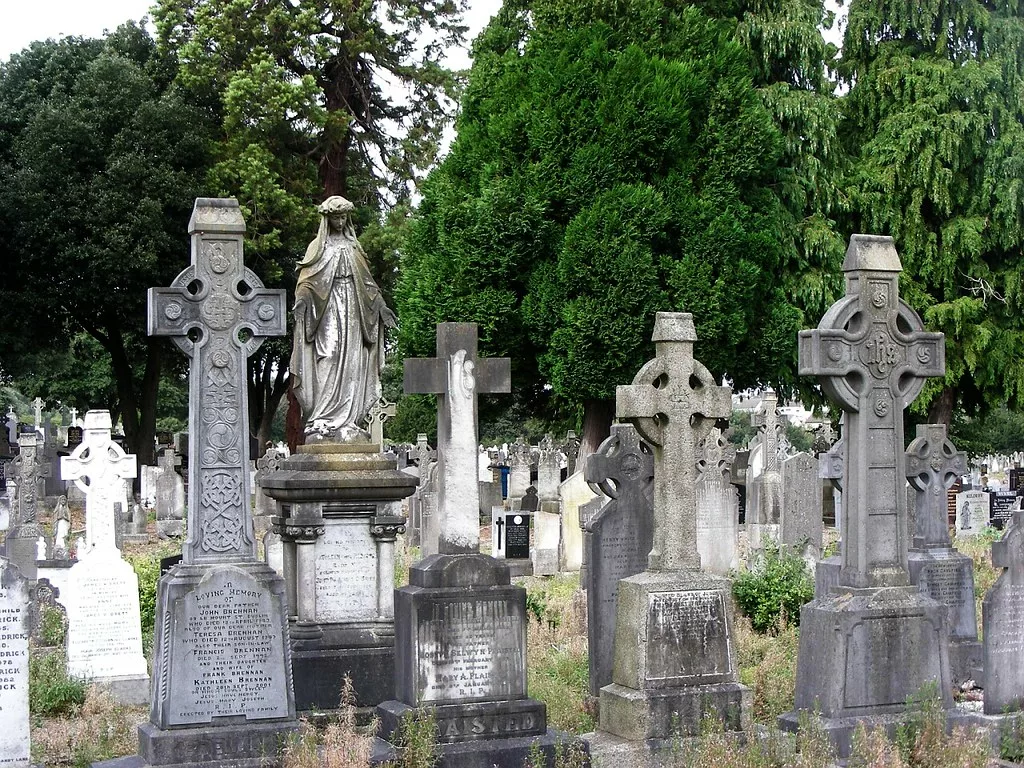
Glasnevin Cemetery, founded in 1832, is Ireland’s national cemetery, located in northern Dublin. It was established as a non-denominational cemetery by Daniel O’Connell to ensure that all Irish people could be buried with dignity.
More than 1.5 million people are buried here, including many important Irish historical figures. Among them are Charles Stewart Parnell, Éamon de Valera, Constance Markievicz, and Michael Collins.
The site includes the O’Connell Tower, an architectural landmark visible from afar.
Henrietta Street
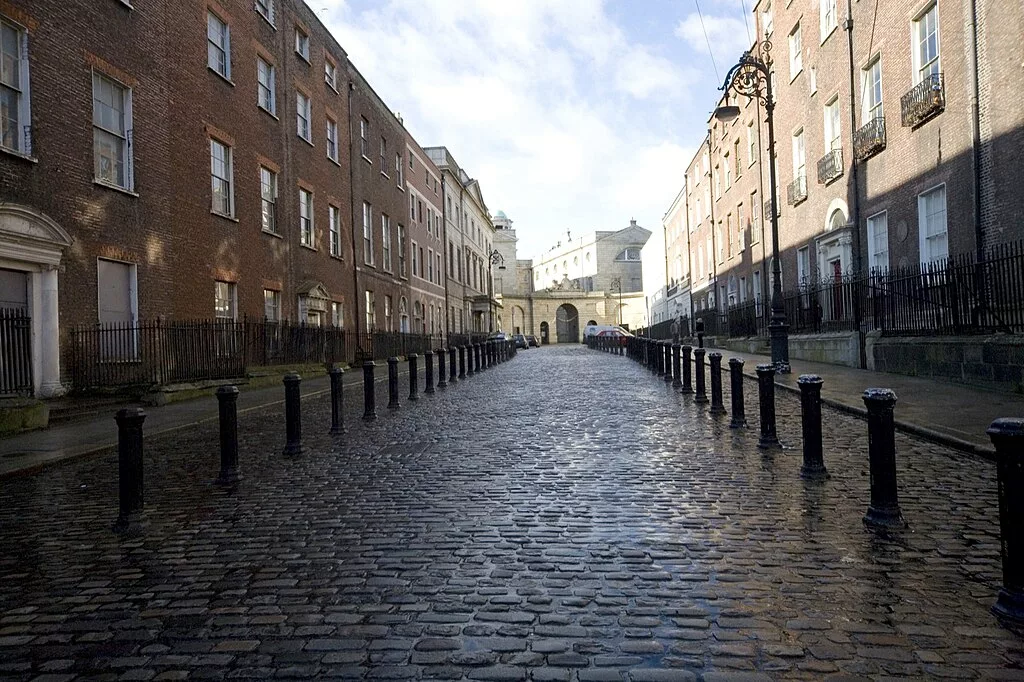
Henrietta Street is one of Dublin’s oldest and widest Georgian streets, renowned for its large red-brick houses built in the 1720s. It was developed by Luke Gardiner and named after Henrietta, Duchess of Grafton or Bolton.
Originally home to grand aristocratic residences, the street later underwent a transformation into working-class housing during the 19th century. Some of the magnificent Georgian houses have now been restored, telling Dublin’s social history across the centuries.
The 14 Henrietta Street Museum illustrates the lives of working-class families who lived in these historic buildings until the 1970s. Due to its period character, the street is frequently used as a filming location for historical movies and television series.
Teeling Whiskey Distillery
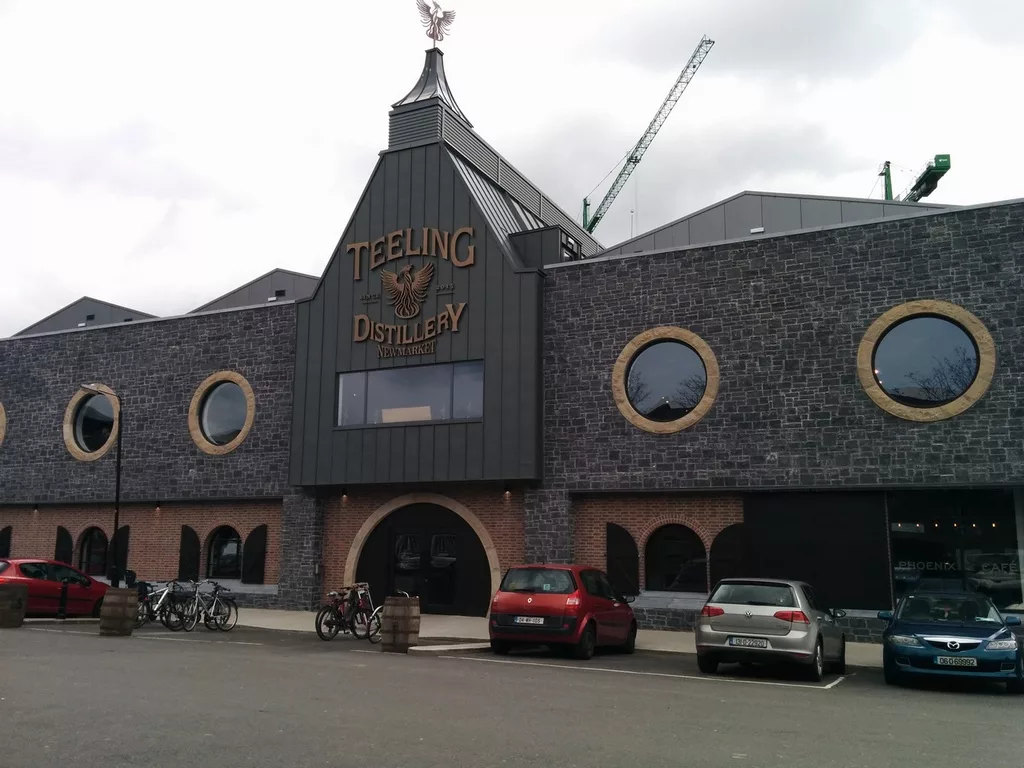
The Teeling Distillery, opened in 2015, was the first whiskey distillery to open in Dublin in over 125 years. It is located in the historic Liberties district, once a major center of urban whiskey production in Dublin.
The distillery was founded by Jack and Stephen Teeling, who revived the family distilling tradition that began in 1782. Teeling offers immersive guided tours that show every stage of Irish whiskey production.
The experience includes tastings of internationally award-winning whiskeys.
Dublin Castle
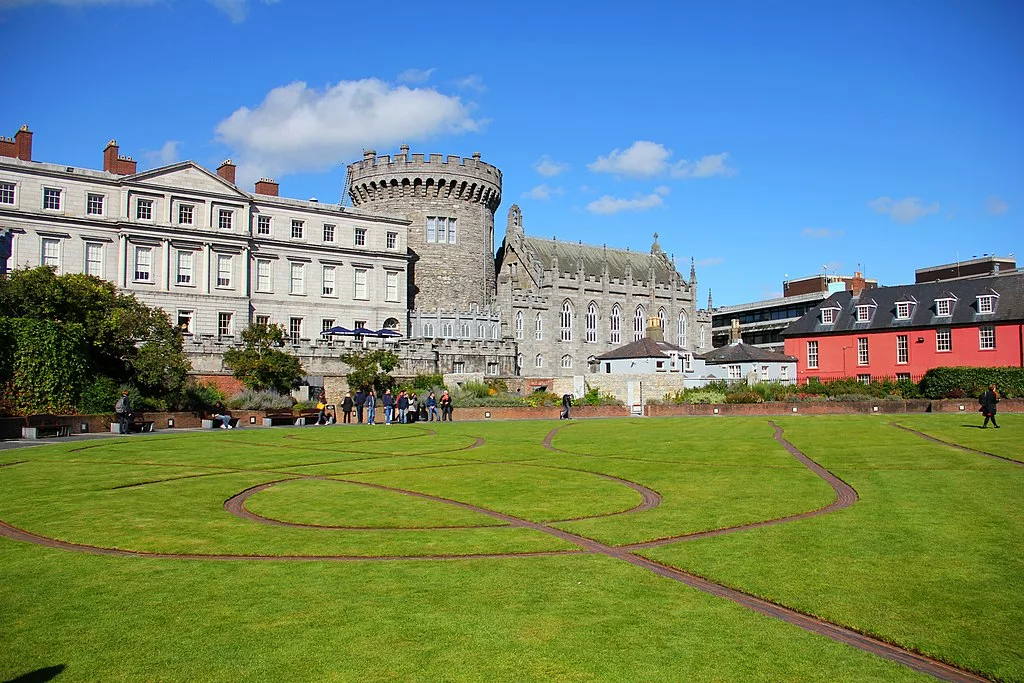
Dublin Castle was founded in 1204 as a Norman fortification and became a key center of British administration in Ireland for more than 800 years. This castle played a major role in Irish political history, evolving from medieval fortifications into a Georgian palace after several reconstructions.
Today, visitors can explore the sumptuously decorated State Apartments, reminders of its former administrative power. The Record Tower is the only medieval tower still intact within the complex.
After the creation of the Irish Free State in 1922, Dublin Castle ceased to be the seat of British government. The castle now serves as a ceremonial venue for state events and tourist visits.
Underground sections, gardens, and exhibitions are open to the public, offering an insight into Irish archaeology and art.
Grafton Street
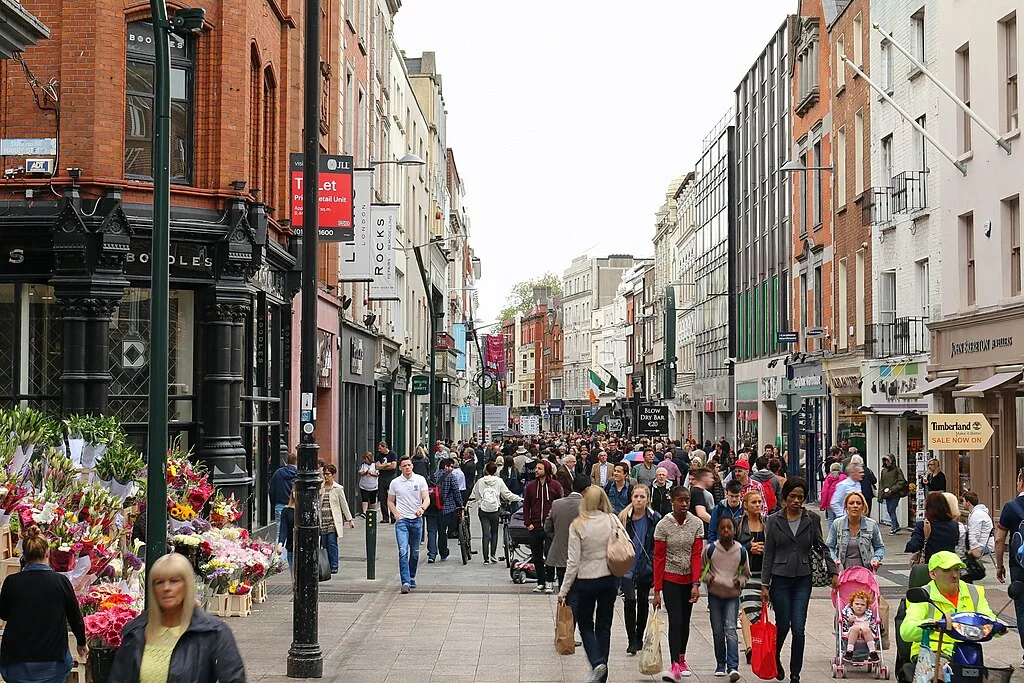
Grafton Street is one of Dublin’s main shopping streets, known for its high-end stores and cafés. It connects College Green to St Stephen’s Green, creating a lively pedestrian promenade in the city center.
Its development dates back to the early 18th century, transforming a former rural path into a major urban thoroughfare. Today, Grafton Street is famous for the street performers who play there daily, creating a lively atmosphere.
It is also one of the most expensive streets in the world for commercial rents, prized by international brands. Iconic places can be found here, such as Bewley’s Oriental Café, a historic café since 1927.
Croke Park
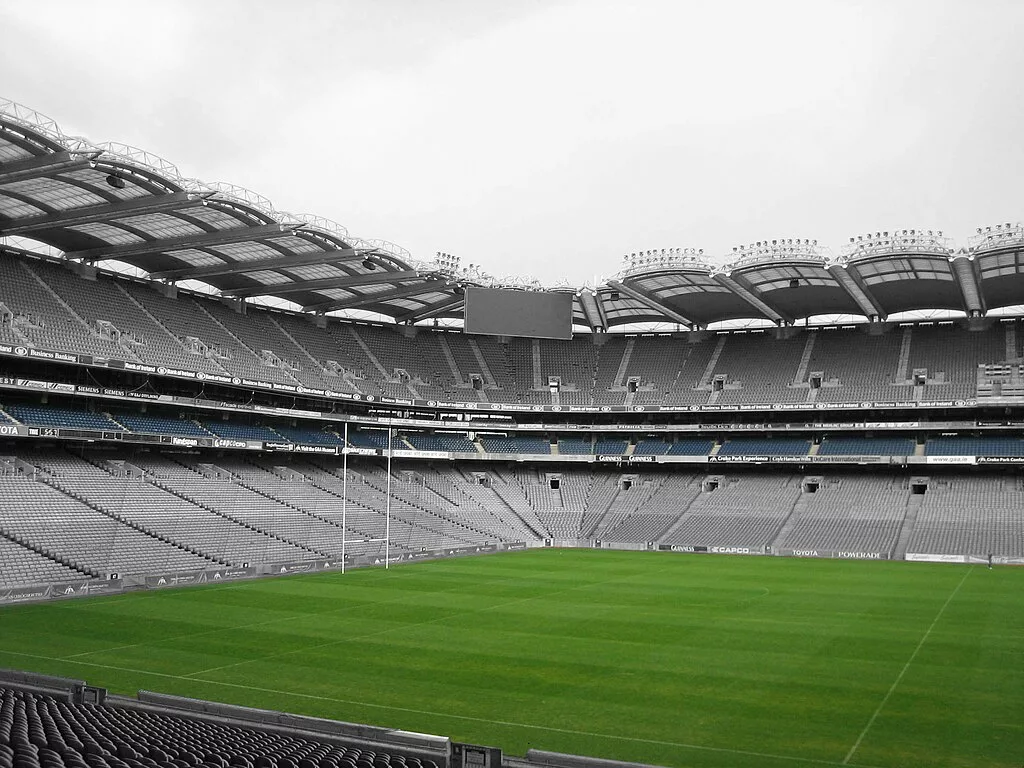
Croke Park is Ireland’s main Gaelic sports stadium and the headquarters of the Gaelic Athletic Association (GAA). Opened in 1884, it has hosted the annual All-Ireland Gaelic football and hurling championship finals ever since.
With a capacity of over 82,000 spectators, it is one of the largest stadiums in Europe and the largest dedicated to Gaelic games. The stadium also serves as a venue for international concerts and major cultural events.
Visitors can take guided tours of the stadium and its behind-the-scenes areas, including the changing rooms and players’ tunnel.
Roe & Co Distillery
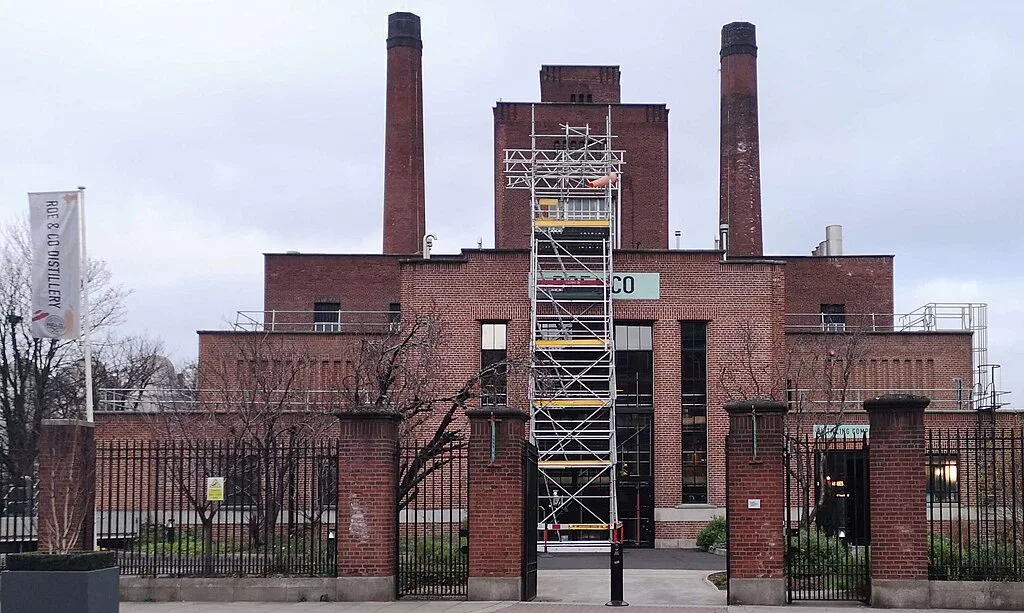
Roe & Co Distillery is an Irish whiskey distillery established in Dublin in 2019 on Thomas Street. It is owned by Diageo and pays tribute to George Roe, a historic name in Irish whiskey.
The site is located near the former Thomas Street Distillery, once one of the largest in Ireland. Roe & Co offers an immersive visitor experience focused on the history and making of whiskey. The distillery is housed in an original industrial-style building, the former Guinness Power House.
Its signature blend combines fruity malts with smooth grain whiskeys matured in bourbon casks.
Christ Church Cathedral
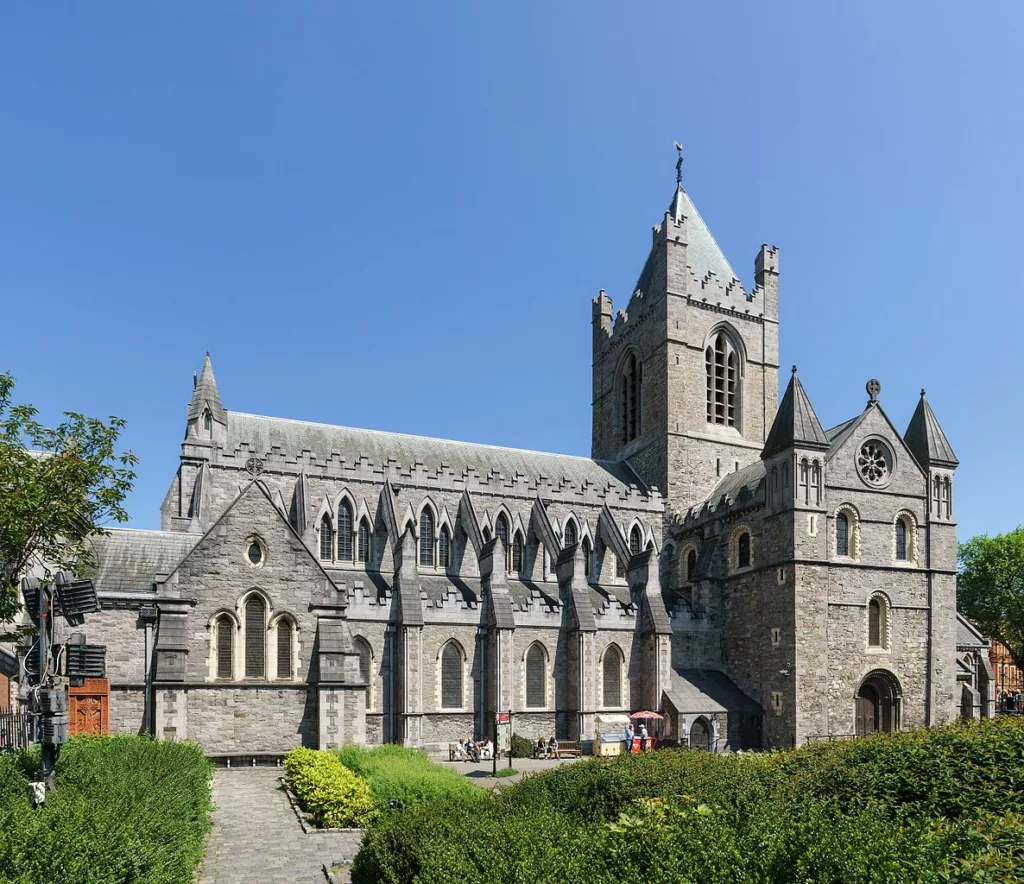
Christ Church Cathedral in Dublin is one of the city’s oldest churches, founded in the 11th century by the Danes, making it a major historic monument. Its architecture combines Romanesque and Gothic styles, reflecting centuries of transformations and renovations.
Christ Church’s crypt is the largest in the British Isles and houses funerary monuments and ancient sculptures. Among its curiosities are historic sculptures and memorials, including some of Ireland’s oldest secular statues.
The cathedral also houses unique objects such as a mummified cat and rat found in the organ, which have become a famous anecdote for visitors. The medieval vault displays recumbent effigies and ancient memorials that tell the religious and social history of Dublin.
The tomb attributed to Strongbow, a 12th-century Norman leader, is one of the cathedral’s most intriguing historical features.
The Famine Sculptures
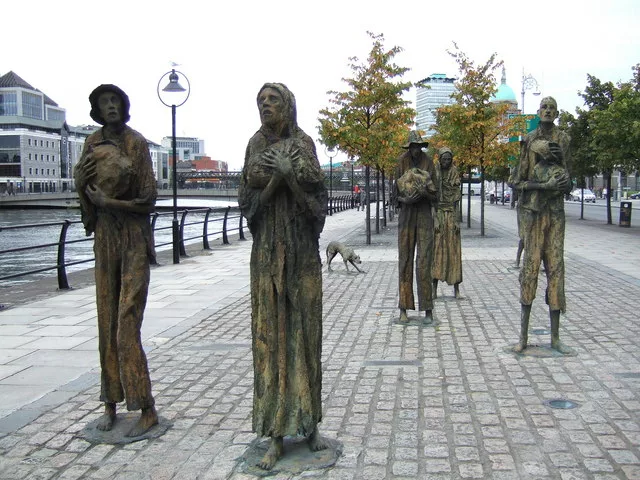
The Famine Memorial, located in Dublin, commemorates the Great Irish Famine of 1845–1849, a tragic period that caused the death and emigration of millions of Irish people.
The sculpture entitled Famine by artist Edward Delaney is made up of bronze figures created using the lost-wax technique, symbolizing suffering and loss.
It rests on a granite platform and depicts human silhouettes evoking the distress of starving populations. Delaney’s work is located in St Stephen’s Green and serves as a powerful artistic reminder of Ireland’s social history.
The Gaiety Theatre
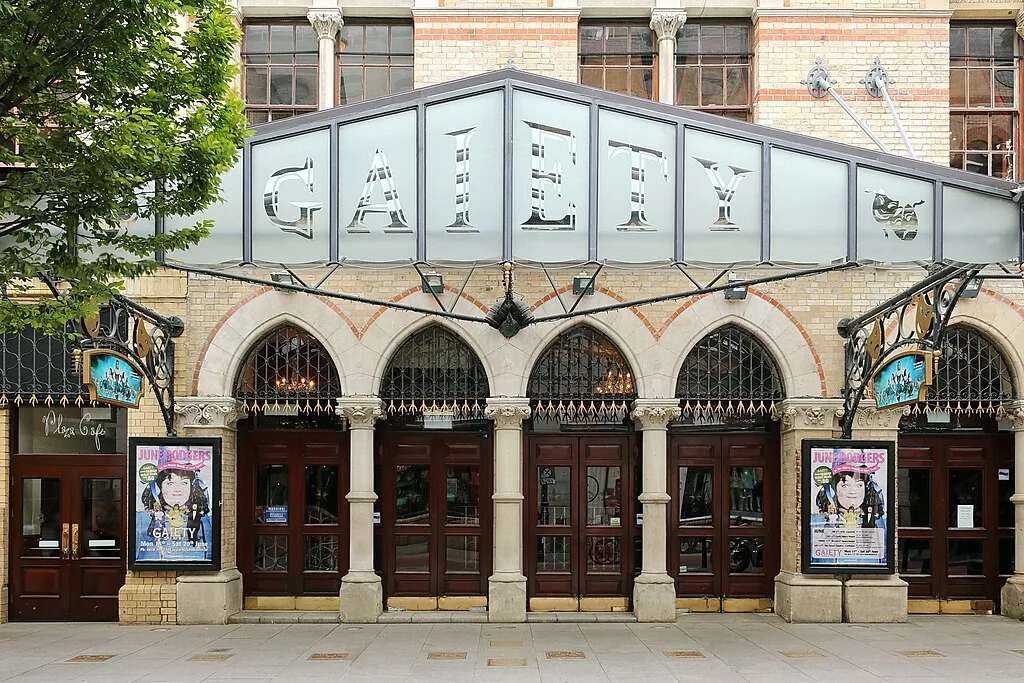
The Gaiety Theatre is a historic theatre in Dublin, opened in 1871 on South King Street and renowned for its musical and operatic productions. Designed by architect Charles J. Phipps, it was one of the city’s first modern theatres.
For more than 150 years, it has hosted a wide variety of shows, from drama and comedy to traditional Irish pantomimes. The theatre’s façade and richly decorated interior evoke the charm of the 19th century.
Powerscourt Estate
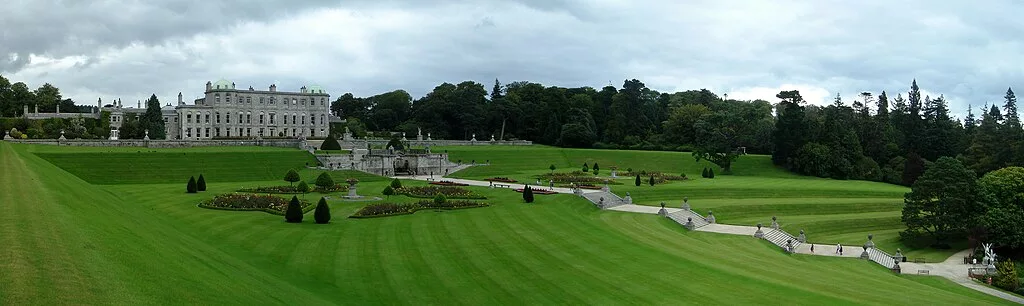
The Powerscourt Estate is a vast country estate located near Enniskerry, in County Wicklow, about 30 minutes from Dublin, famous for its spectacular gardens and Palladian architecture.
Built in the 18th century by architect Richard Cassels, it is now a must-see tourist attraction. Its gardens, spread over several hectares, include terraces, lakes, Japanese bridges, and decorative fountains.
Powerscourt is famous not only for its house and gardens but also for Ireland’s highest waterfall, located nearby.
Chester Beatty Library
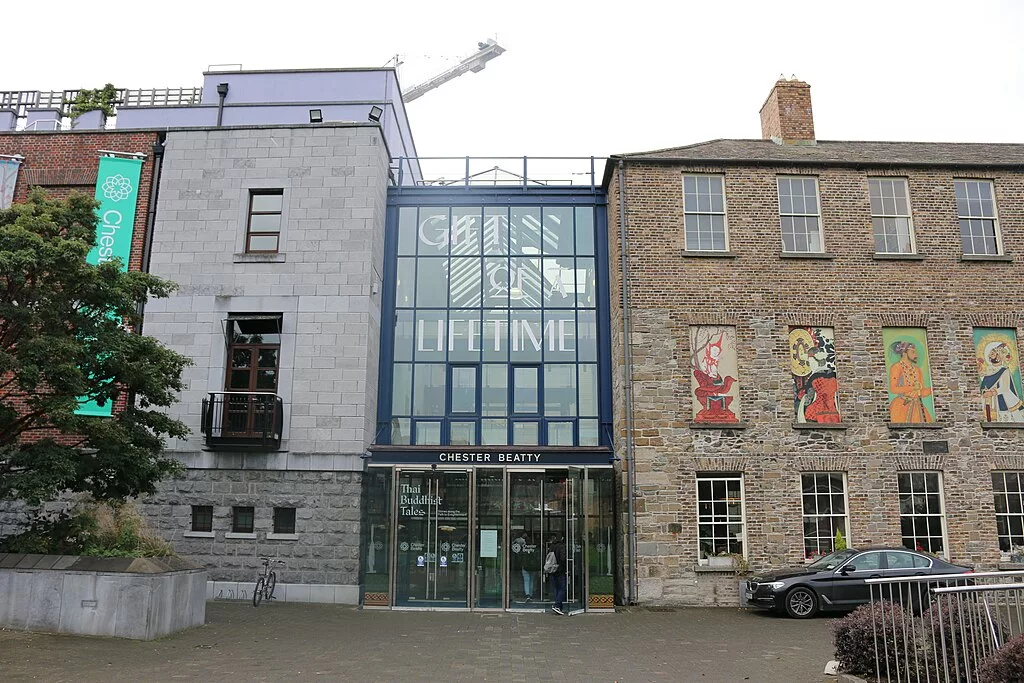
The Chester Beatty Library, located within the grounds of Dublin Castle, is a museum-library devoted to manuscripts, rare books, and works of art from around the world.
Founded in 1953 to house the collection of magnate Sir Alfred Chester Beatty, it is now a major cultural center in Dublin. The museum was named European Museum of the Year in 2002, highlighting its international importance.
Its collection includes ancient and precious texts, notably Egyptian papyri and rare miniature manuscripts. Visitors can discover works from Europe, the Middle East, Asia, and Africa, spanning millennia of history. The galleries display historical and artistic treasures, making this place an essential cultural stop.
Iconic Museums
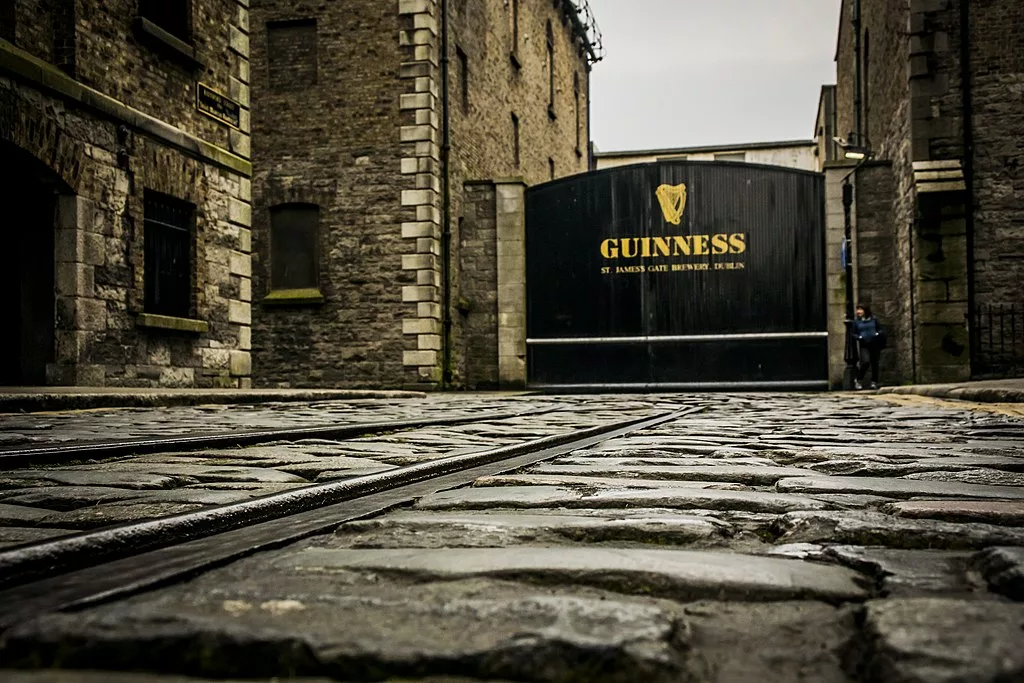
The Guinness Storehouse is an iconic attraction located at St. James’s Gate Brewery in Dublin, dedicated to the history of Guinness beer and how it is made. Housed in a former fermentation plant built in the early 20th century, the building is organized around an atrium shaped like a pint of Guinness.
The interactive visit spans seven floors and presents the ingredients, brewing process, advertising, and cultural legacy of Guinness. On the top floor is the Gravity Bar, where you can enjoy a pint of Guinness while taking in panoramic views of Dublin.
The Storehouse also houses the Guinness archives, which contain historical documents and objects tracing more than 250 years of history.
The Little Museum of Dublin
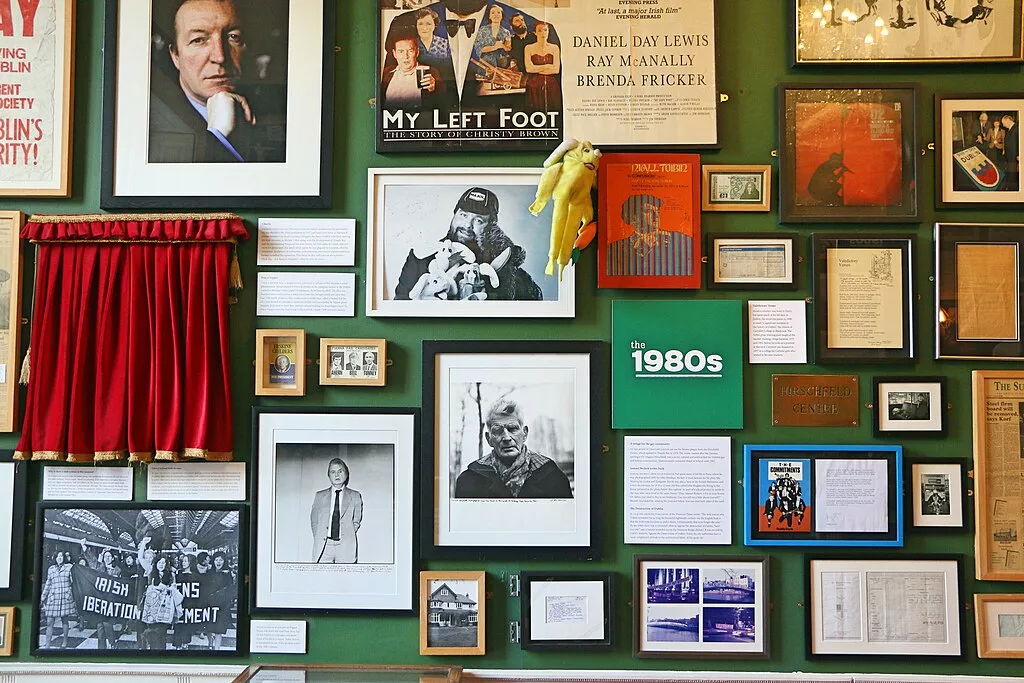
The Little Museum of Dublin is a local history museum located on St. Stephen’s Green, inside an elegant 18th-century Georgian house. It is devoted to Dublin’s social and cultural history in the 20th century through objects donated or loaned by residents.
Its collection includes several thousand artifacts that tell the story of everyday life for Dubliners past and present. The museum organizes highly popular guided tours known for their mix of humor, personal stories, and historical facts.
Some of its exhibitions trace the city’s cultural evolution, including that of famous Irish bands such as U2.
The Irish Rock ’N’ Roll Museum Experience
The Irish Rock ’N’ Roll Museum Experience, located in the lively Temple Bar district, is an attraction dedicated to the history of Irish rock. It offers an immersive behind-the-scenes journey through popular music, with exhibitions on iconic bands and artists.
There is an exhibition room called the Wall of Fame, which pays tribute to figures such as U2, Rory Gallagher, and Thin Lizzy. The experience includes period objects, vintage instruments, and historic recordings.
Visitors can discover rehearsal studios and even try playing or recording in a dedicated space, depending on the tours offered. It is also a vibrant venue, as it is housed in a place that still serves as a performance venue and studio.
EPIC – The Irish Emigration Museum
EPIC The Irish Emigration Museum is an interactive museum located in the former CHQ warehouses in Dublin’s Docklands. It is dedicated to the history of Irish emigration and the influence of the Irish diaspora around the world.
The museum opened in 2016 and was designed to offer an immersive experience with digital and interactive exhibitions. Visitors discover the historical reasons behind the Irish exodus, from the Famine to modern migrations.
Each themed gallery explores how Irish people shaped fields such as culture, politics, and science abroad.
Irish Whiskey Museum
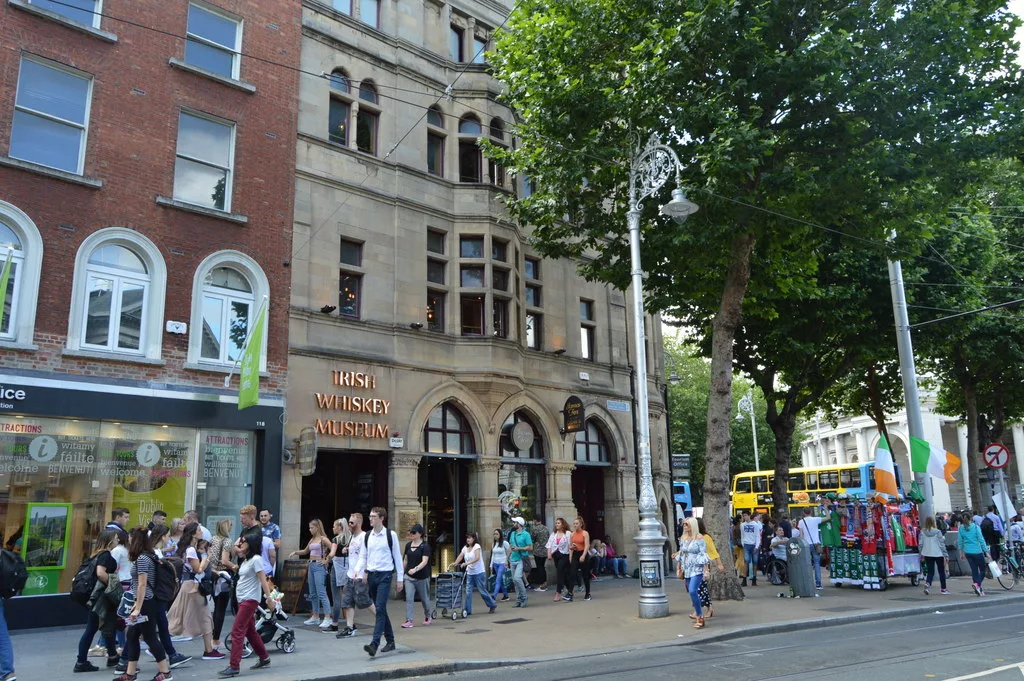
The Irish Whiskey Museum is an interactive museum located in the heart of Dublin, on Grafton Street. It tells the complete story of Irish whiskey and its cultural importance through themed exhibitions.
Housed in a historic building, the museum combines educational elements, tastings, and a spirits shop. The guided tour passes through several rooms, each dedicated to a different period in the history of whiskey.
National Museum of Ireland – Archaeology
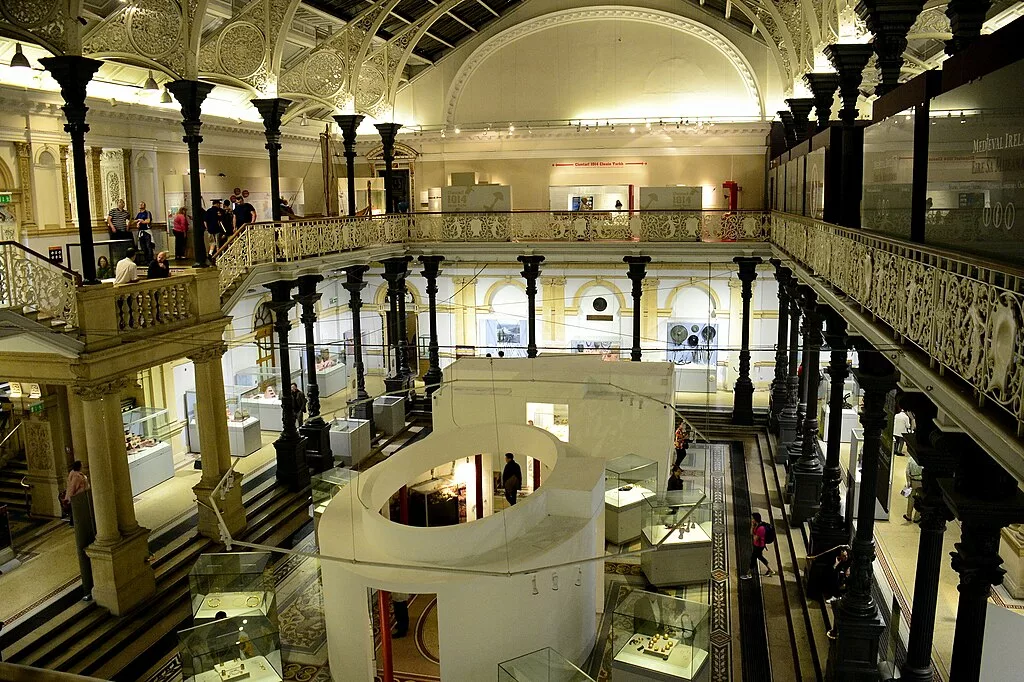
The National Museum of Ireland – Archaeology is a branch of the national museum located on Kildare Street in Dublin. It presents an exceptional collection of archaeological artifacts covering Irish history from prehistory to the Middle Ages.
Among its most famous pieces are Celtic treasures, ancient jewelry, Viking objects, and preserved bog bodies. The visit allows you to discover treasures such as the Tara Brooch and the Ardagh Chalice, emblems of ancient Irish art. Admission to the museum is free, making it an accessible cultural option for everyone.
It is an ideal place to understand the origins and development of the civilizations that lived on the island of Ireland. The exhibitions are organized chronologically to guide visitors through millennia of history.
Parks, Gardens and Zoo
St Stephen’s Green

St Stephen’s Green is an iconic Victorian park in Dublin, located in the heart of the city center and covering around 22 hectares. The park is famous for its immaculate lawns, colorful flowerbeds, and century-old trees.
Several statues and monuments, including the monument to the Executed Leaders of 1916, pay tribute to Irish history. The park is also known for its lake, home to ducks and swans.
Phoenix Park
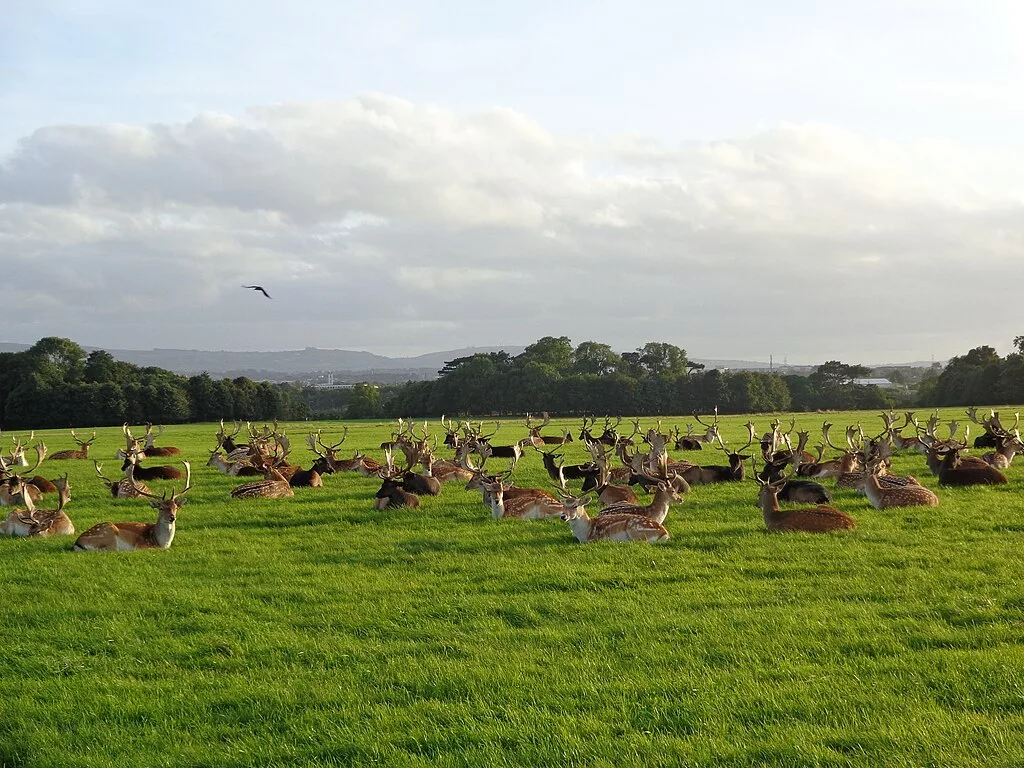
Phoenix Park is one of the largest urban parks in Europe, covering 707 hectares in Dublin. It is home to the official residence of the President of Ireland, Áras an Uachtaráin, as well as several embassies.
The park is famous for its herd of free-roaming fallow deer, which can be seen in several areas of the park. Phoenix Park also contains several historic monuments, including the Wellington Monument, dedicated to the Duke of Wellington.
The park also features the Famine Memorial Garden and other commemorative sites. Phoenix Park is also home to the National Motorcycle Museum and the Ashton Memorial, adding to its cultural and historical diversity.
Dublin Zoo
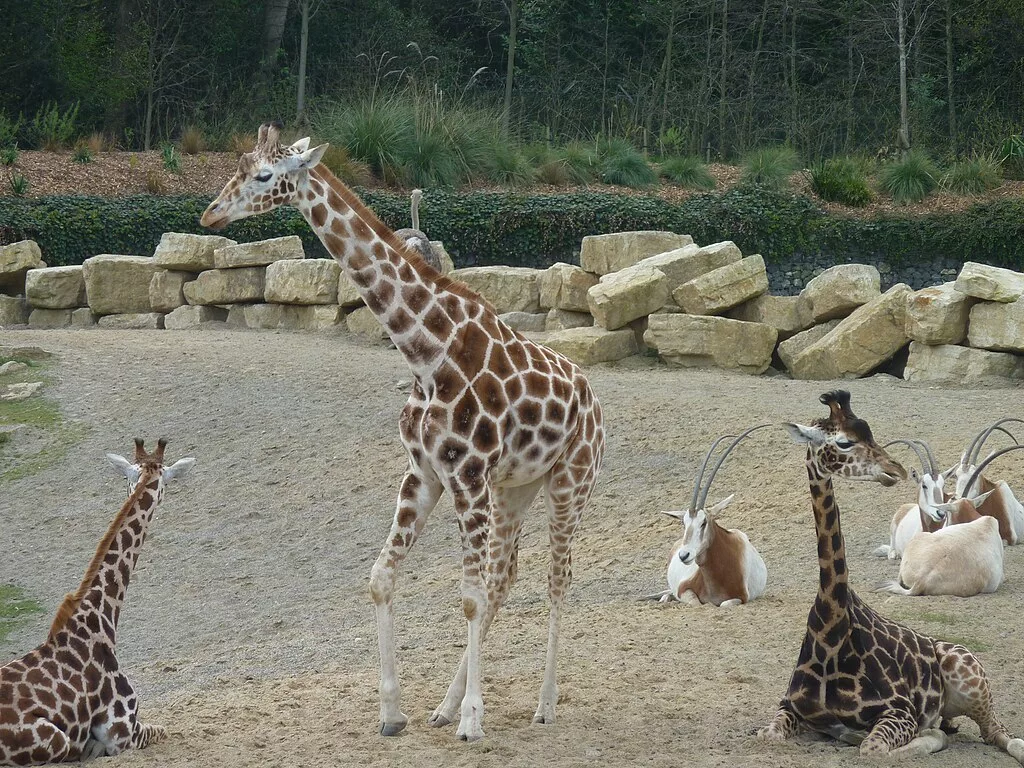
Dublin Zoo, located inside Phoenix Park, is Ireland’s oldest zoo, founded in 1831. It is home to more than 400 animals representing over 100 different species, including elephants, lions, and giraffes.
The zoo’s enclosures are designed to imitate the animals’ natural habitats as closely as possible.
Dublin Zoo offers themed trails, such as the Kaziranga Forest Trail and Zoorassic World, for families and children.
National Botanic Gardens
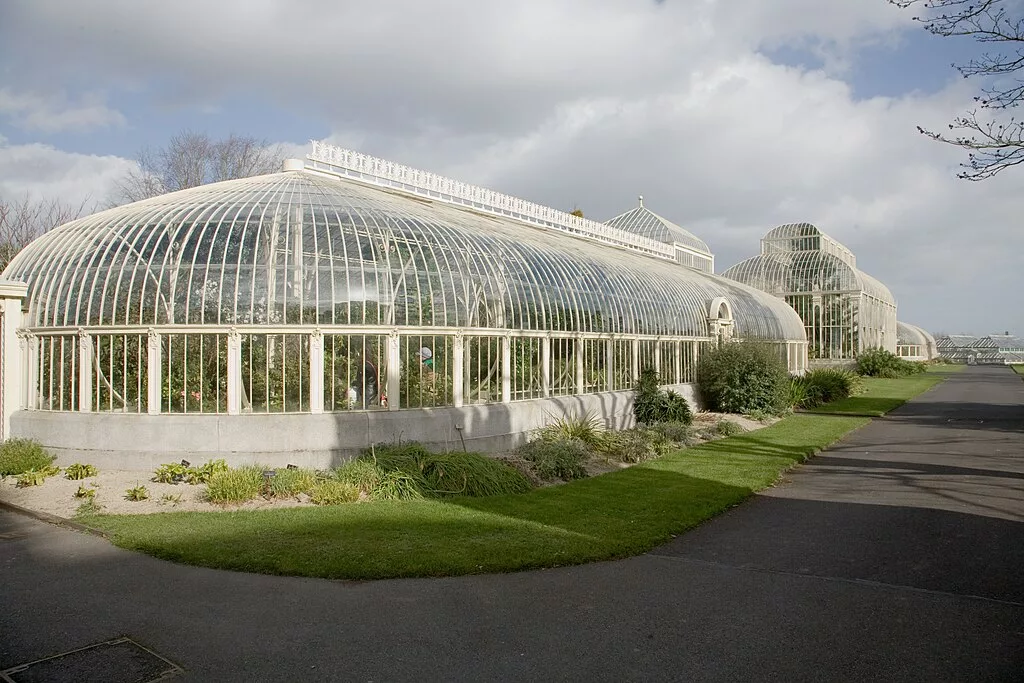
The National Botanic Gardens in Dublin are located in Glasnevin and cover around 19 hectares. Created in 1795, they display a collection of more than 20,000 plants from around the world.
The Victorian glasshouses contain tropical and rare plants and are open to visitors throughout the year. The gardens are designed with themed areas, such as alpine gardens, rock gardens, and medicinal plant gardens.
Cuisine
Irish Stew
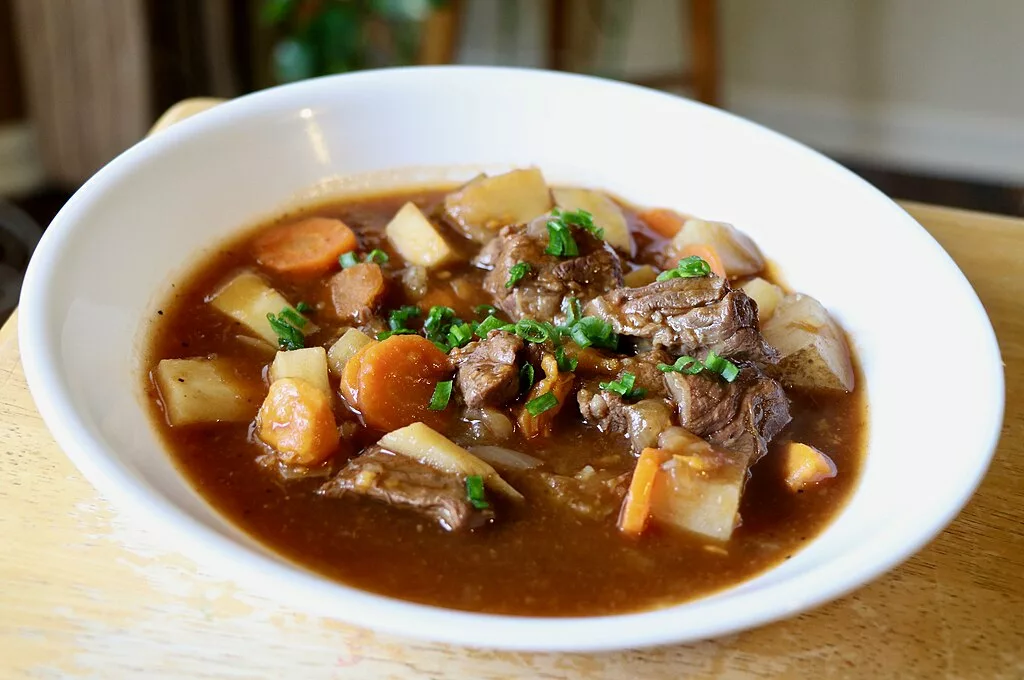
Irish stew is a traditional dish made with lamb or mutton, potatoes, onions, and carrots. This rustic dish was historically eaten by Irish peasants as a simple and nourishing meal.
The stew is often slow-cooked to make the meat tender and allow the flavors to blend perfectly. There are many regional variations, some using beef or pork depending on availability.
Dublin Coddle

Coddle is a traditional Dublin dish made with sausages, bacon, onions, and potatoes. It was historically prepared at home using simple ingredients to make use of leftovers.
The dish is slowly simmered in a pot so the flavors blend gently.
Guinness Beef Stew
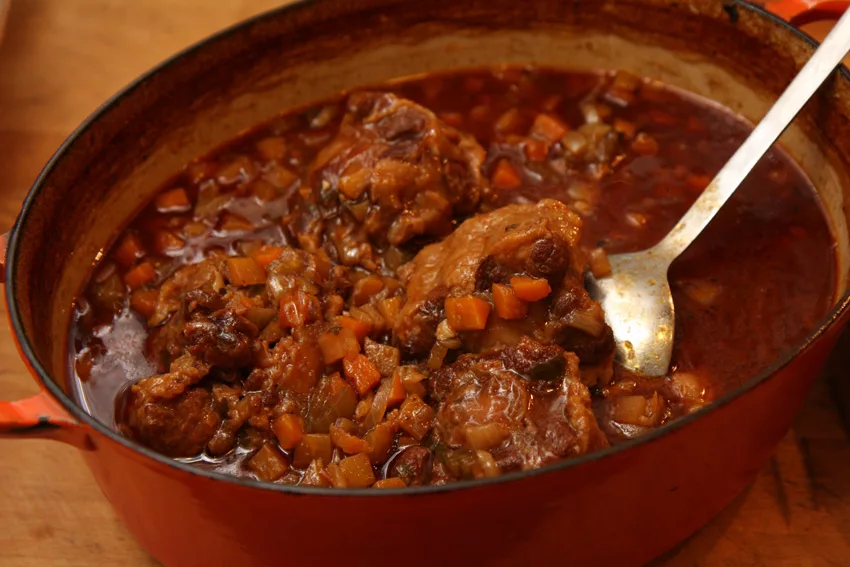
Guinness Beef Stew is an Irish beef stew cooked with Guinness beer, giving the dish a rich and slightly bitter flavor. It combines beef, root vegetables, and spices to create a hearty and aromatic meal. Long, slow cooking allows the meat to become tender and the broth to concentrate all the flavors.
Guinness adds aromatic depth and a sweet touch to the dish. This dish is often served with potatoes or country bread to complete the meal.
Colcannon

Colcannon is a traditional Irish dish made with mashed potatoes mixed with cabbage or kale. It is often served as a side dish with meat or Irish stew.
The dish is associated with Samhain and Saint Patrick’s Day traditions. Sometimes, a coin is hidden inside to bring luck to the person who finds it.
Boxty
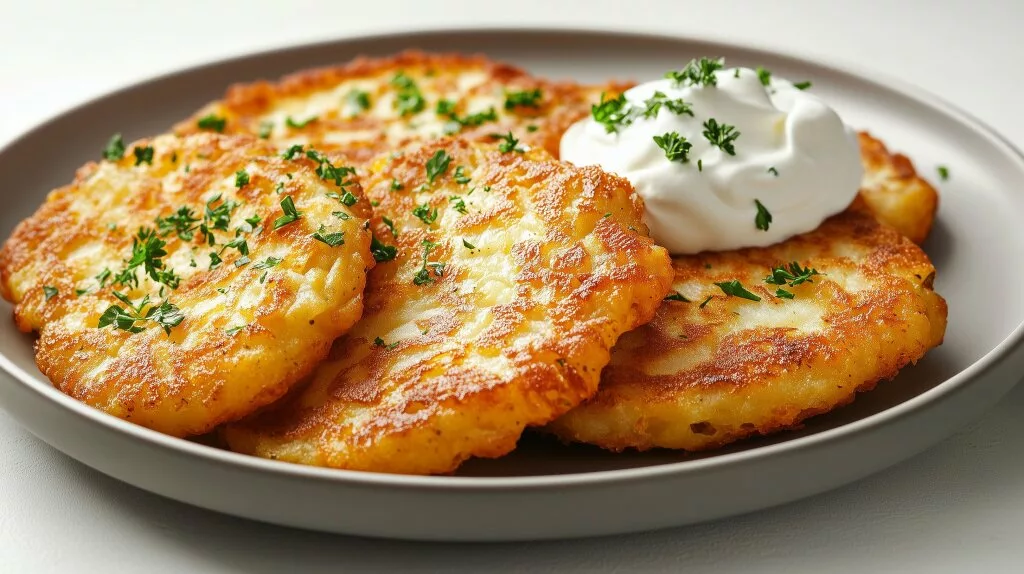
Boxty is a traditional Irish potato pancake made from grated potatoes and flour. It can be pan-fried, boiled, or deep-fried, offering a soft and flavorful texture.
Guinness
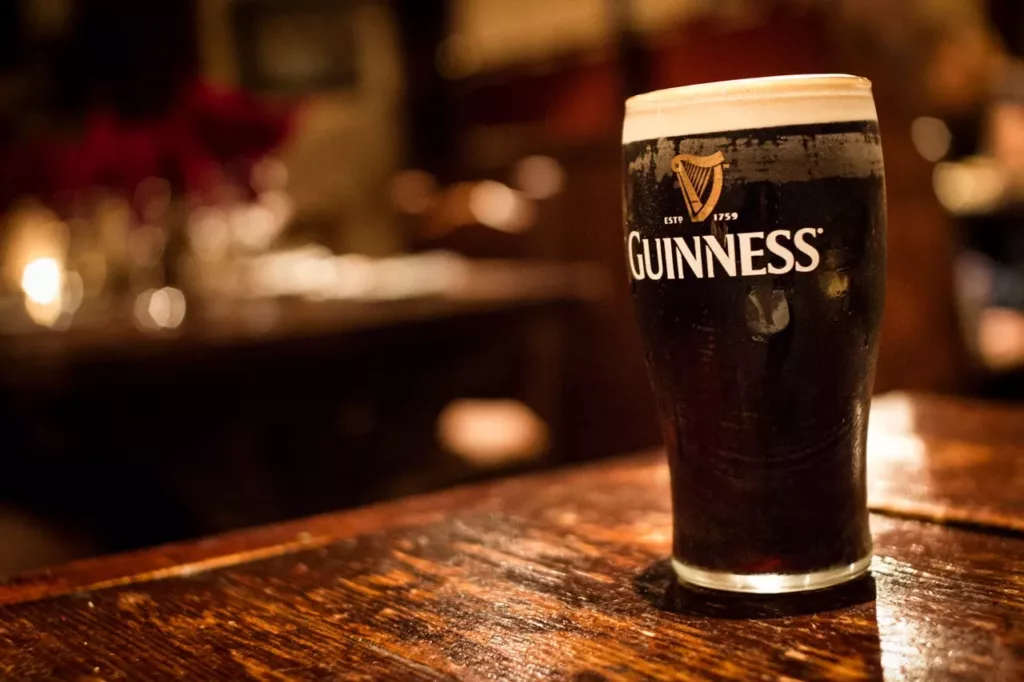
Guinness is an iconic Irish beer, famous for its black color and creamy head. It was first brewed in 1759 at St. James’s Gate Brewery in Dublin by Arthur Guinness.
Guinness is known for its rich, slightly bitter flavor, which comes from roasted malt. It has become a symbol of Ireland and is enjoyed around the world. The Guinness pouring technique, using nitrogen, creates its iconic creamy head.
Irish Whiskeys
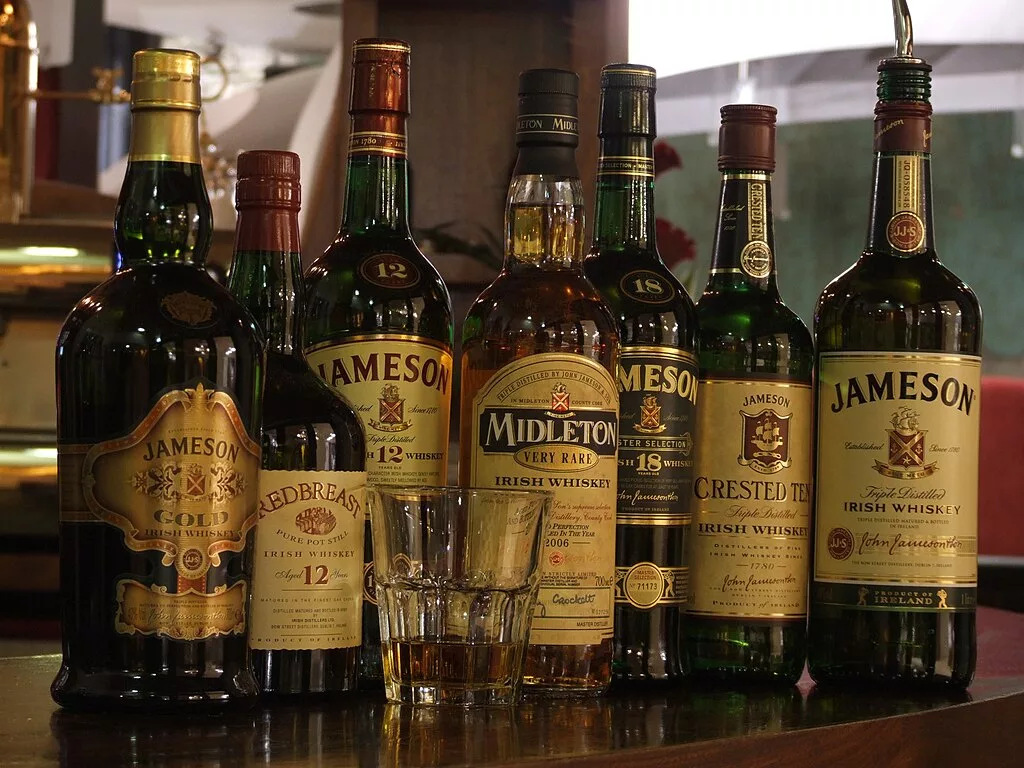
Irish whiskey is an Irish spirit produced mainly from malted and unmalted barley and triple-distilled for extra smoothness. Ireland has a centuries-old distilling tradition, with iconic brands such as Jameson and Teeling.
Irish whiskey stands out for its smooth texture and lower smokiness compared with Scotch whisky. It can be enjoyed neat, on the rocks, or used in classic cocktails such as Irish Coffee.
Day Trips from Dublin
Glendalough and the Wicklow Mountains
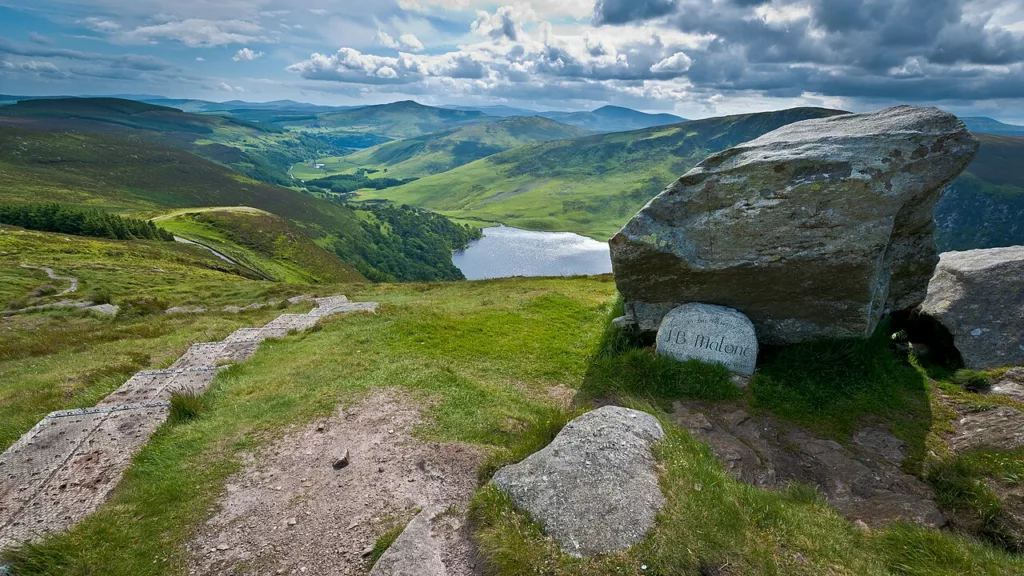
A day trip from Dublin to Glendalough lets you discover a spectacular glacial valley and an ancient monastic site founded in the 6th century by Saint Kevin.
The Wicklow Mountains, located just south of Dublin, form a national park of moorland, peat bogs, and forests, ideal for scenic walks and photography. The region is home to incredible natural landscapes, such as the famous Wicklow Gap, offering impressive views over valleys and hills.
On these excursions, it is common to visit Powerscourt Waterfall, one of Ireland’s highest waterfalls, surrounded by lush green scenery. The ruins of Glendalough’s monastery include an iconic round tower and several fascinating medieval remains.
The Cliffs of Moher, the Burren, and Galway
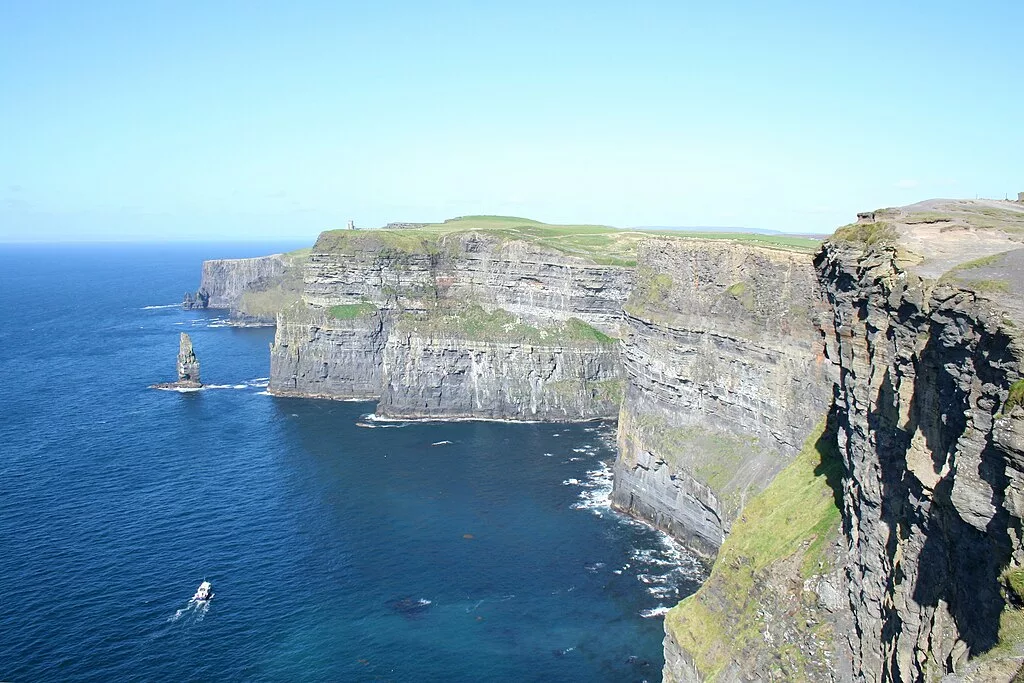
An excursion to western Ireland takes travelers to the Cliffs of Moher, spectacular sea cliffs rising up to 214 m above the Atlantic Ocean. The cliffs, located in County Clare, offer panoramic views of the Aran Islands and Galway Bay in clear weather.
This tour often includes a journey through the Burren, a unique karst landscape of limestone rocks and rare flora. The Burren is a remarkable geological and natural landmark, known for its spectacular rock formations and prehistoric sites.
After the cliffs, the excursion generally continues to Galway, a lively coastal city known for its artistic culture and historic streets. Galway is renowned for its bohemian atmosphere, street performers, and many galleries and cafés.