Visiting Madrid: 30 must-see and must-do attractions
Visiting Madrid means diving into the heart of a Spanish capital where tradition and modernity meet on every street corner. Explore its historic monuments, prestigious museums, lively squares, and typical markets, stroll along the Gran Vía, admire the masterpieces of the Prado, and savor the local cuisine: every step in the city promises fascinating discoveries.
Monuments & Historical Heritage of Madrid
Royal Palace
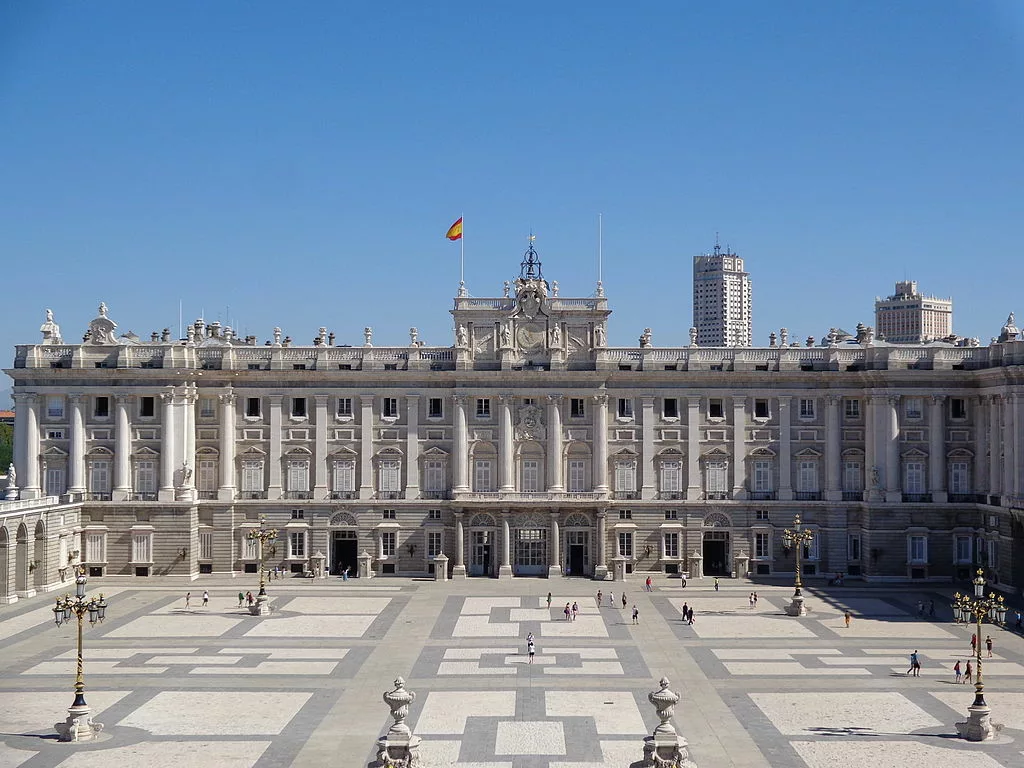
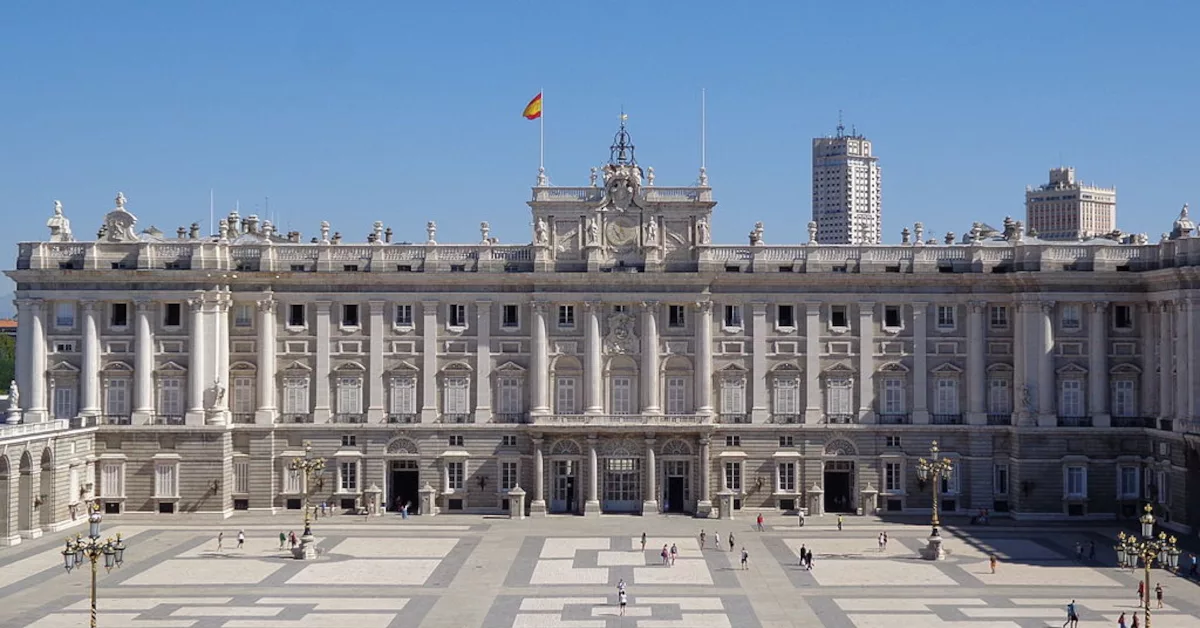
The Royal Palace of Madrid is one of the largest royal residences in Europe, with 3,418 rooms. It no longer serves as a permanent residence for the royal family: the Kings of Spain live at the Palace of Zarzuela.
The current palace was built on the site of the former palace, destroyed by a fire in December 1734. Its construction spanned from 1738 to 1755, under the direction of Italian architects like Filippo Juvarra and Sacchetti.
The palace’s architecture blends Baroque and Classical styles. Inside, you can admire works by masters such as Goya, Caravaggio, Velázquez, and Tiepolo.
The palace houses the Royal Armory, an impressive collection of historic royal weapons.
Almudena Cathedral
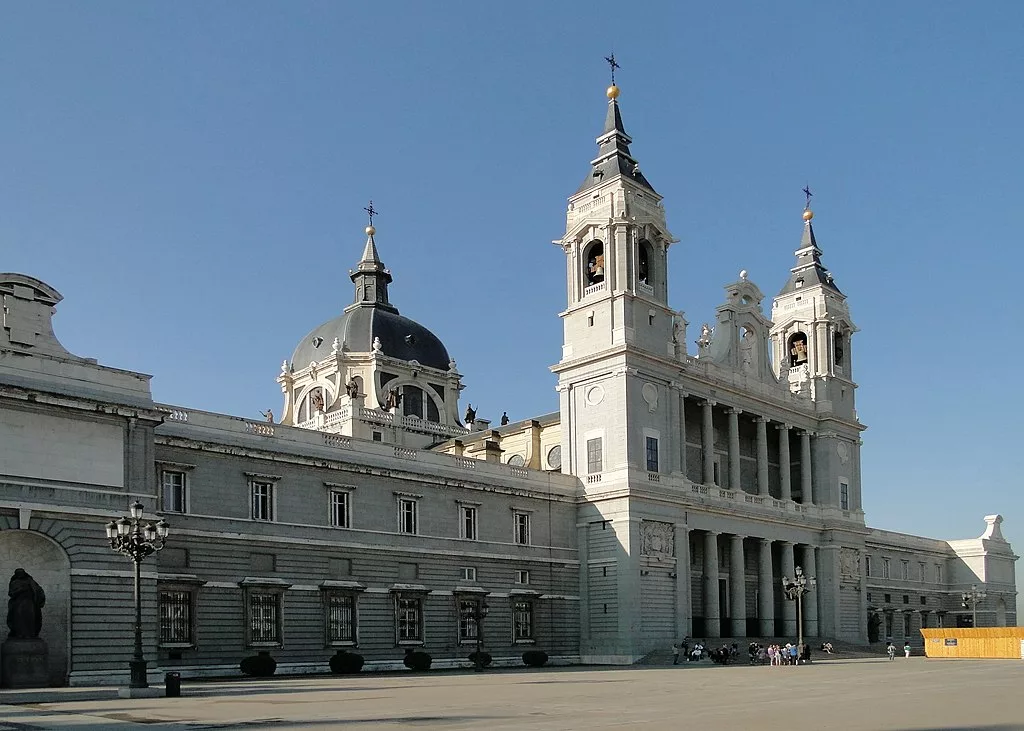
The Almudena Cathedral is dedicated to the Virgin Mary under the title of Almudena, patron saint of Madrid.
The building measures approximately 102 meters long and reaches 73 meters high at its tallest point. Its construction lasted over a century: it began at the end of the 19th century and was completed at the end of the 20th century.
The cathedral’s architectural style is a mix: Neoclassical exterior, Neo-Gothic interior, and Neo-Romanesque crypt. Inside, you can visit a museum displaying mosaics, liturgical ornaments, and episcopal coats of arms.
Plaza Mayor of Madrid
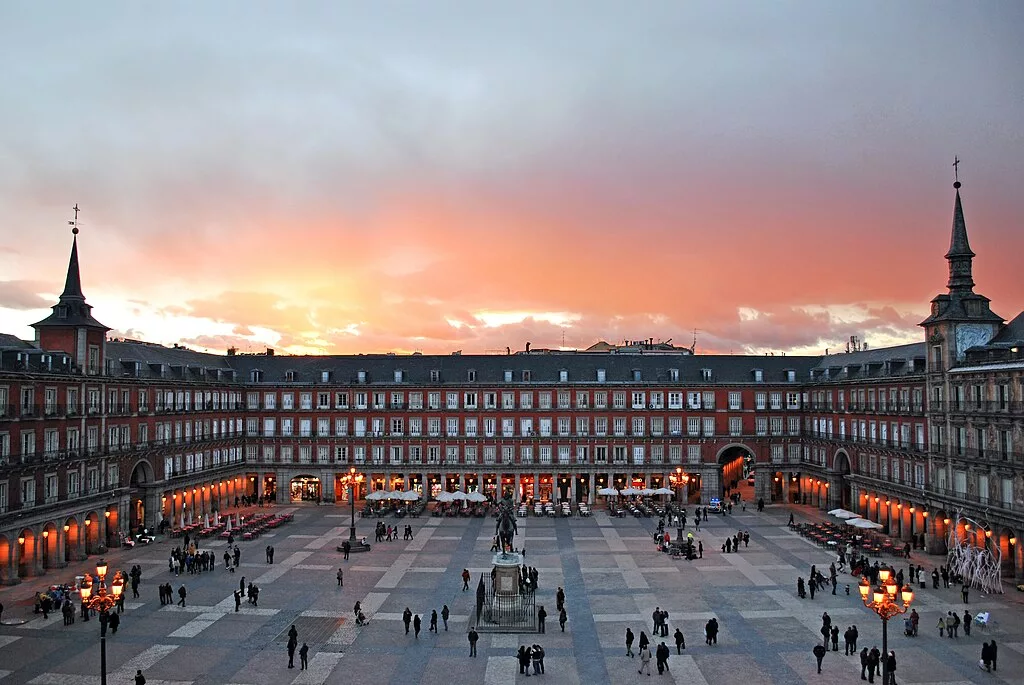
The Plaza Mayor is the main public square at the heart of Madrid. It was built between 1580 and 1619, during the reign of Philip III.
The square is rectangular and measures 129 meters long by 94 meters wide. The buildings surrounding Plaza Mayor have a uniform architecture, with three stories and arcades.
In the center of Plaza Mayor stands an equestrian statue of King Philip III, made in 1616 by Giambologna and Tacca. This statue was moved and placed in the square in 1848 by decision of Isabella II.
Historically, Plaza Mayor served as a market, bullfighting arena, site for public executions, and even auto-da-fé. Today, the square hosts a Christmas market in December, as well as stamp and coin markets on Sundays and holidays.
Puerta del Sol
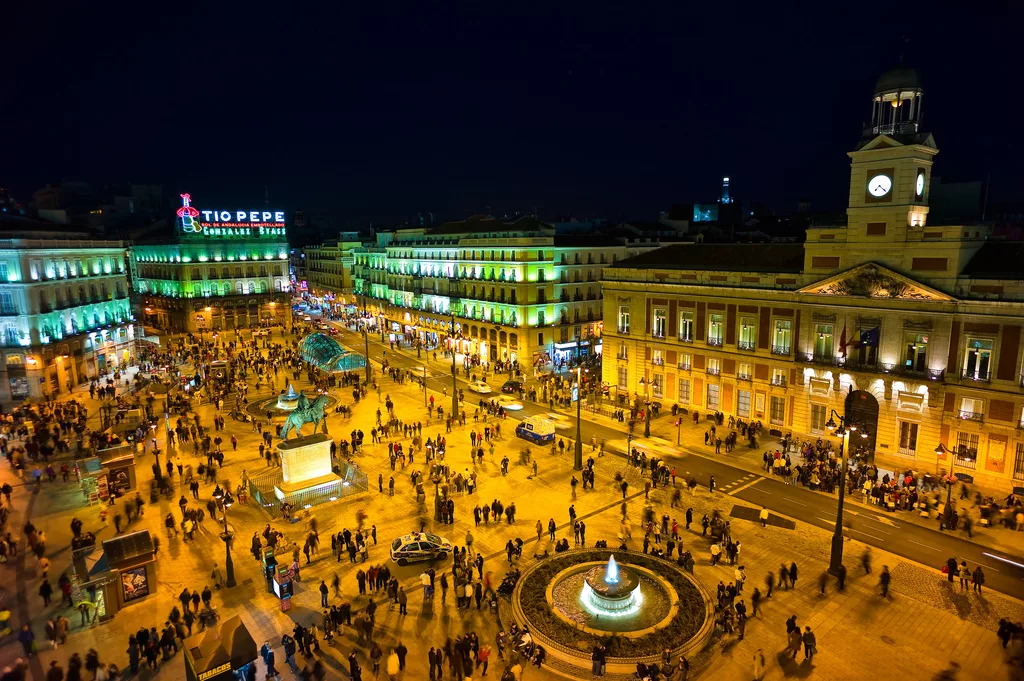
The Puerta del Sol is one of the most emblematic and lively squares in Madrid.
Originally, it was part of one of the gates of Madrid’s old medieval wall. Its name, “Sol,” comes from the fact that the gate was oriented eastward and adorned with a solar symbol.
At the center of the square is Kilometer Zero, the symbolic starting point of Spain’s radial roads. The Casa de Correos, a historic building in the square, was constructed between 1766 and 1768 by the architect Jacques Marquet.
The square also features the famous statue of the Bear and the Strawberry Tree, a heraldic symbol of the city of Madrid.
Every December 31, thousands of people gather in the square to follow the tradition of the “campanadas” and celebrate the New Year.
Palacio de Cibeles
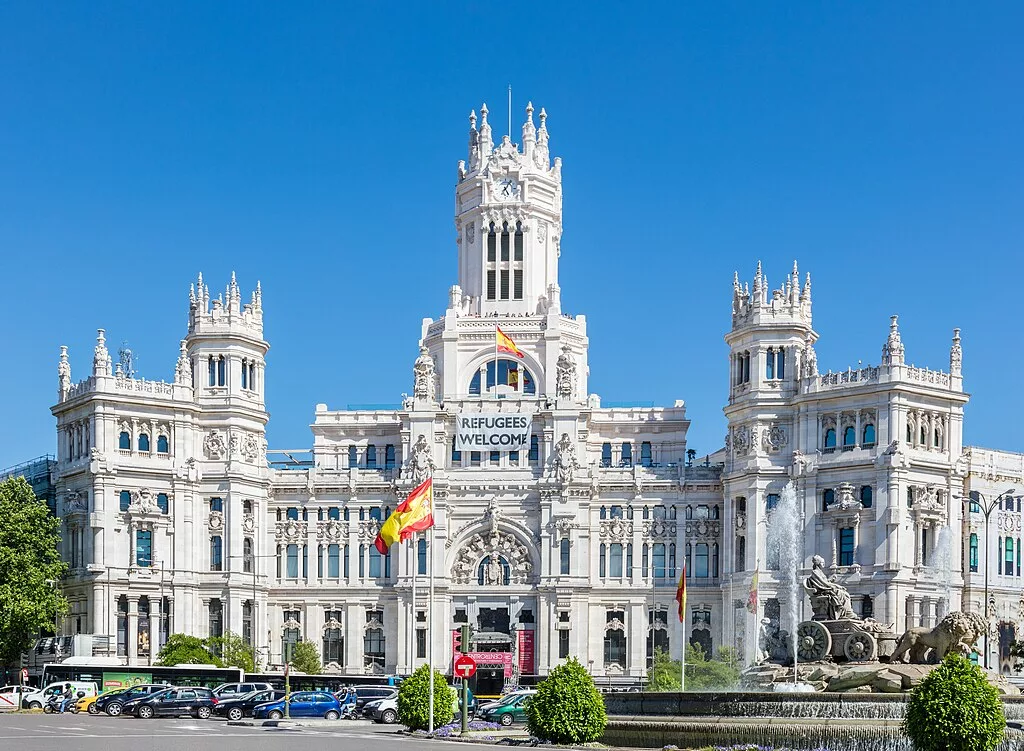
The Palacio de Cibeles, formerly known as the Palace of Telecommunications, stands in Plaza de Cibeles in Madrid. The cornerstone was laid in 1907, and the building was officially inaugurated in 1919.
Originally, it served as a postal and telegraph distribution center, combining public and utility functions.
In 1993, Palacio de Cibeles was declared a “Property of Cultural Interest” for its architectural significance. Since 2007, it has housed the offices of Madrid City Hall and the cultural center CentroCentro.
The palace interior is very rich: it includes a plenary hall, exhibition rooms, and a panoramic viewpoint. Its Glass Gallery, covered with a glass vault, is an iconic space for public and cultural events.
Temple of Debod
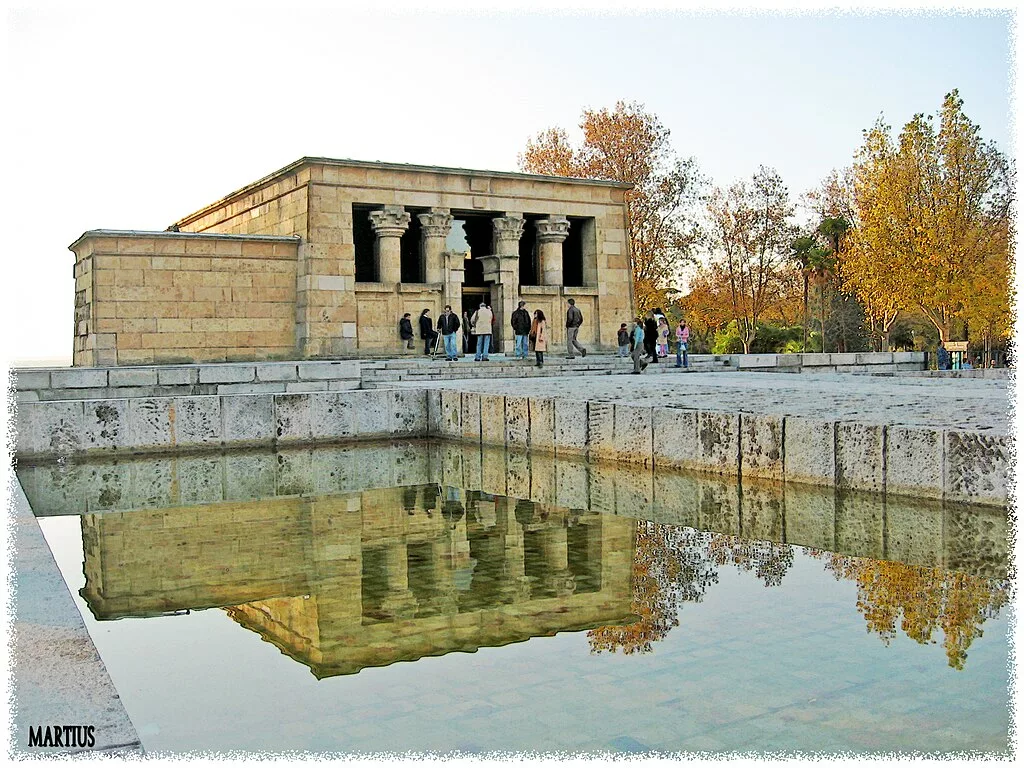
The Temple of Debod is an ancient Nubian temple now located in Madrid, in the Mountain Park (Parque del Oeste). The temple was originally built around the 2nd century BC, near Aswan, in Egypt/Nubia.
It was gifted to Spain by the Egyptian government in 1968, as a thank-you for assistance during the Nubian temples’ rescue campaign. The temple was dismantled stone by stone, transported to Spain, and reconstructed in Madrid between 1970 and 1972.
It is one of the few examples of ancient Egyptian architecture reconstructed outside Egypt. The temple is dedicated to deities such as Amun and Isis, reflecting Nubia’s religious history.
Gran Vía
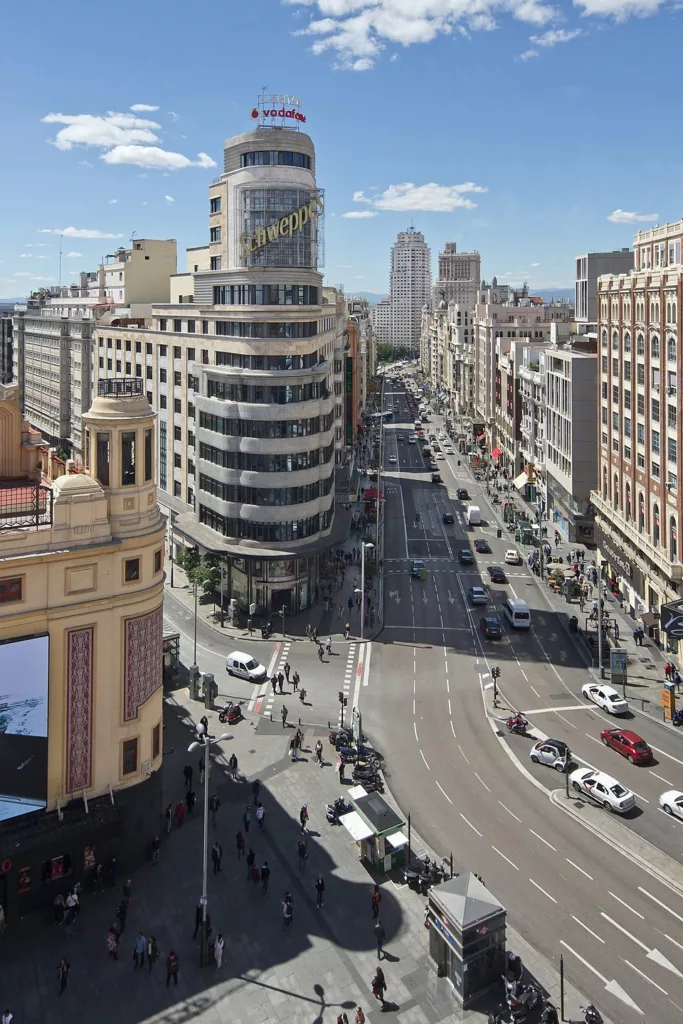
The Gran Vía is Madrid’s most famous thoroughfare, stretching from Calle de Alcalá to Plaza de España.
It is approximately 1.3 km long and is often nicknamed the “Madrid Broadway” due to its role in entertainment, shows, and theater.
Gran Vía features a mix of architectural styles: Viennese Secession, Plateresque, Neo-Mudéjar, and Art Deco.
Santiago Bernabéu Stadium (Real Madrid)
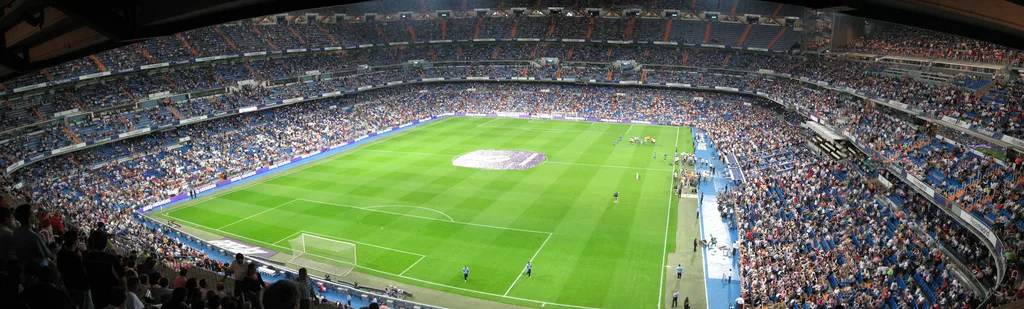
The Santiago Bernabéu Stadium is the iconic home of Real Madrid, one of the most famous football clubs in the world.
It was inaugurated on December 14, 1947, when it was still called “Nuevo Chamartín.”
The stadium is named after Santiago Bernabéu, the legendary president of Real Madrid for several decades.
It has undergone several major renovations, notably in 1982, 2001, and the most recent completed in 2024, featuring a retractable roof. Its capacity after renovation exceeds 83,000 spectators, making it one of the largest stadiums in Spain.
The Bernabéu has hosted multiple UEFA Champions League / European Cup finals, highlighting its importance in European football. The stadium is also used for other events, such as concerts and non-football sporting events.
It offers visitors a tour including the trophy room, locker rooms, and presidential box.
Ateneo de Madrid / Ateneo Library
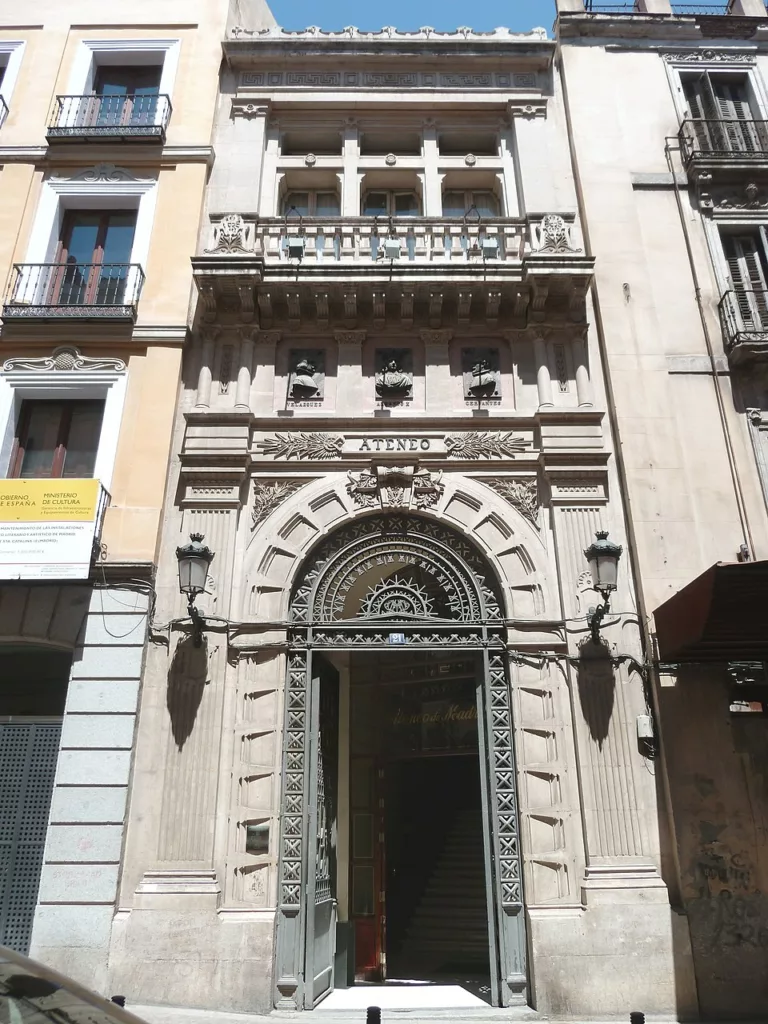
The Ateneo de Madrid (Ateneo Científico, Literario y Artístico) is a private cultural institution founded in 1835.
The Ateneo’s auditorium is decorated with modernist frescoes by Arturo Mélida, particularly in its main conference hall.
The Ateneo has hosted major figures in Spanish culture: politicians, writers, and Nobel laureates.
Its library is extensive: it holds collections of monographs, periodicals, and brochures from the 19th and early 20th centuries. Its catalog includes rare works, such as editions from the 16th to 18th centuries, as well as publications from the European Enlightenment.
Mercado de San Miguel
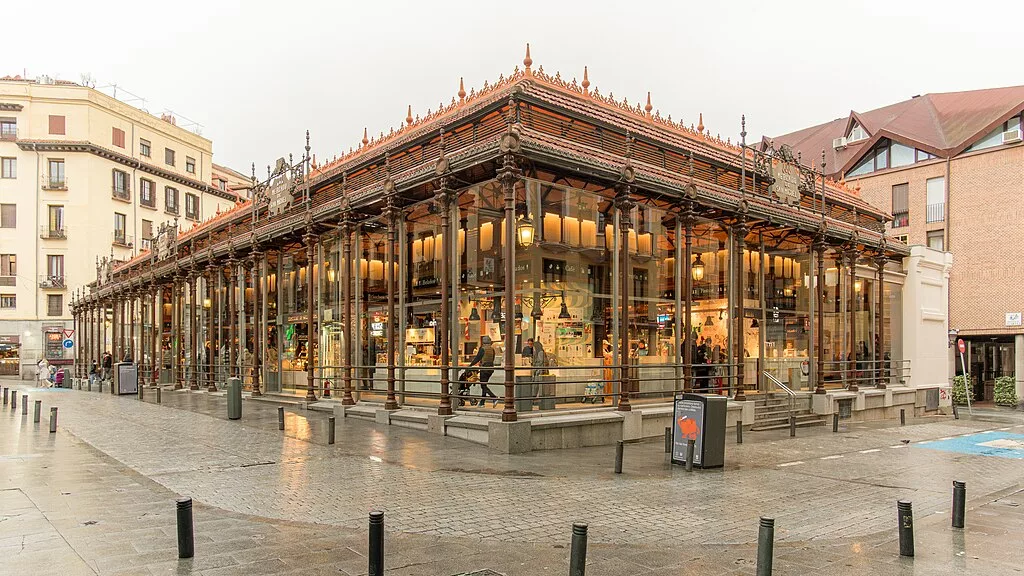
The Mercado de San Miguel is an iconic covered market located in the center of Madrid, near Plaza Mayor.
Built in 1916, the market features an iron-and-glass structure typical of historic European markets.
After several decades, it was renovated and acquired by private investors, reopening as a gourmet market in 2009.
It no longer functions as a traditional market: today it primarily hosts gourmet tapas stalls, wine bars, and specialty food products. More than 30 vendors offer a wide variety of products: Iberian ham, seafood, cheeses, olives, regional tapas…
Las Ventas Bullring
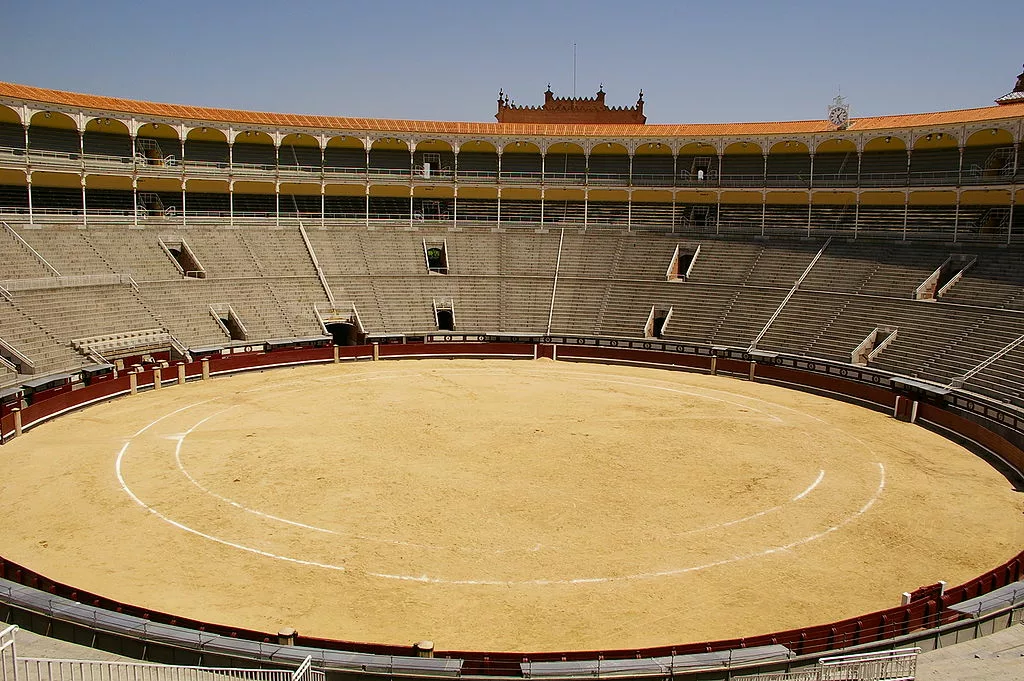
The Plaza de Toros de Las Ventas, also called Las Ventas, is Madrid’s most famous bullring.
It was inaugurated on June 17, 1931, after several years of construction. The bullring’s architecture is in Neo-Mudéjar style, very decorative, with red bricks and ceramics.
The building can accommodate approximately 23,798 spectators, making it one of the largest bullrings in Spain.
The arena’s diameter (the central “piazza”) is about 60 meters, providing an imposing space for bullfights.
The bullring is used not only for bullfights but also for concerts and cultural events during the bullfighting season.
Flea Market at El Rastro
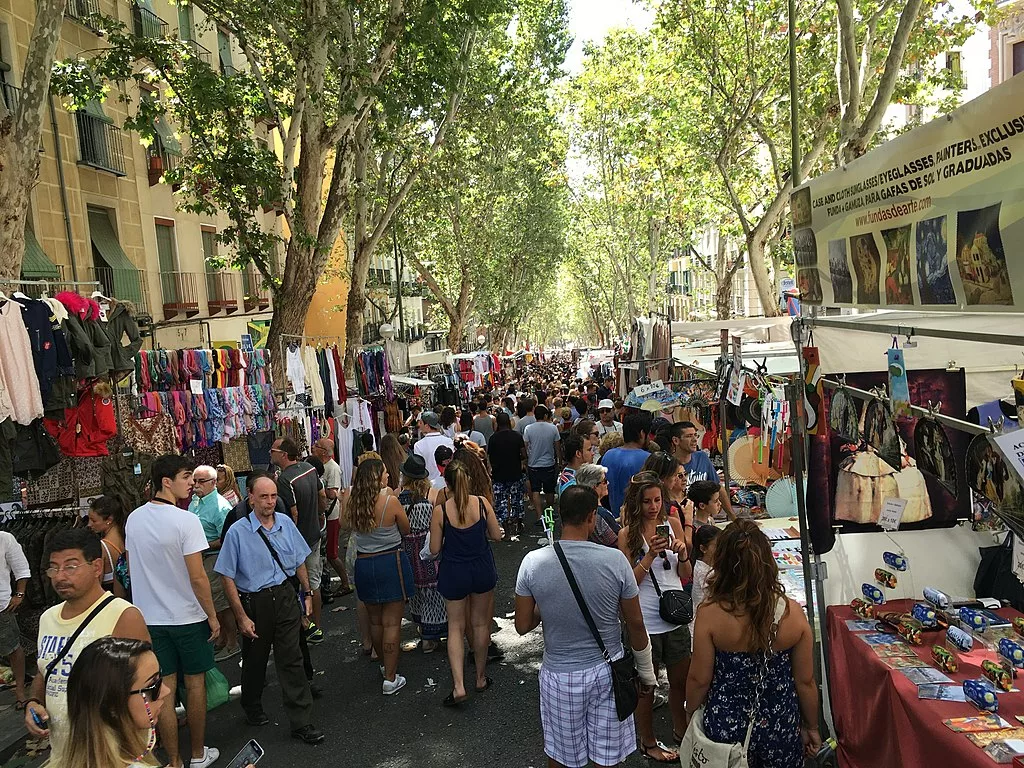
The Mercado de El Rastro is Madrid’s most famous flea market. It takes place every Sunday and public holiday, attracting locals and tourists alike.
You can find second-hand clothing, antiques, books, vinyl records, and collectibles. The atmosphere is lively, with vendors, musicians, and street performers.
The market has existed since the 17th century, originally as a livestock market.
Must-Visit Museums
Prado Museum
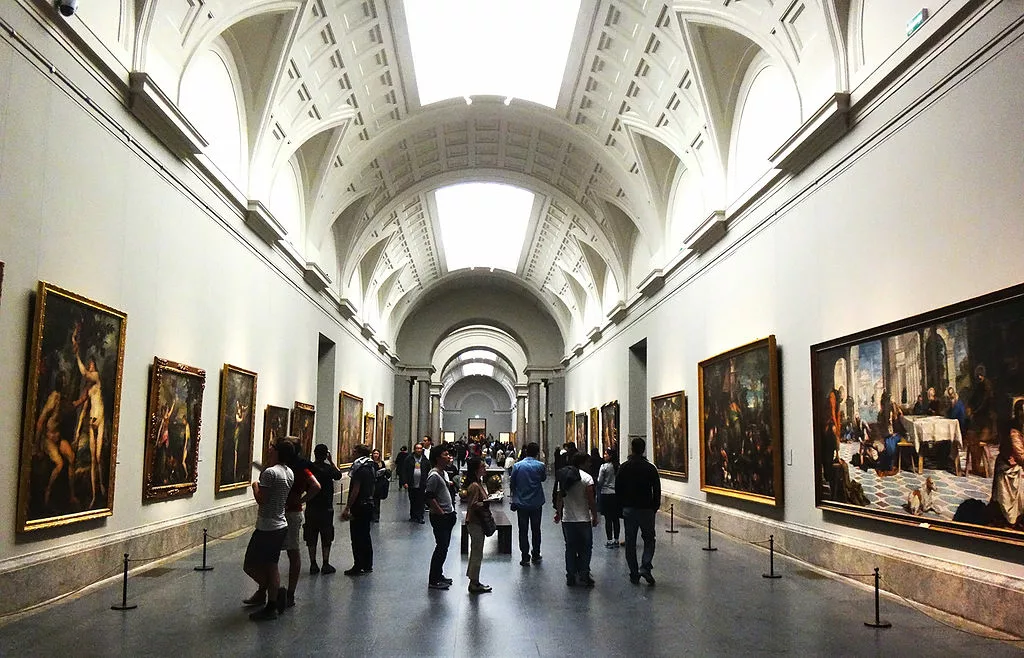
The Prado Museum, or Museo Nacional del Prado, is Spain’s national art museum, located in the heart of Madrid.
It was founded in 1819 to house the royal collection of artworks. The Prado building was designed by the neoclassical architect Juan de Villanueva.
The museum holds an extensive collection, with approximately 8,200 drawings, 7,600 paintings, 4,800 prints, and 1,000 sculptures. Among the most represented artists is Francisco Goya. The Prado also houses works by major European masters such as Bosch, Rubens, Titian, and Velázquez.
A modern extension of the museum was built between 2002 and 2007, designed by architect Rafael Moneo.
Reina Sofía Museum
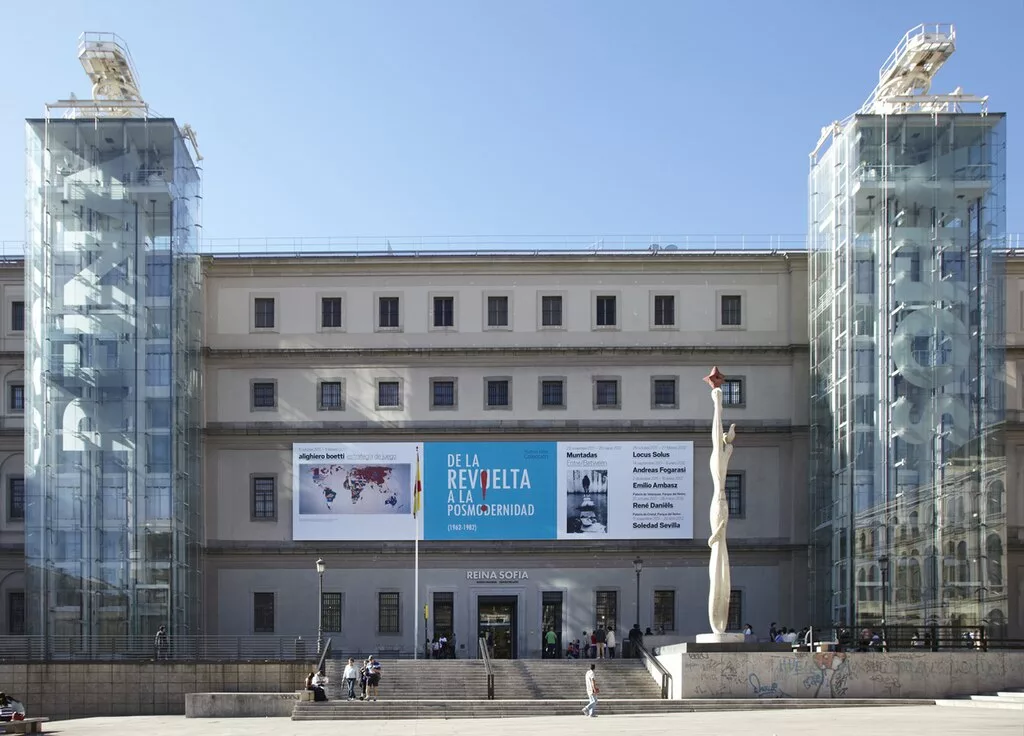
The Museo Reina Sofía (Museo Nacional Centro de Arte Reina Sofía) is Spain’s national museum of modern and contemporary art.
It officially opened on September 10, 1992. The museum is named after Queen Sofía of Spain, in honor of her cultural role.
Its permanent collection includes artworks from the 20th century to the present day, with a focus on Spanish artists. Among the emblematic works is Picasso’s Guernica, one of the museum’s most famous pieces.
The museum is housed in the former San Carlos Hospital, a building designed by José de Hermosilla and Francisco Sabatini. It was expanded in 2005 with a new building designed by architect Jean Nouvel, significantly increasing its exhibition space.
The Reina Sofía also houses a specialized library with more than 100,000 books on modern and contemporary art.
Thyssen-Bornemisza Museum
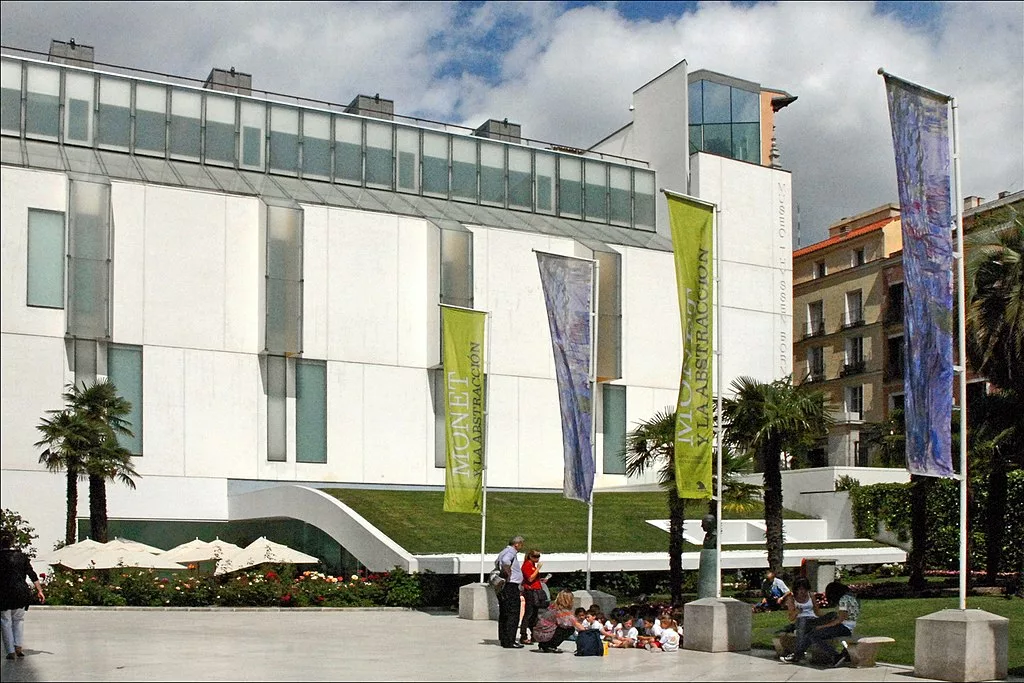
It is located on the Paseo del Prado, in the Villahermosa Palace, an 18th-century building.
The museum opened to the public in 1992, following the acquisition of the private collection of the Thyssen-Bornemisza family.
The collection spans more than 1,600 works from the 13th to the 20th century. It includes Italian, Spanish, Dutch, German, and British paintings, as well as Impressionist and Expressionist works.
Among the famous artists represented are Caravaggio, Rubens, Van Gogh, Monet, and Picasso. The museum is designed to offer a chronological and thematic visiting experience, facilitating the exploration of Western art history.
National Archaeological Museum (Museo Arqueológico Nacional)
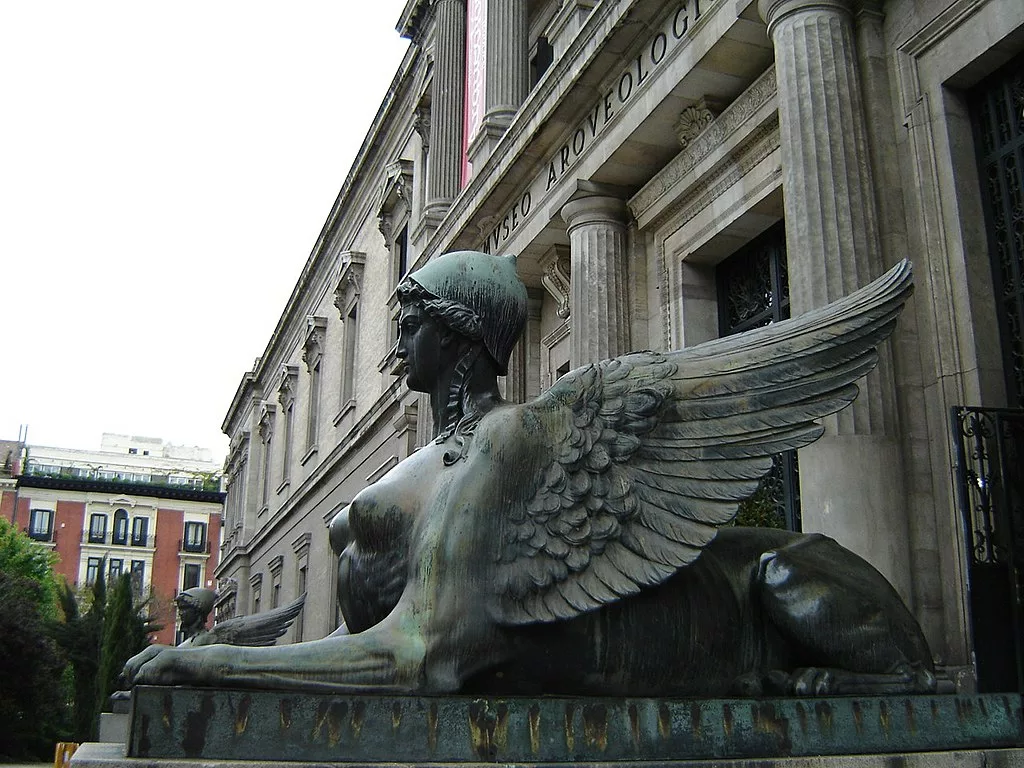
The National Archaeological Museum of Madrid was founded in 1867 to preserve Spain’s historical and archaeological heritage.
The current neoclassical building was designed by Francisco Jareño.
The museum’s collection includes more than 13,000 pieces, covering prehistory, Antiquity, and the Middle Ages. Among the emblematic items is the Dama de Elche, an Iberian bust from the 5th century BCE. The museum also features collections from ancient Egypt, Greece, Rome, and pre-Columbian civilizations. The numismatics gallery contains rare coins from Antiquity to the modern era.
Sorolla Museum
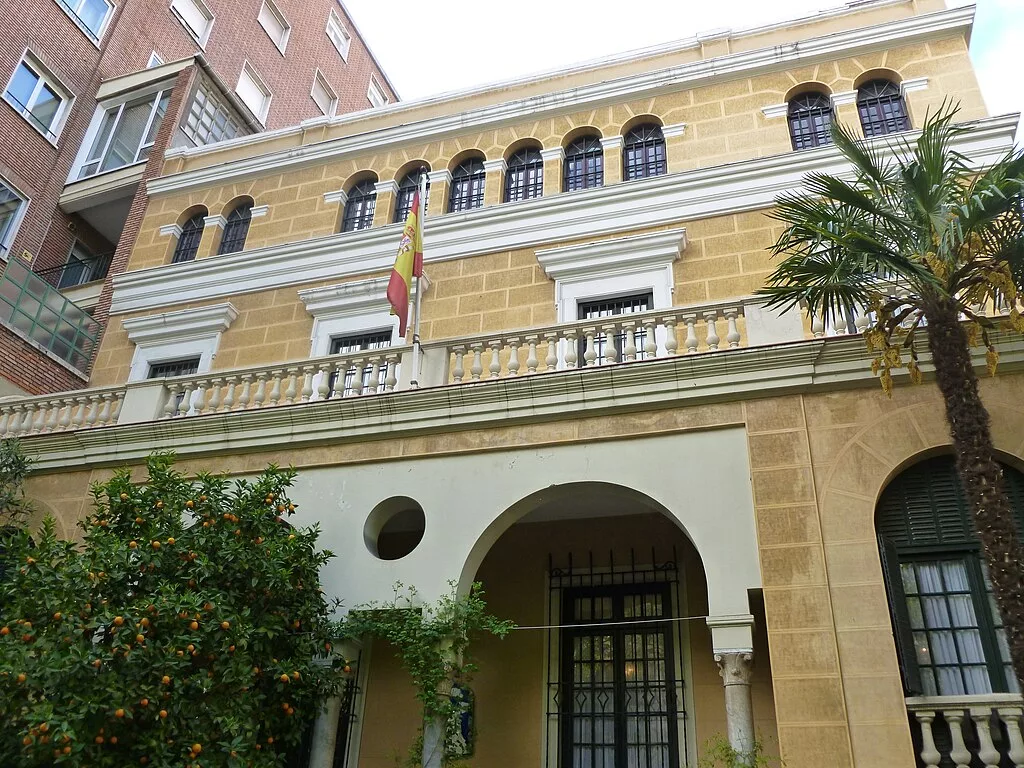
The Sorolla Museum is dedicated to the Spanish painter Joaquín Sorolla, renowned for his Impressionist and luminist works.
It is housed in the artist’s former home and studio in Madrid, where he lived from 1911 until his death in 1923.
The house was converted into a museum in 1931 to preserve the artistic and personal heritage of the painter. The permanent collection includes more than 1,000 works, including paintings, sketches, and drawings by Sorolla.
The museum’s interior preserves the original furniture and decoration, offering an intimate and authentic atmosphere. The museum garden, with its flowerbeds and Mediterranean plants, served as inspiration for several of Sorolla’s paintings.
Parks, Zoo & Green Spaces
Retiro Park (Parque del Retiro)
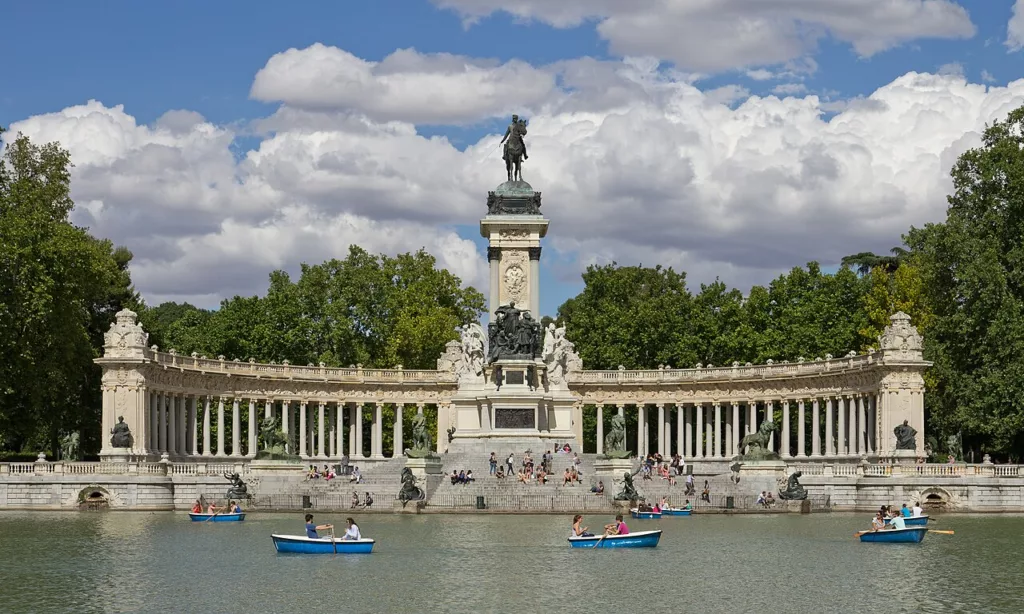
The Retiro Park is one of the largest public parks in Madrid, located in the city center.
It covers approximately 125 hectares, offering green spaces, lakes, and gardens. The park was created in the 17th century as a royal garden for the Buen Retiro Palace.
It houses the Crystal Palace, a glass-and-iron building used for contemporary art exhibitions. The Velázquez Palace, also located in the park, is another important exhibition space.
The park features a large central pond where visitors can rent rowboats. Numerous sculptures and monuments decorate the park, including the monument to Alfonso XII.
Parque Warner Madrid
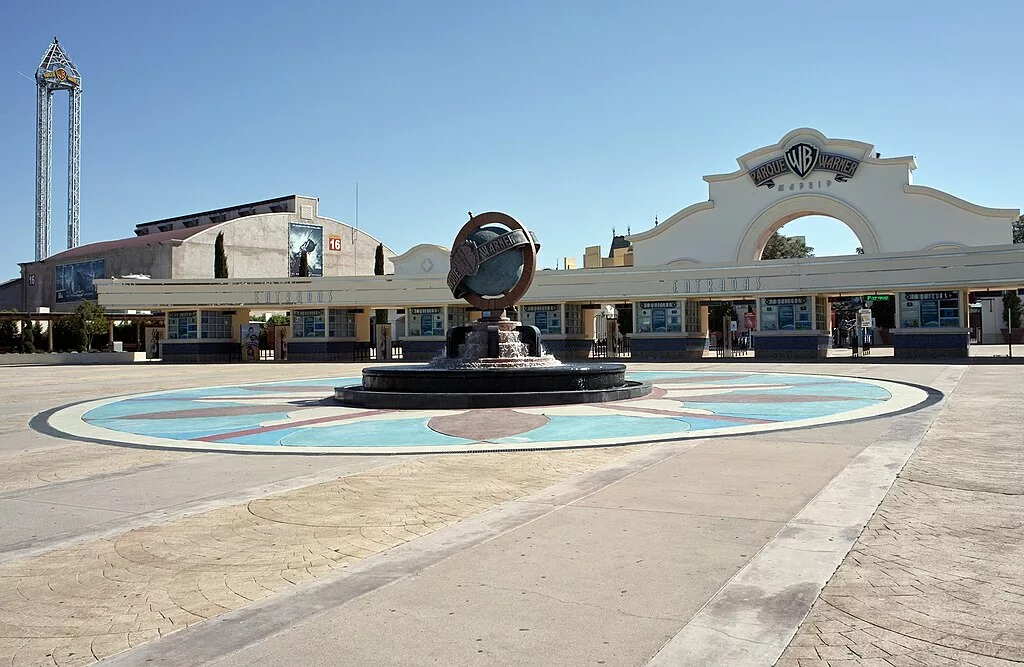
Parque Warner Madrid is an amusement park located in San Martín de la Vega, about 25 km from central Madrid. It is themed around Warner Bros characters, notably Looney Tunes and DC Comics.
The park opened in 2002 and features several themed areas: Hollywood Boulevard, Cartoon Village, DC Super Heroes World, and Warner Bros Studios. It offers thrill rides, children’s attractions, and live shows.
Notable rides include the roller coasters Superman: La Atracción de Acero and Batman: Arkham Asylum. The park covers over 45 hectares, with green spaces and dining areas.
Madrid Río
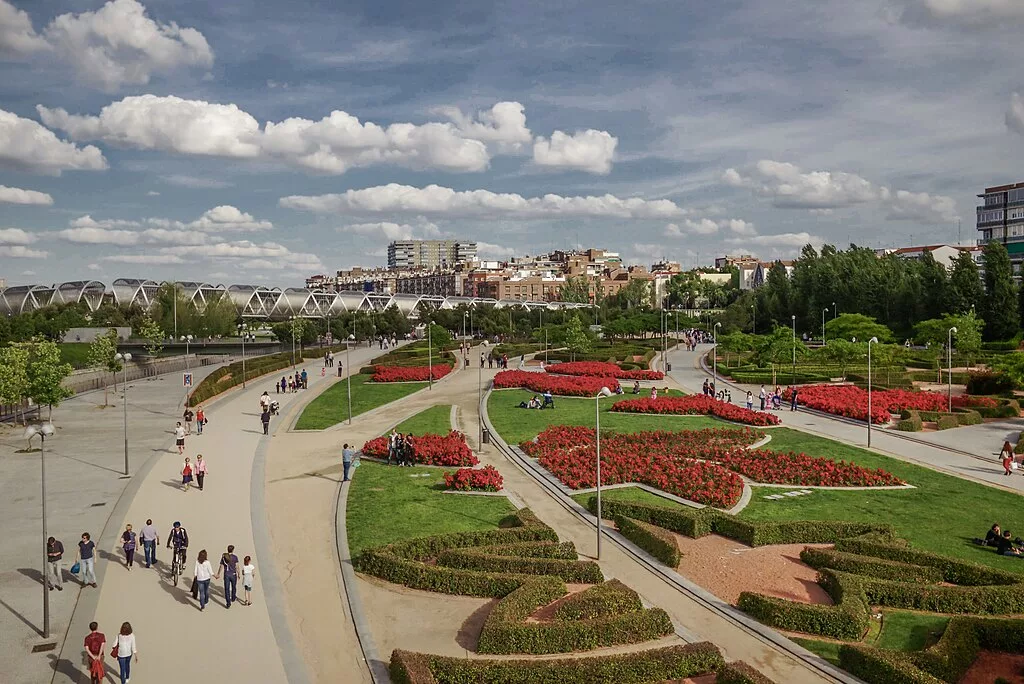
Madrid Río is a large urban park along the Manzanares River in southwest Madrid. The project was developed after the M‑30 highway covering the river was removed.
The linear park stretches over 10 km, connecting Casa de Campo park to the Europe Bridge. The park includes numerous sports areas: skateparks, football and basketball courts.
It also allows visitors to discover archaeological remains, such as the medieval Segovia bridge and the remnants of a 16th-century mill.
Madrid Zoo Aquarium
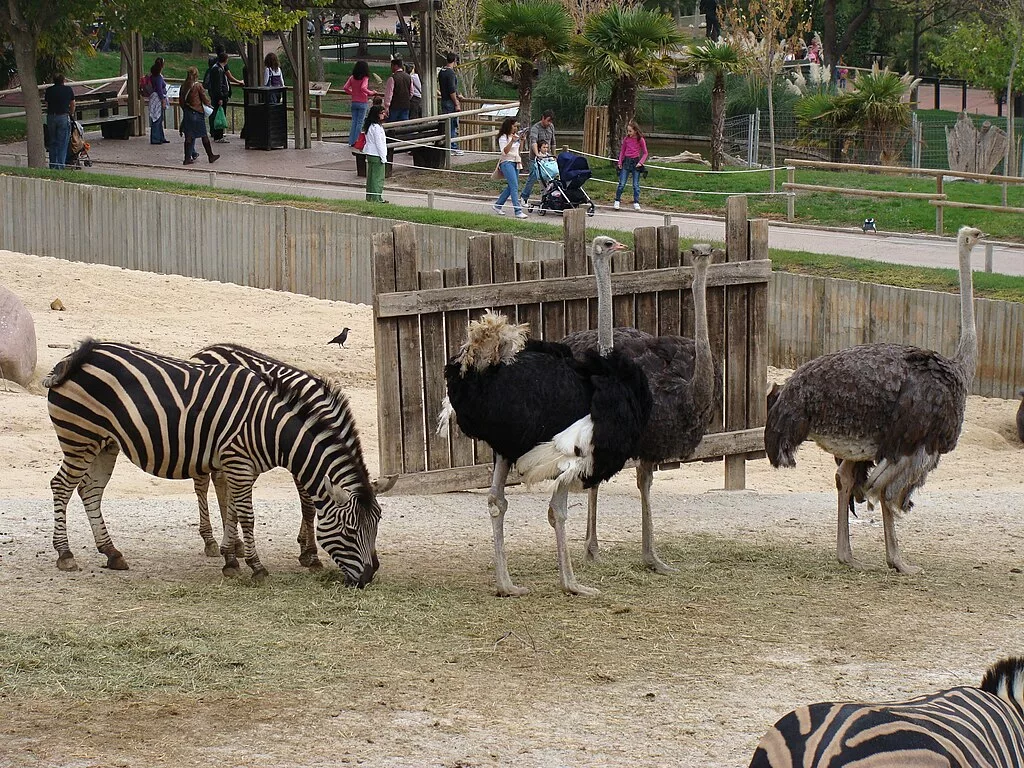
The Madrid Zoo Aquarium is located in Casa de Campo park, southwest of Madrid.
It was inaugurated in 1972 and covers an area of over 20 hectares. The zoo is home to more than 6,500 animals representing around 500 different species.
It also has an aquarium, with marine species from different oceans. Visitors can observe iconic animals such as giant pandas, tigers, lions, and gorillas.
The park offers sea lion and bird of prey shows for the public.
Day Trips Around Madrid
Toledo
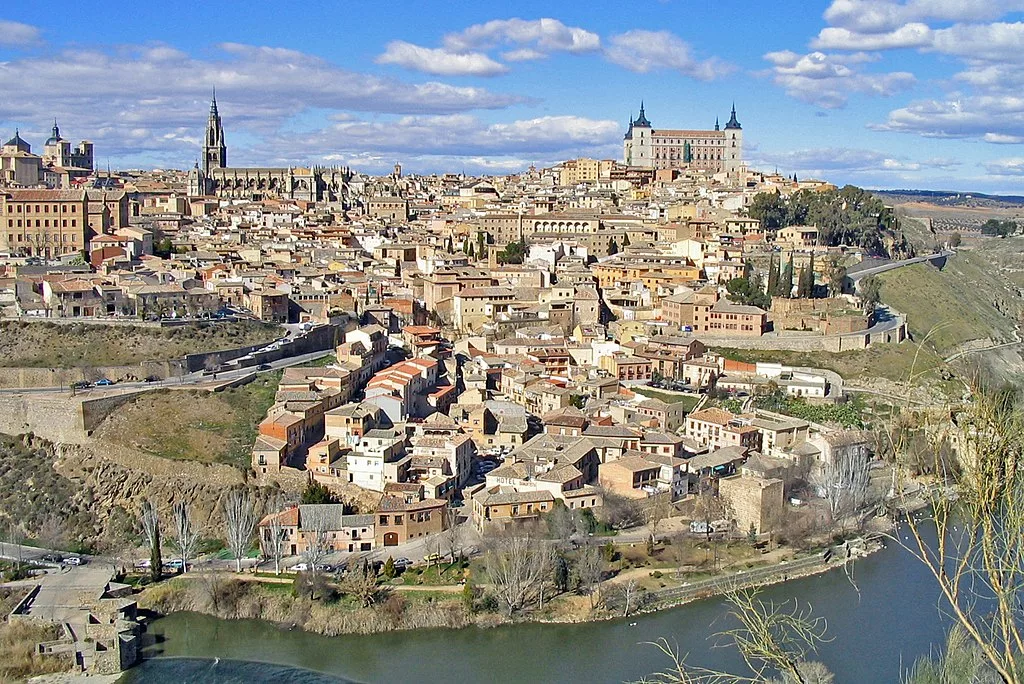
Toledo is a historic city located about 70 km south of Madrid. It is nicknamed the “City of Three Cultures”, as Christians, Muslims, and Jews coexisted here during the Middle Ages.
Toledo is famous for its medieval old town, a UNESCO World Heritage site. The Toledo Cathedral is one of the most remarkable examples of Gothic architecture in Spain.
The city is renowned for its steel and sword craftsmanship, a tradition dating back to the Middle Ages.
Toledo has numerous museums and monuments, including the El Greco Museum. The Jewish quarter, with its Santa María la Blanca Synagogue, is a major tourist attraction.
The city also offers traditional Castilian cuisine, with dishes such as marzipan and cochifrito.
Segovia
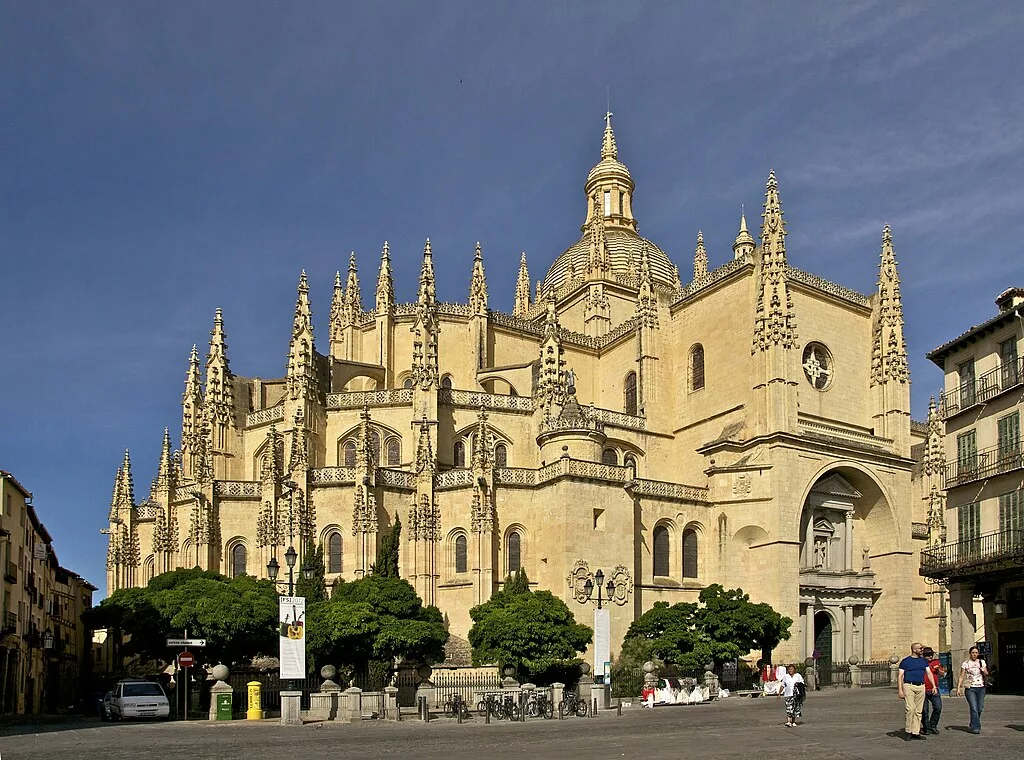
Segovia is a city northwest of Madrid, in the Castile and León region. The city is famous for its Roman aqueduct, one of the best-preserved in the world.
The Alcázar Castle dominates the city and inspired the Disney castle. The Segovia Cathedral, in late Gothic style, is nicknamed the “Lady of Spanish Cathedrals.”
Segovia is renowned for its roast suckling pig (cochinillo), a typical local dish. The city also has a medieval heritage, with cobblestone streets and numerous historic houses.
Ávila
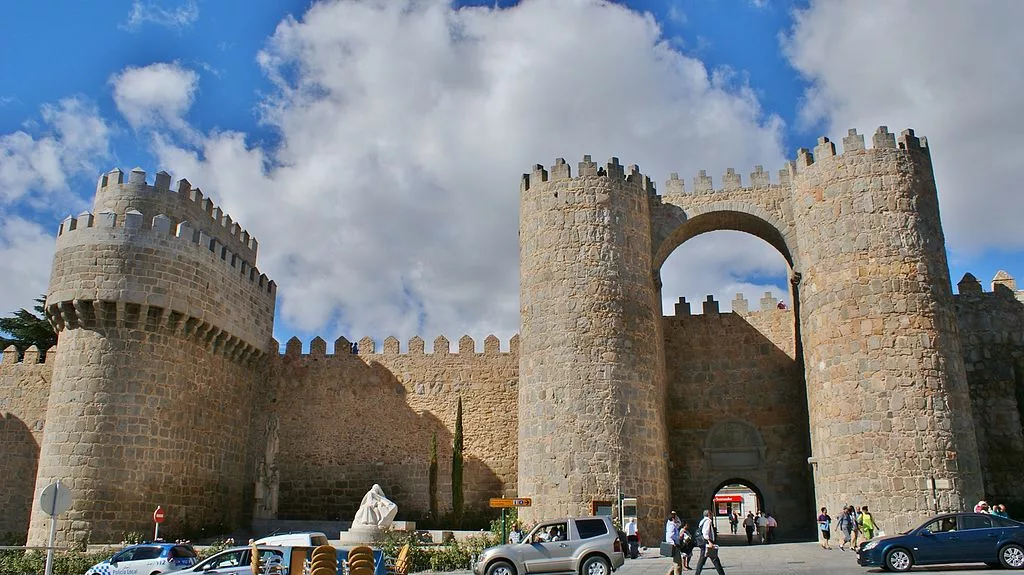
Ávila is a city in Castile and León, famous for its perfectly preserved medieval city walls. The Ávila walls completely surround the old town and include 88 towers and 9 gates.
The Ávila Cathedral combines Romanesque and Gothic styles and is integrated into the city walls.
Ávila is also known as the City of Saint Teresa, the famous Spanish mystic and nun.
Local gastronomy includes yemas de Ávila, a dessert made from egg yolks and sugar.
The city is surrounded by mountains and natural landscapes, ideal for hiking and excursions.
Monastery of El Escorial (El Escorial)
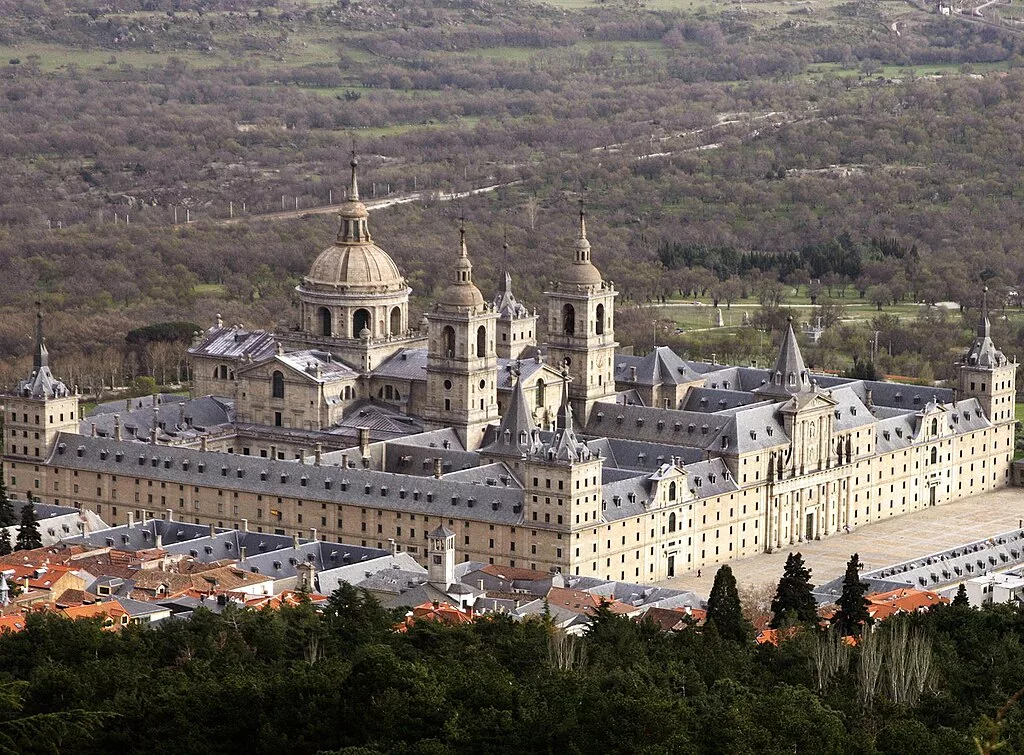
The Monastery of El Escorial is a vast complex located about 45 km northwest of Madrid. It was built under the reign of Philip II of Spain in the 16th century.
El Escorial combines the functions of monastery, royal palace, basilica, and library.
The main basilica is notable for its dome, Renaissance style, and frescoes.
The monastery houses the tombs of the kings of Spain from Charles I to the present day.
The Escorial Library contains thousands of manuscripts and ancient books.
Conclusion
Visiting Madrid means diving into the heart of a capital where history, art, and culture meet on every street corner. From the Royal Palace and Plaza Mayor to must-see museums like the Prado or Reina Sofía, and lively markets, each visit offers a unique blend of heritage and local life. The parks, Madrid’s gastronomy, and excursions to Toledo, Segovia, or El Escorial complete the experience, making Madrid a rich and unforgettable destination for all travelers.