Visiting Marseille: 25 Must-See and Must-Do Attractions
Marseille, the Phocaean city, is much more than a Mediterranean port: it is a fascinating blend of culture, history, nature, and urban life. Between the lively Old Port, the charming streets of Le Panier, the turquoise waters of the calanques, and mysterious islands like Château d’If, every corner of the city tells a unique story.
Whether you come for a weekend or several days, Marseille offers incredible diversity: museums and historic monuments, street art and bohemian neighborhoods, beaches and breathtaking viewpoints, as well as rich and flavorful Mediterranean cuisine.
Here are the 25 must-see places and activities in Marseille, with practical tips to make the most of every moment and discover the city in all its facets, blending tradition and modernity.
If you want to discover Marseille differently, I invite you to take a scavenger hunt in Marseille, explore key places, solve puzzles, and uncover the history of Marseille.
1. Old Port
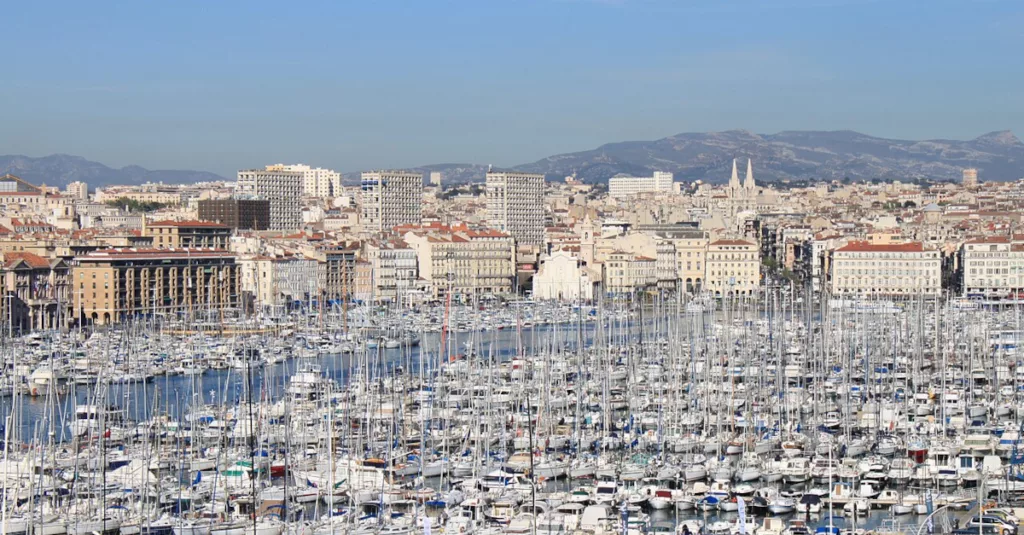
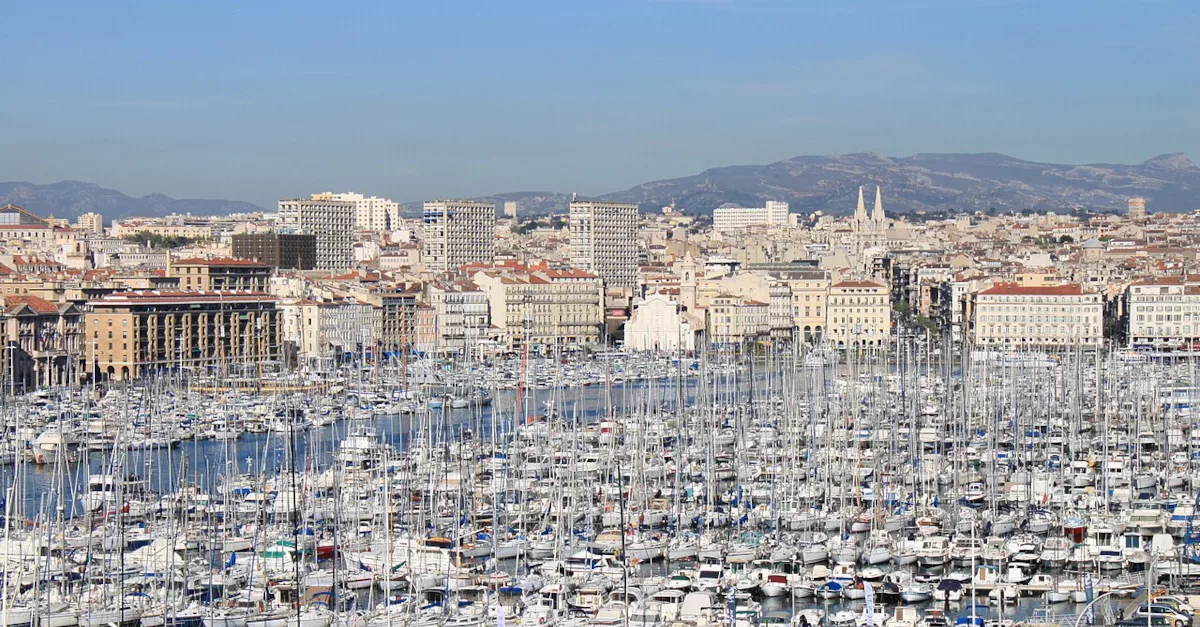
The Old Port has been the beating heart of Marseille since antiquity. Lined with cafés, restaurants, and bustling markets, it offers a lively spectacle at any time of day. In the morning, fishermen sell their fresh catches directly on the quays, creating an authentic and warm atmosphere. In the evening, the terraces come alive, and the reflection of lights on the water makes the place almost magical.
The Old Port is also an ideal starting point for all sea excursions, whether to Château d’If, the Frioul islands, or the calanques. The colorful boats, seagulls, and smell of salt immediately set the tone for the Phocaean city.
Practical tips:
-
Arrive early in the morning to see the fish market and avoid the crowds.
-
Have a coffee on one of the terraces to observe local life.
-
For photography enthusiasts, sunset is an ideal moment to capture the reflections on the water.
2. Notre-Dame de la Garde Basilica
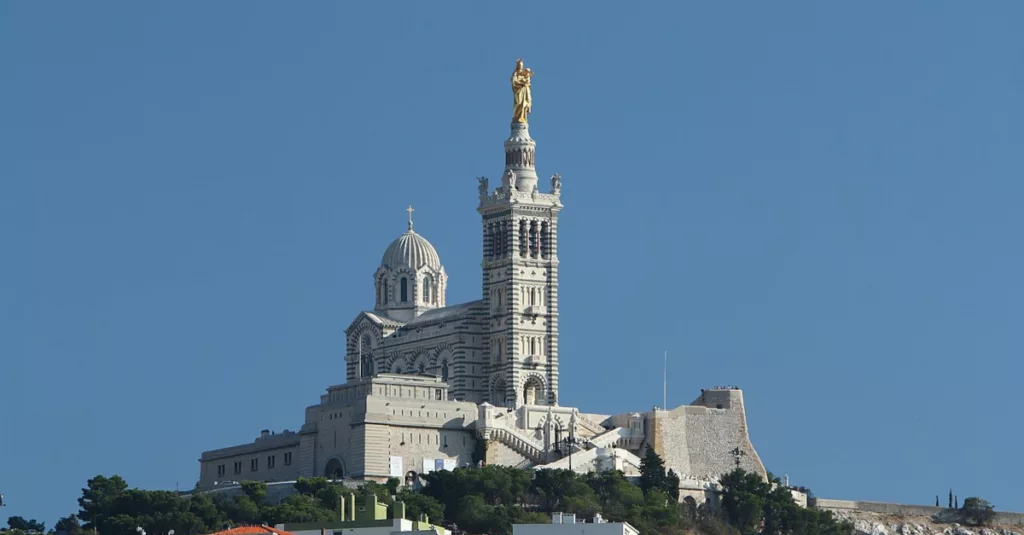
Overlooking Marseille from its hilltop, the Notre-Dame de la Garde Basilica is the symbol of the city. Nicknamed “la Bonne Mère” by the locals, it has been watching over the city and its sailors since the 19th century. Its Neo-Byzantine architecture, with golden mosaics and colorful ceramics, is as striking as its panoramic view.
From the top, the 360° view of Marseille, the Old Port, the Mediterranean Sea, and even the surrounding hills is simply spectacular. The site is perfect for a contemplative stroll, and the interior of the basilica offers a soothing atmosphere despite the influx of visitors.
Practical tips:
-
Go early in the morning or late afternoon to enjoy the soft light over the city.
-
Comfortable shoes are essential for the climb (on foot or by small train).
-
Entry is free, but a small donation for maintenance is appreciated.
3. Le Panier
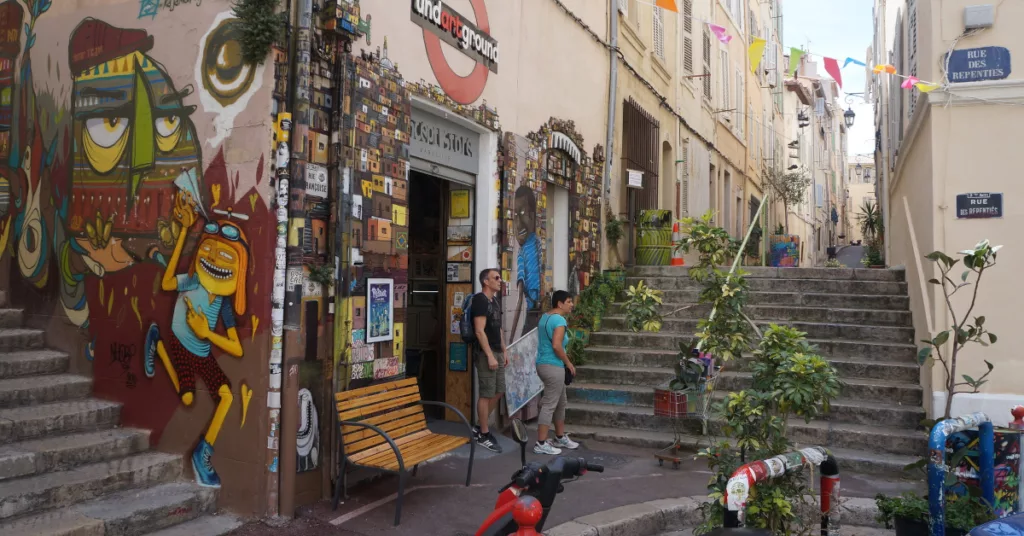
Le Panier is the oldest neighborhood in Marseille, a true maze of colorful streets and picturesque squares. Formerly a district of artisans and fishermen, it has retained its Mediterranean soul: old doors, cobbled stairways, and façades painted in warm tones.
Today, Le Panier is also the heart of Marseille street art. Murals and graphic works blend with historic buildings, offering a fascinating contrast between heritage and contemporary expression. Small artisan shops, charming cafés, and artists’ workshops make wandering leisurely irresistible.
Practical tips:
-
Take your time to wander the side streets to discover hidden murals.
-
Perfect for original photos thanks to the colors and textures of the walls.
-
Some squares, like Place des Moulins, offer quiet cafés for a break.
- Discover the secrets of Le Panier in our scavenger hunt, a mix between an escape game and a self-guided tour
4. MuCEM (Museum of European and Mediterranean Civilisations)
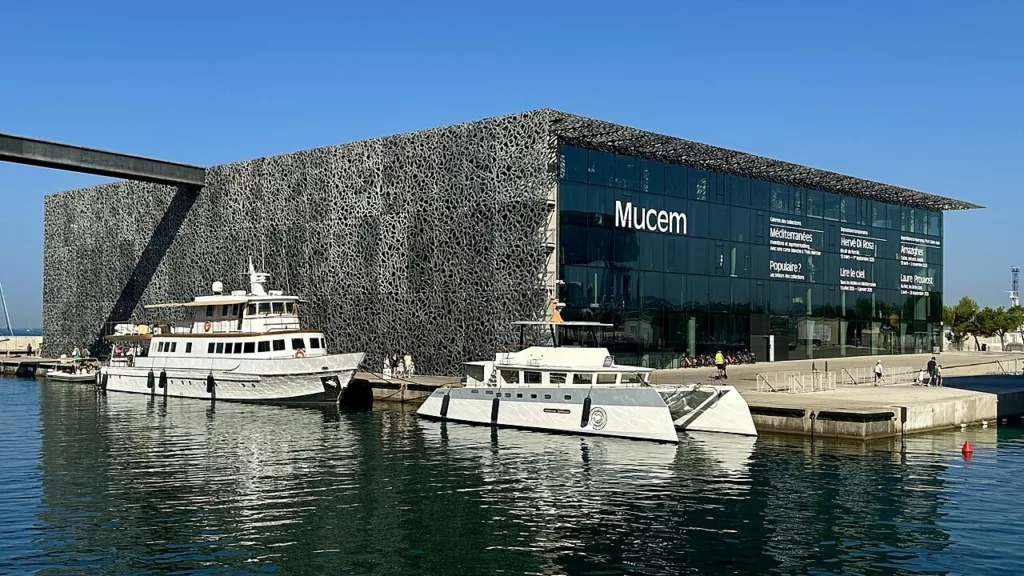
The MuCEM is a modern architectural and cultural gem. Located at the entrance of the Old Port and connected to Fort Saint-Jean by a footbridge, this museum explores Mediterranean civilizations through art, history, and culture. The building itself, with its lace-like concrete façade and elevated walkways, is a true contemporary masterpiece.
The exhibitions, both temporary and permanent, are interactive and immersive. From the ground floor to the panoramic terraces, MuCEM also offers spectacular views of the port and city. Art, history, and architecture enthusiasts will find plenty to spend fascinating hours exploring.
Practical tips:
-
Allow at least 2 hours to fully enjoy the collections and terraces.
-
Access to the terraces is often free and offers unique viewpoints.
-
Check the schedule of temporary exhibitions to take advantage of special events.
5. Fort Saint-Jean
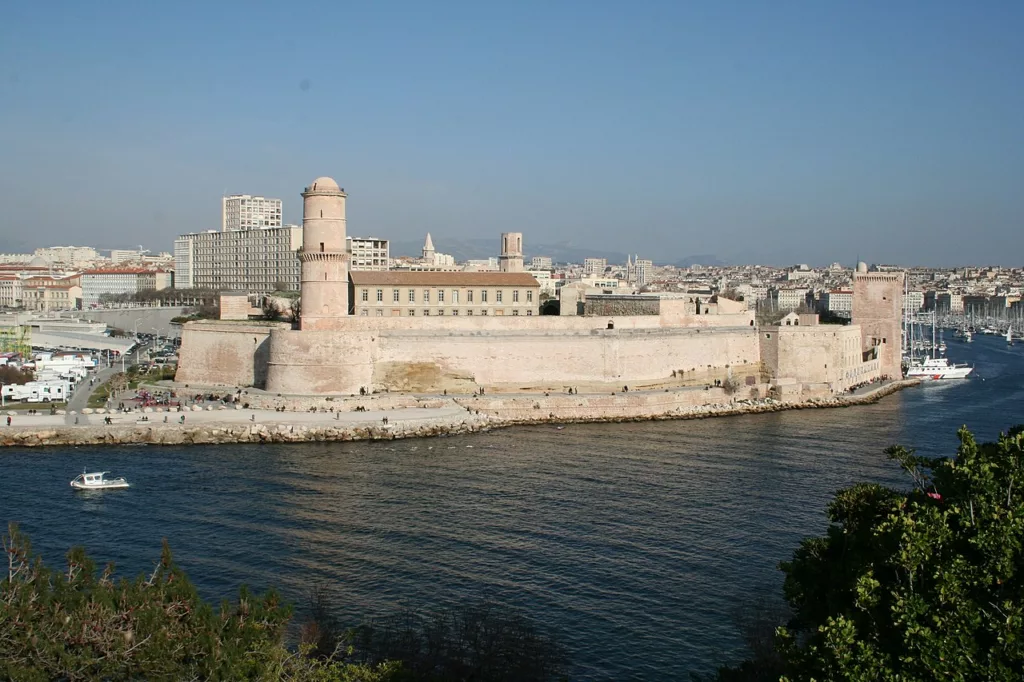
Adjacent to MuCEM, Fort Saint-Jean is a historic fortress overlooking the Old Port. Built in the 17th century, it long protected the entrance to Marseille’s harbor. Today, its ramparts offer panoramic walks between sea and city, and its imposing architecture tells the strategic history of the city.
The fort is also integrated into the MuCEM route, allowing visitors to easily move from ancient history to the modernity of the museum. The terraces, staircases, and bastions are perfect for admiring the light over the Old Port and the colorful boats.
Practical tips:
-
Walk along the ramparts for spectacular views of the port and MuCEM.
-
Access is free, but some areas may be closed depending on exhibitions.
-
Ideal in the late afternoon to enjoy the sunset over Marseille.
6. Château d’If
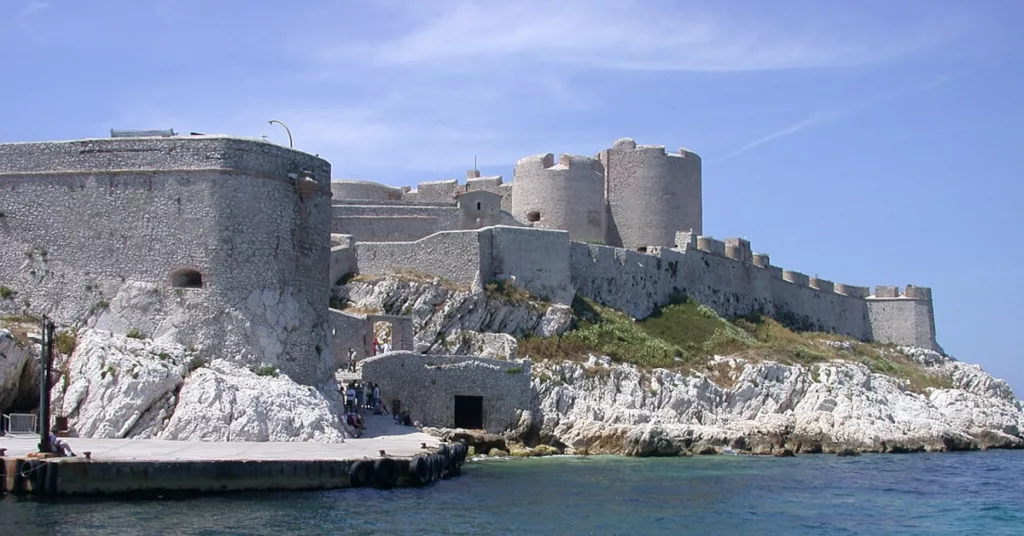
The Château d’If is one of Marseille’s icons, made famous by Alexandre Dumas’ novel The Count of Monte Cristo. This fortress, built in the 16th century on a small island off the Old Port, originally served as a state prison. Today, it is open to visitors, immersing them in an atmosphere that is both historical and legendary.
The boat crossing from the Old Port is already an experience in itself: sparkling sea, wind on your face, and views of Marseille from the water are unforgettable. On the island, the ramparts and former prison cells tell a captivating story.
Practical tips:
-
Plan at least half a day for the excursion.
-
Buy tickets in advance, especially in summer, to avoid long lines.
-
Wear comfortable shoes and bring a camera to capture the views of Marseille.
7. La Corniche
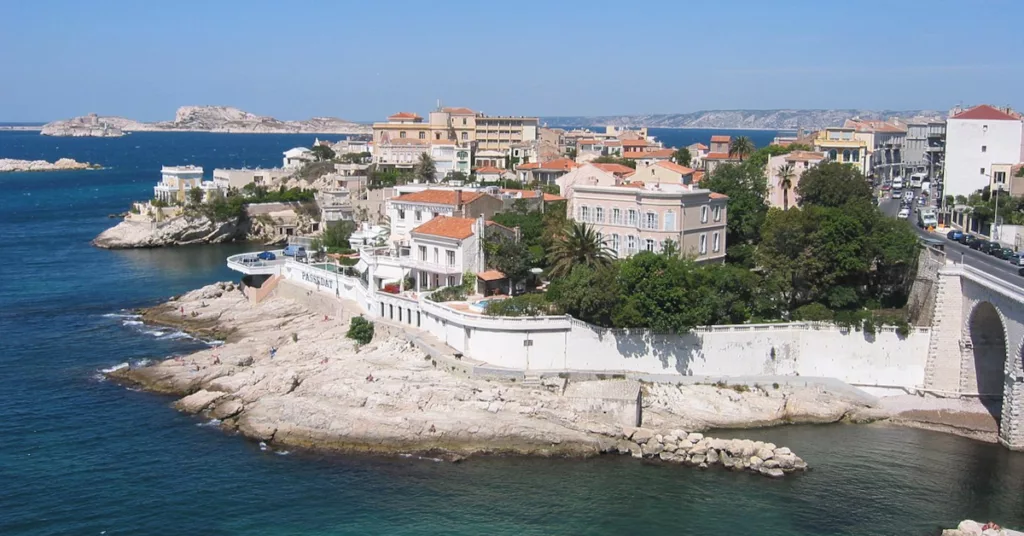
The Corniche Kennedy is an iconic promenade along Marseille’s coastline. Its winding roads offer spectacular panoramas of the Mediterranean, the calanques, and the city’s picturesque neighborhoods. Whether on foot, by bike, or by car, every viewpoint offers a surprise.
From beaches to small ports, like Vallon des Auffes, the Corniche is a blend of nature and urban life. Sunsets here are particularly magical, when the sky turns pink and orange and the sea reflects the city lights.
Practical tips:
-
Recommended walk early in the morning or late afternoon to enjoy the soft light.
-
Perfect for photography enthusiasts and romantic strolls.
-
Some picnic areas and beaches allow you to stop and enjoy the sea.
8. The Calanques
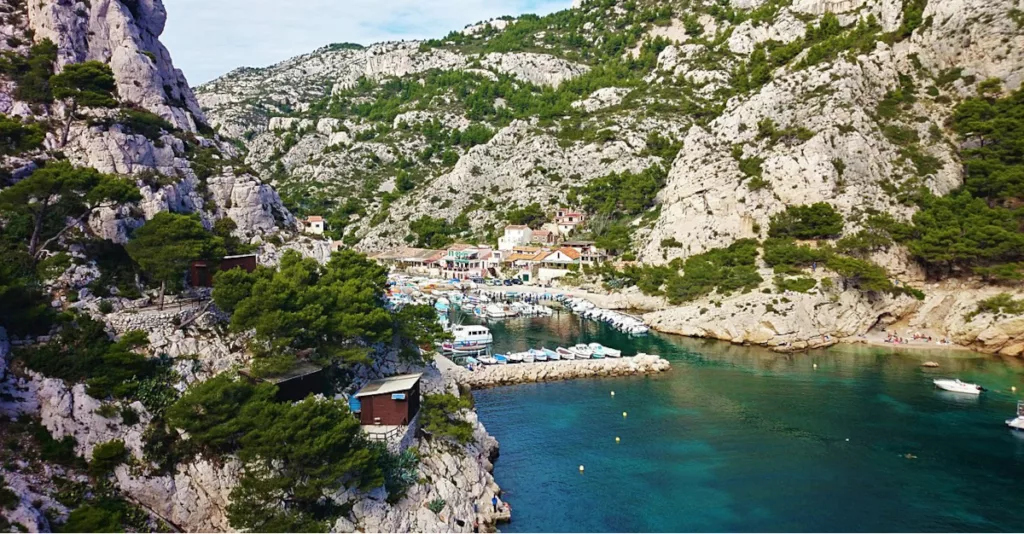
The Calanques National Park, between Marseille and Cassis, is a must for nature lovers and hikers. These coves with turquoise waters, surrounded by white cliffs, offer breathtaking Mediterranean landscapes. Some calanques are accessible on foot, while others require a boat or kayak.
The most famous ones, such as Sormiou, Morgiou, or En-Vau, offer exceptional swimming spots. Hiking trails combine physical effort with spectacular panoramas, with the sparkling sea as a backdrop.
Practical tips:
-
Start early in the morning to avoid crowds and the summer heat.
-
Bring hiking shoes, water, and sun protection.
-
Some calanques are only accessible by boat: be sure to book excursions in advance.
9. Noailles Market
Noailles Market is the multicultural heart of Marseille. Here, Eastern spices, exotic fruits, aromatic herbs, and Mediterranean specialties mingle. The atmosphere is lively, colorful, and authentic, with vendors eager to share culinary tips and their stories.
It’s also a perfect place to taste local street food: socca, panisses, or oriental pastries. Wandering the streets around the market allows you to discover Marseille’s cosmopolitan soul and admire the architecture of the old façades.
Practical tips:
-
Best visited in the morning to enjoy the freshness of the products.
-
Take time to chat with the vendors: they know all the best products.
-
Perfect for an authentic and tasty break.
10. La Canebière
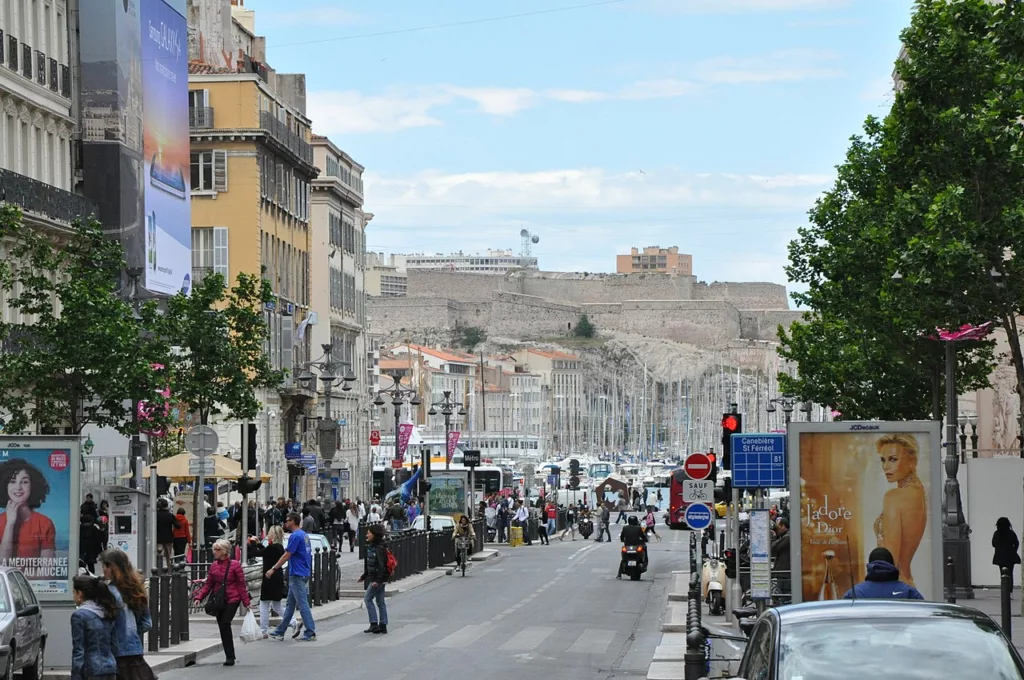
La Canebière is Marseille’s iconic avenue, connecting the Old Port to the more modern neighborhoods. This emblematic street reflects the city’s industrial and commercial history, with 19th-century buildings and traditional cafés.
Strolling along La Canebière allows you to experience a unique blend of tradition and modernity: historic shops coexist with newer businesses, and the comings and goings of locals create a lively and dynamic atmosphere.
Practical tips:
-
Enjoy the terraces to observe local life and have a coffee.
-
Ideal for a historical route combined with the Old Port and MuCEM.
11. Palais Longchamp
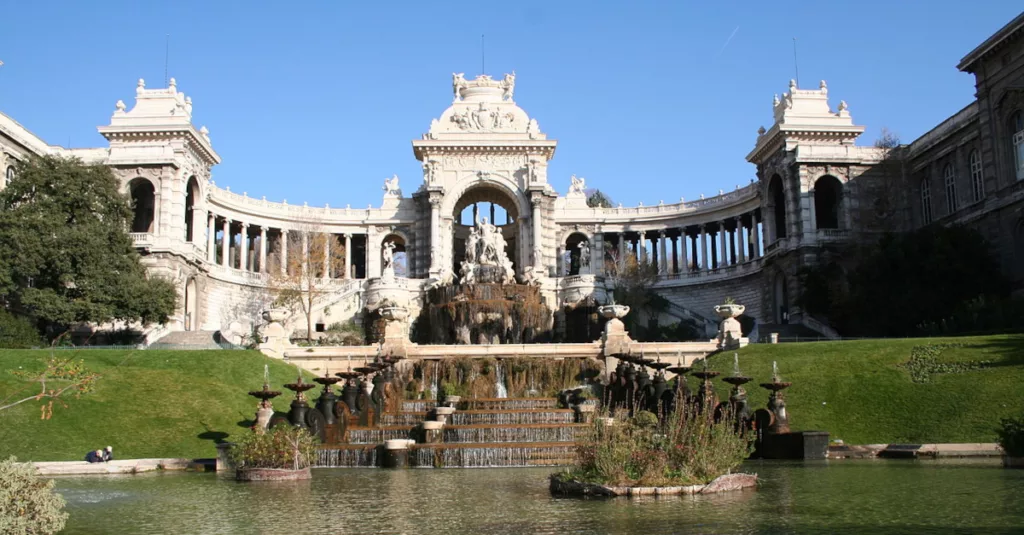
Palais Longchamp is an architectural and cultural gem of Marseille. Built in the 19th century to celebrate the arrival of water from the Durance, it now houses the Museum of Fine Arts and the Natural History Museum. Its park, monumental fountains, and grand cascade make it a perfect place for a leisurely stroll.
The palace’s architecture, with its sculptures, columns, and statues, reflects the grandeur of the era. The surrounding gardens are ideal for a break, a picnic, or letting children play in the green spaces.
Practical tips:
-
Allow at least 1 to 2 hours to enjoy the museum and park.
-
The fountains and cascade offer excellent photo opportunities.
-
Ideal for a family walk or a relaxing moment after visiting the city center.
12. Stade Vélodrome
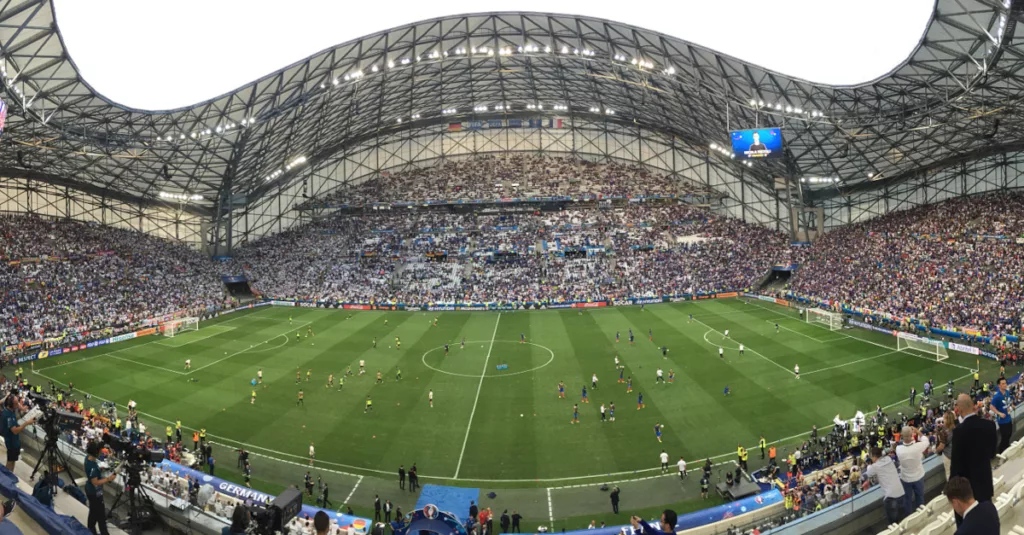
The Stade Vélodrome is much more than just a stadium: it symbolizes the passion of Marseillais for football and Olympique de Marseille (OM). Its modern architecture and impressive size make it a must-see, even for non-sports fans.
A guided tour allows visitors to explore the behind-the-scenes areas, locker rooms, and the legendary history of the club. Attending a match is an intense and immersive experience, with chants and an atmosphere unique in the world.
Practical tips:
-
Book tickets for a guided tour or a match in advance.
-
Perfect for sports enthusiasts and curious visitors wanting to experience local culture.
-
Wear comfortable shoes to walk around the stands and stadium areas.
13. Les Docks Village / La Joliette
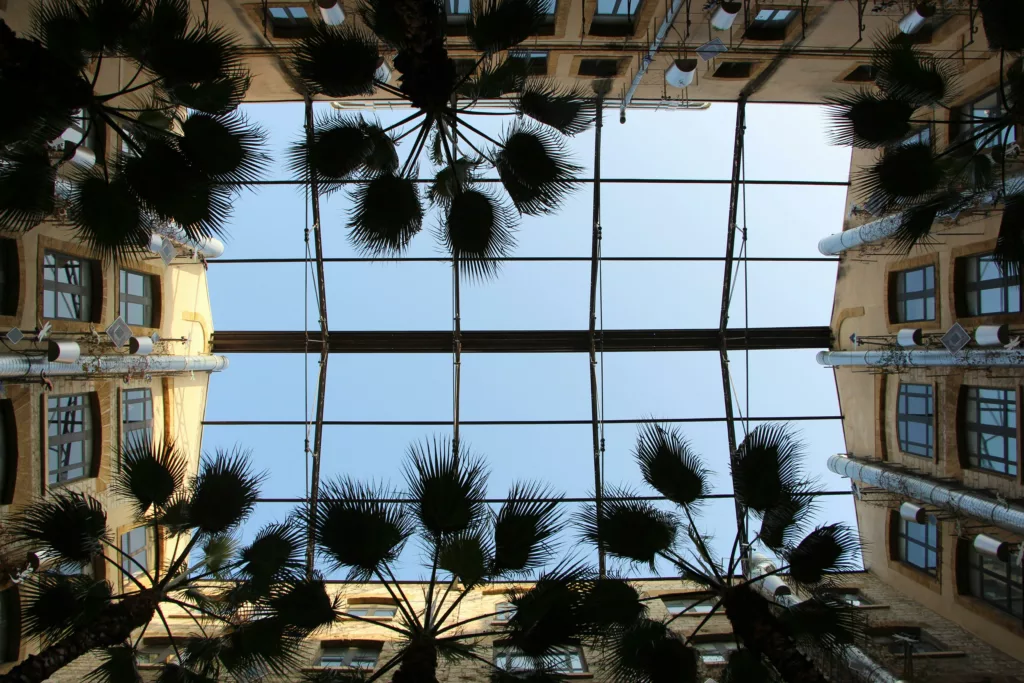
Les Docks Village, in the La Joliette district, are a perfect example of Marseille’s urban transformation. A former industrial site, it now houses shops, restaurants, cafés, and cultural spaces. The architecture retains an industrial charm with red bricks and modern glass roofs.
It’s ideal for a shopping stroll or a gourmet break, with sunny terraces and stylish spaces. The atmosphere is dynamic, often punctuated by cultural events and concerts.
Practical tips:
-
Perfect for lunch or shopping in a unique setting.
-
The terraces offer beautiful views of the old docks and industrial port.
-
Combine your visit with a walk to the MuCEM and Fort Saint-Jean, just a few minutes away on foot.
14. Street Art in Marseille
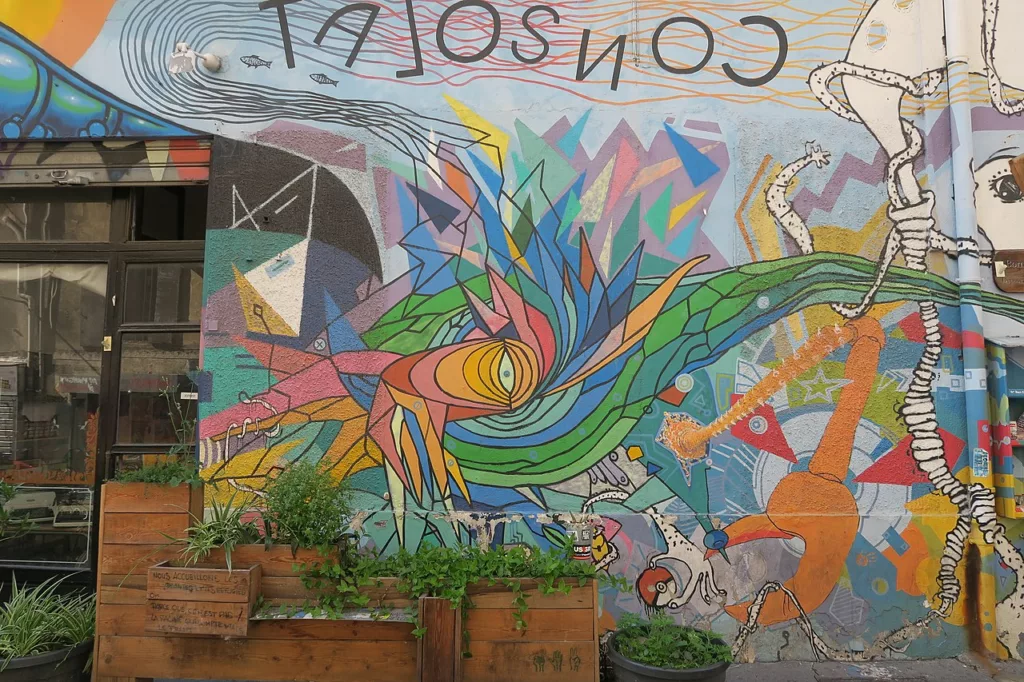
Marseille is a true street art capital. The neighborhoods of Le Panier, Noailles, and La Plaine are full of giant murals and striking graphic works. Local and international artists freely express their creativity, turning the city’s walls into open-air galleries.
Every street corner can reveal a surprise: colorful characters, giant portraits, abstract patterns, or meaningful messages. A street art walk is cultural, aesthetic, and full of unexpected discoveries.
Practical tips:
-
Allow a morning or afternoon to explore several neighborhoods.
-
Bring your camera: the colors and details of the murals are exceptional.
-
For enthusiasts, specialized guided tours in street art are available.
15. Prado Beaches

The Prado Beaches are the most famous in Marseille and offer a relaxation area in the heart of the city. These long stretches of sand welcome families, athletes, and swimmers, with facilities for volleyball, kayaking, and paddleboarding.
Perfect for a leisurely moment, the beaches also provide stunning sunset views, with the hills and Frioul Islands in the background. Colorful boats and turquoise water remind visitors that Marseille is, above all, a Mediterranean city.
Practical tips:
-
Arrive early in summer to secure a spot and enjoy tranquility.
-
Bring an umbrella and sunscreen for a comfortable day.
16. Vallon des Auffes
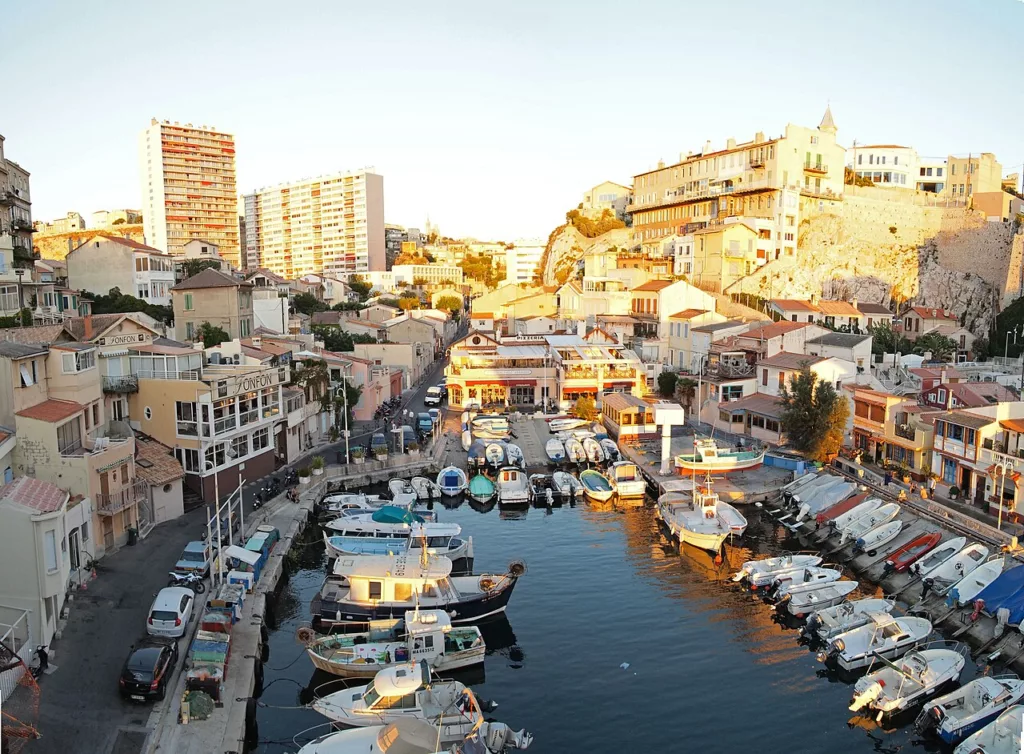
Vallon des Auffes is a small picturesque port nestled between cliffs and the sea, just steps from the Corniche. With its colorful boats and traditional houses, this place exudes authentic Marseille charm and offers an intimate atmosphere away from the city center’s hustle and bustle.
It’s also a perfect place to enjoy a traditional bouillabaisse in one of the local restaurants while admiring the sunset over the boats. Narrow streets and small bridges provide charming photo opportunities.
Practical tips:
-
Best visited in the late afternoon to enjoy the golden light on the port.
-
Try local specialties in the port’s restaurants.
-
Stroll through the streets to discover the picturesque details of this urban village.
18. Frioul Islands and Ratonneau Island
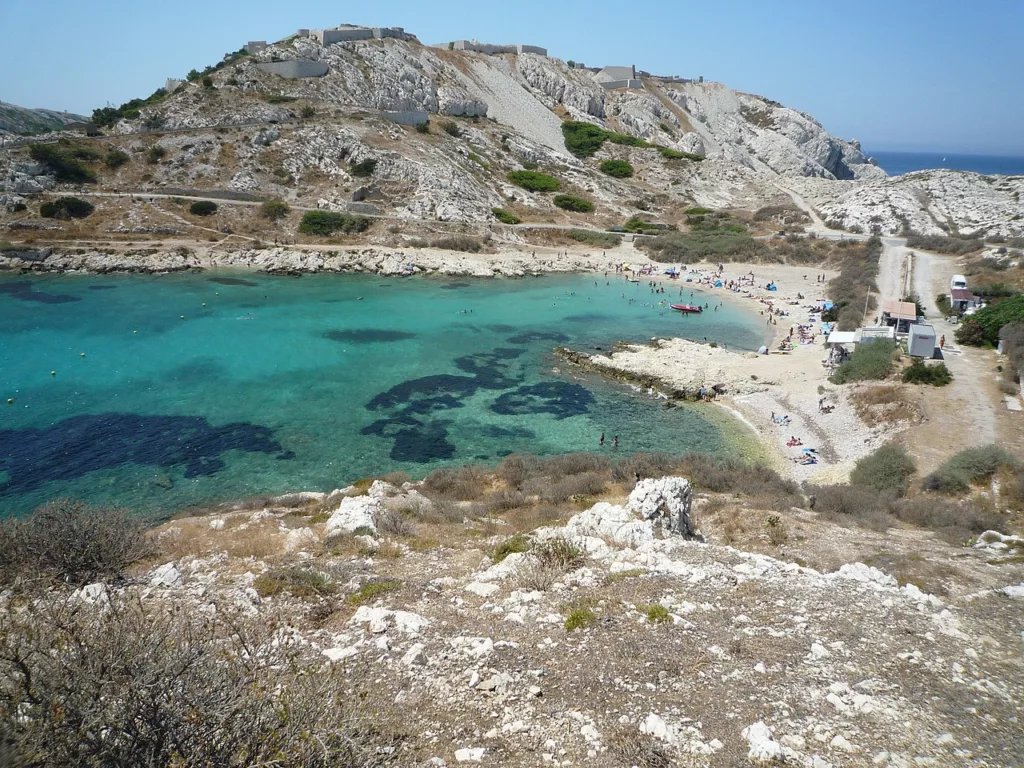
The Frioul Islands, accessible by boat from the Old Port, are a haven of nature and tranquility. Ratonneau Island and its coves offer clear waters ideal for swimming and snorkeling. The wilder Pomègues Island is perfect for hiking and enjoying views of Marseille and Château d’If.
Coastal trails provide stunning panoramas, and the sea air makes the experience particularly refreshing. The islands are also a privileged spot to observe Mediterranean wildlife and flora.
Practical tips:
-
Plan a full day to enjoy swimming, hiking, and the landscapes.
-
Bring suitable shoes and water.
-
Regular boats depart from the Old Port: book in advance during summer.
19. La Major Cathedral
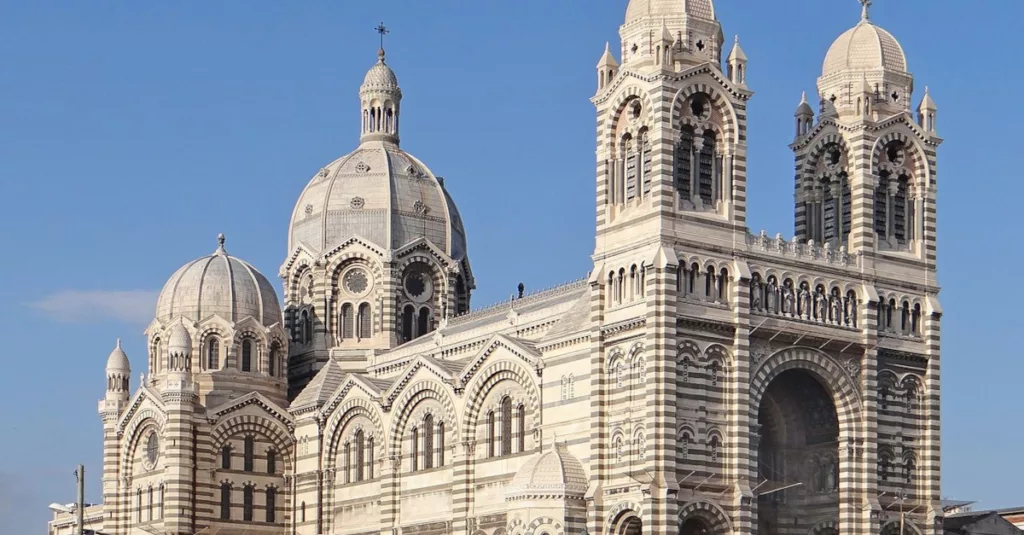
The Sainte-Marie-Majeure Cathedral, better known as La Major, is one of Marseille’s emblematic monuments. Its white and green marble façade and Byzantine domes make it a unique cathedral in France.
Located near the Old Port and the Docks, La Major impresses with its monumental architecture and interior mosaics. It is a place of calm and reflection, but also a must-see for photography enthusiasts.
Practical tips:
-
Combine your visit with the Docks and the MuCEM, which are just a few minutes on foot.
-
Arrive early to avoid crowds and enjoy the morning light on the façade.
-
Take the time to observe the details of the mosaics and sculptures.
20. Pavillon Daviel
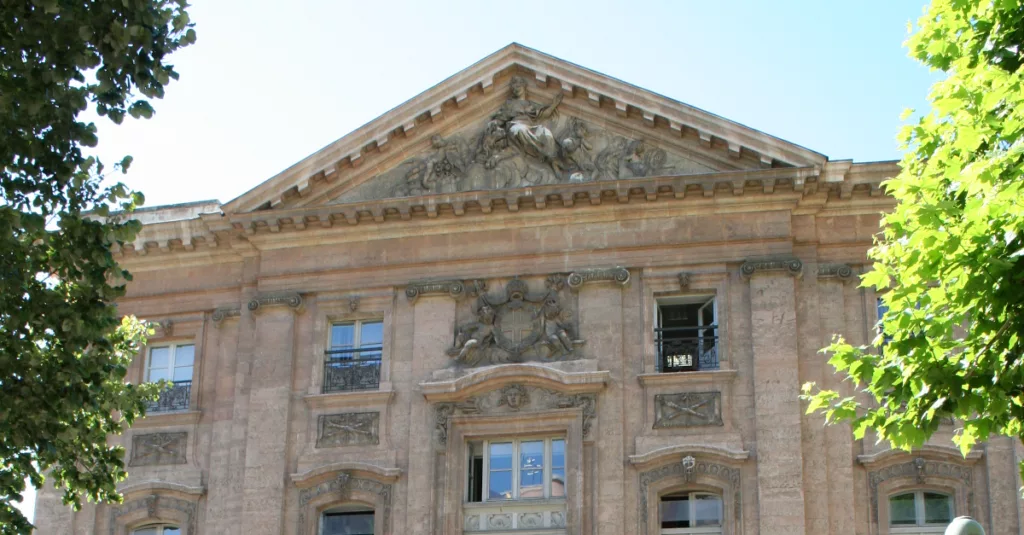
Former Marseille courthouse, the Pavillon Daviel is a superb 18th-century building located on Place Daviel, just steps from the City Hall and the Old Port. Built between 1743 and 1747 in a classical Baroque style, it reflects the architectural elegance of the era and the dynamism of Marseille during the Enlightenment.
Today, the Pavillon Daviel hosts cultural and institutional events while retaining its historic charm. Its majestic façade, ornate balconies, and sculpted pediment make it a must-see for history and architecture enthusiasts.
Practical tips:
-
Take time to admire the façade and sculpted details from Place Daviel.
-
Ideal for history, heritage, and photography enthusiasts.
-
Use the opportunity to continue exploring the picturesque streets of Le Panier nearby.
21. La Vieille Charité
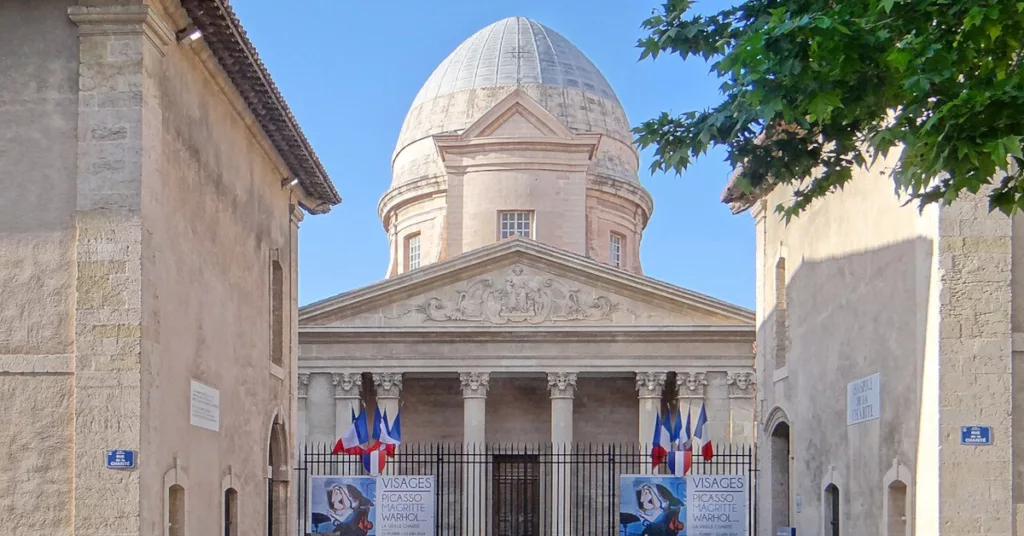
La Vieille Charité is one of the historic jewels of the Panier district. Built in the 17th century to host the poor, it is now a dynamic cultural and museum center. The Baroque building, with its circular courtyard and majestic cloister, impresses with its symmetry and finely crafted columns.
Inside, two museums occupy the premises: the Mediterranean Archaeology Museum, tracing the region’s history from prehistory, and the Museum of African, Oceanian, and Native American Arts, displaying fascinating collections from around the world. The central chapel, with its majestic dome, is a place of calm and contemplation, often used for concerts and cultural events.
Practical tips:
-
Plan 1–2 hours to fully enjoy the museums and cloister.
-
Photography enthusiasts will love the play of light in the central courtyard.
-
Then stroll through the Panier district, Marseille’s oldest, to complete the experience.
- Discover La Vieille Charité in our Panier scavenger hunt, a mix between an escape game and a guided tour.
22. La Maison Diamantée
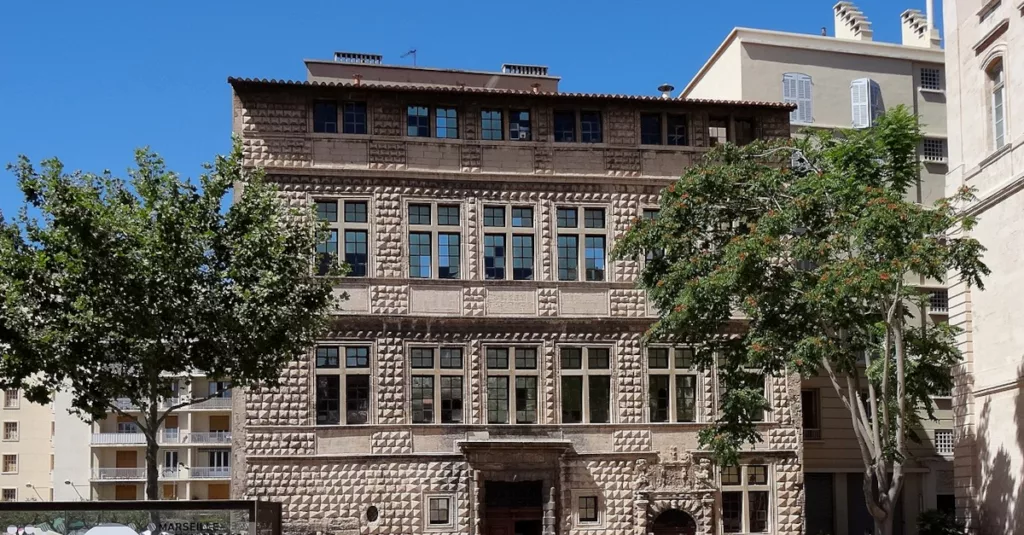
La Maison Diamantée is one of Marseille’s heritage gems, located in the heart of the Old Port. This 16th-century building, recognizable by its façade adorned with diamond-shaped carved stones, now houses a cultural space dedicated to Marseille’s history and memory.
The Maison Diamantée regularly hosts temporary exhibitions, conferences, and heritage events highlighting the city’s evolution, maritime identity, and global outlook. A meeting point between past and present, it offers a way to discover Marseille through its architecture, traditions, and creativity.
Practical tips:
-
Check the exhibition program to plan your visit.
-
Ideal for enthusiasts of history, architecture, and Marseille culture.
-
Its proximity to the Old Port makes it a must-see stop on a historical city walk.
- Discover its secrets in our Panier tour.
23. Marseille Opera House
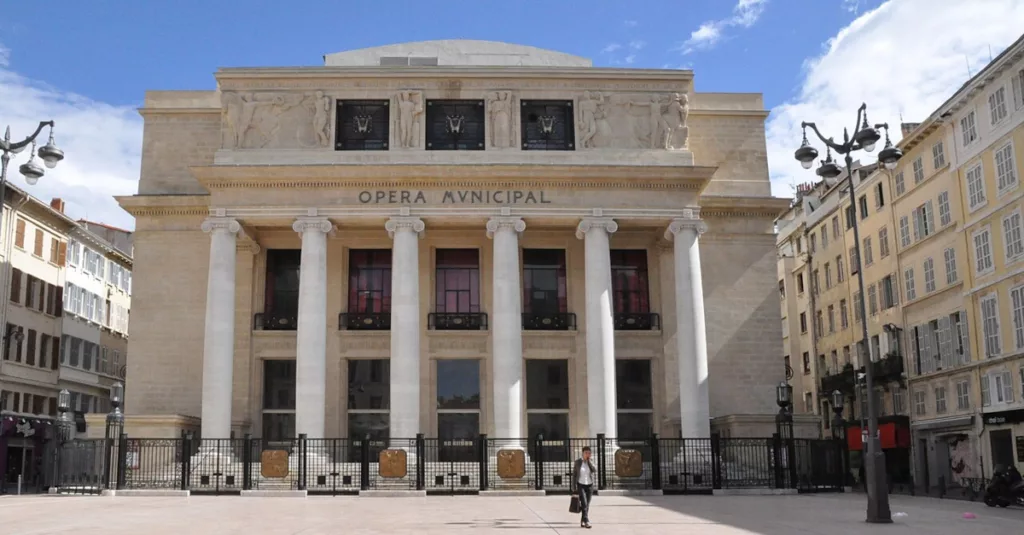
The Marseille Opera, located in the city center, has been a symbol of Marseille’s culture since the 18th century. Its classical and elegant architecture, with sculpted balconies and grand staircase, reflects the city’s prestige at the time. Inside, the auditorium is richly decorated with murals, gilding, and red velvet seats, creating a majestic yet welcoming atmosphere.
The opera offers a varied program: operas, ballets, symphonic concerts, and contemporary performances. Even without attending a show, guided tours allow you to explore backstage areas, salons, and the history of the institution.
Practical tips:
-
Book a guided tour to enjoy the interior architecture and history of the Opera.
-
Attending a performance is an unforgettable experience, especially for fans of classical music or ballet.
-
Take a walk around the city center before or after the visit to explore nearby cafés and restaurants.
- Discover the secrets of the statues at the Marseille Opera in our city center scavenger hunt.
24. Marseille Chamber of Commerce
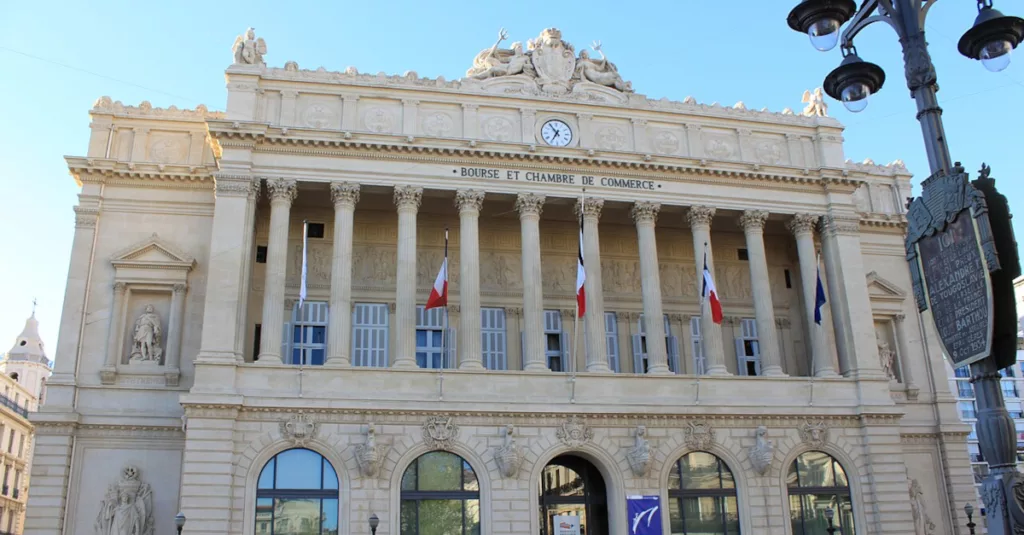
The Marseille Chamber of Commerce reflects the city’s economic and maritime past. Formerly a trading center, it hosted exchanges of cereals and other goods essential to the port. Today, it has been repurposed as a cultural venue, regularly hosting art exhibitions, conferences, and events related to local economy and history.
The building itself is impressive, with a classical façade and refined architectural details. The interior, spacious and bright, allows visitors to fully appreciate the displayed artworks and the staging of events.
Practical tips:
-
Check the program to enjoy temporary exhibitions or special events.
-
Ideal for immersing yourself in the city’s economic history and its connection to the Mediterranean.
-
Combine the visit with a walk in the historic district to admire the façades and narrow streets of the center.
- Discover the Chamber of Commerce in our scavenger hunt of Marseille city center, a mix between an escape game and a guided tour.
25. Marseille City Hall
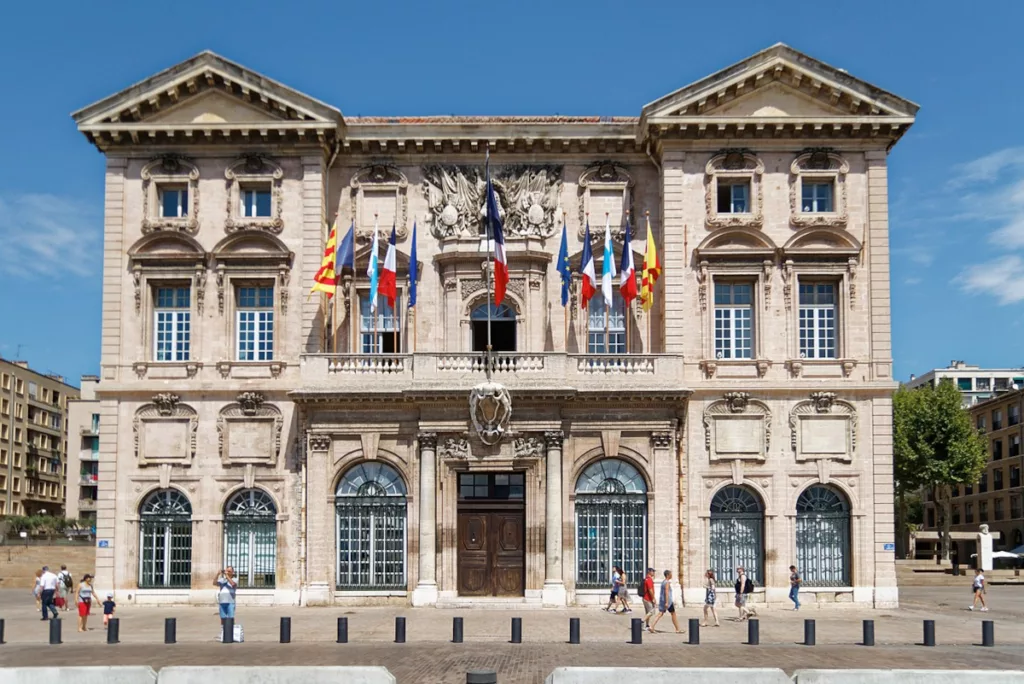
Located on the famous Canebière, the City Hall is a magnificent example of classical Marseille architecture. Built in the 17th century and renovated several times, it stands out with its imposing façade, monumental staircase, and richly decorated salons. Inside, painted ceilings, gilding, tapestries, and artworks narrate Marseille’s administrative and cultural history.
The City Hall remains a living place, hosting municipal administration, but it is also accessible to visitors through guided tours or special events. The contrast between the lively Canebière and the solemn interior makes it a unique place to explore.
Practical tips:
-
Guided tours allow you to explore the official salons and artworks.
-
Take time to admire the façade and exterior architecture from the square.
-
Take a stroll along the Canebière and discover its historic shops and cafés.
- Discover the secrets of the City Hall windows in our Panier scavenger hunt.
Conclusion
Marseille is a city to experience as much as to visit. Between its iconic monuments, authentic neighborhoods, breathtaking natural landscapes, and vibrant culture, it captivates travelers seeking varied and memorable experiences.
To make the most of your stay:
-
Take your time strolling through the Old Port and Le Panier district.
-
Alternate cultural visits, gastronomic discoveries, and nature excursions.
-
Dare to go off the beaten path to discover street art, small coves, and surrounding islands.
Whether you are a history buff, nature lover, foodie, or curious about urban culture, Marseille promises an intense and unforgettable journey. Every street corner, panorama, and flavor contributes to revealing the unique soul of this Mediterranean city.