Visiting Toulouse: 30 Must-See and Must-Do Experiences
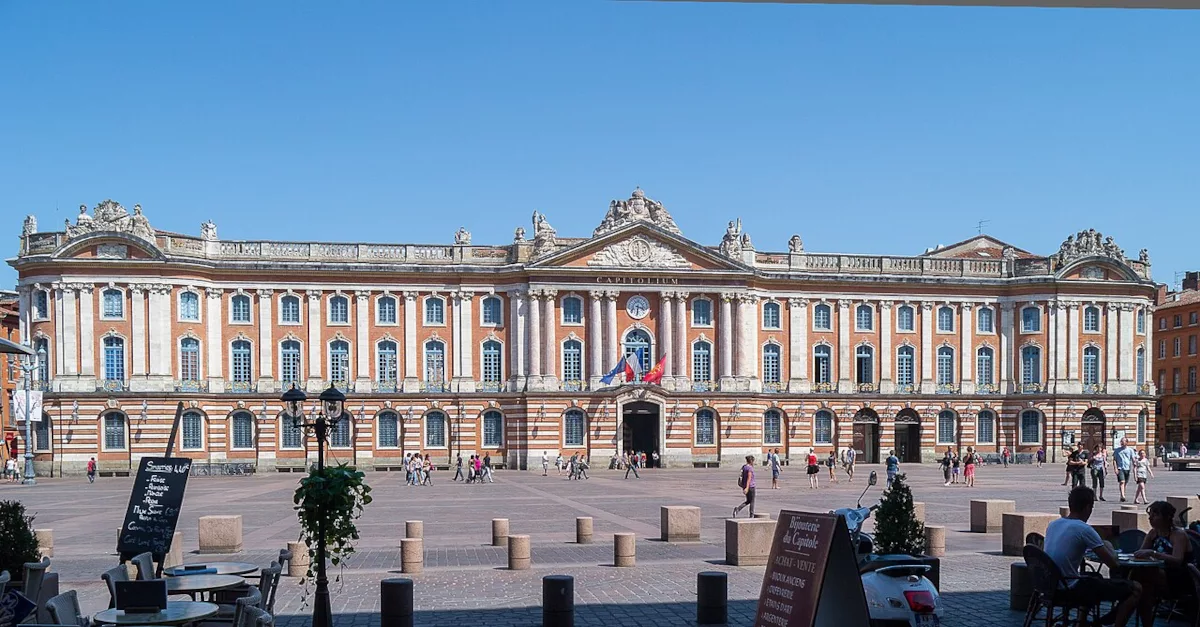
Visiting Toulouse, nicknamed the “Pink City” for the unique color of its terracotta bricks, is to dive into the heart of a city full of charm, history, and culture.
Capital of Occitanie and a major hub of European aerospace, Toulouse combines historical heritage, modernity, and innovation.
When visiting Toulouse, you can discover its historic center with the Place du Capitole, the Basilique Saint-Sernin, and Renaissance mansions that make the city famous.
The city also offers a rich cultural scene with its museums, festivals, and lively neighborhoods where students, artists, and locals mingle. Its natural spaces, such as the Garonne River, the Canal du Midi, and the nearby Pyrenees, provide ideal walks and excursions to complete your stay.
This guide accompanies you to visit Toulouse comprehensively, exploring monuments, museums, gastronomy, parks, and excursions around the city for an unforgettable experience.
Monuments & Historical Heritage
1. Place du Capitole
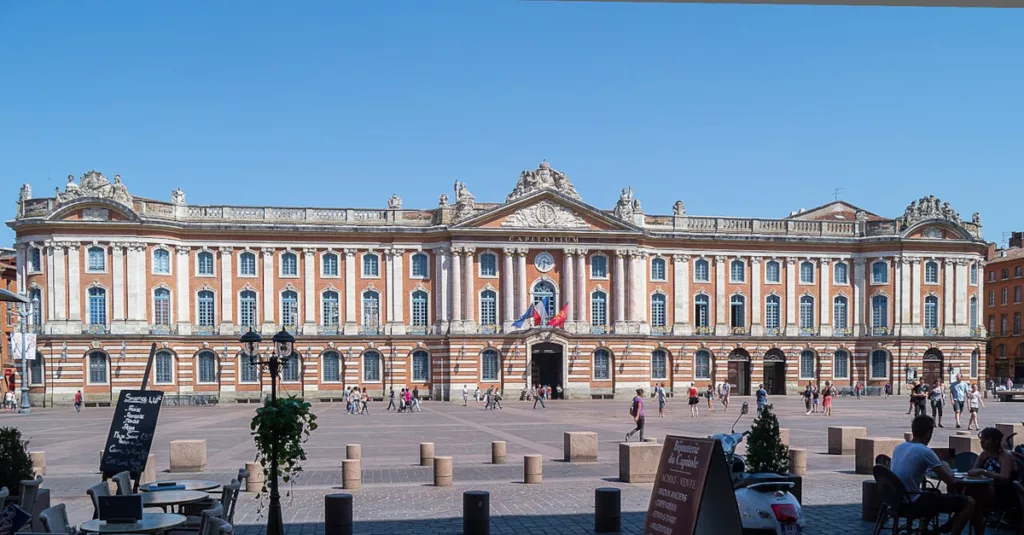 Le capitole de Toulouse
The Place du Capitole is the central and emblematic square of Toulouse, lined by the City Hall (the Capitole) and the Théâtre du Capitole.
With an area of about 12,000 m², it is largely pedestrianized and constitutes a very active living space: markets, events, concerts.
On the ground of the square, you can see the Occitan cross, a strong symbol of local identity.
Historically, its name comes from the “Capitole,” the “common house” of the capitouls, municipal magistrates of Toulouse.
The square has had several names over time: “Place Royale,” “Place de la Liberté,” “Place Impériale,” before reverting to “Place du Capitole.”
It is a major tourist site but also a symbolic gathering point for Toulousains, especially for markets and official ceremonies.
2. Basilique Saint-Sernin
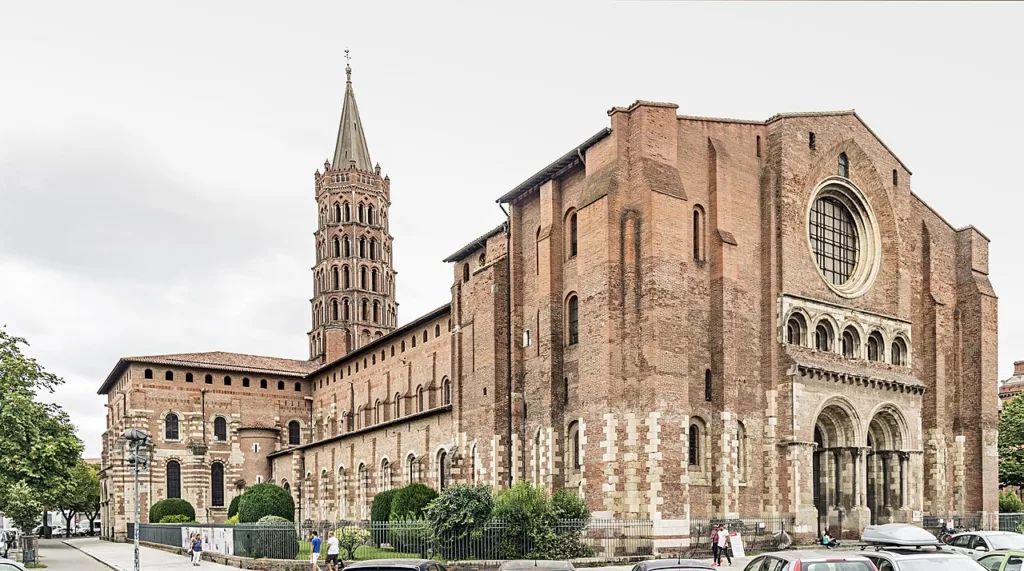 Basilique Saint-Sernin
The Basilique Saint-Sernin is one of the major works of Romanesque architecture and one of the largest Romanesque churches in Europe.
It measures about 104 meters long and is built mainly of brick, typical of the region’s architecture.
Its plan is designed according to a “pilgrimage plan”: it has a choir with radiating chapels and an ambulatory that allows movement around the nave during services.
The basilica houses several relics, notably in its crypt: according to tradition, those of saints such as Simon and Jude can be found there.
Inside, one can admire a large Cavaillé-Coll organ (three keyboards), installed in 1888 and restored in the 1990s, considered one of the most important in France.
The main portal, called Porte Miègeville, is adorned with a sculpted tympanum: Christ surrounded by angels, biblical scenes, in a typically Romanesque XIth-century style.
3. Couvent des Jacobins
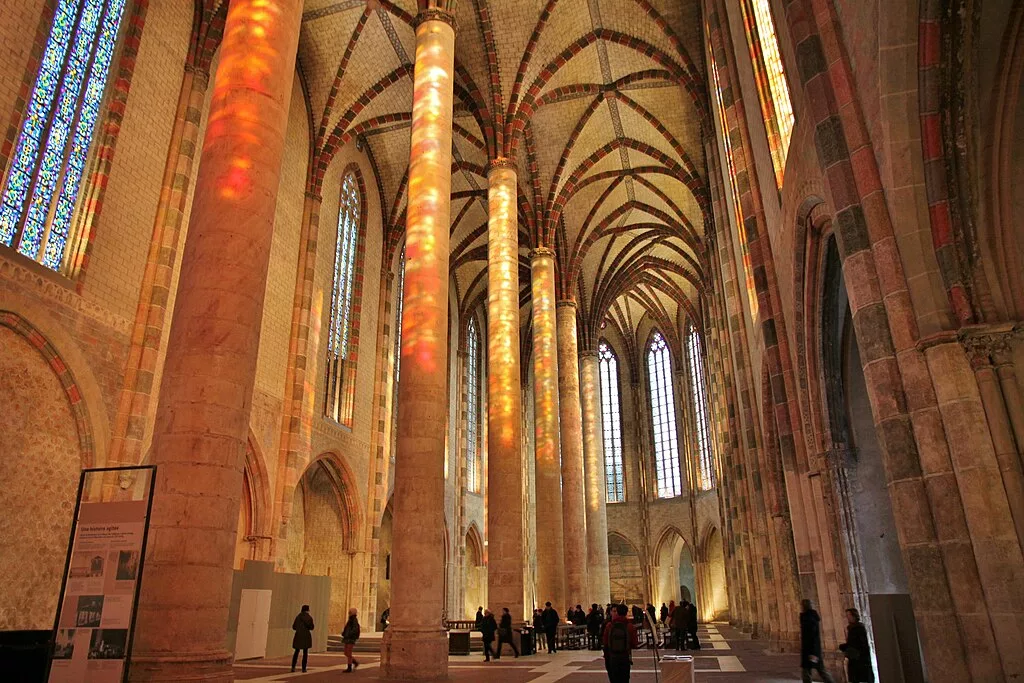 Nave of the Couvent des Jacobins
The Couvent des Jacobins in Toulouse is a southern Gothic Dominican convent complex, located between Place du Capitole and the Garonne.
It includes the Jacobins’ church, a cloister, a chapter house, a refectory, and the Saint-Antonin chapel.
Founded in the 13th century by the Order of Preachers (Dominicans), it played a central role in the religious and intellectual history of Toulouse.
The church is famous for its “palm” vault: the vault ribs radiate from a single central column, forming a kind of stone palm tree.
The cloister, built between 1307 and 1310, is served by four galleries supported by 160 marble columns, giving it great architectural finesse.
The convent was heavily restored recently (renovation completed in 2015) and today welcomes visitors through exhibitions, guided tours, workshops, and performances.
4. Saint-Étienne Cathedral
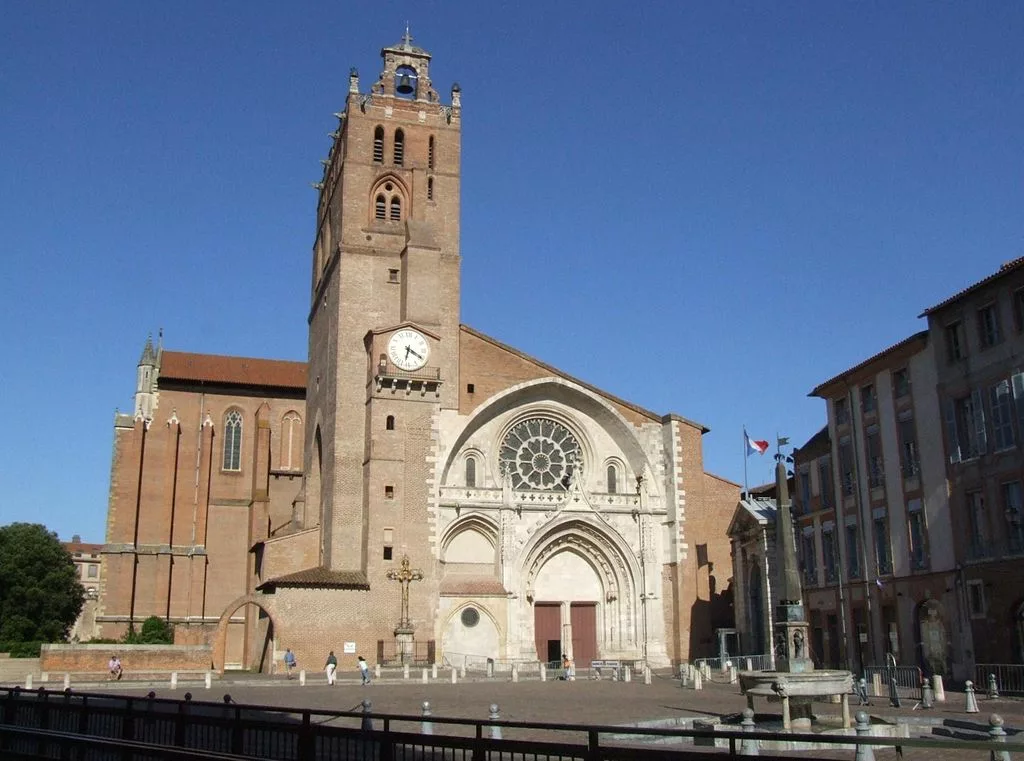 Saint-Étienne Cathedral Toulouse
The Saint-Étienne Cathedral is a unique building as it results from several phases of construction, giving an asymmetrical impression often noted by visitors.
Its architecture mixes Romanesque, Gothic, and southern Gothic elements, reflecting centuries of transformations. The very wide Gothic nave strongly contrasts with the older and narrower choir, creating an unusual perspective.
The façade features a large rose window and a bell wall typical of the Toulouse region.
Inside, there are numerous decorated chapels, remarkable stained glass, and period liturgical furniture. It is a major monument of Toulouse’s religious life and a symbol of the city’s long architectural history.
5. Pont Neuf
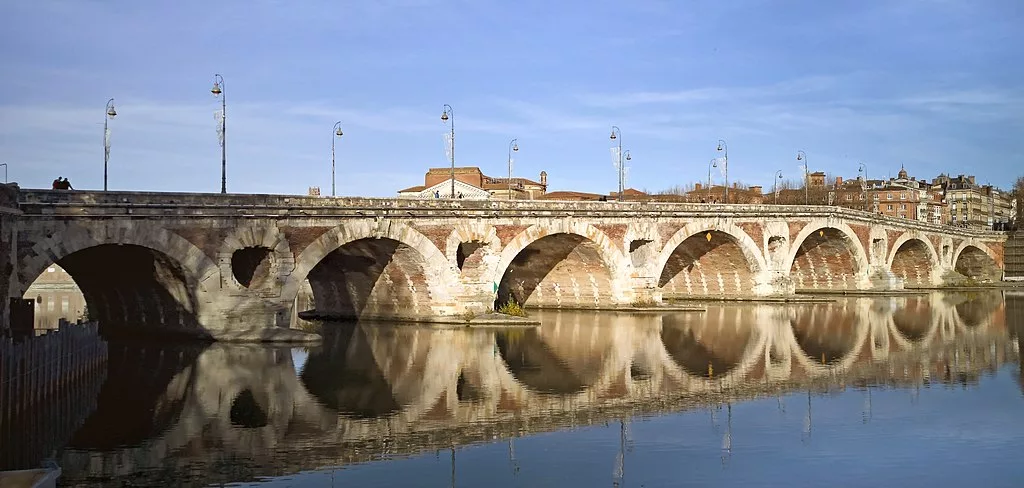 Pont Neuf in Toulouse
The Pont Neuf is the oldest standing bridge in Toulouse, although it is called “Neuf” because it broke with the old models of medieval bridges.
Built between the 16th and 17th centuries, it is renowned for having withstood all the Garonne floods thanks to the ingenious shape of its arches and cutwaters.
It has seven irregular arches and features an asymmetrical silhouette deliberately designed to stabilize the current.
The bridge is decorated with sculpted medallions representing faces, adding an artistic touch to its functional structure. It connects the city center to the Saint-Cyprien district, once a lively and popular suburb.
6. Hôtel Dahus (Renaissance)
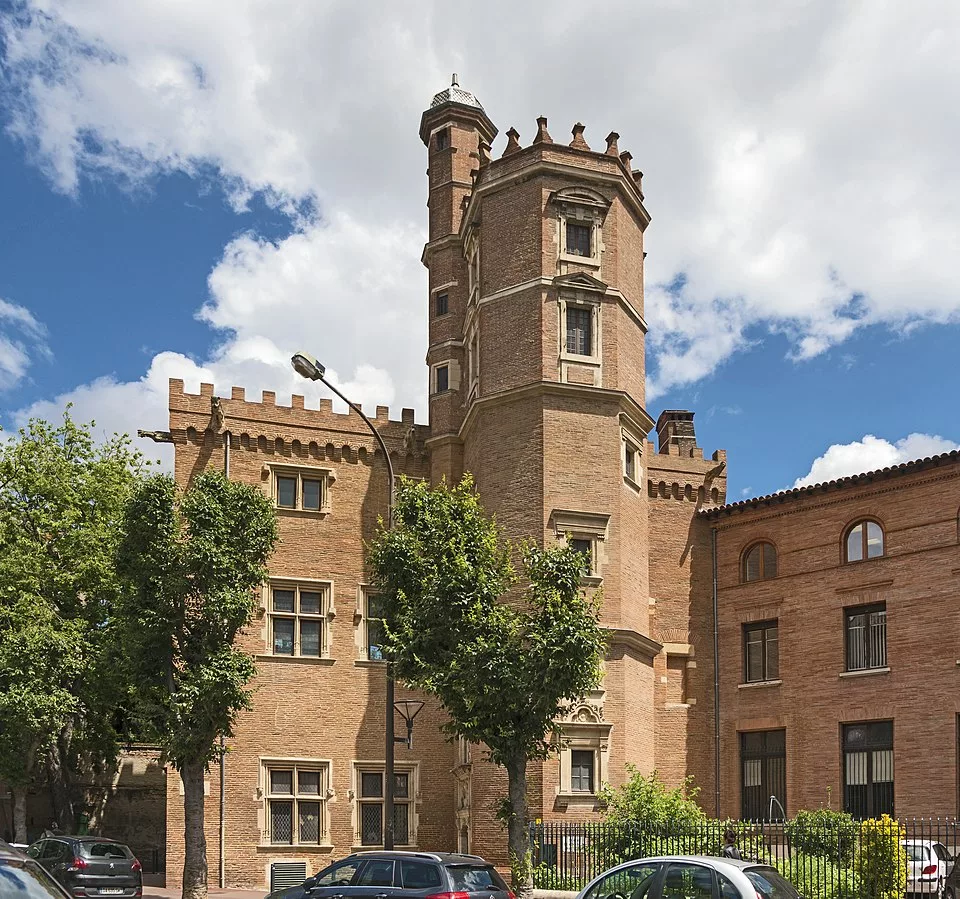
The Hôtel Dahus, also called Hôtel de Tournoer or Hôtel Roquette, is a private mansion located in Toulouse, at 9 rue Théodore-Ozenne. It was built at the end of the 15th century, around 1460–1470, for the capitoul Pierre Dahus.
The architectural style combines late Gothic for the older part and elements of the Renaissance for later modifications. In 1532, Guillaume de Tournoer, president of the Toulouse Parliament, had the staircase tower rebuilt in a Renaissance style, giving it the name “Tour Tournoer.” This tower houses a remarkable spiral staircase with a twisted central pillar, considered one of the most beautiful in Toulouse.
Above the tower’s door, one can see a funerary urn flanked by two lions, in tribute to Tournoer’s son, who passed away at that time.
7. Hôtel d’Assézat
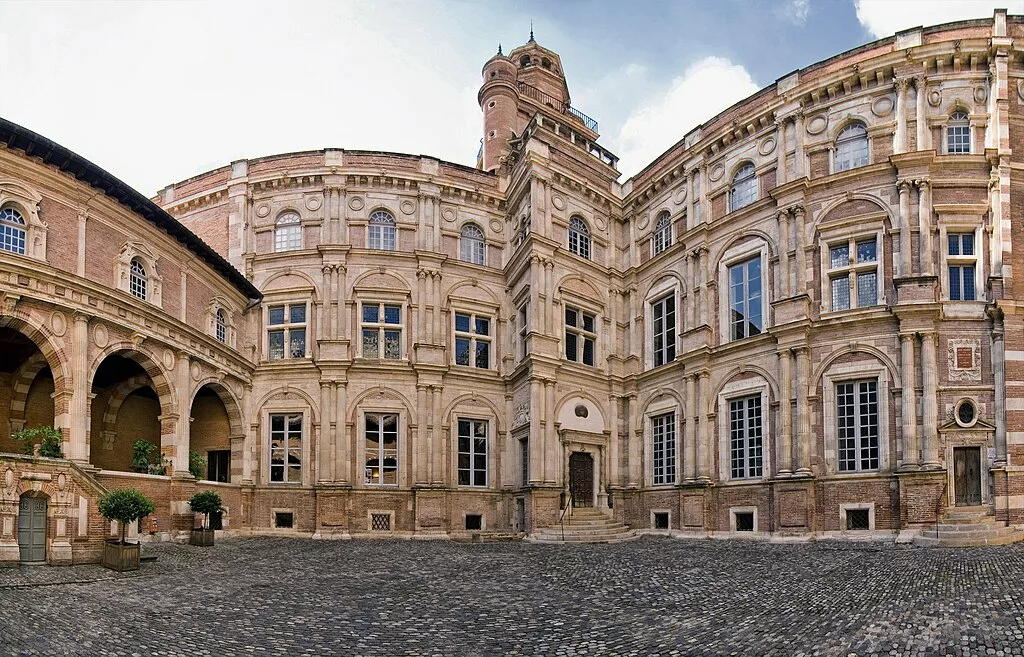
The Hôtel d’Assézat is a 16th-century private mansion located at 7 place d’Assézat in Toulouse. It was built between 1555 and 1557 by the architect Nicolas Bachelier and completed around 1562 by his son Dominique.
The patron was Pierre d’Assézat, a wealthy woad merchant, highly influential in Toulouse.
Architecturally, it is a major example of classical Renaissance style, with façades decorated with columns stacking the Doric, Ionic, and Corinthian orders.
A main staircase tower, about 26 m high, dominates the building; it also offers a terrace with views over Toulouse.
Since the 19th century, the mansion has belonged to the city of Toulouse: it was bequeathed by Théodore Ozenne on the condition that it host learned academies. Since 1994 (or 1995), it houses the Bemberg Foundation, a museum displaying art collections from the Renaissance to the 20th century (painting, sculpture, furniture).
8. Hôtel de Bernuy
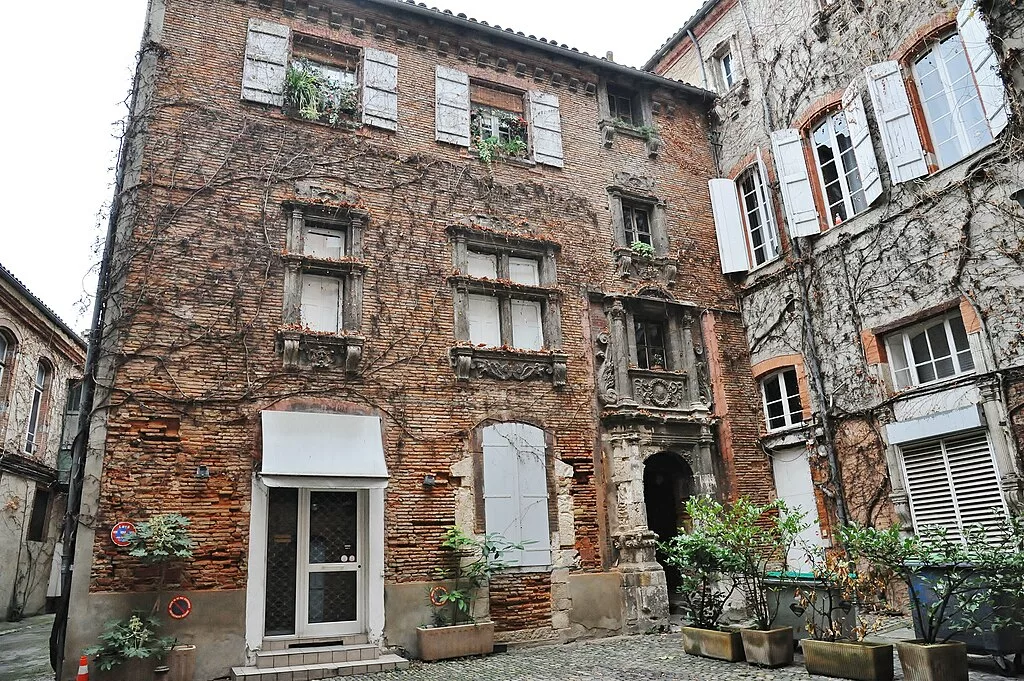
The Hôtel de Bernuy is a private mansion located at 1, rue Léon Gambetta in Toulouse. It was built between 1503 and 1536 for the wealthy woad merchant Jean de Bernuy, originally from Burgos.
The earliest parts (street façade and Gothic courtyard) date from 1503–1504, while the Renaissance stone courtyard was added between 1530 and 1536.
From 1566, the mansion was given to the Jesuits to become a college; today it is part of the Pierre-de-Fermat Lycée College.
9. Hôtel de Bagis (Hôtel de Pierre)
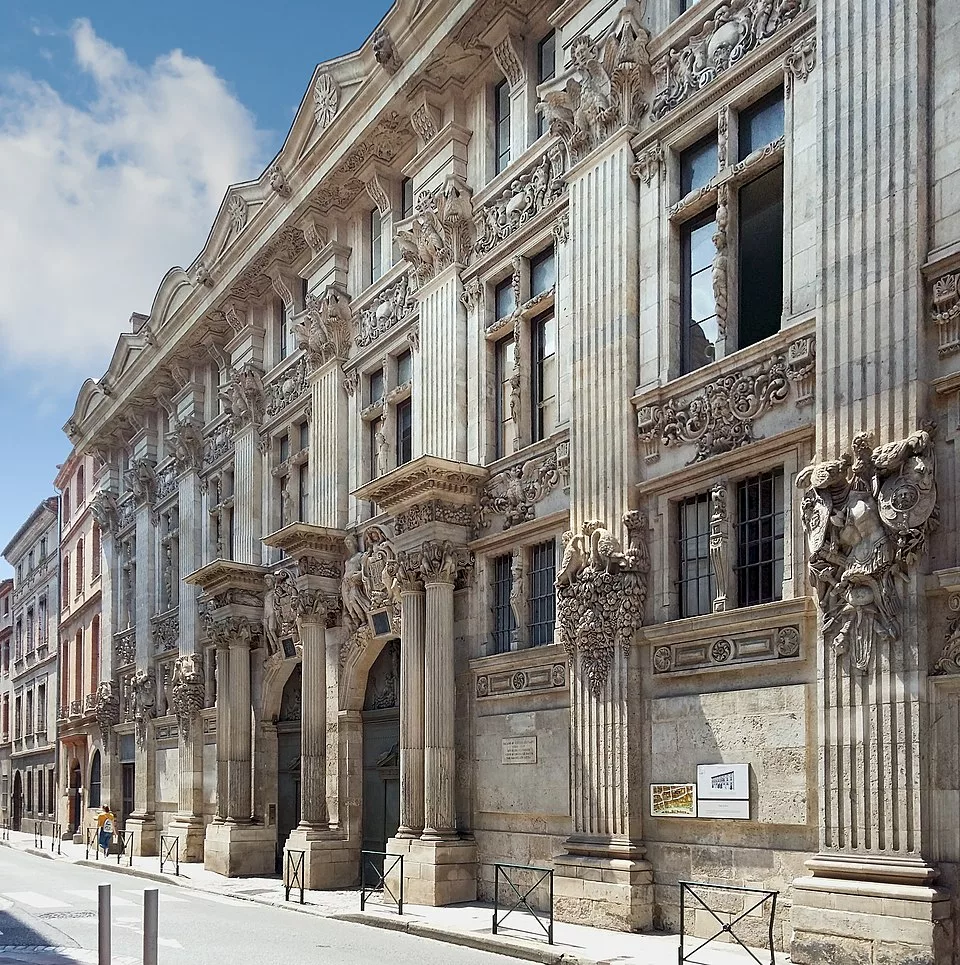
The Hôtel de Bagis is a Renaissance private mansion located at 25 rue de la Dalbade in the historic center of Toulouse. It is nicknamed “Hôtel de Pierre” because its street façade is entirely stone, which was very rare in Toulouse, a city mostly built of bricks.
The first phase of construction began in 1537 under architect Nicolas Bachelier for magistrate Jean de Bagis.
Above the portal, one can see mythological figures: Apollo, Mercury, Juno, and Minerva pay tribute to the owners.
10. Palais de Justice & Crypts
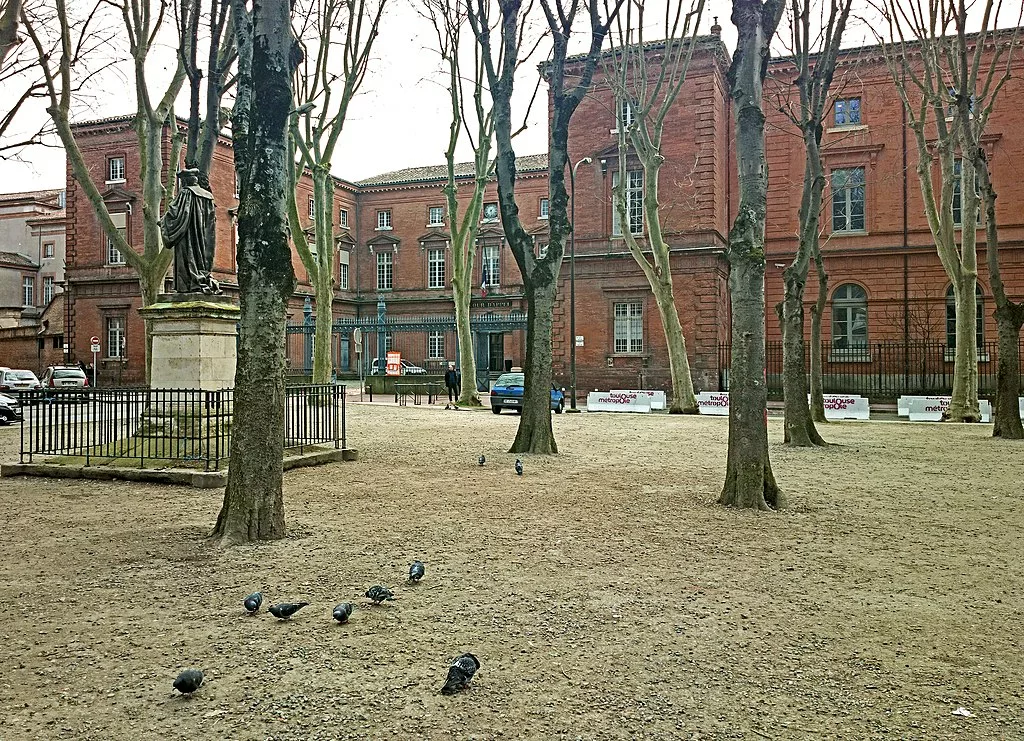
The Palais de Justice of Toulouse is located at 2, allées Jules Guesde, in downtown Toulouse. It houses several courts: the Toulouse Judicial Court, the Haute-Garonne Assize Court, the Toulouse Court of Appeal, and the Juvenile Court.
The current building is partially recent: an extension-restructuring was carried out by architect Pascal Prunet, and the “new” palace opened to the public in March 2008. During construction, very important archaeological remains were uncovered: under the main hall is a crypt of over 600 m² containing remnants of the Narbonnais castle (the castle of the Counts of Toulouse), sections of the Roman wall, and even remains of the Roman road via Aquitania. These remains are visible during guided tours, notably during the Heritage Days.
In practice, the palace still functions as a judicial center: it hosts hearings, judicial services, and a “justice point” for public assistance.
11. Library of Study and Heritage

The Library of Study and Heritage (BEP) is located at 1 rue de Périgord, near Place du Capitole. It was built between 1932 and 1935 by architect Jean Montariol. Its style is decidedly Art Deco, with ironwork, mosaics, and bas-reliefs.
The library holds over 1.5 million documents, including very old manuscripts. It offers three main rooms: Study, Heritage, and Region.
Museums & Culture – Toulouse
1. Musée des Augustins
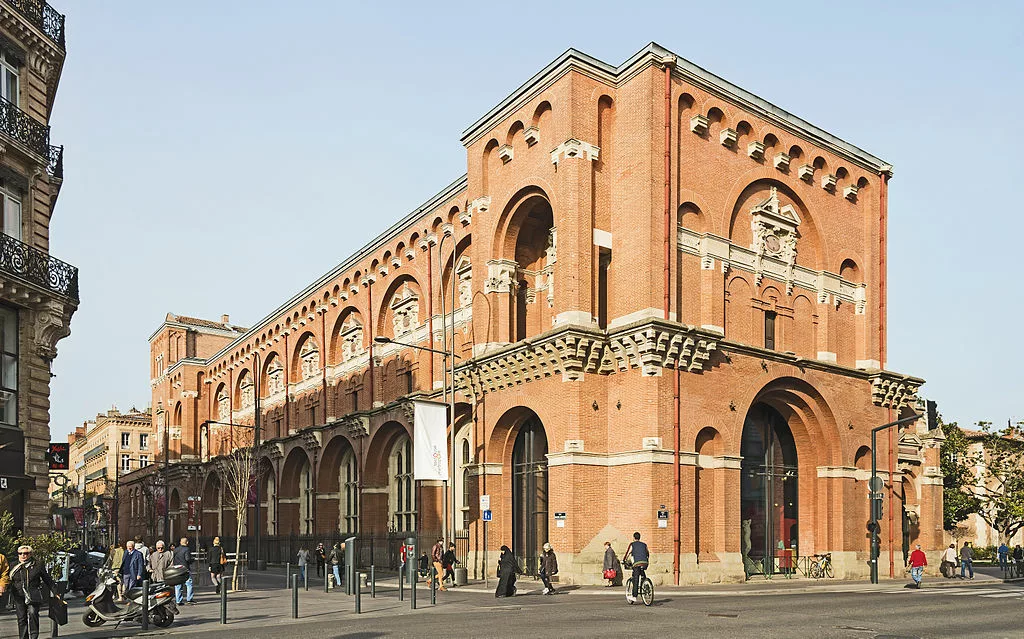
The Musée des Augustins is the fine arts museum of Toulouse, housed in a former 14th-century Augustinian convent.
The museum has very rich collections of paintings and sculptures, ranging from the Middle Ages to the 19th century, even early 20th century. Its collection of Romanesque sculptures is particularly remarkable, with medieval capitals and Gothic works. Among the emblematic pieces is the “Nostre Dame de Grasse,” a polychrome Madonna and Child from the early Renaissance.
The museum was established very early: the collections began during the French Revolution, when artworks from churches and convents were seized. Its architecture combines the old (the medieval cloister, the church) and historical transformations, notably in the 19th century by Viollet-le-Duc and Denis Darcy.
2. Musée Saint-Raymond
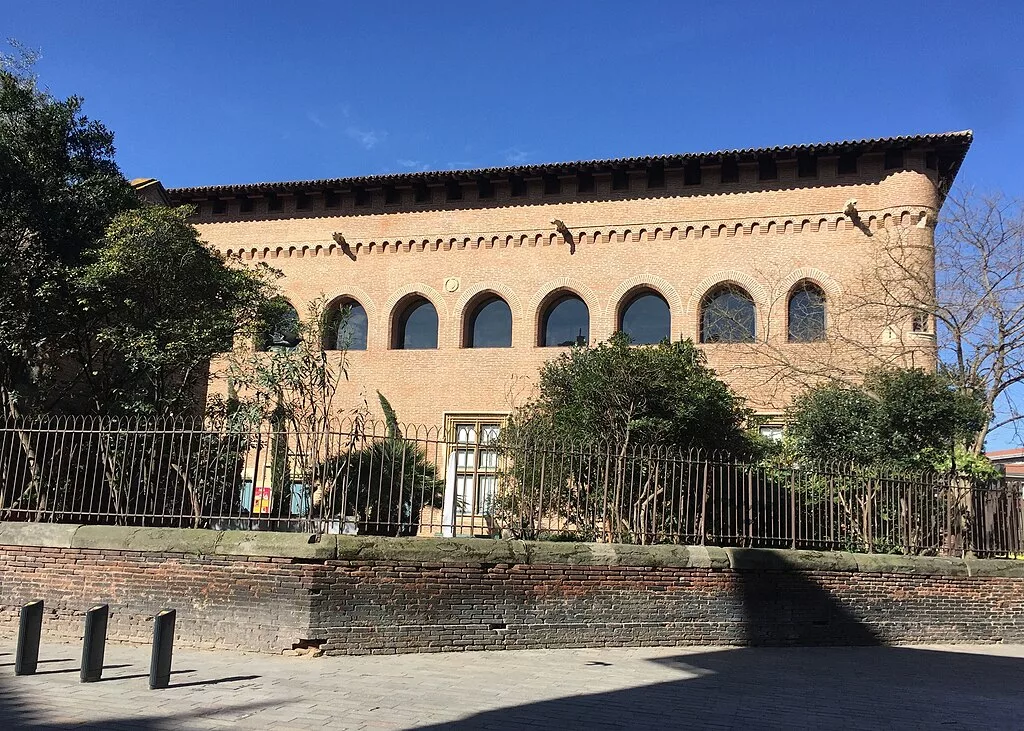
The Musée Saint-Raymond is Toulouse’s archaeology museum, located at 1, place Saint-Sernin, next to the Basilica of Saint-Sernin. It occupies a building constructed in the 16th century on the site of a former medieval college.
The museum opened in 1892, and its main mission is to preserve and exhibit archaeological collections. Its collections range from prehistory to the Gallo-Roman era, with a particular focus on objects found in the Toulouse region. It includes sculptures, inscriptions, mosaics, ceramics, and everyday objects from antiquity. The museum is especially recognized for its collection of Roman sculptures, often from Gallo-Roman sites in Haute-Garonne.
3. Les Abattoirs (Contemporary Art)
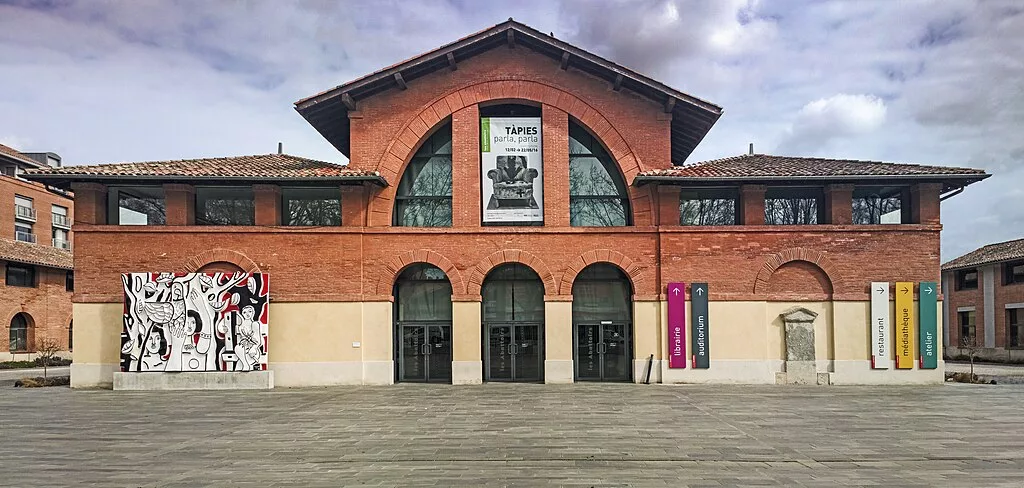
Les Abattoirs is Toulouse’s museum of modern and contemporary art, located at 76 allées Charles-de-Fitte. The original building was a municipal slaughterhouse, built between 1823 and 1828.
It was transformed into a museum starting in 2000, under the direction of architect Jean-Michel Wilmotte. The museum focuses on modern and contemporary art, with collections of paintings, sculptures, and installations.
It includes works by major artists such as Picasso, Bacon, Soulages, and Dubuffet. Les Abattoirs also preserves a collection of modern sculptures, from donations and acquisitions since the 1970s.
4. La Halle de la Machine
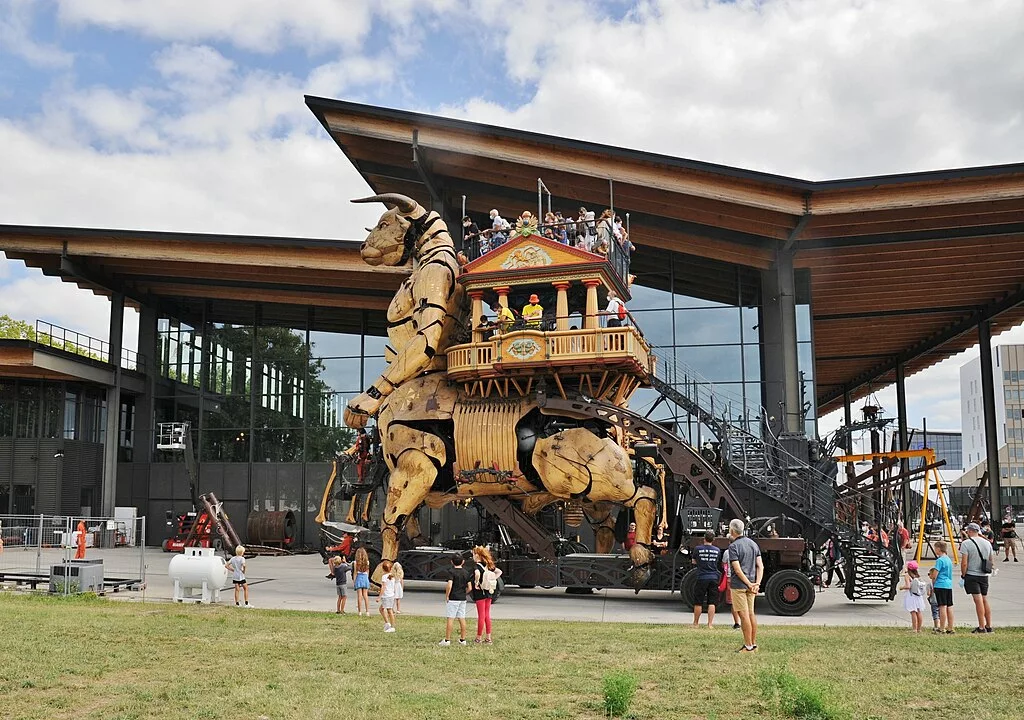
La Halle de la Machine is a cultural and artistic space located at 2 allée Éric Tabarly, in the Montaudran district. It was created to host giant machines designed by the Toulouse-based company La Machine, led by François Delarozière and Pierre Orefice.
The site opened to the public in 2018, after the conversion of a former industrial hangar. The Halle displays monumental mechanical creatures, such as the giant spider “La Mécanique des Fluides” and the giant elephant “Long Ma.” It is directly connected to the Parc de la Machine, where some machines can move outdoors.
The space is designed to allow visitors to discover the mechanisms, gears, and technologies of the giant machines.
5. Cité de l’Espace
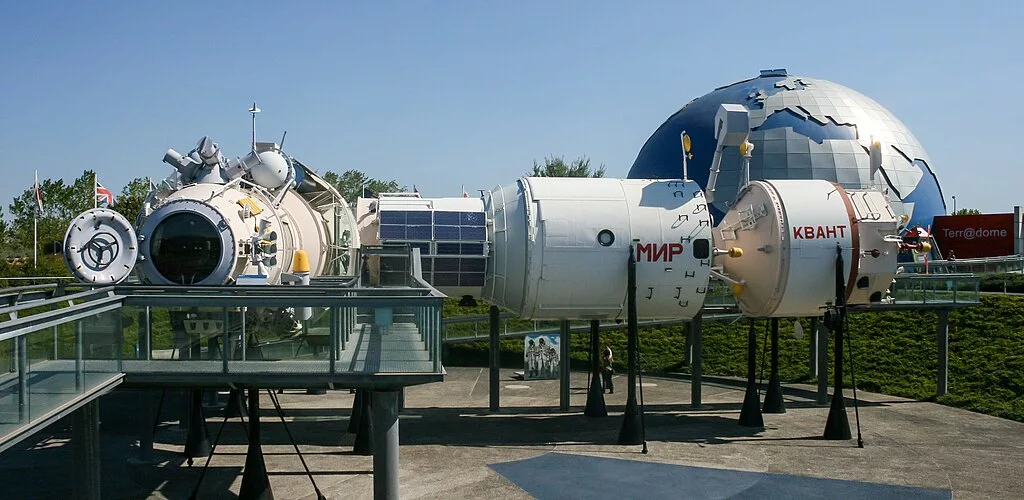
The Cité de l’Espace is a science theme park and museum dedicated to space and astronomy, located at Avenue Jean Gonord in Toulouse. It was inaugurated in 1997 and is one of the main European centers for scientific culture about space.
The park offers interactive exhibitions, simulators, and models to explore the universe, planets, and cosmos. It contains life-size replicas of rockets and satellites, such as the Ariane 5 or the Mir space station.
The Cité features a digital planetarium, allowing visitors to explore the sky, stars, and planets. The park also has an observatory and telescopes, offering sessions for observing the sun and stars.
Special events are organized, such as astronaut conferences, temporary exhibitions, and themed evenings.
6. Musée Aeroscopia

The Musée Aeroscopia is located in Blagnac, near the Airbus factory and Toulouse-Blagnac Airport. It was inaugurated in 2015 and is dedicated to the history of aviation and the aerospace industry.
The museum has a modern hangar of over 13,000 m² to house its collections. Aeroscopia exhibits about thirty historic aircraft, including the Concorde, the A300, and the Mirage III.
The museum offers interactive exhibitions on aircraft construction, safety, and operation. It highlights the history of the Airbus company and French innovations in aviation.
Visitors can access flight simulators and explore aircraft cockpits.
7. L’Envol des Pionniers
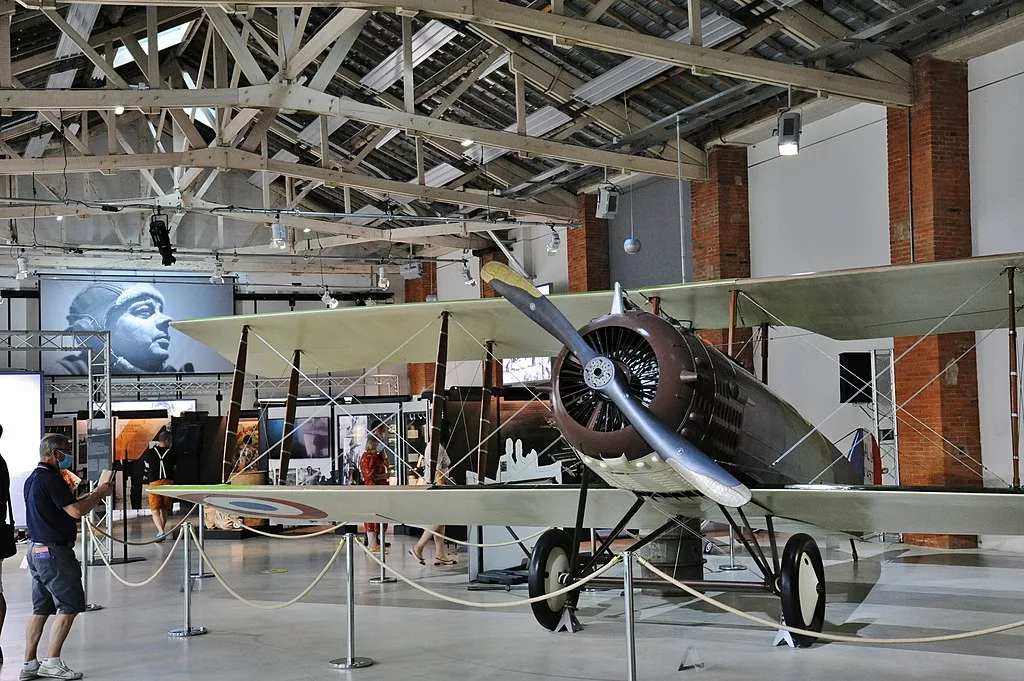
L’Envol des Pionniers is a museum dedicated to the Aéropostale and the beginnings of aviation in Toulouse.
The museum was inaugurated in 2018, almost 100 years after Latécoère’s first flight between Toulouse and Barcelona. The museum spans three historic buildings: the Château Petit-Espinet Raynal, General Store No. 30, and the Radio House.
The Château Petit-Espinet was Latécoère’s administrative headquarters and a pioneer site for aircraft manufacturing.
The general store was formerly used to store aircraft parts for the Latécoère workshop.
The Radio House, built in the late 1920s, served as Aéropostale’s communication hub.
The permanent exhibition traces the history of Aéropostale pioneers, such as Saint‑Exupéry, Mermoz, Guillaumet, through testimonies, objects, and stories. The museum offers immersive experiences: a flight simulator (Bréguet XIV) or an immersion in a historical postal wagon. There is also a “Gardens of the Line” trail recreating landscapes overflown by Aéropostale (France, Spain, Senegal, South America…).
8. Quai des Savoirs
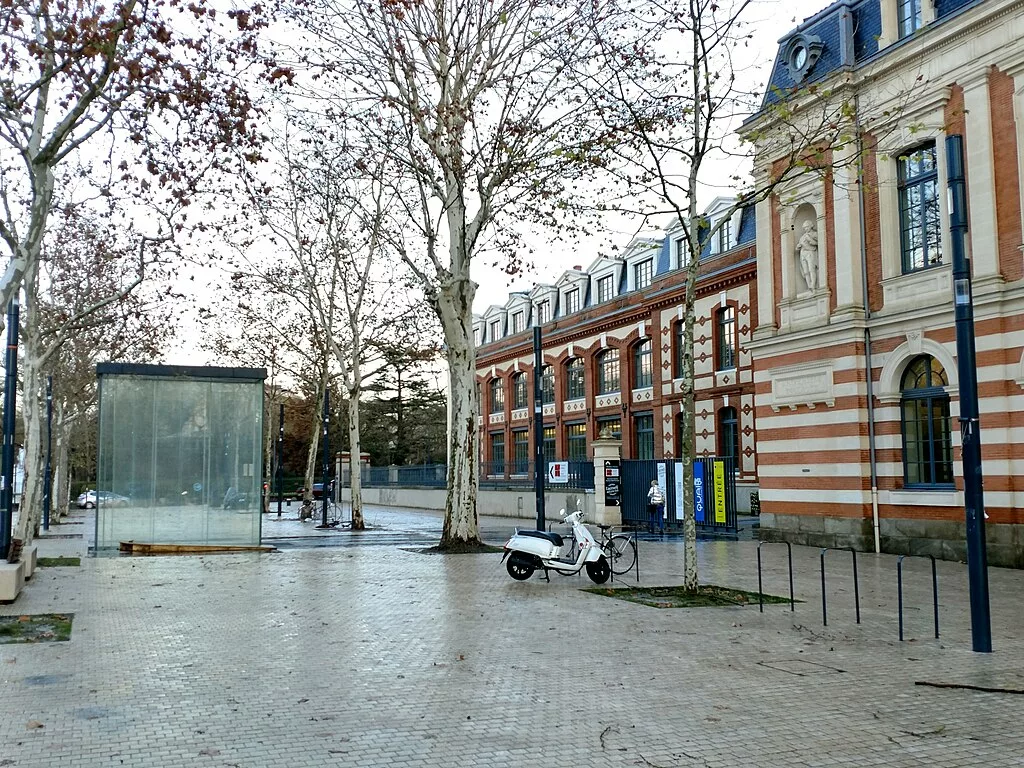
The Quai des Savoirs is a cultural and scientific center located on the Quais de la Daurade in downtown Toulouse. It was inaugurated in 2018 as part of the Toulouse metropolis initiative and the “Toulouse Capital of Innovation” label.
The modern building is designed to promote interaction between science, technology, and society. It offers permanent and temporary exhibitions on diverse scientific themes: astronomy, biology, technological innovations.
Quai des Savoirs also includes a digital space, a planetarium, and educational workshops for schools and the general public.
Parks, Gardens & Walks – Toulouse
1. Jardin Royal
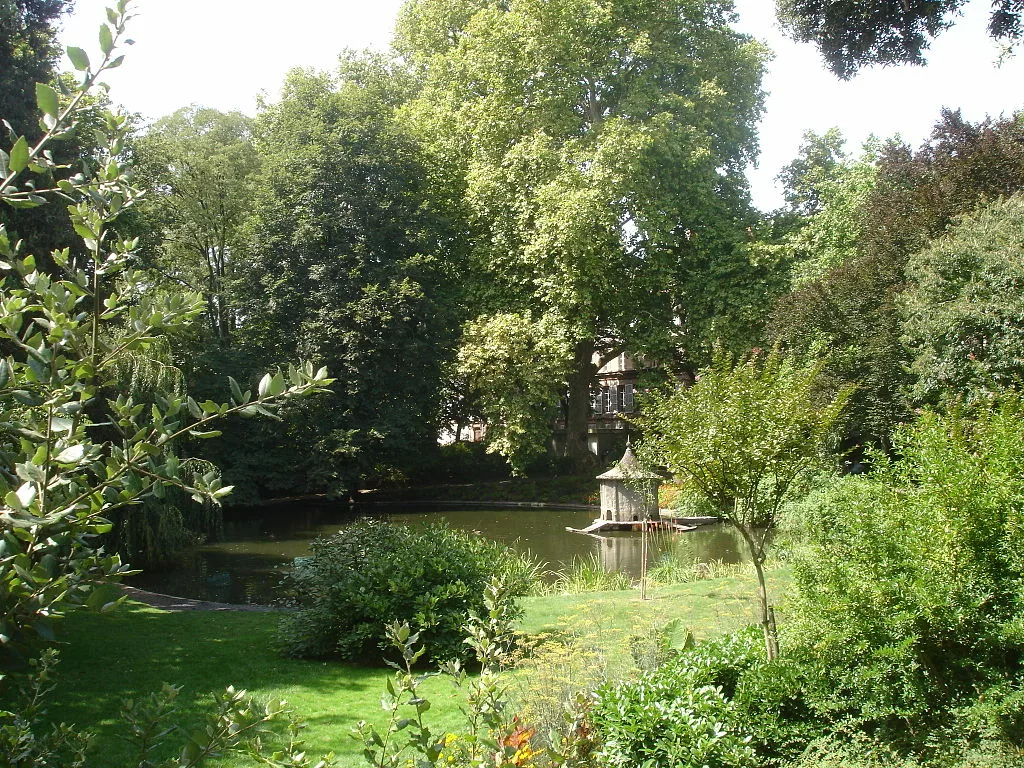
The Jardin Royal is a historic public garden located in the heart of Toulouse, along boulevard Carnot. It was created in 1754 by decision of Louis de La Tour d’Auvergne, then mayor of Toulouse, to serve as a public promenade.
The garden is in French classical style, with straight alleys and a symmetrical layout around a central axis. It features numerous statues and monuments, including busts of local personalities and decorative fountains.
Jardin Royal is bordered by several historic buildings, including the Hôtel des Augustins and 18th-century residences. It hosts varied plant species, including century-old trees, flowerbeds, and ornamental shrubs.
2. Jardin des Plantes
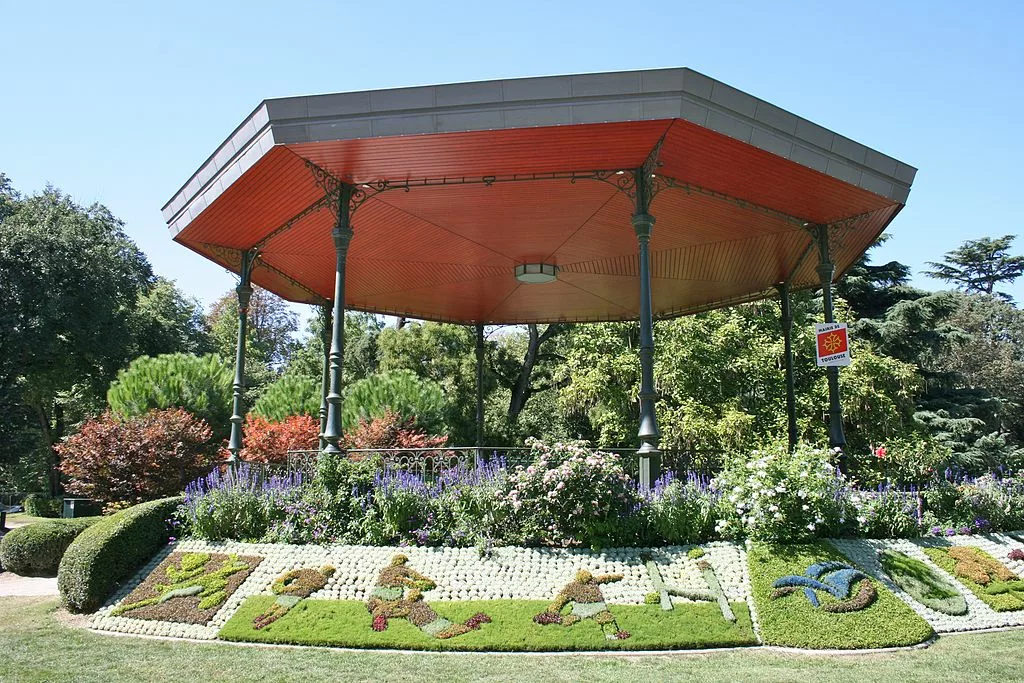
The Jardin des Plantes is a large botanical garden and public park located on the allées Jules-Guesde, near the Garonne. It was created in 1730 under the initiative of Rémy Lépinois, a physician and botanist, for teaching and scientific research.
The garden is attached to the Faculty of Sciences of Toulouse and still serves as an educational site for botany and biology today.
It features historic greenhouses housing tropical, medicinal, and rare plants. It also contains botanical collections, organized by species and geographic origin.
3. Pierre-Baudis Japanese Garden
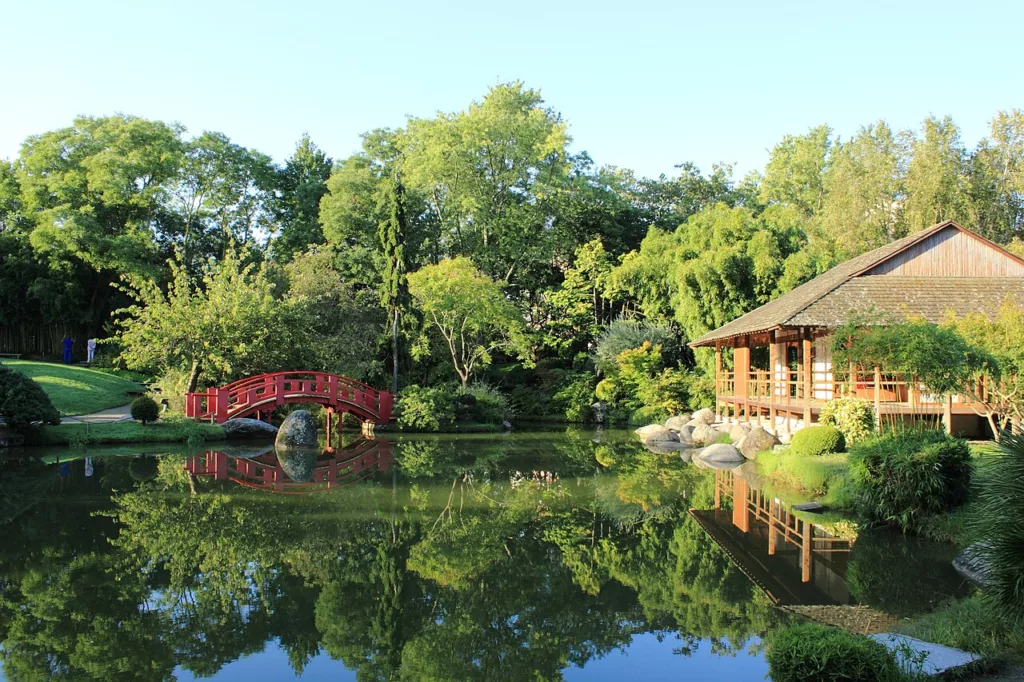
The Pierre-Baudis Japanese Garden is located in the Parc de Compans-Caffarelli, north of downtown Toulouse. It was created in the 1980s to offer a relaxation space inspired by traditional Japanese gardens.
The garden covers an area of approximately 3,000 m² in the heart of a modern urban park. It is designed according to Japanese garden principles, with ponds, wooden bridges, lanterns, and decorative stones. Typical Japanese plants, such as cherry trees, Japanese maples, bamboo, and azaleas, are cultivated here.
A red bridge crosses the central pond, symbolizing transition and harmony in Japanese gardens. The garden also hosts koi carp and small ponds that reflect the sky and nature.
4. The Garonne Quays
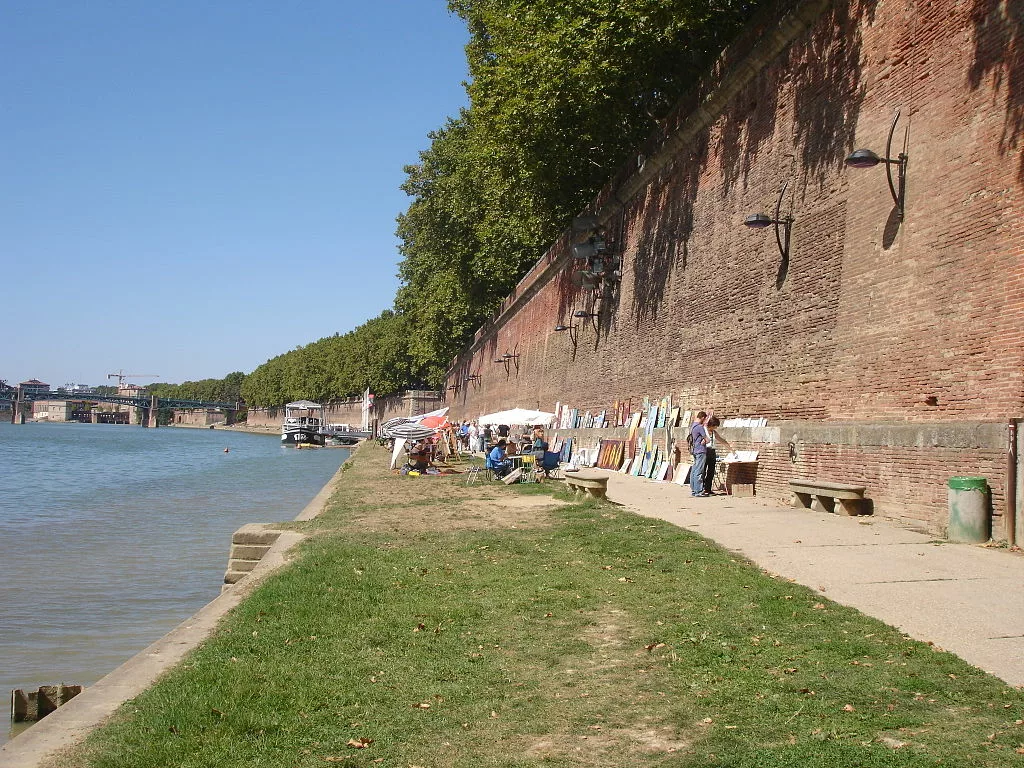
The Garonne Quays are a public space along the Garonne River in the heart of Toulouse. They stretch from the Pont Neuf to Pont Saint-Pierre, offering several kilometers of pedestrian and cycling paths.
The quays are designed with paved paths, gardens, benches, and green spaces, inviting visitors to relax.
5. Canal du Midi

The Canal du Midi is a historic canal connecting Toulouse to the Mediterranean Sea, built in the 17th century by Pierre-Paul Riquet. In Toulouse, the canal runs through the city for several kilometers, creating a promenade and leisure area along its banks.
The canal features locks, bridges, and hydraulic structures that showcase 17th-century civil engineering. In Toulouse, it is lined with shaded paths, bike lanes, and picnic areas, popular with locals.
Major Events in Toulouse
1. Rio Loco (music festival)

Rio Loco is a musical and cultural festival held annually in Toulouse, usually in June. It mainly takes place on the Quais de la Daurade along the Garonne, offering an iconic setting for concerts.
The festival was founded in 1993 and showcases world music, blending Latin American, African, and European cultures. Each edition offers a varied program, including music, dance, theater, and visual arts.
Rio Loco attracts international and emerging artists every year for free and ticketed concerts. Performances take place on multiple indoor and outdoor stages, accommodating a wide audience.
2. La Violet Festival
The Violet Festival, sometimes called the Rose Festival, celebrates Toulouse’s emblematic flower, the violet. It takes place every year in March at various locations in the city, especially in the historic center.
The violet has been a symbol of Toulouse since the 19th century and has inspired numerous local products, including sweets, perfumes, and cosmetics. The festival highlights florists, producers, and artisans, offering bouquets and creations made from violets.
Exhibitions, workshops, and activities are organized for the public, allowing visitors to learn about the history of the violet. Tastings of local violet-based specialties, such as candies and jellies, are offered. The festival also includes parades, concerts, and shows, making it a festive and family-friendly event.
3. Stade Toulousain Matches (Rugby)
The Stade Toulousain is Toulouse’s rugby union club, founded in 1907 and one of the most decorated clubs in France. Home matches take place at the Stade Ernest-Wallon, located in the Sept-Deniers district of Toulouse.
The stadium can accommodate around 19,500 spectators, with modern stands and a reputation for a very lively atmosphere. The club participates in national and European competitions, including the Top 14 and the Champions Cup.
Stade Toulousain matches attract passionate fans, known as “Toulousains” or “Stadistes”.
Toulouse Cuisine
🥘 Dishes & Specialties
1. Toulouse Cassoulet
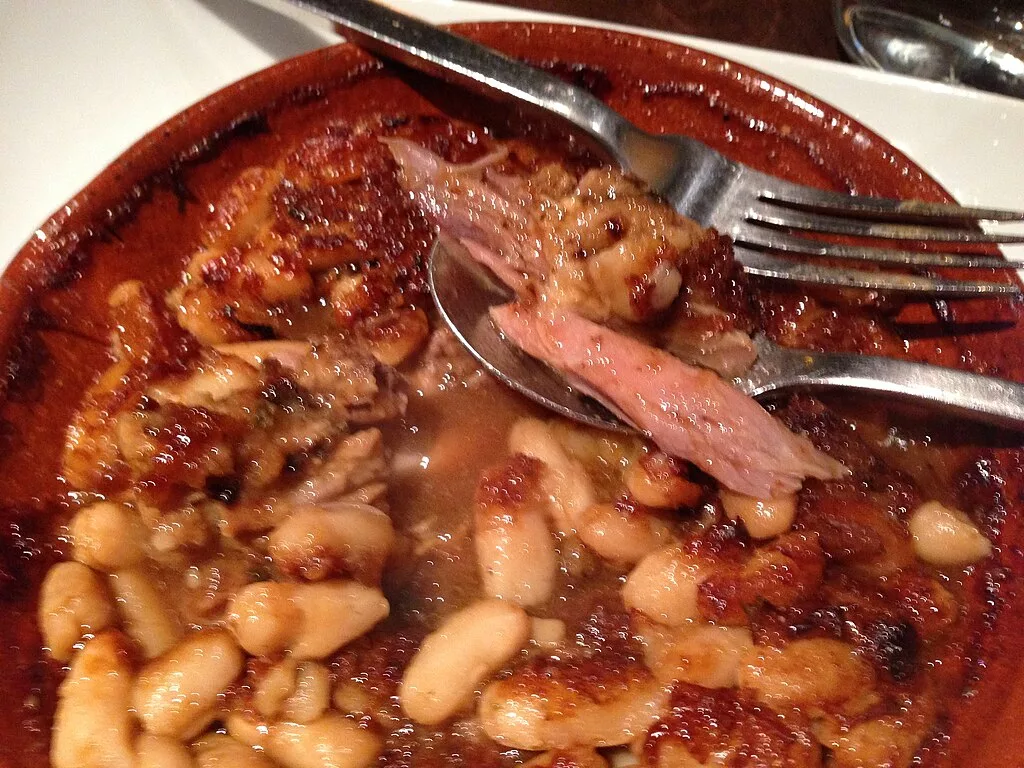
The Toulouse cassoulet is the city’s emblematic dish, made with white beans and meats such as duck confit, pork, and Toulouse sausage. It is slow-cooked to develop rich and deep flavors.
The origin of cassoulet dates back to the Middle Ages in southwestern France.
2. Toulouse Sausage
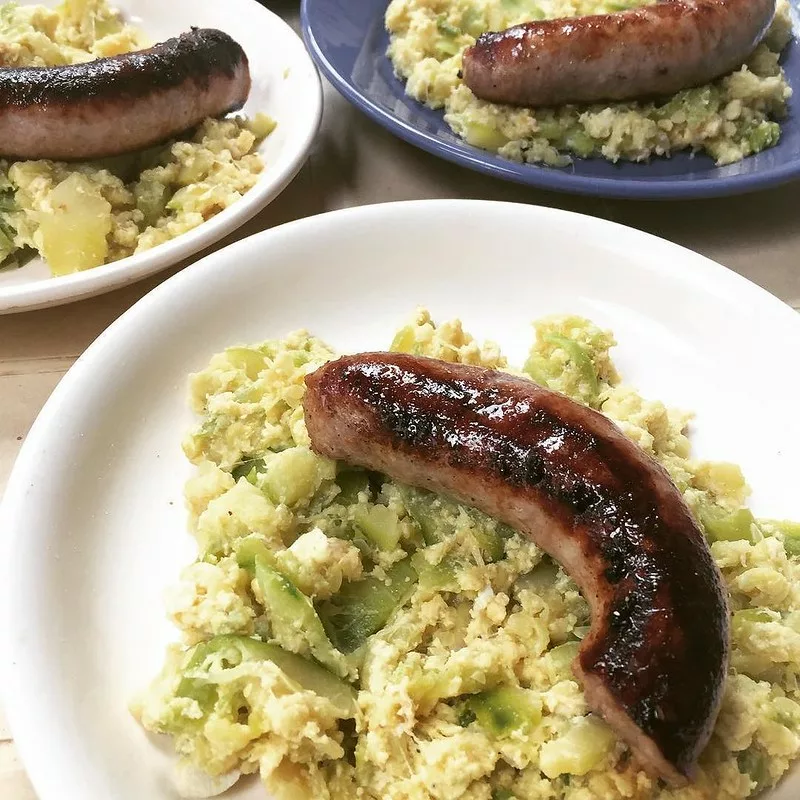
The Toulouse sausage is made from lean and fatty pork, chopped and simply seasoned with salt and pepper. It is used in many dishes, especially cassoulet, but can also be grilled or pan-fried.
It is distinguished by its tender texture and slightly spiced flavor.
3. Duck Breast / Duck Confit
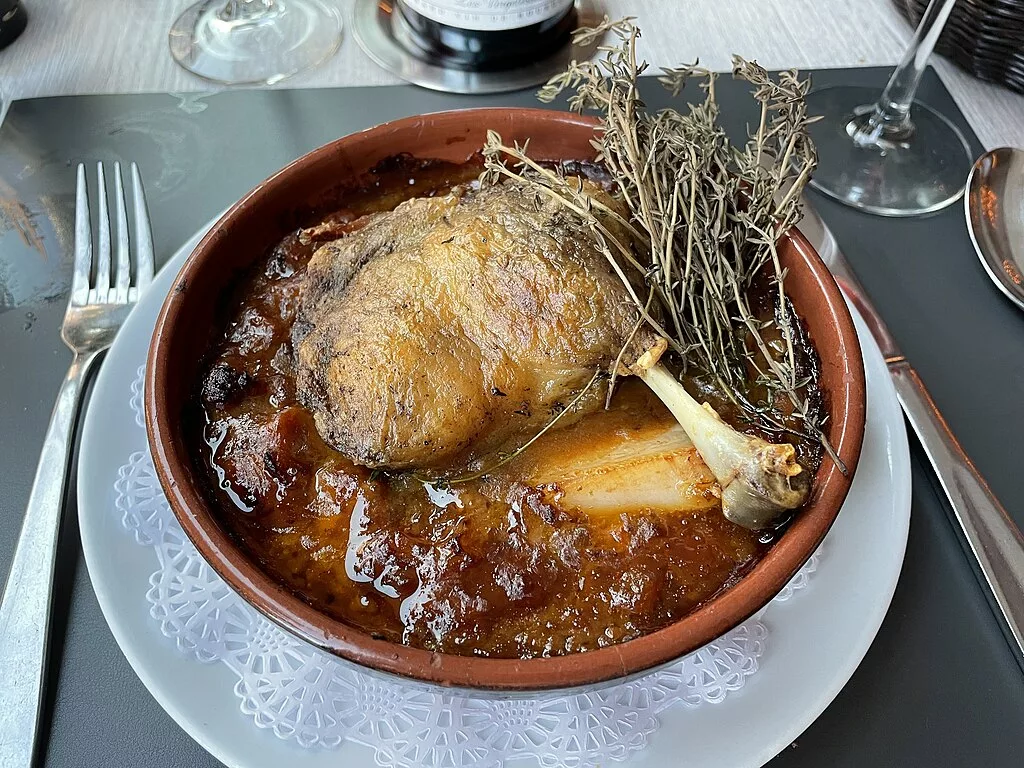
The duck breast and duck confit are two specialties from the Southwest, often found in Toulouse restaurants. The duck breast is a tender and flavorful fatty duck fillet, usually grilled or roasted. Duck confit is slow-cooked in its fat, making it very tender. These dishes are often served with beans, Sarladaise potatoes, or seasonal vegetables.
4. Foie Gras
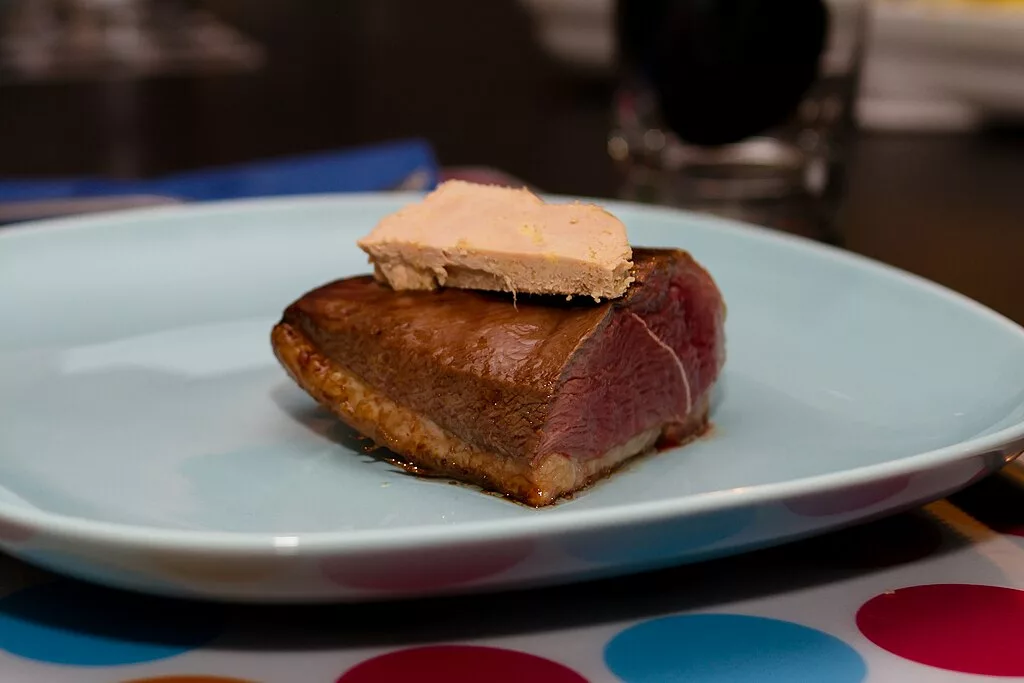
Foie gras is a luxury product from the Southwest, appreciated for its smooth texture and delicate flavor. It is often served as a starter, plain, in terrine, or pan-seared.
Desserts
6. Apple Croustade

The apple croustade is a traditional dessert from the Southwest, made with caramelized apples and a thin, crispy pastry. It can be flavored with Armagnac or cinnamon for extra taste. The croustade is enjoyed warm or cold, often served with cream or ice cream.
7. Fenêtra
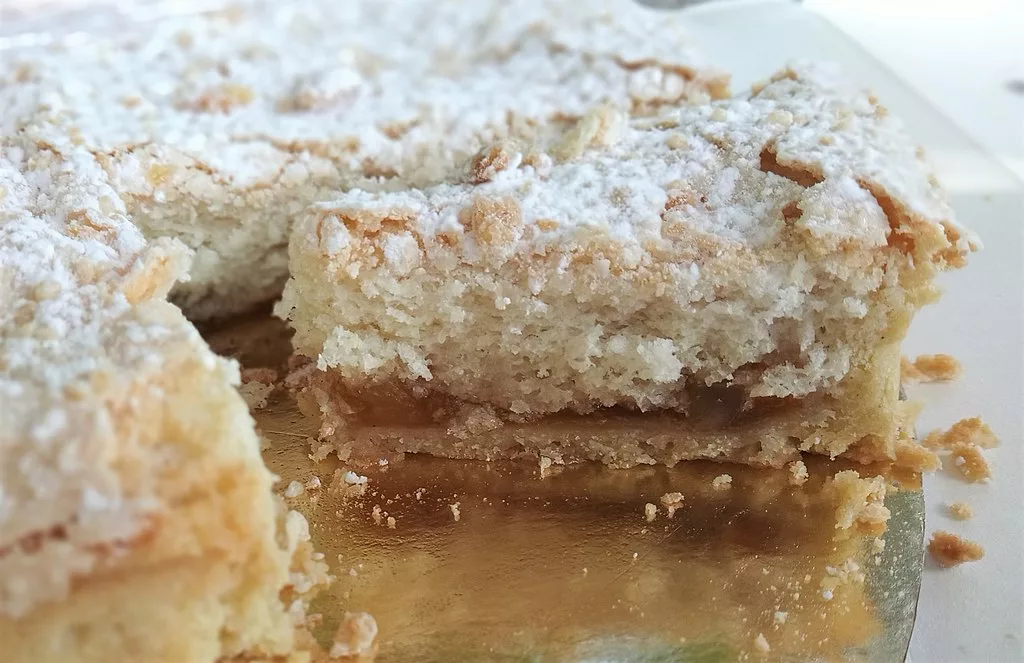
The fenêtra is a typical Toulouse pastry, made with puff pastry and custard cream. It is usually rectangular and dusted with powdered sugar.
8. Toulouse Violets
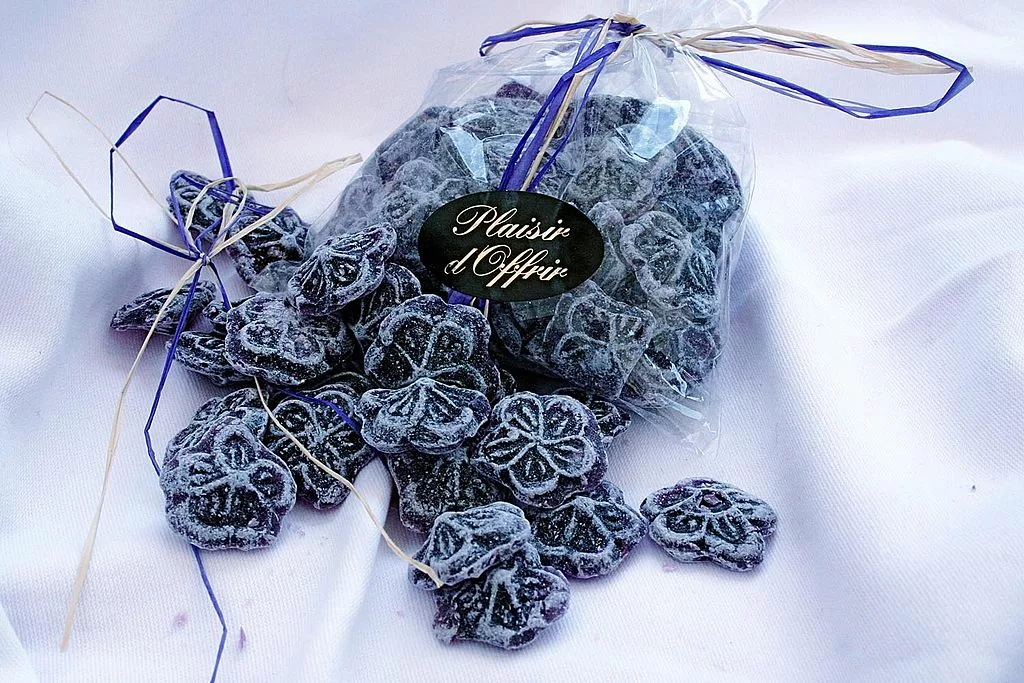
The Toulouse violets are a regional specialty made from crystallized or candied flowers. They are used to flavor desserts, sweets, and liqueurs. This tradition dates back to the 19th century and is highly emblematic of the city. The violet has become a symbol of Toulouse, visible on many souvenir products.
Excursions / Expeditions from Toulouse
Historical Sites
1. Albi

Albi is a UNESCO World Heritage city located about 85 km from Toulouse.
The historic center of Albi is famous for its medieval streets, red brick houses, and Occitan charm. The city is dominated by the Sainte-Cécile Cathedral, a Gothic masterpiece built between 1282 and 1480.
Albi also hosts the Palais de la Berbie, the former bishop’s palace, now home to the Toulouse-Lautrec Museum. The Toulouse-Lautrec Museum preserves the largest collection of works by Henri de Toulouse-Lautrec, a native of Albi.
2. Carcassonne

Carcassonne is a fortified medieval city about 90 km from Toulouse. The Cité de Carcassonne is surrounded by double walls with 52 towers and wide moats, showcasing medieval military architecture. The Count’s Castle, located at the center of the citadel, houses a museum on the history of Carcassonne and the Languedoc region.
The lower town, called Bastide Saint-Louis, was founded in the 13th century and features lively shopping streets. The citadel was restored in the 19th century by Viollet-le-Duc, who helped preserve it and make it internationally renowned.
3. Cordes-sur-Ciel
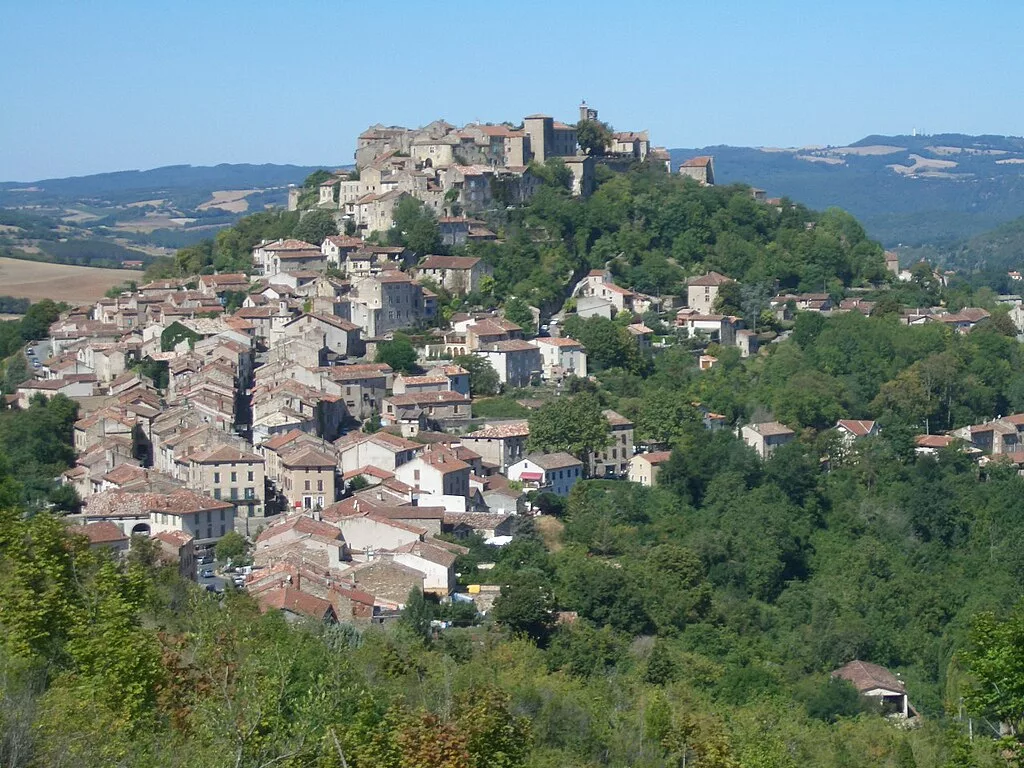
Cordes-sur-Ciel is a perched medieval village located in the Tarn department, Occitanie region, about 35 km from Albi. It was founded in 1222 by the Counts of Toulouse during the war against the Cathars.
The village is famous for its cobblestone streets, stone houses, and arcades, giving it a unique medieval character. It sits on a hill with spectacular panoramic views of the Cérou valley and surrounding plains.
Cordes-sur-Ciel gets its name because, in foggy weather or at sunset, the village appears to float in the sky. It is listed among the “Most Beautiful Villages of France”, attracting many tourists each year. It hosts numerous artisan workshops, art galleries, and local shops highlighting cultural heritage.
Visitors can discover several historical monuments, including the Saint-Michel Church, the English Tower, and remnants of the ramparts.
4. Moissac
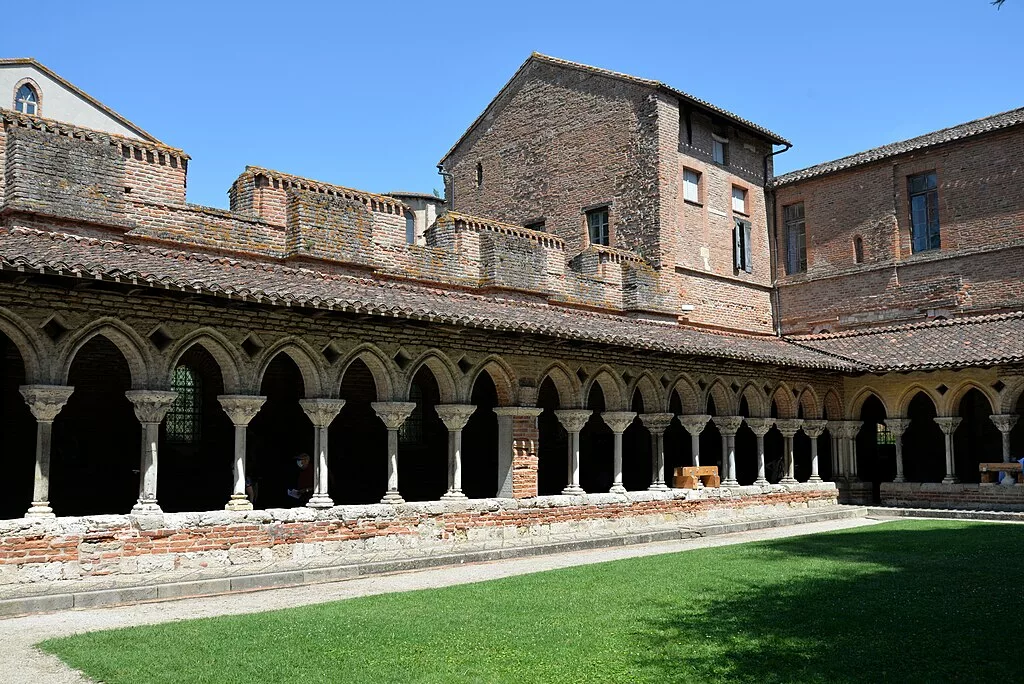
Moissac is a town located in the Tarn-et-Garonne department, Occitanie region, about 60 km north of Toulouse.
Moissac is famous for Saint-Pierre Abbey, a Romanesque masterpiece founded in the 11th century. The abbey cloister, with its magnificent sculpted capitals, is considered one of the finest in France.
The town is also known for its local market and gastronomic specialties, such as Agen prunes and regional products. Moissac hosts cultural festivals, concerts, and exhibitions, particularly related to historical and religious heritage.
The town is a starting point or stopover for pilgrims heading to Santiago de Compostela.
Conclusion
Visiting Toulouse means discovering a city that combines historical heritage, vibrant culture, and generous gastronomy.
From the majestic Place du Capitole, Renaissance mansions, the Saint-Sernin Basilica, to must-see museums like the Musée des Augustins, Toulouse offers a rich and varied journey.
The city is also ideal for enjoying its parks, gardens, riverbanks, and walks along the Canal du Midi.
For those wishing to explore the surroundings, excursions to Albi, Carcassonne, the Pyrenees, or the vineyards of Fronton perfectly complement the visit.
Whether you are passionate about history, an art lover, a gastronomy enthusiast, or enjoy nature and leisure, visiting Toulouse promises an unforgettable experience. Plan your stay to fully enjoy all the treasures the Pink City has to offer.