Visit Nîmes: 30 Must-See Attractions and Things to Do
Visiting Nîmes means discovering a city in the south of France with an exceptional heritage, where Roman history is still deeply present in the urban landscape. Nicknamed the “French Rome,” the city impresses visitors with the quality of its ancient monuments such as the Arena, the Maison Carrée, and the Tour Magne.
Beyond its historical heritage, Nîmes also charms visitors with its green spaces, museums, lively squares, and warm Mediterranean atmosphere. The city offers a pleasant setting that combines culture, relaxation, and nature.
It is an ideal destination for lovers of history, heritage, and authentic discoveries, in the heart of the Occitanie region.
Discover Nîmes in a different way with our treasure hunt game “Nîmes Highlights“, a mix between an escape game and a guided tour.
Historical Monuments & Heritage in Nîmes
Maison Carrée
 Maison Carrée
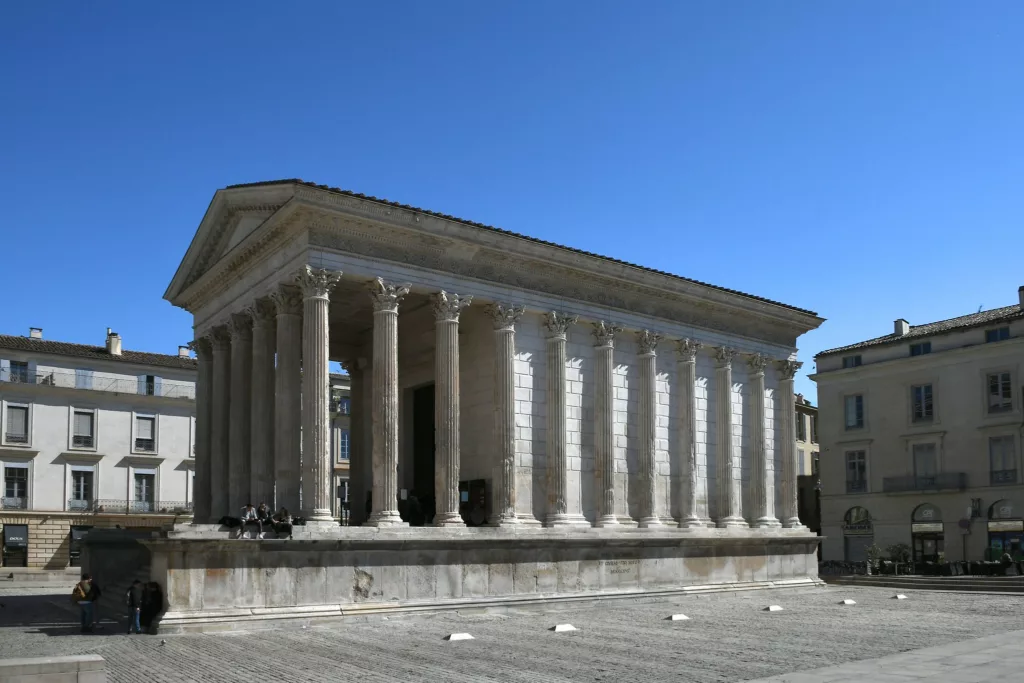
The Maison Carrée is a Roman temple built at the beginning of the 1st century AD in Nîmes. It is considered the best-preserved Roman temple in the world. Originally, it was dedicated to the grandsons of Emperor Augustus.
This monument perfectly illustrates the religious architecture of Ancient Rome. Over time, the Maison Carrée has served several functions, including as a church and a museum. It has been restored several times in order to preserve its exceptional condition.
Discover the secrets of this monument in our Nîmes trail experience.
Arena of Nîmes
 Arena of Nîmes
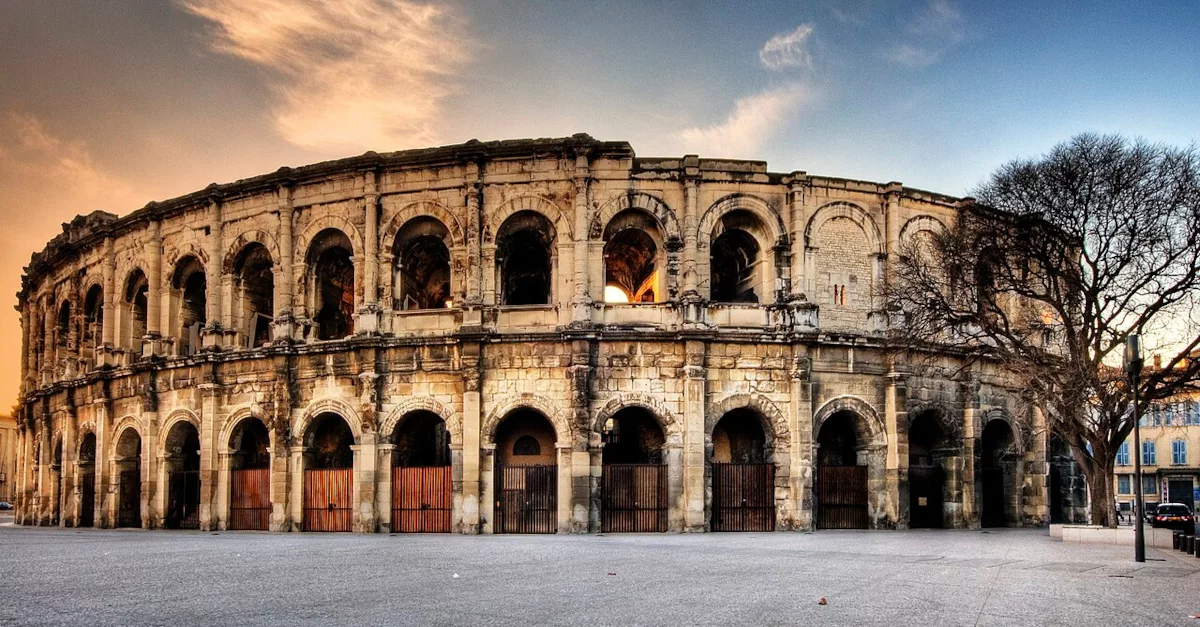
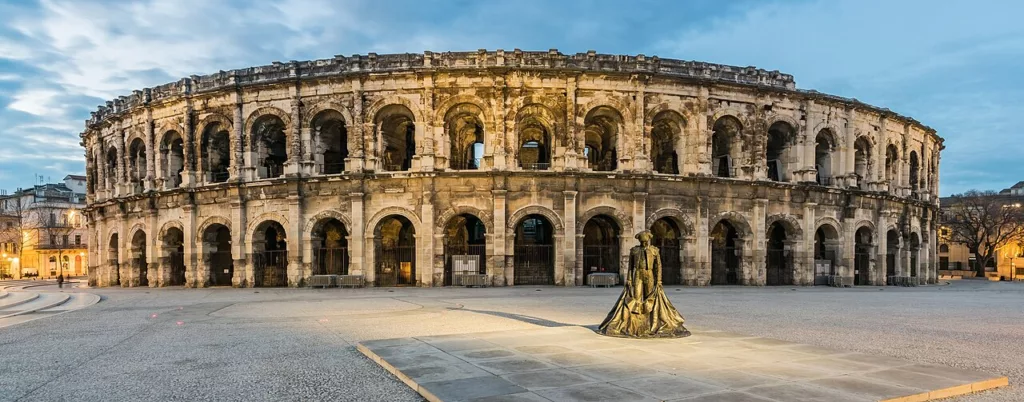
The Arena of Nîmes is a Roman amphitheater built at the end of the 1st century AD. It is one of the best-preserved ancient amphitheaters in the world. Originally, it hosted public spectacles such as gladiator fights.
The monument was later transformed into a fortified village during the Middle Ages. Many homes and shops were installed there for several centuries. In the 19th century, the arena was cleared and restored to recover its ancient appearance.
Today, it can host around 13,000 spectators for various events. It is used for bullfights, concerts, and historical reenactments. The architecture of the monument is remarkable, with its two superimposed levels of arcades.
Discover the history of famous matadors who stepped into this arena in our treasure hunt in Nîmes.
Tour Magne
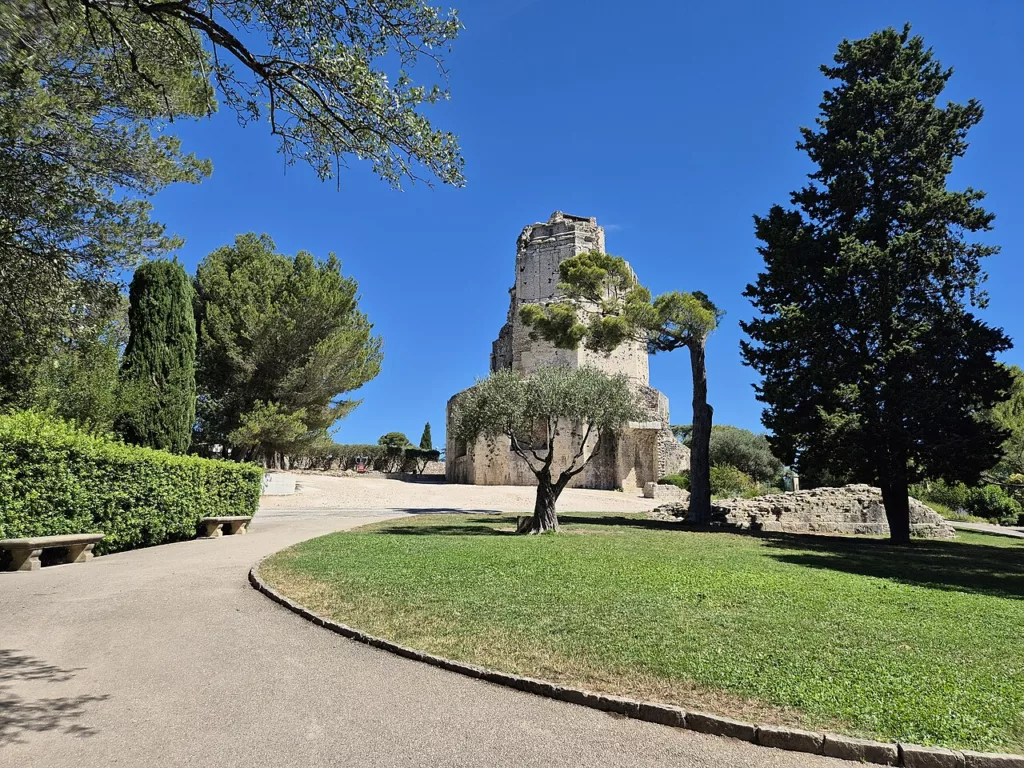 Tour Magne
The Tour Magne is the tallest remaining vestige of the ancient Roman walls of Nîmes. It is located at the top of the Jardins de la Fontaine and overlooks the city. Originally, it served as a watchtower within the city’s defensive walls. Under Emperor Augustus, it was raised higher to symbolize Roman power.
Today, it still stands at around 32 meters high despite centuries of destruction. Its octagonal and massive architecture reflects its historical importance. Over the centuries, it was also used for military and telegraph purposes. It now offers a remarkable panoramic view over Nîmes and its surroundings.
Les Halles de Nîmes
Les Halles de Nîmes is an iconic covered market located in the heart of the city center. It has existed since 1884 and remains a historic place for local commerce. Visitors can find a wide variety of fresh products such as fruits, vegetables, meat, and fish.
Les Halles is known for its friendly atmosphere and the recognized quality of its products. It welcomes visitors every day of the year, mainly in the morning. The building has been renovated several times to improve comfort and hygiene.
Temple of Diana
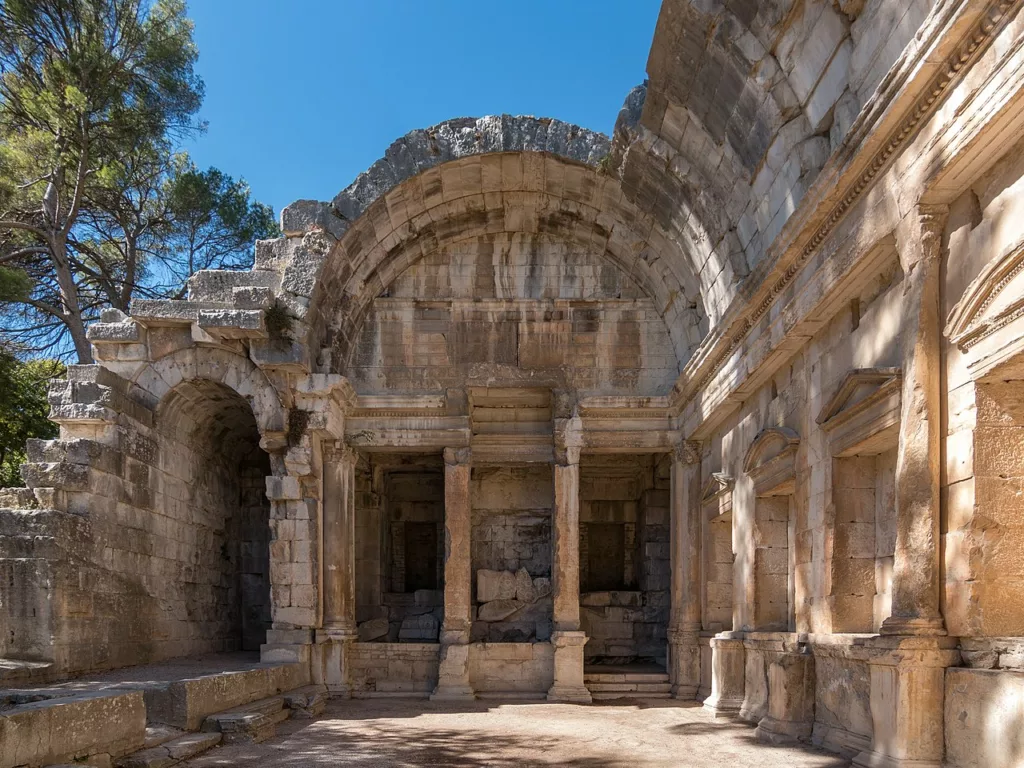 Temple of Diana
The Temple of Diana is a Roman monument located in the Jardins de la Fontaine in Nîmes. It was built in the 1st century during the reign of Emperor Augustus. Despite its name, it was probably not dedicated to the goddess Diana.
Its architecture includes a large vaulted hall that is still partially preserved today. The building was part of a vast ancient sanctuary dedicated to the imperial cult.
During the Middle Ages, it was used as a monastery, which helped preserve it. The temple was rediscovered and studied from the 18th century onward. It inspired several artists, including the painter Hubert Robert. Visitors can still observe its niches, vaults, and decorative elements.
Notre-Dame-et-Saint-Castor Cathedral of Nîmes
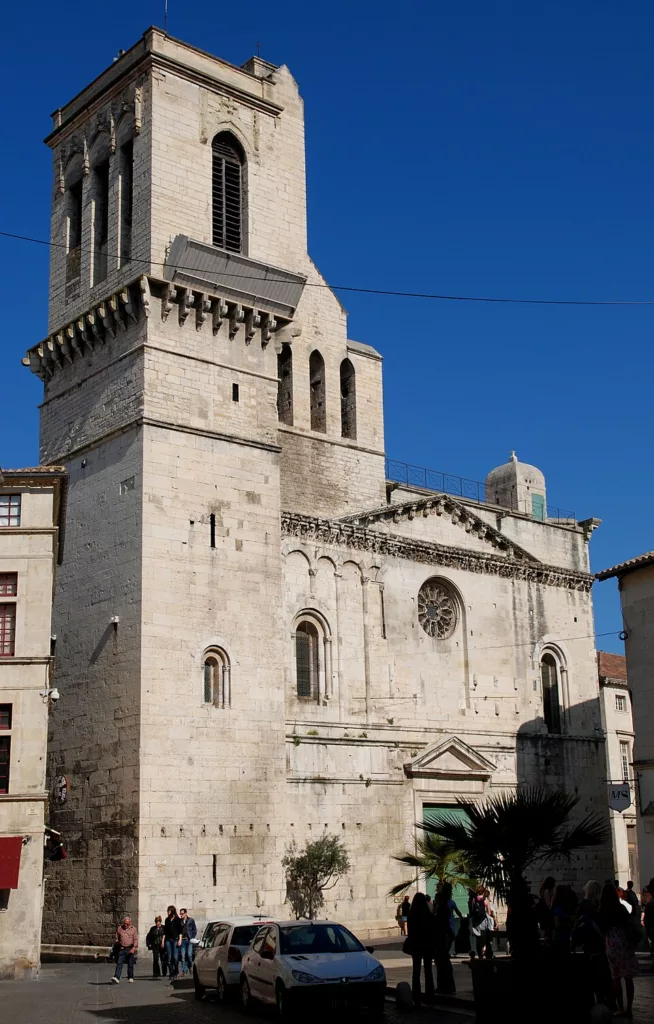
The Notre-Dame-et-Saint-Castor Cathedral of Nîmes is a Catholic church located in the heart of downtown Nîmes. It was built starting in the 12th century on the site of older religious buildings.
Its architecture evolved over time, blending Romanesque, classical, and neo-Romanesque influences. It is dedicated to the Virgin Mary and Saint Castor of Apt, the patron saint of the diocese.
The building was heavily damaged during the Wars of Religion in the 16th century. It was later rebuilt and modified several times until the 19th century. The cathedral also houses a remarkable organ dating from the 17th century, restored in the 20th century. Several bells are distributed throughout its main bell tower.
Discover the history of the cathedral in our Nîmes tour.
Clock Tower
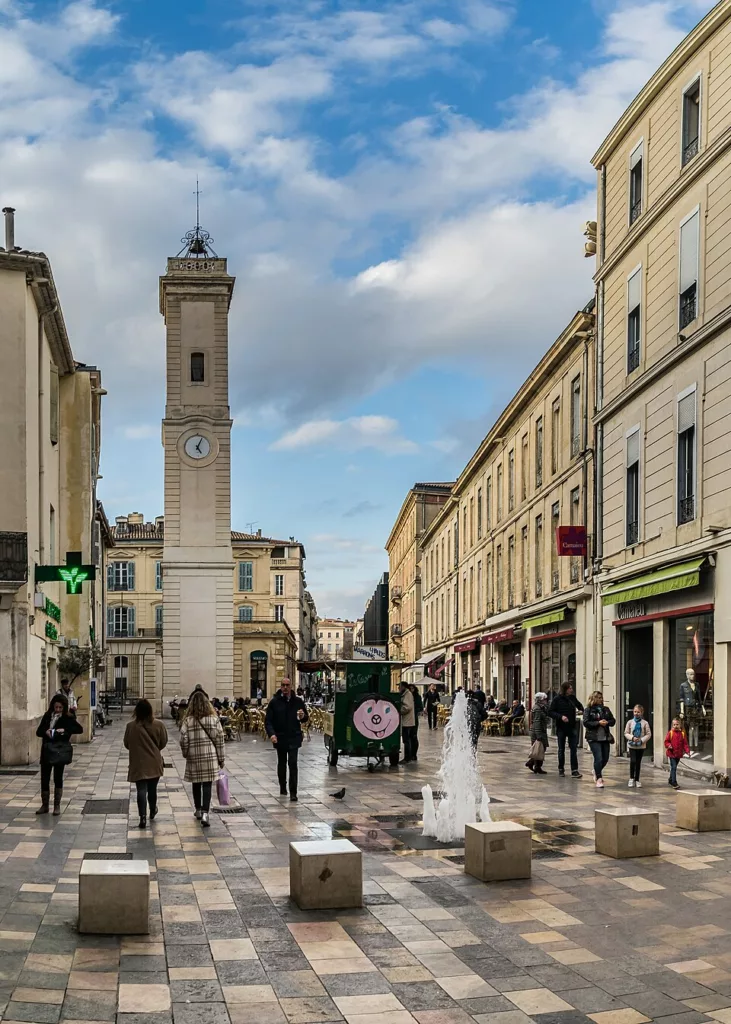
The Clock Tower of Nîmes rises to a height of 31 meters and stands on the site of a former belfry dating back to the 15th century.
The current structure was rebuilt between 1752 and 1754 in a more elegant and harmonious style. At the top, a terrace supports an intricately crafted wrought-iron campanile, whose crown-shaped structure surrounds the bell that rings the hours.
Decipher the mysterious inscriptions hidden on the Clock Tower during our Nîmes scanger hunt.
Saint-Baudile Church of Nîmes
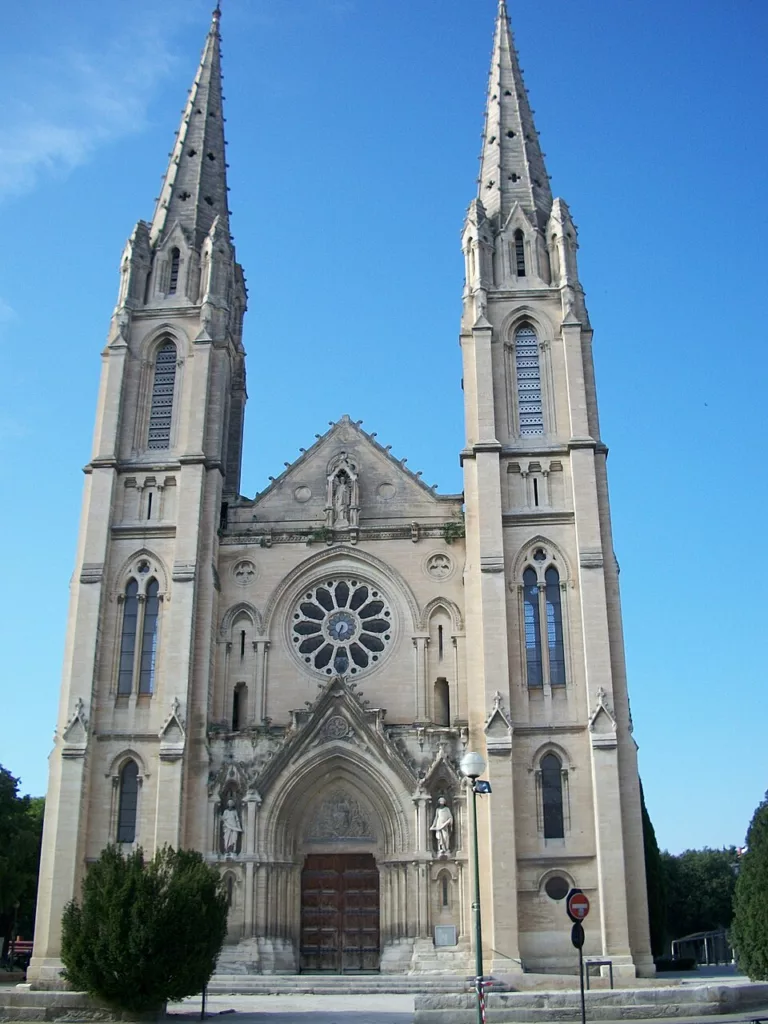
Saint-Baudile Church of Nîmes is one of the finest examples of neo-Gothic architecture in the city. It is dedicated to Saint Baudile, a martyr from Nîmes who lived during the 3rd century.
Its construction took place between 1867 and 1877, based on plans by Bordeaux architect Jean-Jules Mondet. Imposing and elegant, it dominates the urban landscape with its two façade bell towers, each topped with spires reaching nearly 70 meters high.
The building follows a Latin cross plan and extends approximately 65 meters in length and 30 meters in width at the transept. With a vault height of 20 meters, it is the largest church in Nîmes and can accommodate up to 3,000 worshippers.
The interior contains remarkable artistic elements, including stained glass windows created by Joseph Villiet and organs designed by Vincent Cavaillé-Coll. The façade is also decorated with sculptures, including statues of angels with outstretched wings created by Léopold Morice, as well as a representation of Saint Baudile holding the martyr’s palm, sculpted by Auguste Bosc.
Discover where the statue of Saint Baudile is located during our Nîmes tour.
Saint-Paul Church
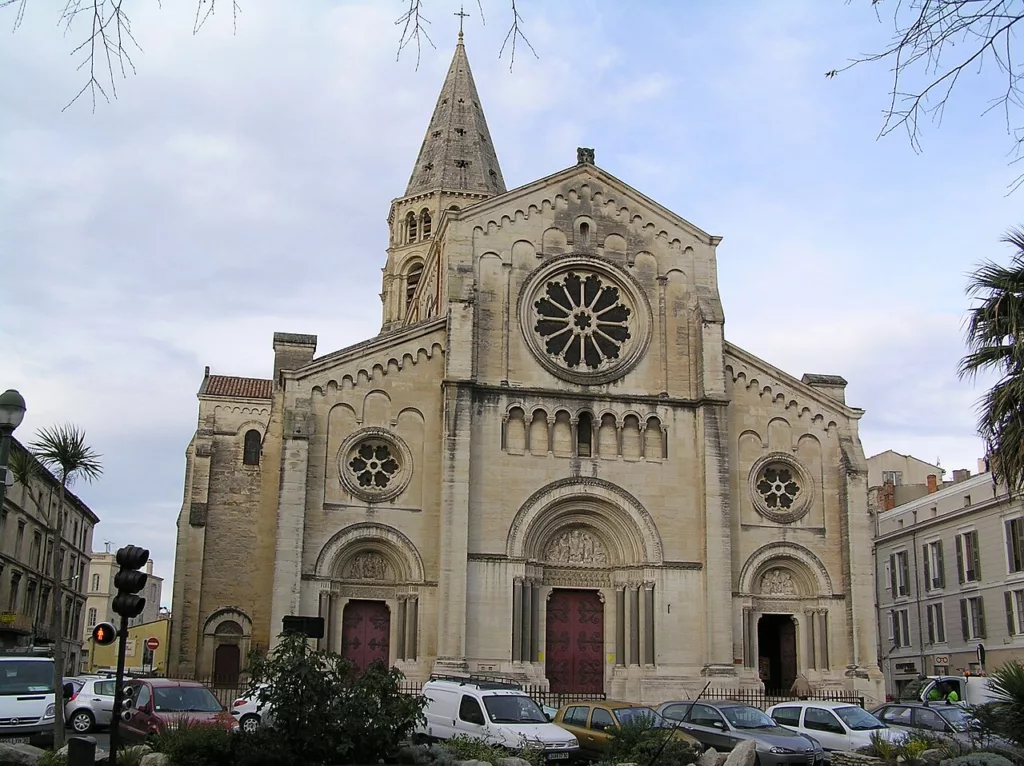
Saint-Paul Church of Nîmes is a remarkable neo-Romanesque building. It stands out for the power of its bell tower, which rises to approximately 62 meters at the crossing of the transept. Its construction took place between 1835 and 1849 under the direction of architect Charles-Auguste Questel.
The interior of the building is particularly impressive. It houses wall paintings created by Hippolyte Flandrin, as well as decorative elements designed by Alexandre Denuelle. The stained glass windows were entrusted to master glassmaker Laurent Charles Maréchal, while the organ, installed in 1848, was built by the famous organ maker Aristide Cavaillé-Coll.
The church doors are decorated with ironwork created in 1845 by Pierre Boulanger, an artisan also known for his work at Notre-Dame Cathedral in Paris. Despite the richness of its artistic heritage, the building now suffers from a certain state of deterioration and would deserve extensive restoration.
Porte Auguste
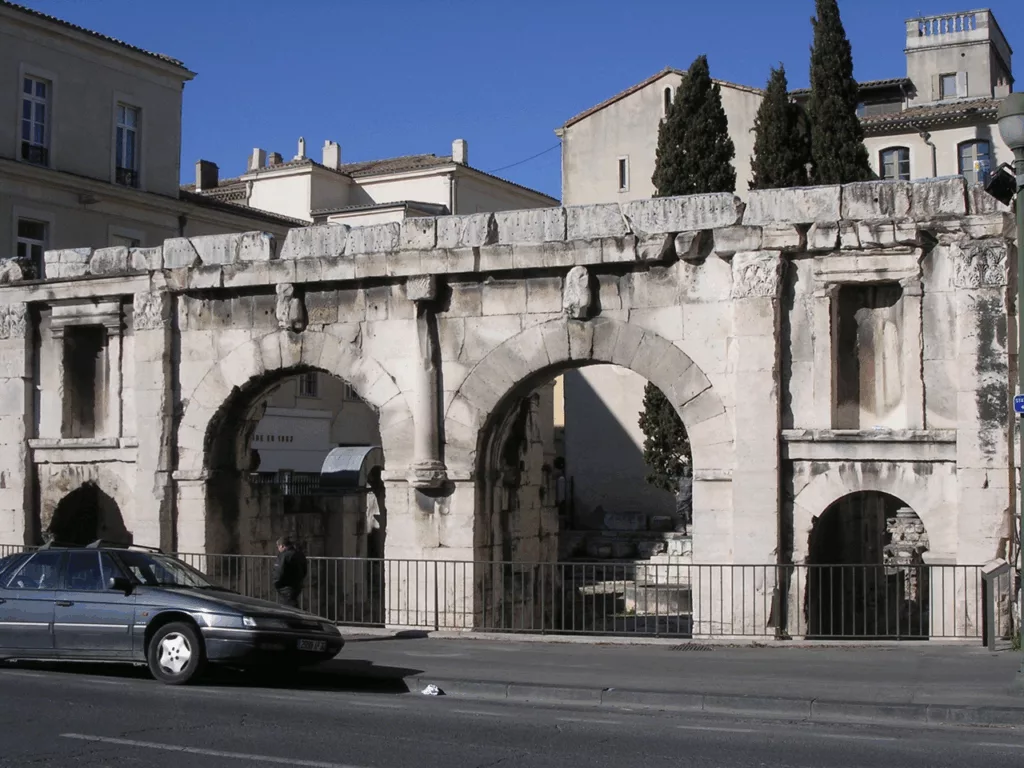
The Porte Auguste is one of the most impressive remains of Roman Nîmes. Built around 16 BC during the reign of Emperor Augustus, it formed an integral part of the fortified walls of the colony of Nemausus and marked the main entrance to the Via Domitia. At the time, it represented a major strategic access point to the city.
The structure originally consisted of four semi-circular arched passages: two large central openings intended for vehicles and two narrower side passages reserved for pedestrians. The whole complex was originally framed by two semi-circular towers, whose locations are still visible on the ground today.
An inscription engraved at the top of the monument recalls its imperial origin and allows historians to date its construction precisely to 16 BC. It states that Emperor Augustus offered the gates and walls to the colony.
Decipher inscriptions on this gate during our treasure hunt in Nîmes.
Porte de France
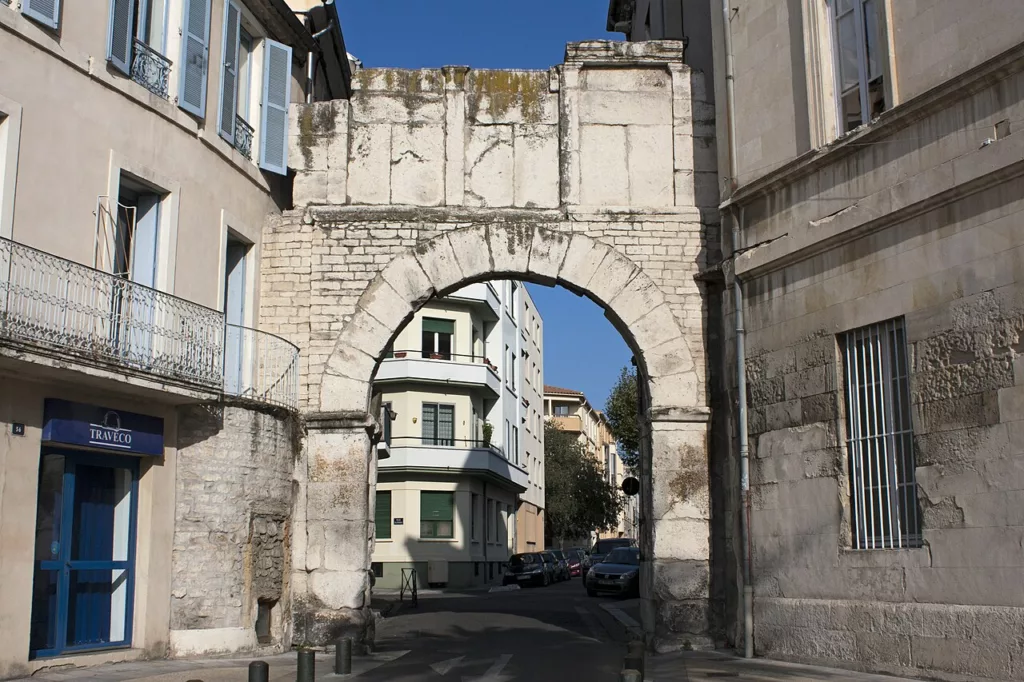
The Porte de France in Nîmes is a discreet yet remarkable remnant of the city’s Roman walls. Built during the 1st century BC, it formed part of the defensive system of the colony of Nemausus and provided access to the city through a secondary entrance.
Unlike monumental gates such as Porte Auguste, Porte de France played a more modest role. Nevertheless, it stands out for its good state of preservation, making it a valuable testimony to Roman urban planning.
The structure consists of a single semi-circular arched passage topped with architectural remains including pilasters and a cornice. Although it was probably equipped with a portcullis during Roman times, it mainly served a secondary road rather than the major routes connecting the city to the outside world. Even today, Porte de France gives its name to the street it crosses.
Le Spot
Le Spot in Nîmes is a dynamic cultural venue located in the heart of the city. Set inside a renovated former industrial building, it has become a space dedicated to contemporary creation and modern artistic expression.
Designed as a place for encounters and experimentation, Le Spot regularly hosts exhibitions, concerts, artist residencies, and a variety of cultural events. Its reimagined industrial atmosphere gives it both a raw and modern character, perfectly suited to artistic creation.
Sainte-Perpétue Church of Nîmes
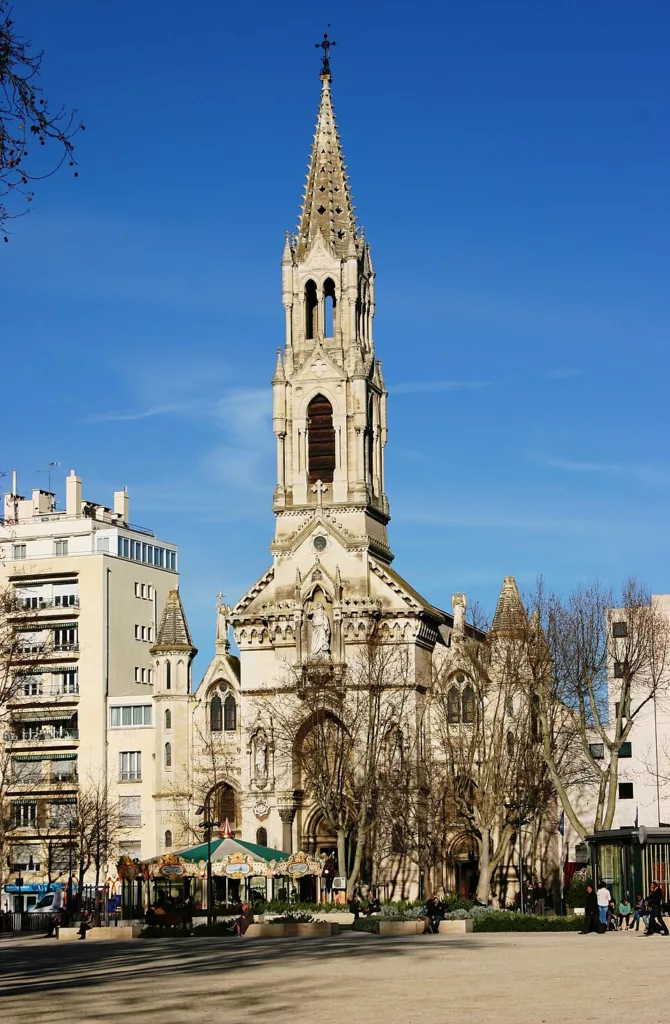
The Church of Sainte-Perpétue and Sainte-Félicité in Nîmes is a religious building in an eclectic style, characteristic of the Second Empire. It stands out for its slender silhouette and impressive spire, visible from the Charles-de-Gaulle Esplanade.
Its construction began in 1852, with the laying of the first stone by Louis-Napoléon Bonaparte. The building was designed by architect Léon Feuchère, while its decoration was created by Joseph Felon and Colin. The main work was completed in 1862, and the church was consecrated in 1864.
One of the most striking features of the building is its bell tower, which rises to around 71 meters high and is topped with a large wrought-iron cross. The interior impresses with its scale, especially its very tall nave, which exceeds 20 meters in height.
The church is organized according to a three-aisle plan with a choir ending in an apse. It also has several side chapels, including one dedicated to the Virgin Mary. The stained glass windows in the choir represent the twelve apostles, while the other windows feature geometric patterns.
Discover the orientation of the chapels in our treasure hunt in Nîmes.
Must-See Museums in Nîmes
Musée de la Romanité
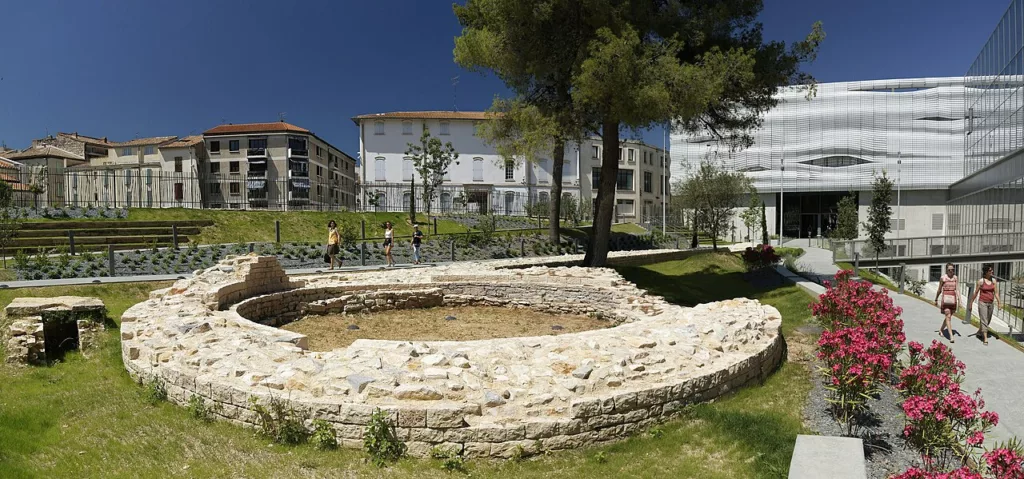
Located opposite the Arena of Nîmes, the Musée de la Romanité is a modern archaeological museum inaugurated in 2018. It presents the history of the city over more than 25 centuries, from the pre-Roman period to the contemporary era.
Designed by architect Elizabeth de Portzamparc, the building stands out with its undulating glass façade, inspired by an ancient toga. It blends perfectly into the historic landscape while asserting a contemporary architectural identity.
The project was born from archaeological excavations carried out in 2006–2007, which uncovered a Roman domus and remarkable mosaics, including those of Achilles and Pentheus. These discoveries strengthened the desire to create a museum dedicated to the rich ancient heritage of Nîmes.
Inside, the permanent exhibition offers an immersive journey into the daily life of the Romans through collections, reconstructions, and multimedia displays. The museum also covers the pre-Roman and medieval periods, showing how the city evolved over time.
Museum of Fine Arts
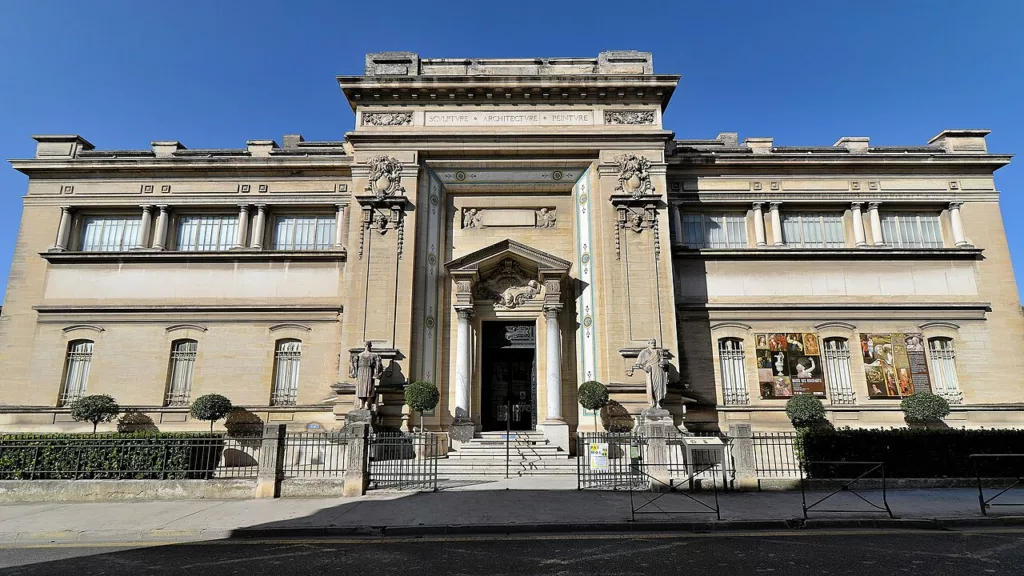
The Museum of Fine Arts in Nîmes is an art museum founded in the early 19th century, located in the city center. It offers a rich overview of the history of European painting and sculpture.
Its collections cover a broad period from the 14th to the 19th century, with a strong representation of the Italian, Flemish, and French schools. Visitors can admire works by major artists such as Rubens, François Boucher, Hyacinthe Rigaud, and Charles-Joseph Natoire, as well as many lesser-known painters representative of their time. The museum also preserves sculptures, decorative arts, and remarkable archaeological pieces.
Among its most famous works is a large Roman mosaic discovered in Nîmes in the 19th century, depicting a mythological scene and considered one of the most important of its kind in France. The museum also houses a precious terracotta Virgin by Andrea della Robbia, from the Italian Renaissance.
The museum is housed in a building inaugurated in the early 20th century and later renovated.
Carré d’Art / Museum of Contemporary Art
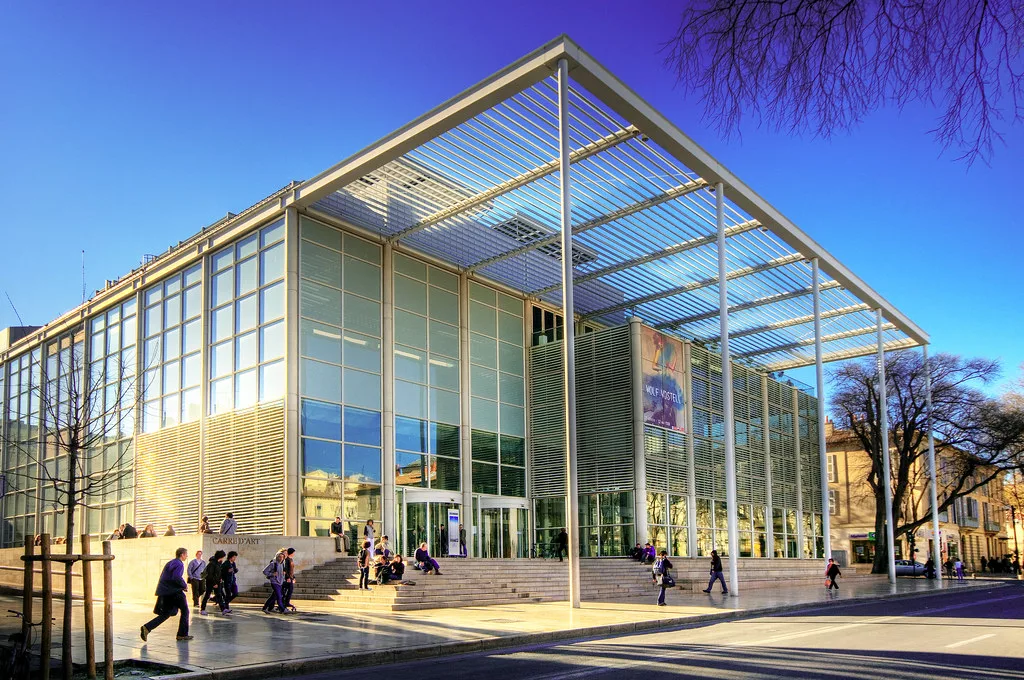
The Carré d’Art in Nîmes was designed by British architect Norman Foster and inaugurated in 1993. It combines a listed municipal library with a museum of contemporary art.
The building, made of glass, steel, and concrete, creates an architectural dialogue with the neighboring Roman temple, forming a striking contrast between antiquity and modernity. The museum of contemporary art presents a collection of works from the 1960s to the present day, featuring major artists such as Gerhard Richter, Joseph Kosuth, Sophie Calle, and Mario Merz.
The library, rich in rare and heritage collections, preserves precious manuscripts and historical works linked to the city of Nîmes. Today, Carré d’Art is a central place in Nîmes’ cultural life, combining reading, exhibitions, and contemporary creation.
Natural History Museum
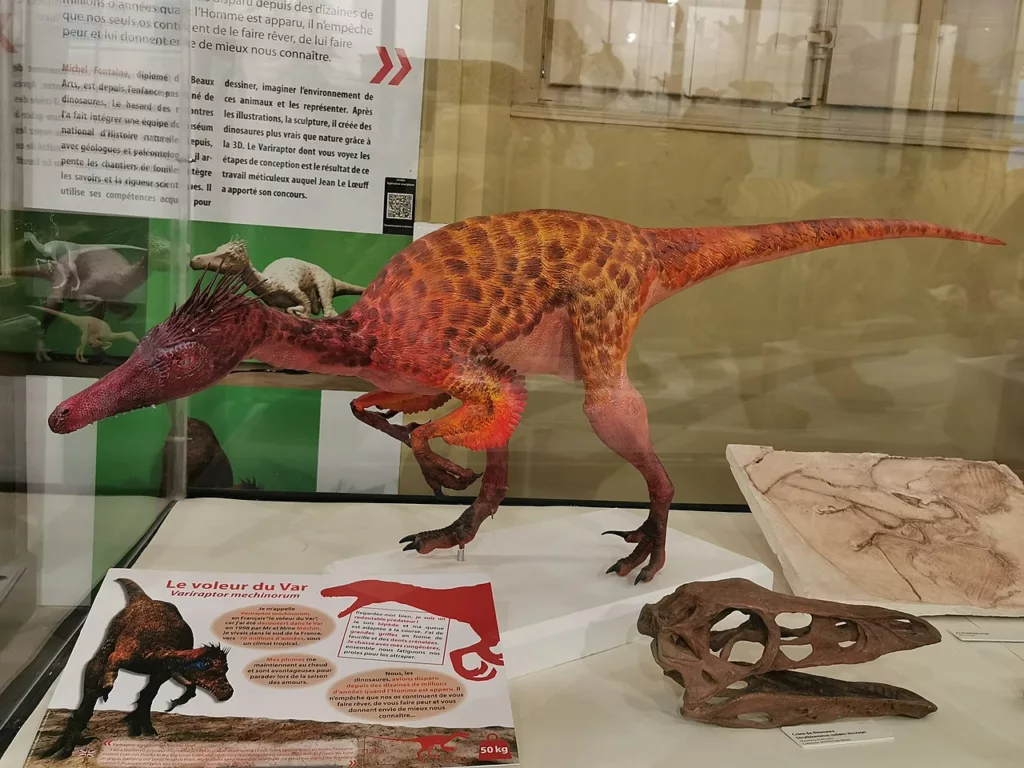
The Natural History Museum of Nîmes was founded in 1895. It is one of France’s reference natural history museums and is recognized for the richness of its scientific collections.
Housed in a former 17th-century religious complex, the museum covers several fields: zoology, geology, prehistory, and ethnography. It presents collections gathered by local scholars from the 18th and 19th centuries, as well as objects brought back from around the world between the late 19th and early 20th centuries.
The museum is organized around four main themes: prehistory, geology, ethnology, and zoology. An ethnography room preserved in its historic state reflects the history of the site and its display methods.
Today, the site also includes a planetarium and the DNA School, making it an important center for scientific culture in Nîmes.
Museum of Old Nîmes
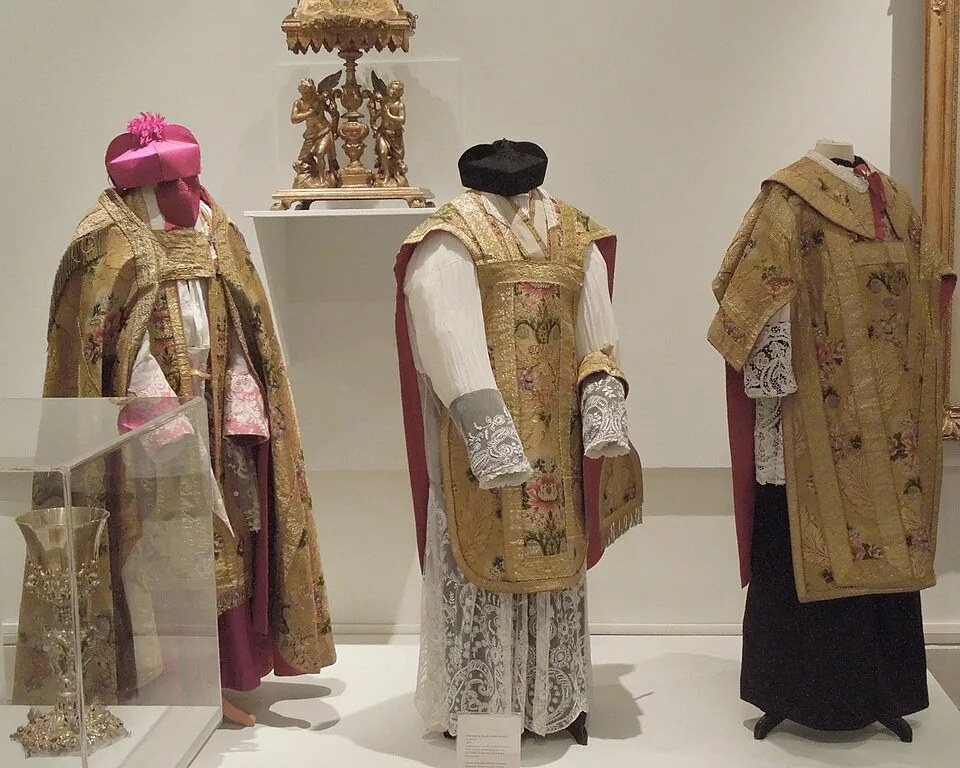
The Museum of Old Nîmes is an ethnographic museum. Housed in the former 17th-century episcopal palace, it was created in 1920.
The building, listed as a historic monument since 1986, has a long history: built and then remodeled between the 17th and 18th centuries, it served as the residence of the bishops of Nîmes before being transformed into a museum. Its architecture combines a ceremonial courtyard, garden, and monumental façades, reflecting several phases of construction.
The museum presents the history and heritage of Nîmes, especially daily life and local know-how from the Middle Ages to the contemporary era. Its collections are notably dedicated to the textile industries of Nîmes, including the famous serge de Nîmes, the origin of denim, as well as reconstructions of bourgeois interiors from the 18th and 19th centuries.
Parks and Green Spaces in Nîmes
Jardins de la Fontaine
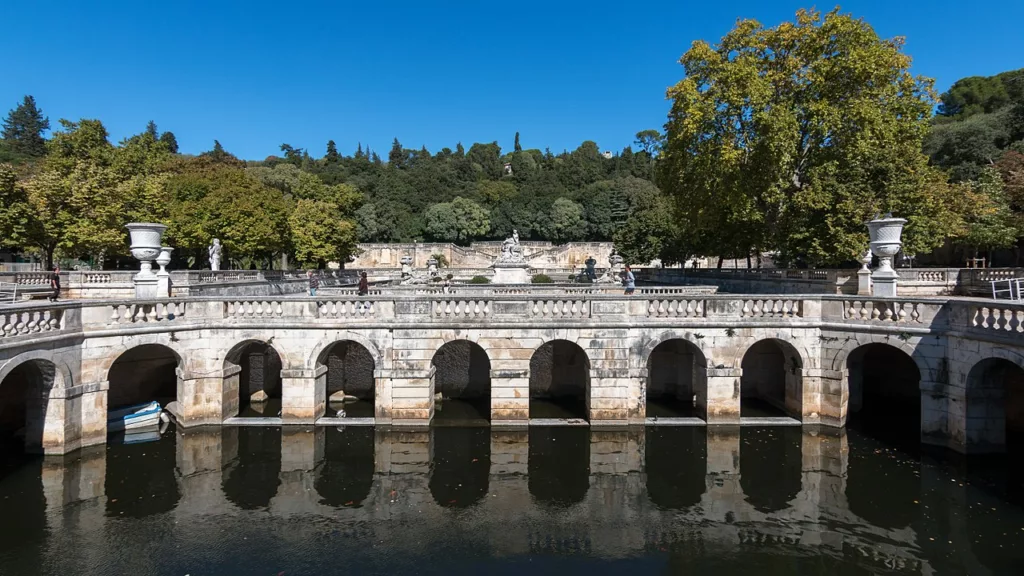
The Jardins de la Fontaine are an iconic public park in Nîmes, laid out in the 18th century around an ancient spring already revered in Roman times. They are among the first public gardens in Europe and remain today a major site of French landscape heritage.
The site has been a sacred place since Antiquity, where a Roman sanctuary dedicated to Emperor Augustus, known as the Augusteum, once stood. Important ancient remains can still be found there, including the Temple of Diana and the Tour Magne, integrated into the garden landscape.
Laid out between 1745 and 1755 under the direction of engineer Jacques-Philippe Mareschal, the gardens transformed an archaeological and hydraulic site into a monumental promenade. Their design combines water management, the enhancement of ancient ruins, and French-style landscape composition.
The park is organized around the Fontaine spring and its basins, with large terraces, monumental staircases, and paths lined with Mediterranean trees. It is a very popular place for walks and also offers panoramic views over Nîmes.
Bois des Espeisses
The Bois des Espeisses is a natural area located in Nîmes. It extends over around 82 hectares, a large part of which is open to the public, while a central area remains protected to preserve biodiversity.
Its name comes from the Occitan word espés, meaning “dense” or “thick,” in reference to the Mediterranean vegetation of garrigue and scrubland that characterizes the site.
Today, the woodland is a place for walking and leisure, developed by the city of Nîmes. It also includes playgrounds, picnic areas, fitness trails, and orienteering zones, making it popular with families and sports enthusiasts.
Domaine de la Bastide
The Domaine de la Bastide, located in Nîmes, is a vast natural and sports area. This site combines leisure areas, sports facilities, and preserved natural spaces, making it very popular with families, walkers, and athletes.
The estate is especially known for its green environment, made up of large grassy areas, old trees, and wilder zones that support biodiversity. Visitors can walk freely, enjoy the cool shade of the woods, or simply relax in a calm setting close to the city.
In terms of sports, the site hosts a major complex including several football fields used by local clubs, as well as facilities for other disciplines such as rugby, baseball, American football, and ultimate. It also includes a BMX track, an isolated shooting range, and a nautical base offering kayaking introductions, especially for school groups.
The estate is also designed as a place for relaxation, with hiking trails, running areas, open-access fitness equipment, and picnic areas.
Bois des Noyers
The Bois des Noyers is a natural area of around 10 hectares located in Nîmes, offering a true green lung in the heart of the city. It is a privileged place for walks, outdoor sports activities, and discovering local biodiversity.
This site, owned by the Nîmes Métropole urban community, is also a space for forest experimentation. It is home to around 700 trees and lies within a flood-prone area, making it an interesting site for studies related to hydrology, ecological management, and recreational and educational uses.
The diversity of tree species contributes to the ecological richness of the woodland. It includes alders, cherry trees, almond trees, and walnut trees, the latter giving the site its name. This dense vegetation creates an ecosystem favorable to many animal species, such as birds, insects, and small mammals, which evolve with the seasons.
Gastronomy & Specialties of Nîmes
Brandade de Nîmes
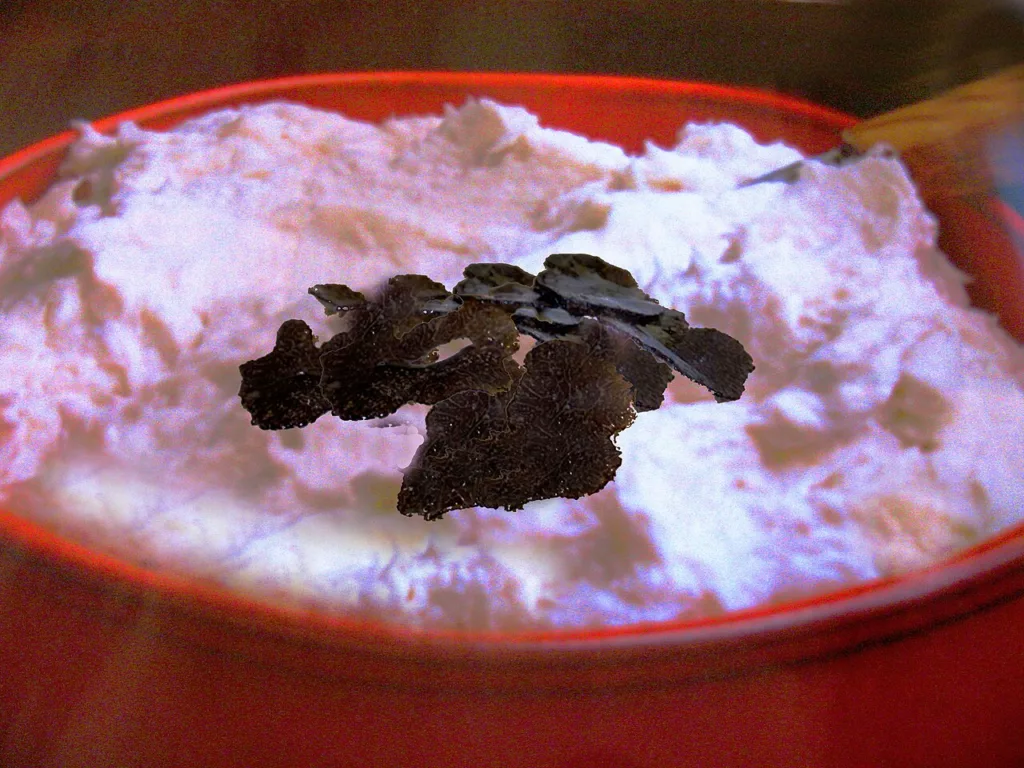
Brandade de Nîmes is a specialty made with salt cod and olive oil. It is transformed into a smooth, white purée after cooking. It can be enjoyed hot or cold, often served on toasted bread. It has been an emblematic dish of the city since the 19th century.
Petit Pâté Nîmois
Petit pâté nîmois is a small pie filled with veal and pork. Its golden pastry encloses a flavorful and aromatic filling. It is usually eaten warm to bring out all its aromas. Today, modern variations also exist with brandade or bull meat.
Aigriade Saint-Gilloise
Aigriade is a slow-cooked dish made with beef or bull meat. It is prepared with onions, anchovies, pickles, and vinegar. Slow cooking gives it a rich and slightly tangy flavor. It is often served with Camargue rice.
Gardiane de Taureau
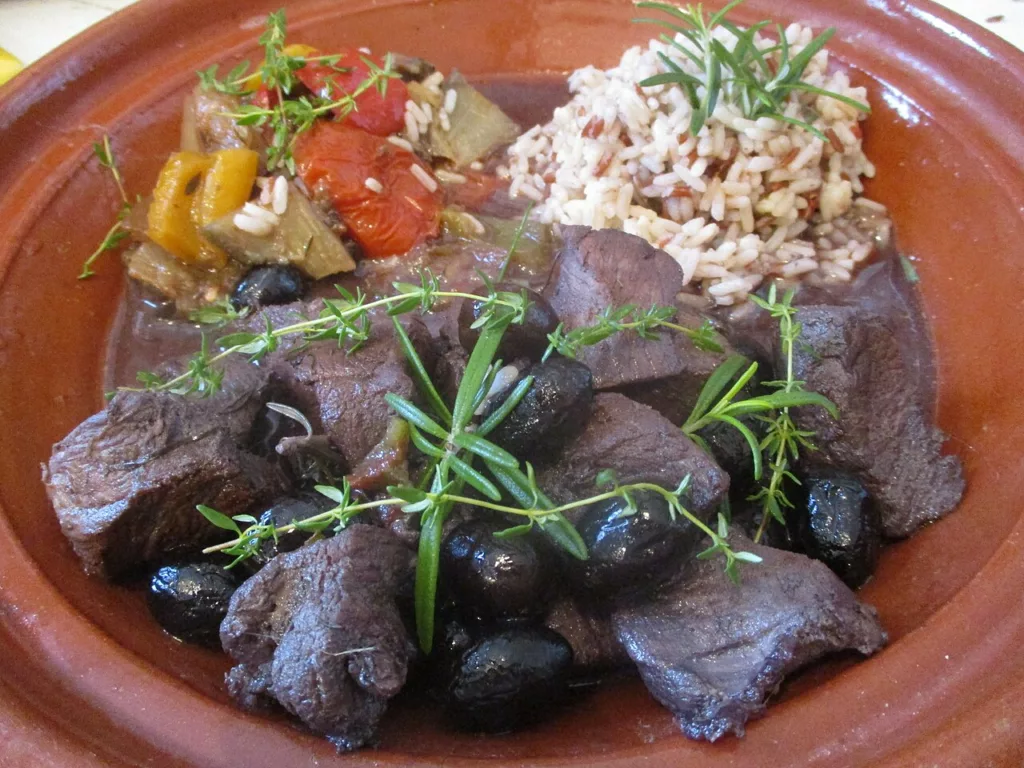
Gardiane de taureau is a traditional Camargue dish. It is made with bull meat marinated in red wine. The meat is slowly simmered until it becomes tender and flavorful. It is often even better when reheated the next day.
Croquants Villaret
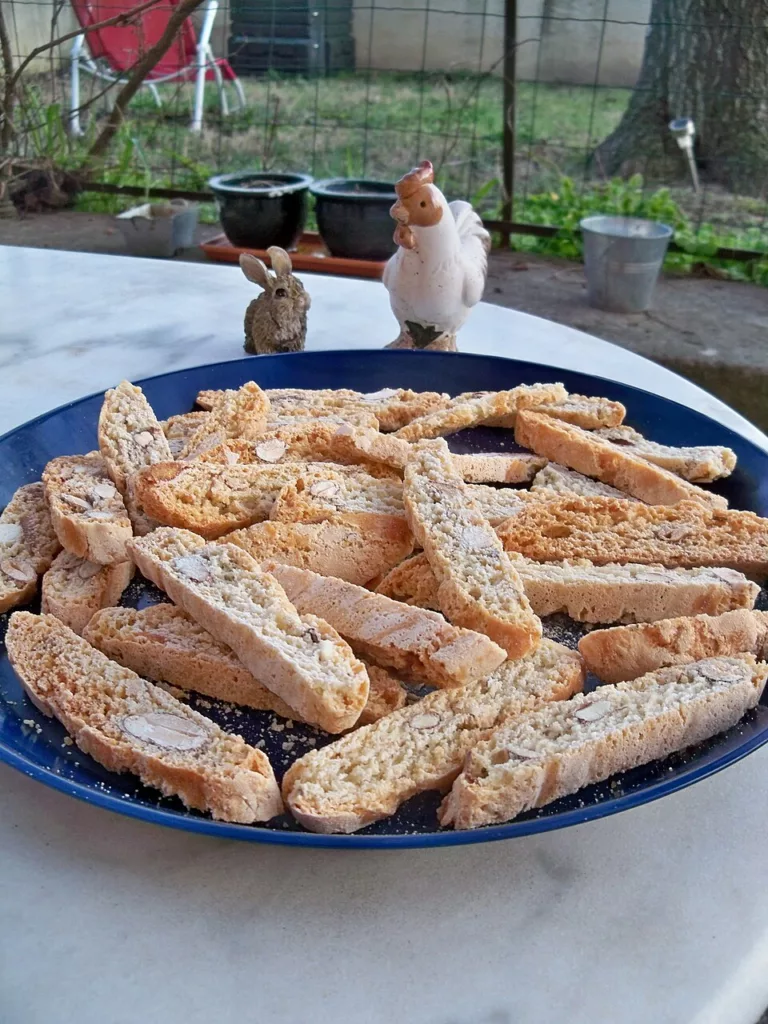
Croquant Villaret is a dry, hard biscuit typical of Nîmes. It is flavored with orange blossom, almonds, and lemon. Its very crunchy texture pairs well with coffee or tea. It has existed since the 18th century and remains a local specialty.
Fougasse Saint-Gilloise
Fougasse Saint-Gilloise is a sweet brioche flavored with orange blossom. It was once part of the 13 Provençal Christmas desserts. Today, it is eaten all year round. It is soft, fluffy, and very popular with food lovers.
Day Trips from Nîmes
Châteauneuf-du-Pape Wines
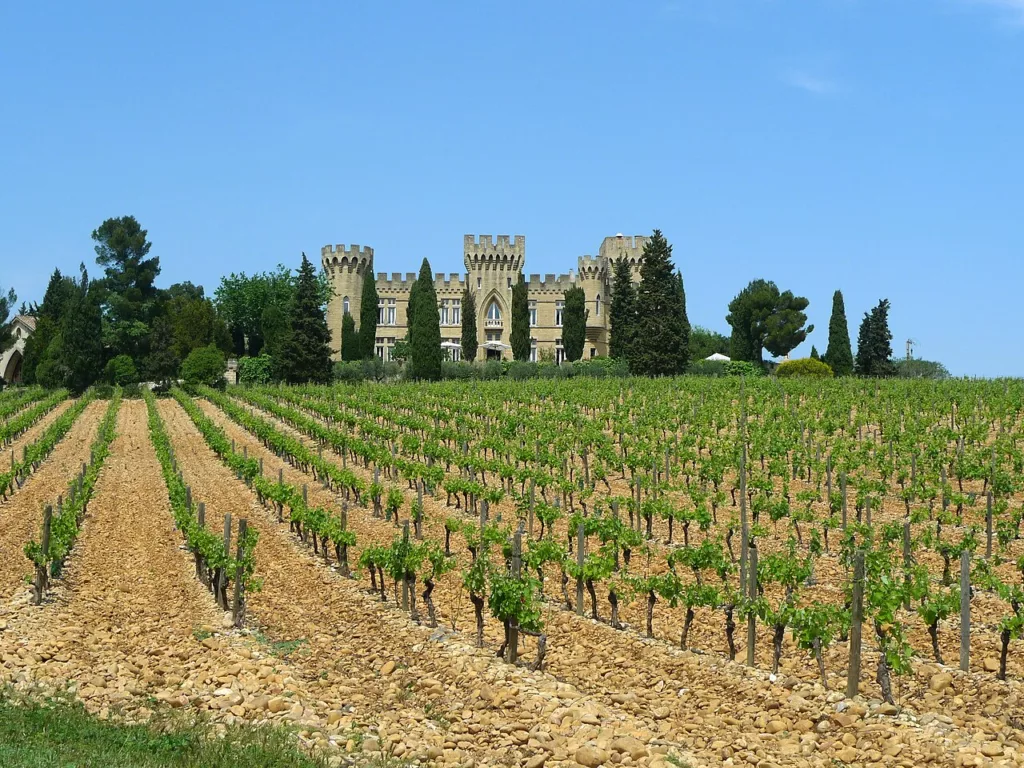
From Nîmes, it is possible to take a day trip to the Rhône Valley, a major wine-growing region in the south of France. Châteauneuf-du-Pape is one of the best-known villages in this region for its prestigious AOC wines. Visitors can discover the production methods of Châteauneuf-du-Pape wines there.
Aix-en-Provence
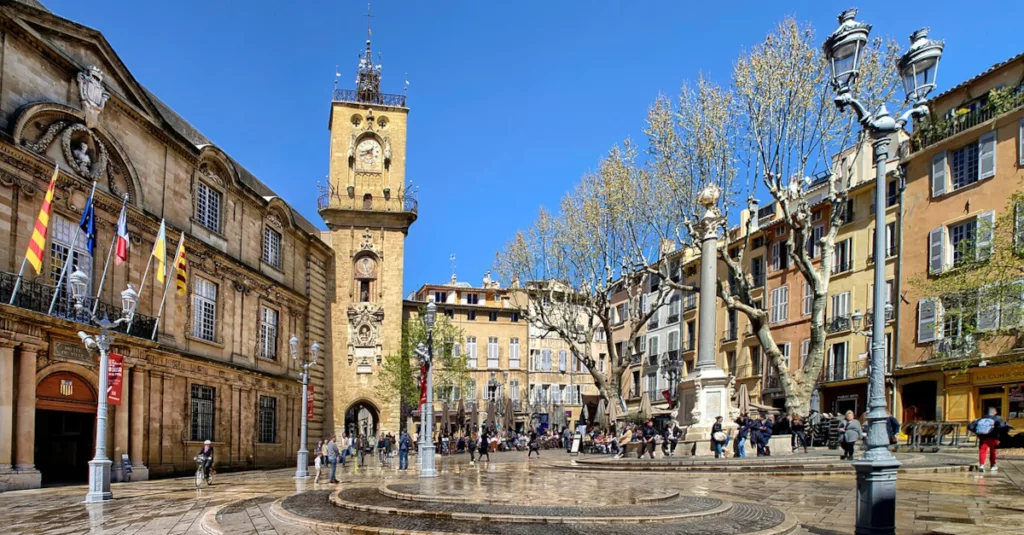
Aix-en-Provence is known for its elegant historic center, with narrow streets, lively squares, and fountains. The city also has a strong cultural identity, notably linked to the painter Paul Cézanne, who was born in Aix. It has many museums, such as the Musée Granet, which display important works. Aix-en-Provence is also renowned for its colorful and fragrant Provençal markets. Its sunny climate makes it a pleasant destination for much of the year.
Nearby Sainte-Victoire Mountain offers beautiful landscapes and hiking opportunities. The city is also appreciated for its festivals, especially the International Festival of Lyric Art.
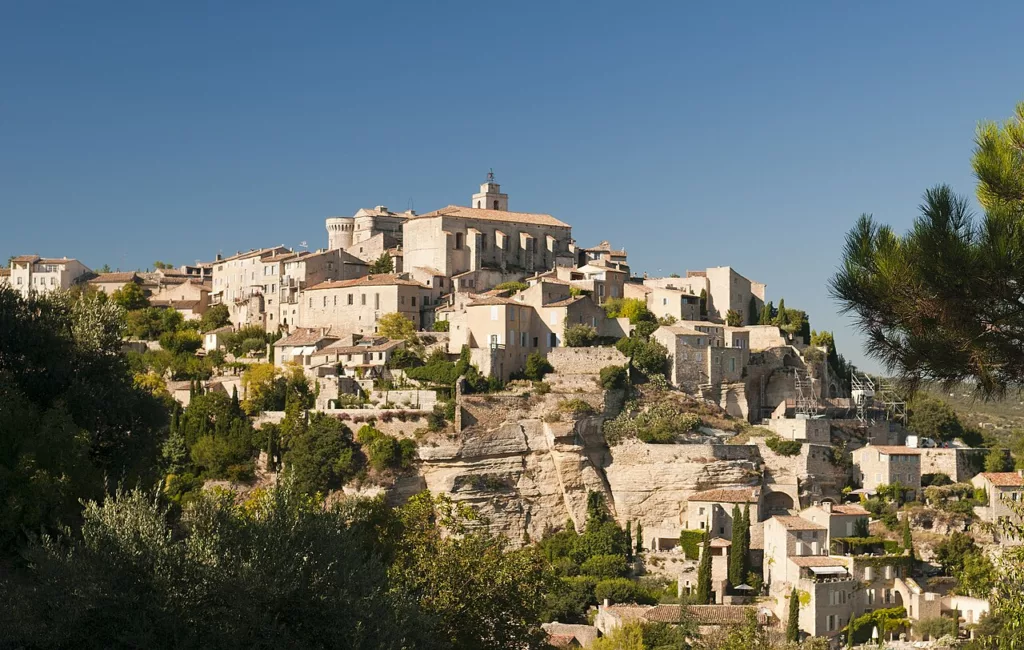
The Villages of the Luberon
Pont du Gard
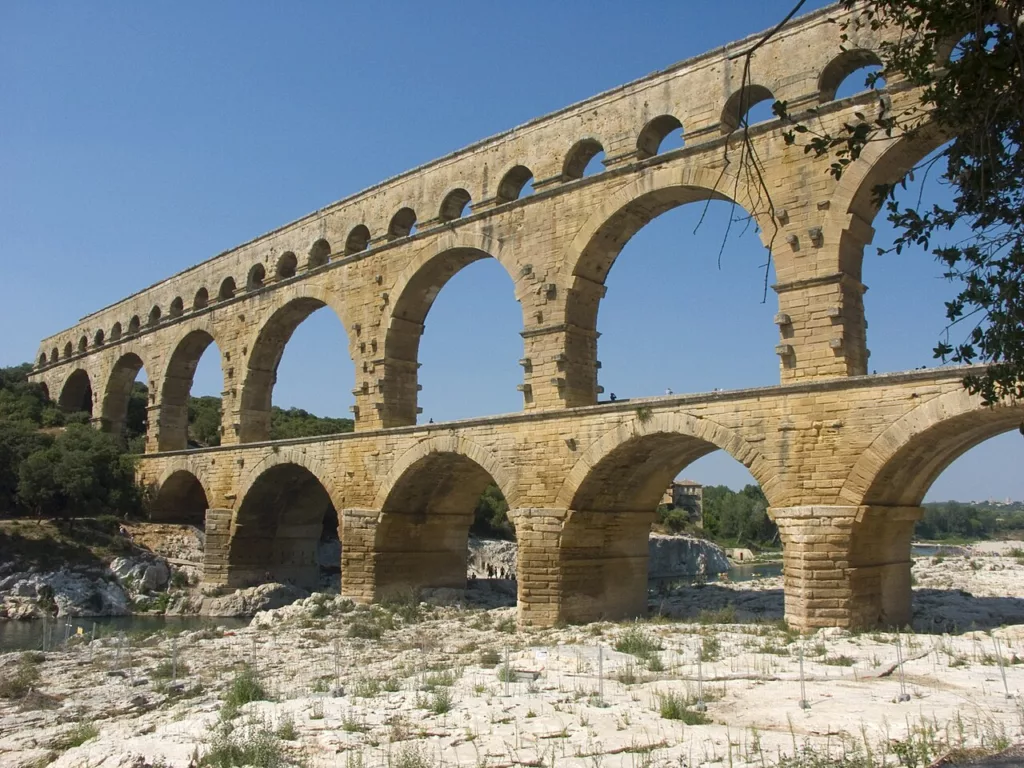
The Pont du Gard is an ancient Roman aqueduct. It was built in the 1st century to carry water over more than 50 kilometers to the city of Nemausus, today’s Nîmes.
This structure impresses visitors with its three perfectly preserved levels of arches. It is considered one of the finest examples of Roman engineering still visible today. The site also offers a museum and natural spaces around the Gardon River. Visitors can enjoy hiking, swimming, or canoeing there.
Avignon
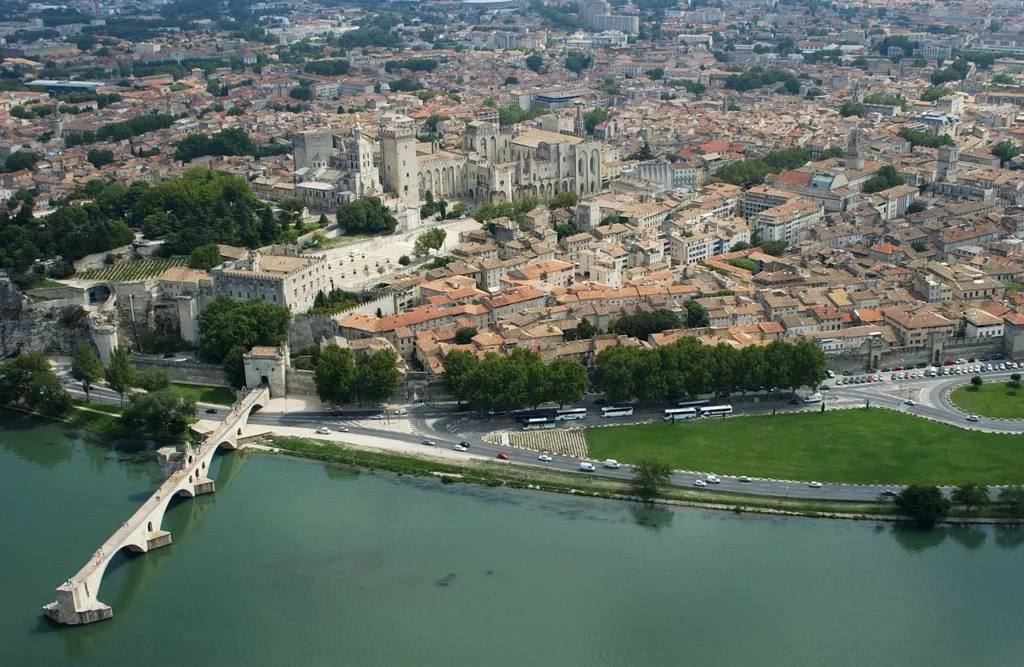
Avignon is world-famous for the Palais des Papes, one of the largest Gothic palaces in Europe. The city was an important center of Christianity in the 14th century, when the popes resided there. Avignon is also famous for its Saint-Bénézet Bridge, often called the “Pont d’Avignon.” Its historic center, surrounded by ramparts, is particularly well preserved.
The city hosts the Festival d’Avignon every year, a major event dedicated to theater and live performance.
Conclusion
Visiting Nîmes means discovering a city with exceptional heritage, where Roman legacy blends harmoniously with modern life. Its iconic monuments such as the Arena, the Maison Carrée, and the Tour Magne bear witness to its unique history and its importance in Antiquity.
The city also offers many green spaces and gardens, allowing visitors to enjoy a pleasant natural setting in the heart of the urban environment. Between culture, relaxation, and Mediterranean landscapes, Nîmes offers a varied and enriching experience.
Finally, visiting Nîmes also means enjoying its art of living, local gastronomy, and discovering prestigious nearby sites such as the Pont du Gard or Avignon. It is an unmissable destination in the south of France.