Visit Tours: 30 Must-See Attractions and Things to Do
Visiting Tours means discovering one of the most iconic cities in the Loire Valley. Combining historical heritage with the French art of living, Tours charms visitors with its well-preserved old town, its rich medieval and Renaissance legacy, and its strategic location at the heart of the Loire castles region.
Former capital of the Kingdom of France during the reign of Louis XI and an important center of the Renaissance, the city of Tours offers a concentration of history through must-see landmarks such as Saint-Gatien Cathedral, the Old Tours district, the Basilica of Saint Martin, as well as its museums and historic mansions.
Lively and vibrant, Tours is also an ideal destination for a cultural and gastronomic getaway. Between the banks of the Loire River, traditional markets, and local specialties such as rillettes and rillons, the city perfectly embodies the Touraine art of living.
Thanks to its privileged geographical location, visiting Tours also makes it easy to explore Loire Valley castles such as Chenonceau, Amboise, Chinon, and Blois.
Discover Tours in a different way with a treasure hunt called “Tours Highlights“, a mix between an escape game and a cultural tour.
Monuments & Historical Heritage of Tours
Les Halles de Tours
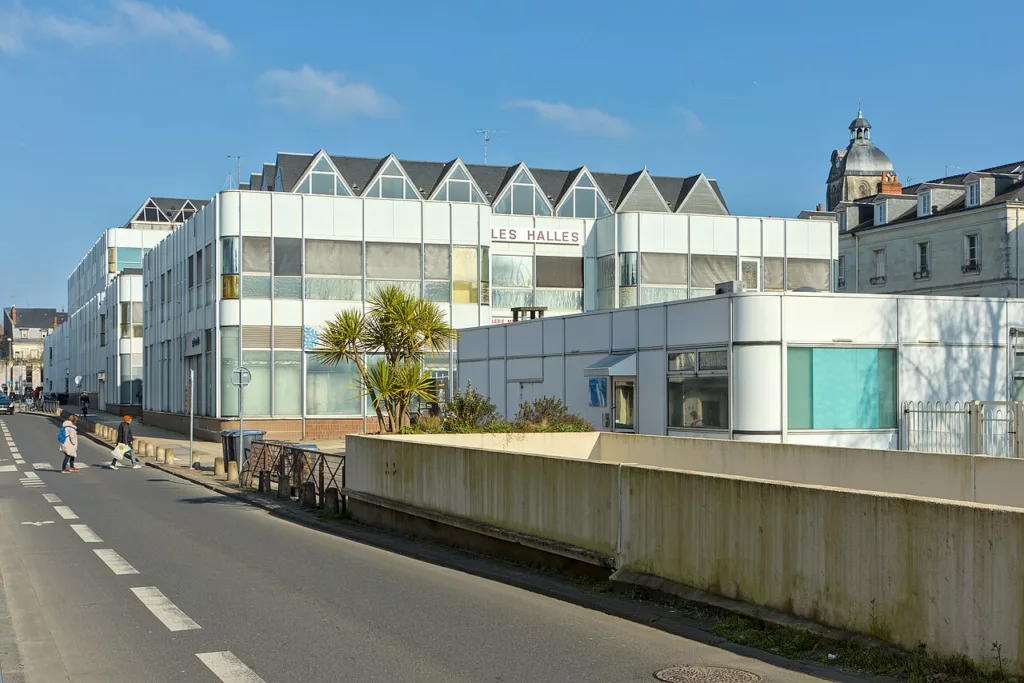
Les Halles de Tours
Les Halles de Tours is an iconic covered market located on Place Gaston-Paillhou, in the Old Tours district, right in the heart of the city of Tours. Nicknamed the “belly of Tours,” it brings together around forty merchants offering fresh, high-quality products: fruits and vegetables, meats, fish, cheeses, delicatessen products, and local or international specialties.
The current site, inaugurated in 1980, replaced former 19th-century metal market halls inspired by the famous Paris Halles. Today, the modern “ocean liner”-style building hosts a lively and popular market, as well as local shops, offices, and services.
Clock Tower
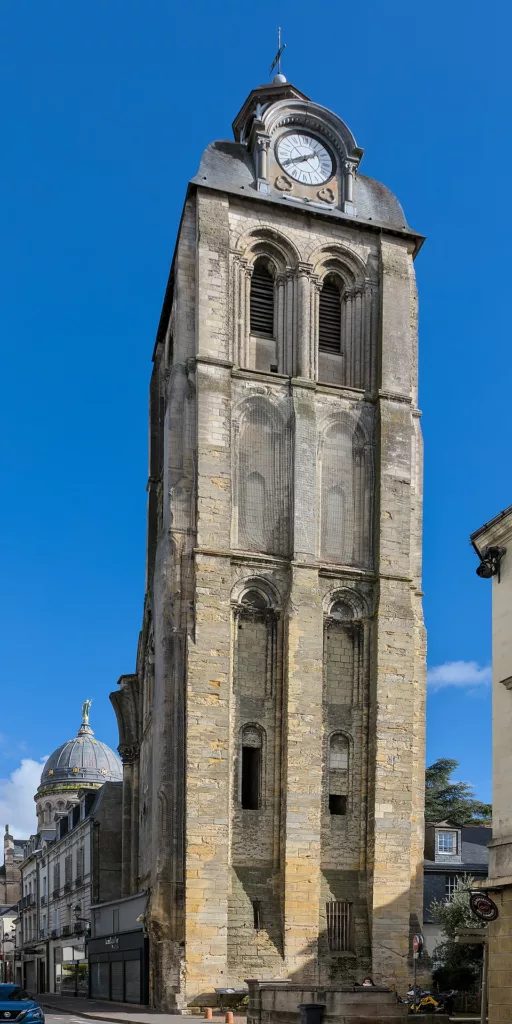
Clock Tower
The Clock Tower is an iconic monument located in the historic center of Tours, on Rue des Halles. It is one of the few remaining vestiges of the former Basilica of Saint Martin, destroyed during the French Revolution.
Built in the early 11th century, this Romanesque tower originally served as the treasury tower, housing the basilica’s treasures. Over the centuries, it was modified, notably in the 12th century with Gothic elements.
After the Revolution, while the basilica was demolished, the tower was preserved and transformed. A clock was added — giving it its current name — along with a dome topped by a lantern. It then became a daily landmark, notably marking market hours with its bell.
Discover and observe the traces of the former basilica on this tower during our treasure hunt in Tours.
Basilica of Saint Martin of Tours
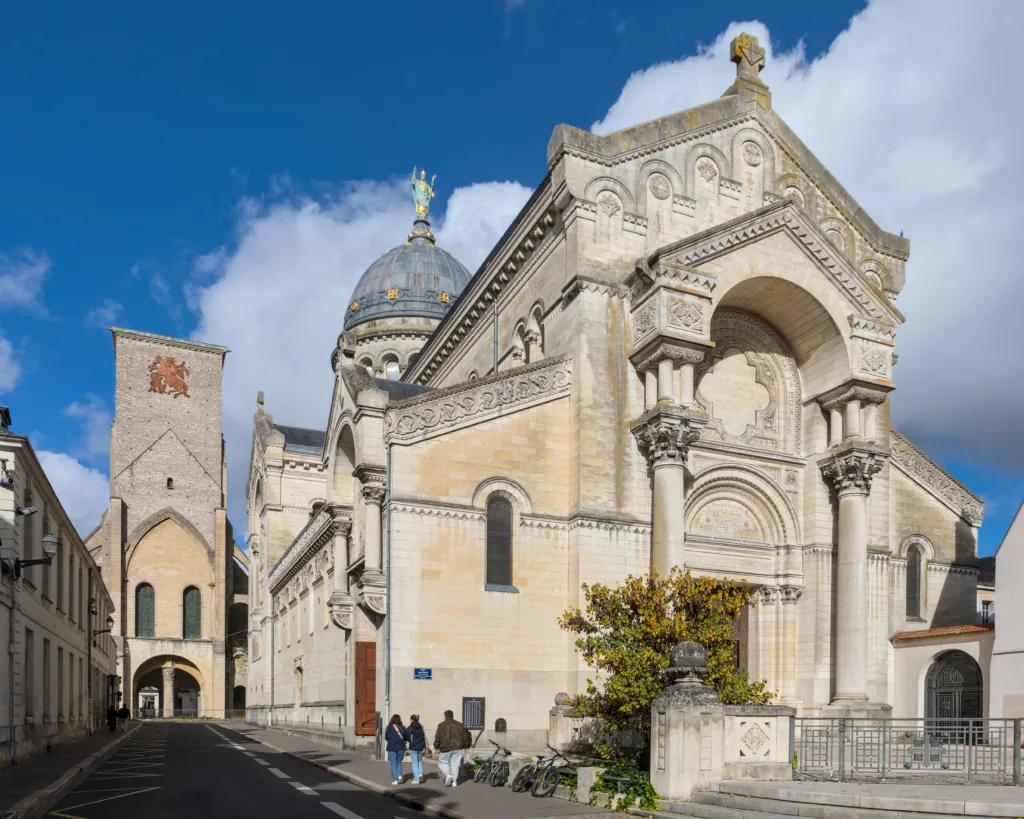
Basilica of Saint Martin of Tours
The Basilica of Saint Martin of Tours is an important religious building located in the historic center of Tours. It is dedicated to Saint Martin, one of the most revered saints in Western Christianity, whose tomb rests in the crypt.
The current building was constructed between the late 19th and early 20th centuries in a Neo-Byzantine style by architect Victor Laloux. It replaced a former medieval basilica destroyed during the French Revolution. This new basilica was consecrated in 1925.
The building is distinguished by its dome topped with a statue of Saint Martin, its historic crypt, and its imposing architecture combining limestone, granite, and marble. It also preserves two neighboring medieval towers, remnants of the former collegiate church.
Discover the secrets of the Latin inscription on this basilica during our game in Tours.
Cloître de la Psalette
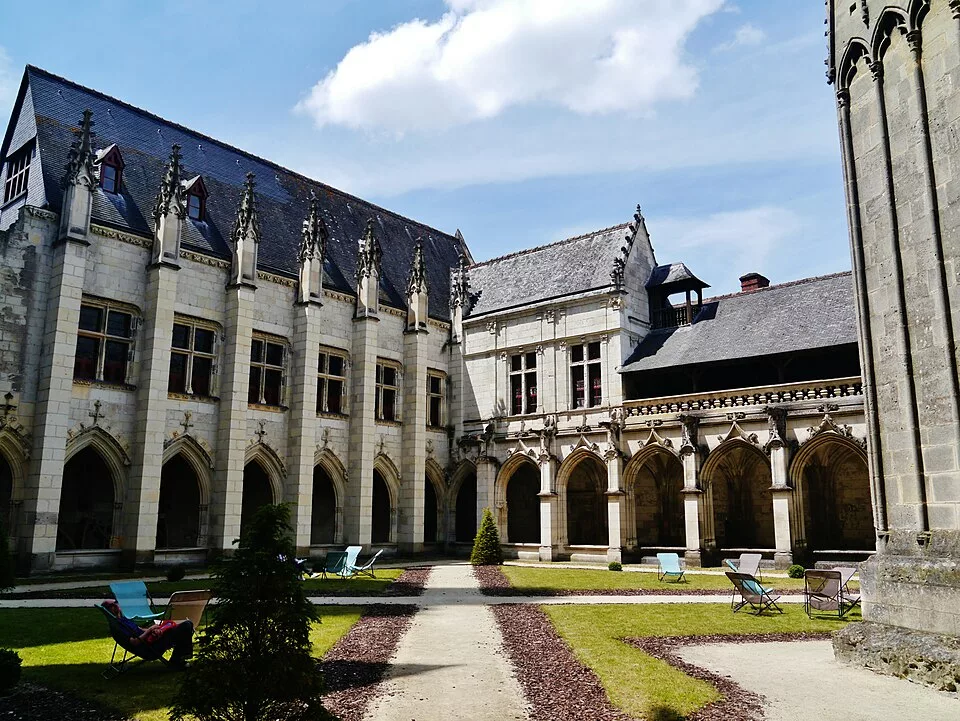
Cloître de la Psalette
The Cloître de la Psalette is a remarkable architectural ensemble located near Saint-Gatien Cathedral, in the heart of the historic center of Tours. It is now managed by the Centre des monuments nationaux and has been listed as a historic monument since 1889.
Built mainly between the 15th and 16th centuries, the cloister once served as a place of living, work, and study for the cathedral’s canons. It owes its name to the psalm singing school (“psalette”) that was established there.
Its architecture combines Gothic and Renaissance styles, notably featuring an elegant spiral staircase attributed to Bastien François, often compared to a miniature version of the staircase at the Château de Blois. The site includes galleries, a sculpted gateway, and finely decorated architectural details such as gargoyles.
As a place of culture and knowledge during the Middle Ages, the cloister also housed an important library before it was dispersed during the Revolution.
The Monster — Xavier Veilhan
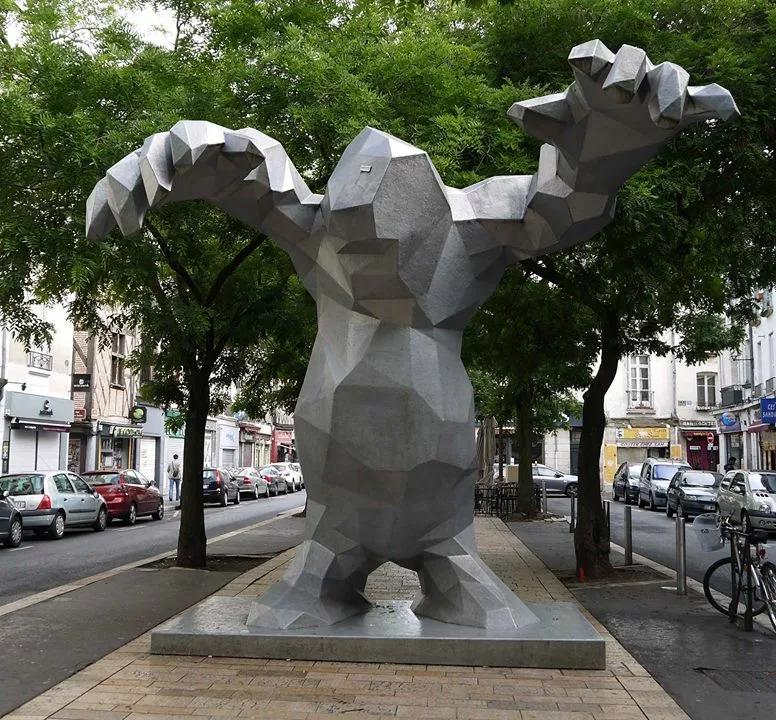
The Monster — Xavier Veilhan
The Monster is a contemporary artwork created by French artist Xavier Veilhan, installed in 2004 in the heart of downtown Tours, on Place du Grand-Marché.
Created as part of the “New Patrons” program, this monumental sculpture, about 4 meters high, was commissioned by local residents and shopkeepers wishing to enrich and transform the identity of their neighborhood. It was designed as a work directly interacting with public space and daily life. Since its installation, The Monster has sparked numerous reactions, ranging from admiration to controversy.
Hôtel Goüin
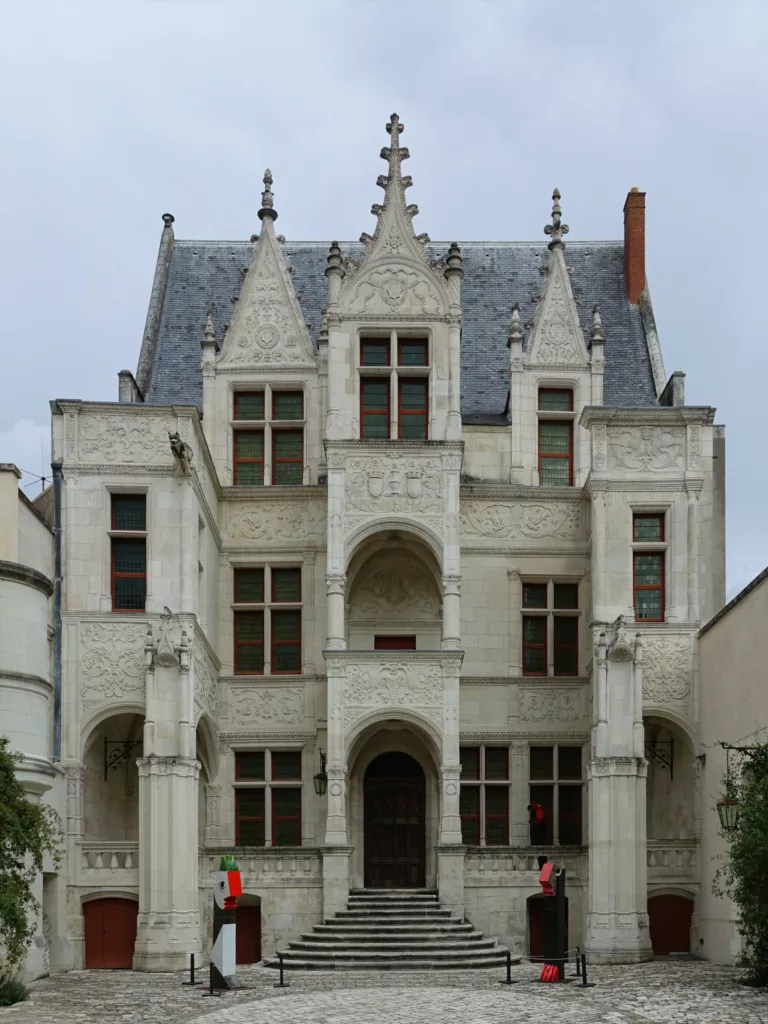
Hôtel Goüin
The Hôtel Goüin is a 15th-century mansion located in Tours, in the Old Tours district. The building is one of the rare surviving examples of Renaissance architecture still visible in the city.
Originally built in the 15th century, it first served as a private residence before becoming a heritage site. In the 16th century, it underwent major architectural transformations blending Flamboyant Gothic style with Italian Renaissance influences. Its façade was notably enhanced with elements such as loggias, terraces, and projecting sections.
In 1738, the mansion came into the possession of the Goüin family, a family of bankers from Tours, who occupied it for more than two centuries. During this period, the building was transformed and adapted to new uses, particularly banking and residential functions. It thus became an important place in local economic life.
The history of the mansion was deeply marked by the destruction of World War II. In 1940, it was almost entirely destroyed during bombings, with only the southern façade and the staircase tower surviving. This loss led to a partial reconstruction in the 1950s under the direction of chief architect of historic monuments Bernard Vitry.
From the 1960s onward, the Hôtel Goüin was transformed into a museum, housing the collections of the Archaeological Society of Touraine.
Discover the impact of the war on this site during our scavenger hunt in Tours.
Saint-Julien Abbey
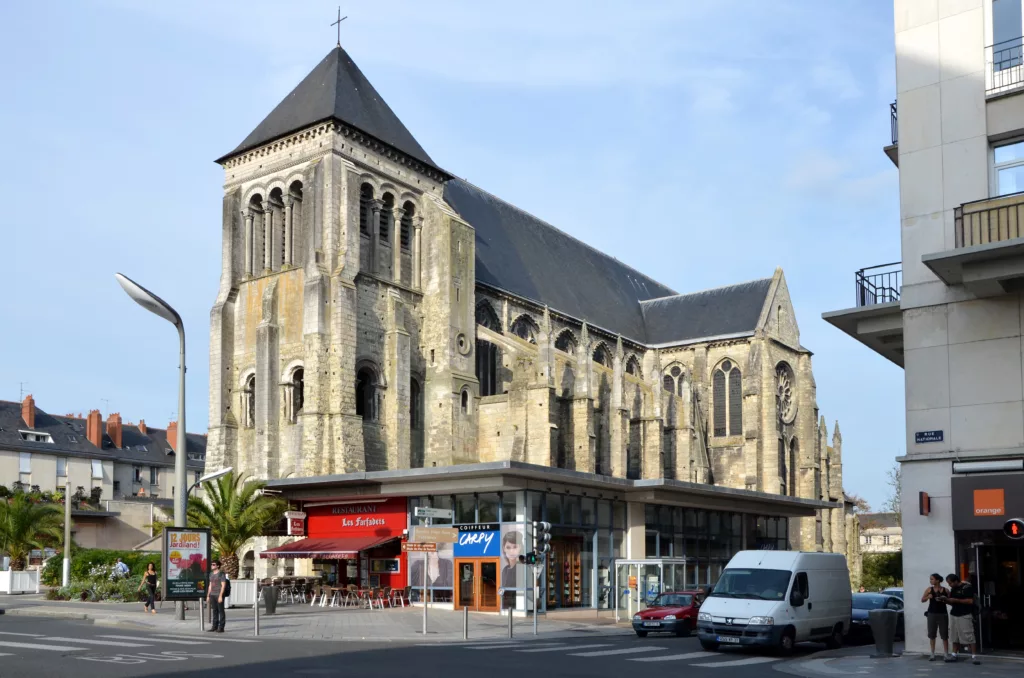
Saint-Julien Abbey in Tours is a former Benedictine monastery located in Old Tours, whose origins date back to the Early Middle Ages. According to tradition, its beginnings are linked to the presence of monks who settled around a small oratory founded after Clovis passed through Tours in the 6th century.
Over time, the monastic community truly took shape when Gregory of Tours introduced the Benedictine rule and relics of Saint Julien there. The abbey then went through several phases of destruction and reconstruction, notably after the Norman invasions in the 9th century.
In the medieval period, it was extensively remodeled, with architecture blending Romanesque and later Gothic styles, reflecting its spiritual and economic importance. It gradually became a major religious estate, owning land and influencing the urban organization of Tours.
After the French Revolution, the abbey was deconsecrated and its buildings were sold or transformed, leading to the disappearance of much of the monastic complex. Today, the remaining visible vestiges have been restored and serve various cultural and heritage purposes, recalling the rich and eventful history of the site.
Passage du Cœur Navré
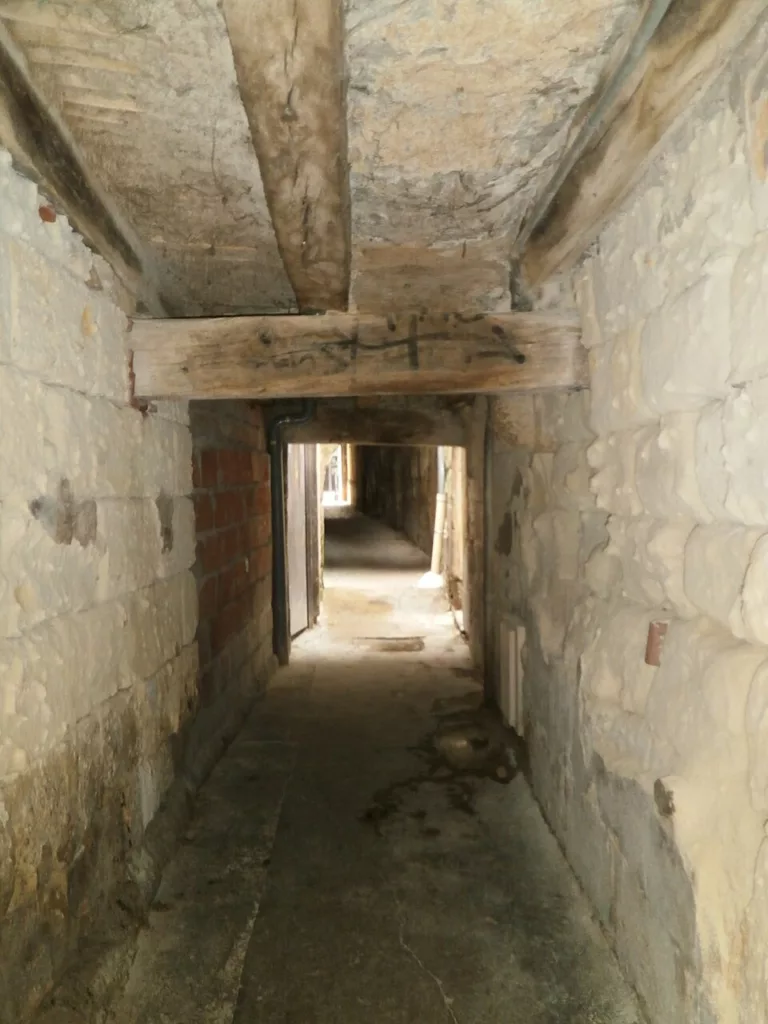
The Passage du Cœur Navré is a covered alleyway located in Old Tours, in the city of Tours, in the Indre-et-Loire department. It is a narrow, partially vaulted passage, less than fifty meters long, connecting Rue Colbert to Place Foire-le-Roi. The latter was an important center of the city’s commercial and social life from the Middle Ages onward.
The origin of the name “Cœur Navré” is said to come from an old sign depicting a heart pierced by an arrow, once hanging on one of the houses bordering the passage. A popular tradition, although not fully verified by historical sources, also claims that the name refers to the sadness of condemned prisoners passing through this alley before their execution on the nearby square.
This place was once part of the dependencies of Saint-Julien Abbey, showing its integration into the city’s medieval fabric. It still preserves its old timber frames and façades, which bear witness to the urban organization of Old Tours.
Discover the location of this hidden passage during our treasure hunt in Tours.
Tours Opera House
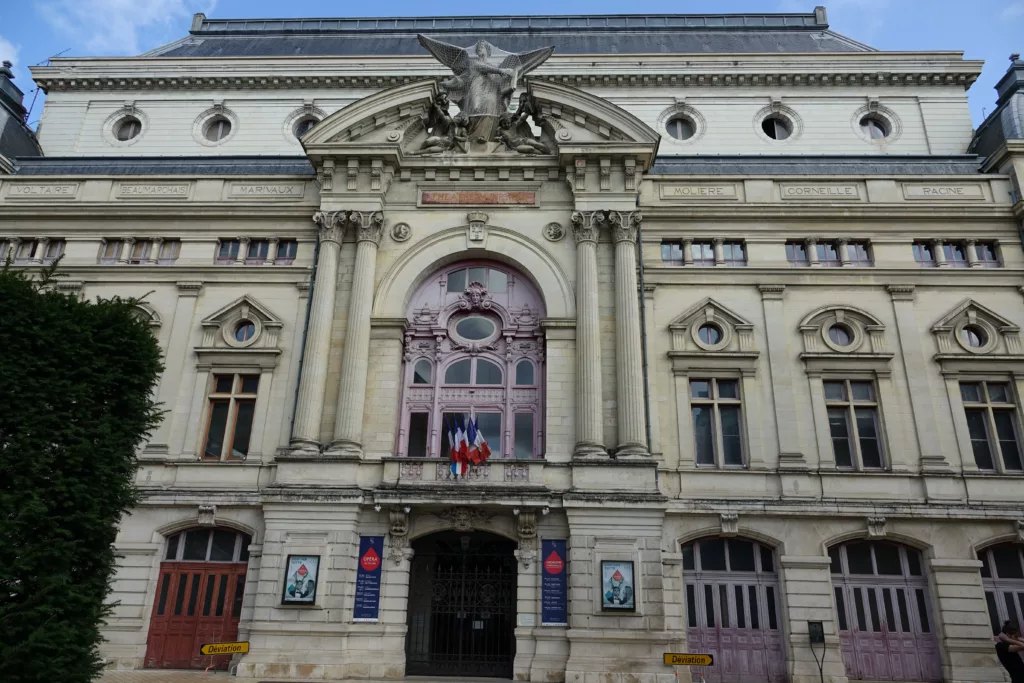
The Grand Théâtre de Tours was built in the late 19th century. The current theater was inaugurated in 1889 after the reconstruction of the building destroyed by fire in 1883. Its architecture was entrusted to Jean-Marie Hardion and Stanislas Loison, in a style inspired by grand Italian-style theaters. The richly decorated façade reflects the architectural taste of the period and was notably inspired by the Paris Opera.
Before its current form, the site had already housed a theater set up in a former church from the late 18th century, reflecting a long theatrical tradition at this location. After the fire, only the façade could be preserved, and the entire building was redesigned to create the present-day structure.
The Grand Théâtre has an auditorium with around 950 seats, arranged according to the classic Italian-style theater model. The interior is particularly rich, with a grand decorated staircase and an auditorium adorned with paintings and decorations created by renowned artists.
Today, the theater is home to the Tours Opera and also hosts the Centre-Val de Loire–Tours Regional Symphony Orchestra.
Discover the great figures featured on the building during our game in Tours.
Saint-Gatien Cathedral
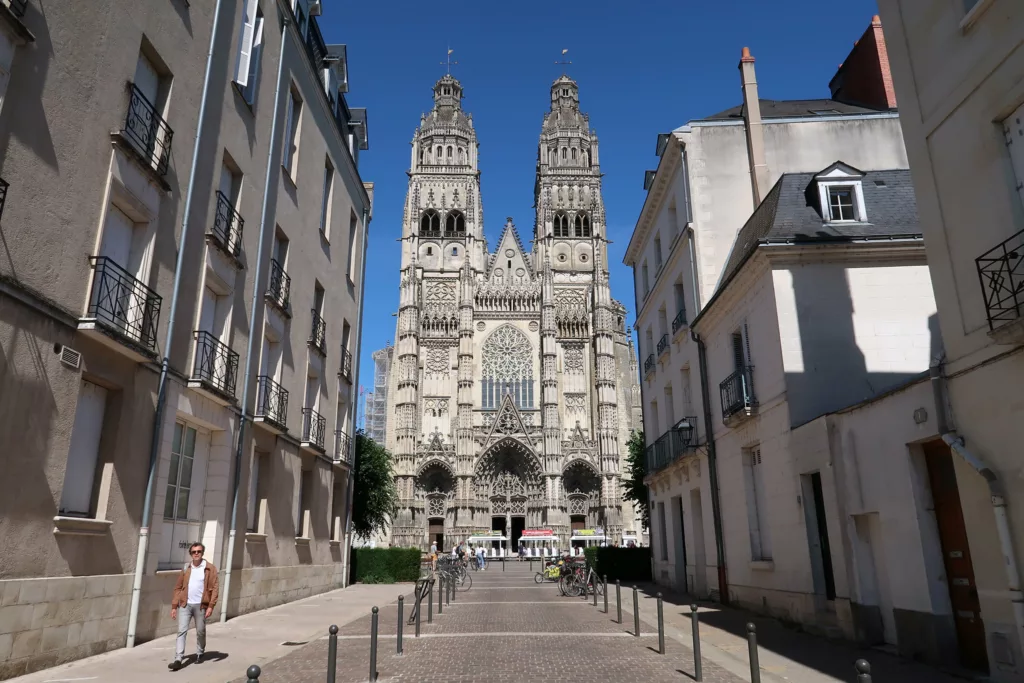
Saint-Gatien Cathedral in Tours is dedicated to Saint Gatien, considered the first bishop of Tours, and serves as the seat of the Archdiocese of Tours.
Its construction took place between 1170 and 1547, replacing an older Romanesque building. It features architecture combining several styles: a base and elements in the Romanesque style, much of the structure in classic and Flamboyant Gothic, as well as upper sections in the Renaissance style.
The cathedral has been listed as a historic monument since 1862. It measures around 100 meters in length and reaches a height of about 29 meters beneath the vaults. Its two towers, built in the 16th century, rise to nearly 68 and 69 meters.
The building is especially known for the richness of its stained-glass windows, particularly those from the 13th century in the choir and ambulatory, as well as for its highly ornate Flamboyant Gothic sculpted decoration.
Discover the story of Saint Gatien during our game in Tours.
Tours Castle
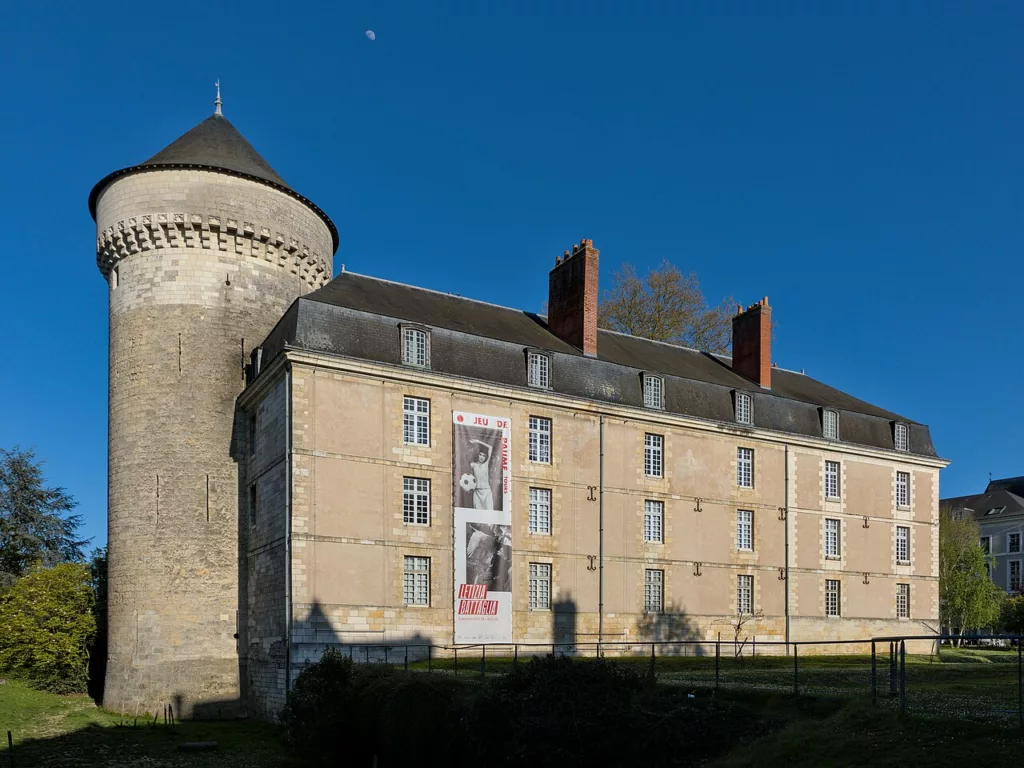
Tours Castle is a former medieval building located in Tours, on the banks of the Loire. It was built from the 11th century onward on ancient remains, at the initiative of the Counts of Anjou.
During the 13th and 15th centuries, it was transformed into a royal castle and became an important fortified residence, integrated into the city’s wider defensive system.
From the end of the Middle Ages onward, the castle gradually lost its residential role in favor of other royal residences in the Loire Valley. It was then reused for military purposes. In the 18th century, much of the building was destroyed and the site was redeveloped as a barracks. The military constructions then largely concealed the medieval remains.
In the 20th century, archaeological excavations made it possible to rediscover the castle’s foundations and better understand its historical evolution. Today, the site of Tours Castle is partially preserved and restored. It includes two medieval towers, an 18th-century pavilion, and the governors’ residence. It is dedicated to cultural and heritage activities.
Tours City Hall
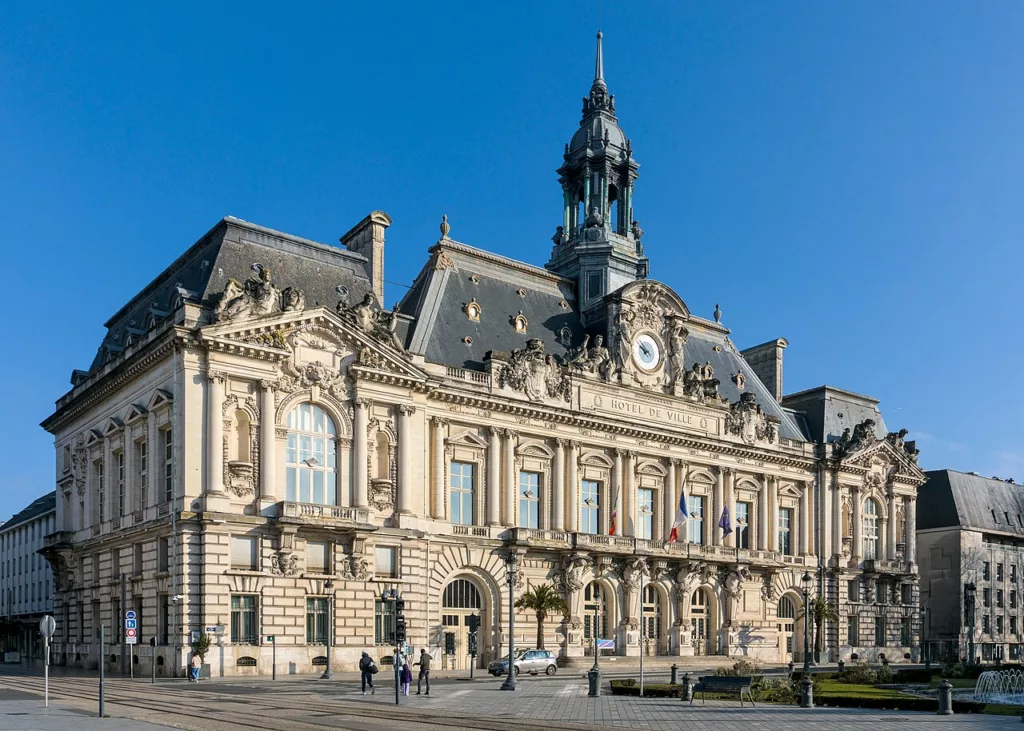
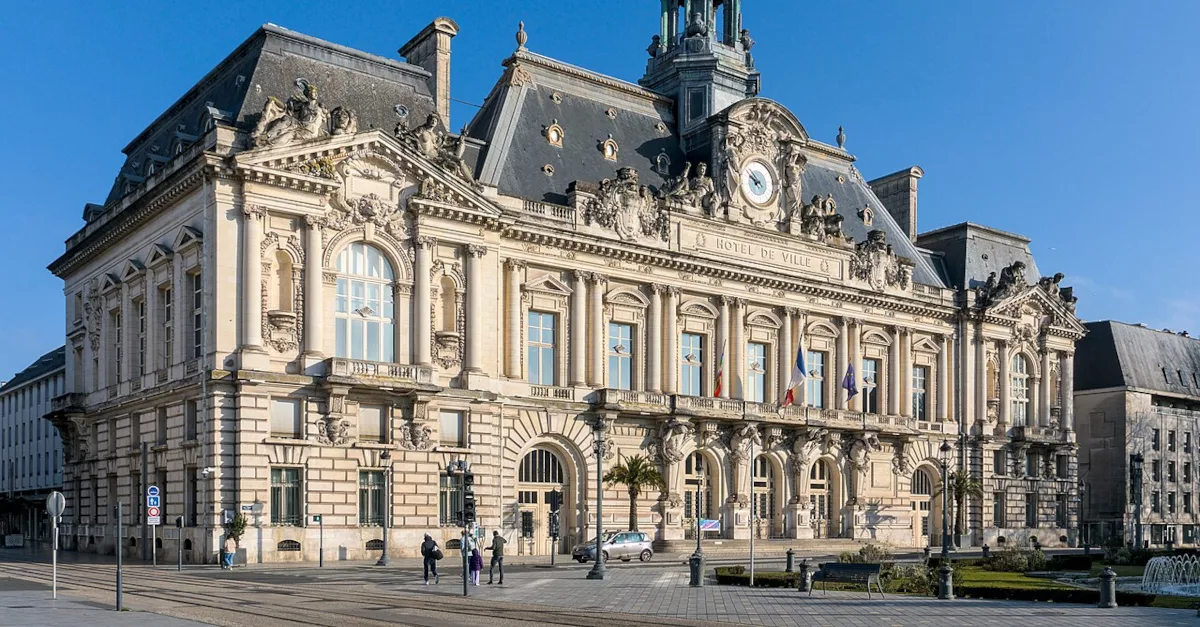
Tours City Hall is a building constructed between 1896 and 1904 by the Tours-born architect Victor Laloux. The building was designed to symbolize republican values and municipal authority. Its monumental architecture, inspired by the eclectic style, strongly marks the urban landscape of Tours and recalls certain Parisian-style developments around Place Jean-Jaurès.
The façade is richly decorated with numerous sculptures created by various artists, notably representing allegorical figures such as Courage, Strength, Education, and Vigilance. The whole ensemble emphasizes the desire to express the power and prestige of the city.
Inside, the city hall includes a monumental staircase, a reception hall, a wedding hall, and a municipal council chamber decorated with a triptych depicting the life of Joan of Arc, created by Jean-Paul Laurens between 1901 and 1903.
Today, Tours City Hall remains the seat of the municipal administration.
Tours Railway Station
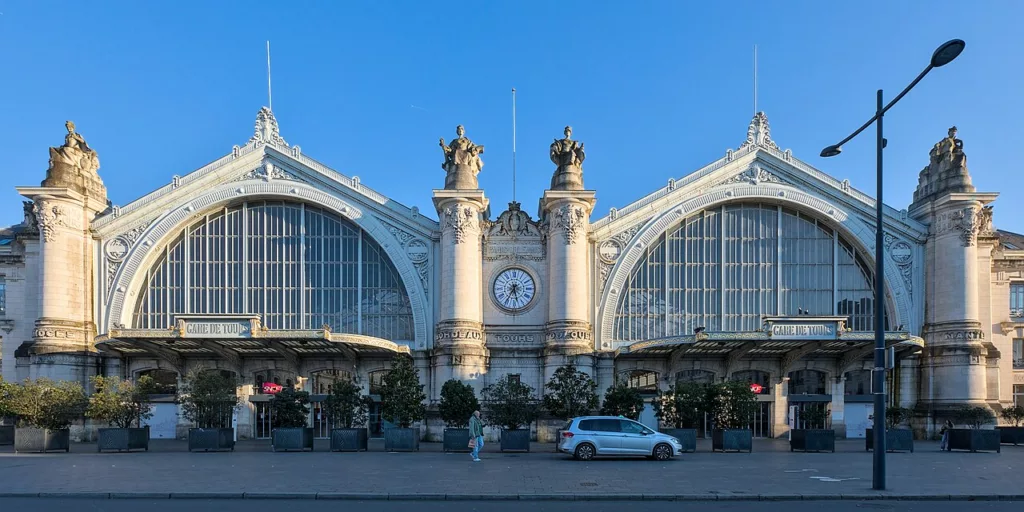
Tours railway station is a train station located in the city of Tours. It opened in 1846 and gradually became an important regional and national transport hub.
The current passenger building was constructed between 1896 and 1898 by the Tours-born architect Victor Laloux. It replaced older facilities and was designed to bring together several railway networks.
Tours railway station is a terminus station, meaning that trains must reverse direction there. It is served by TGV, TER, and Interloire trains, connecting Tours in particular with Paris, Nantes, Orléans, Le Mans, and other cities in the region.
Pont Wilson
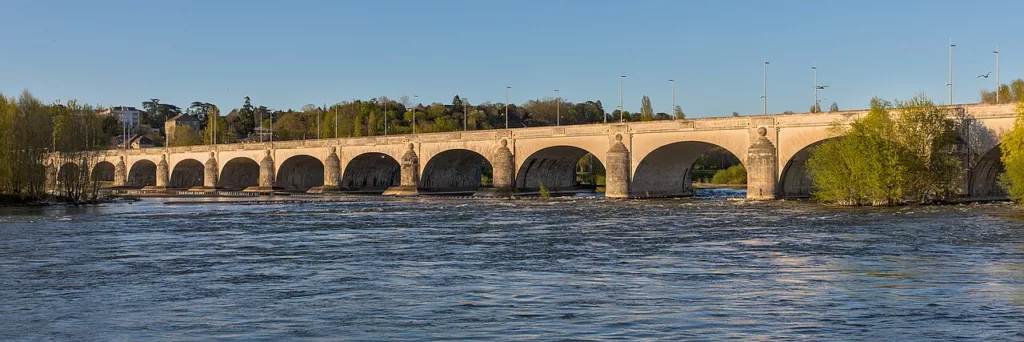
Pont Wilson is a stone bridge in Tours that crosses the Loire River. Built between 1765 and 1778, it replaced an old medieval bridge that had fallen into disrepair and was part of a major 18th-century urban development project. Around 434 meters long and composed of 15 arches, it was originally called the Royal Bridge before being renamed in 1918 in honor of American President Woodrow Wilson.
Throughout its history, the bridge has experienced several major events, including partial destruction during both World Wars. In 1978, a major collapse of several arches occurred due to structural problems and erosion, leading to reconstruction work that was completed in 1982. Today, Pont Wilson is a major route for soft mobility, reserved for pedestrians, cyclists, and the tramway, and it is a popular walking spot offering views over the Loire and the historic center of Tours.
Gallo-Roman Wall of Tours
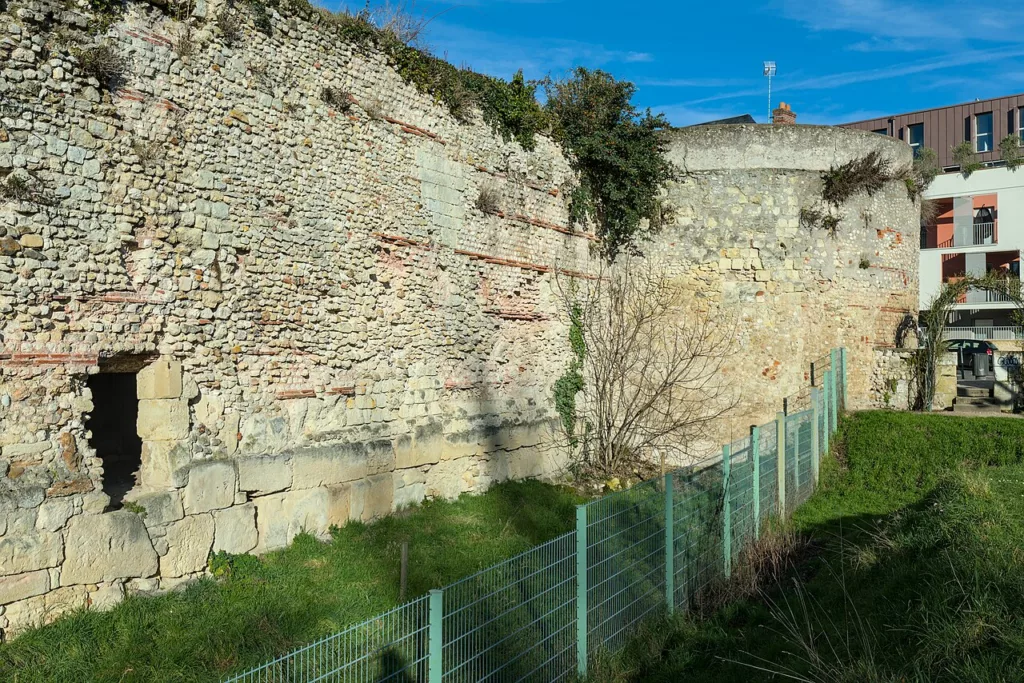
The Gallo-Roman wall of Tours, also known as the “castrum,” is a defensive wall built during the 4th century to protect the ancient city of Civitas Turonorum, corresponding to the area around today’s Tours Cathedral. Today, it is the main visible remnant of the Gallo-Roman city.
Built in the first half of the 4th century, in a context of insecurity linked to the crises of the Roman Empire, it gradually replaced the open urban organization of the High Empire with a smaller fortified area. The wall’s perimeter reached around 1,245 meters and enclosed an area of approximately 9 hectares. Its construction relied heavily on the reuse of materials from dismantled ancient buildings, including columns, sculpted blocks, and large dressed stones — a common practice at the time.
The wall was reinforced by around a dozen towers and pierced by several entrances, including two preserved postern gates. The Loire River bordered its northern side directly, strengthening its strategic position.
Over the course of the Middle Ages, the wall was reused and incorporated into the city’s successive fortifications, notably the medieval walls of the 12th and 14th centuries, which explains its partial preservation to this day.
Roman Amphitheater of Tours
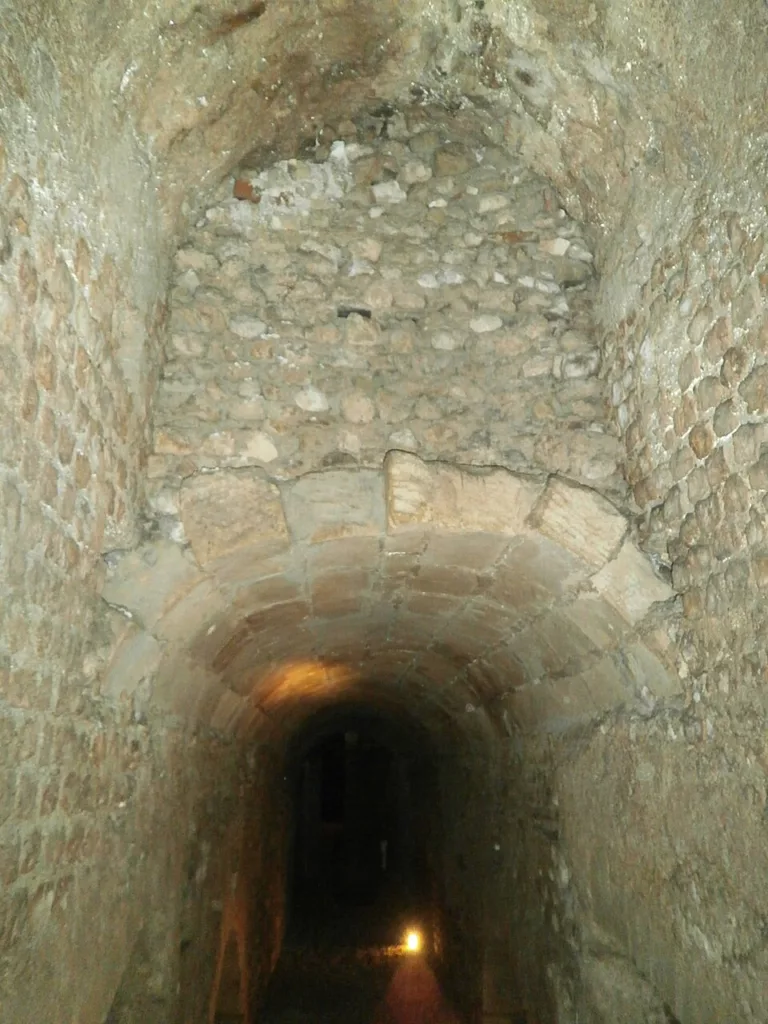
The amphitheater of Tours is an ancient entertainment monument dating from the Roman period. Built at the end of the 1st century AD, it was one of the largest known amphitheaters in the Roman Empire. Its original dimensions were approximately 112 × 94 meters, with an arena measuring 68 × 50 meters, and an estimated capacity of around 14,000 spectators. Built on a natural mound, it was partly integrated into the terrain to facilitate construction and protect it from flooding.
In the 2nd century, the building was greatly enlarged, reaching approximately 156 × 134 meters, increasing its capacity to nearly 34,000 spectators. This expansion made it one of the largest amphitheaters in the Roman Empire, raising questions among archaeologists about the reasons for such a monumental structure in a modest-sized city.
From the 3rd century onward, in a context of insecurity, the amphitheater was transformed into a fortress: its entrances were partially blocked, some structures were reinforced, and it was integrated into the city’s defensive system. In the 4th century, it became a structuring element of the castrum, the fortified enclosure of Tours.
During the Middle Ages, the monument gradually disappeared beneath the buildings of the cathedral quarter, its structures being reused as foundations and cellars for homes. It was completely forgotten until its rediscovery in the 19th century thanks to the work of the Archaeological Society of Touraine. Today, its remains are not visible above ground but still survive beneath the buildings of the historic center, and its outline can still be perceived in the plot layout and certain streets of the city.
Must-See Museums in Tours
Musée du Compagnonnage
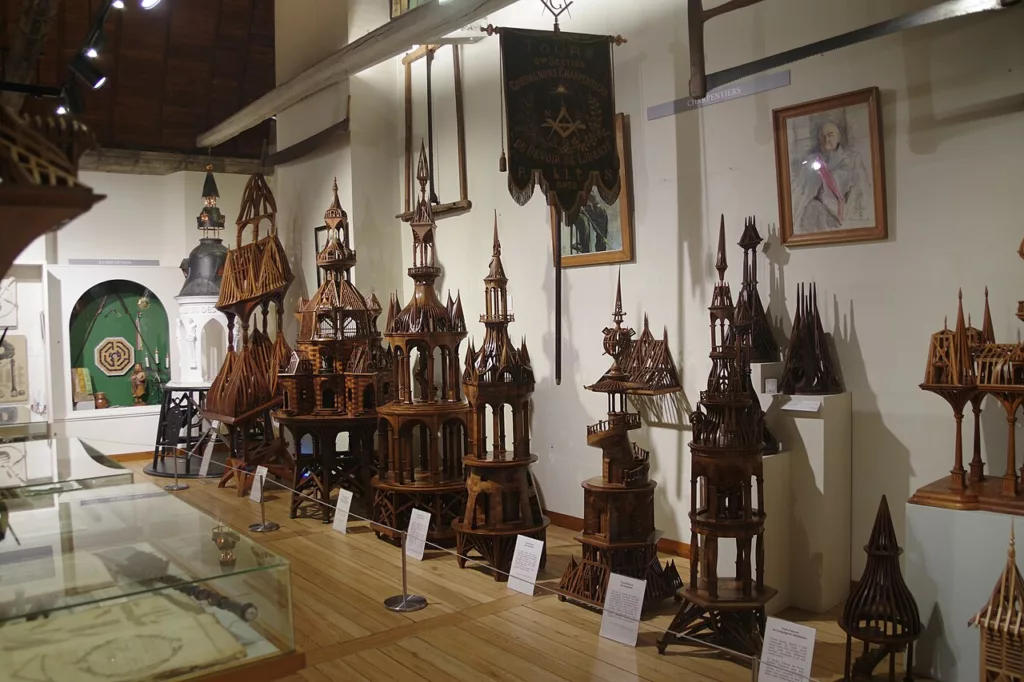
The Musée du Compagnonnage in Tours is a municipal museum dedicated to the history, traditions, and know-how of the compagnons du Tour de France. It presents one of the most important collections in France on this theme, with several thousand objects, tools, and masterpieces from various craft trades.
The museum’s origins date back to a first “compagnonnage museum” created in 1911 by the compagnons of Tours in order to exhibit their works and promote their traditions. After several relocations and developments throughout the 20th century, the current museum was inaugurated in 1968 in the former monks’ dormitory of Saint-Julien Abbey, with the support of the City of Tours and the main compagnonnage organizations. It was later enriched and redesigned in the 1970s.
The museum was created thanks to the initiative of Roger Lecotté, a specialist in compagnonnage, who played a major role in preserving and promoting this heritage. Today, it houses a unique collection including masterpieces created for the reception of compagnons, traditional tools, models, and ritual objects, illustrating the diversity of the trades represented.
Museum of Fine Arts
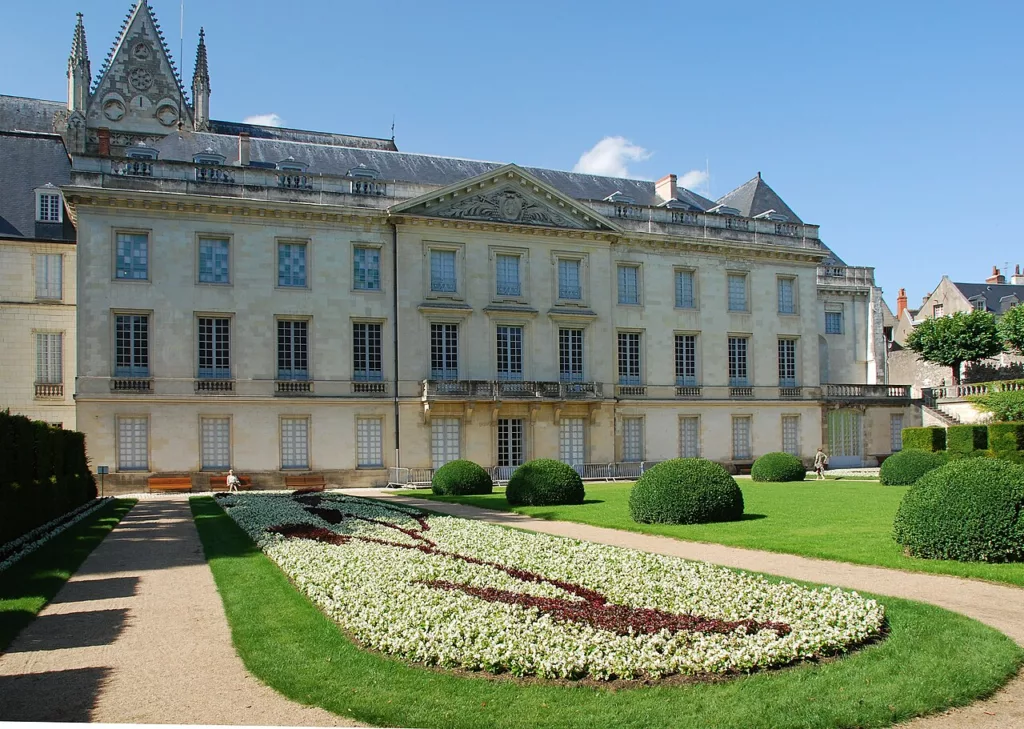
The Museum of Fine Arts of Tours is housed in the city’s former archbishops’ palace, a remarkable architectural complex located right next to Saint-Gatien Cathedral. The site, listed as a historic monument, has a complex history in which remains from Antiquity to the 18th century overlap, including sections of the Gallo-Roman rampart as well as medieval and modern constructions.
The museum preserves one of the most important collections in the Centre-Val de Loire region. Its holdings originally consisted of works seized during the French Revolution from churches, convents, and abbeys in the region, later supplemented by state deposits and numerous donations. The collections include Italian Renaissance paintings, major works of 17th- and 18th-century French painting, as well as works from the 19th and 20th centuries, with artists such as Rubens, Rembrandt, Delacroix, and Monet.
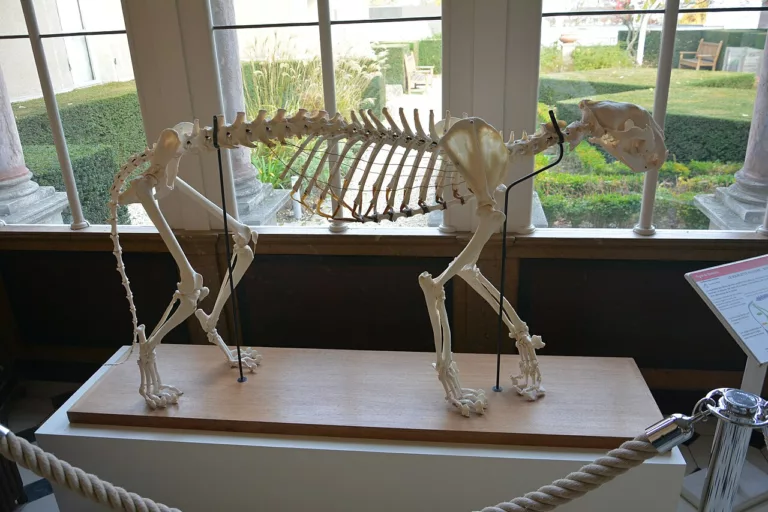
Tours Natural History Museum
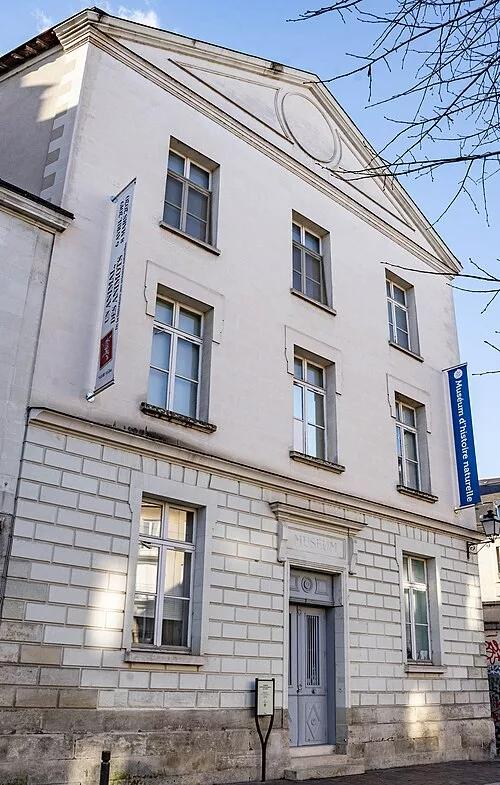
The Tours Natural History Museum is a scientific and museum institution located in downtown Tours. It is part of the city’s municipal museums and occupies a former 18th-century mansion, whose architecture contributes to the heritage character of the site.
The museum preserves and presents rich and diverse collections covering several natural science disciplines, including zoology, botany, mineralogy, and paleontology. A significant part of the collections comes from early acquisitions, donations, and scientific collections made during the 19th and 20th centuries. The permanent exhibitions explore biodiversity, the evolution of species, and major contemporary environmental issues.
Parks and Green Spaces in Tours
Tours Botanical Garden
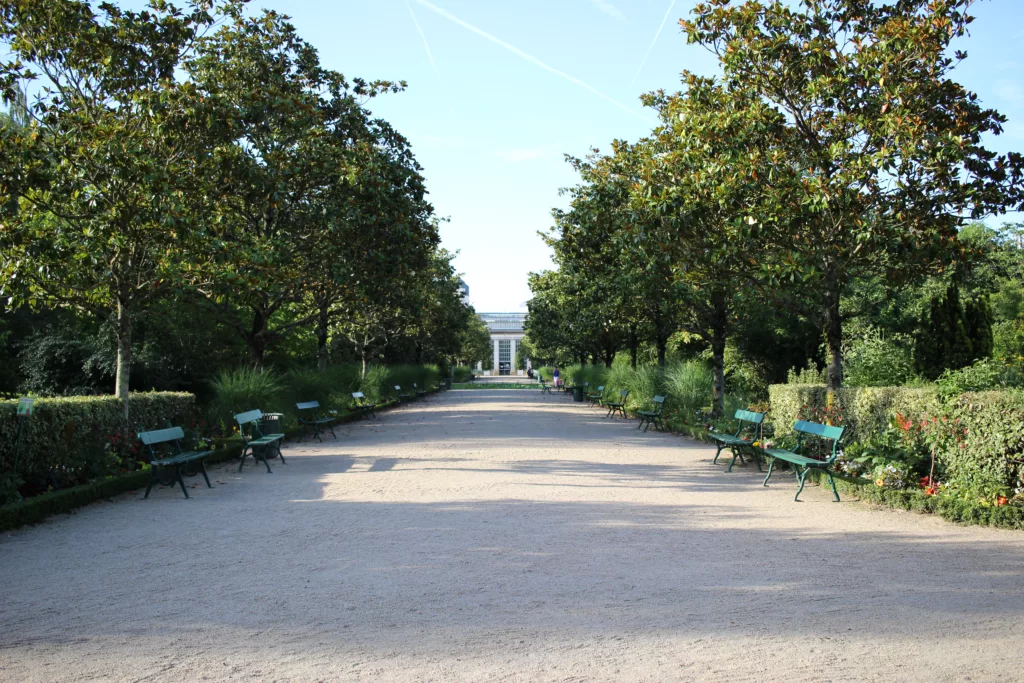
The Tours Botanical Garden is a public and scientific garden located west of Tours city center. Created in 1843, it serves as a place for walking, conservation, and the study of plants. Today, it is managed by the City of Tours and covers several hectares.
The garden features a wide variety of botanical collections spread across different themed areas, including tropical greenhouses, an arboretum, medicinal gardens, and plots dedicated to ornamental and horticultural plants. It also houses animal species, notably in a small integrated zoological area, making it a hybrid site between a botanical garden and a zoological park.
Lac des Bretonnières
Lac des Bretonnières is an artificial lake located in Joué-lès-Tours, southwest of Tours, in the Indre-et-Loire department. Set within a landscaped area, it is part of a leisure zone integrated into a public park.
The site is surrounded by green spaces and pedestrian paths, making it a popular place for walking and relaxation. It also hosts sports and leisure activities such as running, cycling, and fishing, depending on the authorized areas. The landscaped natural setting supports local biodiversity, particularly certain species of birds and small mammals.
Jardins des Prébendes d’Oé
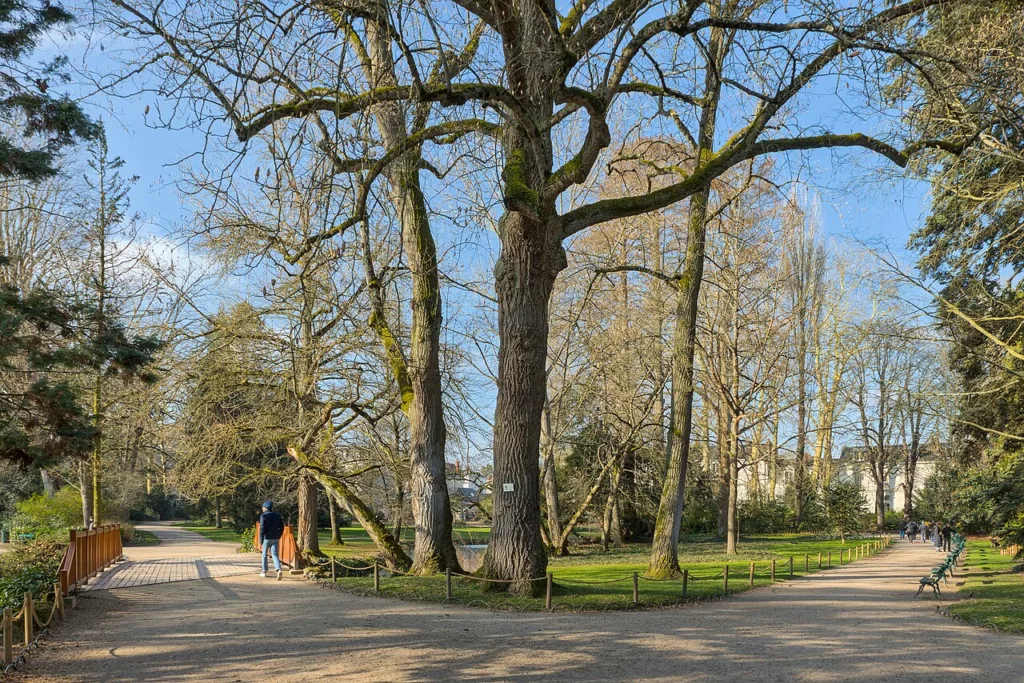
The Jardins des Prébendes d’Oé are a public garden located in the city center of Tours, in the Indre-et-Loire department. Created in the 19th century, this English-style landscaped park is one of the city’s main historic green spaces.
Laid out from 1872 by the Bühler brothers, famous French landscape designers, the gardens are characterized by a free and harmonious composition combining lawns, remarkable trees, flowerbeds, and water features. The site is also known for its decorative elements, including statues, an artificial grotto, and a bandstand.
Lac de la Bergeonnerie
Lac de la Bergeonnerie is a lake located in Parc de la Bergeonnerie, in Tours, in the Indre-et-Loire department. Set within an urban green space, it is a place for walking and relaxation integrated into the city’s landscape.
The site is surrounded by pedestrian paths, grassy areas, and wooded spaces that encourage local leisure activities such as walking, jogging, and outdoor relaxation. The lake also contributes to local biodiversity, particularly for certain species of water birds and urban wildlife.
Parc de la Gloriette
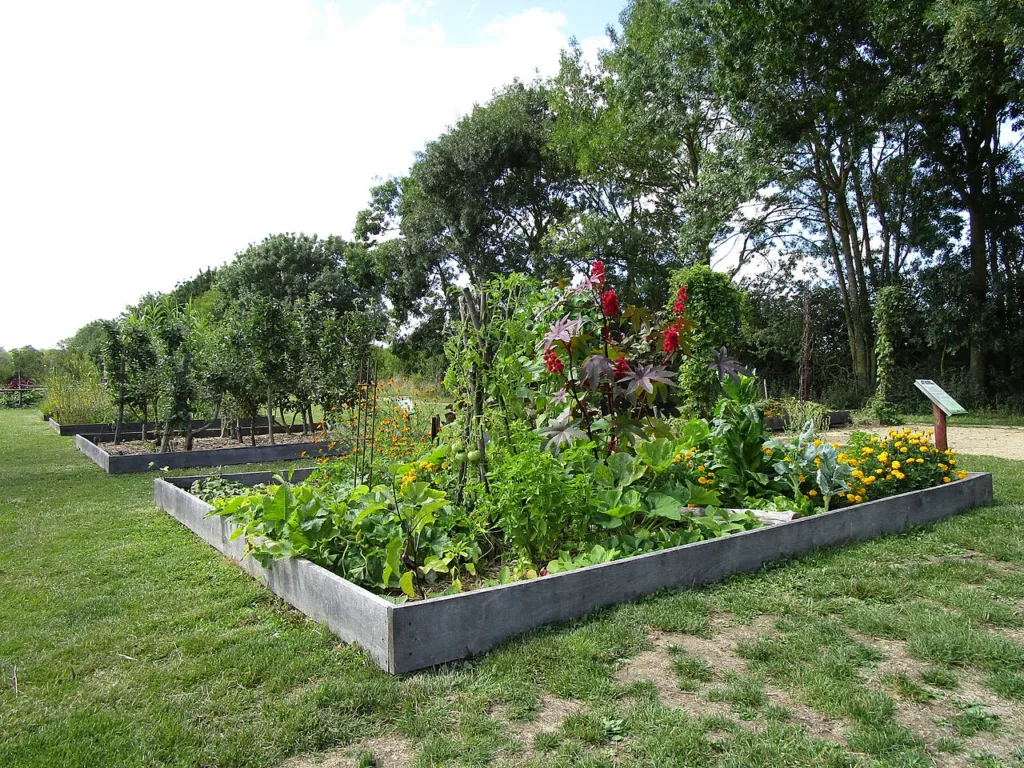
Parc de la Gloriette is laid out along the banks of the Cher River. It extends over several dozen hectares and is one of the main green spaces in the Tours metropolitan area.
The park combines leisure areas, themed gardens, and preserved natural spaces. It notably includes educational vegetable gardens, meadows, wooded areas, and spaces dedicated to urban agriculture and environmental experimentation.
Gastronomy & Specialties of Touraine
Fouace and Touraine Fouée
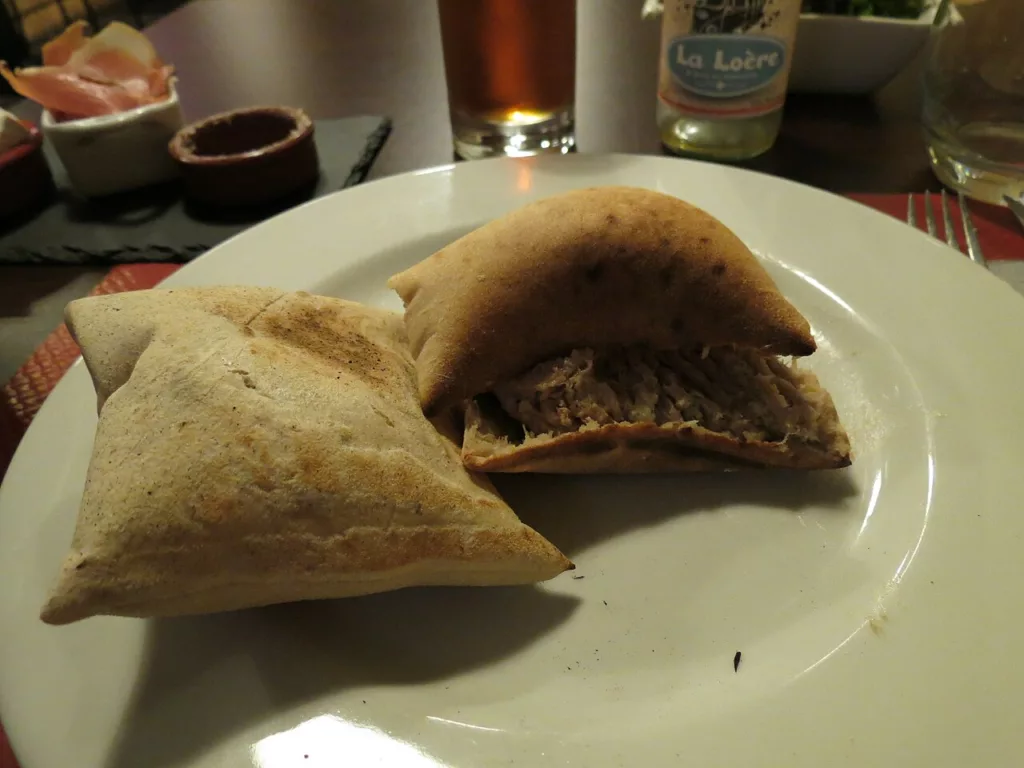
Fouace is a brioche or slightly sweet bread, often flavored, whose recipe varies depending on the region. Historically, it was prepared for religious festivals or special occasions. In Touraine, it can resemble a rustic pastry, sometimes enriched with butter and eggs, and eaten plain or accompanied by local products.
Touraine fouée, also called “fouée,” is a small ball of bread dough baked in a very hot oven, traditionally a wood-fired oven. It puffs up during baking and is then opened and filled with savory or sweet ingredients such as rillettes, goat cheese, butter, mushrooms, or honey.
Tours-Style Melting Rillettes
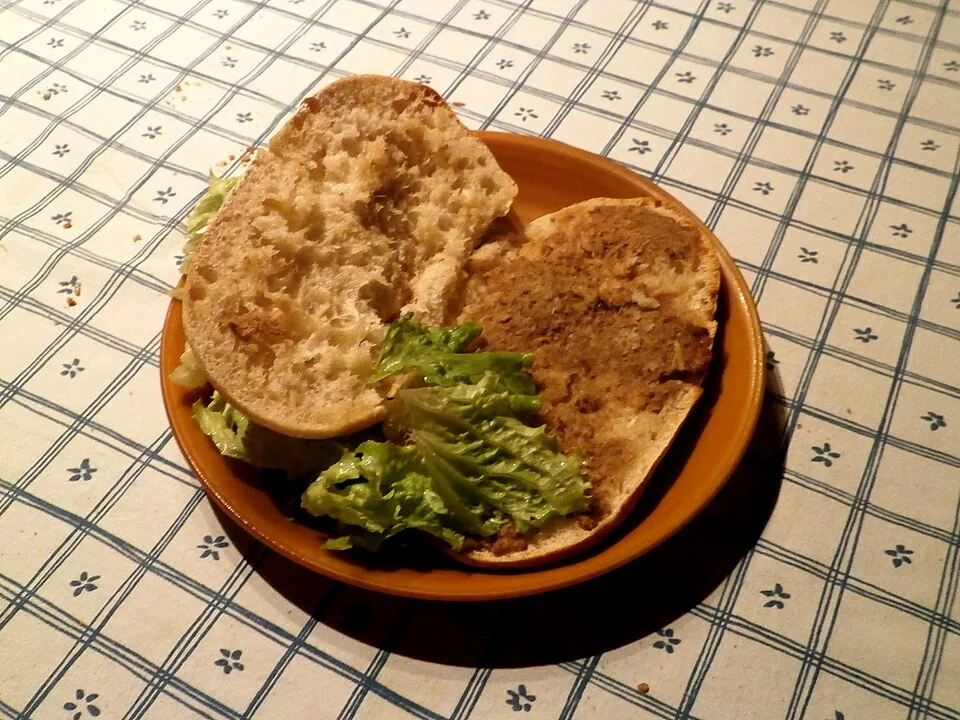
Tours rillettes are made from pork slowly cooked in its own fat until it reaches a shredded, confit-like texture, then seasoned and potted for maturation.
The particularity of Touraine rillettes lies in their finer, more shredded texture compared with other regional varieties. They are traditionally prepared with carefully selected cuts of pork, slowly cooked for several hours, giving them a melt-in-the-mouth character and a rich flavor. Served cold, they are usually enjoyed on country bread or toast.
Andouillette with Vouvray
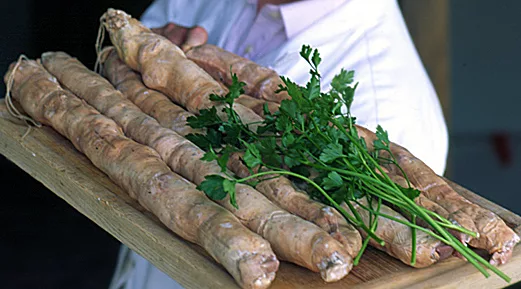
Andouillette with Vouvray is a culinary specialty from the Tours region, combining traditional charcuterie with an emblematic local white wine, Vouvray.
Andouillette is a type of charcuterie made from veal or pork intestines, seasoned and then stuffed into a casing before cooking. In its “with Vouvray” version, it is usually prepared or served with a sauce made from Vouvray white wine, produced from the Chenin Blanc grape variety, which brings fruity and slightly tangy notes. The wine is often reduced with shallots and sometimes enriched with cream to create a smooth sauce.
Excursions from Tours
The Loire Castles
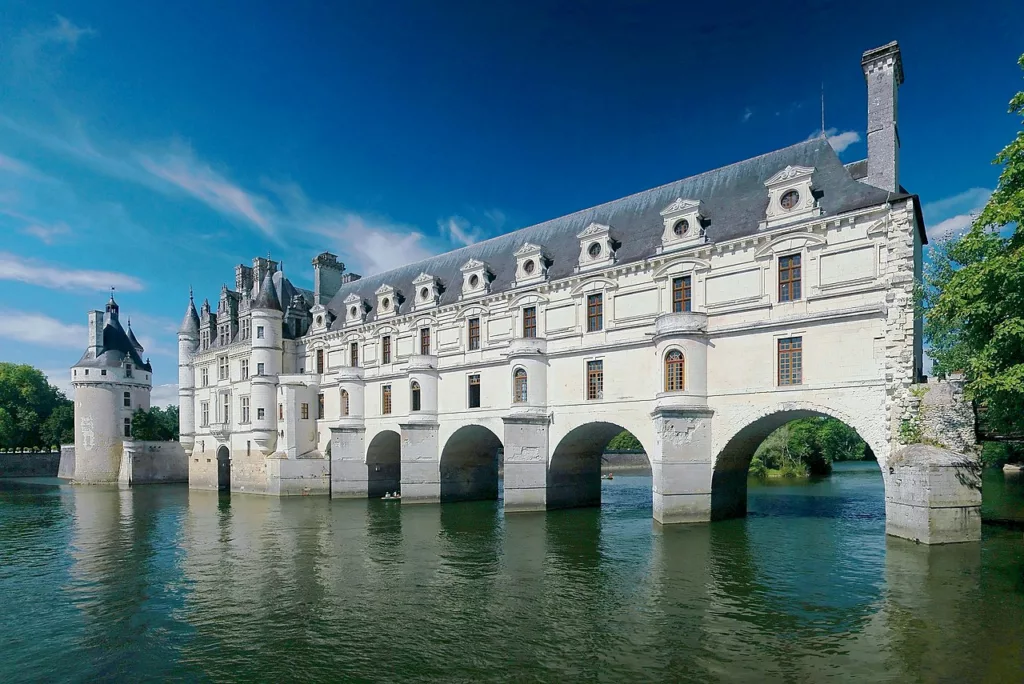
The “Loire castles” refer to a vast group of castles, manor houses, and fortresses located in the Loire Valley and along its tributaries. They were mainly built between the Middle Ages and the Renaissance, when the French royal court settled in the region.
These castles served several purposes: royal or noble residences, military strongholds, and prestigious estates linked to the French Renaissance. Among the best known are Amboise, Chambord, Chenonceau, Blois, Azay-le-Rideau, Chinon, and Villandry.
Counting the main castles open to the public, around 40 to 50 major castles are generally included in tourist itineraries. If manor houses, fortresses, and private estates across the Loire Valley are included, the number exceeds several hundred castles, often estimated between 300 and 500 depending on the classification.
Amboise
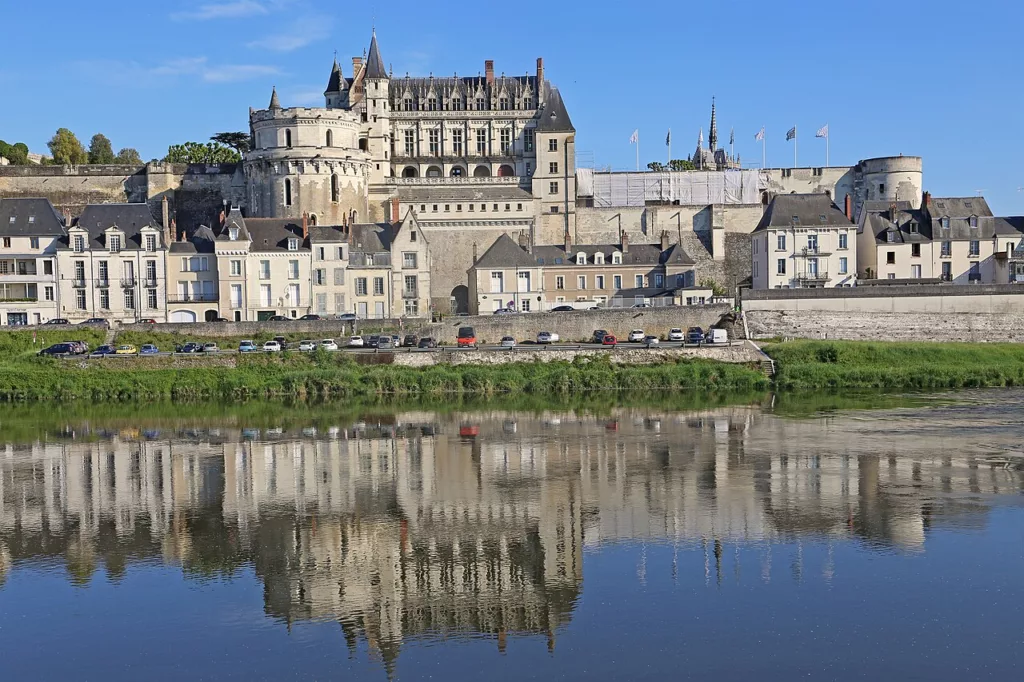
Amboise is a town located on the banks of the Loire River, about thirty kilometers east of Tours.
The town is best known for its Royal Château of Amboise, a former residence of the kings of France during the Renaissance. Overlooking the Loire from a rocky promontory, it hosted several monarchs and notably houses the Saint-Hubert Chapel, where Leonardo da Vinci is buried. Very close by is the Clos Lucé, Leonardo da Vinci’s final residence, now converted into a museum dedicated to his life and inventions.
Amboise also preserves a remarkable historic center, with old alleyways, half-timbered houses, and a strong heritage identity linked to the French Renaissance.
Loches
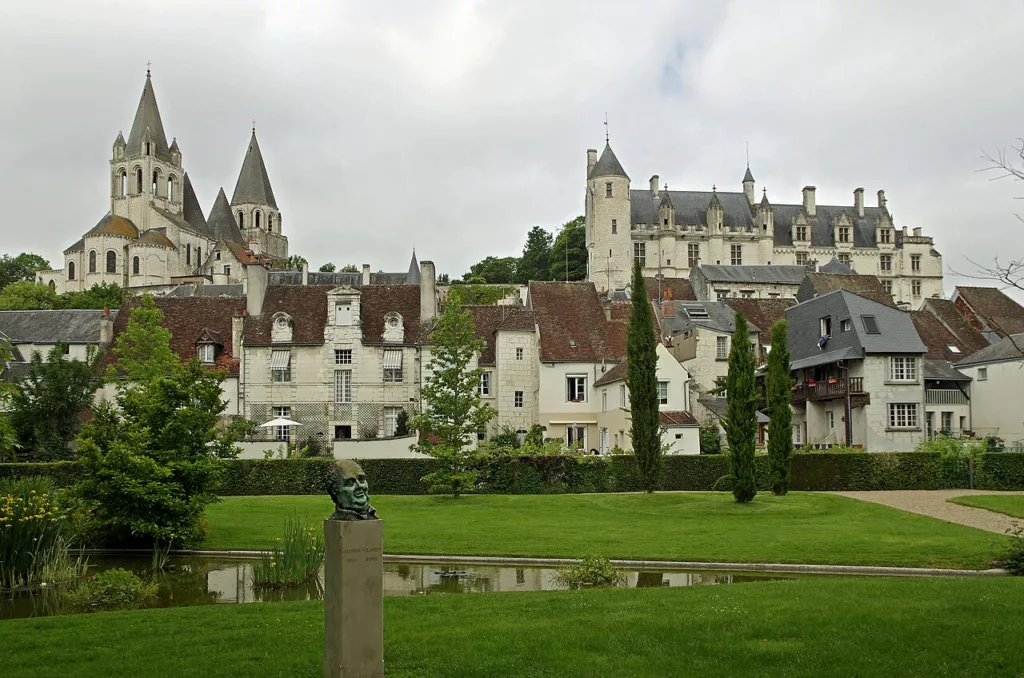
Loches is a town located about 40 kilometers from Tours. It sits on a promontory overlooking the Indre River and has a particularly rich historical heritage linked to its former role as a medieval stronghold.
The town is dominated by the Royal City of Loches, a monumental complex comprising one of the most imposing Romanesque keeps in Europe and a royal residence from the late Middle Ages. This site reflects the strategic importance of Loches, which was long a residence of the kings of France and a major administrative center under the Valois dynasty.
The historic center also preserves many old houses, ramparts, and remarkable religious buildings, including the Collegiate Church of Saint-Ours with its distinctive two domes.
Blois
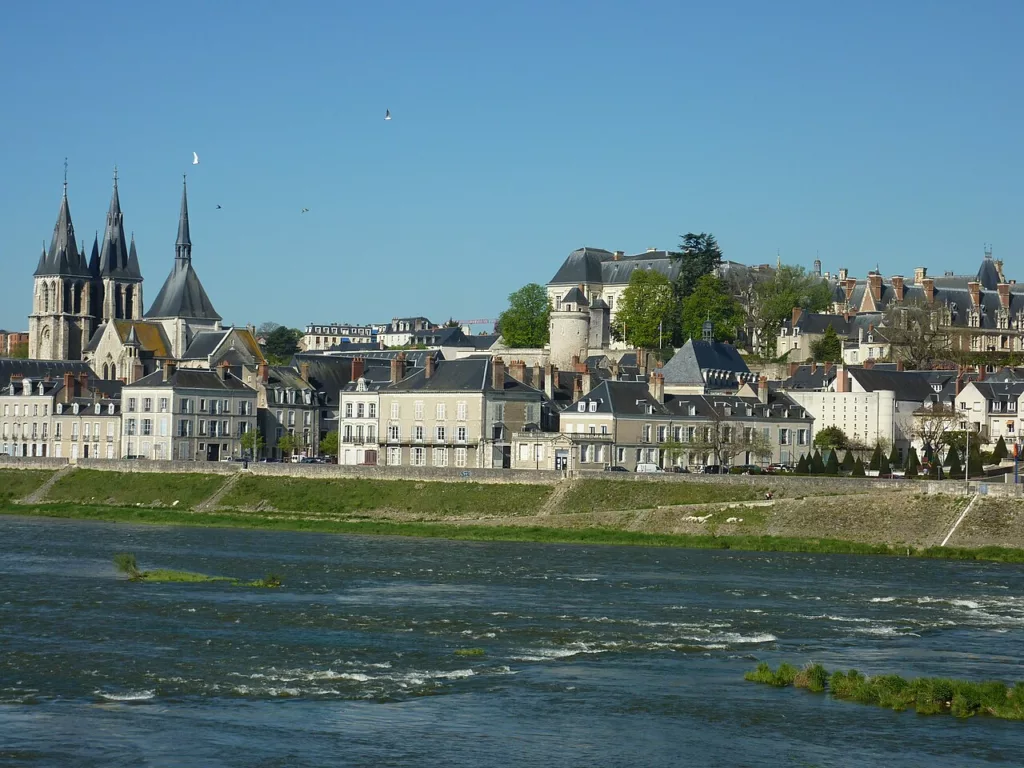
Blois is a city located about 60 kilometers east of Tours.
The city is best known for the Royal Château of Blois, which overlooks the old town. This monument illustrates several architectural styles, from Gothic to Classical, due to the many transformations it underwent between the Middle Ages and the Renaissance. It was notably a royal residence under several French sovereigns, making it a major site in the country’s political history.
The historic center of Blois also preserves a remarkable urban heritage, with old alleyways, half-timbered houses, and urban stairways typical of the city’s sloping topography.
Chinon
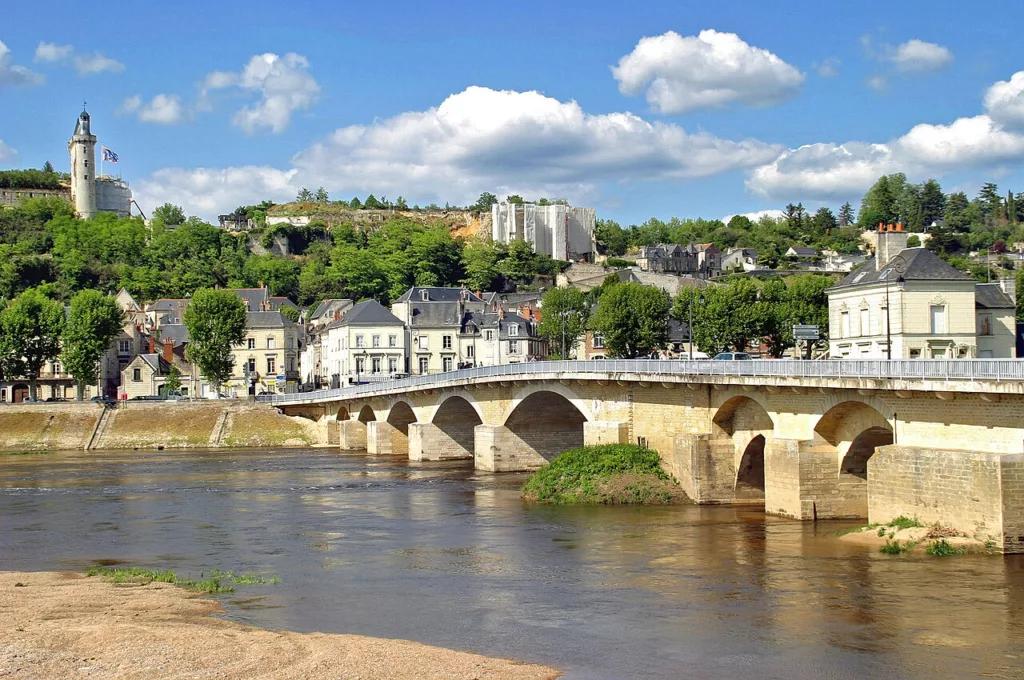
Chinon is a town located about 50 kilometers southwest of Tours. The town is dominated by the Royal Fortress of Chinon, a vast medieval complex set on a rocky spur. This castle played a major role in the history of France, particularly during the Hundred Years’ War, as it was there that Joan of Arc met the Dauphin Charles, the future Charles VII. The site consists of several successive fortified sections, reflecting the evolution of medieval military architecture.
Chinon is also known for its vineyard, which produces the Chinon protected designation of origin wine, mainly from Cabernet Franc. Chinon wines are known for their diversity of styles, ranging from fruity reds to more structured wines suitable for aging.
Conclusion
Visiting Tours means discovering a city at the heart of the Loire Valley, at once historic, cultural, and gourmet. Former capital of the Kingdom of France during the Renaissance, it now offers a lively city center marked by exceptional architectural heritage: Saint-Gatien Cathedral, Old Tours, historic mansions, and Gallo-Roman remains.
But Tours is not limited to its history. It is also an ideal base for exploring the Loire castles such as Amboise, Chenonceau, or Blois, which are easily accessible on day trips. Between museums, gardens, the banks of the Loire, and lively districts, the city offers a perfect balance between culture, nature, and the French art of living.
Finally, its iconic gastronomy — rillettes, rillons, fouées, and Vouvray-based specialties — completes an authentic experience of the Touraine terroir.
Discover Tours in a different way with our Tour in Tours.