Visit Saint-Malo: 30 Must-See Things to Do and See
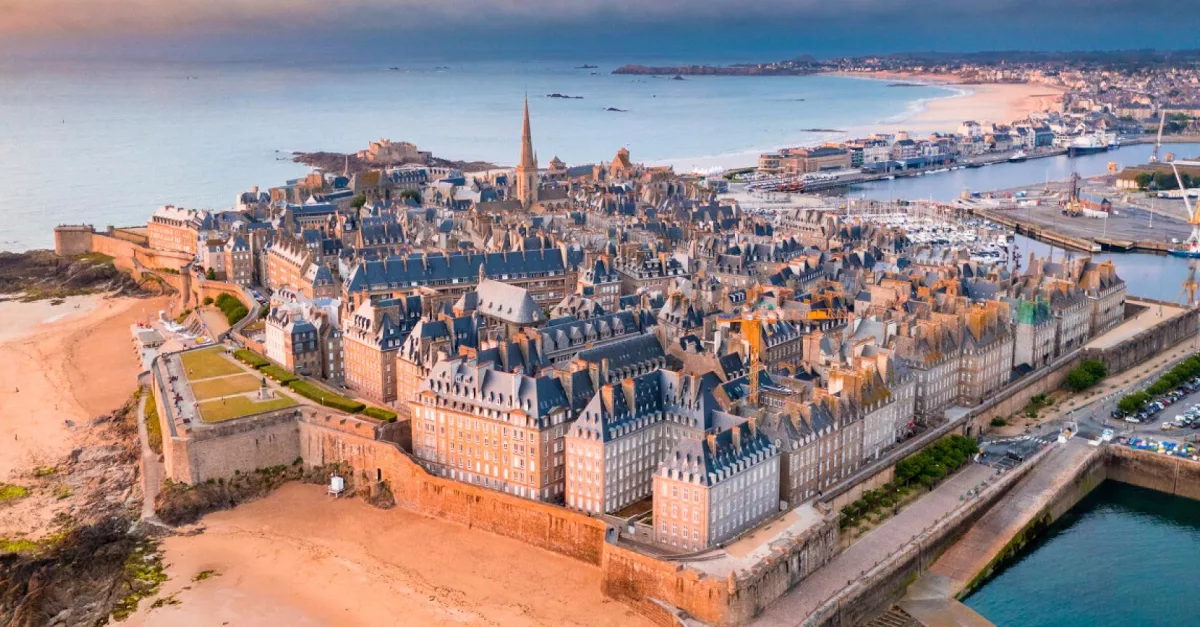
Located in Brittany, Saint-Malo is a must-visit destination for anyone passionate about history, heritage, and coastal landscapes. This iconic corsair city captivates visitors with its impressive ramparts, sandy beaches, tidal islands accessible at low tide, and rich maritime heritage.
Between walks along the GR34 coastal trail, visits to historical landmarks such as Saint-Vincent Cathedral and the Château de Saint-Malo, and gourmet discoveries centered around Breton specialties, the city offers a complete and authentic experience. From Saint-Malo, many excursions also allow visitors to explore Dinard, Dinan, Rennes, and even Mont-Saint-Michel, making the stay even more rewarding.
Discover Saint-Malo in a different way with our treasure hunt game “The Highlights of Saint-Malo”, a mix between an escape game and a cultural tour.
Historical Monuments & Heritage of Saint-Malo
Saint-Vincent Cathedral of Saint-Malo
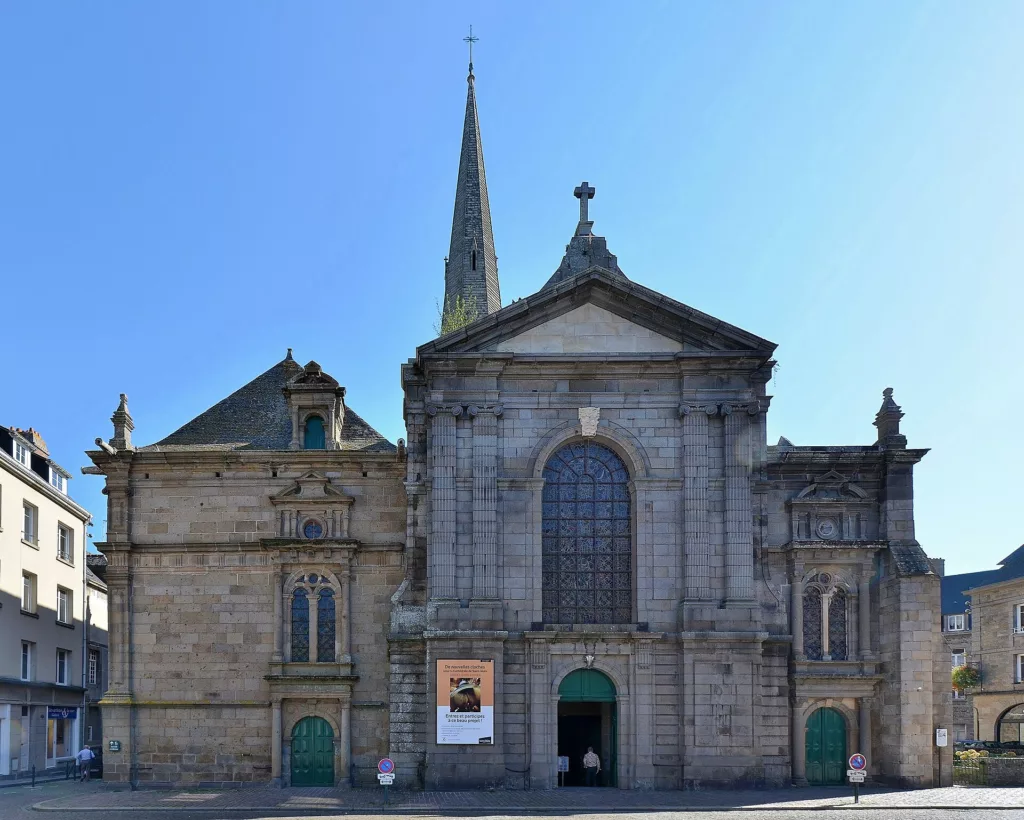
Saint-Vincent Cathedral of Saint-Malo
The Saint-Vincent Cathedral of Saint-Malo, built from the 12th century onward, harmoniously blends Romanesque and Gothic styles. Upon entering, visitors are immediately struck by the majesty of its nave and the richness of its architectural details.
The cathedral was heavily damaged during World War II before being carefully restored. The Gothic choir notably houses the tomb of the famous explorer Jacques Cartier. The modern stained-glass windows, rebuilt after 1944, create a fascinating play of light throughout the day.
The great rose window illuminates the interior with a true “wall of light” featuring ever-changing colors. Visitors can also admire the impressive organ, reconstructed after the war.
Discover the mysterious medieval remains nearby with our Saint-Malo tour.
Château de Saint-Malo
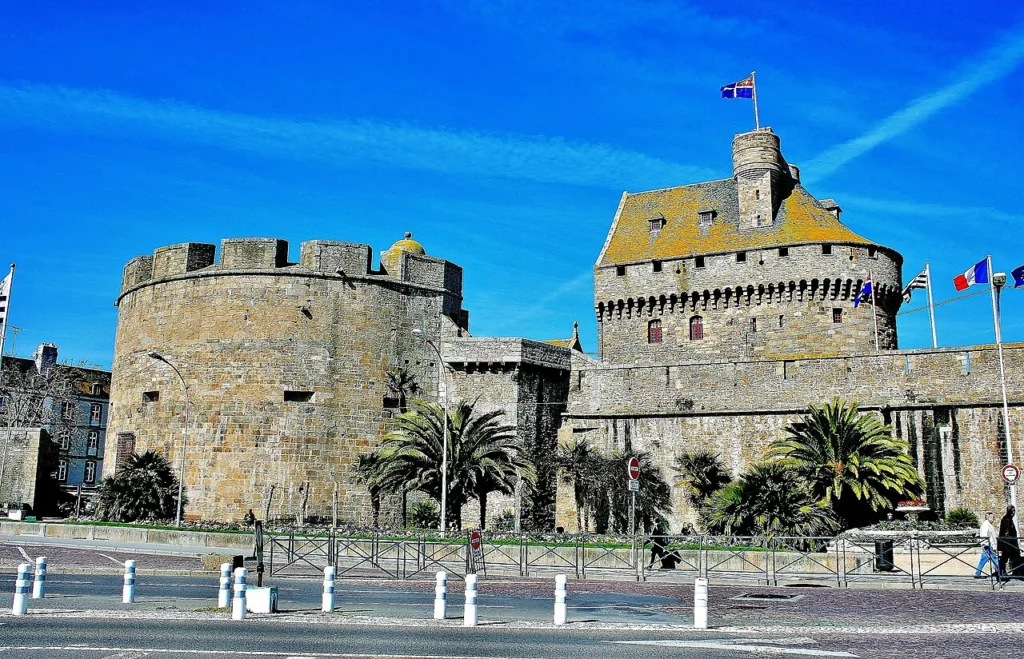
Château de Saint-Malo
The Château de Saint-Malo was first built in 1424 by the Dukes of Brittany and symbolizes their authority over the corsair city. Its famous Grand Donjon dominates the entrance to the city and gives it a unique silhouette.
The castle was designed as a defensive fortress, facing both the sea and the city. Among its emblematic towers, the Quic-en-Groigne Tower intrigues visitors with both its name and its history.
The Quic-en-Groigne Tower was built between 1498 and 1501 at the initiative of Anne of Brittany. Its name comes from a Breton expression roughly meaning “let them grumble” or “regardless of complaints.” According to tradition, it was built despite opposition from the inhabitants of Saint-Malo, which explains its strong-willed name.
An inscription now lost perfectly summarized this spirit:
“Quic-en-Groigne, thus it shall be, for it pleases me,”
illustrating the duchess’s determination to impose her authority. The tower was part of the defensive system intended to control the city, which was sometimes rebellious toward ducal power.
Over the centuries, the castle was reinforced, notably by Vauban during the reign of Louis XIV. Today, the castle houses the city’s history museum and offers visitors a journey into Saint-Malo’s past. Severely damaged during World War II, it was carefully restored.
House of Chateaubriand
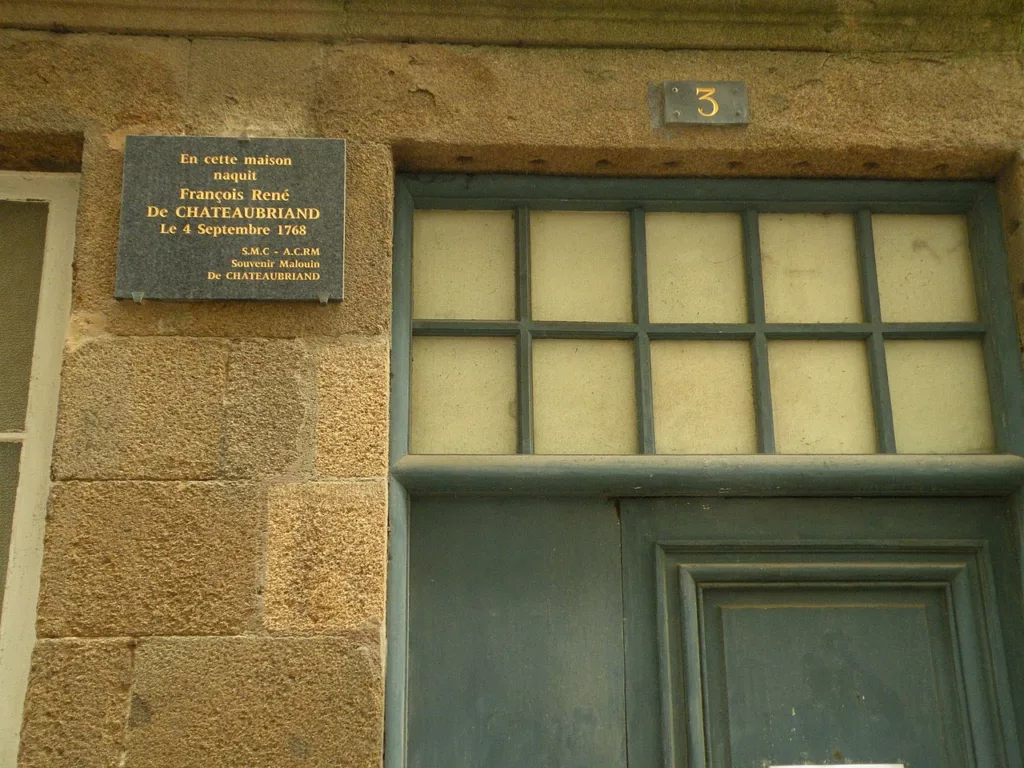
House of Chateaubriand
The birthplace of François-René de Chateaubriand is located within today’s Hôtel France et Chateaubriand. This discreet residence hides a fascinating history.
It was here, in 1768, that the man who would become one of the great figures of French Romanticism was born. At the time, the building was a private mansion known as Hôtel de la Gicquelais. Young Chateaubriand spent his early years here before leaving Saint-Malo at the age of nine.
In his famous Mémoires d’outre-tombe (“Memoirs from Beyond the Grave”), the writer recounts his birth in an almost dramatic atmosphere, lulled by the sound of waves and an equinoctial storm. This poetic description already reflects his style and imagination, although some historians believe he embellished reality.
Today, when entering the hotel’s inner courtyard, visitors can still see his family’s coat of arms alongside their motto:
“My blood has stained the banners of France.”
A detail that immediately immerses visitors in history.
Discover the story of Chateaubriand in our Saint-Malo tour.
Porte Saint-Vincent
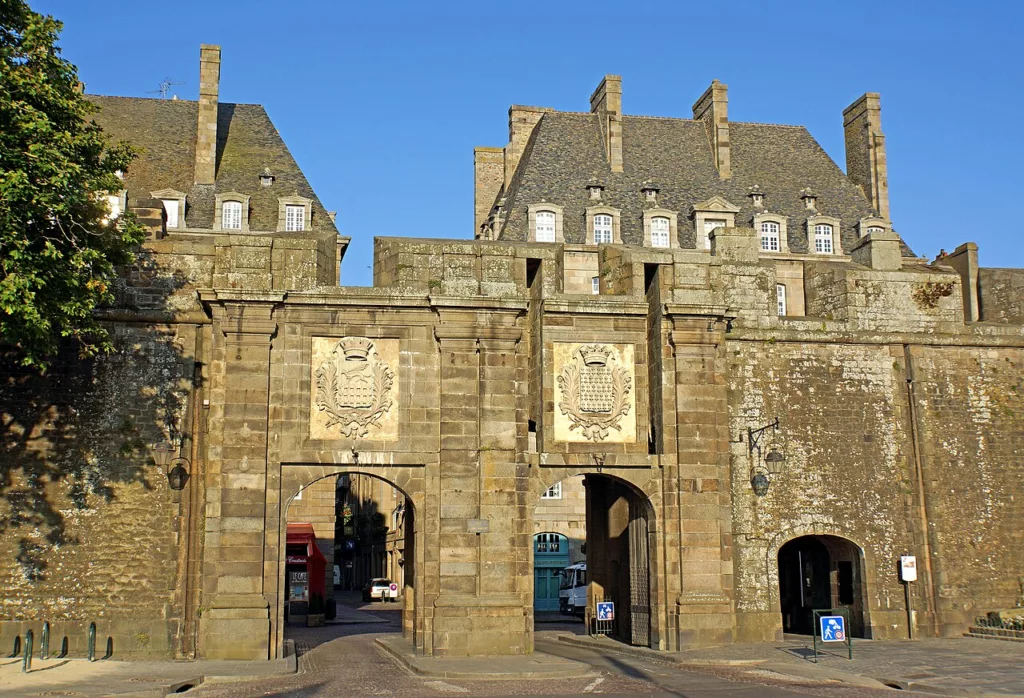
Porte Saint-Vincent
The Porte Saint-Vincent, built between 1708 and 1710, belongs to the city’s first expansion area, known as the Fief. Its façade is decorated with two coats of arms: the one on the left represents the arms of Saint-Malo, while the one on the right recalls those of the Duchy of Brittany.
Discover this magnificent gate near the castle in our Saint-Malo treasure hunt.
Bidouane Tower
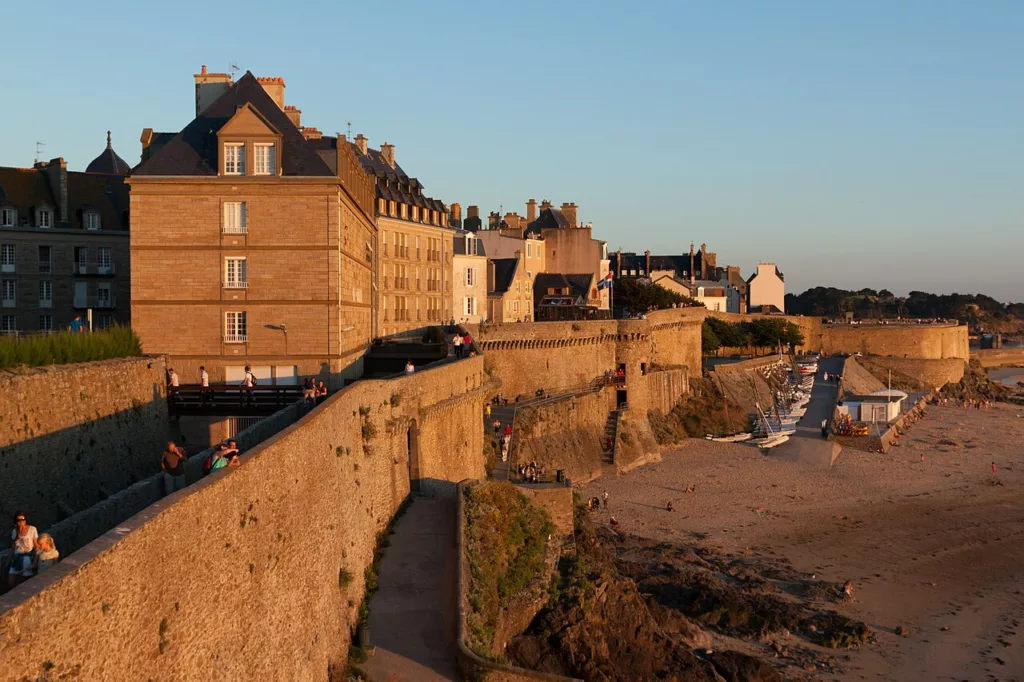
Bidouane Tower
Bidouane Tower, located opposite Grand Bé, stands out thanks to its advanced position beyond the city walls, offering an exceptional strategic viewpoint. Today, an orientation table installed on its terrace allows visitors to admire the surrounding landscape.
Imposing in size, the tower measures 22.70 meters high and 13 meters wide, with walls reaching 3 meters thick. Decommissioned and demilitarized in 1889, it still bears witness to the importance of Saint-Malo’s defenses.
Its history dates back to 1464, when a first artillery tower was built nearby. It successively bore the names Bidouet Tower, Champs-Vauverts Tower, and later Bell Tower, due to a bell used to sound the alarm in case of attack.
It was not until 1692, during reinforcement works, that the tower took the name Bidouane. It was then modernized, equipped with five iron cannons, and fitted with a vaulted powder magazine on the ground floor, designed to withstand bombardments.
Statue of Robert Surcouf
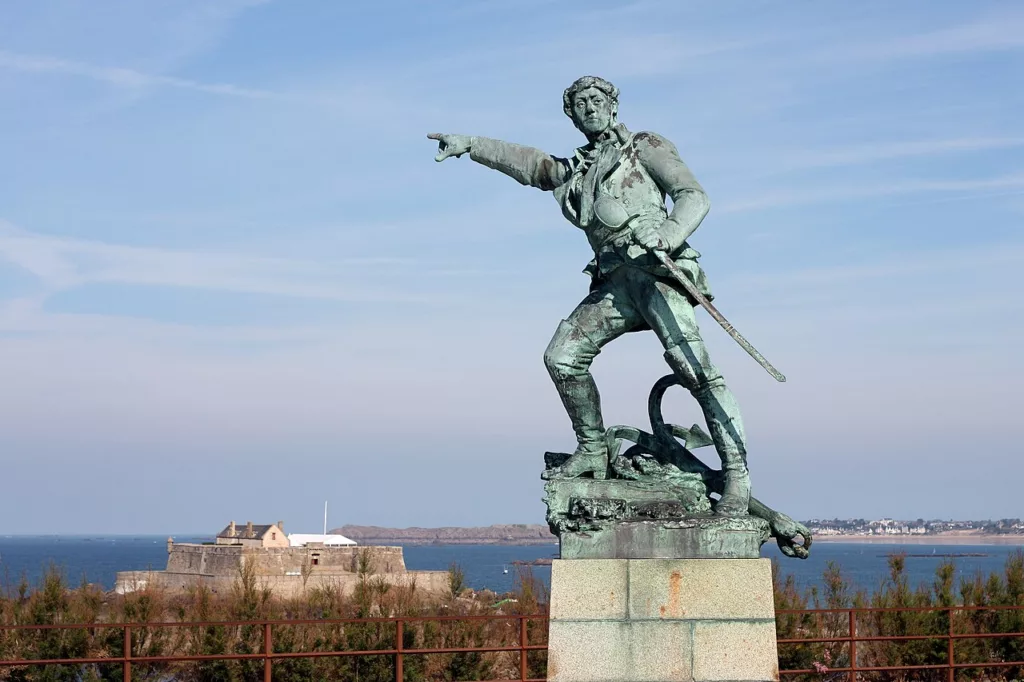
Statue of Robert Surcouf
Standing on the ramparts of Saint-Malo is the iconic statue of Robert Surcouf, the famous sailor and privateer from Saint-Malo who lived during the 18th century. Made of bronze and inaugurated in 1903, this work by sculptor Alfred Caravanniez depicts the corsair in a proud stance, finger pointed toward the English enemy, symbolizing his boldness and exploits at sea.
A true tribute to the city’s maritime past, the statue has endured the trials of time, including acts of vandalism, such as in 2017 when its sword was broken before being faithfully restored. Today, it remains a must-see landmark for visitors, embodying both the corsair spirit and the turbulent history of Saint-Malo.
Discover the story of this corsair and the hidden inscriptions on his statue in our Saint-Malo tour.
The Grand Gate of Saint-Malo
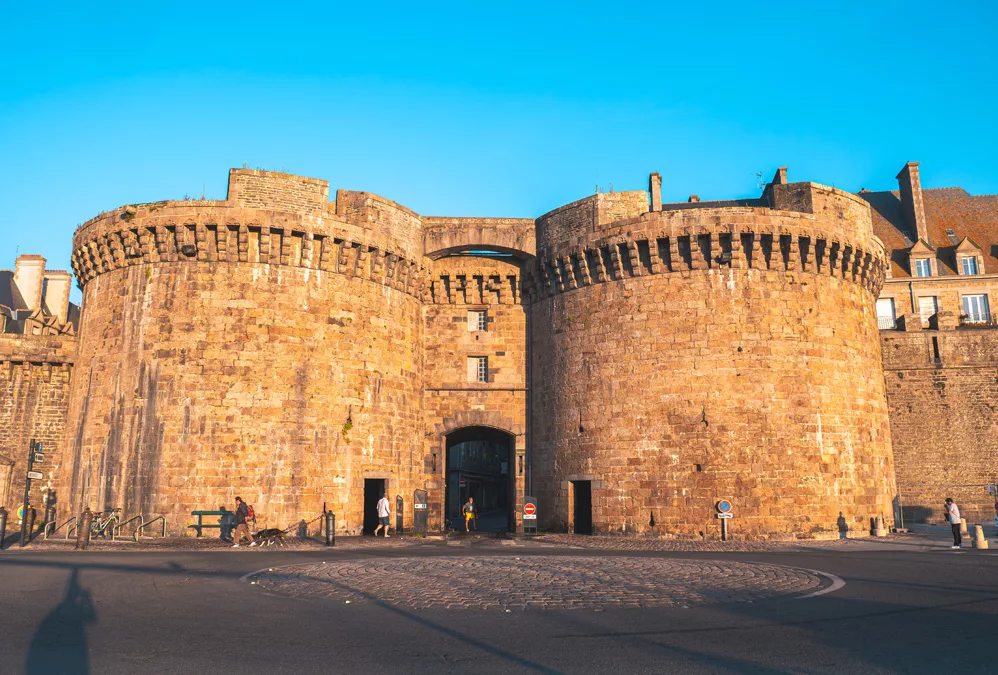
The Grand Gate of Saint-Malo
The Grand Gate, together with Saint-Thomas Gate, is one of the oldest entrances to Saint-Malo. For centuries, it served as the city’s main access point, directly connecting the port to the interior of the fortified walls. In 1552, two towers were added to reinforce this strategic entrance, giving it the defensive appearance still visible today.
Above the gate stands the famous statue of Our Lady of the Grand Gate, depicting the Virgin and Child. According to tradition, this marble statue, probably dating from the 15th century, was found floating at sea by sailors. Nicknamed “Our Lady of Miracles,” it lies at the heart of a local legend: in 1661, it is said to have stopped a fire by facing the flames threatening the city.
During the French Revolution, the statue was unfortunately damaged and decapitated. The one visible today on the gate is a replica, while the restored original is preserved inside Saint-Vincent Cathedral of Saint-Malo.
Learn more about the legends surrounding this gate in our Saint-Malo game.
Bastion of Holland
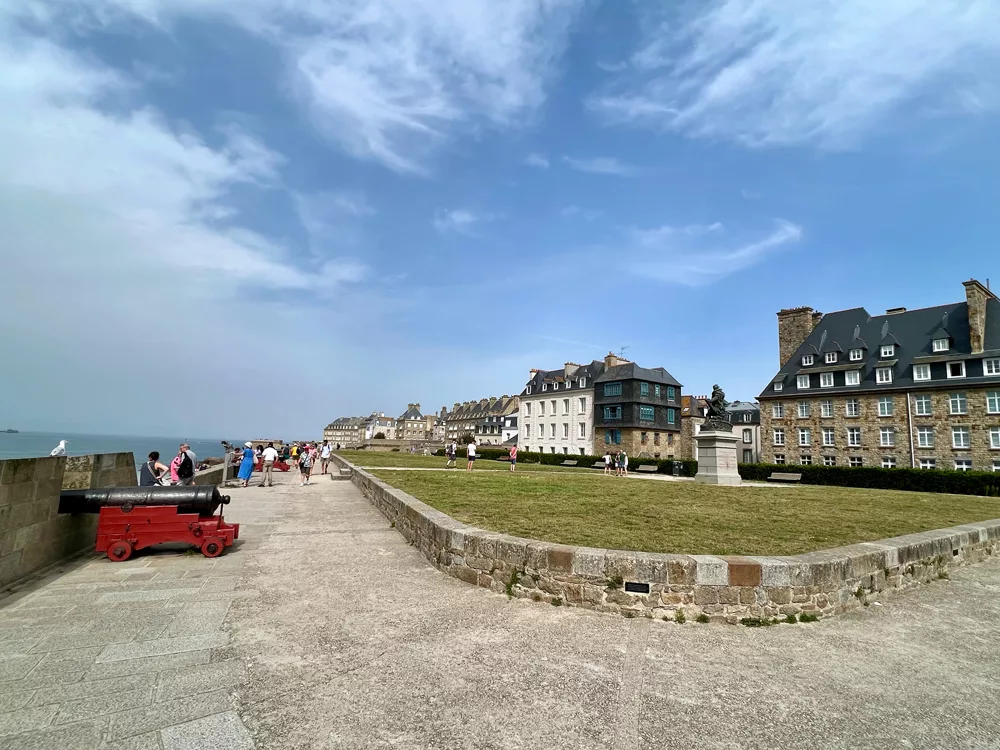
Bastion of Holland
The Bastion of Holland, built in 1674 and remodeled in 1708, was intended to defend Saint-Malo against possible attacks from Dutch fleets. Today, it serves as a magnificent lookout point offering panoramic views over the bay, the Rance estuary, and as far as Cap Fréhel.
From this strategic position, visitors can also spot Harbour Island, another defensive structure designed by the engineer Vauban and his collaborator Garangeau to protect the coast facing Dinard. The bastion is still decorated with old 18th-century cannons, reminders of its military past.
A footbridge now provides access to the eastern ramparts toward Saint-Pierre Gate, allowing visitors to continue exploring the fortifications of the corsair city.
Discover the unusual shape of this bastion in our Saint-Malo trail.
Statue of Jacques Cartier
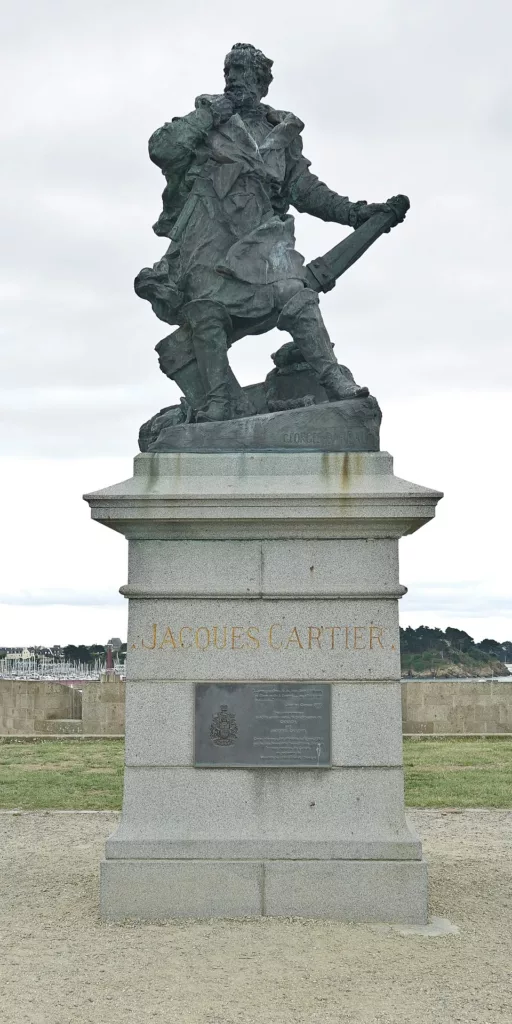
Statue of Jacques Cartier
The statue of Jacques Cartier pays tribute to one of the greatest French explorers and a symbolic figure in the maritime history of Saint-Malo. Commissioned by King Francis I, Cartier set sail for the New World in 1534 and discovered the Saint Lawrence estuary, claiming it in the name of France.
During his second expedition, he sailed up the river as far as Hochelaga, present-day Montreal, paving the way for French colonization in North America. The statue thus commemorates the courage and boldness of this navigator from Saint-Malo, whose legacy remains deeply tied to the history of the great discoveries.
Saint-Philippe Bastion
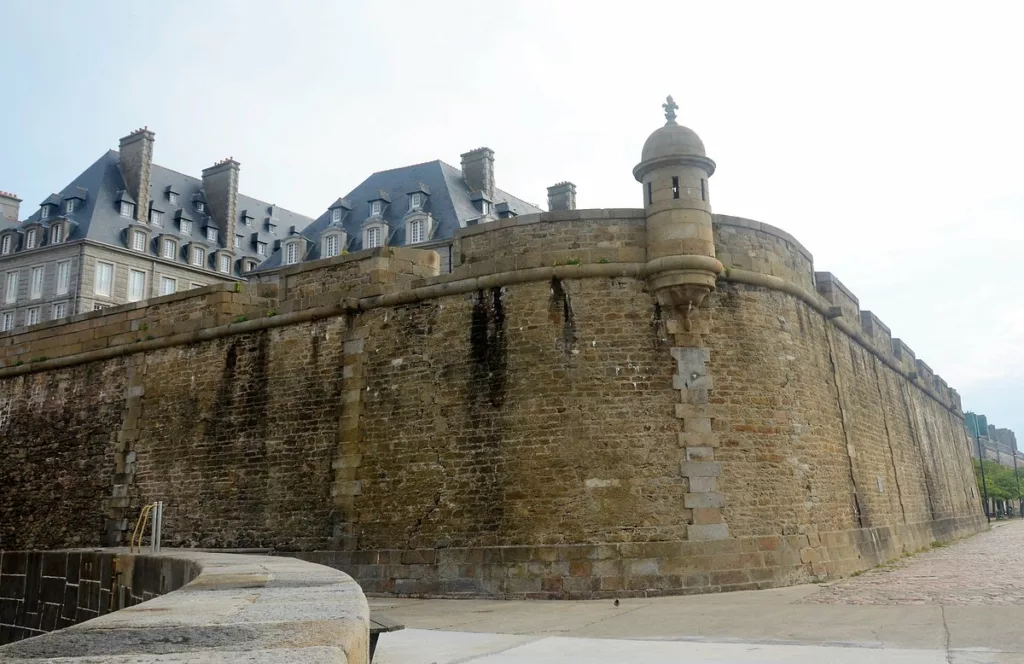
Saint-Philippe Bastion
Saint-Philippe Bastion, located on the ramparts of Saint-Malo, is an emblematic fortification built in the 17th century during the reign of Louis XIV. It formed part of the vast defensive system designed to protect the corsair city from maritime attacks.
Built with thick stone walls capable of resisting cannon fire, this bastion perfectly illustrates the military architecture of the period. Its strategic position allowed defenders to monitor the approaches to the city and efficiently protect the coastline.
Even today, Saint-Philippe Bastion bears witness to Saint-Malo’s military past and strategic importance, while offering a remarkable glimpse into the fortified heritage of the city.
Grand Bé
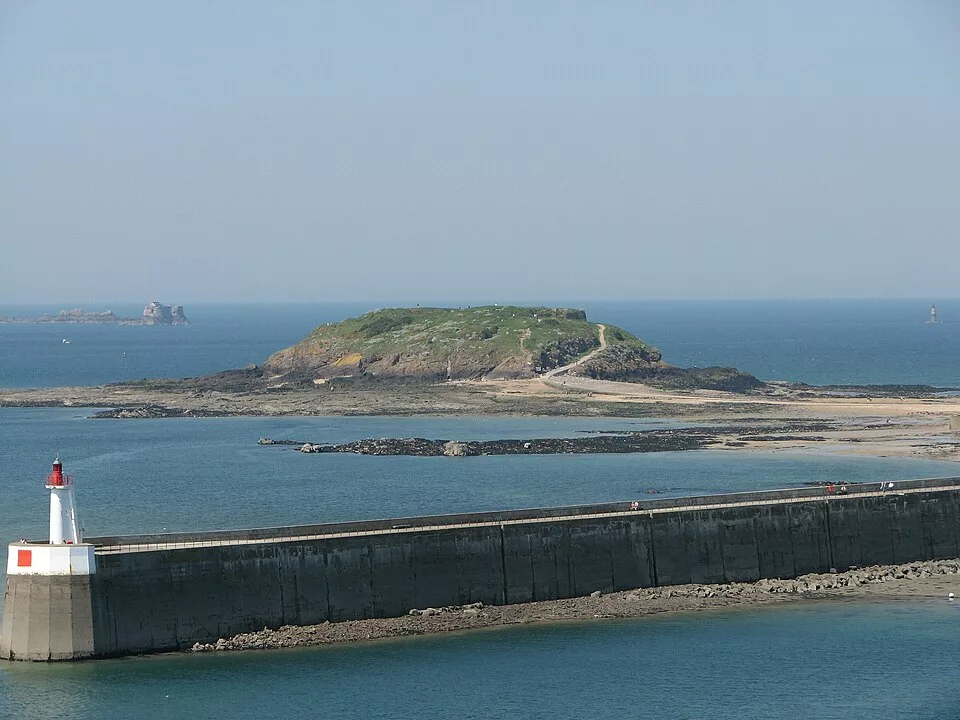
Grand Bé
Grand Bé is an iconic tidal island located opposite the ramparts of Saint-Malo. Accessible at low tide, it becomes a peninsula that can be reached on foot from Bon-Secours Beach.
This wild islet offers a unique landscape shaped by the sea, the wind, and rocks battered by the waves. It is especially famous for housing the tomb of François-René de Chateaubriand, one of the major figures of Romanticism. The writer had expressed the wish to be buried there so as to “hear only the sea and the wind.”
Grand Bé also contains the remains of an old chapel, Notre-Dame-des-Lauriers Chapel. Rich in history, it also served as a strategic military point during World War II. Erosion and tides make the site fragile and reinforce its wild and poetic atmosphere.
Fort National
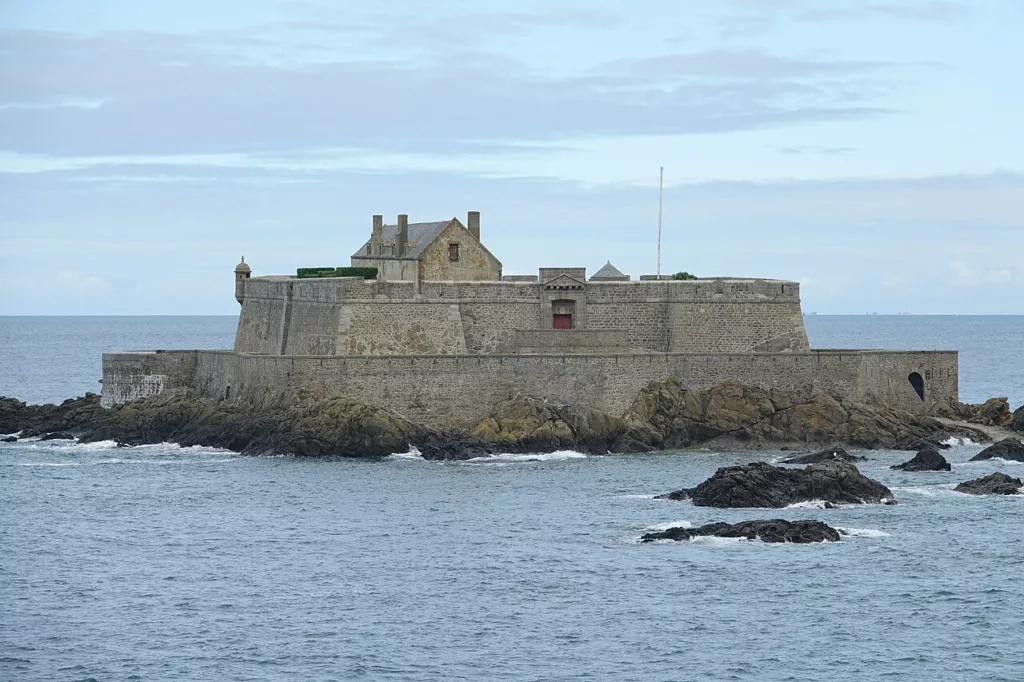
Fort National
Fort National is an emblematic fortification of Saint-Malo, located on a rocky island accessible only at low tide. It was built in 1689 by engineer Siméon Garangeau, following Vauban’s plans, on the orders of Louis XIV.
Its main role was to defend the corsair city against attacks coming from the sea, particularly English threats. The fort formed part of a vast defensive system protecting the entrance to the port of Saint-Malo.
At the time of its construction, it was actually called Fort Royal before later becoming Fort National. During World War II, it was used as a prison by the German army.
Several dozen prisoners were held there under particularly harsh conditions. The fort was never truly captured during the major historical sieges, which demonstrates its strength and resilience.
Today, it belongs to a private owner and can be visited during public opening periods.
Fort du Petit Bé
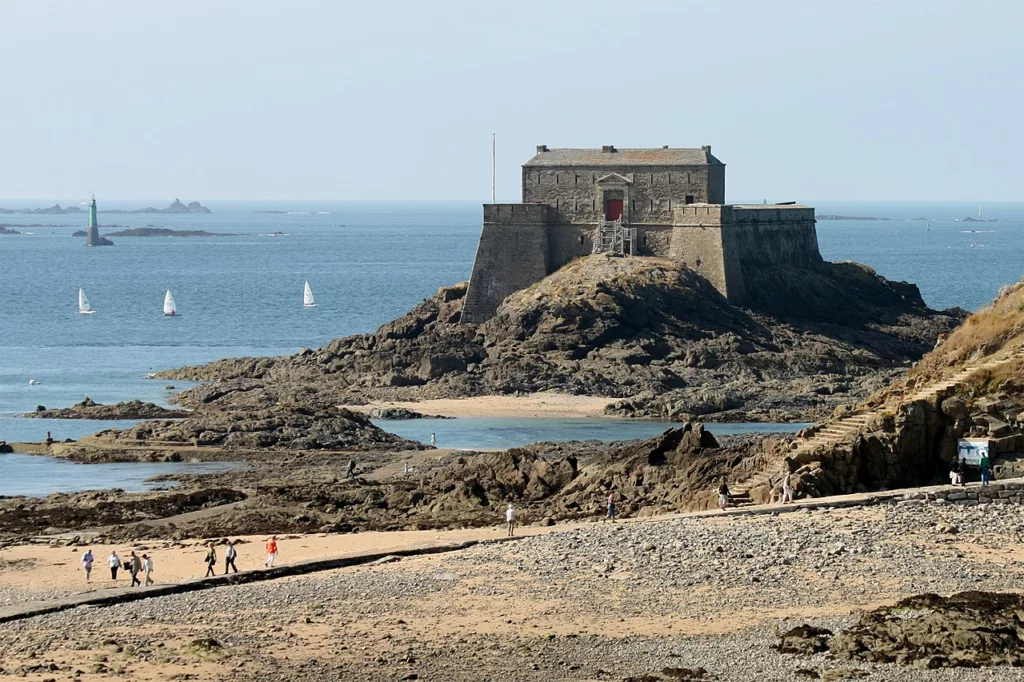
Fort du Petit Bé
Fort du Petit Bé is a fortification located on a rocky island facing Saint-Malo, accessible only at low tide. It was built in the 17th century as part of the defensive system designed by Vauban to protect the corsair city.
Engineer Siméon Garangeau supervised its construction, complementing the other forts in the Bay of Saint-Malo. Its strategic position allowed defenders to monitor and protect the entrance to the port against enemy ships.
The fort could accommodate a garrison of soldiers as well as a large artillery arsenal. It consists of a platform, multi-level buildings, and defensive structures adapted for cannon fire.
Like the other forts in the region, it formed part of a military network protecting Saint-Malo and its surroundings. Decommissioned by the army at the end of the 19th century, it was later entrusted to the city of Saint-Malo. Today, it is listed as a historic monument and forms part of the region’s maritime heritage.
Must-See Museums in Saint-Malo
Étoile du Roy
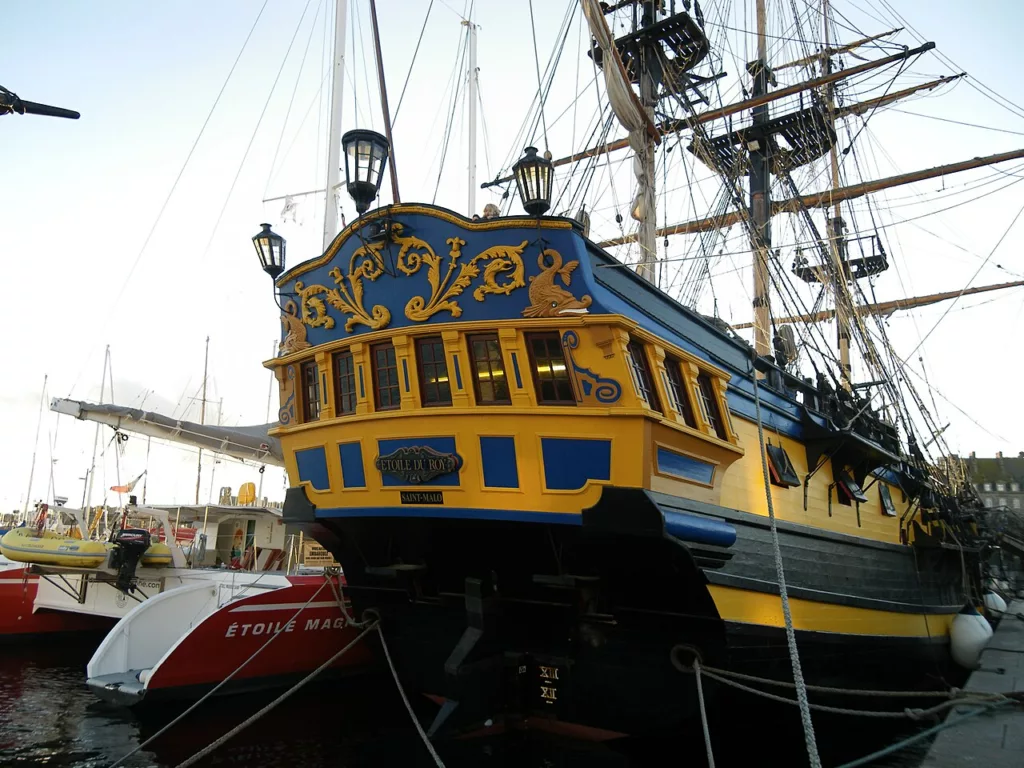
Étoile du Roy
The Étoile du Roy is a square-rigged three-masted ship based in Saint-Malo and a replica of an 18th-century corsair frigate. Originally built in Turkey in 1996, it was first named Grand Turk.
It was created for the needs of a historical television series before becoming a museum ship. Since 2010, it has been moored in Saint-Malo and renamed Étoile du Roy.
This large sailing ship measures more than 46 meters in length and features three fully rigged masts. It welcomes visitors for sea trips, tours, and private events. The vessel is regularly used for film and historical series productions.
It also participates in numerous maritime gatherings and tall ship festivals.
Memorial 39/45
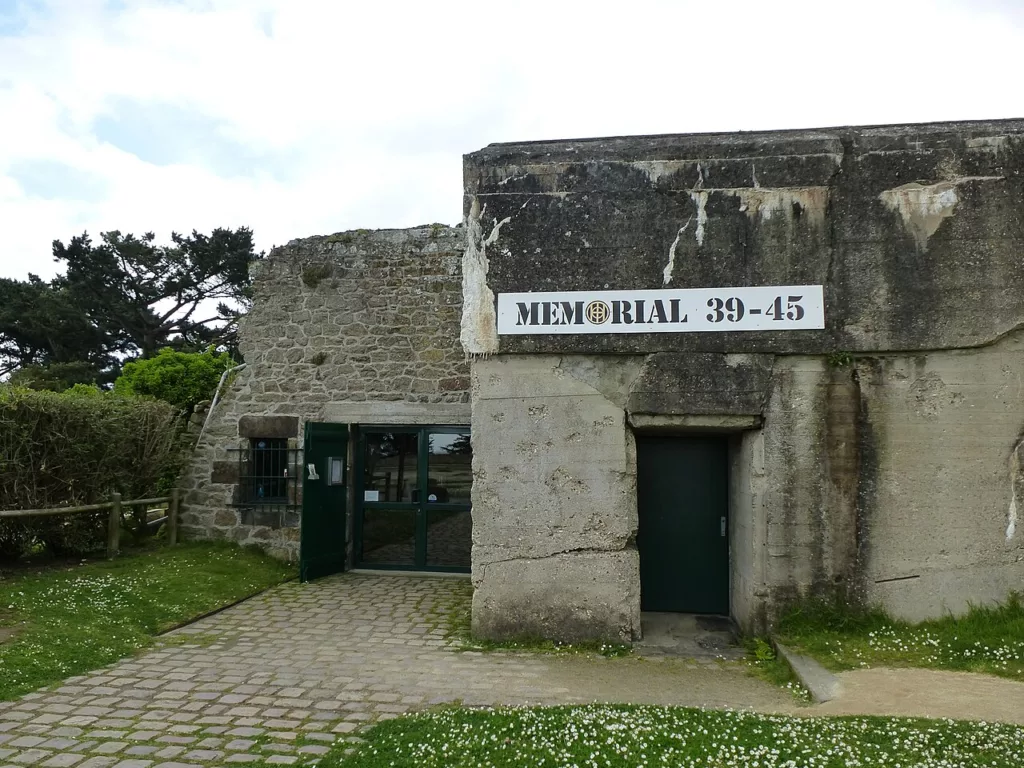
Saint-Malo Memorial 39/45
The Saint-Malo Memorial 39/45 is a museum dedicated to the German occupation during World War II. It was inaugurated in 1994 by the city of Saint-Malo. The museum is housed in former German bunkers located on the Alet Peninsula.
These bunkers formed part of the military fortifications built during the war. The site features approximately 600 square meters of exhibition space spread across several rooms.
Visitors discover the history of the occupation from 1940 until the Liberation. Part of the tour explains the strategic role of the port of Saint-Malo. The museum also presents the daily life of soldiers inside the bunkers. Military objects and reconstructed installations illustrate the exhibitions.
Terre-Neuvas Museum
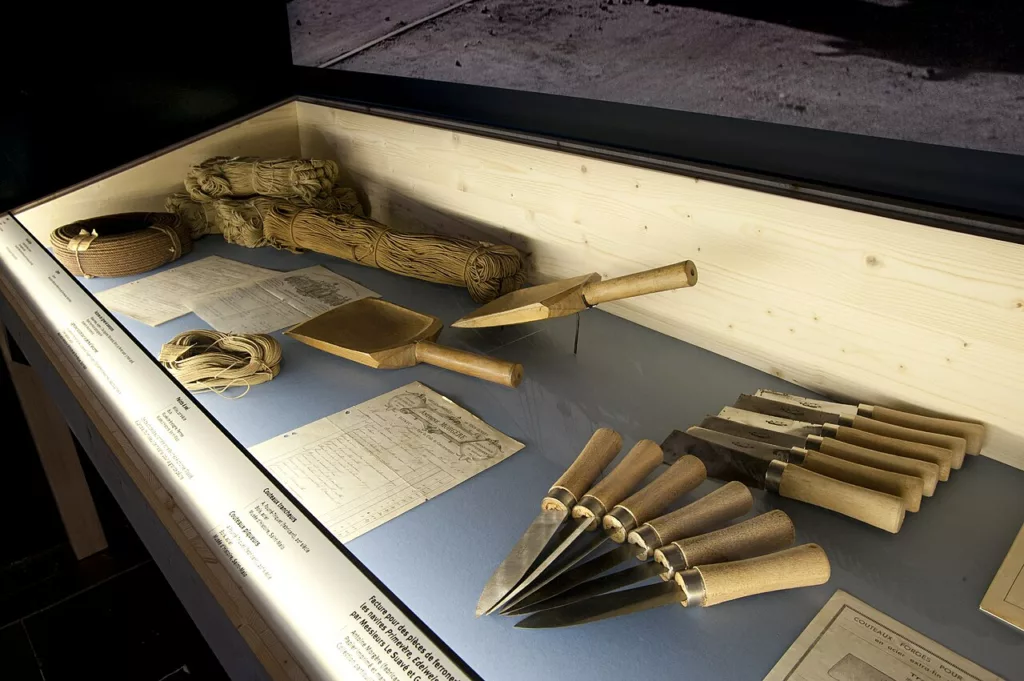
Terre-Neuvas Museum
The Terre-Neuvas Museum in Saint-Malo retraces the history of French fishermen who sailed to Newfoundland. This museum explores five centuries of cod fishing in the waters of Newfoundland.
It was created by former Terre-Neuvas sailors themselves. Visits are often guided by passionate former fishermen. The tour presents daily life aboard fishing vessels. Authentic objects illustrate the working conditions at sea.
Reconstructed scenes allow visitors to relive this great maritime epic. A projection room completes the visit with documents and videos. The museum offers an immersive journey into the history of the Terre-Neuvas and their profession.
Jacques Cartier Museum
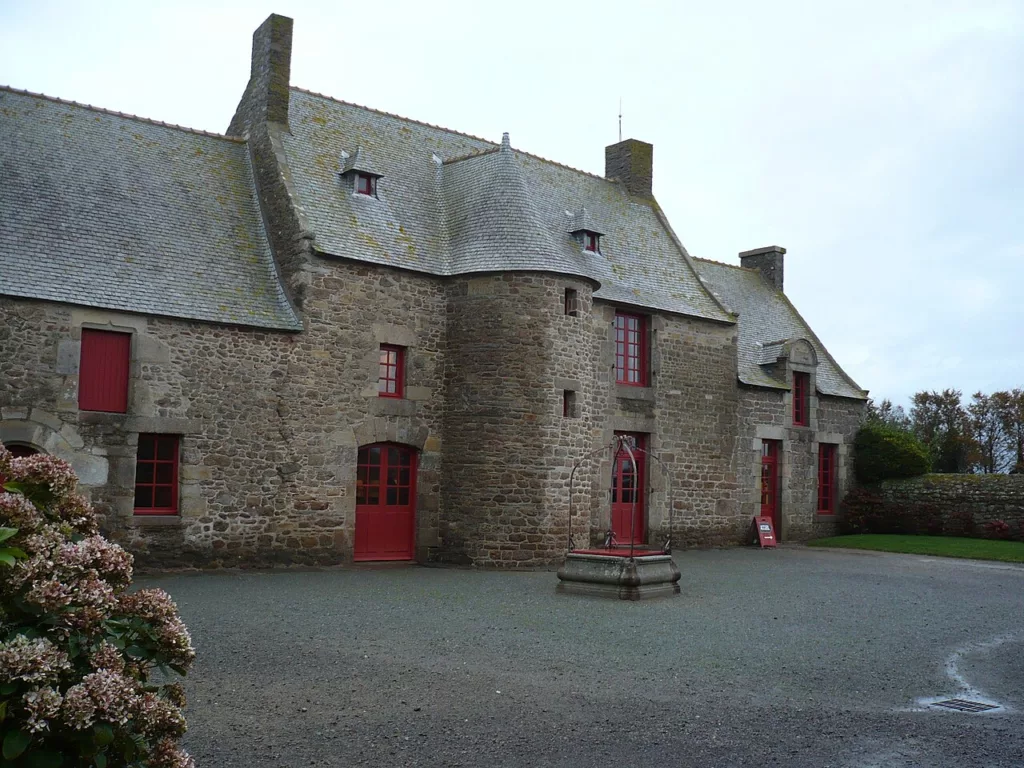
Jacques Cartier Museum
The Jacques Cartier Museum is located in the Manoir de Limoëlou in Saint-Malo. It is housed in a former 16th-century residence. This museum is dedicated to the explorer Jacques Cartier.
Jacques Cartier lived there at the end of his life, between 1541 and 1557. The site was transformed into a museum in 1984. The manor presents furnished rooms recreating Cartier’s era. Visitors can discover objects related to navigation and exploration.
The museum retraces Jacques Cartier’s voyages to Canada. The entire site has been listed as a historic monument since 1940. The museum is one of the important heritage sites of Saint-Malo.
Parks and Green Spaces in Saint-Malo
Sillon Beach
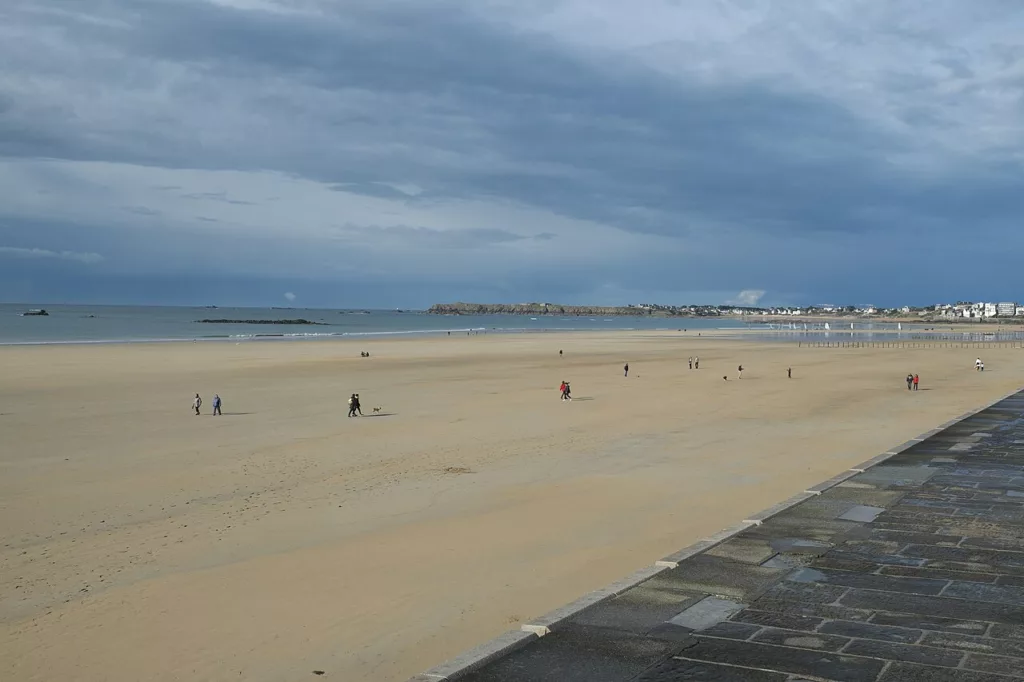
Sillon Beach
Sillon Beach is the largest sandy beach in Saint-Malo. It stretches for about 3 kilometers along the coastline. It is made up of several sections, including Grande Plage, La Hoguette, and Rochebonne.
It offers views of both the sea and the Paramé seawall. The seawall was built between the late 19th and early 20th centuries. The Sillon was once a strip of sand connecting Paramé to Intra-Muros.
Along the beach, visitors can admire many old seaside villas. Wooden breakwaters protect the seawall from the force of the waves. The beach is ideal for water and beach activities such as sand yachting and kite flying. In summer, it is supervised and has lifeguard stations for swimmers.
GR 34
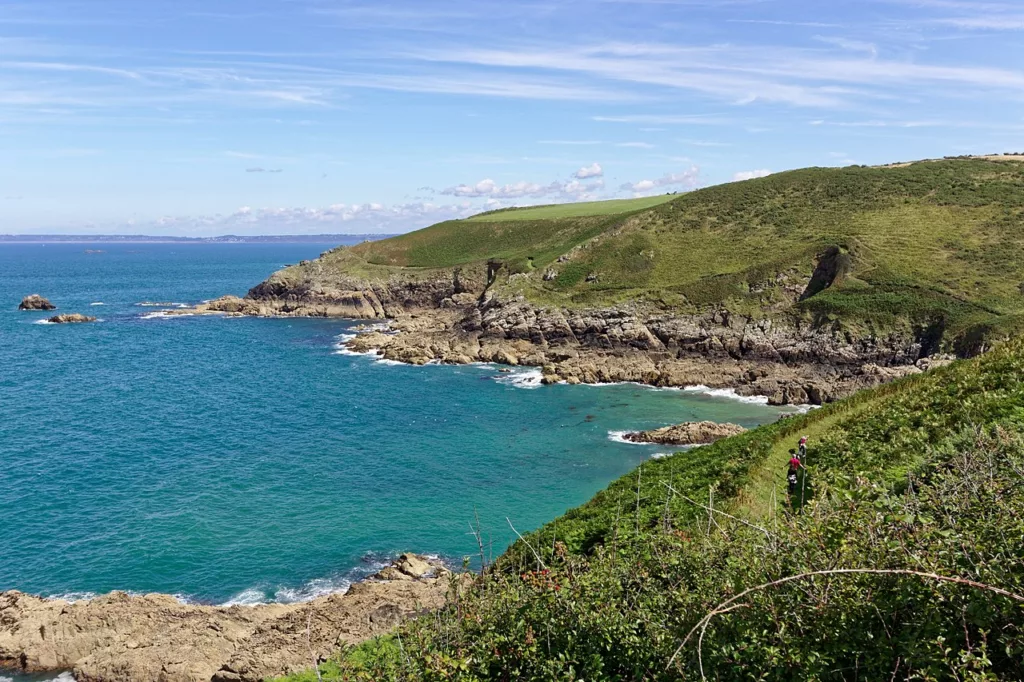
GR 34
The GR34, also known as the customs officers’ path, starting from Saint-Malo allows walkers to follow the entire Breton coastline, with some of the most beautiful landscapes in France.
Heading east, you can walk to Cancale along the bay and oyster farms.
Continuing further, you reach the Mont-Saint-Michel area, one of the great hiking destinations.
Heading west, the trail passes through Dinard, with its villas and beaches.
It then follows the Emerald Coast to the spectacular headland of Cap Fréhel.
All along the route, walkers cross cliffs, beaches, and seawalls with sea views.
The trail is well marked and accessible all year round, with many possible stages.
Bon-Secours Beach
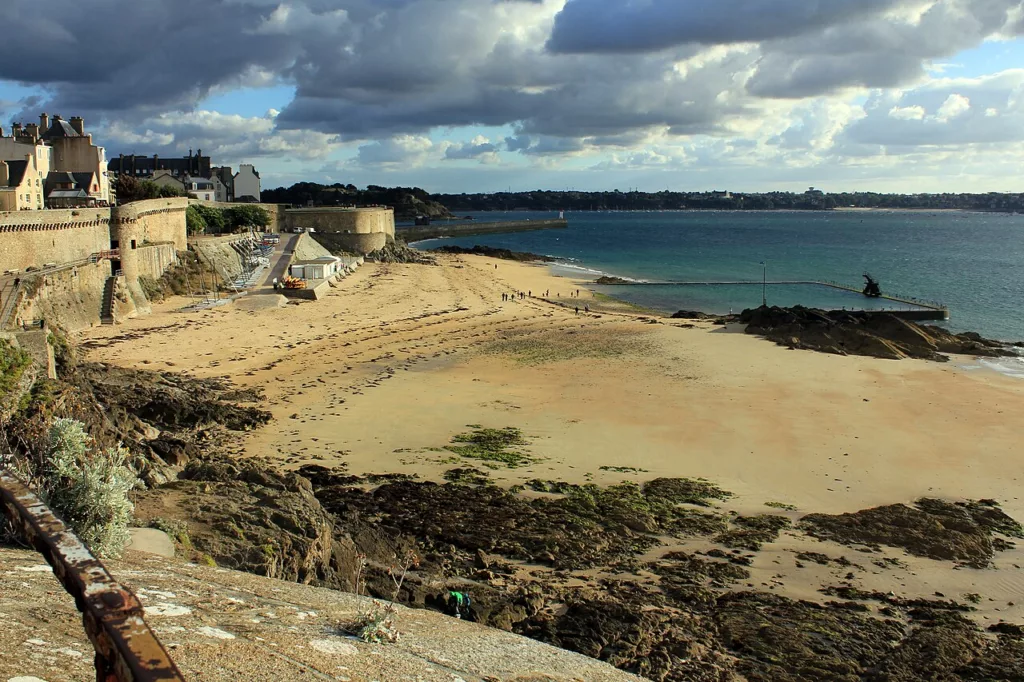
Bon-Secours Beach
Bon-Secours Beach is one of the best-known beaches in Saint-Malo, located right at the foot of the ramparts of the walled city. From the beach, visitors can see Grand Bé, where Chateaubriand is buried, as well as Petit Bé and its 17th-century fort.
The beach is famous for its seawater swimming pool, fed by the tides, which allows visitors to swim even when the sea goes out. It is directly accessible from the ramparts via a staircase leading down to the sand.
At low tide, it is even possible to walk to some of the nearby islets, depending on tide times and coefficients.
Briantais Park
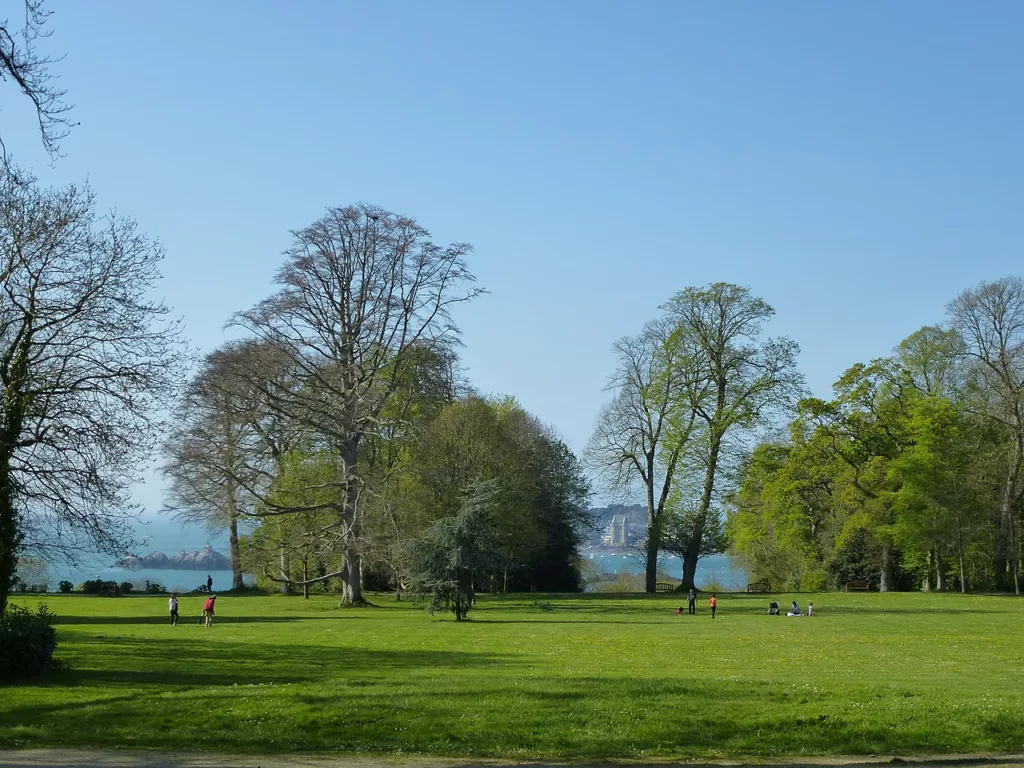
Briantais Park
Briantais Park covers around 27 hectares and overlooks the Rance estuary. From its paths, visitors can enjoy beautiful views of the Rance, Solidor Tower, and the Bay of Saint-Malo. The park is laid out like an English-style garden, with paths, old trees, and varied viewpoints.
At the center of the estate stands a 17th-century château, rebuilt in the 19th century, which once belonged to families of Saint-Malo shipowners. The park also contains statues, a chapel, outbuildings, and several historical features.
It is a popular place for walks, sports, and picnics. It is open to the public all year round and sometimes hosts events such as markets and exhibitions.
Gastronomy & Specialties of Saint-Malo
Moules Marinières Saint-Malo Style
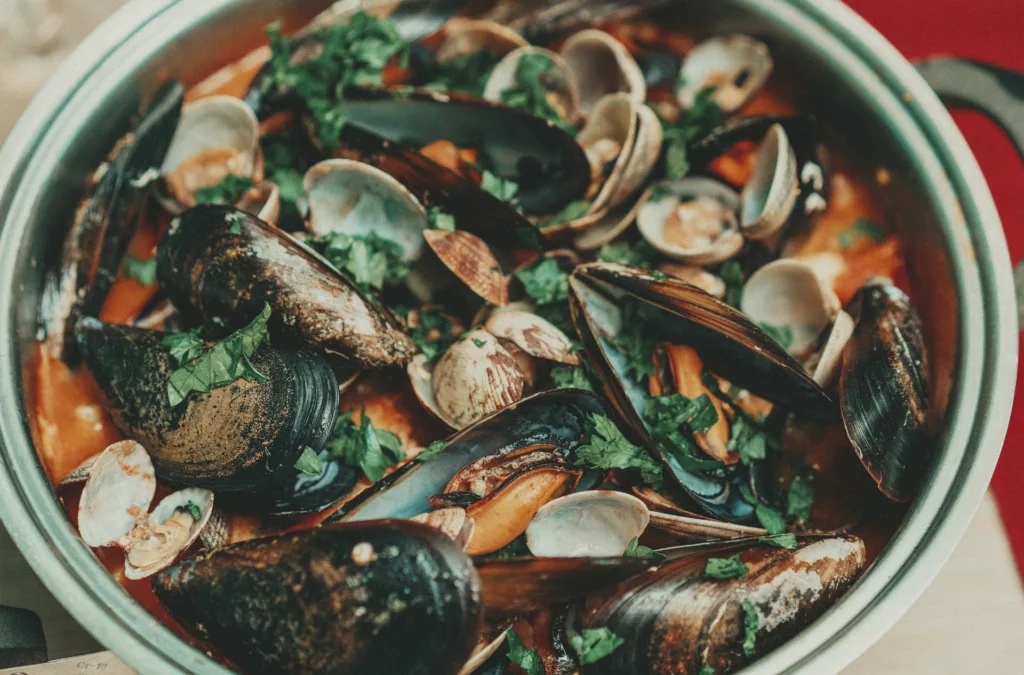
Moules Marinières Saint-Malo Style
Moules marinières are a very popular traditional dish on the Breton coast. In the Saint-Malo version, they are often prepared with white wine and shallots. Butter and parsley are essential ingredients in the sauce.
The mussels are usually cooked quickly in a large pot. In Saint-Malo, they are often served with fries or fresh bread.
Cancale Oysters
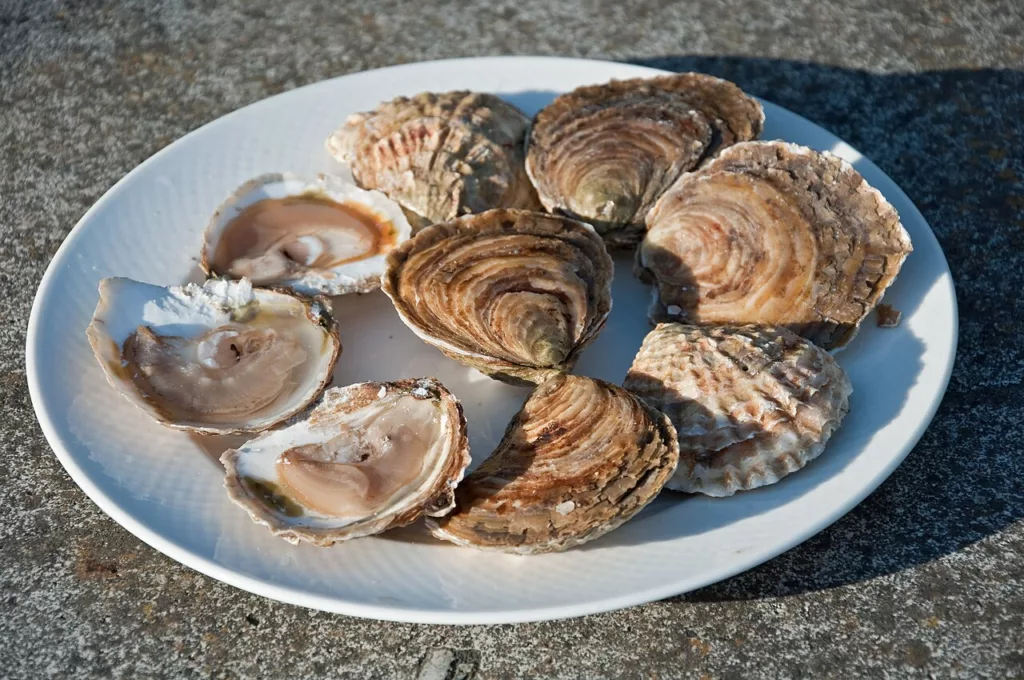
Cancale Oysters
Cancale oysters come from the Bay of Mont-Saint-Michel. They are farmed in oyster beds exposed at low tide.
Cancale is considered the oyster capital of Brittany. These oysters are renowned for their iodized flavor and freshness.
They can be enjoyed raw with lemon or shallot vinegar. They can be bought directly at the port of Cancale.
Tasting them facing the sea is a very popular experience among visitors.
Kouign-Amann
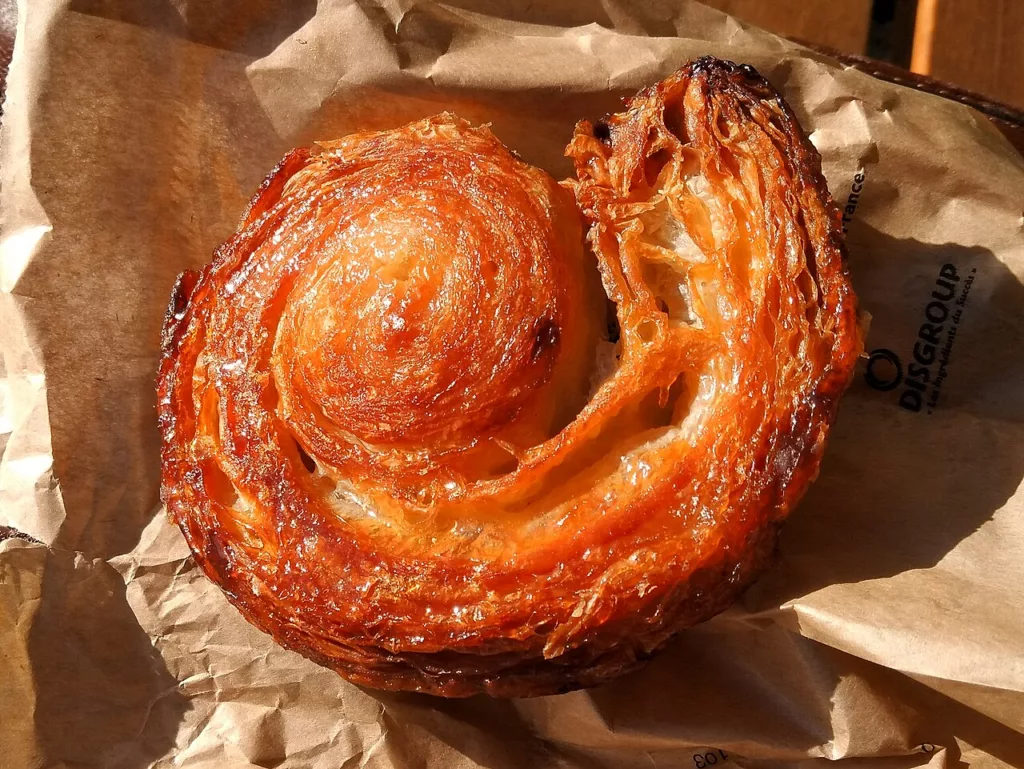
Kouign-Amann
Kouign-amann is a traditional Breton pastry. It originates from the Douarnenez region in Brittany. Its name means “butter cake” in Breton. It is made with bread dough, butter, and sugar.
During baking, the sugar caramelizes and forms a crispy crust. The inside remains soft and very rich in butter. It is a very high-calorie dessert, but also a much-loved one.
Breton Crêpes and Galettes
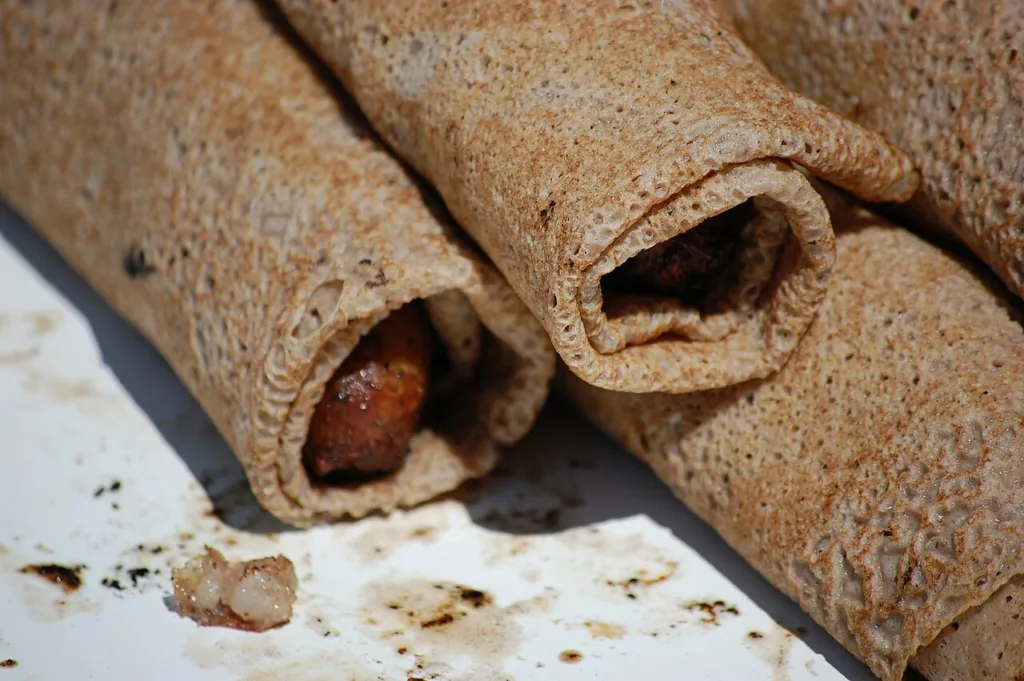
Galette Saucisse
Breton crêpes and galettes are emblematic specialties of Brittany. Crêpes are generally sweet and made with wheat flour. Galettes are savory and prepared with buckwheat flour. They are often filled with cheese, ham, egg, or sugar depending on the recipe.
They are traditionally cooked on a large hotplate called a billig. They are enjoyed both in restaurants and family crêperies. According to local tradition, they are served with Breton cider.
Bordier Butter
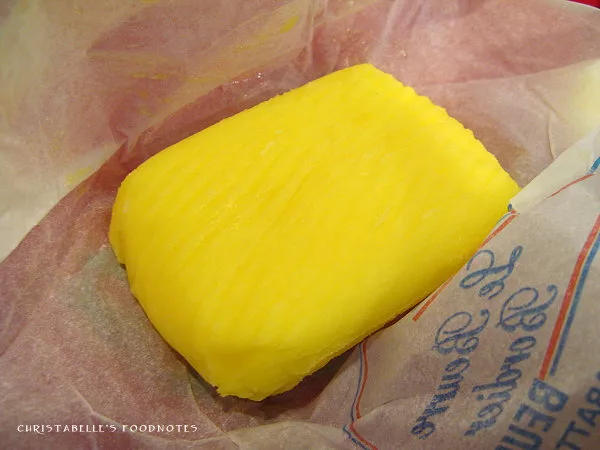
Bordier Butter
Bordier butter is an artisanal specialty from Saint-Malo. It is made by Maison Bordier using traditional methods. The butter is worked by hand in wooden kneading machines.
It is then matured to develop rich and complex aromas. It is often found in semi-salted, plain, or flavored versions. It pairs perfectly with seafood, bread, and crêpes.
Excursions from Saint-Malo
Dinard
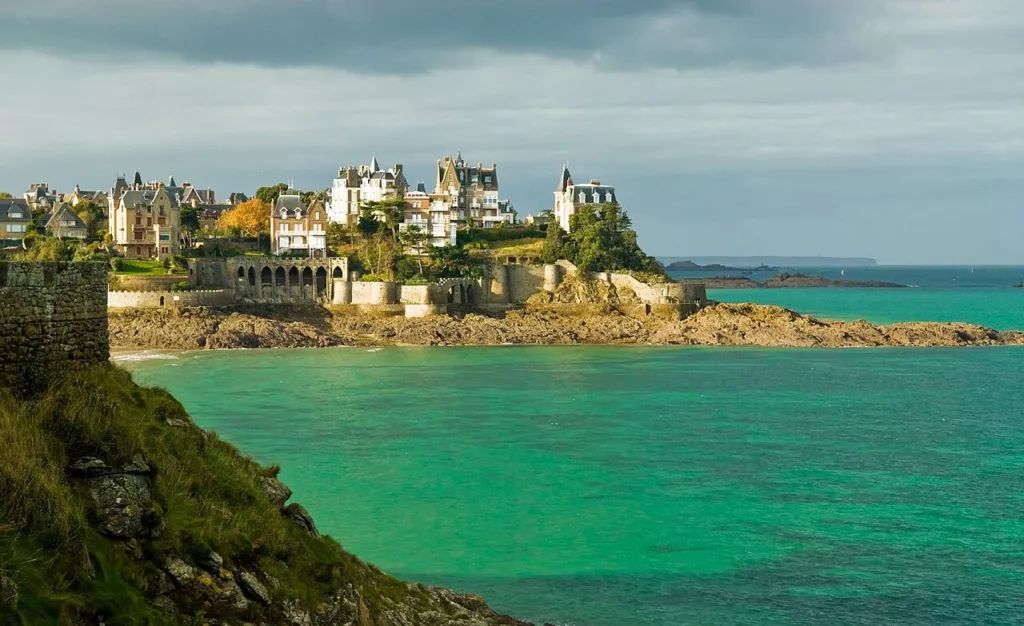
Dinard
Dinard is a seaside resort close to Saint-Malo. It can easily be reached by boat across the Rance, offering beautiful views of both towns. Another way to reach Dinard is via the Rance tidal power dam or by following the GR34 long-distance hiking trail.
Dinard is famous for its grand Belle Époque villas overlooking the sea. The Promenade du Clair de Lune is one of the best-known places for a walk along the waterfront. It is illuminated in summer and offers a very pleasant atmosphere in the evening.
Écluse Beach is Dinard’s main beach and is very popular with visitors. It is known for its fine sand and colorful beach cabins.
Dinan
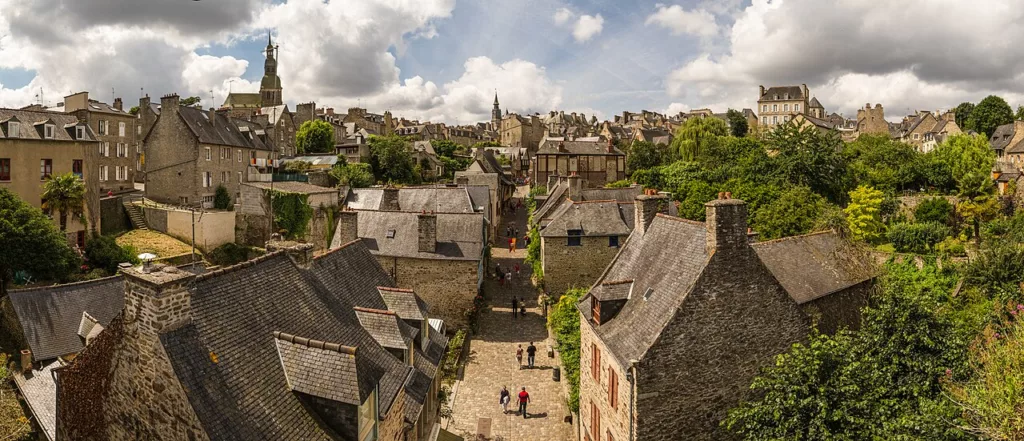
Dinan
Dinan is a medieval town located about 30 km from Saint-Malo. It is perched above the Rance Valley and offers an exceptional panorama.
The town is famous for its very well-preserved ramparts surrounding the historic center. Rue du Jerzual is one of its best-known streets, lined with half-timbered houses and artisan workshops.
Dinan’s port lies on the banks of the Rance and is perfect for pleasant walks; a canoe trip is also highly recommended. Saint-Sauveur Basilica is an important monument in the town center.
Rennes
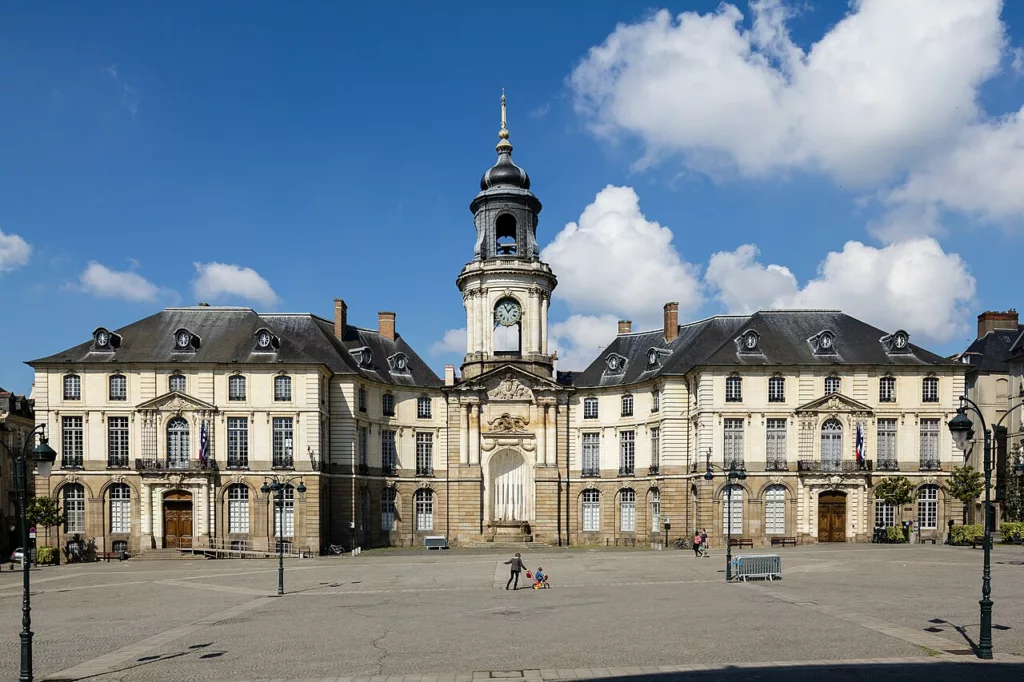
Rennes
Rennes is the capital of Brittany and is located about one hour from Saint-Malo. It can easily be reached by train from Saint-Malo station.
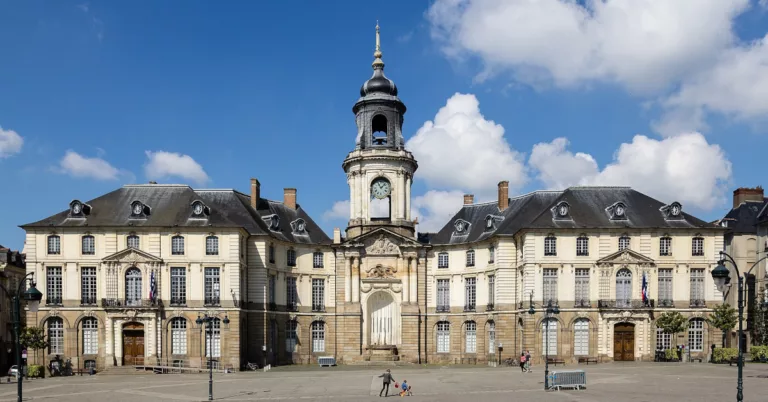
Rennes is known for its historic center with colorful half-timbered houses. Place des Lices is one of the city’s most famous spots, especially for its Saturday market. The Parliament of Brittany is an emblematic monument of the city and illustrates the judicial and political history of the region.
Rennes also has many museums, such as the Museum of Fine Arts, which presents varied collections ranging from Antiquity to modern art.
Visitors can also stroll through Thabor Park, a large public garden known for its French-style and English-style gardens.
Mont-Saint-Michel
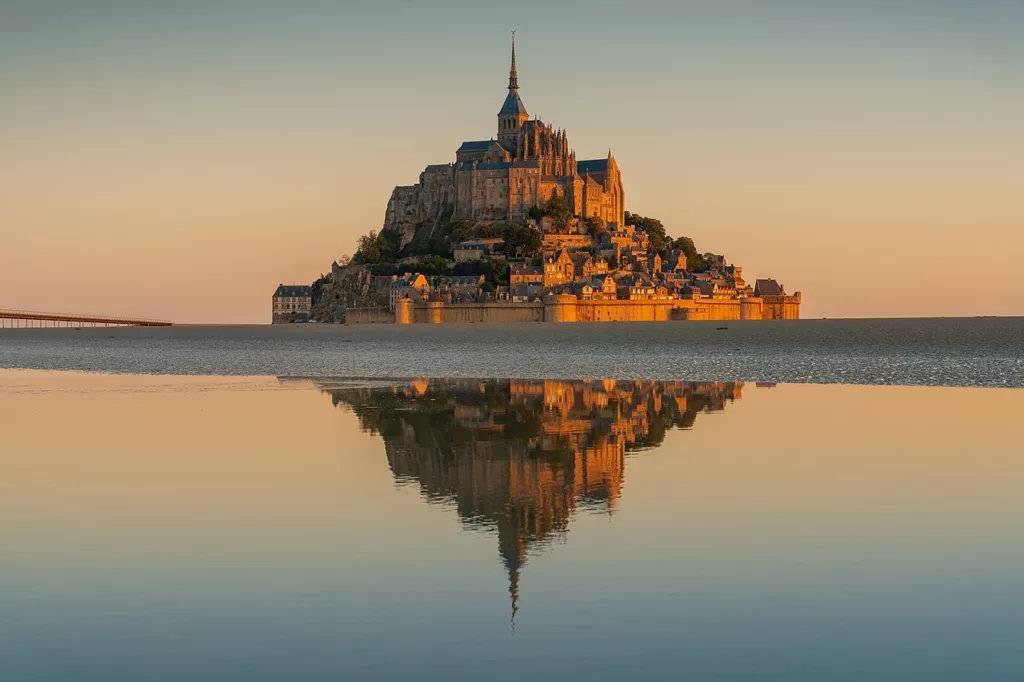
Mont-Saint-Michel
Mont-Saint-Michel is an iconic site located about 45 km from Saint-Malo. It is a rocky island topped by a medieval abbey.
Mont-Saint-Michel Abbey is a masterpiece of medieval religious architecture and offers panoramic views over the bay. The village at the foot of the abbey is made up of narrow, tourist-filled streets. The site is surrounded by some of the strongest tides in Europe.
At low tide, vast stretches of sand can be seen around the mount. It can be reached by car, bus, or on foot using shuttle services.
Conclusion
Visiting Saint-Malo means discovering a unique city where history meets the sea. Between its fortifications, iconic beaches such as Bon-Secours and Sillon, its museums, and its panoramas over the bay, the corsair city offers a complete immersion in Breton heritage. Thanks to its ideal location, it is also a perfect starting point for exploring the region and its surrounding treasures.
Whether for a weekend or a longer stay, Saint-Malo remains a must-visit destination in Brittany, combining culture, nature, and a true change of scenery.
Discover Saint-Malo in a different way with our treasure hunt game “The Highlights of Saint-Malo”.