Visit Arles: 30 Must-See Attractions and Things to Do
Visiting Arles means discovering one of the most beautiful historic cities in the south of France, located between the Camargue and the Alpilles. Renowned for its exceptional heritage, Arles is a major tourist destination in Provence and is listed as a UNESCO World Heritage Site.
An ancient Roman city, Arles captivates visitors with the richness of its ancient monuments such as the Arles Amphitheatre, the Ancient Theatre, and the cryptoporticos of the forum. The city is also marked by Romanesque art, with emblematic sites such as Saint-Trophime Church and its cloister.
But Arles is not limited to its historical past: it is also a city of art and culture, deeply connected to Vincent Van Gogh, and an ideal starting point for exploring the Camargue and its unique natural landscapes.
Between heritage, culture, nature, and Provençal traditions, Arles is a must-visit destination for anyone wishing to explore Provence and enjoy an authentic experience.
Discover Arles differently with our treasure hunt experience, a mix between an escape game and a cultural tour.
Monuments & Historical Heritage of Arles
Arles Amphitheatre
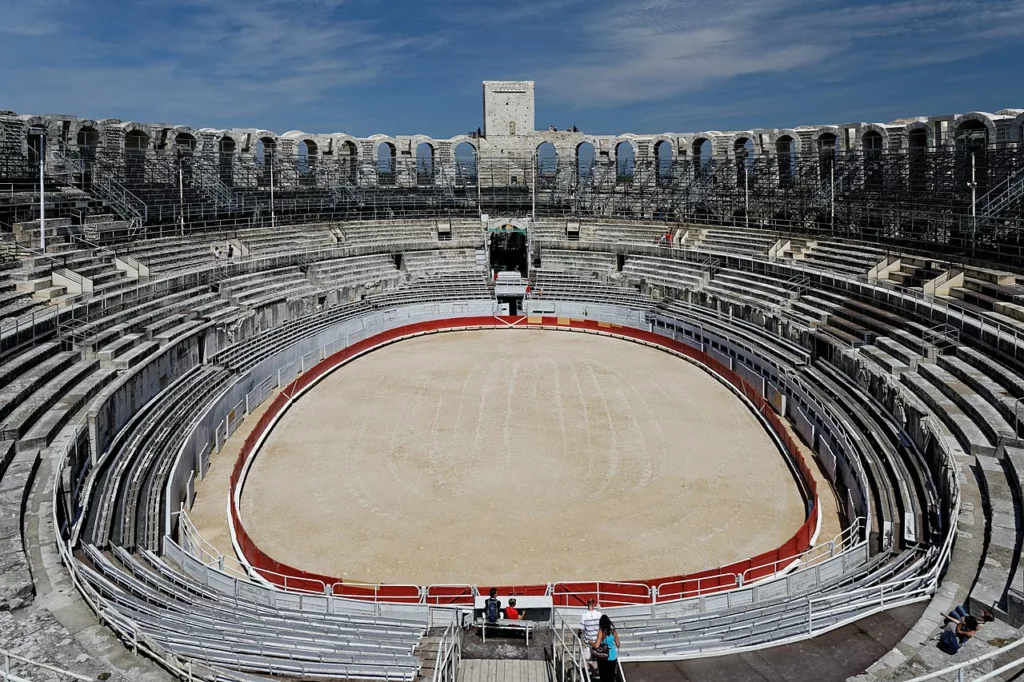
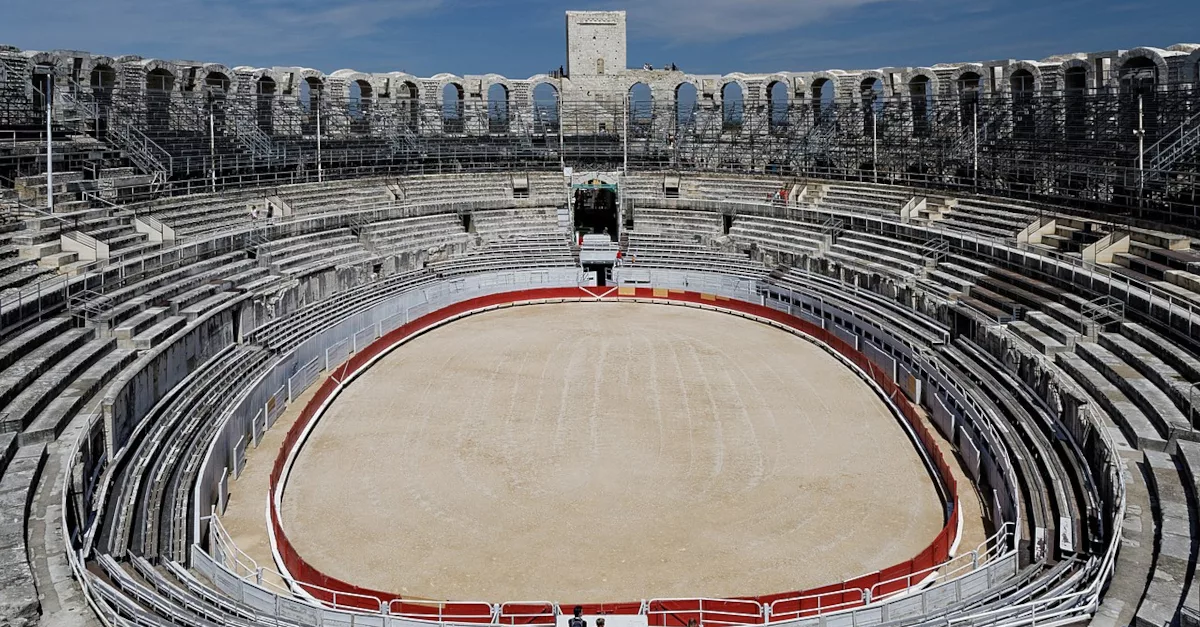
The Arles Amphitheatre is a Roman arena built between 80 and 90 AD during the reign of Domitian. It could accommodate up to around 25,000 spectators who came to watch gladiator fights and other spectacles.
Inspired by the Colosseum, it features an elliptical shape with two levels of arcades and a network of galleries designed for public circulation. After the fall of the Roman Empire, the monument was transformed into a fortress with towers and houses integrated into the structure.
During the Middle Ages, more than 200 houses were built inside the amphitheatre, creating a real neighborhood. From the 19th century onward, these dwellings were demolished in order to restore the monument to its ancient appearance.
Discover the remains of the arena structures in our Arles treasure hunt experience.
Ancient Theatre of Arles
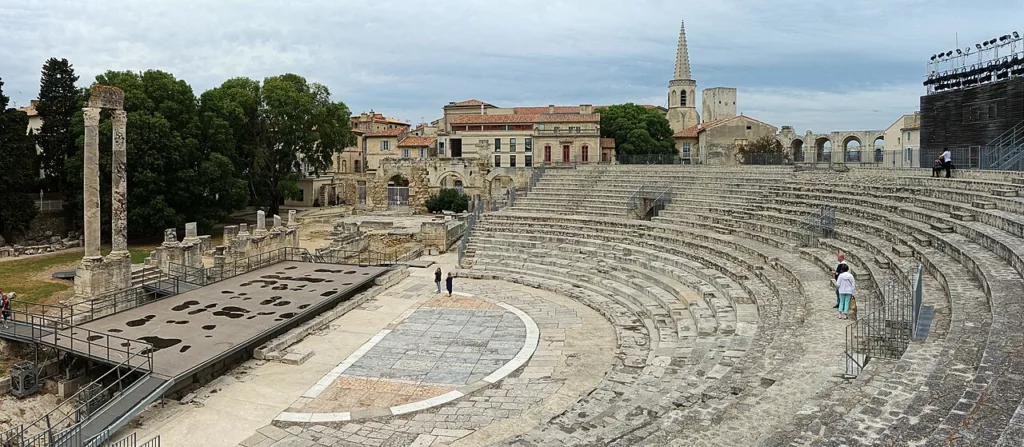
The Ancient Theatre of Arles is a Roman theatre built at the end of the 1st century BC during the reign of Augustus. It was among the first stone theatres in the Roman world and could hold around 10,000 spectators.
Its structure included a semi-circular cavea, a wooden stage, and a richly decorated stage wall adorned with Corinthian columns. The building hosted tragedies, comedies, and other religious or festive performances.
After the end of the Roman Empire, it was gradually abandoned and later transformed into a stone quarry and residential district. During the Middle Ages, houses and religious buildings were constructed on the site, profoundly altering its appearance.
From the 19th century onward, archaeological excavations uncovered the site and restored its ancient remains. Today, it is listed as a historic monument and a UNESCO World Heritage Site, and it still hosts cultural events.
Discover the remains of this theatre’s stage in our Arles treasure hunt.
Saint-Trophime Church of Arles
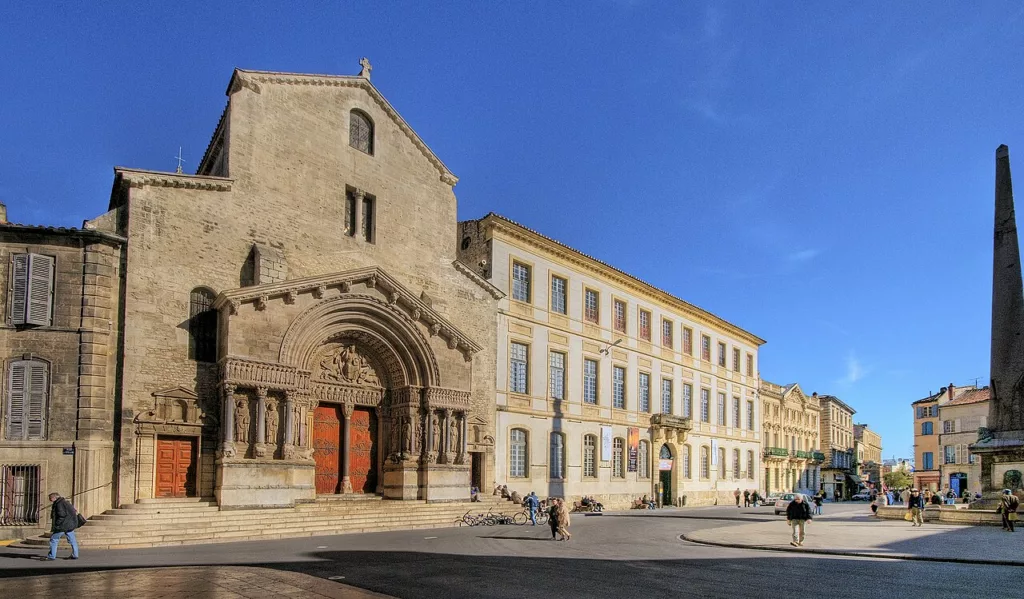
The Primatial Basilica of Saint-Trophime in Arles is a Romanesque church built from the 12th century onward on older early-Christian foundations. It is dedicated to Saint Trophimus and long served as the cathedral of the Archdiocese of Arles.
Its Romanesque architecture is distinguished by a vaulted nave, a square bell tower, and a richly sculpted 12th-century portal. The portal depicts biblical scenes and is considered a masterpiece of Provençal Romanesque sculpture.
During the Middle Ages, the church played an important religious and political role, hosting major events such as councils and coronations.
After the French Revolution, it lost its cathedral status and became a simple parish church. Today, it is listed as a historic monument and included in the UNESCO World Heritage listing of the Roman and Romanesque monuments of Arles.
Discover the secrets behind the sculptures of this basilica in our Arles tour experience.
Saint-Trophime Cloister
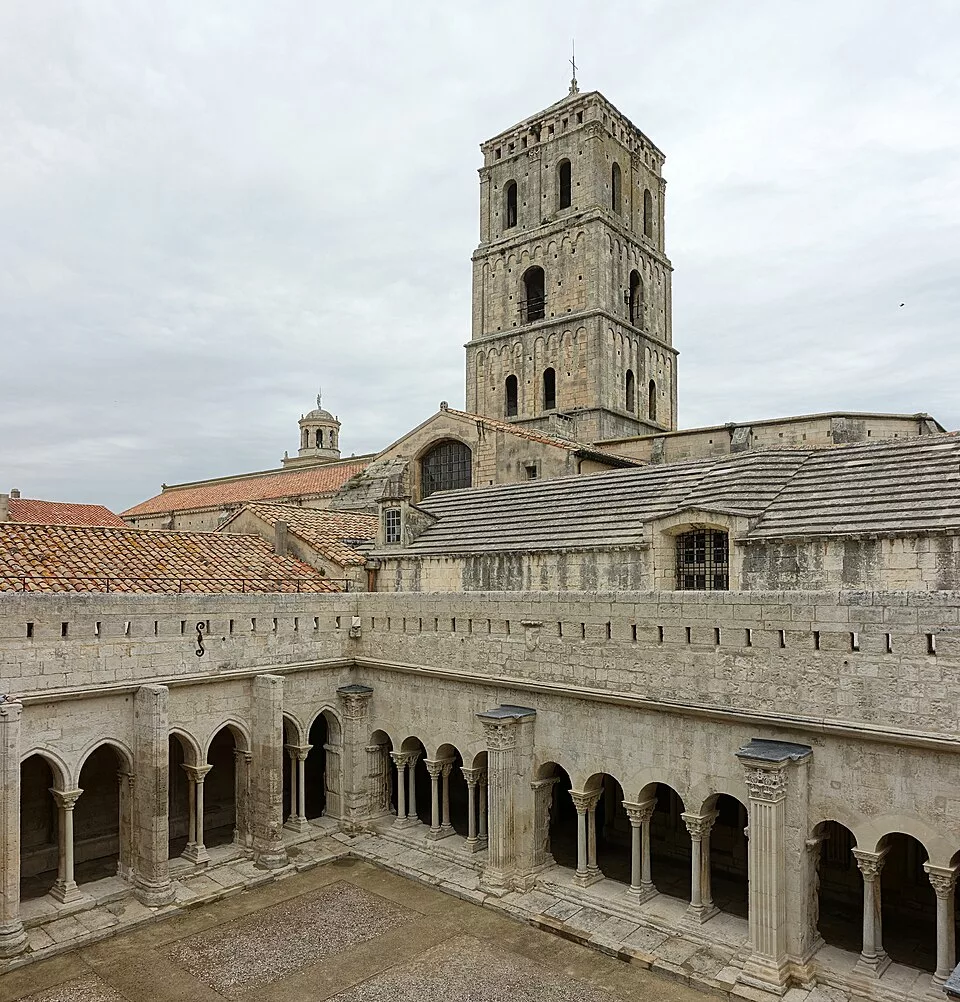
The Saint-Trophime Cloister is located in Arles, Provence, and is part of the former cathedral complex. Its construction began around 1150 and was completed in the 14th century. It combines two architectural styles: Romanesque and Gothic.
The cloister has a rectangular layout with galleries surrounding a central garden. It is unique because it is not directly attached to the church. The sculptures depict religious scenes and important saints. Each gallery illustrates different episodes from the Bible or from the life of Saint Trophimus.
Cryptoporticos of the Forum of Arles
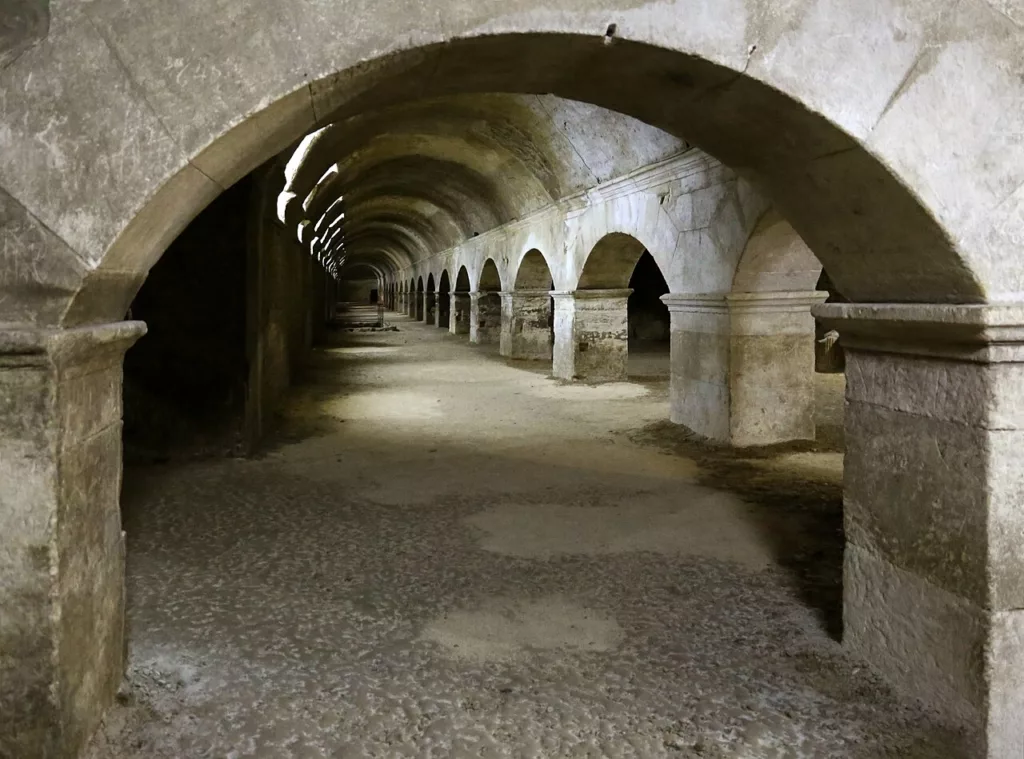
The Cryptoporticos of the Forum of Arles are underground Roman galleries located beneath the city. They served as the substructure of the forum, the large public square of the Roman period. These impressive structures are considered mysterious and fascinating.
Today, these galleries are accessible to visitors as a historical site. During the summer, their cool temperature makes them a pleasant place to explore.
Arles Town Hall
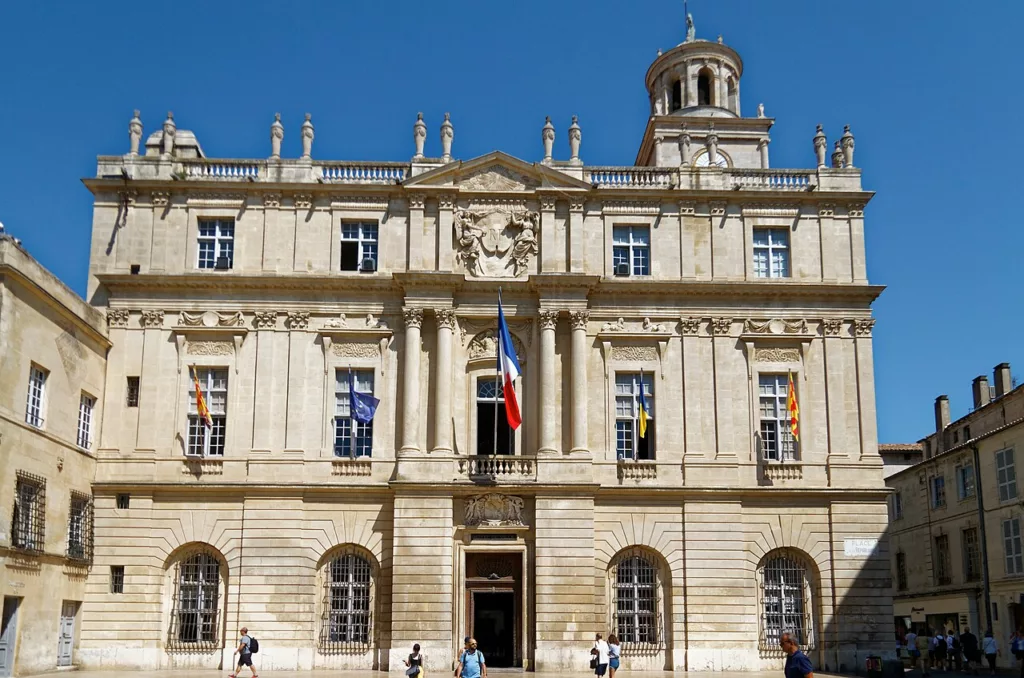
The Arles Town Hall is located on Place de la République and still serves today as the city hall. It was built beginning in 1676 in the Baroque style. Several architects, including Jacques Peytret and Jules Hardouin-Mansart, contributed to its design.
The building was listed as a historic monument in several stages during the 20th century. It features three floors and a richly decorated façade.
Inside, the vestibule contains a remarkable vaulted ceiling considered a masterpiece of stereotomy. A grand staircase leads to the council chamber and is decorated with sculptures, including lions and a copy of the Venus of Arles.
Discover a mysterious motto hidden on this building in our Arles experience.
Obelisk on Place de la République
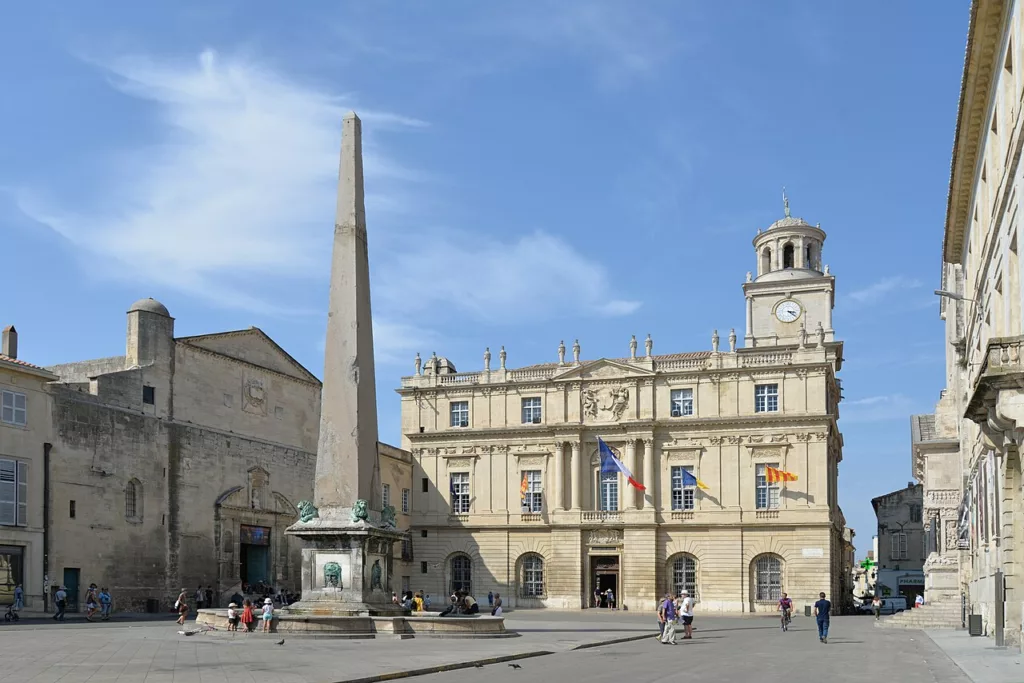
The Arles Obelisk, also called the Needle of Arles, is a Roman monument located on Place de la République. It consists of a red granite monolith approximately 20 meters high. Originally dating from the 4th century during the reign of Emperor Constantine, it once stood in the Roman circus of Arles.
After the fall of the Roman Empire, it collapsed and was rediscovered in the 14th century. In 1676, under Louis XIV, it was reinstalled in its current location in front of the town hall. Its pedestal was decorated in the 19th century with sculptures and a fountain basin. The top of the monument changed several times depending on the political regimes of the period.
Forum of Arles
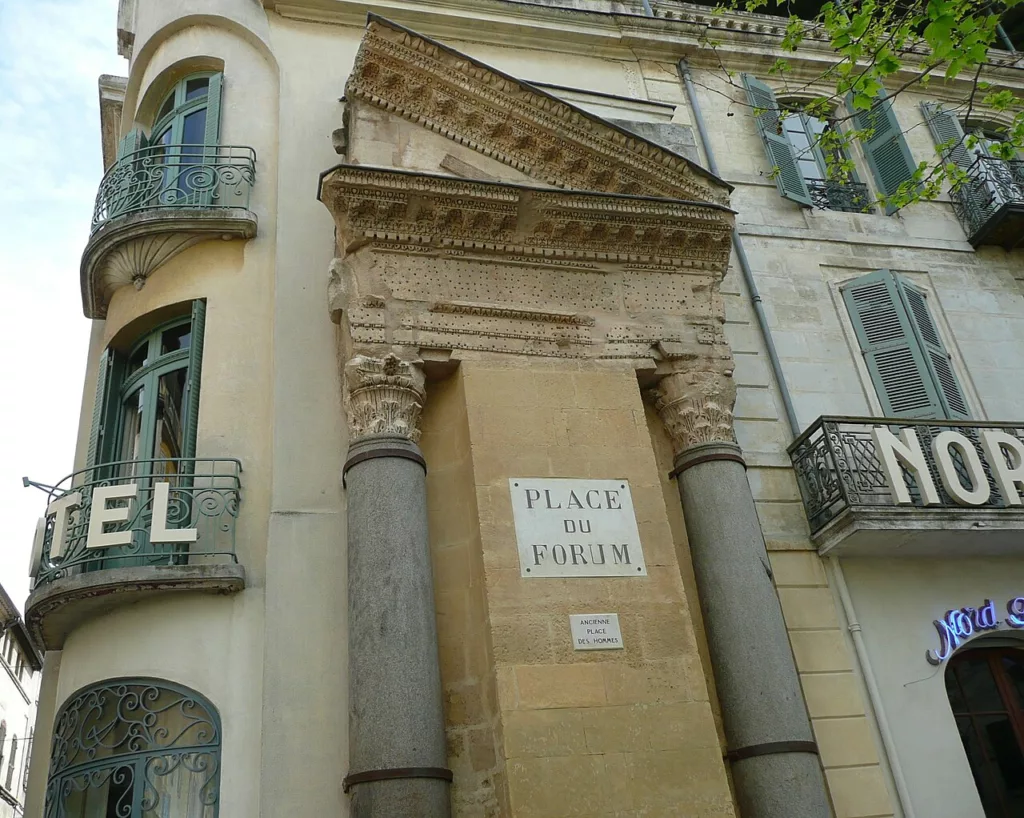
The Forum of Arles was an ancient Roman public space built around 30–20 BC in the heart of the colony of Arelate. It stood at the intersection of the cardo and the decumanus, the two main axes of the Roman city. It included a large paved square of around 3,000 m² surrounded by monumental porticoes.
In the Roman Empire, the forum was the center of public life in a city.
It had several main functions:
- Political role: it was the place where magistrates administered justice, where certain decisions were made, and where public meetings took place.
- Administrative role: official buildings such as basilicas and offices were often located there to manage the city’s affairs.
- Economic role: the forum served as a marketplace where merchants sold goods and traded products.
- Religious role: temples were located there, and ceremonies honoring the gods or the emperor were held in the forum.
- Social role: it was also a meeting place where inhabitants gathered, talked, and exchanged news.
Discover where the remains of the Forum of Arles are hidden in our Arles treasure hunt.
The Alyscamps
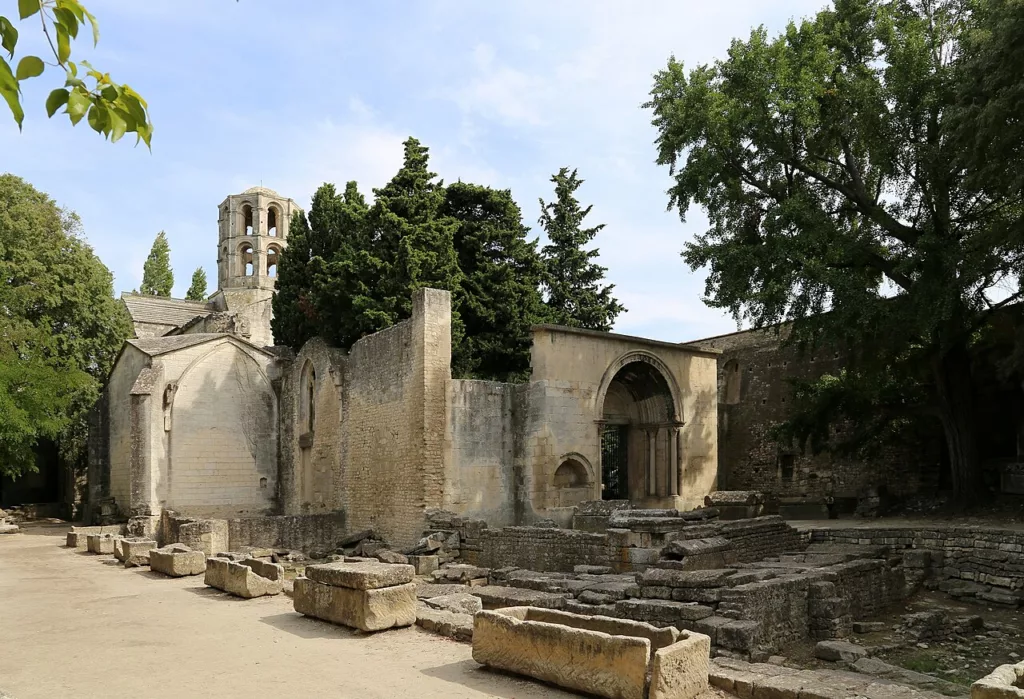
The Alyscamps of Arles are an ancient Roman and Christian necropolis located outside the city center. During Roman times, this area served as a cemetery filled with numerous stone sarcophagi. With the arrival of Christianity, it became a highly important and respected burial site.
During the Middle Ages, the Alyscamps even became a pilgrimage destination visited from across Europe. Many important figures, including bishops, were buried there. Over the centuries, the site was gradually transformed and partially damaged.
In the 19th century, the construction of a railway line further altered its appearance. Today, the Alyscamps are a protected historical site open to visitors. They are also famous thanks to paintings by Van Gogh and Gauguin.
Trinquetaille Bridge
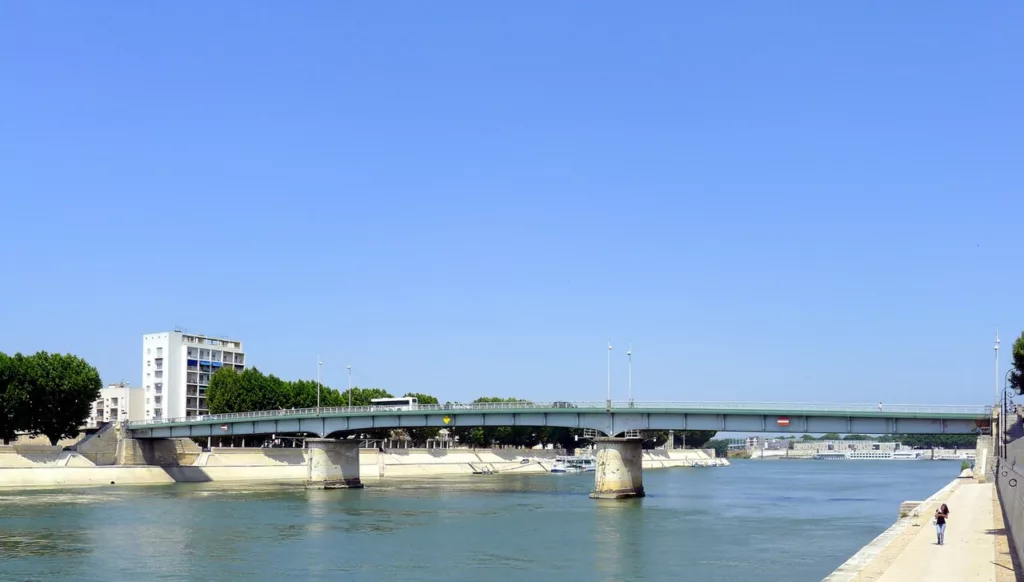
The Trinquetaille Bridge is a road bridge located in Arles, in southern France, crossing the Grand Rhône River. It connects the center of Arles with the Trinquetaille district on the right bank. The first modern bridge was built in the 19th century and inaugurated in 1875.
It was modified several times to strengthen its structure and improve traffic circulation. The Trinquetaille Bridge is also famous thanks to the painter Vincent van Gogh. In 1888, while living in Arles, he created two paintings depicting the bridge.
The first painting shows the bridge as a whole, viewed from upstream.
The second, more famous work, depicts a staircase leading to the bridge with the Rhône River in the background.
These artworks reflect Van Gogh’s fascination with landscapes and industrial structures.
Constantine Baths
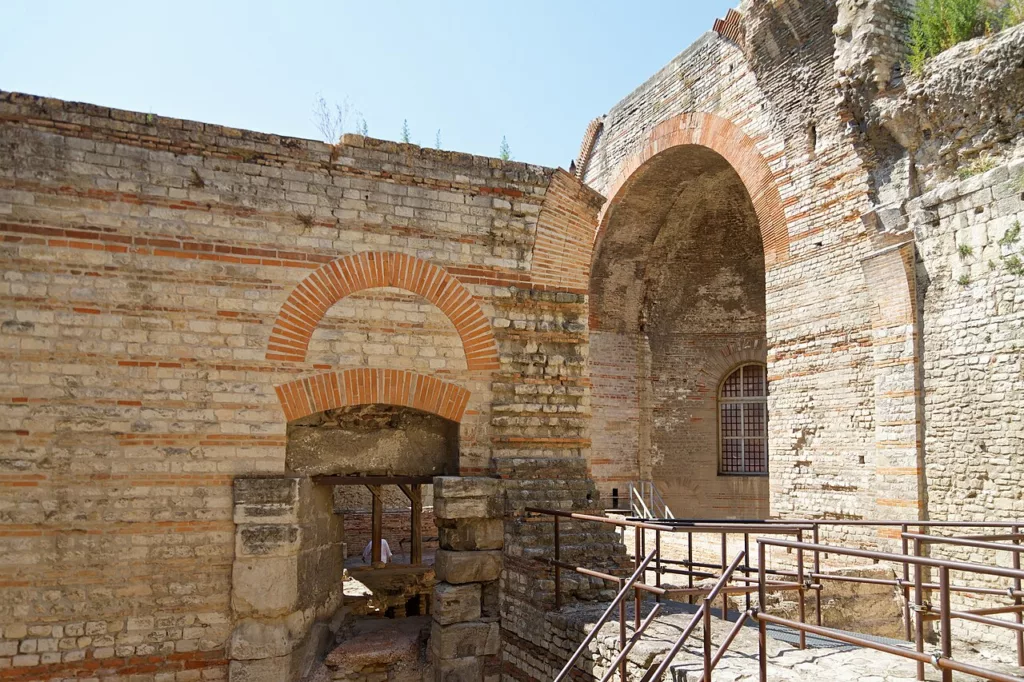
The Constantine Baths in Arles are ancient Roman public baths built in the 4th century. They were constructed at a time when Emperor Constantine resided in the Roman city of Arelate. These baths were used by inhabitants to wash, relax, and meet in a social setting.
They included several rooms such as the caldarium, or hot bath, and the tepidarium, or warm bath. The heating system worked thanks to the hypocaust, an ingenious Roman technique.
During the Middle Ages, the remains were misinterpreted and considered to be a former imperial palace. A large part of the site was rediscovered and studied from the 19th century onward.
Cavalry Gate
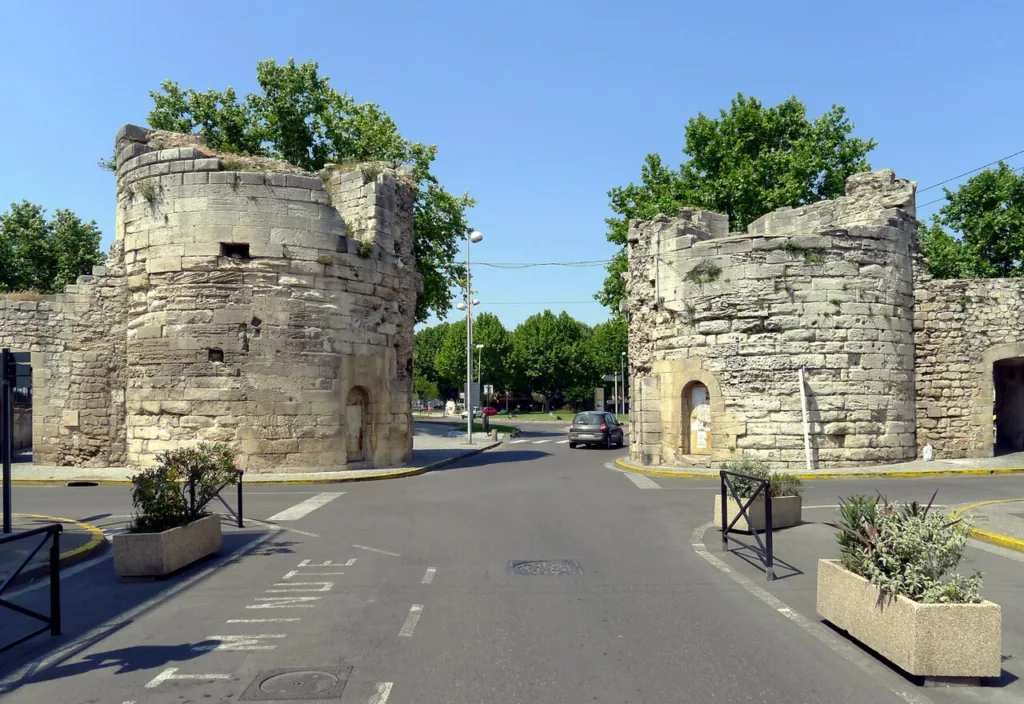
The Cavalry Gate is one of the former fortified entrances to the city of Arles. It was part of the ramparts that protected the city from the Middle Ages onward. Its name is thought to come from the district it served, which was linked to military and equestrian activities.
The current gate was rebuilt and modified several times, notably in the 16th century. It consists of two round towers that once framed the main passageway.
Damaged during the French Revolution, it was later partially restored. It still bears witness today to the strategic importance of Arles in regional history.
Amédée Pichot Fountain
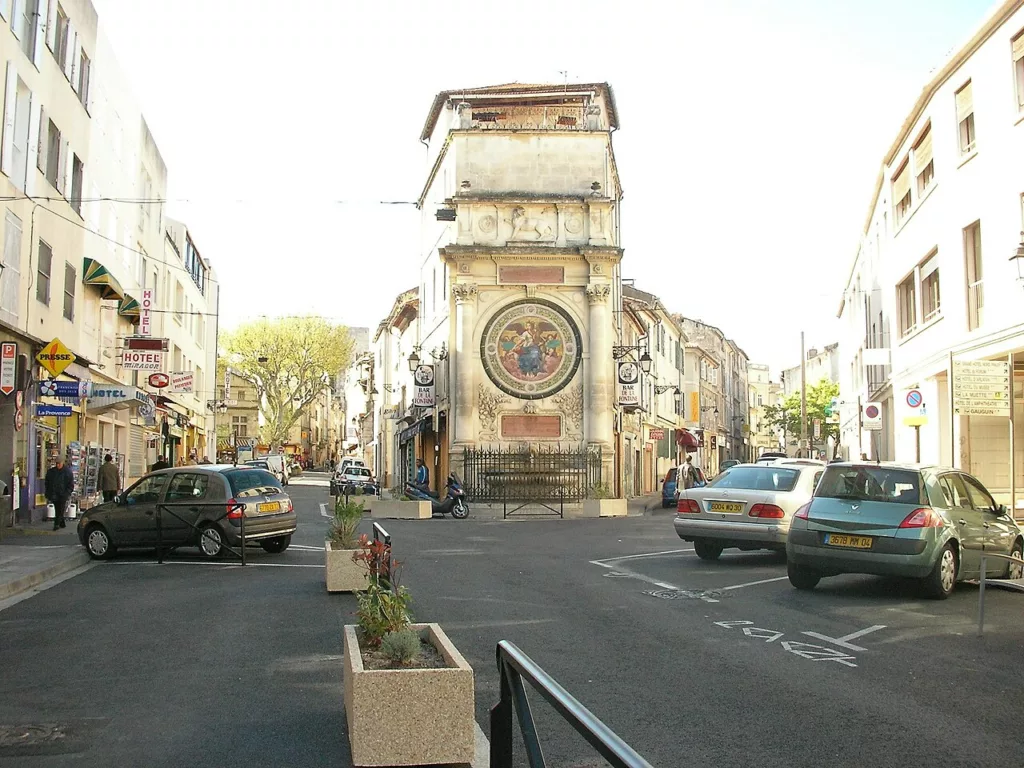
The Amédée Pichot Fountain, dating from 1887, is a 19th-century commemorative work. It was commissioned by Pierre-Amédée Pichot and created by architect Joseph Flandrin.
Its architecture is inspired by Parisian fountains, particularly the one on Place Saint-Michel. The central element is an enamel medallion on faience tiles created by Paul Balze.
Two columns with Corinthian capitals elegantly frame this decorative composition. The base of the structure is occupied by an elegant basin.
The top is adorned with a lion sculpted by Auguste Cain, as well as the emblem of the city. Inscriptions in Latin and Provençal recall the history and intentions of the monument.
Discover the secrets of a mysterious Latin inscription on this monument in our Arles experience.
Saint-Julien Church of Arles
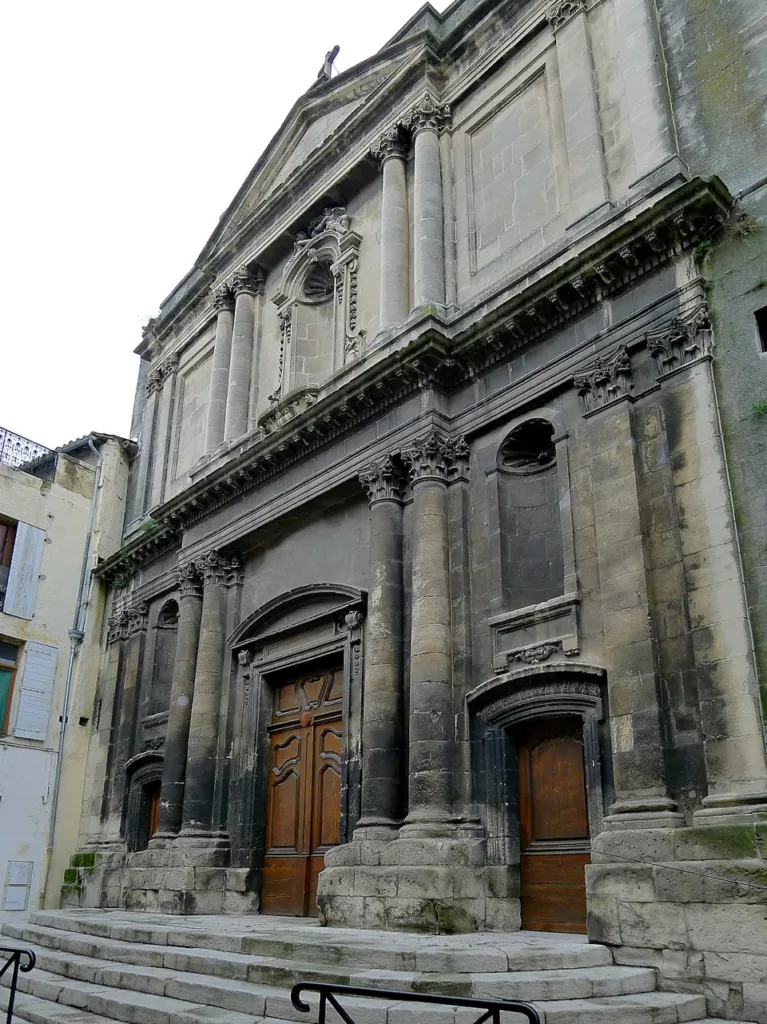
Saint-Julien Church of Arles is a religious building whose origins date back to the 12th century. It was originally dedicated to Saint Anthony before becoming Saint-Julien over the centuries. Rebuilt in the 17th century, it combines a classical style with late Gothic elements.
The church was severely damaged during the bombings of 1944. Now restored, it is no longer used for worship but for cultural events. Its interior preserves several remarkable features, including a 17th-century altarpiece.
Mourgues Tower
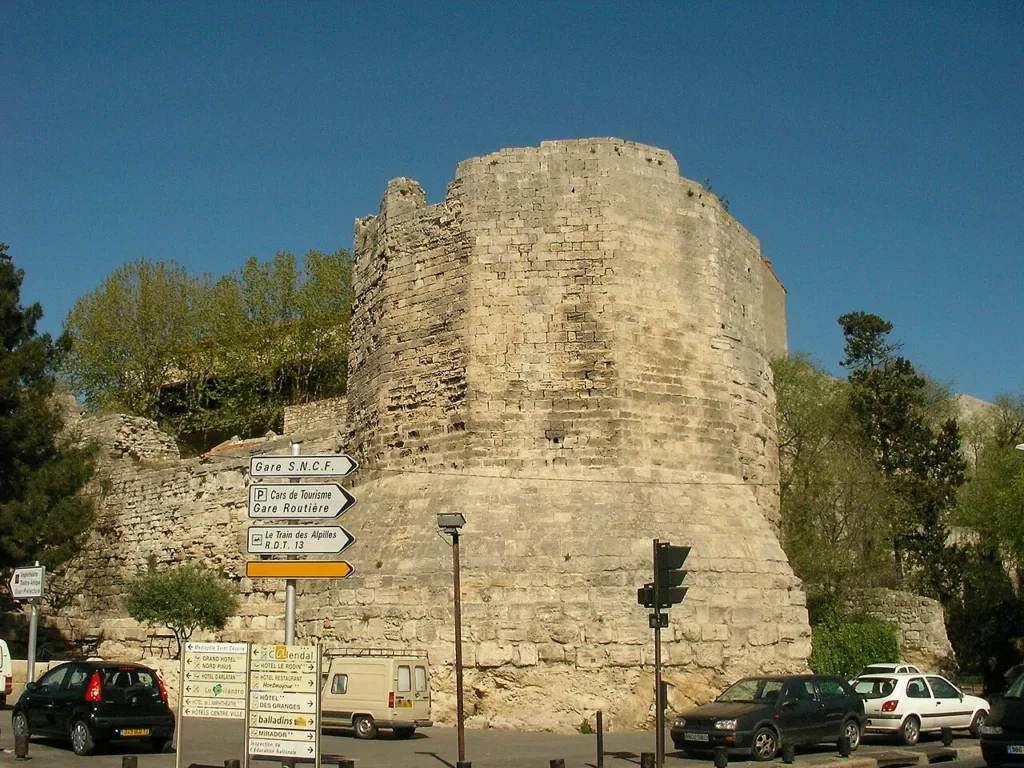
The Mourgues Tower is a major element of the ancient ramparts of Arles, dating from the late 1st century BC. Today, it is one of the best-preserved remains of the city’s ancient enclosure. Its name comes from the nuns of the monastery founded by Bishop Caesarius in the 6th century.
The circular tower, with an interior diameter of about 7.90 meters, reflects Roman expertise in construction. It included a postern gate whose relieving arch illustrates the technical quality of ancient architecture.
Over time, the tower was reinforced and modified, particularly in Late Antiquity and in the 16th century. These transformations show its gradual adaptation to the city’s defensive needs.
Barbegal Aqueduct and Mills
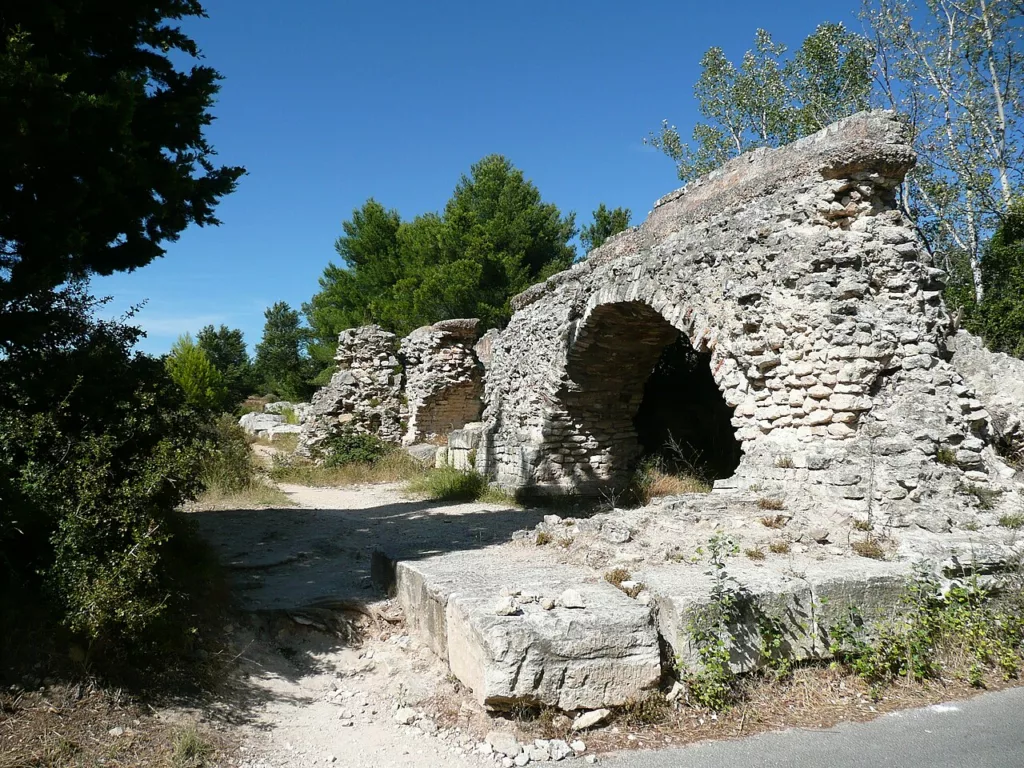
The Barbegal aqueducts and mills, located near Arles, represent one of the most impressive industrial complexes of Roman antiquity. Built between the 2nd and 3rd centuries, this complex used water power to operate grain mills.
The water came from the Alpilles aqueducts, which supplied an ingenious system of channels and successive drops. Thanks to this installation, the Romans could produce several tons of flour every day. The site is often considered the greatest concentration of mechanical power in the ancient world.
The mills were organized in two rows of eight water wheels, separated by a central staircase. The complex operated for about a century before being abandoned.
Catholic Church of Notre-Dame-de-la-Major of Arles
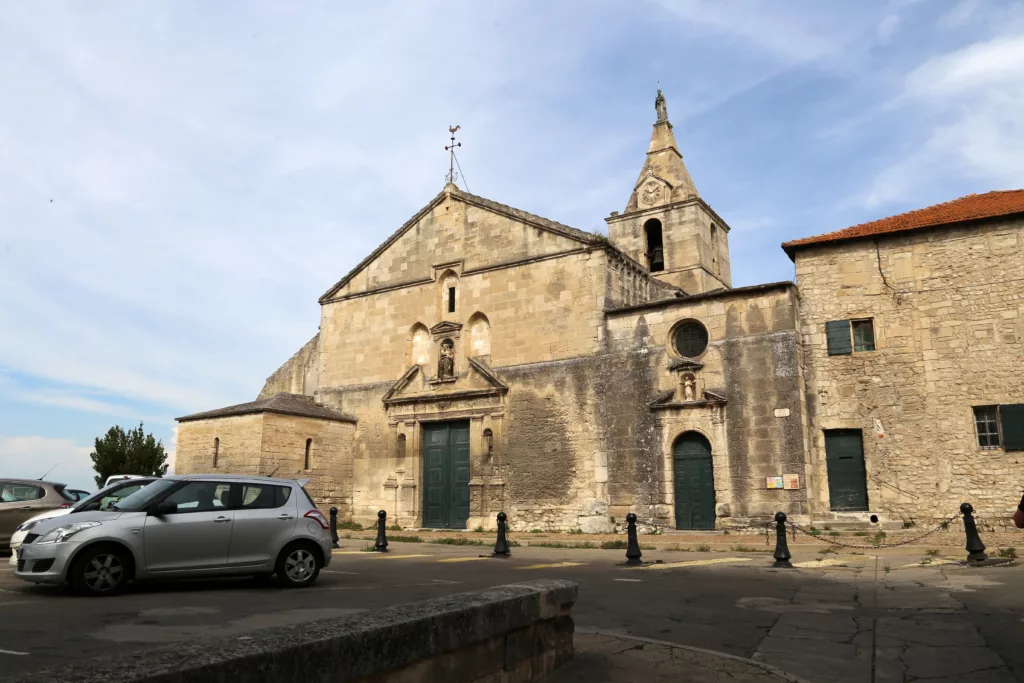
The Church of Notre-Dame-de-la-Major in Arles is one of the oldest churches in the city, with origins dating back to the 5th century. It was built on a former Roman site dedicated to a pagan deity, reflecting the historical continuity of the location.
The current building combines Provençal Romanesque and Gothic styles, the result of many transformations over the centuries. During the Middle Ages, it became an important collegiate church and played a central role in religious life in Arles.
Its architecture was enriched between the 16th and 17th centuries with the reconstruction of the choir, bell tower, and façade. Damaged during the bombings of 1944, it was restored in the second half of the 20th century.
Inside, there are many works of art, including altarpieces, statues, and ancient religious paintings. The church also houses a historic organ, now in poor condition but still remarkable.
Montmajour Abbey
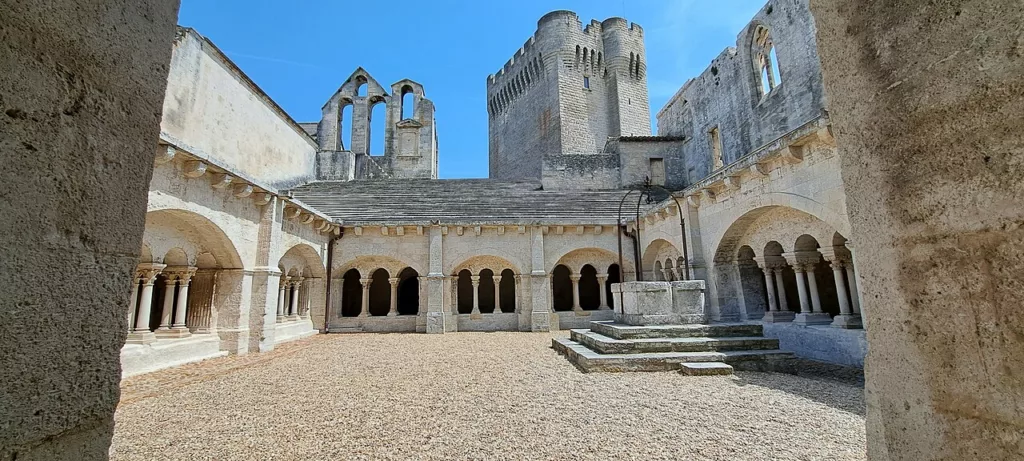
Saint-Pierre de Montmajour Abbey is a former Benedictine abbey founded in 949 near Arles, in Provence. It quickly became a major religious and economic center thanks to its rich donations and network of priories.
During the Middle Ages, it enjoyed great influence and hosted an important pilgrimage linked to the Holy Cross. It also served as a necropolis for the Counts of Provence, which strengthened its prestige.
From the 14th century onward, the abbey entered a period of decline due to wars and political crises. It was later attached to external authorities and gradually lost its independence.
In the 17th century, Maurist monks undertook major renovations and built classical-style buildings. After the French Revolution, the abbey was abandoned, sold as national property, and then heavily damaged.
Must-See Museums in Arles
Departmental Museum of Ancient Arles
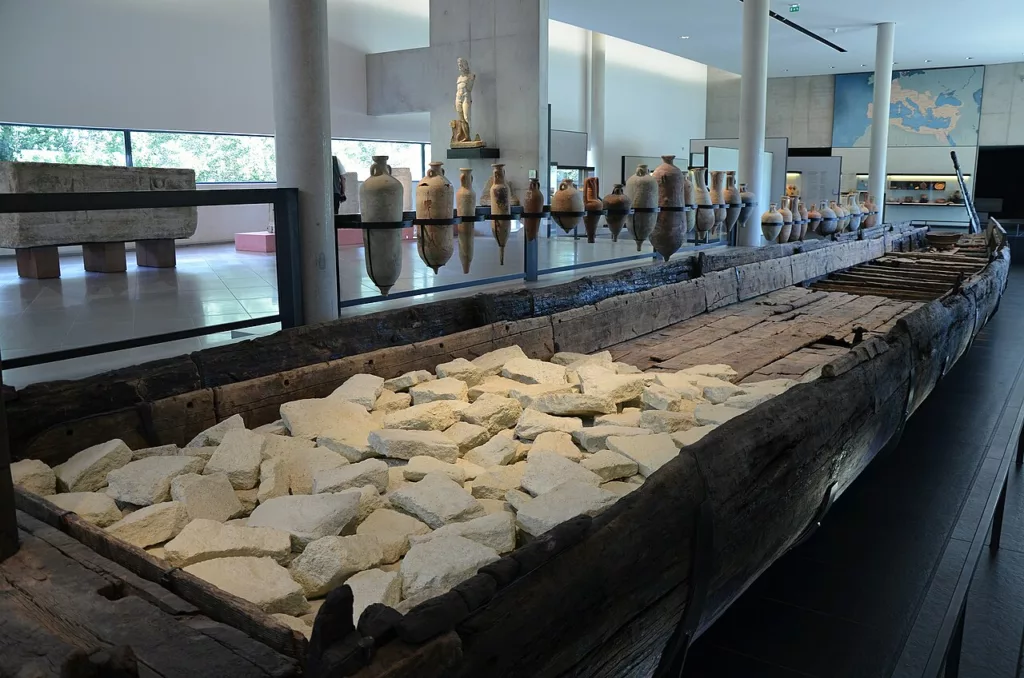
The Museum of Ancient Arles is an archaeological museum located in Arles, built in 1995 on the former site of the Roman circus. It was designed by architect Henri Ciriani and stands out for its modern triangular architecture.
The museum brings together rich archaeological collections tracing the history of Arles from Prehistory to Late Antiquity. It notably displays Roman statues, mosaics, sarcophagi, and many everyday objects from antiquity.
An important section is devoted to Roman spectacles such as the theatre, amphitheatre, and circus games. The museum also highlights ancient religious life through the worship of gods and funerary rites.
The site is nicknamed the “Blue Museum” because of its façades covered with blue enamel panels.
Espace Van Gogh
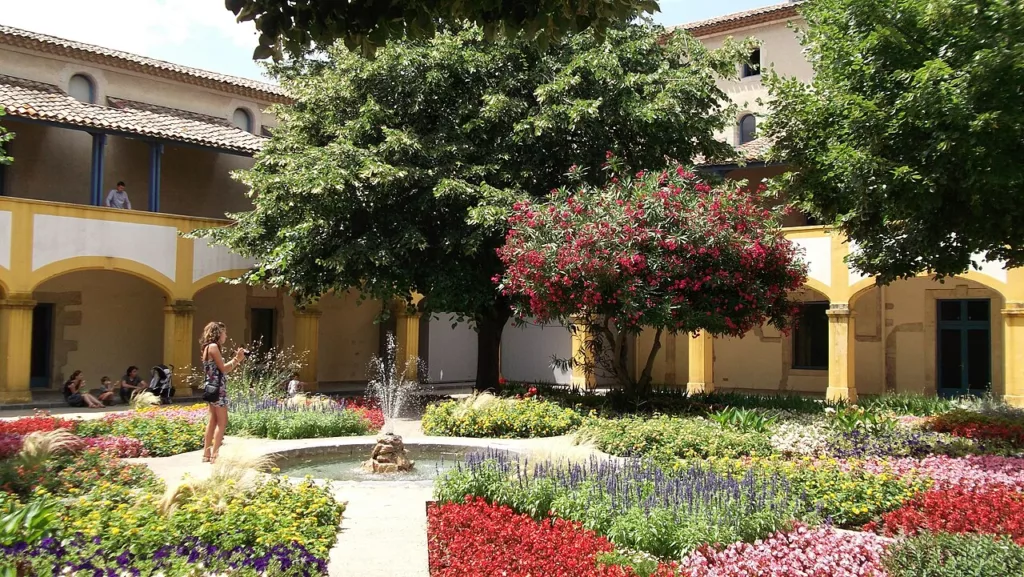
Espace Van Gogh is an unmissable cultural venue in Arles, housed in the former Hôtel-Dieu hospital. Built between the 16th and 17th centuries, it reflects a long hospital tradition and the history of the city.
Vincent van Gogh stayed there in 1888 and 1889 after a significant episode in his life in Arles. It was in this hospital that he was treated by Doctor Félix Rey before being admitted to Saint-Rémy-de-Provence.
The building, organized around a central garden, is now a space dedicated to culture and creation. After the hospital closed in the 1970s, the site was transformed into a cultural center from 1986 onward. Its restoration made it possible to host institutions such as a media library and exhibition spaces. The flower-filled garden, surrounded by galleries, recalls the luminous paintings Van Gogh created in Arles.
Vincent Van Gogh Foundation Arles
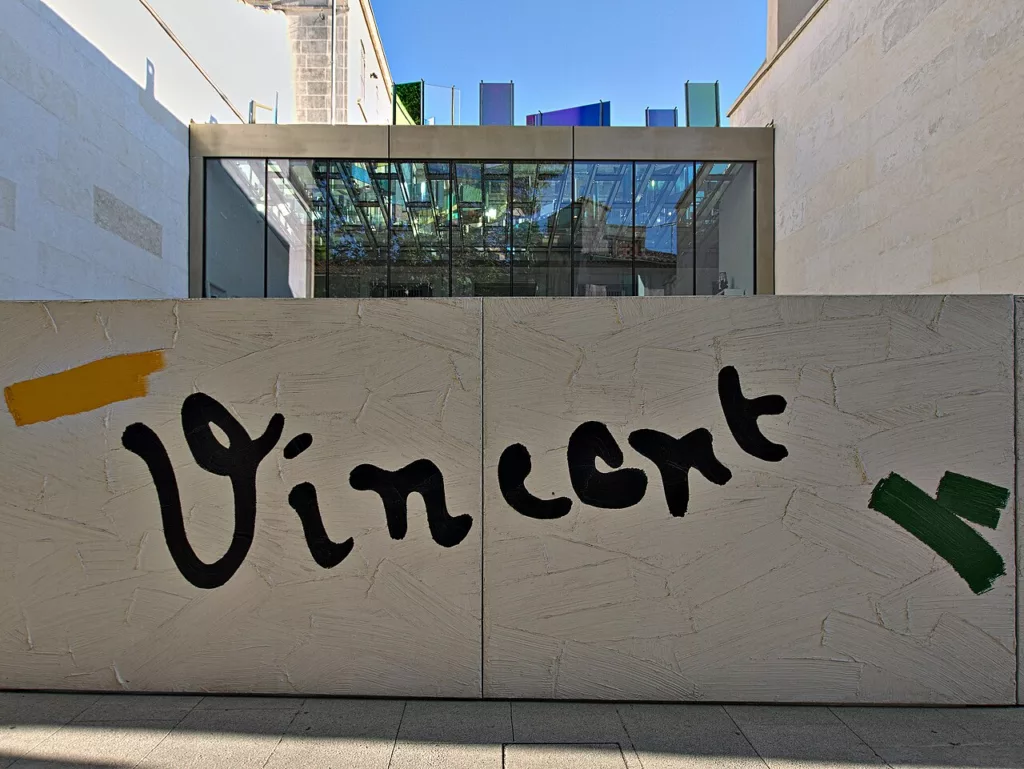
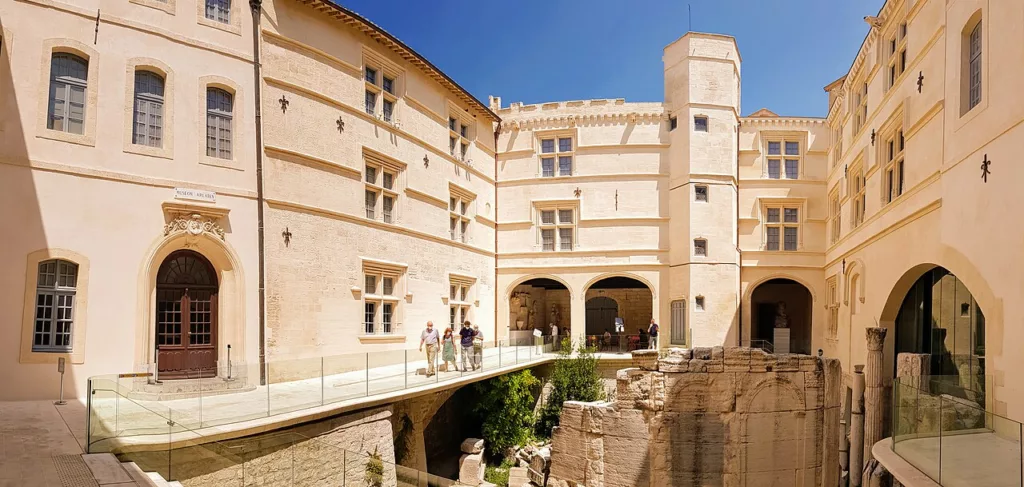
Museon Arlaten
Domaine de Méjanes
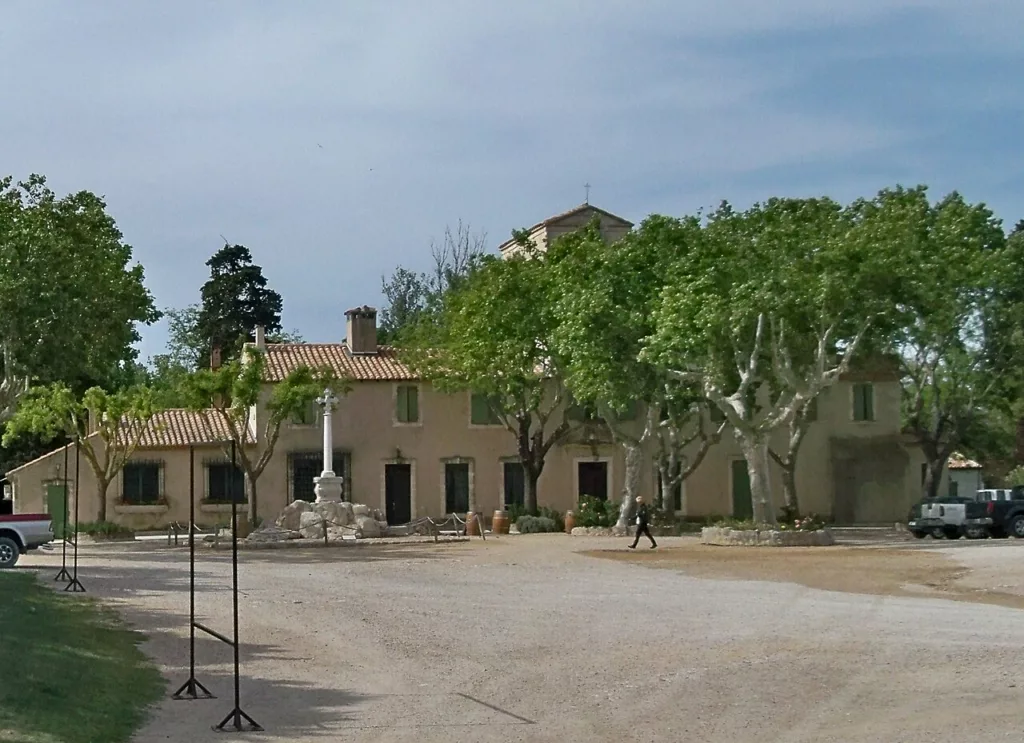
The Domaine de Méjanes is located in the heart of the Camargue, on the edge of the Vaccarès lagoon. It is an exceptional natural site where horses and bulls roam freely.
Many species of migratory and resident birds can also be observed there. The estate promotes tourism that respects nature and heritage. A small train allows families to discover the landscapes and history of the site.
Gardians regularly offer traditional horse and bull shows. Visitors can also enjoy horseback rides, pony rides, and discovery trails. The Domaine de Méjanes thus reflects the spirit and living traditions of the Camargue.
Réattu Museum
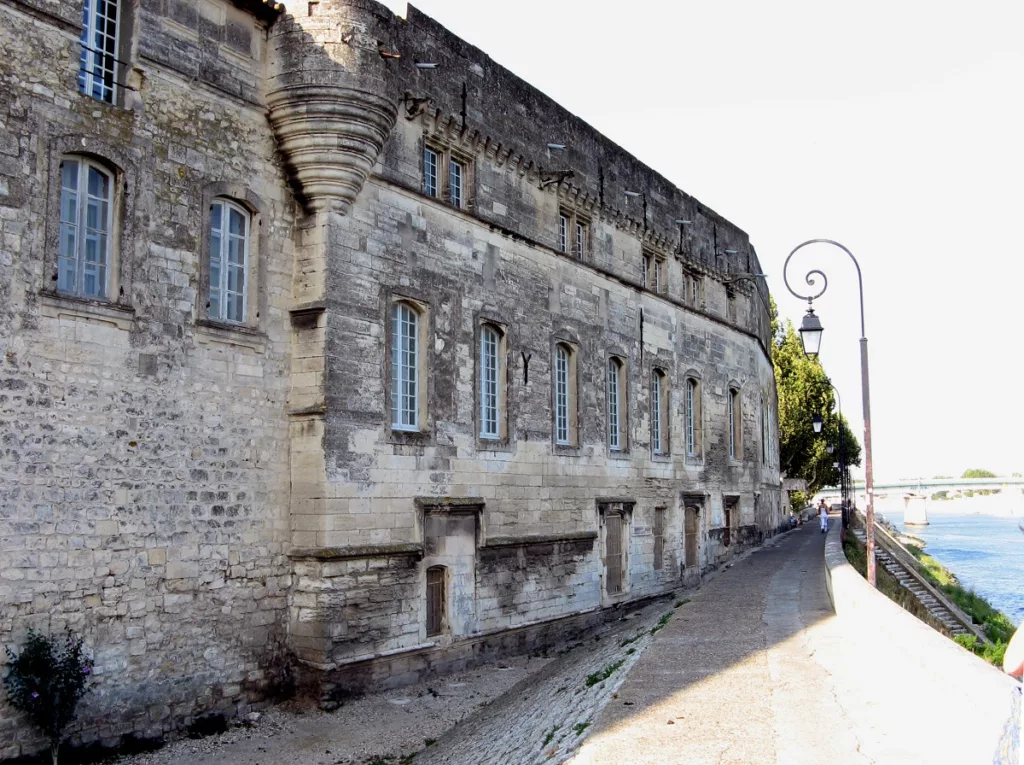
The Réattu Museum is an art museum located in Arles, housed in a former priory of the Order of Saint John of Jerusalem. It mainly contains works by the Arles-born painter Jacques Réattu, as well as important collections of modern art.
The museum also preserves drawings by Pablo Picasso, who had a special connection with the city of Arles. It is renowned for its photography collection, developed from the 1960s onward. Many major photographers, such as Lucien Clergue and Ansel Adams, are represented there.
The museum was also a pioneer in France in integrating sound art into its collections.
Parks and Green Spaces in Arles
Camargue Regional Nature Park
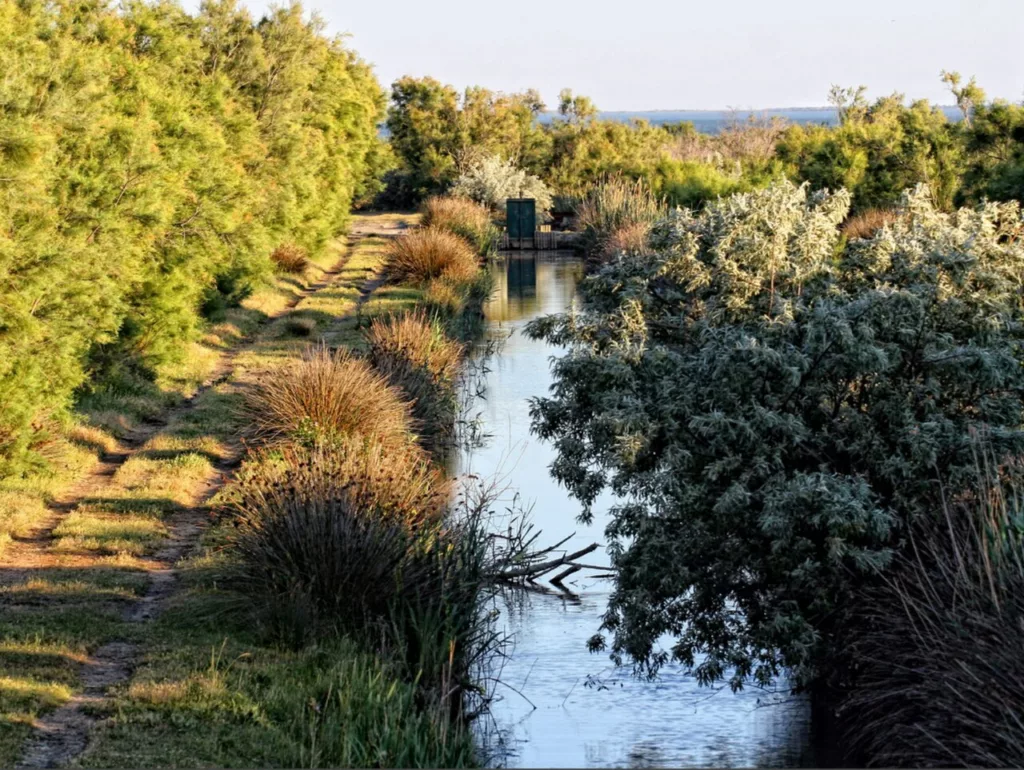
The Camargue Regional Nature Park is a vast protected area located in southern France, in the heart of the Rhône Delta. It extends mainly between the two branches of the river and includes wetlands of great ecological richness.
This territory has been classified as a regional nature park since 1970 in order to preserve its landscapes and exceptional biodiversity. The Camargue is particularly known for its white horses, bulls raised in semi-freedom, and pink flamingos.
The park plays an essential role in protecting many species of migratory birds and rare natural habitats. The Camargue is also an area where traditional agriculture, such as rice farming, coexists with nature conservation.
Summer Garden
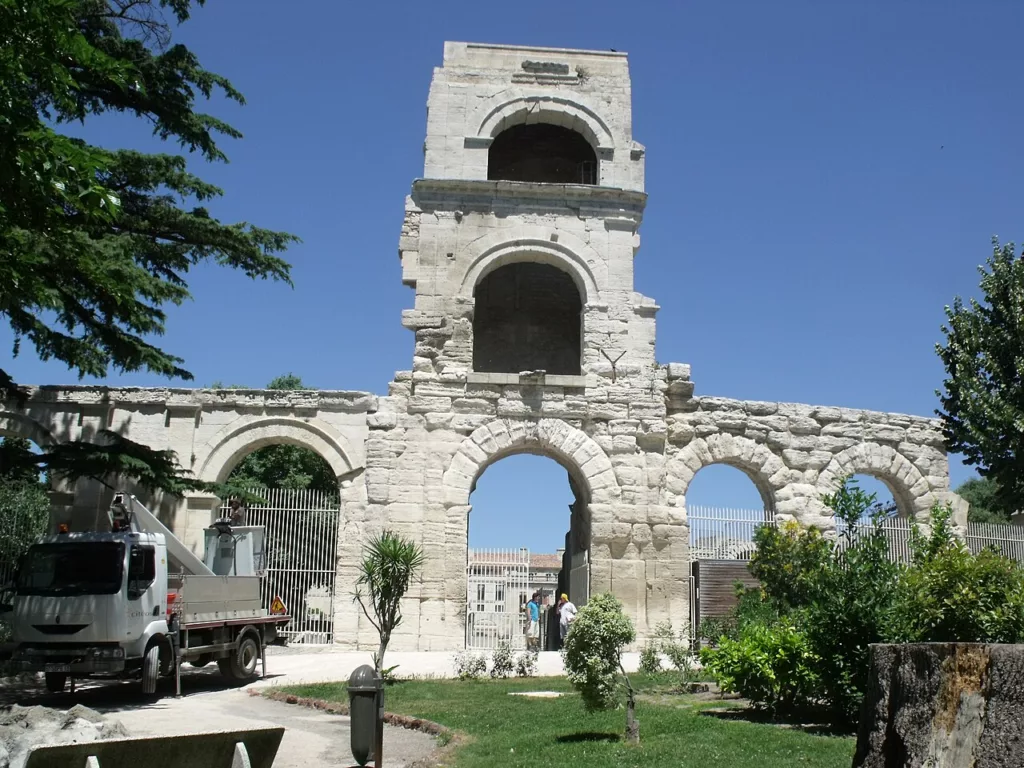
This historic garden reflects the city’s urban and cultural evolution over time. Its shaded paths are lined with often exotic trees that enhance its charming, change-of-scenery atmosphere. Visitors can also discover a varied collection of statues inspired by mythology and local memory.
A playground has been created for children, with suitable slides and merry-go-rounds.
Hortus Garden
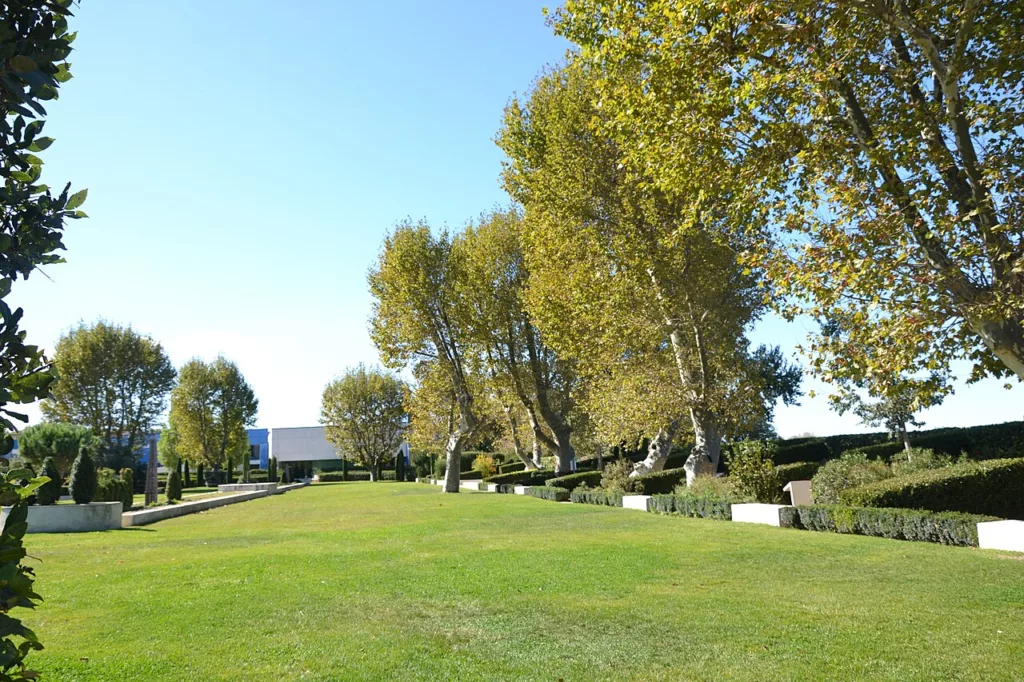
The Hortus Garden is a Roman-inspired landscaped space located near the museum and the ancient remains of the Roman circus. Hortus Garden extends over more than 6,000 m² and connects the old center of Arles to the museum.
Its layout is inspired by descriptions of ancient gardens, particularly those of Pliny the Younger. The site is organized like an ancient Roman circus, with areas evoking the stands and the central track.
Themed gardens, relaxation areas, and play spaces offer a varied and enjoyable visit. The vegetation, pools, and pathways evoke the art of gardens in Roman antiquity.
The site was designed as part of a European project involving several local and cultural institutions.
Gastronomy & Specialties of Arles
Bull Gardianne
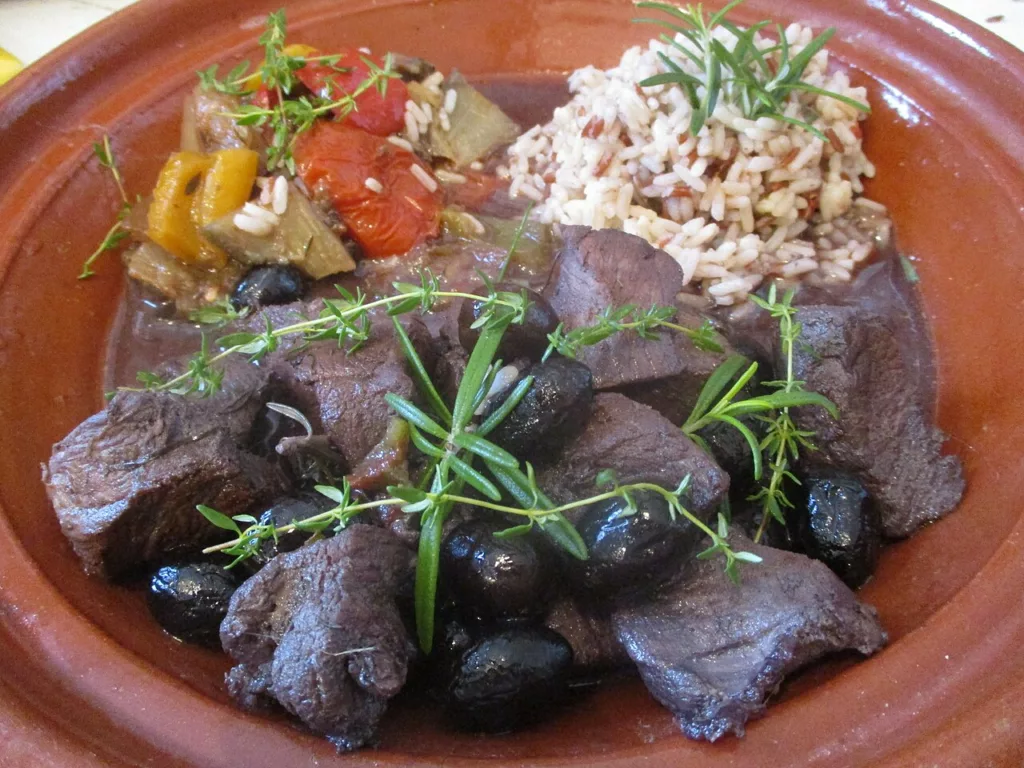
Bull gardianne is a traditional dish from Camargue cuisine, typical of the Arles region. It is prepared with bull meat slowly simmered in red wine and aromatic herbs.
Its slow cooking produces tender meat and a rich, flavorful sauce. It is often served with Camargue rice, an emblematic local product.
Anchoïade
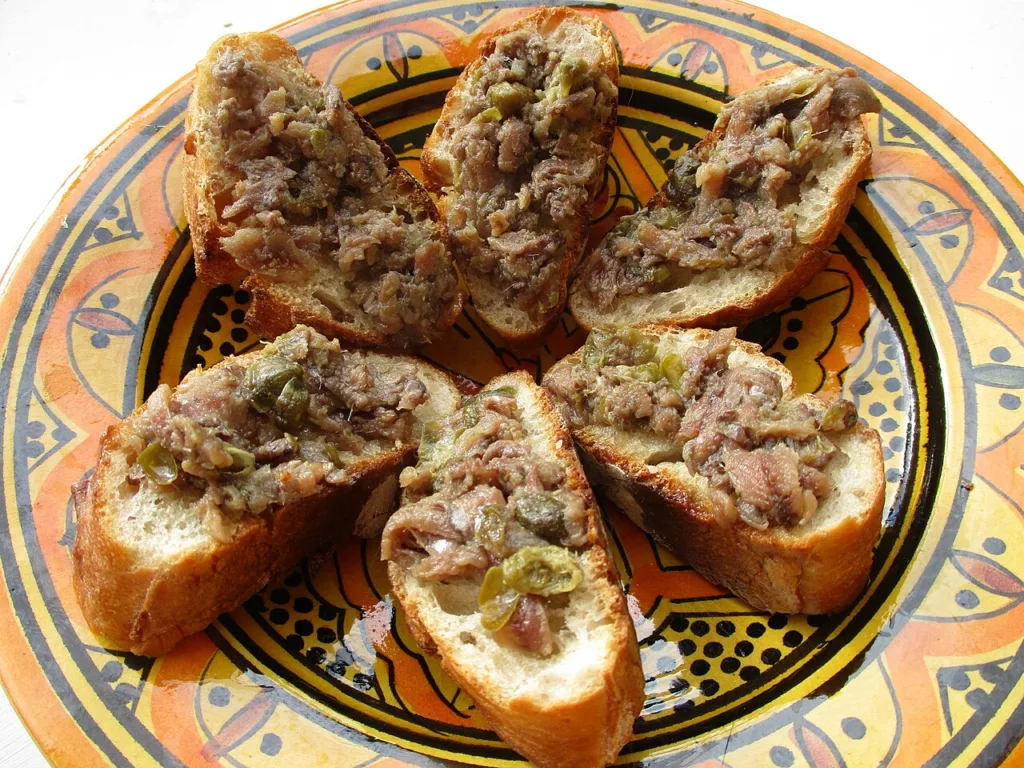
Anchoïade is a Provençal specialty made from crushed anchovies. It is prepared with olive oil, garlic, and sometimes capers.
This sauce is often enjoyed with raw vegetables such as carrots or celery. Anchoïade is served cold, usually as a starter or appetizer.
Octopus Rouille
Octopus rouille is a specialty inspired by Mediterranean and Provençal cuisine. It combines tender octopus with a sauce made from garlic, olive oil, and chili pepper.
Rouille gives the dish a spicy flavor and a slightly orange color. The octopus is usually cooked slowly until tender and flavorful. This dish is often served with toasted bread or potatoes.
Fougasse
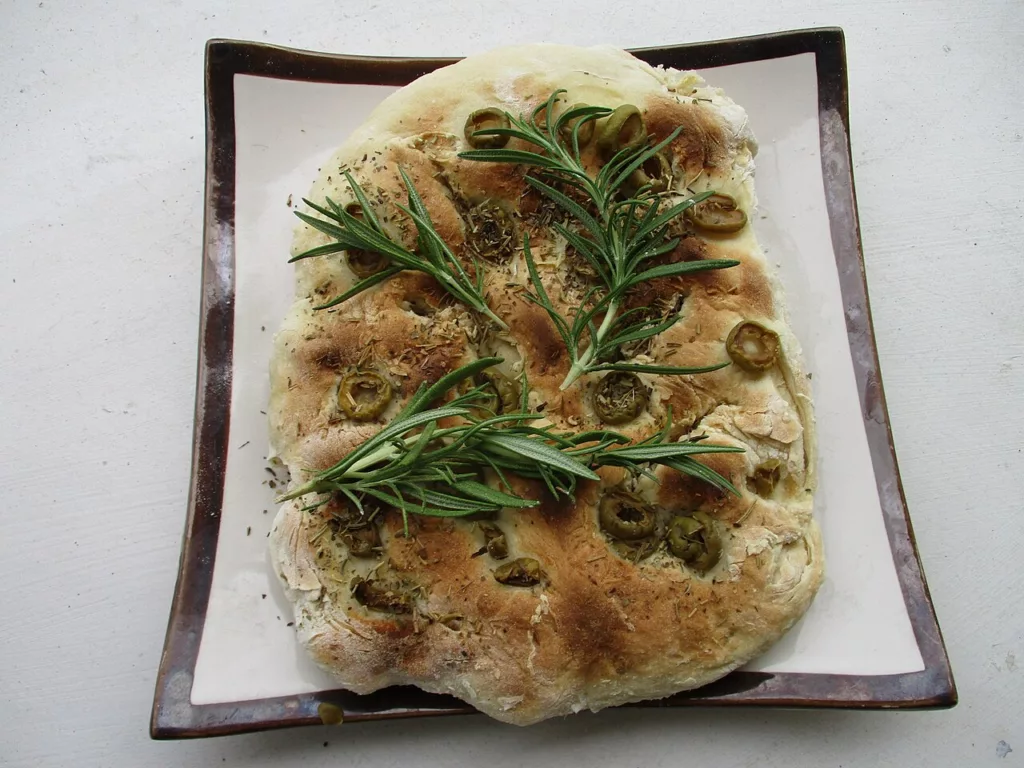
Fougasse is a traditional flatbread from Provence, often considered one of the oldest forms of bread in France. It is made from a simple bread dough composed of flour, water, yeast, salt, and olive oil.
Its distinctive feature is its flat, decorative shape, often slit or sculpted before baking to create several branches. Depending on the variation, it can be savory, with olives, bacon, anchovies, or cheese, or sweet, flavored with orange blossom or sugar. It is baked in the oven, giving it a golden crust and a soft crumb.
Excursions from Arles
Saint-Gilles
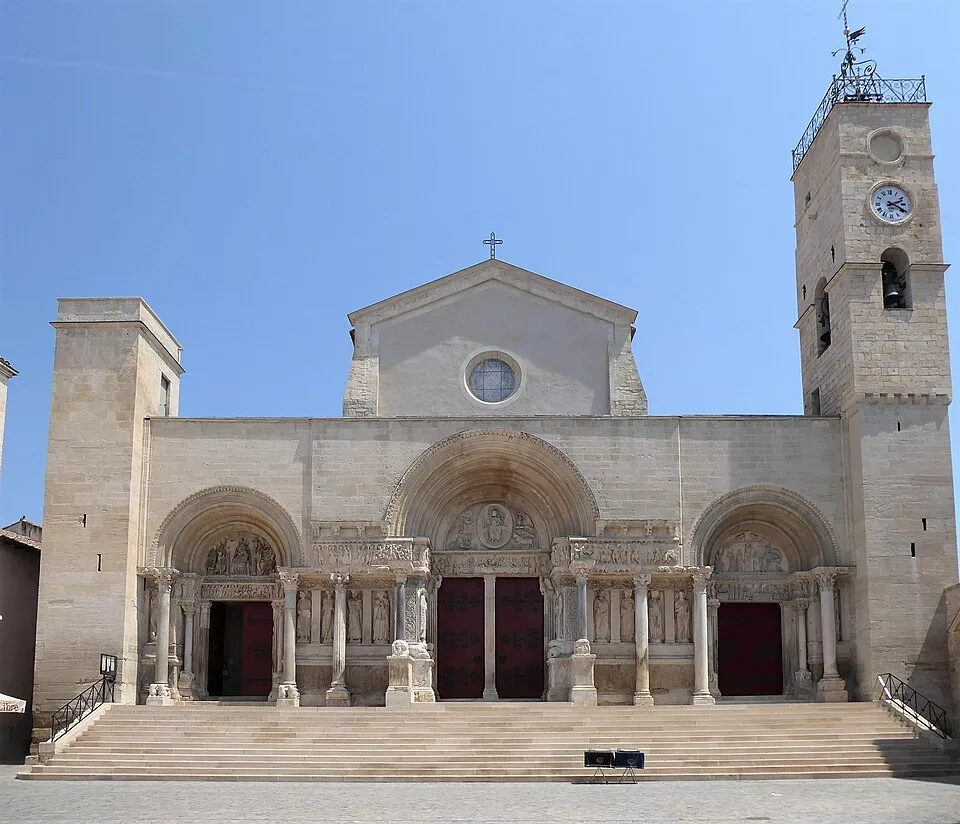
From Arles, an excursion to Saint-Gilles offers the chance to discover a town rich in history and heritage. The town is located at the gateway to the Camargue, in a natural setting of marshes, vineyards, and Mediterranean landscapes.
Its most famous monument is the Abbey Church of Saint-Gilles, listed as a UNESCO World Heritage Site as part of the Routes of Santiago de Compostela. Visitors can admire its remarkable façade and the famous “Vis de Saint-Gilles,” a unique spiral staircase.
The old town also features many medieval houses and charming narrow streets. Saint-Gilles is linked to the history of pilgrimages and crusades, giving it great cultural importance.
The town is also known for its Camargue traditions and activities involving bulls and horses. Visitors can enjoy the marina and canals for a peaceful and pleasant walk.
Pont du Gard
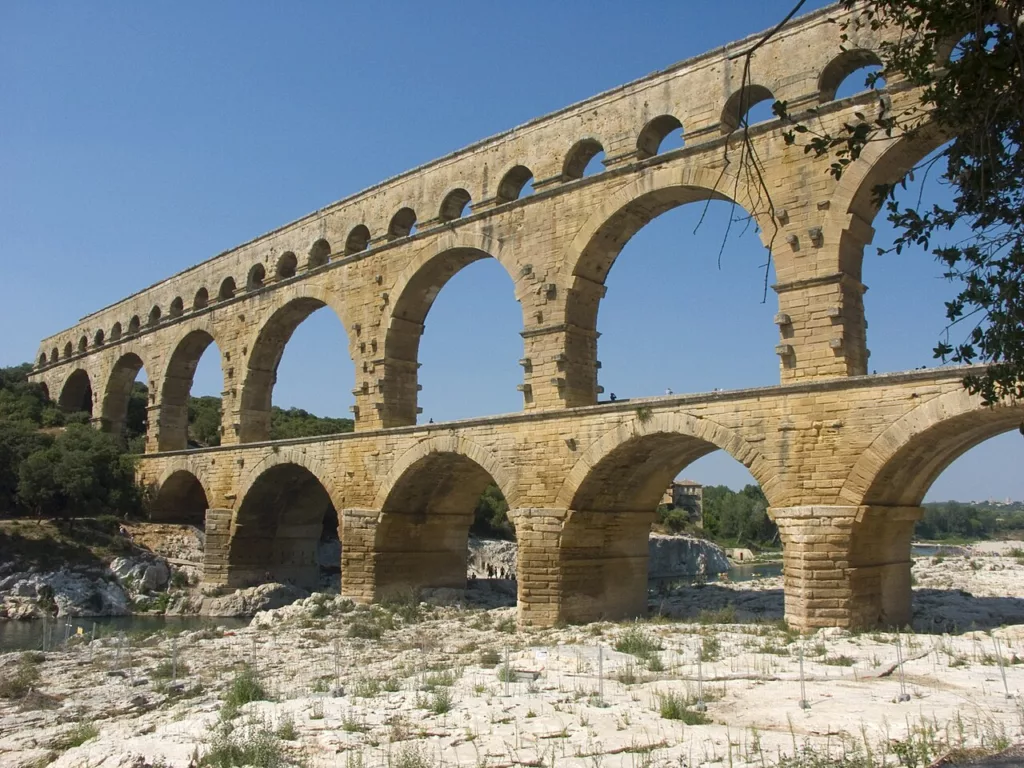
From Arles, an excursion to the Pont du Gard is one of the most beautiful outings to enjoy in the region. This Roman monument impresses visitors with its size and exceptional state of preservation. It was part of an ancient aqueduct built to carry water to Nîmes during the Roman period.
The site is listed as a UNESCO World Heritage Site, reflecting its historical value. Upon arrival, visitors discover a very peaceful natural landscape around the Gardon River. The three-tiered bridge perfectly illustrates the expertise of Roman engineers.
Saintes-Maries-de-la-Mer
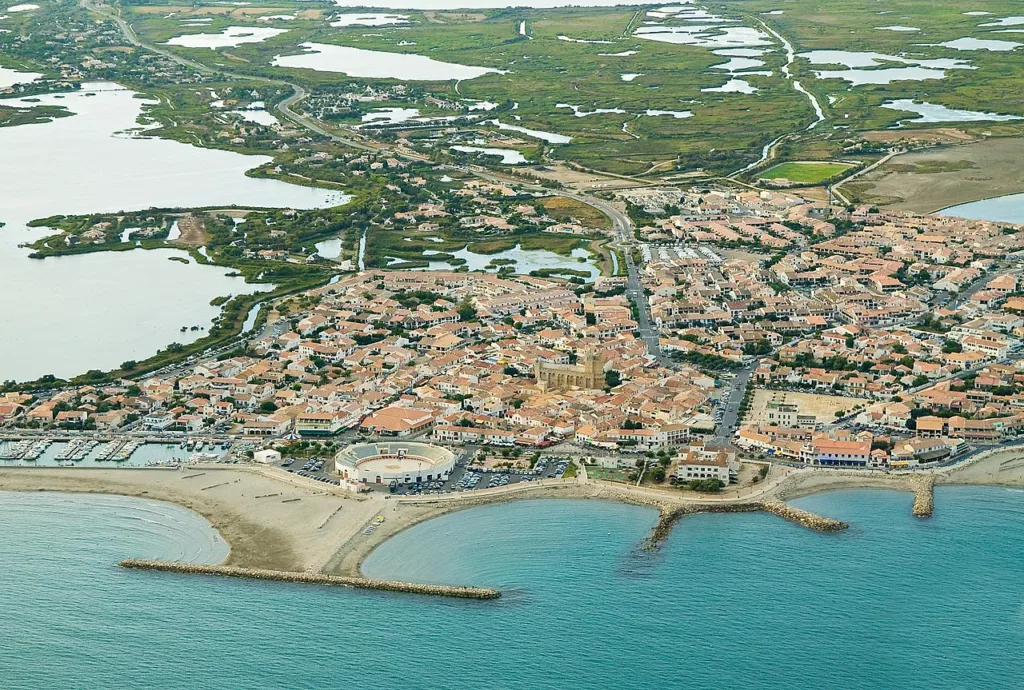
The village of Saintes-Maries-de-la-Mer is located between marshes, ponds, and wild beaches along the Mediterranean. Its landscapes are typical of the region, with horses, bulls, and many birds. The village is also known for its ancient 11th- and 12th-century church. Every year, it attracts pilgrims and many visitors who come to admire its heritage.
Its narrow streets still bear witness to its medieval history. Visitors can also enjoy the beaches and maritime atmosphere.
Nîmes
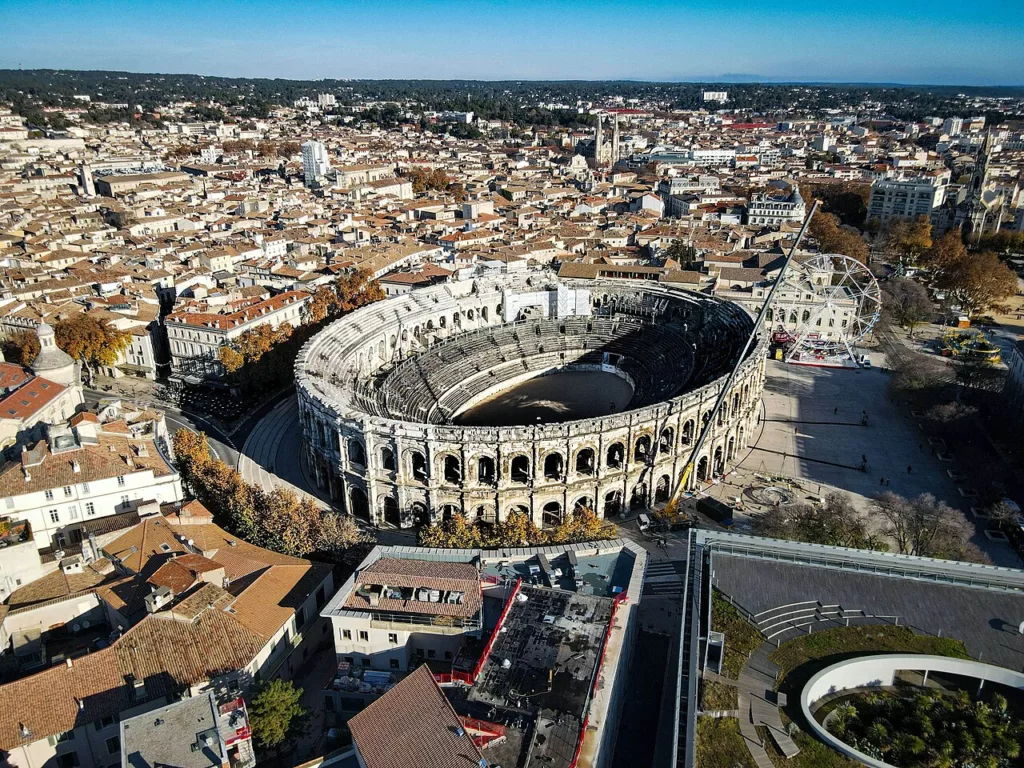
Nîmes is known for its exceptional Roman heritage, which is still very well preserved. The Nîmes Arena is one of the best-preserved ancient amphitheatres in the world. The Maison Carrée is also an iconic monument of Roman architecture.
The city is often nicknamed the “French Rome” because of its ancient past. While walking through the city center, visitors can also discover historic squares, gardens, and fountains. Nîmes is a lively city that hosts many cultural and festive events. Its proximity to Arles makes it an easy destination for a day trip. It is an essential stop for understanding the Roman history of the region.
Conclusion
Visiting Arles means diving into the heart of an exceptional UNESCO World Heritage site, where Roman history, Romanesque art, and Provençal culture come together harmoniously. From the majestic Arles Amphitheatre to the Ancient Theatre, as well as the unmissable Saint-Trophime Cloister, the cryptoporticos of the forum, and the Alyscamps, each site tells more than two thousand years of history.
But Arles is not limited to its ancient monuments: the city also pulses with life through its prestigious museums, such as the Museum of Ancient Arles and the Vincent Van Gogh Foundation, as well as its living traditions, Camargue gastronomy, and unique landscapes between the Rhône and the Camargue.
Whether you are passionate about history, an art lover, or looking for an authentic getaway in Provence, Arles is an unmissable destination. Prepare your visit and discover a fascinating city where every street, every stone, and every monument bears witness to an incomparably rich cultural heritage.