Visiting Antwerp: 30 Must-See Attractions and Things to Do
Planning to visit Antwerp on your next trip to Belgium? Often overshadowed by Bruges or Brussels, Antwerp nevertheless captivates travelers with its rich historical heritage, remarkable architecture, world-class museums, and vibrant atmosphere. As Belgium’s second-largest city and the global capital of diamonds, it offers a unique blend of Flemish tradition, culture, art, and modernity.
From the majestic Antwerp Central Station to the famous Cathedral of Our Lady, via the reinvented port district, must-see museums, and charming squares of the historic center, Antwerp is filled with fascinating places to explore. Whether you are planning a day trip, a weekend getaway, or a longer stay, this cosmopolitan city has plenty of surprises in store.
In this comprehensive guide, discover the best things to do in Antwerp, its most iconic landmarks, must-visit museums, local culinary specialties to taste, and the most beautiful excursions to enjoy in the surrounding area.
Historic Landmarks and Heritage of Antwerp
Antwerp Central Station, an Architectural Masterpiece
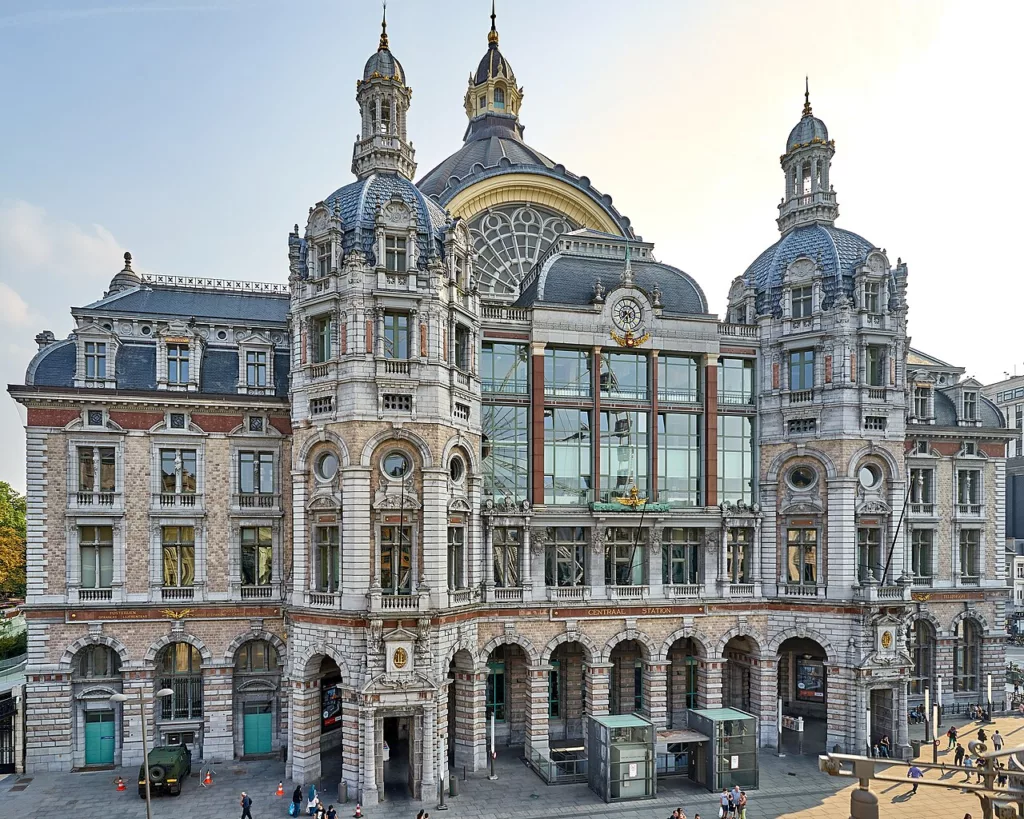 Antwerp Central Station
No visit to Antwerp is complete without discovering its iconic railway station, often ranked among the most beautiful stations in the world. Located on Astrid Square, just a short walk from the city center and the Antwerp Zoo, Antwerp Central Station was inaugurated in 1905 and immediately impresses visitors with its grandiose architecture. Its immense dome, richly decorated façades, monumental staircases, and elegant glass roofs have earned it the nickname “the Railway Cathedral.” Designed by architect Louis de la Censerie, it gracefully combines several architectural styles and stands as one of the finest examples of Belgium’s railway heritage.
Inside, the spectacular main hall amazes visitors with its vast proportions, intricate stonework, and marble finishes. The station is equally remarkable for its modern engineering. Once a terminus station, it underwent a complete transformation in the early 2000s to become a through station. Thanks to a major redevelopment project completed in 2007, it now features four levels and fourteen tracks, including direct rail connections to the Netherlands.
The Cathedral of Our Lady of Antwerp
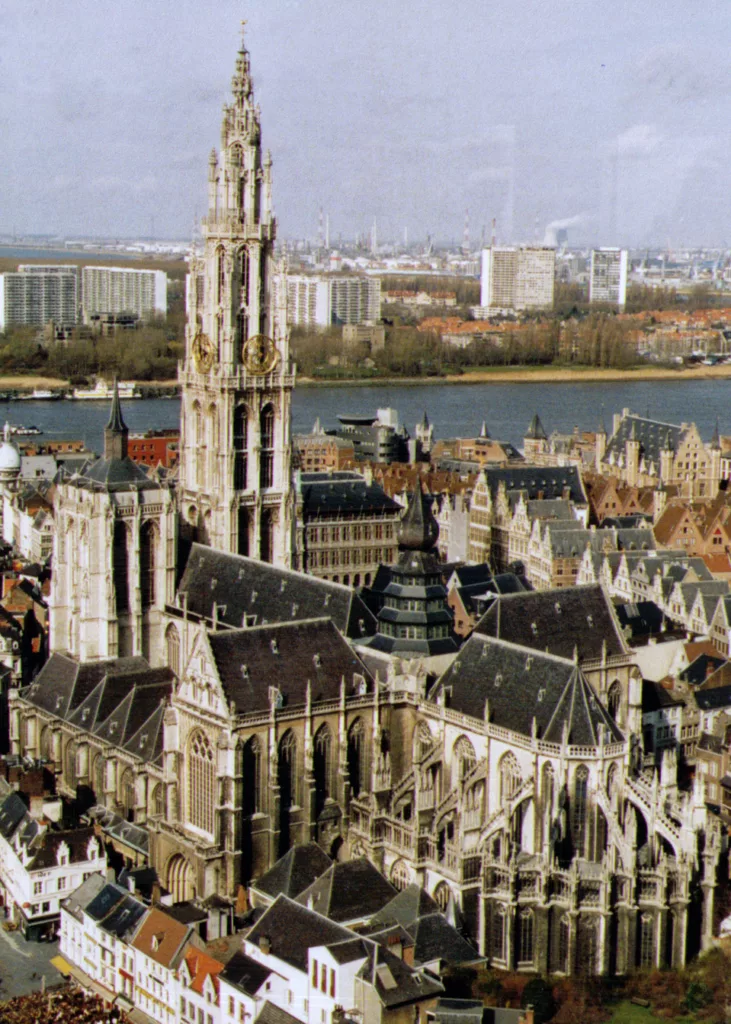 The Cathedral of Our Lady of Antwerp
Dominating Antwerp’s historic center, the Cathedral of Our Lady is one of the city’s most iconic landmarks. Built between 1352 and 1521, it represents one of the finest examples of Brabantine Gothic architecture in Belgium. Its spectacular northern tower, standing 123 meters high, is the tallest church tower in the Benelux region and is part of the UNESCO World Heritage-listed Belfries of Belgium and France.
The interior impresses with its monumental dimensions: a nave stretching 119 meters in length, seven aisles, and nearly 8,000 square meters of floor space. However, the cathedral is best known for the masterpieces it houses. Visitors can admire several major paintings by Peter Paul Rubens, including The Descent from the Cross, The Elevation of the Cross, and The Assumption of the Virgin, all considered among the Flemish master’s greatest works.
Having survived centuries of wars, looting, and numerous restoration campaigns, the cathedral remains one of Belgium’s most visited attractions today.
Strolling Along the Meir, Antwerp’s Main Shopping Boulevard
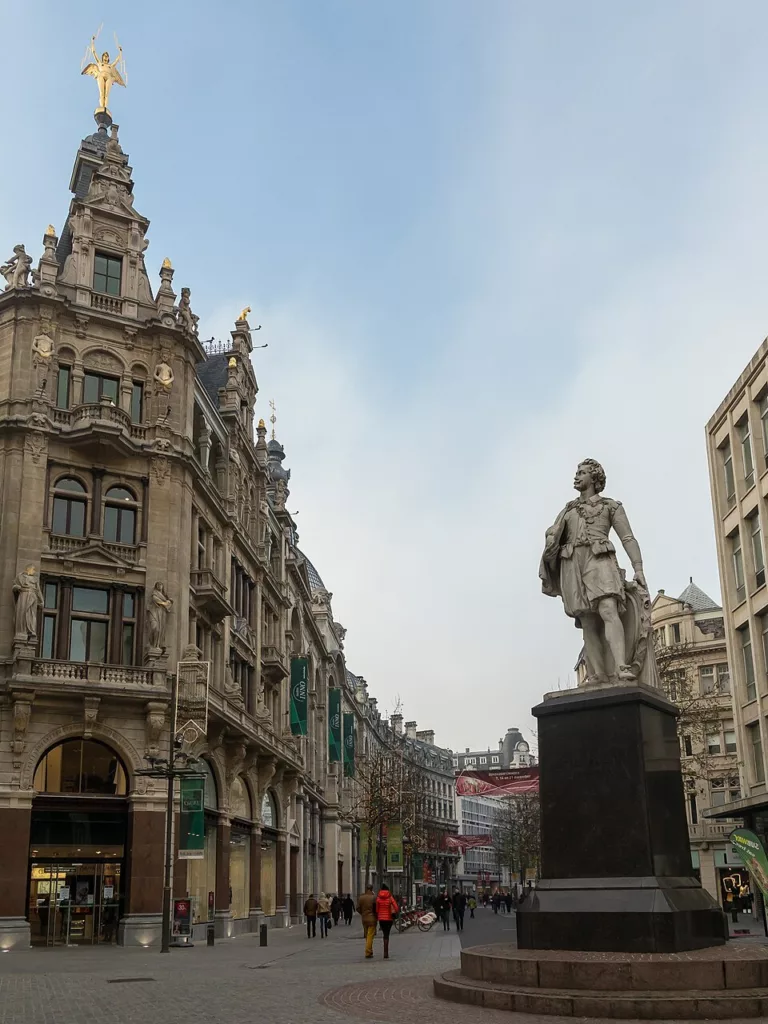 The Meir
The Meir is Antwerp’s main shopping street and one of the busiest avenues in Belgium. This broad pedestrian boulevard connects Antwerp Central Station to the city’s historic center, making it an essential route for many visitors.
Bustling throughout the day, it is home to both major international brands and local boutiques. Yet the Meir is much more than a shopping destination. The avenue is lined with magnificent historic buildings that reflect Antwerp’s prosperous past. Among them is the former Royal Palace of Antwerp, an elegant building well worth a visit.
The name “Meir” comes from an old Dutch word referring to a pond or marshy area. Before becoming one of the city’s most prestigious avenues, this district was situated on damp land just outside the medieval city walls.
Whether you are looking to shop, admire the architecture, or simply soak up Antwerp’s urban atmosphere, a stroll along the Meir is one of the city’s must-do experiences.
The Port of Antwerp, the City’s Economic Engine
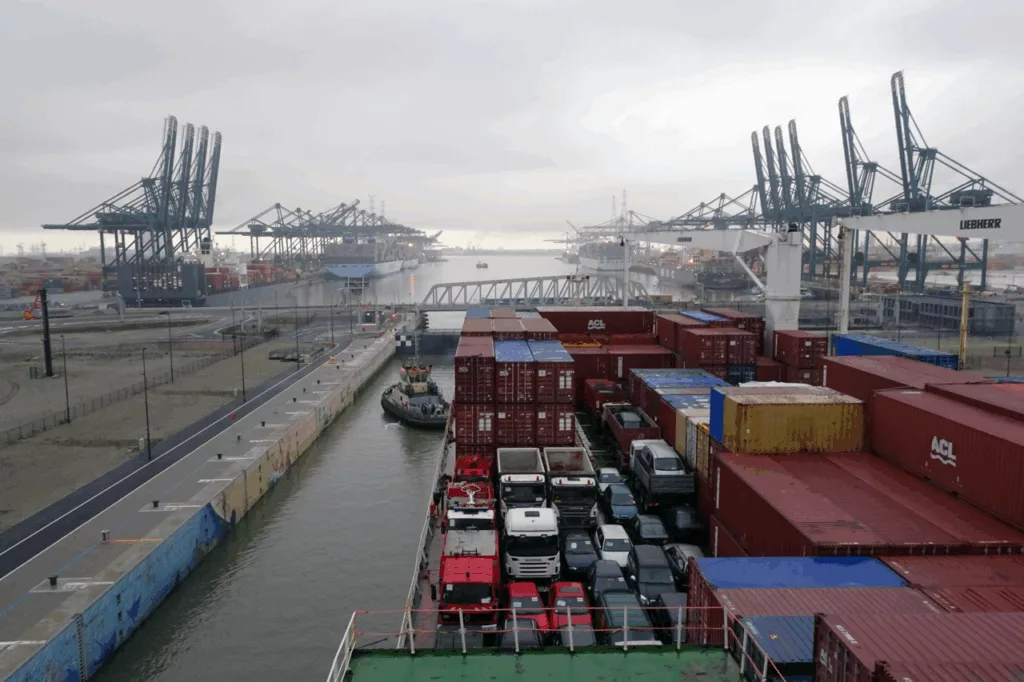 The Port of Antwerp
It is impossible to talk about Antwerp without mentioning its port, the true economic heart of the city. Located along the banks of the River Scheldt, it is now the second-largest port in Europe after Rotterdam and one of the world’s most important hubs for freight transport.
The port’s history dates back to the Middle Ages, but it was from the 16th century onward that it helped transform Antwerp into one of Europe’s leading commercial centers. Over the centuries, it has continually expanded and modernized, becoming a major logistics platform connecting Europe with the rest of the world.
Today, the port stretches for dozens of kilometers along the Scheldt and welcomes thousands of vessels every year. It plays a vital role in Belgium’s economy and is also Europe’s largest integrated chemical cluster. Its activity has greatly shaped Antwerp’s identity and prosperity.
Although much of the port area is dedicated to industrial operations, several viewpoints allow visitors to appreciate the immense scale of the site. A walk along the waterfront or a boat excursion offers a different perspective on Antwerp, combining maritime heritage, contemporary architecture, and impressive port infrastructure.
St. Paul’s Church of Antwerp
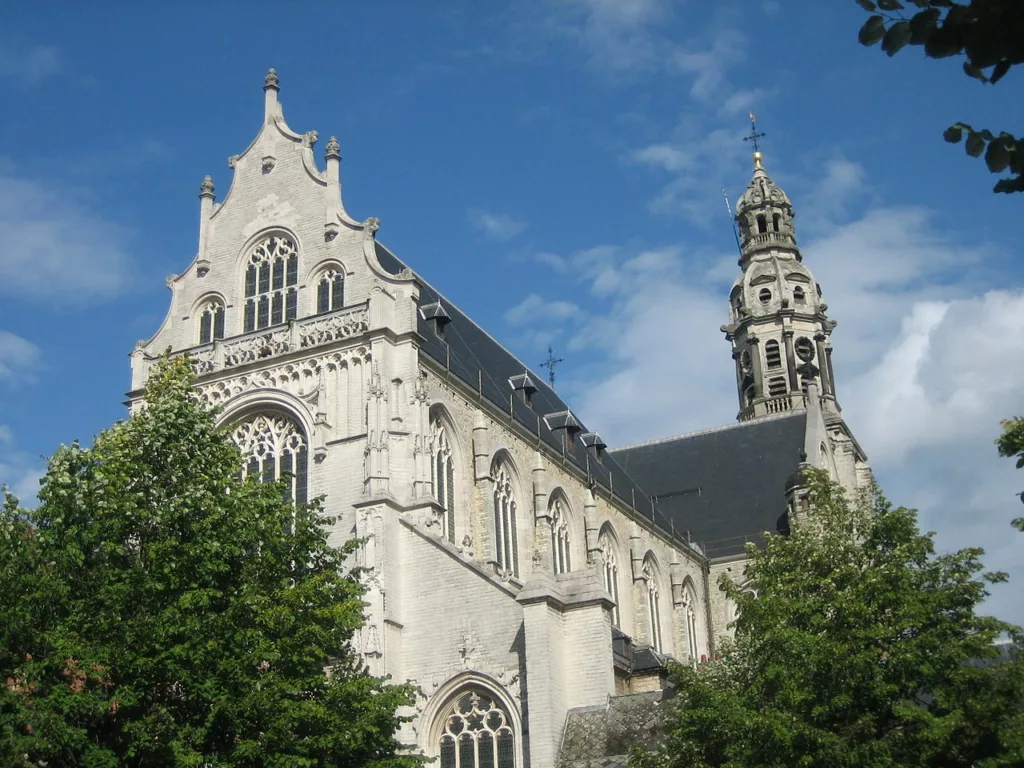
Just a short walk from the River Scheldt, St. Paul’s Church is one of Antwerp’s most remarkable religious treasures. Built by the Dominicans beginning in the 16th century, it combines a predominantly Gothic exterior with a richly decorated interior in the Flemish Baroque style.
The church is especially renowned for its exceptional collection of artworks. It houses paintings by great Antwerp masters such as Rubens, Van Dyck, Jacob Jordaens, and Cornelis de Vos, as well as an impressive ensemble of sculpted Baroque confessionals. Its highly elaborate interior decoration makes it one of the most spectacular churches in the city.
Outside, be sure not to miss the Calvary, a theatrical composition featuring 63 life-sized statues and several reliefs. This remarkable monument, built against the church, gives the site a truly unique atmosphere.
Antwerp City Hall
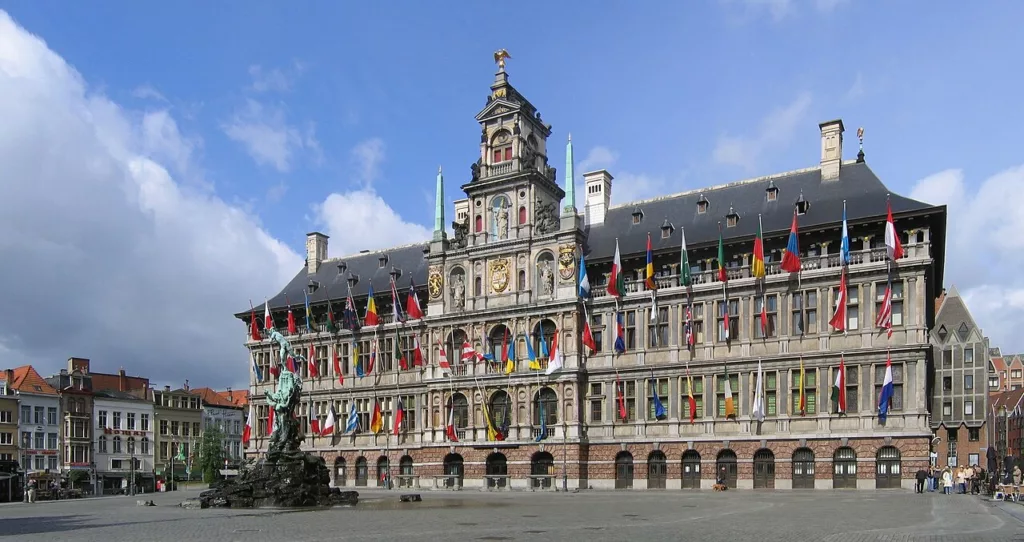
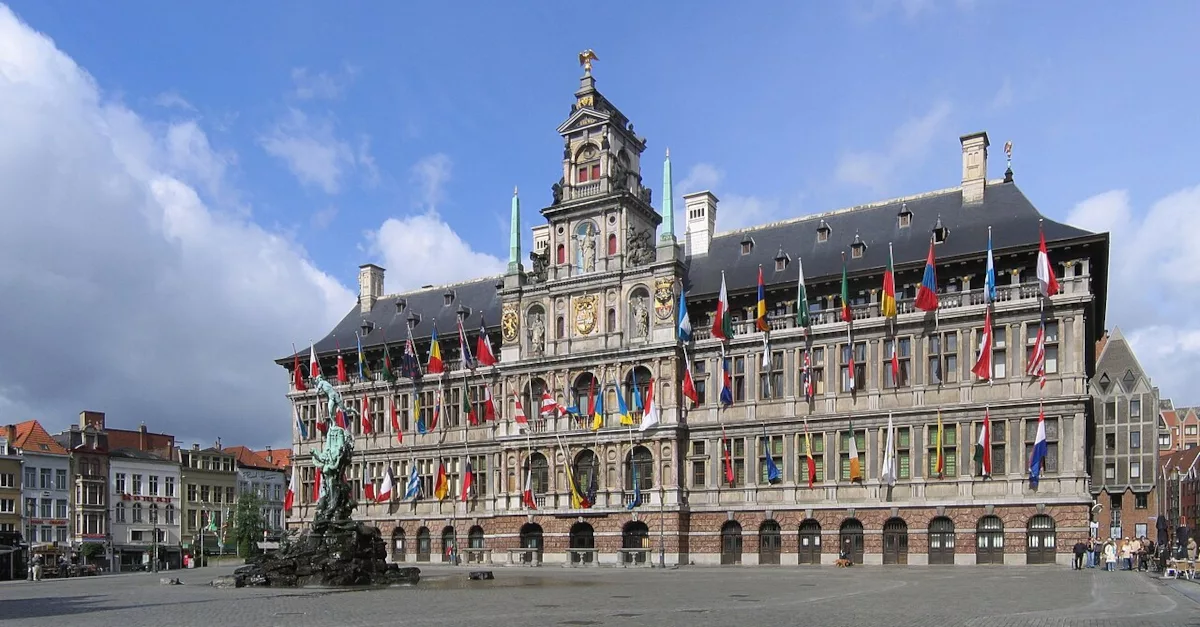
Located in the heart of the Grote Markt, Antwerp City Hall is one of the city’s most beautiful buildings. Constructed between 1561 and 1564 by architect Cornelis Floris de Vriendt, it is considered one of the earliest masterpieces of Renaissance architecture in the former Low Countries.
Its majestic façade immediately captures attention with elegant arcades, intricate ornamentation, and historic coats of arms. Among them are the emblems of the Duchy of Brabant, King Philip II of Spain, and the city of Antwerp. At the center stands a statue of the Virgin Mary, added during the Counter-Reformation period.
Listed as a UNESCO World Heritage Site as part of the Belfries of Belgium and France, the building bears witness to Antwerp’s prosperity during the 16th century. Even without visiting the interior, City Hall remains one of the highlights of the Grote Markt and an essential stop when exploring Antwerp’s historic center.
The Brabo Fountain
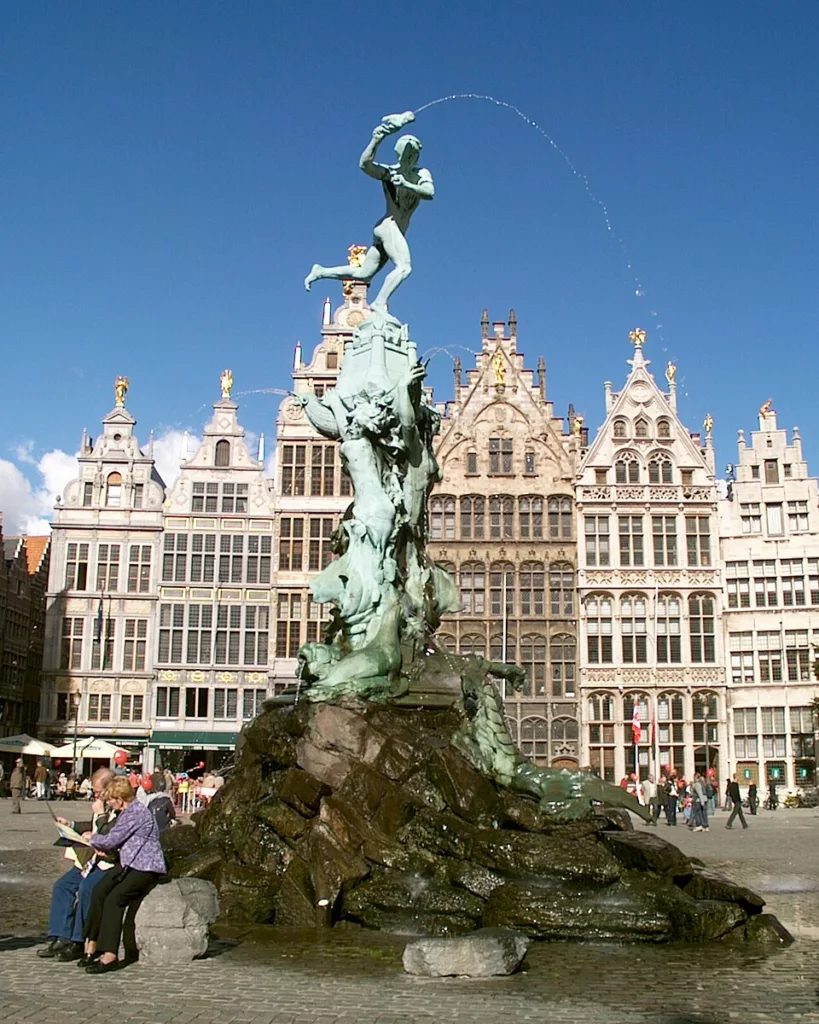
Located at the center of Antwerp’s Grote Markt, directly in front of City Hall, the Brabo Fountain is one of the city’s most famous symbols. Created by Belgian sculptor Jef Lambeaux and inaugurated in 1887, it depicts Antwerp’s legendary founding story.
According to tradition, the giant Druon Antigoon demanded a toll from anyone wishing to cross the River Scheldt and cut off the hands of those who refused to pay. The Roman soldier Silvius Brabo eventually defeated the giant, severed his hand, and threw it into the river. This legend is said to have inspired the name Antwerp, derived from the Dutch expression “hand werpen,” meaning “to throw a hand.”
Standing more than 10 meters high, the fountain impresses visitors with its dynamic composition and richly detailed bronze sculptures. Today, it is one of the most photographed landmarks in Antwerp and a must-see during a stroll through the Grote Markt.
St. Charles Borromeo Church
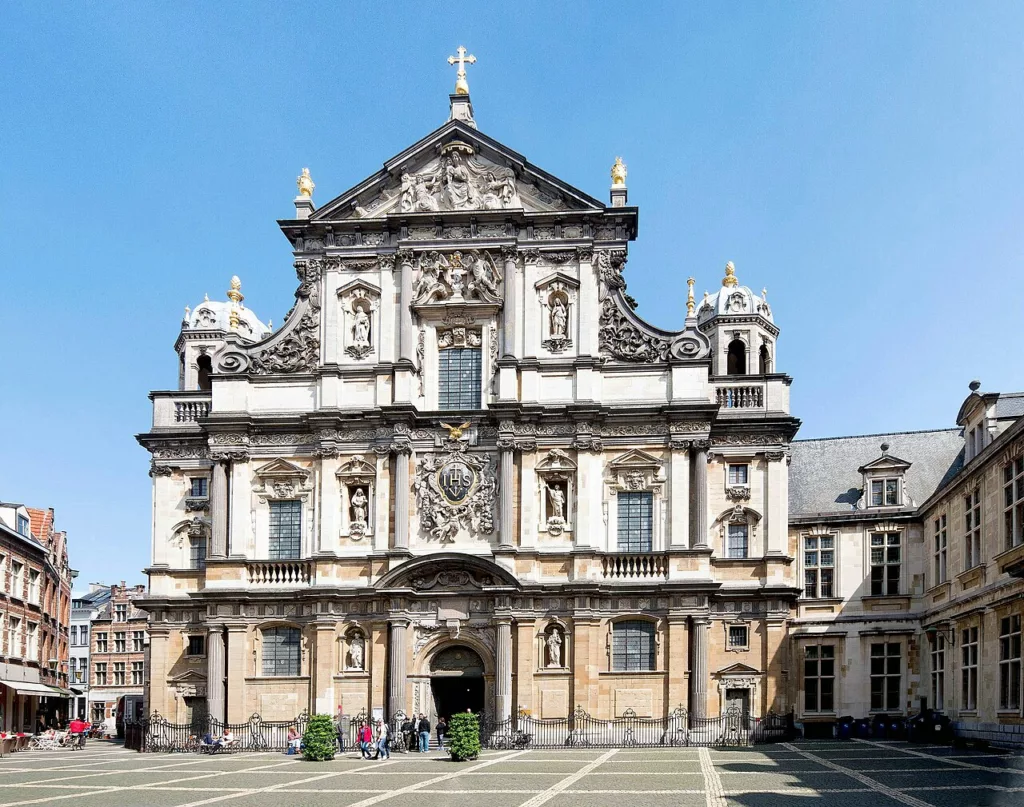
Nestled on the charming Hendrik Conscience Square, St. Charles Borromeo Church is one of Antwerp’s finest Baroque buildings. Constructed between 1615 and 1621 by the Jesuits, it was originally dedicated to St. Ignatius of Loyola before adopting its current name in the 18th century.
The church is closely associated with Peter Paul Rubens, who contributed to its interior decoration and made it one of his most significant religious projects. Although some of his works have been lost over the centuries, the building still preserves a rich artistic heritage of sculptures, wood carvings, monumental confessionals, and outstanding Baroque artworks.
From the moment visitors enter, they are struck by the brightness of the nave, the elegance of the columns, and the richness of the décor. The side chapels, intricately carved pulpit, and countless architectural details reflect the grandeur of the Catholic Counter-Reformation, of which the church was an important symbol.
Groenplaats, the Vibrant Heart of Antwerp
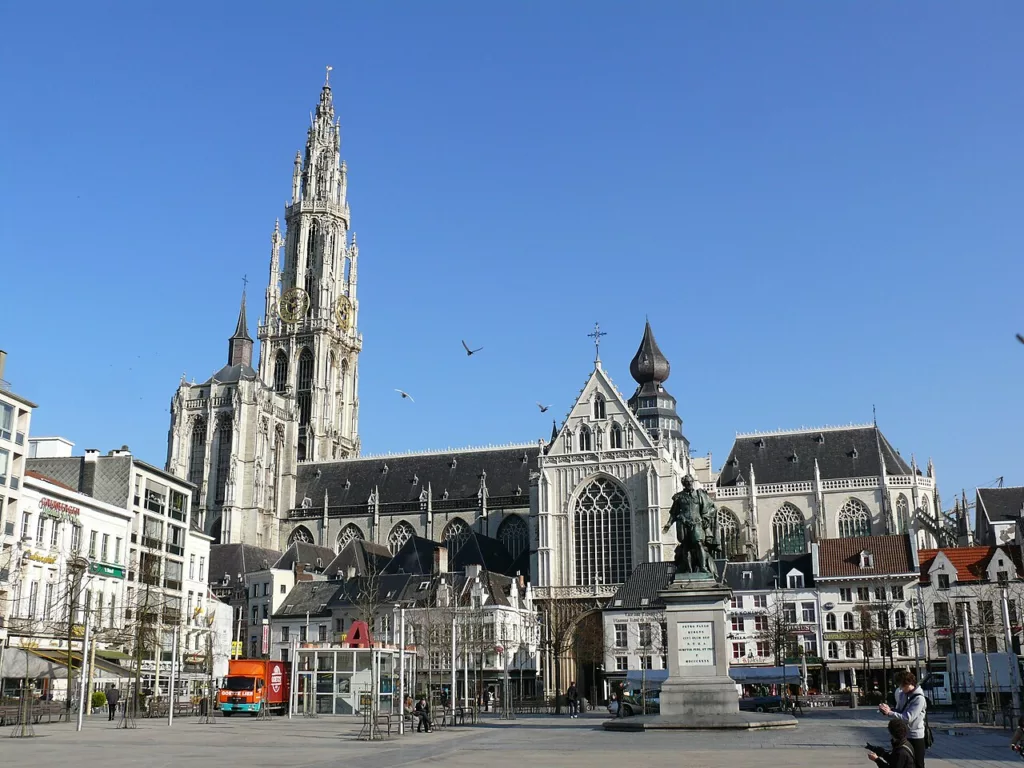
Located at the foot of the Cathedral of Our Lady, Groenplaats is one of Antwerp’s most pleasant and lively squares. Lined with cafés, restaurants, and historic buildings, it serves as a popular meeting place for both locals and visitors.
At the center of the square stands the famous statue of Peter Paul Rubens, erected in 1843 in honor of the city’s greatest Flemish painter. From this spacious plaza, visitors also enjoy magnificent views of the cathedral tower, one of Antwerp’s defining landmarks.
The history of Groenplaats is particularly unusual. Until the late 18th century, the site was occupied by the cemetery of the Cathedral of Our Lady. Transformed into a public square during the French occupation, it gradually became one of the main centers of urban life in Antwerp.
Today, Groenplaats is the perfect place to take a break between sightseeing stops, enjoy a terrace café, or simply soak up the atmosphere of Antwerp’s historic center.
The Nello and Patrasche Statue
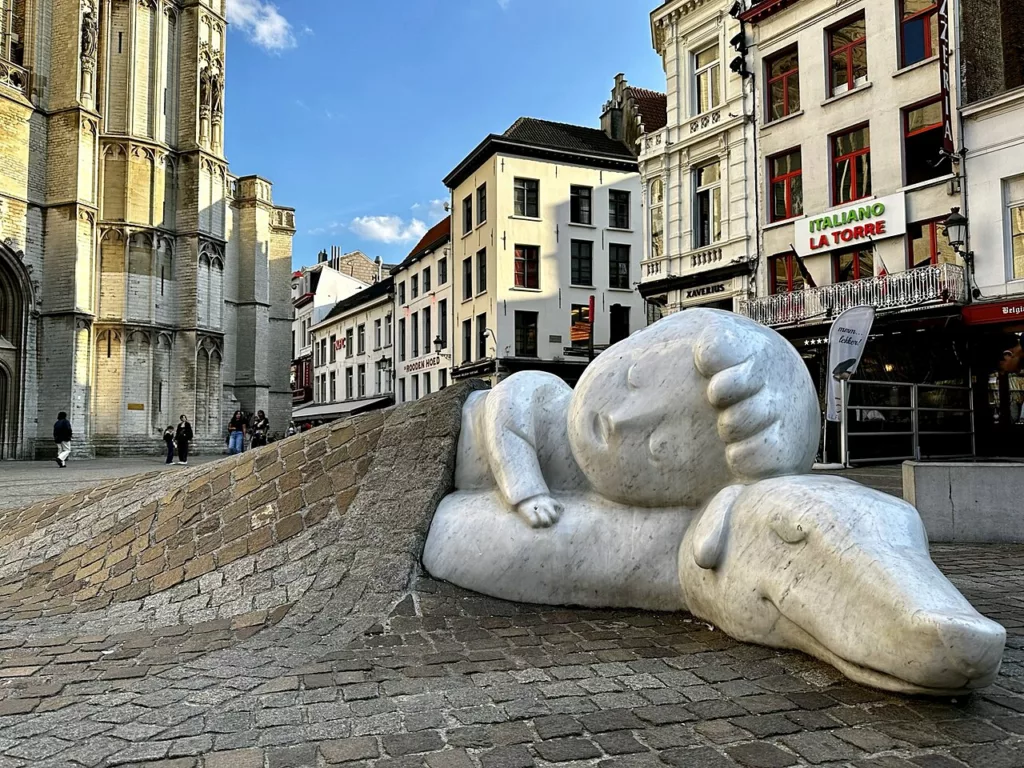
Just a few steps from the Cathedral of Our Lady, on Handschoenmarkt Square, stands one of Antwerp’s most touching monuments: the Nello and Patrasche Statue. Unveiled in 2016, this white marble sculpture depicts young Nello and his faithful dog sleeping peacefully beneath a blanket of cobblestones.
The artwork pays tribute to the novel A Dog of Flanders, published in 1872 by British author Ouida. The story tells the moving friendship between Nello, a poor young boy with a passion for drawing, and his dog Patrasche. The tale is set in Antwerp and concludes inside the Cathedral of Our Lady, where the two companions find shelter after admiring Rubens’ famous paintings.
Although the novel remains relatively unknown in Belgium, it has become a true classic across Asia, particularly in Japan and South Korea. Generations of children have discovered the story through books, films, and animated series. As a result, the statue attracts numerous visitors from around the world each year, all coming to pay tribute to these beloved characters.
Vrijdagmarkt, a Square Full of Charm
Located in the historic Saint Andrew’s district, Vrijdagmarkt is one of Antwerp’s most authentic squares. Established in the mid-16th century, it owes its name to the weekly market that has been held here for centuries and still hosts antique and flea market sales every Friday morning.
Surrounded by cafés, restaurants, and beautiful Flemish houses, the square offers a peaceful atmosphere far from the bustle of the city’s major shopping streets. At its center stands a statue of Saint Catherine, patron saint of the former clothing merchants, installed above an elegant water pump.
Vrijdagmarkt is also known for being home to the famous Plantin-Moretus Museum, a UNESCO World Heritage Site.
St. James’ Church, the Final Resting Place of Rubens
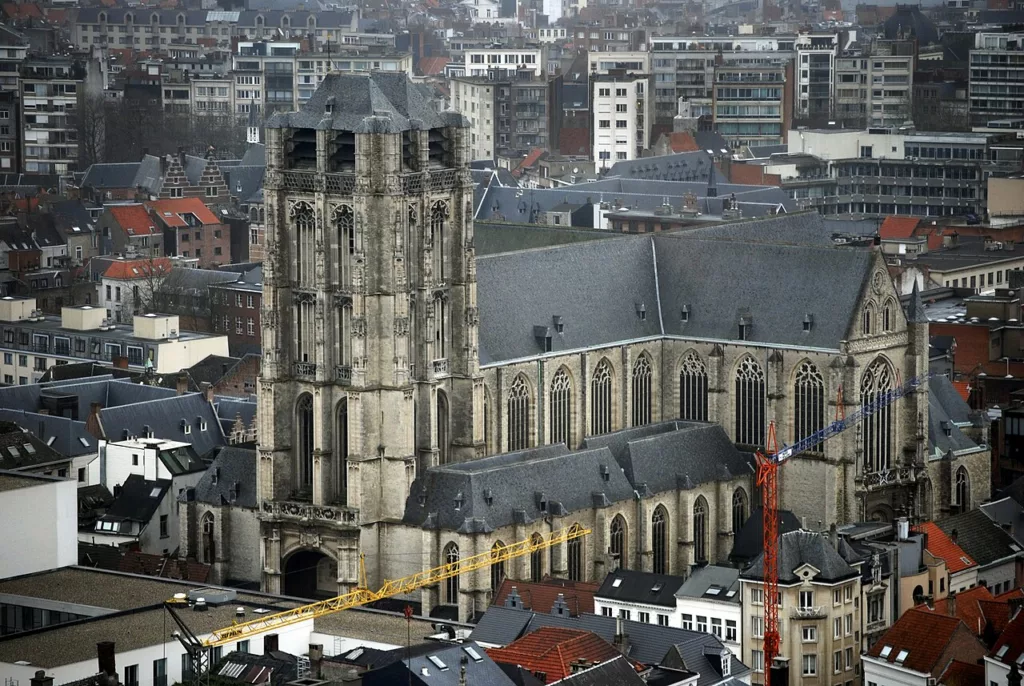
Less famous than the Cathedral of Our Lady, St. James’ Church is nevertheless one of Antwerp’s most beautiful religious buildings. Constructed between 1491 and 1656 in an elegant Brabantine Gothic style, it stands out for its impressive architecture and richly decorated Baroque interior.
Originally, the site housed an inn for pilgrims traveling to Santiago de Compostela. Over the centuries, the church became the preferred place of worship for Antwerp’s most influential families, who commissioned lavish funeral chapels within its walls.
Its main attraction is undoubtedly the funerary chapel of Peter Paul Rubens. The celebrated Baroque painter has rested here since 1640 beneath a painting created by his own hand. Art enthusiasts will also appreciate the remarkable carved wooden choir stalls, the Baroque high altar, numerous funerary monuments, and the peaceful atmosphere that reigns throughout the church.
The Handelsbeurs, the Mother of All Stock Exchanges
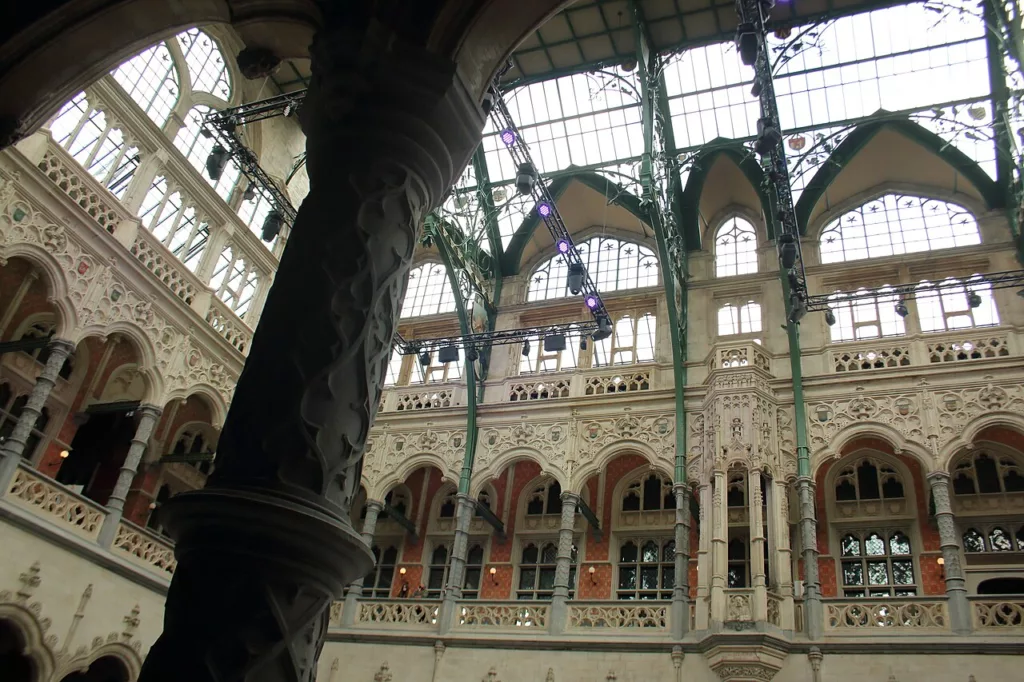
Nestled just a short walk from the Meir, Antwerp’s Handelsbeurs is one of the city’s most impressive historic buildings. Often nicknamed “the mother of all stock exchanges,” it is widely regarded as the world’s first modern commodity exchange.
The original building was constructed in 1531, at a time when Antwerp was one of Europe’s greatest commercial centers. Its revolutionary architecture, organized around a vast courtyard surrounded by covered galleries, later served as a model for several European exchanges, including those in London, Amsterdam, and Rotterdam.
Following several fires and reconstructions, the current Neo-Gothic building dates from 1872. Its spectacular central hall, covered by a metal-and-glass roof, impresses visitors with its scale and intricate architectural details.
After being abandoned following the closure of the Antwerp Stock Exchange in 1997, the Handelsbeurs underwent a complete restoration before reopening in 2019. Today, it hosts exhibitions, cultural events, conferences, and a variety of public gatherings.
The Royal Palace on the Meir
Located on the famous Meir Avenue, Antwerp’s Royal Palace is one of the city’s most elegant 18th-century buildings. Built in 1745 in a refined Rococo style, it was originally the residence of wealthy Antwerp families before becoming Napoleon’s official residence during his time in Belgium.
Although the emperor never actually stayed there, he ordered several salons to be redesigned in the Empire style. The palace later served as a residence for King William I of the Netherlands and subsequently for Belgian monarchs during their visits to Antwerp.
The interior is particularly remarkable, featuring richly decorated reception rooms, period furnishings, and the spectacular Hall of Mirrors. Following a major restoration completed in 2010, the palace regained all of its former splendor and was opened to the public.
Today, visitors can explore its sumptuous historic apartments, admire the décor of the 18th and 19th centuries, and gain a deeper understanding of the important role this palace played in the city’s history.
Must-Visit Museums in Antwerp
The Plantin-Moretus Museum
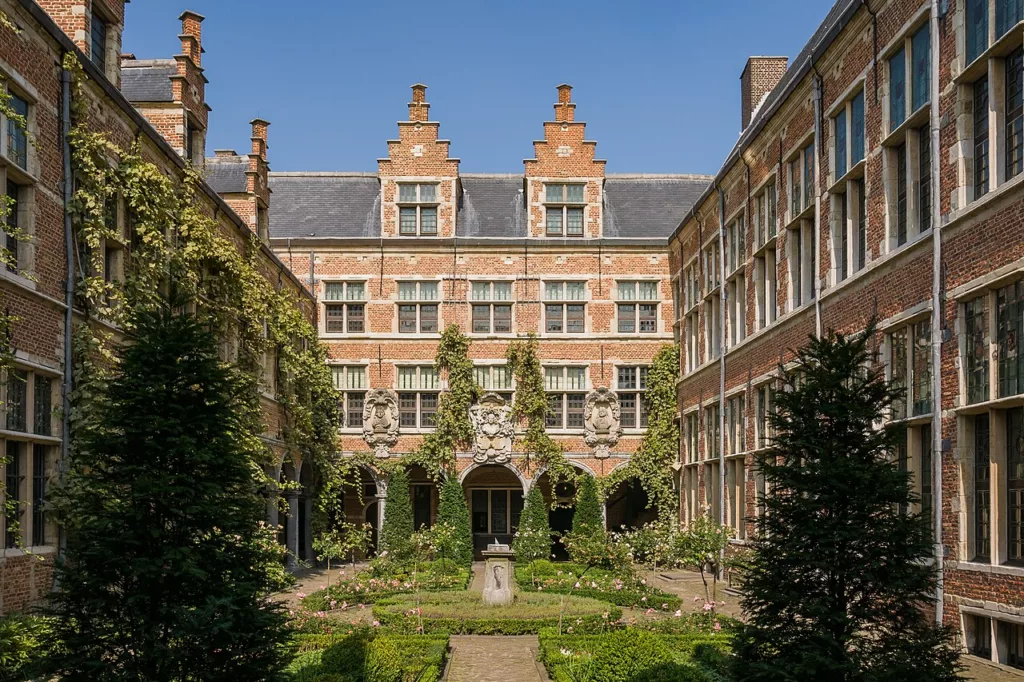
Located on Vrijdagmarkt, in the heart of Antwerp’s historic center, the Plantin-Moretus Museum is one of Belgium’s most prestigious cultural sites. Listed as a UNESCO World Heritage Site since 2005, it is dedicated to the history of printing and publishing during the Renaissance.
The museum occupies the former residence and printing workshop of Christophe Plantin, one of the most important printers of the 16th century. His business was later continued by his son-in-law Jan Moretus and several generations of descendants, making this publishing house one of the most influential in Europe.
Visitors can explore an exceptionally well-preserved complex featuring historic printing workshops, 17th-century printing presses among the oldest in the world, collections of typefaces, archives, antique maps, and a remarkable library containing more than 25,000 volumes. The museum also houses several works by Antwerp painter Peter Paul Rubens, a close friend of the Plantin family.
Beyond its artistic appeal, the Plantin-Moretus Museum offers a unique insight into the spread of knowledge, the history of books, and the evolution of printing techniques.
The Museum aan de Stroom (MAS)
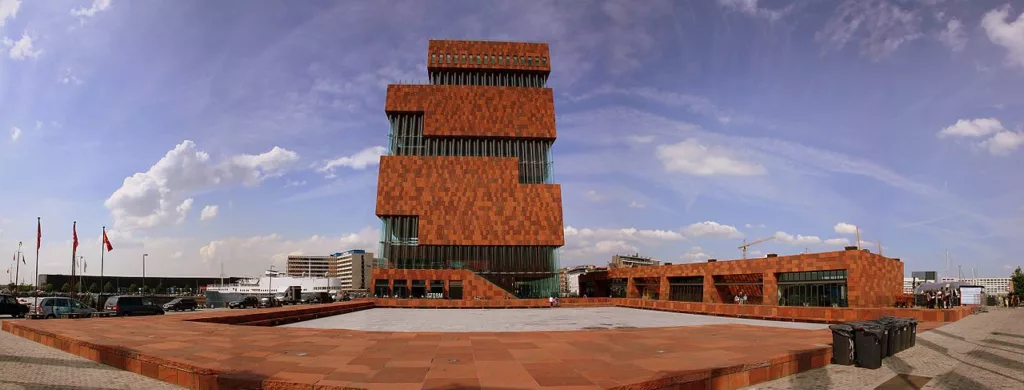
The Museum aan de Stroom, better known as MAS, is Antwerp’s leading museum of history and civilization. Opened in 2011 in the redeveloped Eilandje docklands district, it has become one of the city’s architectural landmarks.
Designed by the Dutch firm Neutelings Riedijk Architects, the building takes the form of a 62-meter-high tower clad in Indian red sandstone and large panels of curved glass. Its contemporary design evokes both the warehouses of the port and Antwerp’s historic role as a global trading hub.
MAS brings together the city’s maritime, ethnographic, historical, and artistic collections. Through a series of permanent and temporary exhibitions, it explores themes such as international trade, cultural exchange, port life, migration, the power of major cities, and the relationships between peoples around the world.
The museum houses nearly 500,000 objects from Europe, Africa, Asia, the Americas, and Oceania. Its treasures include exceptional maritime collections, ethnographic artifacts, valuable objects from pre-Columbian civilizations, and numerous testimonies to Antwerp’s rich history.
One of the highlights of the visit is the panoramic terrace located at the top of the building. Free to access, it offers spectacular views over the historic center, the River Scheldt, the docks, and the vast Port of Antwerp, one of the most important ports in Europe.
The Red Star Line Museum
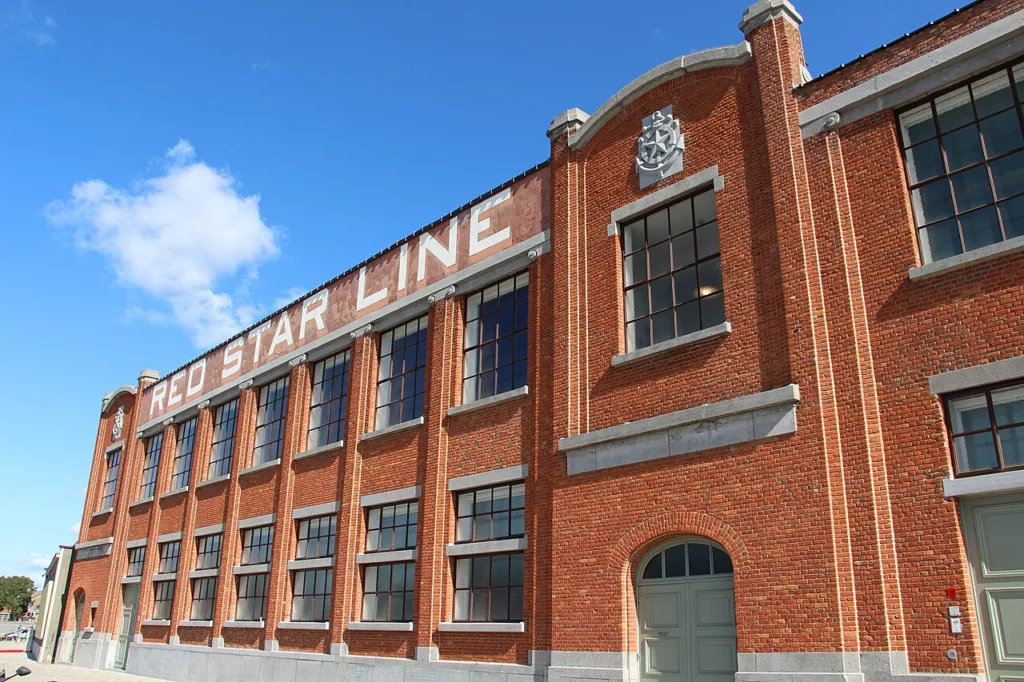
The Red Star Line Museum is one of Antwerp’s most moving museums. Housed in the former warehouses of the Red Star Line shipping company, it traces the story of the millions of Europeans who left their continent to seek a new life in America between the late 19th century and the early 20th century.
Founded in Antwerp in 1871, the Red Star Line operated transatlantic routes to New York and Philadelphia. Between 1873 and 1934, more than two million migrants boarded its ships from the Port of Antwerp. Among them were families searching for a better future, political refugees, workers, as well as famous figures such as Albert Einstein and Irving Berlin.
Opened in 2013, the museum is located in the historic buildings where future passengers once completed administrative and medical checks before boarding. The museum route follows the different stages of emigration: farewells, the journey to Antwerp, formalities, the Atlantic crossing, and arrival in the New World.
Through testimonies, photographs, archival documents, and personal objects, the museum focuses on human stories rather than only the technical aspects of navigation. This approach helps visitors understand the hopes, hardships, and sacrifices experienced by migrants.
Today, the Red Star Line Museum is a place of remembrance dedicated to both past and contemporary migration. It highlights the essential role played by the Port of Antwerp as a gateway to America and invites visitors to reflect on migration journeys that continue to shape today’s world.
The Rubens House
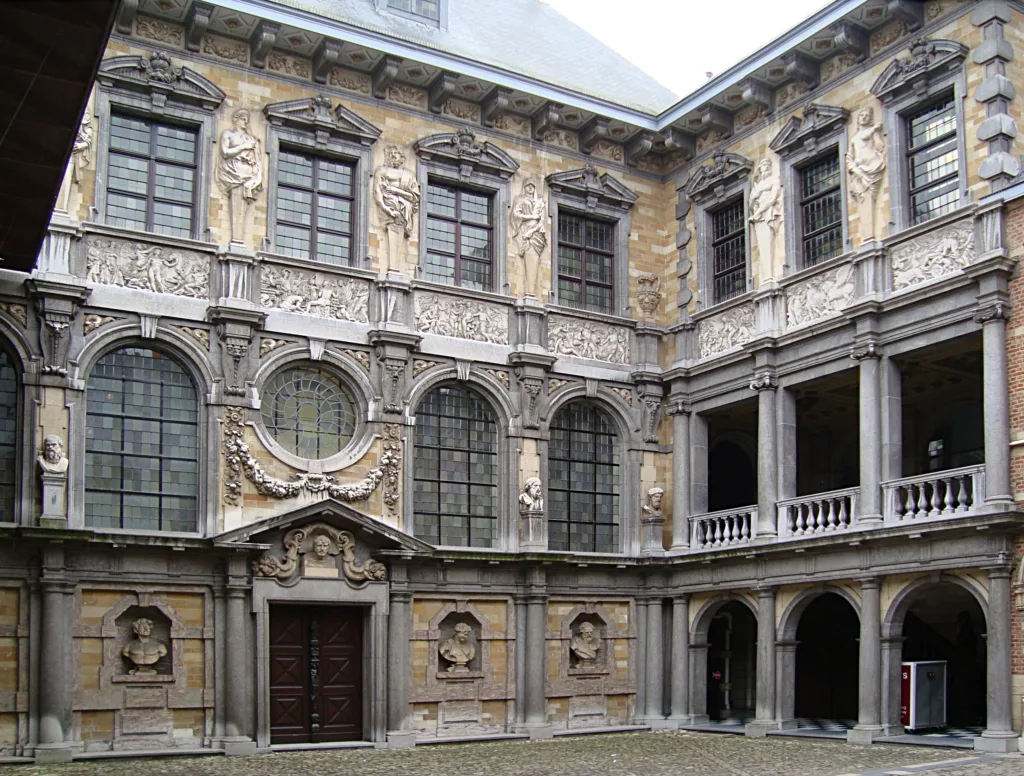
The Rubens House is the former home and studio of the famous Flemish Baroque painter Peter Paul Rubens. Located on Wapper, in the heart of Antwerp, this urban palace is one of the city’s most iconic cultural sites and offers a unique insight into the life and work of one of Europe’s greatest 17th-century artists.
Upon returning from Italy in 1610, Rubens acquired a house that he transformed according to his own plans, inspired by Italian Renaissance palaces. He created both a family residence, a studio, and a reception space designed to welcome the monarchs, diplomats, collectors, and scholars who were part of his circle.
The complex includes an elegant inner courtyard, a monumental portico, a Baroque garden pavilion, and a large studio where Rubens and his many assistants produced thousands of paintings for royal courts and major churches across Europe. The master created some of his most famous works here while running one of the most influential artistic workshops of his time.
Converted into a museum after its acquisition by the City of Antwerp in 1937, the Rubens House now presents works by Rubens, his pupils, and his contemporaries, including Anthony van Dyck, Jacob Jordaens, and Jan Brueghel the Elder. Visitors can also discover period furniture, antique sculptures, precious objects, and the magnificent garden restored to its historic appearance.
Museum De Reede
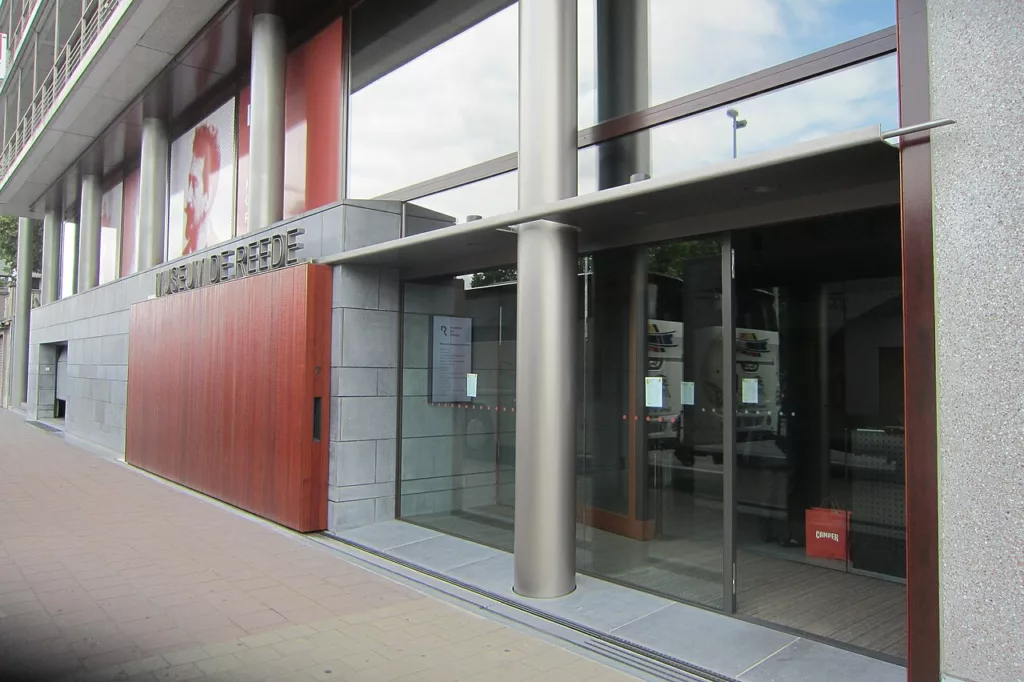
The Museum De Reede is a private museum located on Ernest Van Dijckkaai, in the heart of Antwerp’s museum district. Opened in 2017 at the initiative of Dutch collector Harry Rutten, it is dedicated to graphic art and is one of the few European museums specializing in prints, engravings, lithographs, and drawings.
The museum owns a remarkable collection of works on paper by three great masters of printmaking: Francisco Goya, Edvard Munch, and Félicien Rops. Among its most important pieces are many of Goya’s series, including Los Caprichos, The Disasters of War, Tauromaquia, and Los Disparates.
The museum’s focus is based on a shared theme: the human condition, passions, suffering, and social criticism expressed by these artists through their graphic works. This approach gives the collection strong intellectual and emotional coherence.
In addition to its permanent collection, the museum regularly organizes temporary exhibitions dedicated to other artists of drawing and printmaking. Its relatively intimate scale gives it an atmosphere closer to an art gallery than to a large traditional museum.
Parks and Green Spaces in Antwerp
Antwerp Zoo: One of the Oldest in Europe
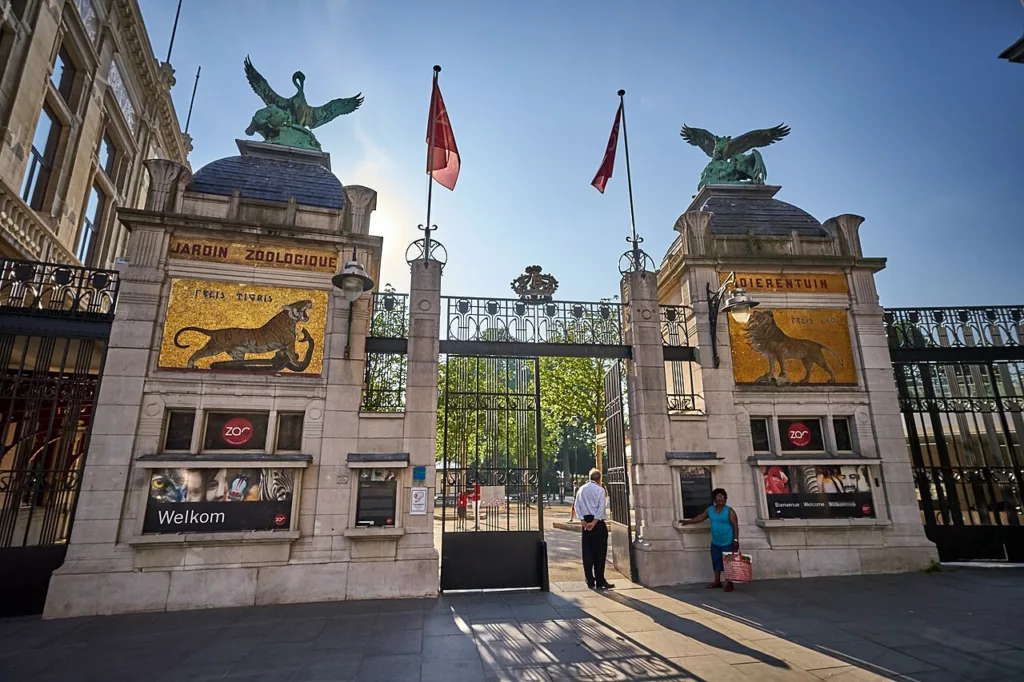
Located right next to Central Station, Antwerp Zoo is one of the oldest zoos in the world. Founded in 1843, it is much more than just an animal park: it combines historical heritage, remarkable architecture, and a scientific commitment to species conservation.
Among its most emblematic residents are okapis, for which the zoo is one of the world’s leading breeding and conservation centers. Visitors can also see gorillas, chimpanzees, elephants, giraffes, tigers, lions, and many rare species from all over the world.
The visit also offers the chance to admire several listed historic buildings, such as the spectacular 19th-century Egyptian Temple, the old monumental aviaries, and the historic aquarium. The carefully landscaped gardens provide a pleasant walk in the heart of the city.
Rivierenhof: Antwerp’s Largest Park
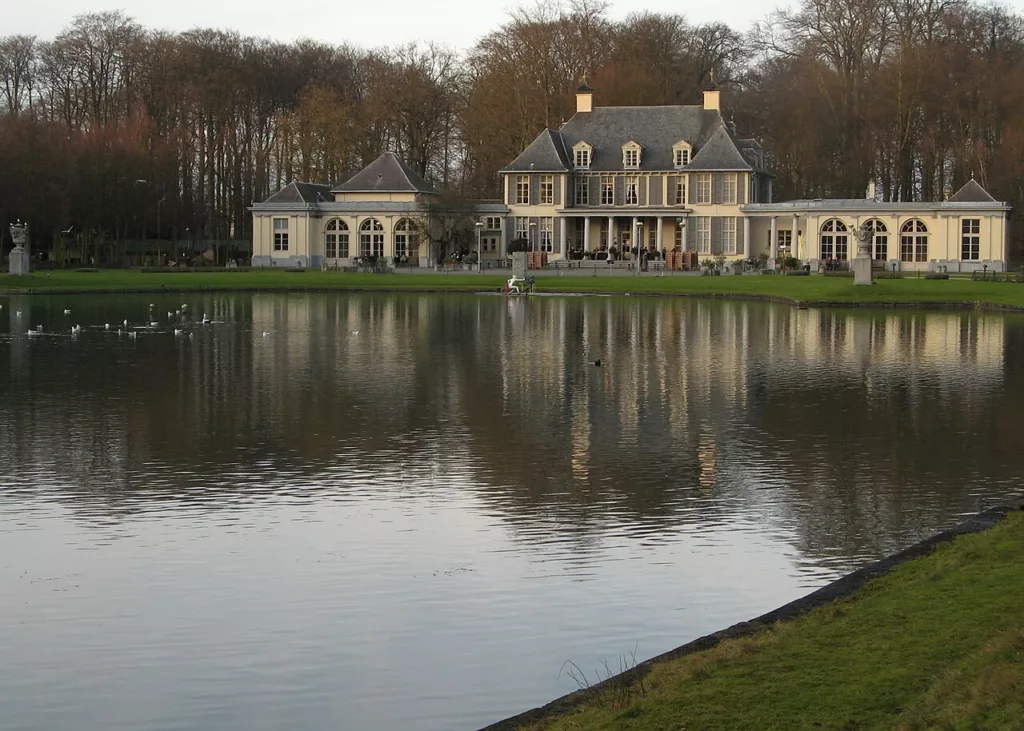
Located in the district of Deurne, Rivierenhof is the largest green space in Antwerp, covering 135 hectares. Originally an aristocratic estate established in the 16th century, it now belongs to the Province of Antwerp and is one of the city’s favorite recreational areas.
The park offers a harmonious blend of nature, heritage, and leisure. Visitors will find vast lawns, ponds, wooded paths, themed gardens, an educational farm, an open-air theater, and several areas dedicated to walking and sports activities. The Grote Schijn River winds through the estate, contributing to its peaceful atmosphere.
Rivierenhof is also home to several remarkable heritage landmarks, including the Rivierenhof Castle, an elegant 18th-century neoclassical building, and the Sterckshof Castle, a magnificent Renaissance castle surrounded by moats. Botany enthusiasts will appreciate the collections of rare trees, including giant sequoias, ginkgos, and numerous exotic species.
Den Botaniek: Antwerp’s Hidden Botanical Garden
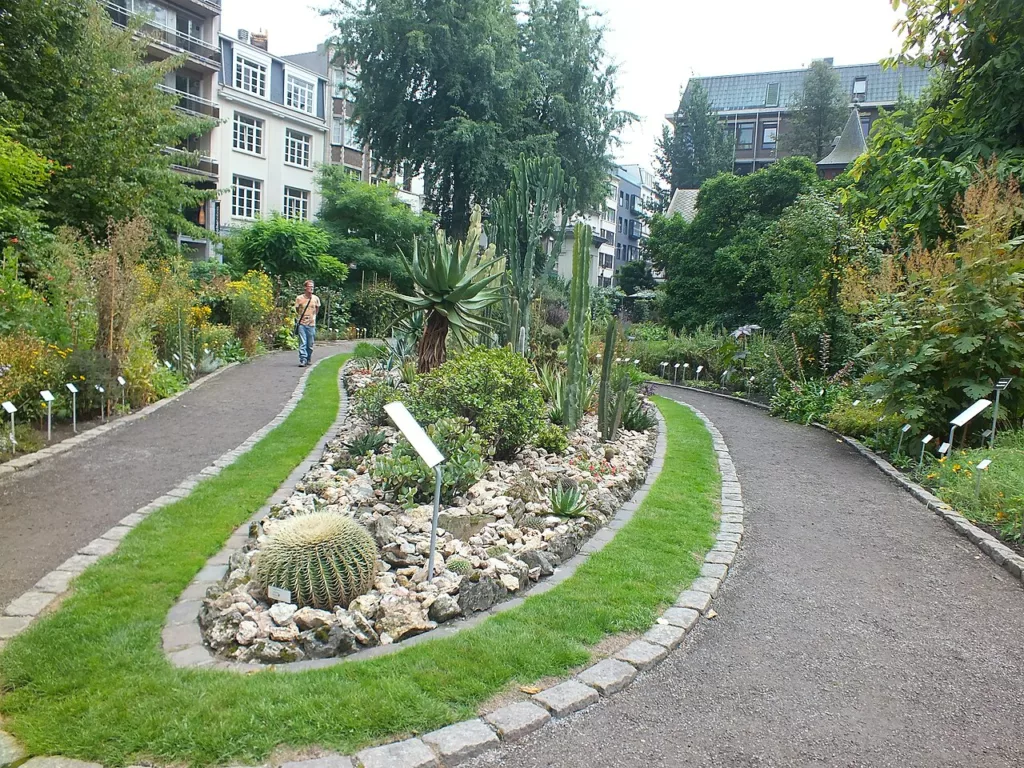
In the heart of Antwerp’s historic center, Den Botaniek is a charming botanical garden established in 1825. Located along Leopoldstraat, this peaceful haven covering nearly one hectare offers a welcome green escape from the bustle of the city.
Originally, the garden served as a teaching facility for medicine and the cultivation of medicinal plants for the former Saint Elisabeth Hospital. Today, it is home to more than 2,000 plant species from around the world. Visitors can admire magnolias, century-old ginkgo trees, rare ferns, cacti, and numerous exotic plants preserved in its greenhouses.
The garden is also appreciated for its romantic atmosphere, featuring shaded pathways, a pond enhanced by a small waterfall, bamboo groves, and beautiful flower beds. Several historical elements reflect its past, including the 19th-century gardener’s house, the monumental gate designed by architect Pierre Bruno Bourla, and the statue of the famous Antwerp apothecary Peeter van Coudenberghe.
Free to access, it is an ideal stop for relaxing, reading, or simply enjoying a peaceful moment surrounded by a rich botanical collection.
Grenspark Kalmthoutse Heide: Untamed Nature on Antwerp’s Doorstep
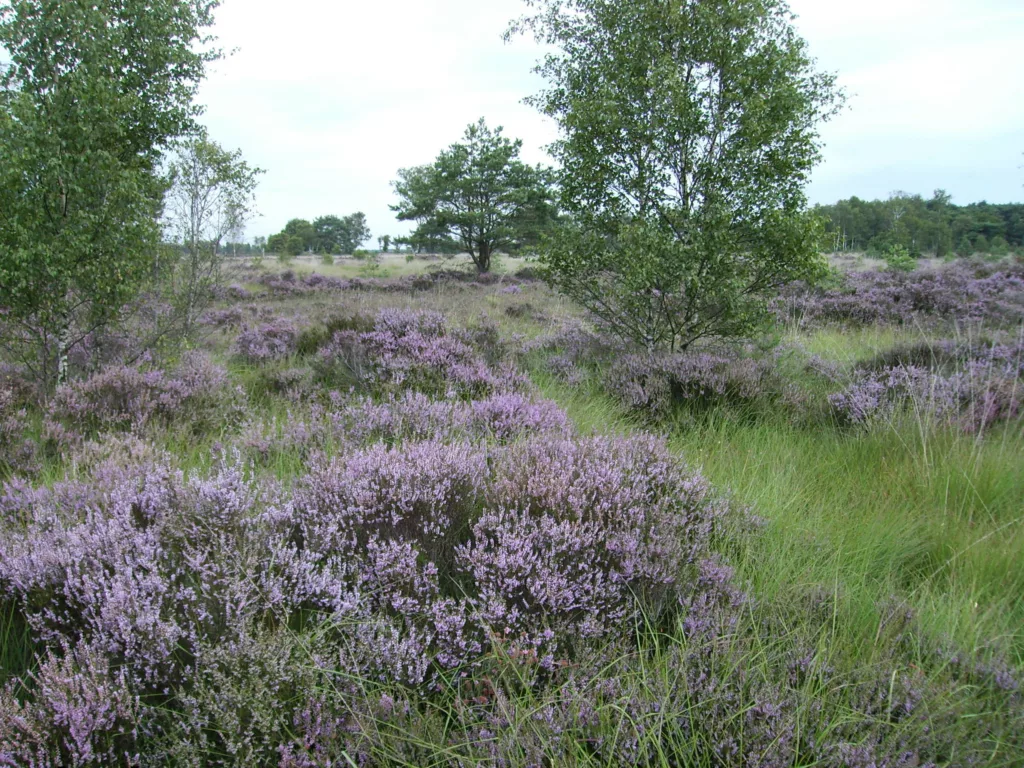
Located about thirty kilometers north of Antwerp, Grenspark Kalmthoutse Heide is one of the most beautiful natural areas in Belgium and the Netherlands. Established in 2001, this cross-border nature park covers nearly 60 km² and stretches between the Province of Antwerp and the Dutch province of North Brabant.
The landscape consists of vast purple heathlands, pine forests, sand dunes, and numerous natural ponds known as “vennen.” These unique landforms date back to the last Ice Age, when winds shaped the dunes that still characterize the park today.
Kalmthoutse Heide is a true paradise for nature lovers. Visitors can observe rich biodiversity, including rare dragonflies, amphibians, iconic bird species such as the European nightjar and woodlark, as well as typical heathland flora including heather, cotton grass, and many protected species.
Crossed by numerous marked trails, the park can be explored on foot or by bicycle through preserved landscapes offering tranquility and a complete change of scenery. The “De Vroente” visitor center also provides valuable insights into the history, wildlife, and flora of this exceptional nature reserve.
Gastronomy and Local Specialties of Antwerp
Antwerpse Handjes

The Antwerpse Handjes are small hand-shaped biscuits considered one of Antwerp’s most famous culinary symbols. This specialty was created in 1934 by pastry chef Jos Hakker. Their shape refers to the medieval legend of the giant Antigoon and the hero Brabo, a story closely linked to the city’s history. The biscuits are made with butter, sugar, eggs, flour, and almonds.
Belgian Fries

Belgian fries are traditionally prepared using a double-frying method, which gives them a crispy exterior and a soft, fluffy interior.
Although they are often referred to as “French fries,” their origin is strongly associated with Belgium. Fries are served in fritkots (traditional fry shops) found throughout the country and are typically accompanied by mayonnaise or other distinctly Belgian sauces.
Kibbeling

Kibbeling consists of bite-sized pieces of white fish coated in batter and then deep-fried. Traditionally, this preparation was made using cod cheeks. Today, it is commonly prepared with cod, hake, or haddock.
Kibbeling is generally seasoned with spices before frying and is often served with garlic sauce, remoulade, or tartar sauce.
Moules-Frites
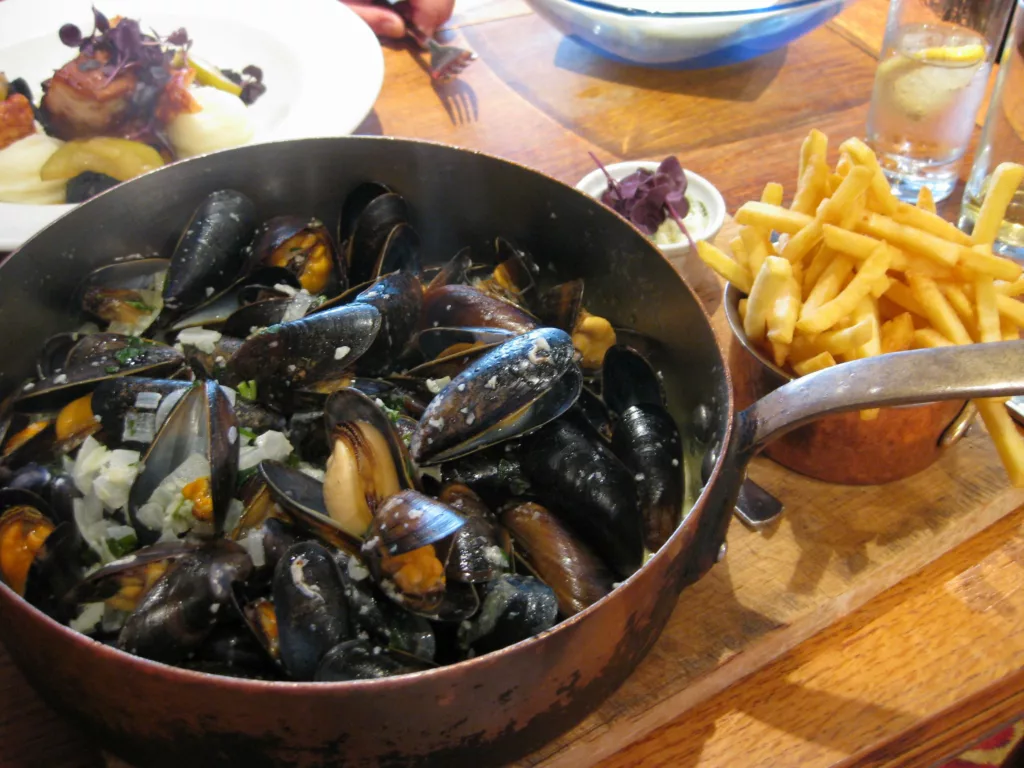
Moules-frites are considered Belgium’s national dish. This classic meal combines cooked mussels with a generous serving of fries. Mussels were once an affordable food source for families living in coastal regions. The most famous version is moules marinières, prepared with white wine, shallots, and parsley. Moules-frites are traditionally served with Belgian beer.
Day Trips from Antwerp
Day Trip to Bruges
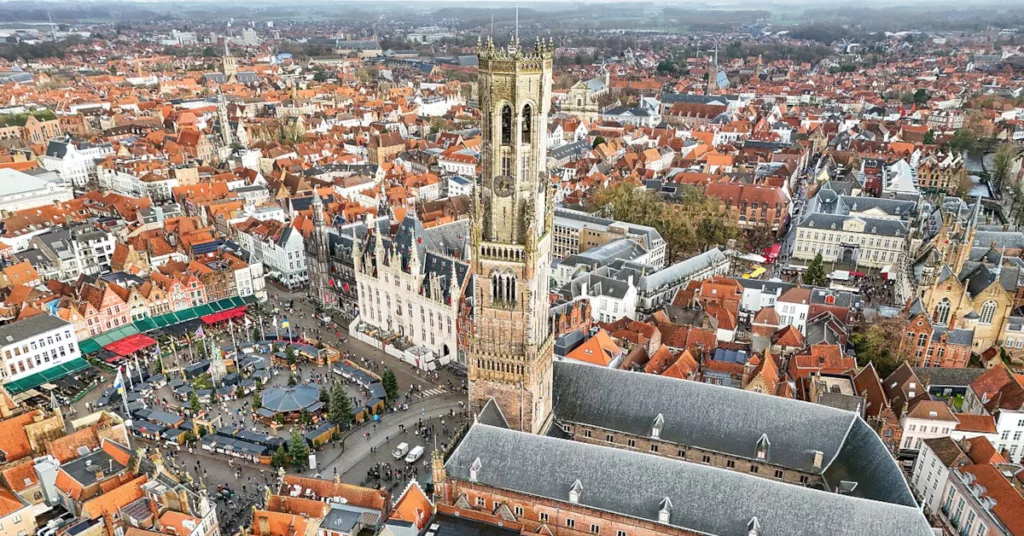
Bruges is one of the best-preserved medieval cities in Europe. Its historic center is famous for its picturesque canals, which have earned it the nickname “The Venice of the North.”
From Antwerp, Bruges can be reached by direct train in approximately 1 hour and 30 minutes. Bruges’ Market Square is dominated by its famous 83-meter-high medieval Belfry. A boat tour along the canals offers a unique perspective on the city’s most important landmarks.
Bruges is renowned for its artisan chocolatiers and countless Belgian chocolate shops. The Basilica of the Holy Blood is said to house a relic containing the blood of Christ.
Day Trip to Ghent
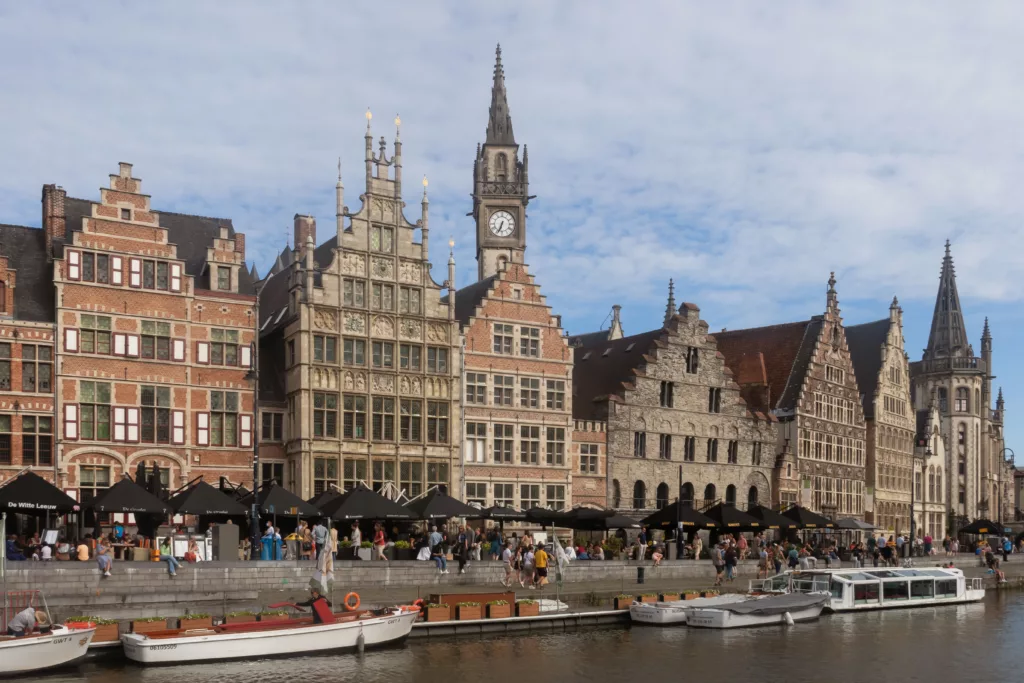
From Antwerp, Ghent is easily accessible by train in about one hour. Ghent’s city center contains one of the country’s largest collections of historic buildings.
The Castle of the Counts is a 12th-century medieval fortress located in the heart of the city. St. Bavo’s Cathedral houses the famous altarpiece The Adoration of the Mystic Lamb by the Van Eyck brothers.
The Graslei and Korenlei quays are among Ghent’s most photographed locations thanks to their magnificent historic façades. Ghent is also known for its vibrant student atmosphere due to the presence of a major university.
Day Trip to Mechelen
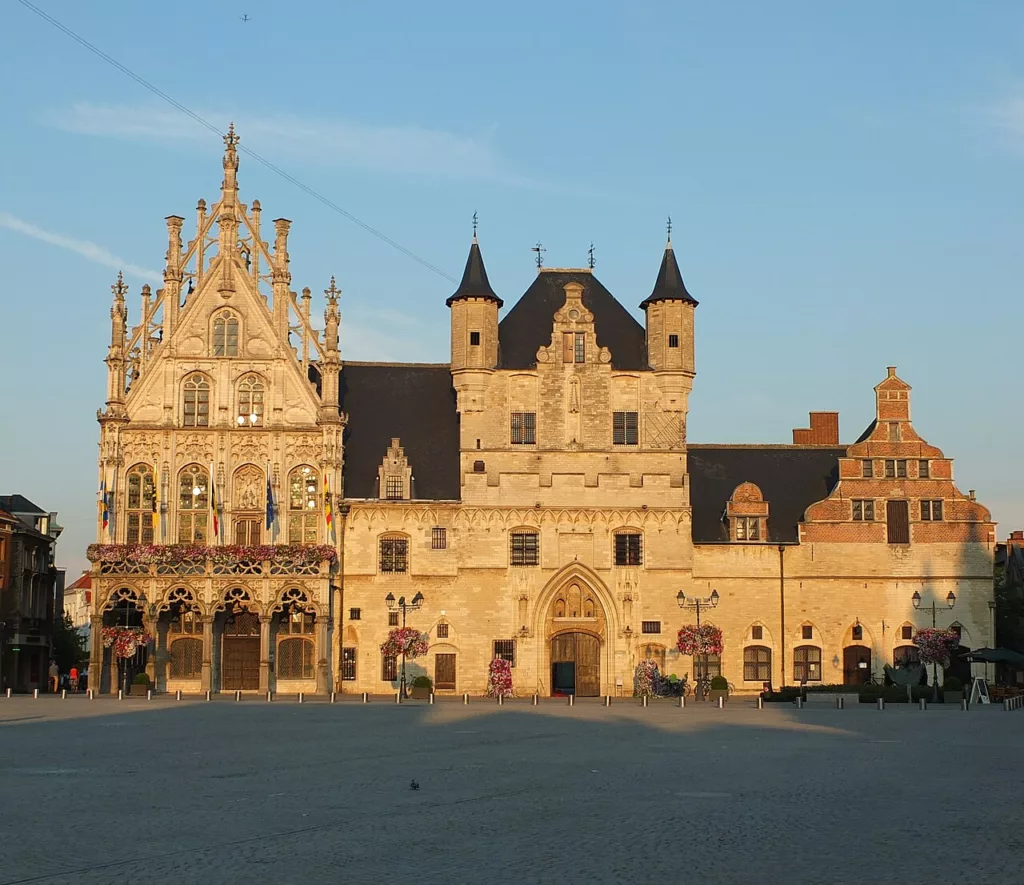
From Antwerp, Mechelen can be reached by train in approximately 20 minutes, making it an ideal day-trip destination. The city is dominated by St. Rumbold’s Cathedral, a UNESCO World Heritage Site as part of Belgium’s famous belfries.
The cathedral tower offers exceptional panoramic views over Flanders after climbing more than 500 steps. Mechelen served as the political capital of the Burgundian Netherlands during the 16th century under Margaret of Austria.
The Kazerne Dossin Museum retraces the history of the Holocaust and human rights in Belgium. The city center is easy to explore on foot thanks to its historic squares, cobbled streets, and Renaissance buildings.
Mechelen is also known for its carillon tradition, a Flemish musical heritage recognized around the world.
Day Trip to Brussels
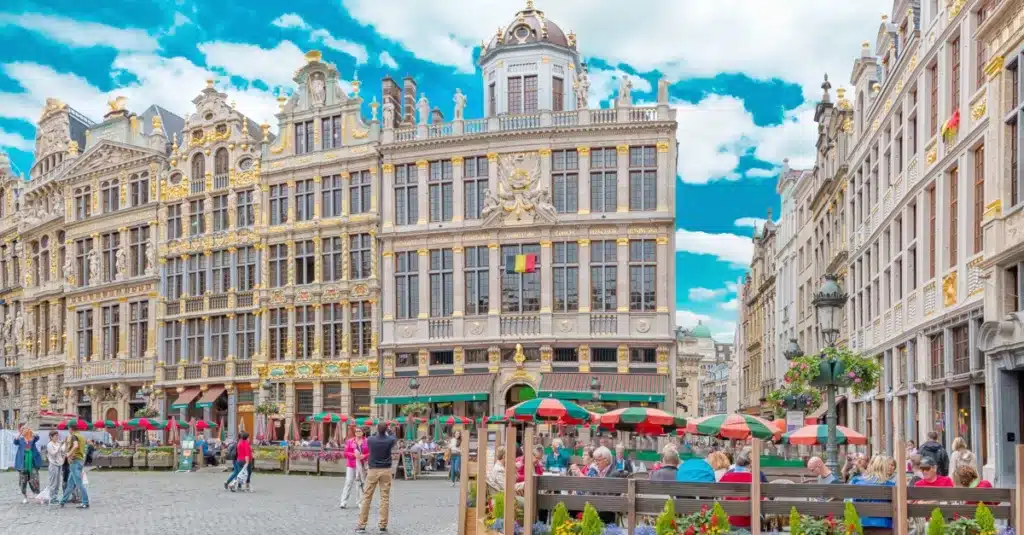
Brussels is the capital of Belgium and the main political center of the European Union. From Antwerp, Brussels can be reached by train in approximately 40 to 50 minutes.
The Grand Place of Brussels is listed as a UNESCO World Heritage Site thanks to its remarkable architectural ensemble. The Manneken Pis is one of the city’s most famous landmarks and attracts visitors from around the world.
Brussels hosts the main institutions of the European Union, including the European Commission and the Council of the European Union. The Atomium, built for the 1958 World Expo, has become an icon of Belgian architecture.
Brussels is recognized as the world capital of comic books thanks to its rich heritage linked to the art form. The city is also renowned for its gastronomy, particularly its waffles, chocolates, and craft beers.
Conclusion
Antwerp is a must-visit destination in Belgium, appealing equally to history buffs, art and architecture enthusiasts, food lovers, and shopping fans. From its majestic Cathedral of Our Lady and spectacular railway station to its world-class museums, iconic port, and lively neighborhoods, the city offers a remarkable diversity of experiences for every traveler.
Whether you are planning a weekend in Antwerp or a longer stay in Flanders, you will always find something to enrich your visit. Its exceptional heritage, cosmopolitan atmosphere, and ideal location for exploring other Belgian cities such as Bruges, Ghent, Brussels, and Mechelen make it an essential stop on any trip to Belgium. All that remains is to plan your itinerary and set off to discover the very best places to visit in Antwerp.