
Visit Lisbon: 30 Must-See Attractions and Things to Do
Visiting Lisbon means exploring a city rich in history, iconic landmarks, and unique panoramic views. Between castles, churches, museums, and viewpoints, you will discover the cultural soul of Portugal’s capital. From Pastéis de Belém to fresh seafood, the local gastronomy, along with experiences such as Fado music and Tram 28, complete this unforgettable journey. From excursions to Sintra, Cascais, Cabo da Roca, Évora, and Óbidos, Lisbon offers the perfect blend of heritage, nature, and traditions for every visitor.
Discover Lisbon in a different way with our treasure hunt game “Lisbon Highlights“, a unique combination of an escape game and a cultural tour.
Historical Monuments & Heritage to Visit in Lisbon
Saint George’s Castle (São Jorge Castle)
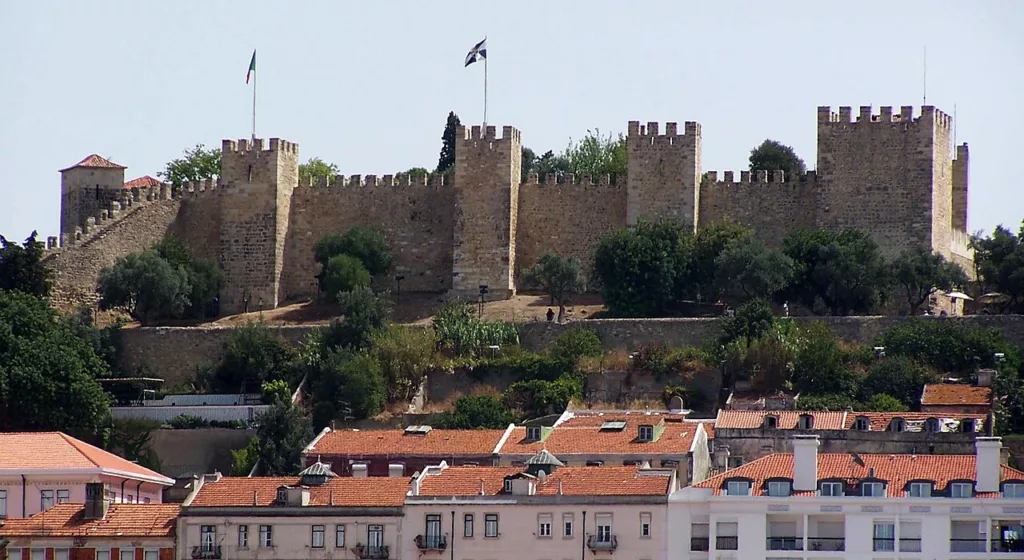
The São Jorge Castle, or Saint George’s Castle, is a historic fortress located in downtown Lisbon on the highest hill overlooking the Alfama district. The hill on which the castle stands has been occupied since at least the 8th century BC, and the first fortifications date back to the 2nd century BC.
Before becoming Portuguese, the site was successively defended by the Phoenicians, Carthaginians, Romans, and Moors, until its conquest by King Afonso Henriques in 1147 during the Siege of Lisbon. Since the 12th century, the castle has served as a royal palace, military barracks, and even the headquarters of the national archive, the Torre do Tombo.
Listed as a national monument, it now offers visitors gardens, medieval walls, exhibition spaces, and spectacular panoramic views over Lisbon and the Tagus River. One of the highlights of the site is the Tower of Ulysses, which houses a camera obscura allowing visitors to admire the city in a full 360-degree view.
Lisbon Cathedral (Sé de Lisboa)
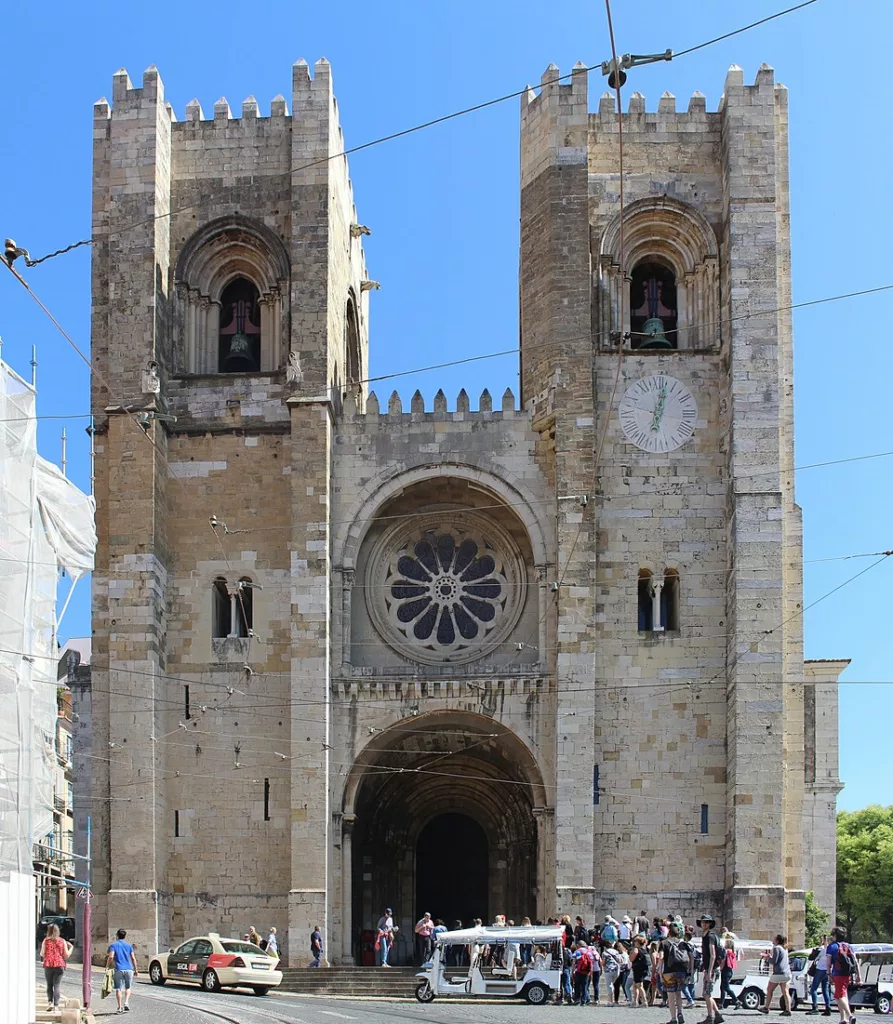
Lisbon Cathedral, officially known as the Sé-Catedral Metropolitana Patriarcal de Santa Maria Maior and often simply referred to as the Sé de Lisboa, is the oldest church in the city.
Its construction began in 1147, immediately after the reconquest of Lisbon by Portugal’s first king, Afonso Henriques, on the site of a former mosque. Over the centuries, it has been modified, renovated, and restored many times, resulting in a unique combination of Romanesque, Gothic, and Baroque architectural styles.
Its main façade, with two massive towers and a fortress-like appearance, reflects the building’s strategic and religious importance during the Middle Ages. Inside, visitors can admire remarkable features such as the Chapel of Bartolomeu Joanes, Gothic tombs, and the cathedral treasury, which displays historical religious artifacts.
According to tradition, Saint Anthony of Padua was baptized in this cathedral, and a cross engraved on the staircase commemorates his childhood presence there.
Jerónimos Monastery (Belém)
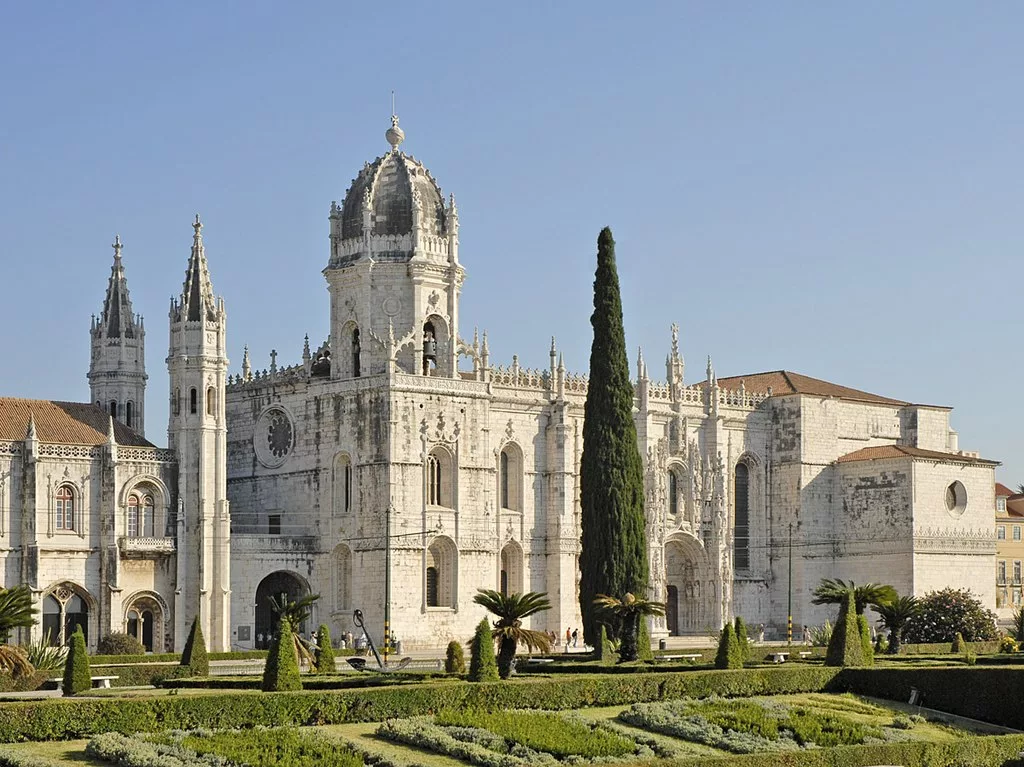
The Jerónimos Monastery (Mosteiro dos Jerónimos) is an architectural masterpiece located in Lisbon’s Belém district and showcases the splendor of the Manueline style, the Portuguese version of Late Gothic architecture.
Construction began in the early 16th century during the reign of King Manuel I, in gratitude for Vasco da Gama’s return from India and to honor Portugal’s great maritime discoveries. For more than four centuries, the monastery was occupied by monks of the Order of Saint Jerome, who prayed for the king and provided spiritual support to sailors departing from the port of Lisbon.
The building was financed by the wealth generated through the spice trade and other goods brought back from Portuguese explorations, symbolizing the Golden Age of Discovery. Inside the church are the tombs of some of Portugal’s most iconic figures, including Vasco da Gama and the poet Luís de Camões, further emphasizing the site’s historical importance.
Belém Tower
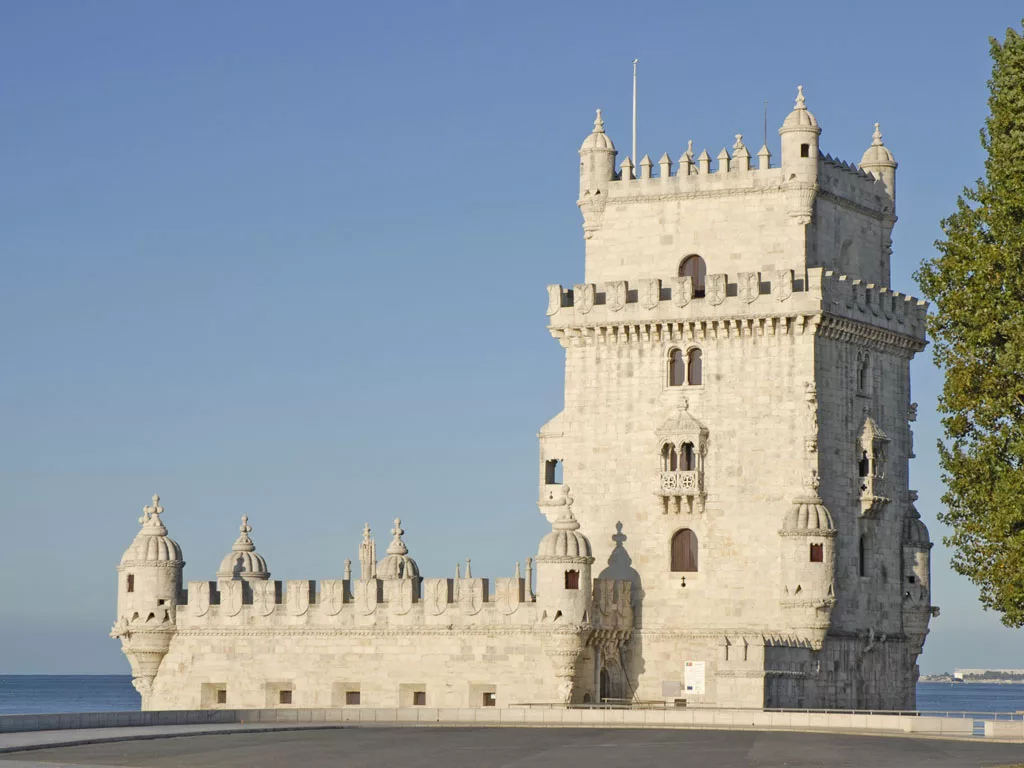
The Belém Tower (Torre de Belém) is an iconic fortress in Lisbon, built in the early 16th century on the northern bank of the Tagus River to protect the entrance to the harbor. It is a remarkable example of Manueline architecture, characterized by maritime decorative motifs and elements inspired by Portugal’s great discoveries.
The tower served as a watchtower, defensive fortress, and departure point for explorers embarking on voyages to India and Africa. Built from Arrábida limestone, it is distinguished by its carved balconies, turrets, and decorative elements such as armillary spheres, a symbol associated with King Manuel I.
It also served as a prison, particularly for political prisoners over the centuries, before becoming one of Lisbon’s major tourist attractions.
Monument to the Discoveries (Padrão dos Descobrimentos)

The Padrão dos Descobrimentos, located on the banks of the Tagus River in Belém, is an iconic monument dedicated to the great Portuguese explorations of the 15th and 16th centuries. It was originally erected in 1960 to commemorate the 500th anniversary of the death of Prince Henry the Navigator, a central figure of the Age of Discovery.
The monument is shaped like the prow of a ship, symbolizing the departure of Portuguese explorers toward new lands and oceans. Along its sides stand 33 statues representing kings, navigators, cartographers, scientists, and missionaries who contributed to Portugal’s discoveries.
Among the figures depicted are Henry the Navigator, Vasco da Gama, and Ferdinand Magellan, as well as missionaries and artists connected to the voyages of exploration. The monument was rebuilt in reinforced concrete in 1960, replacing a temporary plaster version constructed for the commemorative exhibition.
Santa Justa Lift
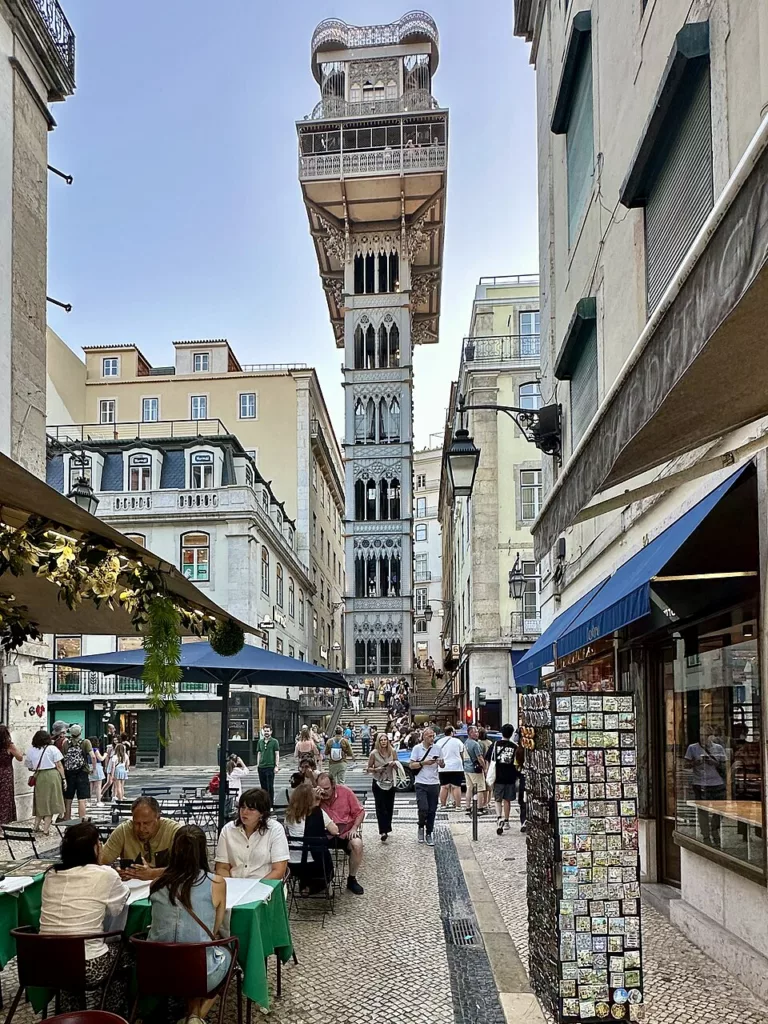
The Santa Justa Lift, located in Lisbon’s Baixa district, is an urban elevator connecting Rua de Santa Justa to the square of the Convento do Carmo. Designed by Raoul Mesnier du Ponsard, a Portuguese engineer trained at Gustave Eiffel’s engineering school, it was inaugurated in 1902.
The elevator, made entirely of wrought iron, is decorated with Neo-Gothic motifs reminiscent of the great metal structures of the 19th century. Standing 45 meters high, it allows visitors to effortlessly overcome the steep slope between Baixa and the Chiado district. Originally powered by steam machinery, it was electrified in 1907, making it faster and safer.
Discover the secrets of this elevator in our Lisbon experience.
Commerce Square (Praça do Comércio)
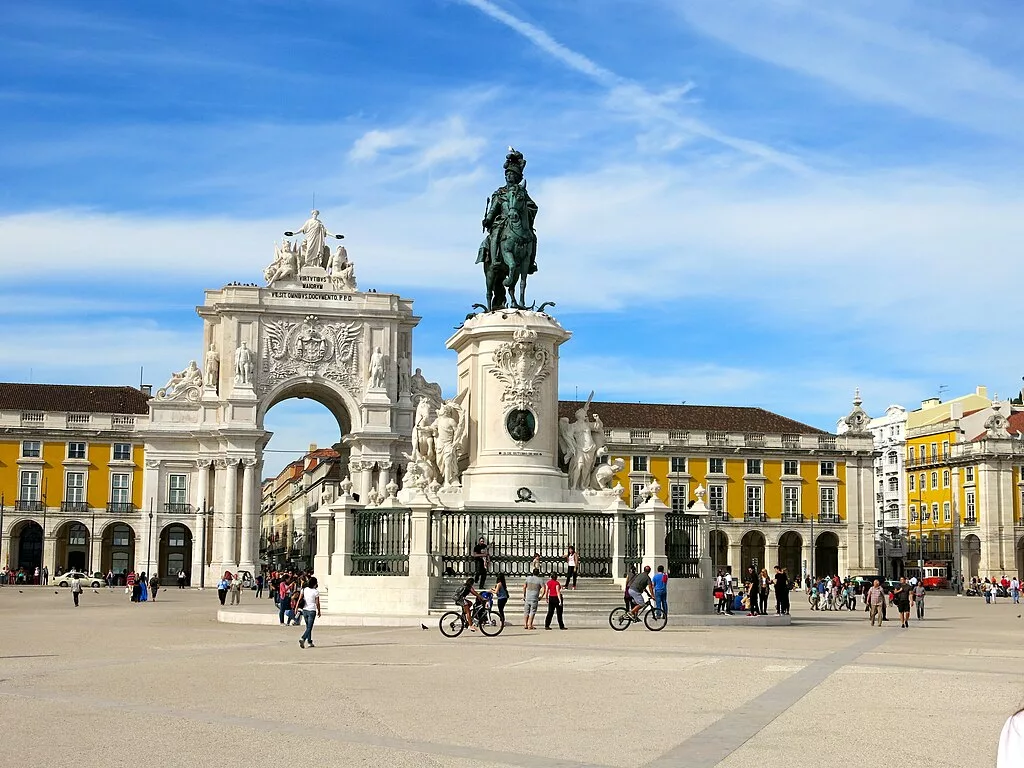
Praça do Comércio, located on the banks of the Tagus River, is one of Lisbon’s largest and most iconic squares. It is also known as Terreiro do Paço, as it once occupied the site of the royal palace destroyed during the 1755 earthquake.
The square was rebuilt in the 18th century as part of Lisbon’s reconstruction plan led by the Marquis of Pombal. It is surrounded by yellow arcaded buildings that once housed ministries and offices linked to trade and port administration.
At the center of the square stands the equestrian statue of King José I, inaugurated in 1775, symbolizing the monarch who oversaw Lisbon’s reconstruction after the earthquake.
Discover the animals representing the kingdom’s enemies on this statue in our Lisbon treasure hunt.
Rossio Square
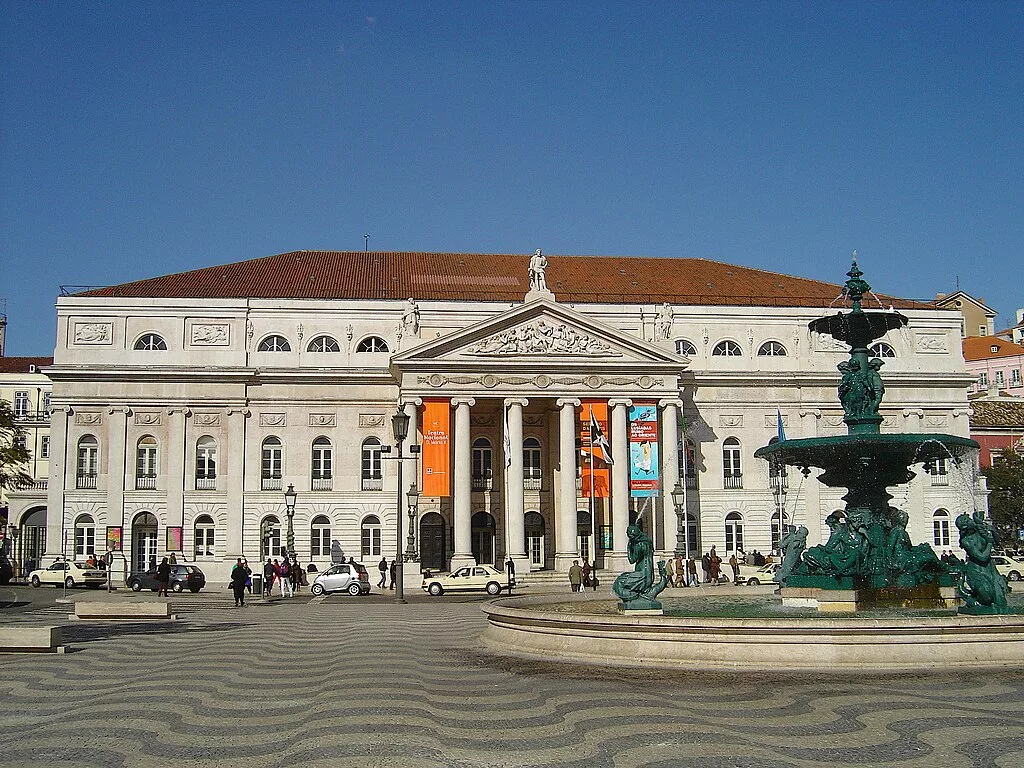
Praça do Rossio, officially known as Praça Dom Pedro IV, is one of the most famous and lively squares in Lisbon’s historic center. Since the Middle Ages, it has served as a social, commercial, and political hub, hosting fairs, markets, and public events.
The square is easily recognizable thanks to its black-and-white wave-pattern mosaic pavement, typical of the Portuguese calçada. It is surrounded by historic buildings, including the Dona Maria II National Theatre, which dominates the northern side of the square with its neoclassical façade.
At the center stand a fountain and a statue of Dom Pedro IV, celebrating the king who gave the square its official name.
Discover the statue of the father of Portuguese theatre on Lisbon’s theatre building in our Lisbon treasure hunt.
Carmo Convent
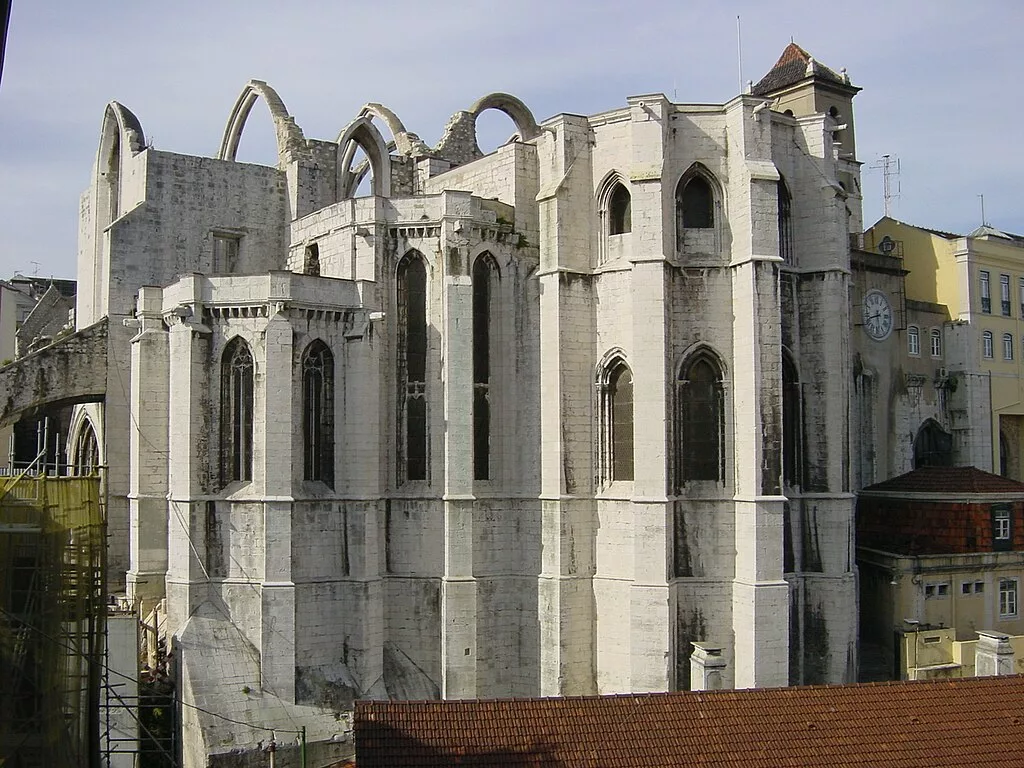
The Carmo Convent, or Convento do Carmo, is a former Gothic convent located in the Chiado district in central Lisbon. It was founded in 1389 by Count Nuno Álvares Pereira, a Portuguese military hero, to house the Carmelite Order.
The structure was severely damaged during the 1755 earthquake, and its vaults were never rebuilt, leaving majestic walls and arches open to the sky. The site now houses the Carmo Archaeological Museum, which displays artifacts ranging from prehistory to the modern era, illustrating the history of Portugal.
The convent is famous for its ruined Gothic church, whose walls still rise toward the sky, creating a unique and moving atmosphere.
National Pantheon
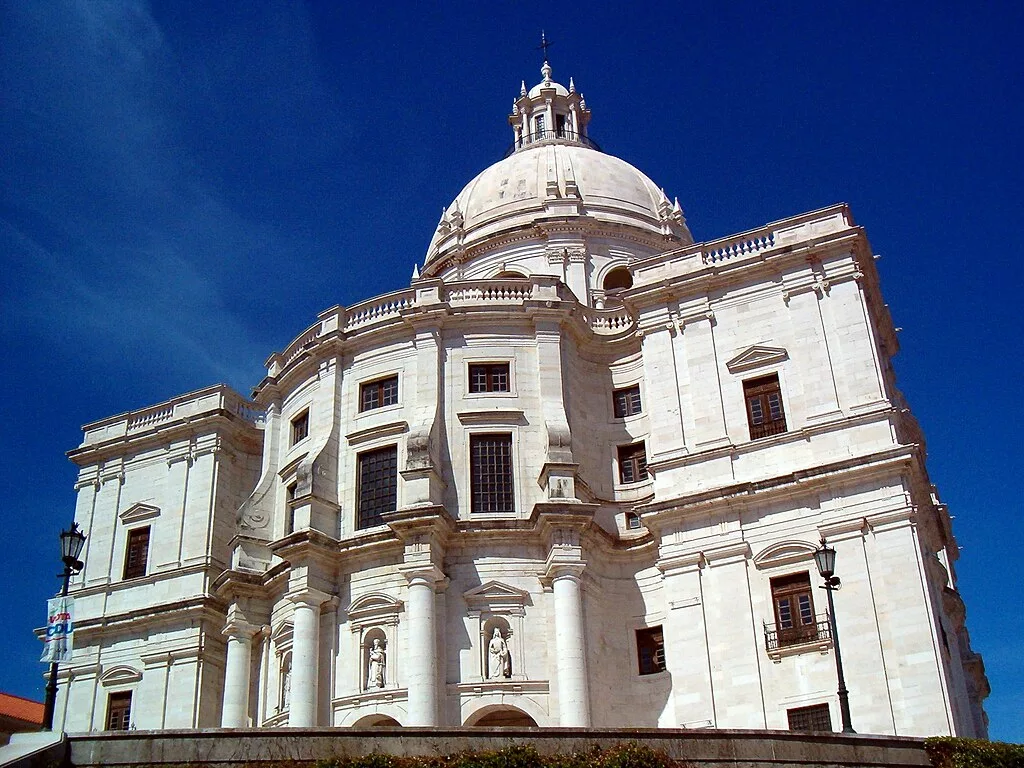
The National Pantheon, located in the Alfama district, is a monument dedicated to distinguished Portuguese figures, including writers, artists, and political leaders. The building was originally constructed in the 17th century as the Church of Saint Engrácia (Igreja de Santa Engrácia), but its construction extended over several centuries.
The Pantheon is famous for its imposing dome, which dominates the historic Alfama district and offers spectacular views over Lisbon and the Tagus River. The site contains the tombs of renowned personalities, including writer Almeida Garrett and singer Amália Rodrigues, the iconic voice of Portuguese fado.
Ajuda National Palace
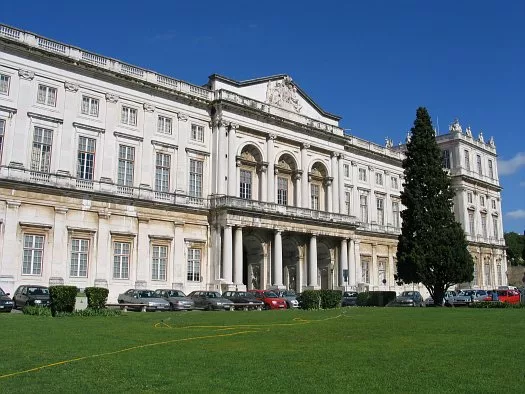
The Ajuda National Palace, located in Lisbon’s Ajuda district, is a magnificent neoclassical palace and former Portuguese royal residence. Construction began in the early 19th century following the 1755 earthquake and the return of the royal family after fleeing Napoleon, but the palace was never fully completed.
The palace reflects the influence of neoclassical architecture, with majestic façades, grand staircases, and richly decorated interiors. It served as the official residence of the Portuguese royal family until the proclamation of the republic in 1910.
Visitors can admire lavish reception rooms, painting galleries, and collections of period furniture that showcase the luxury of the Portuguese monarchy.
Christ the King Statue
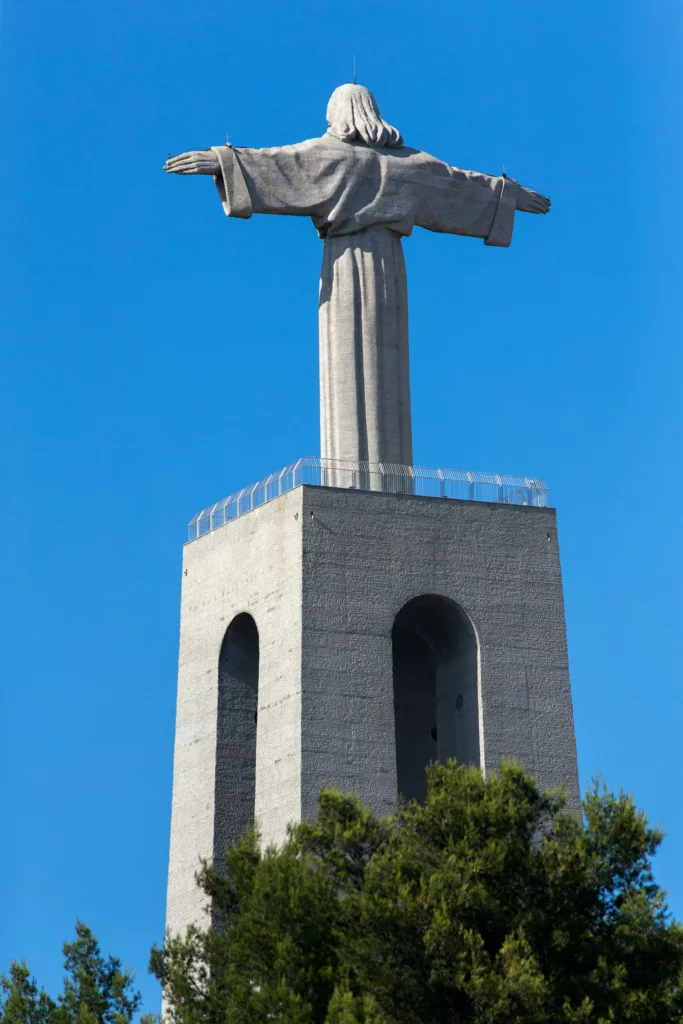
The Christ the King Statue (Cristo Rei) overlooks the city of Lisbon from the southern bank of the Tagus River in Almada and was inspired by Christ the Redeemer in Rio de Janeiro.
It was inaugurated in 1959 to thank God for sparing Portugal during the Second World War. The statue stands 28 meters tall and rests on an 82-meter pedestal, creating an impressive silhouette visible from across the city.
The monument allows visitors to access a panoramic viewpoint from which they can admire Lisbon, the Tagus River, and the 25 de Abril Bridge. The construction of the statue was financed through private donations and public fundraising campaigns, symbolizing the religious gratitude of the Portuguese people.
Eating at Time Out Market
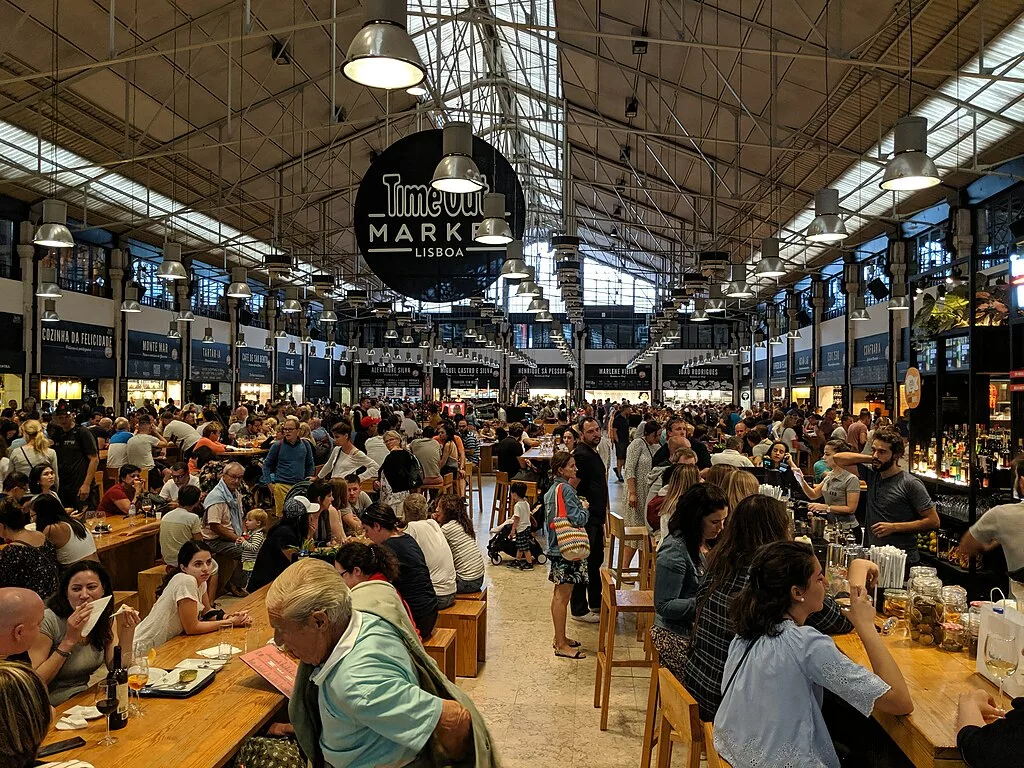
Time Out Market, located in Lisbon’s Mercado da Ribeira district, is a large covered market combining gastronomy, culture, and leisure. It opened in 2014 and brings together restaurants, bars, and stalls from renowned chefs, as well as local products, all under one roof.
The market offers the chance to taste Portuguese specialties such as cod, pastéis de nata, seafood, and creative dishes from contemporary chefs.
In addition to gastronomy, Time Out Market hosts cultural events, concerts, and temporary exhibitions that showcase Lisbon’s artistic scene. It is the ideal place to try several dishes in one location, thanks to its small-stall format and varied portions.
The Miradouros
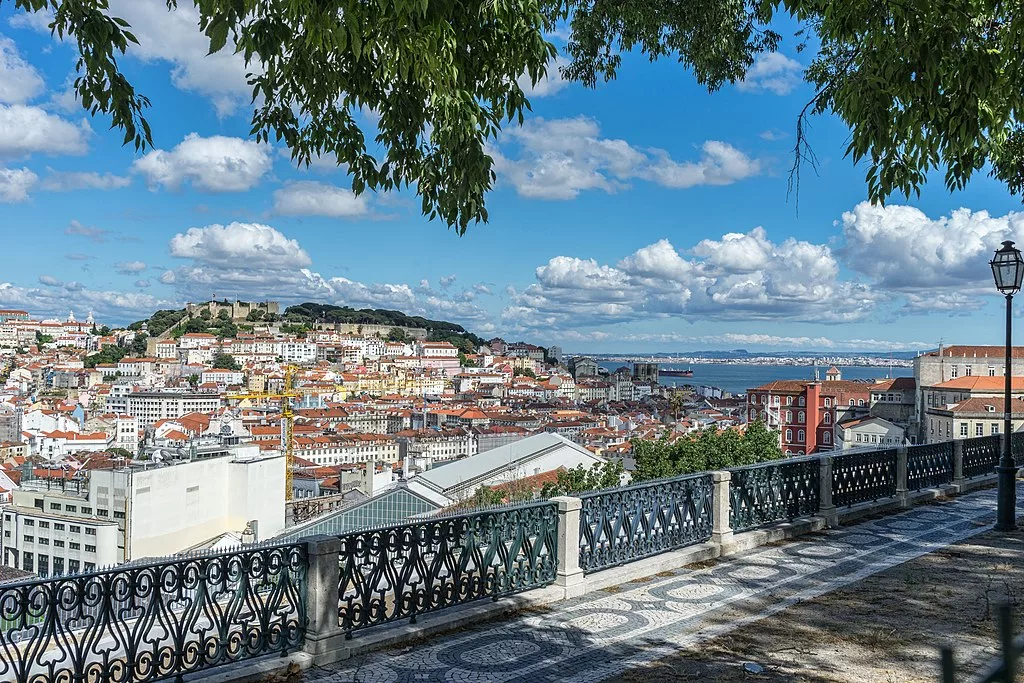
Lisbon’s miradouros are viewpoints located on the city’s hills, offering panoramic views over the Tagus River, red rooftops, and historic monuments. Among the most famous are the Miradouro de Santa Luzia, the Miradouro da Senhora do Monte, and the Miradouro de São Pedro de Alcântara, each with its own unique atmosphere.
The Miradouro de Santa Luzia, in the Alfama district, offers an exceptional view over picturesque streets and the Tagus River, with beautiful decorative azulejos.
The Miradouro da Senhora do Monte, located on one of the highest hills, allows visitors to see Lisbon in all its splendor, including São Jorge Castle and the Graça district.
The Miradouro de São Pedro de Alcântara, in Bairro Alto, combines landscaped gardens, kiosks, and views over the historic center and Lisbon Castle.
These viewpoints are often free to access and offer ideal spots for photography, sunset views, and observing Lisbon life.
Mosteiro de São Vicente de Fora
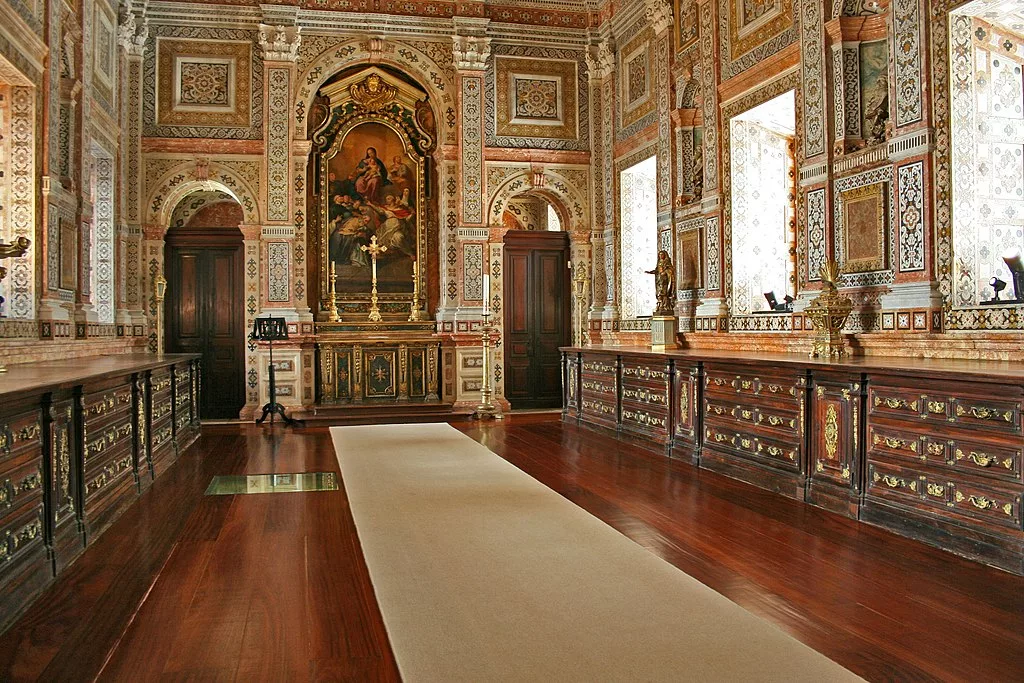
The Mosteiro de São Vicente de Fora, located in the Alfama district, is a large monastery and church dedicated to Saint Vincent, the patron saint of Lisbon.
Its construction began in the 16th century under King Philip II of Portugal (Philip III of Spain) and was completed in the 17th century, combining Mannerist and Baroque styles. The church and monastery are famous for their austere white façade and impressive arcaded cloister.
The site houses the tombs of the kings and queens of the House of Braganza, making it a major historical site in Portuguese royal history. Inside, visitors can admire superb blue-and-white azulejos depicting religious and historical scenes from Portugal.
Iconic Museums
Azulejo Museum

The National Azulejo Museum (Museu Nacional do Azulejo) is dedicated to the Portuguese art of azulejos, the country’s iconic decorative ceramic tiles. It is housed in the Madre de Deus Convent, a 16th-century building combining religious architecture with modern exhibition spaces.
The museum presents a collection spanning five centuries, from the first azulejos imported from Spain to contemporary works. Among its most remarkable pieces is a 17th-century azulejo panorama of Lisbon, offering a historical view of the city before the 1755 earthquake.
The museum illustrates the techniques, styles, and uses of azulejos, from religious decoration to civil architecture and exterior building façades.
Calouste Gulbenkian Museum
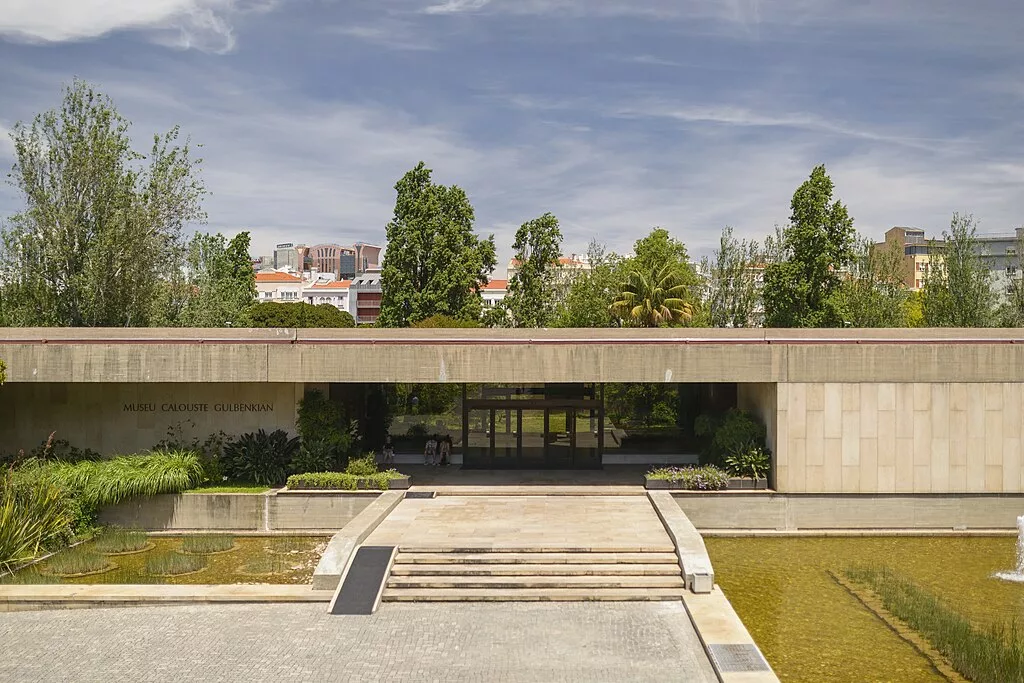
The Calouste Gulbenkian Museum is an art museum located in Lisbon’s Avenidas Novas district, founded to display the private collection of Calouste Gulbenkian, an Armenian philanthropist. The museum opened in 1969 and houses more than 6,000 works of art ranging from antiquity to European modern art.
The collection includes European paintings, sculptures, decorative objects, manuscripts, and jewelry, reflecting Gulbenkian’s refined and eclectic taste. The museum is surrounded by magnificent gardens, where modern sculptures and peaceful green spaces come together to create an artistic and relaxing experience.
Coach Museum (Museu Nacional dos Coches)
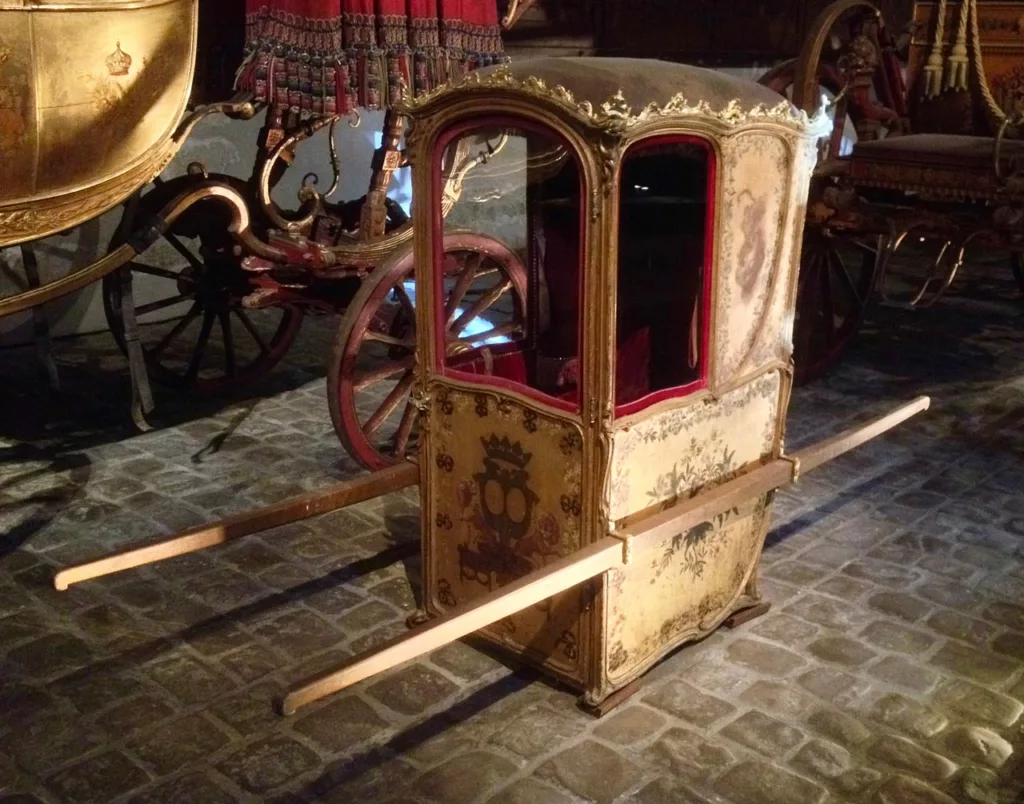
The National Coach Museum (Museu Nacional dos Coches) is located in the Belém district and is dedicated to the history of royal coaches and the Portuguese court. The museum houses one of the most important coach collections in the world, dating from the 17th to the 19th century.
It displays richly decorated coaches, sledges, and official vehicles used by Portuguese royalty and nobility. The museum opened in 1905 and was moved to its current building in Belém in 2015, offering modern spaces suited to the exhibition.
Parks & Gardens
Estrela Garden
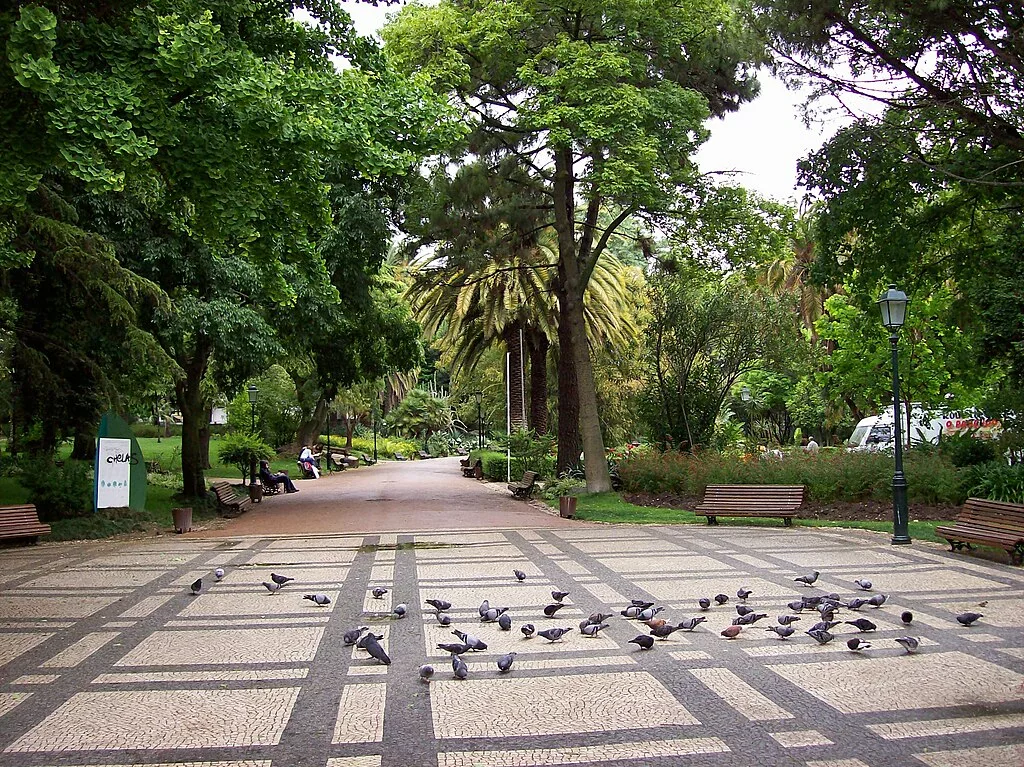
Jardim da Estrela, located in front of the Estrela Basilica, is one of Lisbon’s most beautiful public parks and is highly appreciated by both locals and tourists. The garden was created in the 19th century at the initiative of Queen Maria II and features a Romantic-style layout with winding paths and open lawns.
It is home to a wide variety of trees and plants, some of them exotic, as well as seasonal flowers that bring color to the park throughout the year. The garden includes several statues, fountains, and kiosks, including an elegant bandstand used for open-air concerts.
Eduardo VII Park
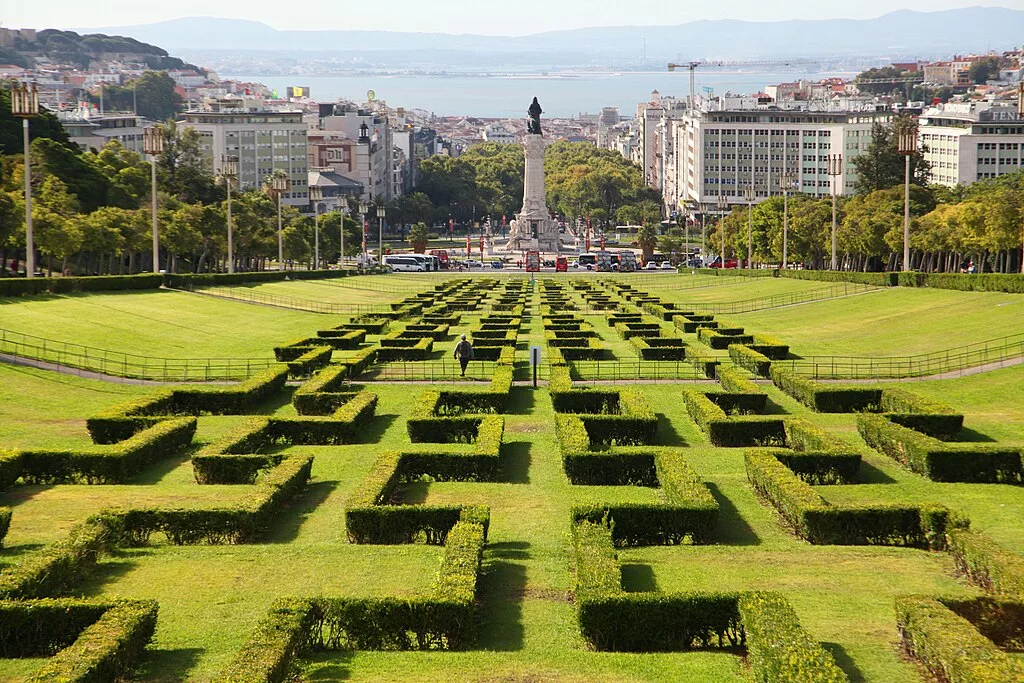
Eduardo VII Park, located north of Lisbon’s city center, is the largest public park in the Portuguese capital. It was inaugurated in 1903 and named in honor of King Edward VII of the United Kingdom, who visited Lisbon in 1902.
The park extends over several hectares and offers wide avenues, lawns, and geometric gardens, ideal for walking and relaxing. From the upper viewpoint, located near Praça Marquês de Pombal, visitors can enjoy a panoramic view over Avenida da Liberdade and the Tagus River.
The park is home to the Jardim da Estufa Fria, a large greenhouse filled with tropical and exotic plants, which provides an additional attraction for visitors.
Oceanário, Lisbon’s Aquarium
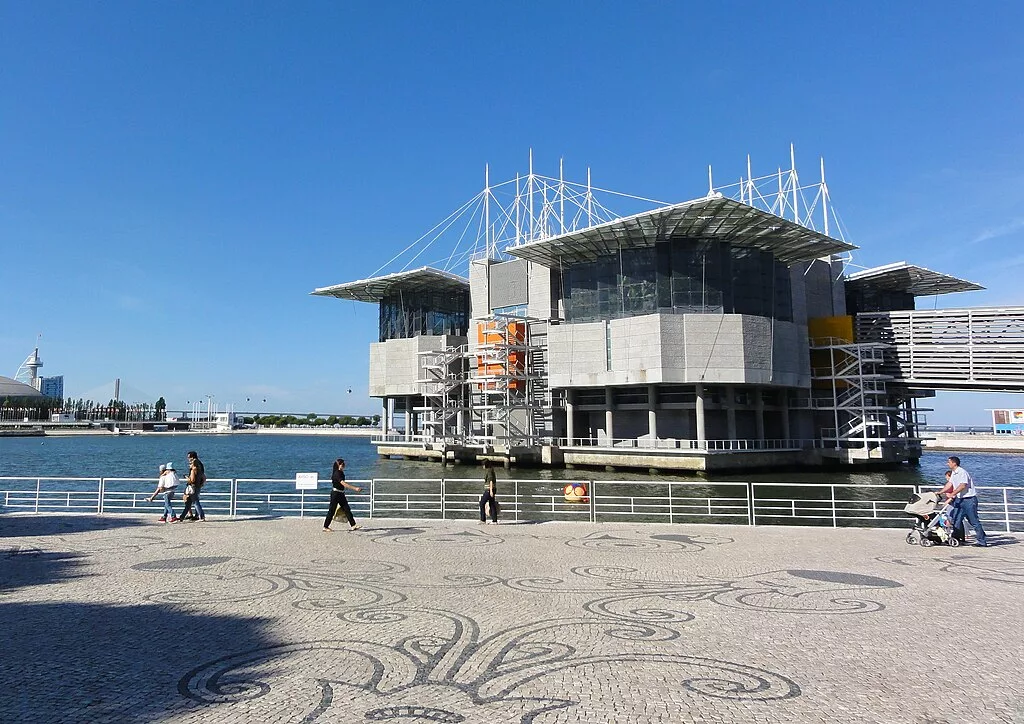
The Lisbon Oceanário (Oceanário de Lisboa), located in Parque das Nações, is one of the largest aquariums in Europe and a must-see attraction for families and marine life lovers. It opened in 1998 for the Lisbon World Expo (Expo ’98) and was designed by architect Peter Chermayeff.
The building is organized around a large central aquarium holding 5 million liters of water and representing different ocean ecosystems. The Oceanário is home to more than 15,000 animals from 450 different species, including sharks, rays, otters, penguins, and tropical fish.
Lisbon Gastronomy
Pastéis de Nata
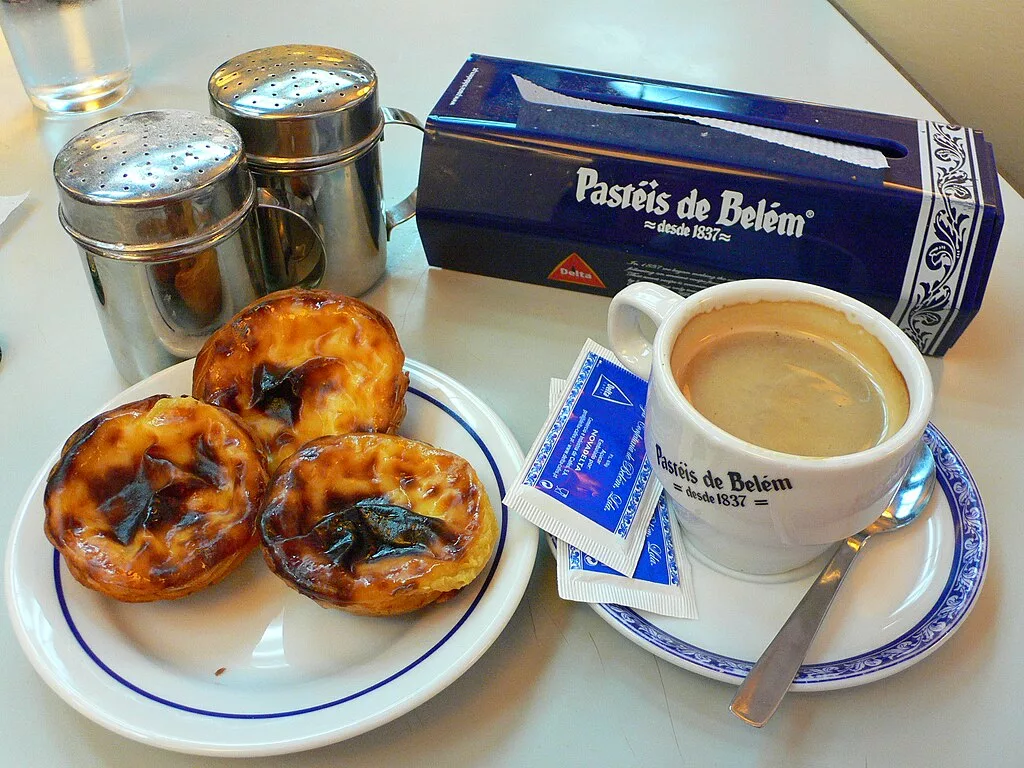
Pastéis de Nata are small custard tarts, emblematic of Lisbon, served warm with a sprinkle of cinnamon and sugar. Their recipe dates back to the 19th century and was developed by the monks of the Jerónimos Monastery in Belém.
The Pastéis de Belém bakery, still located in Belém, is famous for preserving the secret original recipe and attracts thousands of visitors every day.
Bacalhau
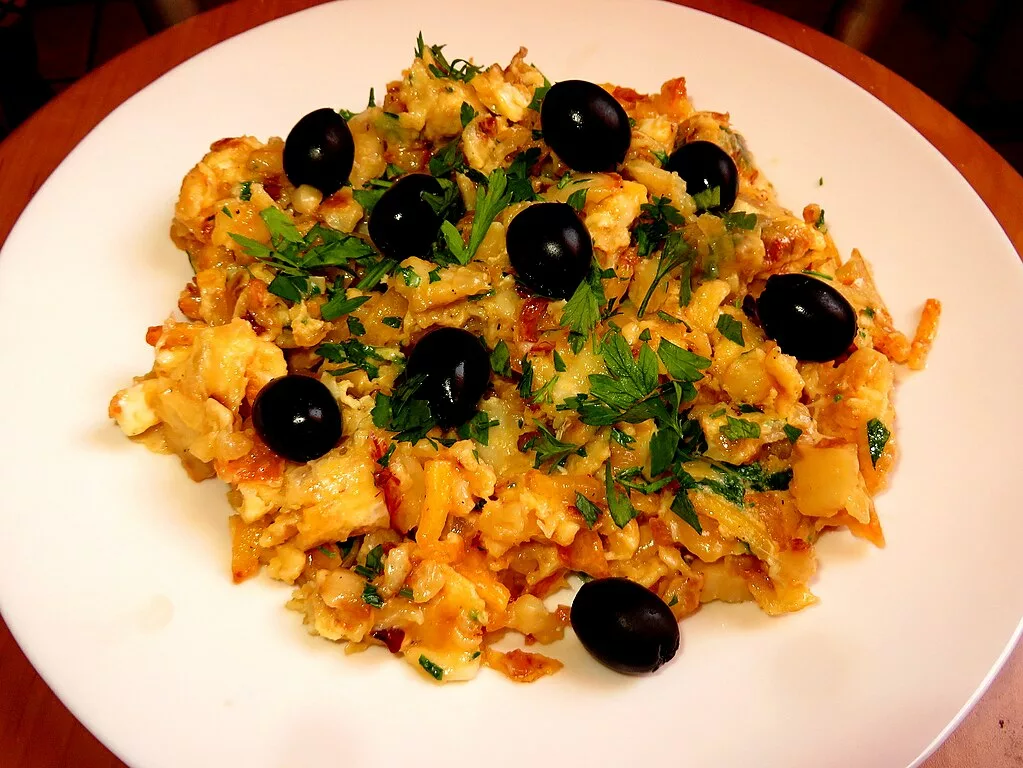
Bacalhau, or salted and dried cod, is the star ingredient of Portuguese cuisine, with more than 365 traditional recipes. In Lisbon, it can be found grilled, in brandade-style dishes, in fritters, or baked with potatoes and onions.
Francesinha — the Portuguese version of an iconic sandwich

Francesinha is a Portuguese sandwich filled with meat, ham, and sausage, covered with melted cheese and topped with a spicy tomato-and-beer sauce. This hearty dish is often served with fries and a fried egg, making it ideal for a filling lunch after a day of sightseeing. Francesinha is an example of Franco-Portuguese culinary fusion, born from French recipe influences adapted in Portugal.
Ginginha
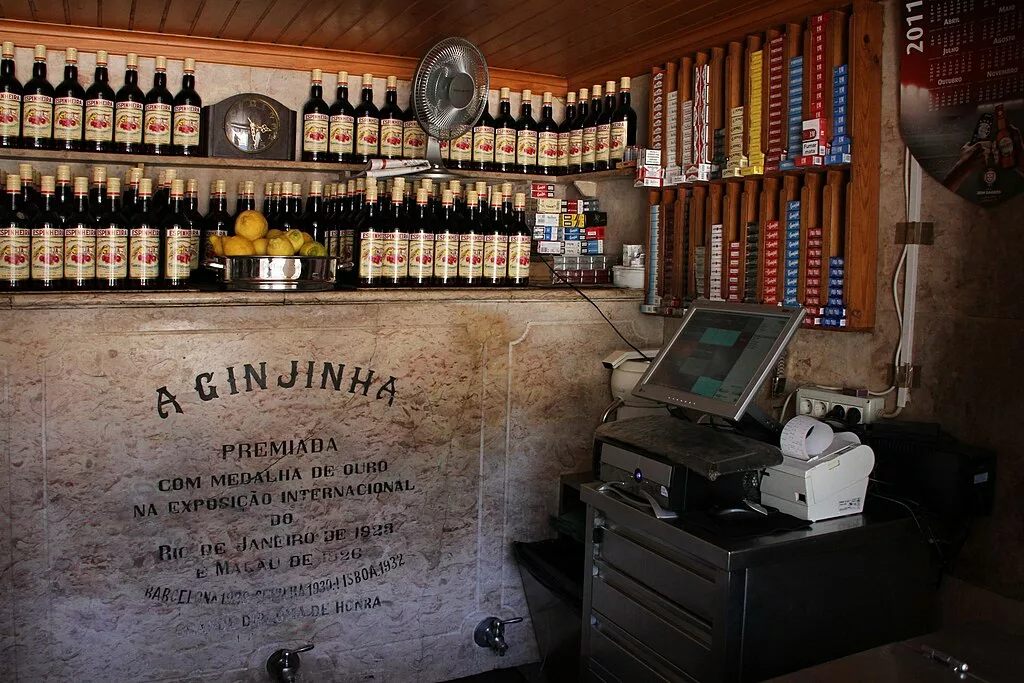
Ginginha is a typical Portuguese cherry liqueur served in small glasses in Lisbon’s traditional bars. It is made from sour cherries macerated in alcohol, with added sugar and sometimes spices.
Drinking a Ginginha in Lisbon is a cultural experience, often accompanied by an edible cherry at the bottom of the glass.
Portuguese Seafood
Lisbon is renowned for its seafood restaurants, serving specialties such as shrimp, clams, octopus, and crab. Dishes can be simple, grilled with a drizzle of olive oil, or prepared in traditional stews such as caldeirada. Portuguese seafood reflects the country’s rich maritime heritage, thanks to its position on the Atlantic Ocean.
Activities in Lisbon
Fado
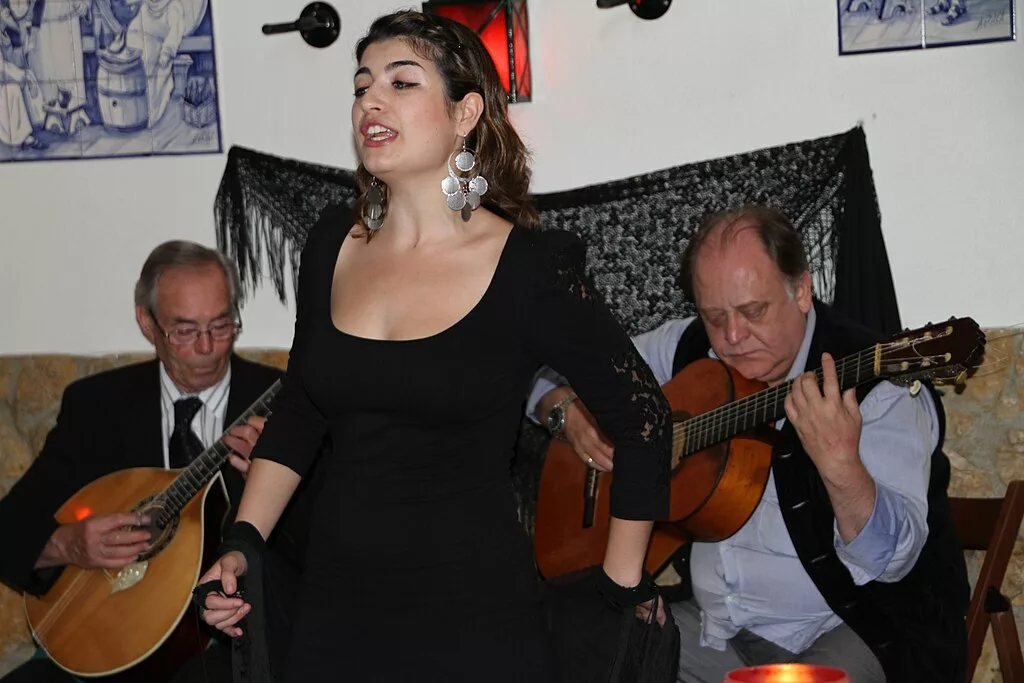
Fado is a melancholic Portuguese music genre that emerged in Lisbon in the 19th century, particularly in the Alfama and Bairro Alto districts. It is characterized by an expressive voice accompanied by the Portuguese guitar, often exploring themes of nostalgia, lost love, and fate.
Visitors can attend Fado performances in traditional fado houses, often accompanied by a typical Portuguese dinner.
Tram 28
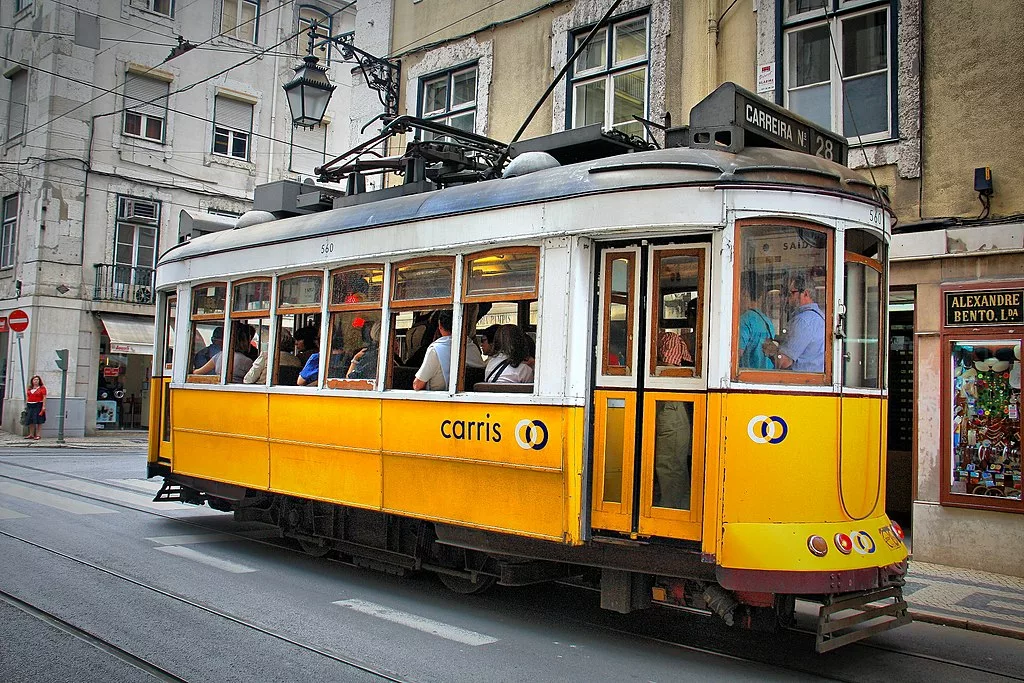
Tram 28 is an iconic line in Lisbon’s tram network, known for its picturesque route through the historic neighborhoods. It passes through areas such as Graça, Alfama, Baixa, and Estrela, offering a unique view of the city’s narrow streets and hills.
Line 28 was inaugurated in the early 20th century and still uses traditional trams, enhancing its vintage charm.
Excursions Around Lisbon
Sintra
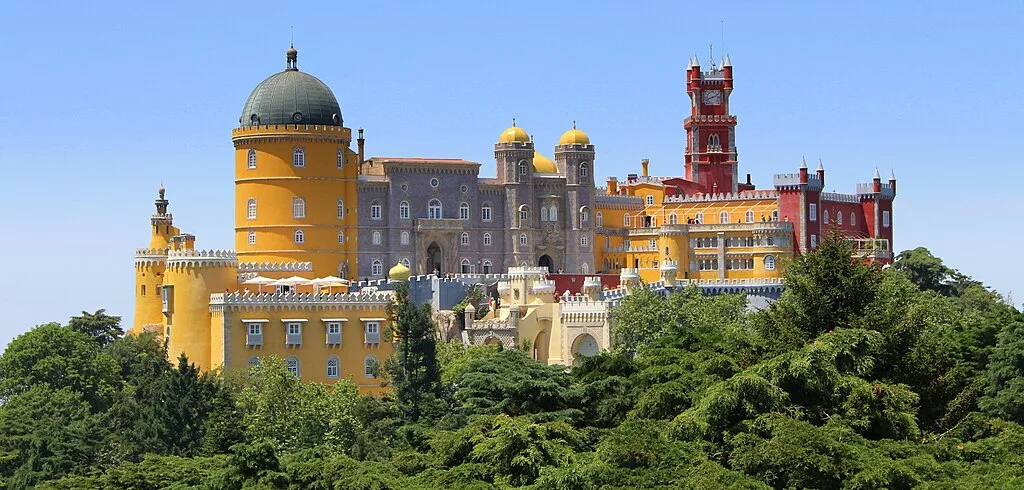
Sintra is a picturesque town located about 30 km from Lisbon, famous for its romantic palaces and lush gardens.
The colorful Palácio Nacional da Pena, perched on a hill, is one of Sintra’s most iconic attractions.
The Moorish Castle (Castelo dos Mouros) offers panoramic views over the town and its surroundings, bearing witness to the region’s medieval history.
The Palácio Nacional de Sintra, located in the town center, is known for its conical chimneys and medieval architecture.
Cascais
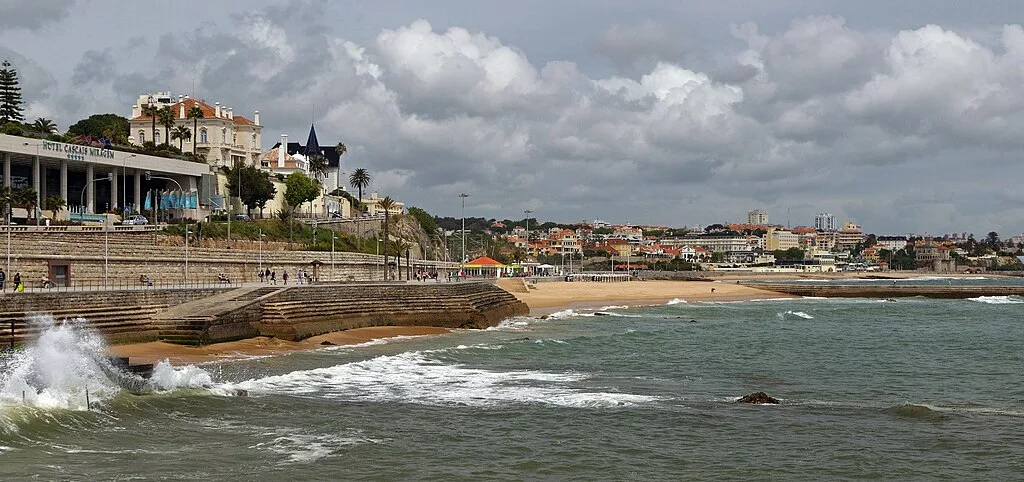
Cascais is a coastal town located 30 km west of Lisbon, famous for its beaches, marina, and seaside atmosphere. Formerly a fishing village, Cascais has become a popular tourist destination, with its hotels, restaurants, and waterfront cafés.
The town is known for its historic palaces and villas, such as the Palácio da Cidadela and the Condes de Castro Guimarães Museum. Cascais offers numerous water activities, including sailing, surfing, and boat trips along the coastline.
Évora
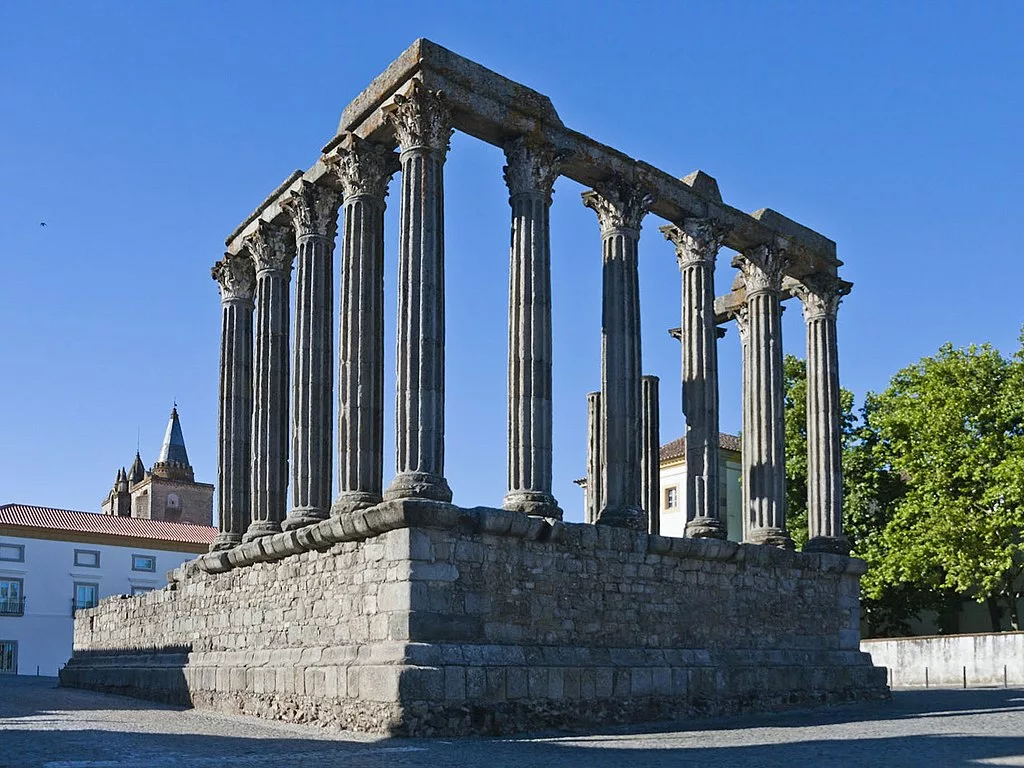
Évora is a historic city in central Portugal, listed as a UNESCO World Heritage Site for its remarkably well-preserved monumental heritage. It is famous for its Roman temple, cobbled streets, and Gothic cathedral.
Évora also preserves medieval and Renaissance monuments, including the Palace of the Dukes of Cadaval and the city walls. The city is well known for the Capela dos Ossos (Chapel of Bones), a chapel decorated with human bones that attracts many visitors.
Évora is located in the Alentejo region, renowned for its wines, olive oil, and traditional gastronomy.
Óbidos
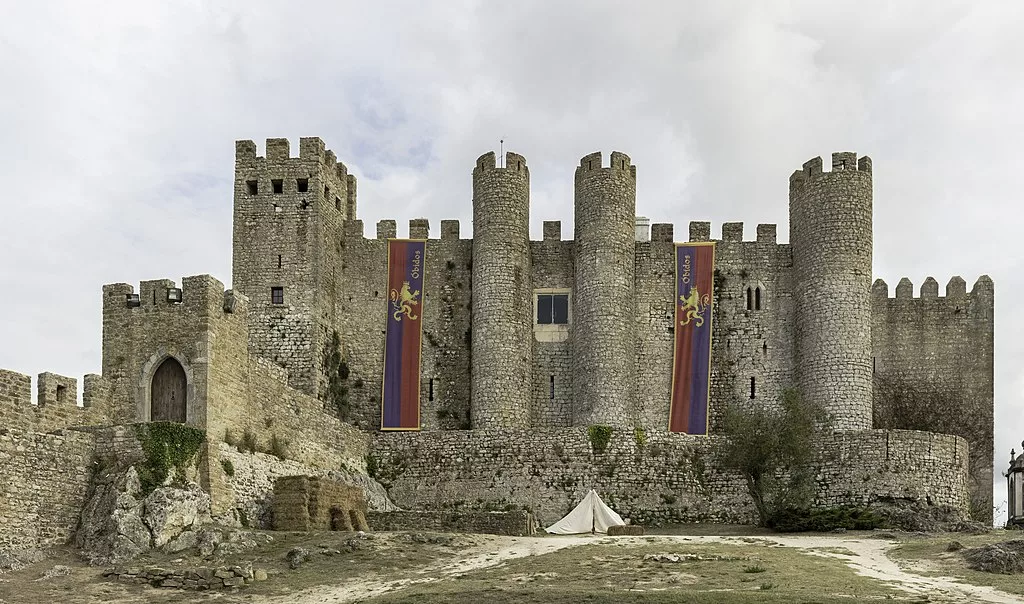
Óbidos is a charming medieval town located about 85 km north of Lisbon, famous for its well-preserved walls and picturesque historic center. The town is surrounded by medieval fortifications, allowing visitors to walk along the ramparts and admire the red rooftops.
Óbidos is renowned for its narrow cobbled streets lined with white houses decorated with colorful flowers and traditional azulejos. Each year, the town hosts the Chocolate Festival and the Medieval Market, attracting visitors from across Portugal and abroad.
Óbidos is also famous for its Ginja d’Óbidos, a local cherry liqueur served in small chocolate cups. Among its historic landmarks, Óbidos Castle stands out; today it has been transformed into a pousada (heritage hotel) while preserving its medieval architecture.
Cabo da Roca
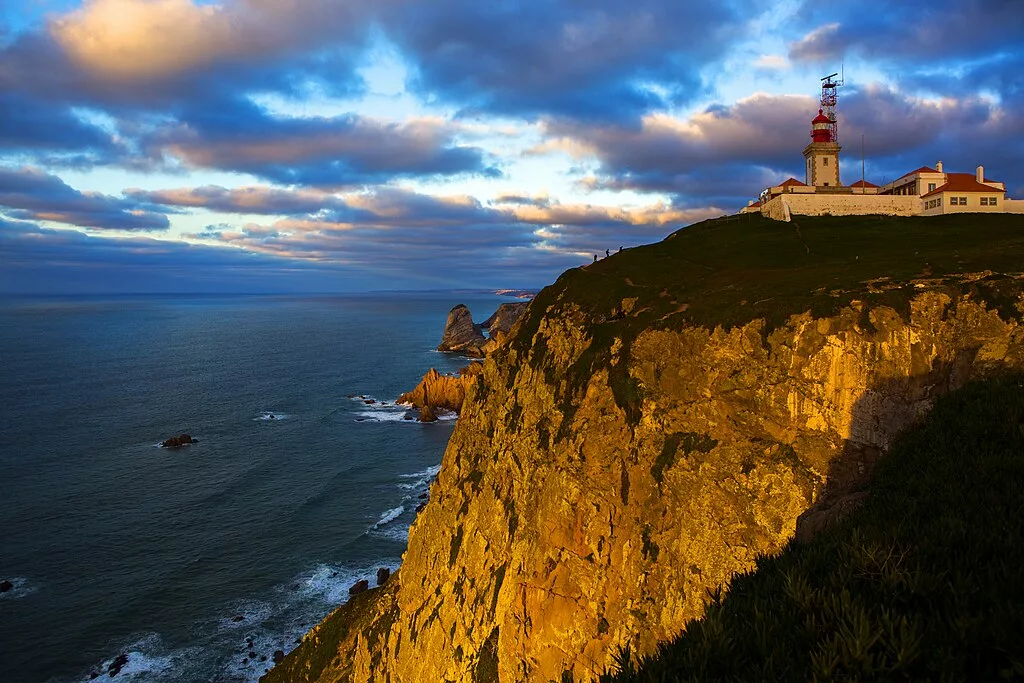
Cabo da Roca is the westernmost point of continental Europe, located near Sintra and Cascais. It is famous for its dramatic cliffs overlooking the Atlantic Ocean and for its spectacular panoramic views.
A monument and commemorative marker indicate that visitors are standing at the “westernmost point of the European continent.”
Conclusion
Visiting Lisbon means immersing yourself in a city where history, culture, and gastronomy meet at every corner. From historic castles and monasteries to miradouros offering breathtaking panoramic views, and from Fado music to local cuisine, Lisbon captivates every traveler. Not to mention the excursions to Sintra, Cascais, Cabo da Roca, Évora, and Óbidos, which enrich the experience and reveal the very best of Portugal. Get ready for an unforgettable journey in the heart of the Portuguese capital.