Visit Le Panier in Marseille: 17 Must-See Attractions and Things to Do
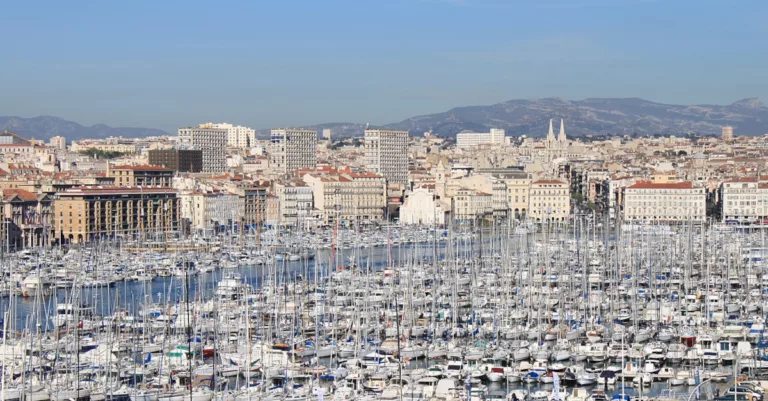
Le Panier, the historic heart of Marseille, is a district that breathes authenticity and Mediterranean charm. Its narrow streets, colorful façades, and picturesque squares tell the story of the Phocaean city, from Antiquity to the present day. Between local craftsmanship, street art, museums, and iconic landmarks, every corner reveals a new surprise and discovery.
Whether you are passionate about history, an art enthusiast, or simply curious to wander through a lively neighborhood full of character, Le Panier offers a true journey through time. Discover the must-see attractions and activities in this Marseille district to fully enjoy its unique atmosphere and rich heritage.
1. La Vieille Charité
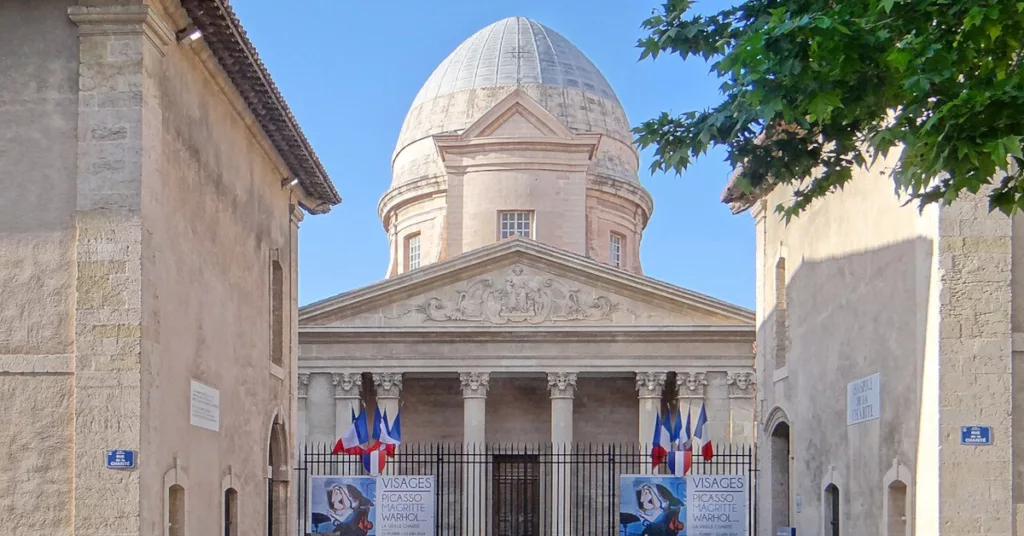
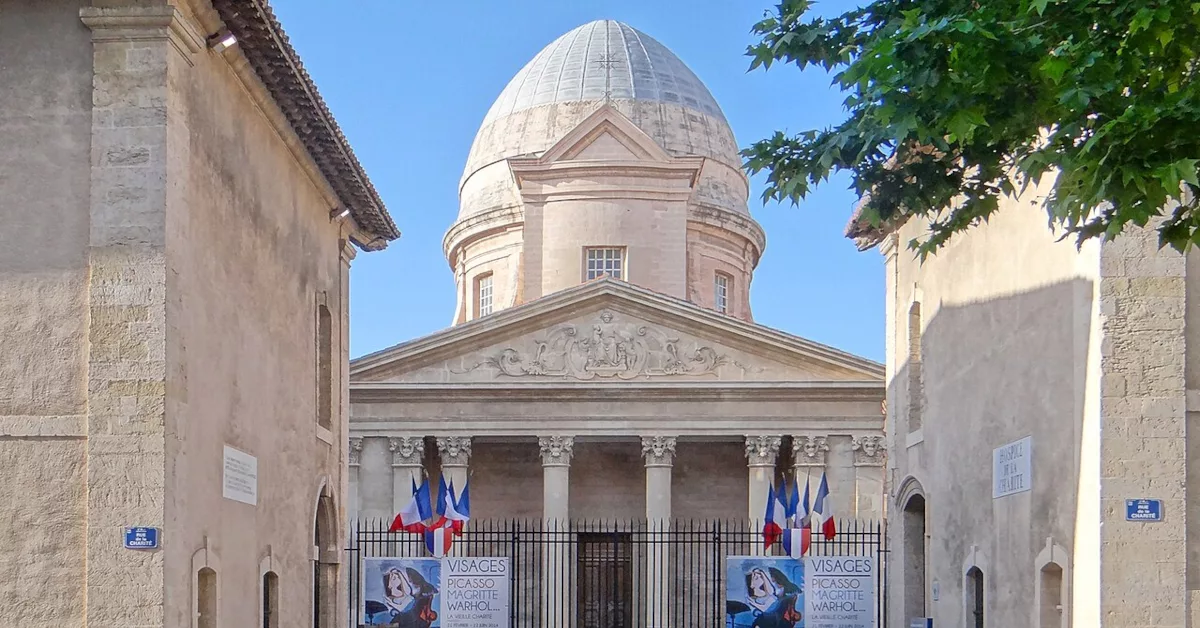
La Vieille Charité is undoubtedly the jewel of Le Panier. Built in the 17th century to shelter orphans and the underprivileged, this Baroque building is now one of Marseille’s major cultural centers. Its architecture is impressive: a bright central cloister surrounded by elegant arcades, and a majestic chapel crowned by an imposing dome, a true masterpiece of Provençal Baroque art.
Inside, several museums offer a fascinating overview of art and history: the Archaeology Museum, the Museum of African, Oceanian and Native American Arts, as well as regularly changing contemporary temporary exhibitions. Visitors can stroll through the corridors, admire the collections, and immerse themselves in the building’s history while enjoying the tranquility of the cloister.
Practical Tips:
-
Allow 1 hour 20 minutes to 2 hours to explore the cloister and museums.
-
Arrive early to enjoy the site before tourist groups arrive.
-
Don’t miss the temporary exhibitions, which are often highly original and interactive.
- Discover this landmark in a different way with our adventure in Le Panier, a blend of an escape game and a guided tour.
2. The Church of the Accoules
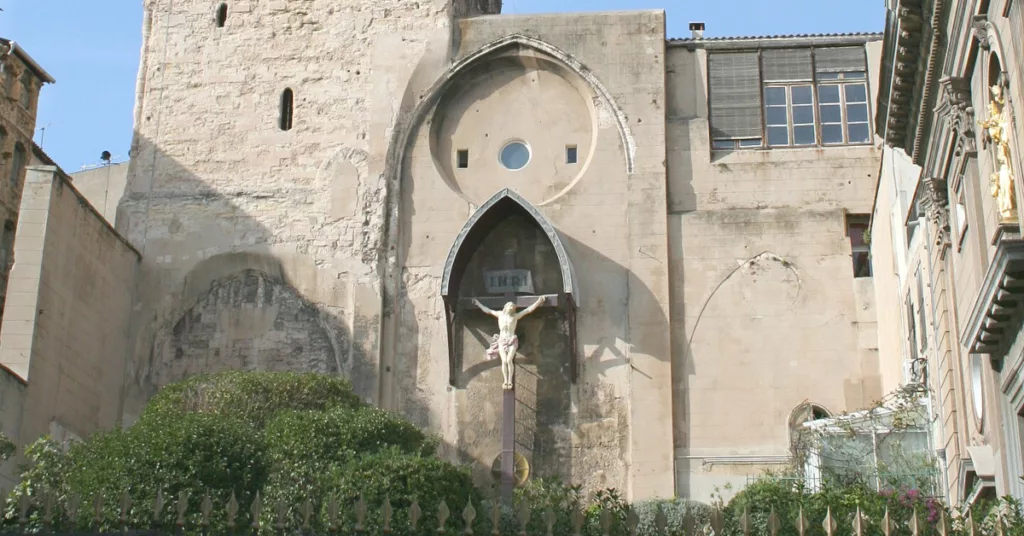
The Church of the Accoules, one of the oldest churches in Le Panier, is a remarkable testimony to Marseille’s religious and cultural history. Dating from the 17th century, it stands out for its bell tower overlooking the district and its richly decorated interior. Visitors can admire ancient frescoes, delicate side chapels, and finely sculpted statues.
The church long stood at the heart of neighborhood life, welcoming residents for religious services and major celebrations. Its peaceful atmosphere contrasts with the lively streets of Le Panier, offering a moment of serenity and contemplation.
Practical Tips:
-
Visit during opening hours to enjoy the light filtering through the stained-glass windows.
-
Take time to admire the sculptures and frescoes that tell the story of the district.
-
Perfect for lovers of history and Baroque architecture.
3. Pavillon Daviel
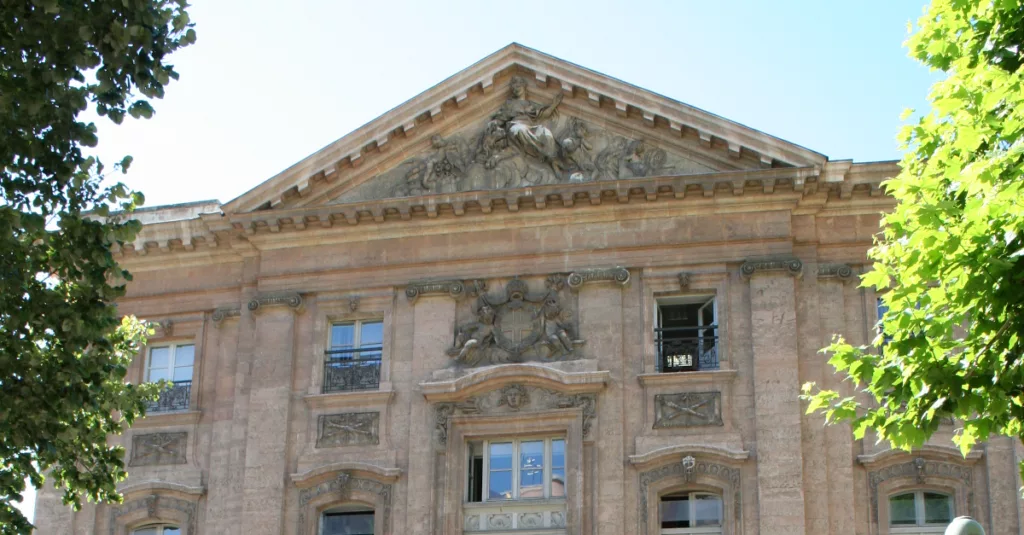
Pavillon Daviel is a little-known gem of Le Panier. This historic 18th-century building once served as a townhouse for wealthy families before being converted into a cultural center. Today, it hosts exhibitions on the district’s heritage, Marseille life, and sometimes contemporary art, providing an intimate glimpse into local history.
It is a place where heritage and living culture meet, with each exhibition telling a different story. Visitors can explore the building, discover the exhibitions, and enjoy the discreet charm of the surrounding streets.
Practical Tips:
-
Check the program before your visit to make the most of temporary exhibitions.
-
Take the opportunity to wander the nearby streets and discover artists’ workshops.
-
Ideal for enthusiasts of history, art, and local culture.
4. Marseille City Hall
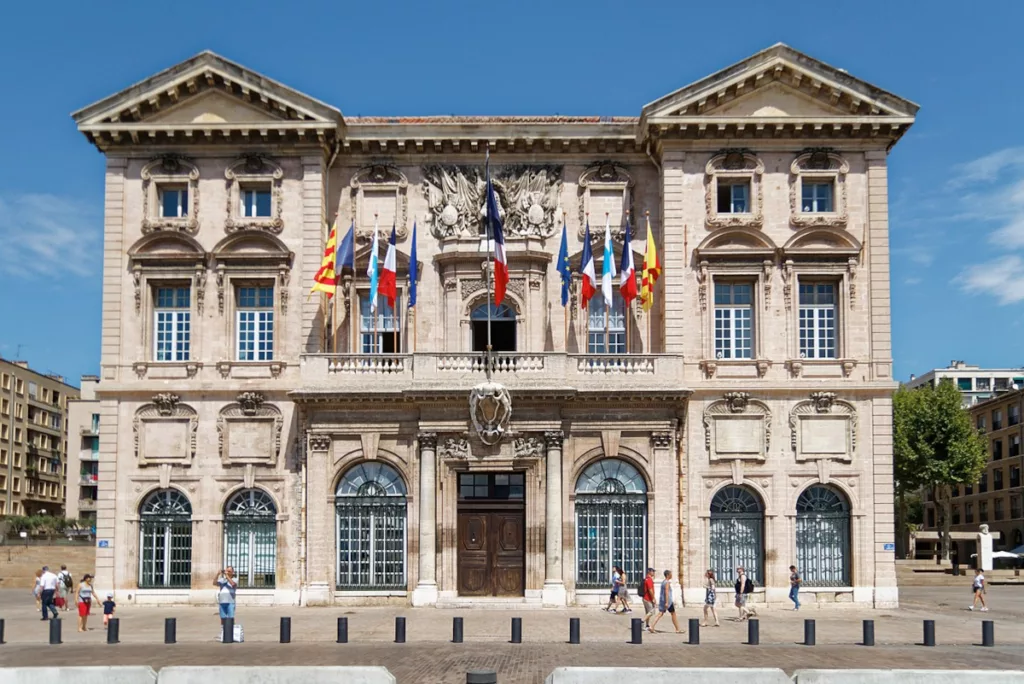
Marseille City Hall is an architectural and historical symbol of the city. From Le Panier, visitors can admire its monumental façade. Built in the 17th century, it perfectly illustrates the classical elegance of the period, with its columns, sculptures, and decorative pediments.
Inside, when access is permitted, visitors can discover lavishly decorated reception rooms, painted ceilings, and a monumental staircase. The visit also provides a unique perspective on Marseille’s administrative and political history, along with beautiful views of the Old Port and Le Panier district.
Practical Tips:
-
The interior is not always accessible, but the façade and surrounding area are well worth seeing.
-
Visit in late morning or early afternoon to enjoy the light illuminating the façade.
-
Combine your visit with a stroll along La Canebière to experience the soul of Marseille.
5. Place des 13 Cantons
Place des 13 Cantons is a lively and authentic square in Le Panier. Animated by cafés, shops, and occasional markets, it offers a glimpse into the daily life of Marseille residents. It is the perfect place to observe locals, enjoy the Mediterranean atmosphere, and experience the district’s authenticity.
The colorful façades, terraces, and small boutiques surrounding the square create a charming and highly photogenic setting. The square also hosts local events such as artisan markets, reinforcing its friendly and welcoming atmosphere.
Practical Tips:
-
Perfect for a coffee break or an afternoon snack on a terrace.
-
Take your time to stroll around and admire the architecture and details of the surrounding buildings.
- Discover what links this square to the French TV series “Plus Belle la Vie” in our treasure hunt in Le Panier.
6. Rue du Panier and its typical narrow streets
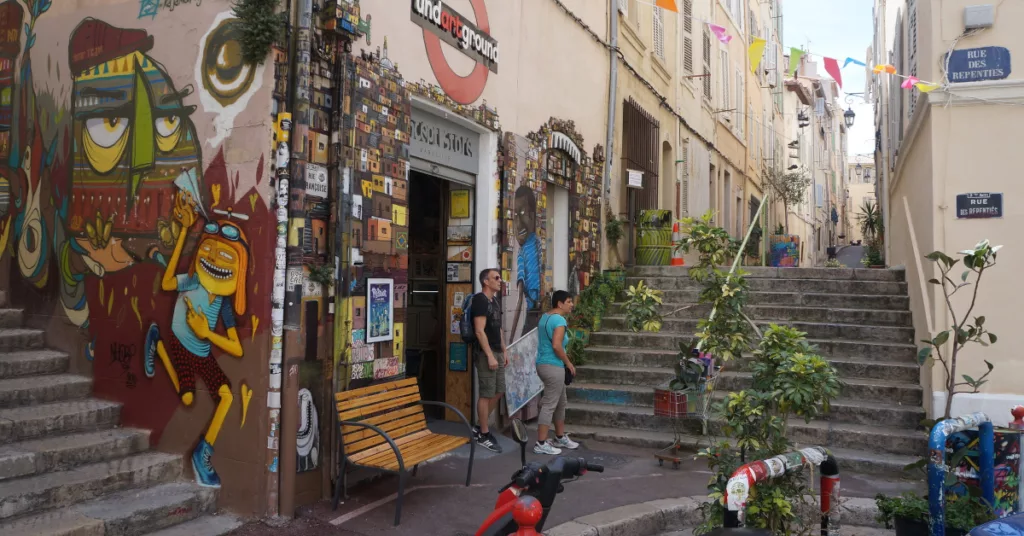
Walking along Rue du Panier means diving straight into the historic soul of Marseille. The cobbled streets, lined with colorful houses and shutters faded by the sun, tell several centuries of history. Every street corner hides small squares, ancient fountains, or artisan workshops.
The neighborhood is a true maze where, at every turn, you discover painted façades, flower-filled balconies, and vaulted passageways typical of Mediterranean architecture. Locals still live here at an old-fashioned pace, blending modernity with tradition.
Practical Tips:
-
Wander through the narrow streets without a fixed route: the essence of Le Panier is best discovered by strolling.
-
Wear good shoes, as the cobblestones can be slippery.
-
Take time to photograph the details: old doors, wall murals, and hidden little workshops.
7. Street art in Le Panier
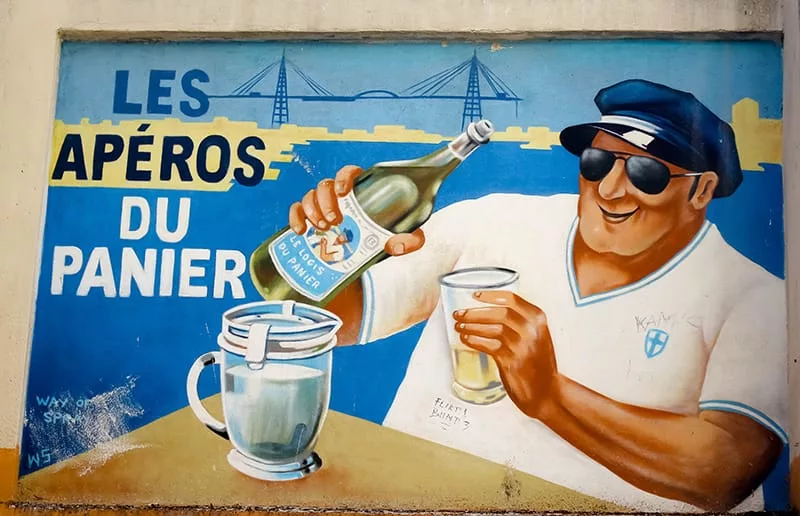
Today, Le Panier is a true open-air museum for street art lovers. Giant murals, subtle stencils, and colorful installations appear throughout the narrow streets and on façades, creating a fascinating contrast between ancient heritage and modern artistic expression.
Guided tours are available to discover the history behind the works and the local artists, but the best way is still to get lost and observe the details at your own pace. The walls tell stories of Marseille, its residents, and its creative spirit.
Practical Tips:
-
A camera is a must: every street corner can reveal an artistic surprise.
-
Perfect for lovers of contemporary art and urban photography.
-
Visit the neighborhood early in the morning to enjoy the murals without the crowds.
8. The Musée du Panier
Located in a historic building in the district, the Musée du Panier traces the history and culture of this emblematic Marseille neighborhood. Permanent and temporary exhibitions help visitors understand the evolution of Le Panier, its architecture, its residents, and its traditions.
The museum offers a fascinating immersion into Marseille life, past and present. Its collections highlight crafts, traditional festivals, and local anecdotes that give the neighborhood its unique charm.
Practical Tips:
-
Allow 1 hour for a full visit of the exhibitions.
-
Check for workshops or special events, which are often very enriching.
-
Combine the visit with a walk through the narrow streets to better visualize the history being told.
9. Artists’ workshops
Le Panier is a haven for Marseille’s artists and artisans. Painters, sculptors, ceramicists, and designers have set up their workshops here, often open to the public. A walk through the neighborhood reveals original works, sometimes displayed directly in the street or in small, intimate galleries.
Some workshops offer demonstrations or opportunities to meet the artists, creating a unique human and cultural experience. It is also a chance to buy local creations directly from the people who make them.
Practical Tips:
-
Don’t hesitate to go inside and talk with the artists: most are very approachable and passionate.
-
Ideal for finding unique and original souvenirs.
-
Combine this activity with street art for total immersion in Le Panier’s creativity.
10. The Major Staircase and Panoramic Views
The Major Staircase is one of Le Panier’s iconic viewpoints. It allows visitors to climb to the upper part of the district and admire Marseille from a unique perspective, with the Old Port in the foreground and the Mediterranean Sea stretching across the horizon.
The steps themselves invite leisurely exploration, punctuated by small architectural details and panoramic views over Le Panier’s colorful rooftops. At the top, visitors can take in the historic façades, bell towers, and harbor, making it a perfect spot for photographing the city.
Practical Tips:
-
Climb on foot early in the morning or late in the afternoon to enjoy the best light.
-
Allow a few minutes to stop and admire the scenery: the views change from every angle.
-
Combine the climb with a visit to the Cathedral of La Major, located right next door.
11. The Cathedral of La Major
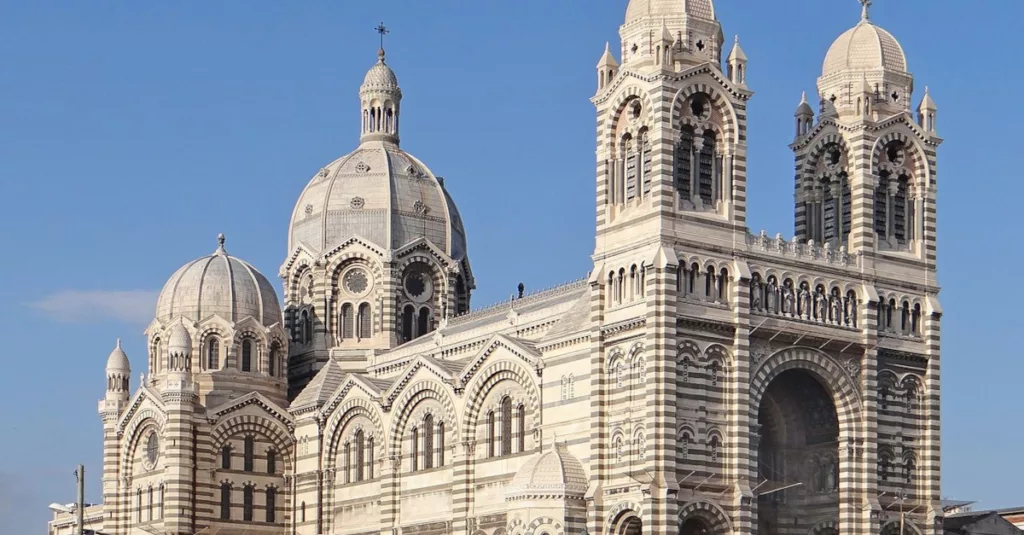
The Cathedral of Sainte-Marie-Majeure, commonly known as La Major, is one of Marseille’s most iconic landmarks. Built in the 19th century on the remains of earlier churches, it combines Romanesque-Byzantine architecture with Mediterranean influences. Its imposing façade, decorated with green and white marble, immediately catches the eye from both the Old Port and Le Panier.
Inside, mosaics, stained-glass windows, and light filtering through the vast glass panels create an atmosphere that is both majestic and peaceful. The cathedral is also surrounded by magnificent panoramic views of the harbor, boats, and Marseille’s hills, making it a favorite spot for photographers.
Practical Tips:
-
Allow approximately 30 to 45 minutes to explore both the interior and exterior.
-
Walk up to the nearby heights for a complete panorama of the Old Port and Le Panier.
-
Combine the visit with the Major Staircase for a unique perspective of the district.
- Discover the secrets of La Major in our treasure hunt in Le Panier, a blend of an escape game and a guided tour.
12. Fort Saint-Jean
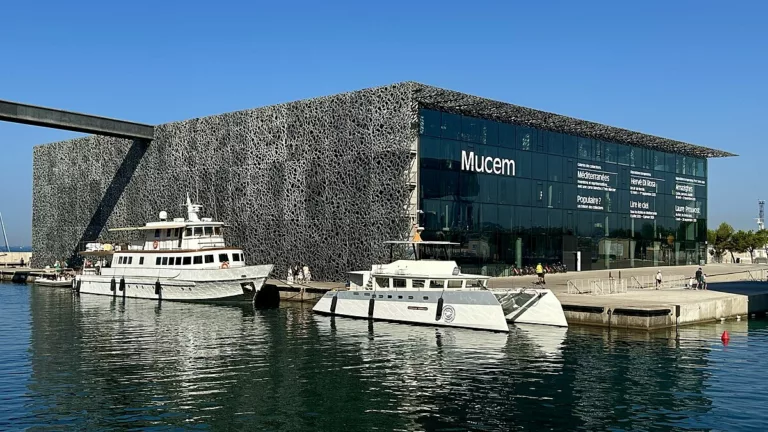
Connected to Le Panier, Fort Saint-Jean is a historic symbol of Marseille. Built in the 17th century to protect the entrance to the Old Port, it now houses the MUCEM (Museum of European and Mediterranean Civilisations) and features suspended gardens open to the public.
Walking along its ramparts offers stunning views of the sea, the harbor, and Le Panier’s colorful rooftops. Visitors can also explore temporary exhibitions and enjoy an atmosphere that blends military heritage with contemporary culture.
Practical Tips:
-
Take the time to walk around the ramparts and enjoy the 360° views.
-
The suspended gardens are perfect for a relaxing break and a few photos.
-
Entrance to the fort is free, although some MUCEM exhibitions require a ticket.
13. The Diamond House
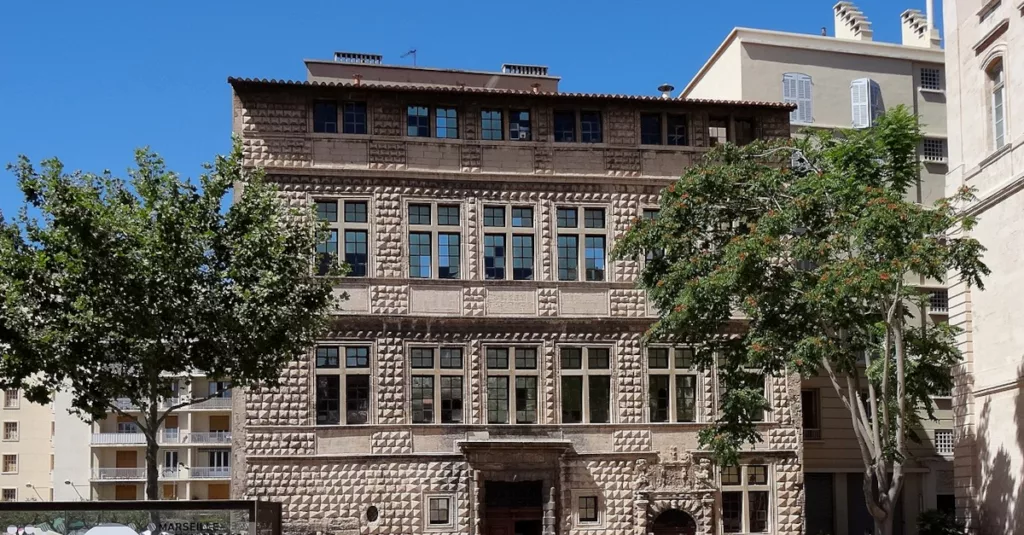
The Diamond House (Maison Diamantée) is one of Le Panier’s most iconic façades, dating back to the 16th century. Its distinctive feature lies in the carved stone patterns decorating the exterior walls, creating a unique relief effect reminiscent of diamonds.
It perfectly illustrates Marseille’s Renaissance architecture and reflects the district’s historical importance as a center of trade and culture. Passing by this house feels like turning the pages of a living chapter in Marseille’s urban history.
Practical Tips:
-
Take time to observe the carved details, which are visible even from the street.
-
Combine your visit with nearby chapels and churches for a complete historical walking route.
-
Ideal for architecture enthusiasts and photographers.
14. Place du Moulin
Place du Moulin is a small, typical square in Le Panier, lively and picturesque. It offers a friendly atmosphere with its cafés, benches, and the colorful façades that surround it. It serves as a meeting point for locals and is an ideal place to immerse yourself in neighborhood life.
Occasional markets and street performers often bring an extra touch of color and energy to the square, making every visit unique. It is also an excellent starting point for exploring the surrounding streets and discovering other hidden gems of the district.
Practical Tips:
-
Enjoy a coffee or a snack while soaking up the local atmosphere.
-
Arrive early in the morning or late in the afternoon to avoid the crowds and enjoy soft lighting for photos.
-
Combine your visit with Rue du Panier and the nearby artists’ workshops.
15. Place de Lenche
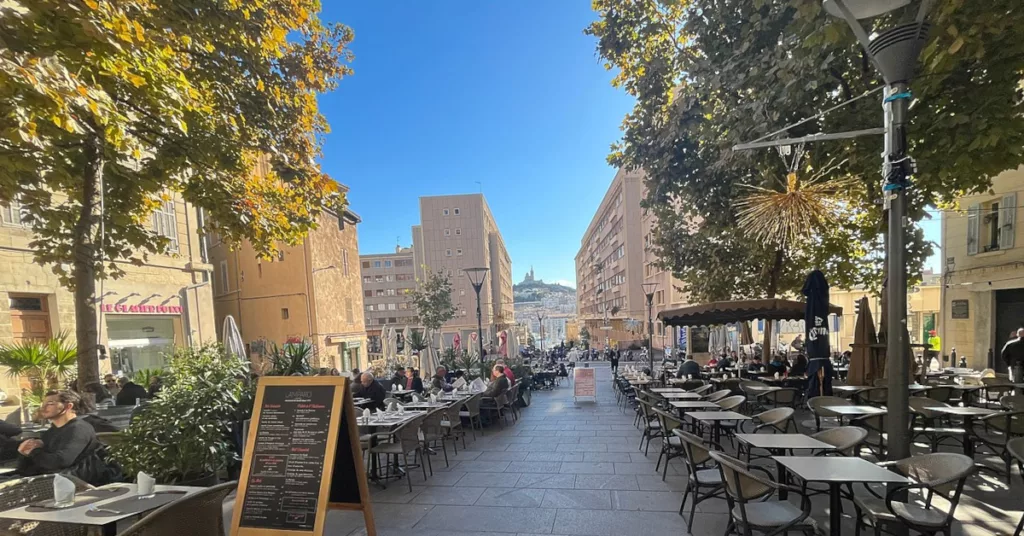
Place de Lenche is one of Le Panier’s central and historic squares. Once a marketplace and gathering spot, it still retains a lively and welcoming atmosphere today, surrounded by cafés, restaurants, and historic buildings.
It is an excellent place to observe daily life in Marseille, enjoy a meal on a terrace, or attend occasional cultural events. The square is also a convenient starting point for exploring the neighboring streets and discovering small artisan boutiques.
Practical Tips:
-
Arrive in the morning to observe the market and local residents.
-
Take advantage of the terraces for a coffee break or a quick lunch.
-
Summer evenings often feature street performances or impromptu concerts.
16. Hôtel-Dieu
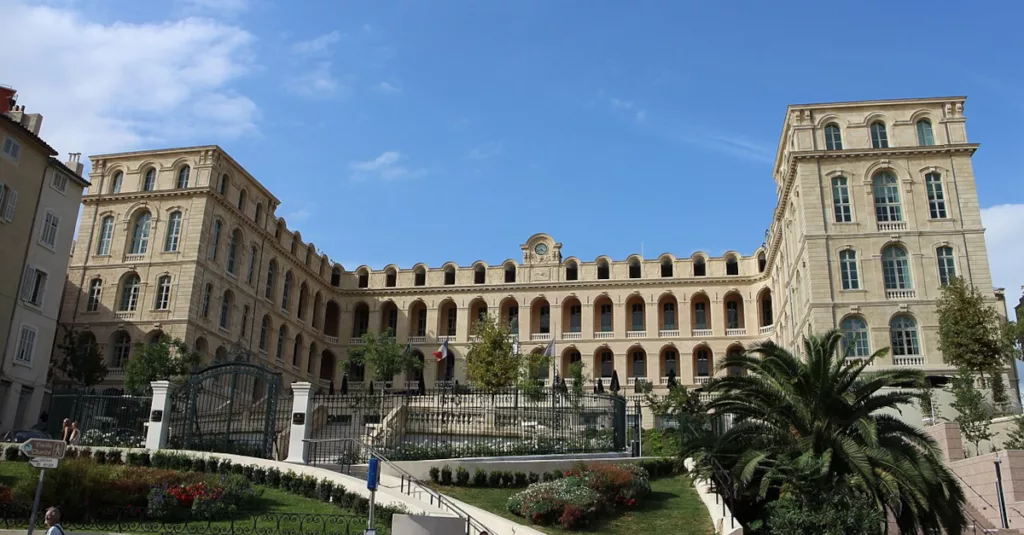
Located near the Old Port, Hôtel-Dieu is a former hospital that has been transformed into a tourist destination and luxury hotel. Its monumental façade and classical architecture make it one of Marseille’s most recognizable landmarks.
The renovation preserved the building’s historic charm while incorporating modern spaces, including hotels, restaurants, and exhibition areas. Visitors can admire the exterior architecture and enjoy spectacular harbor views from some of the terraces.
Practical Tips:
-
Take time to admire the façade and its 18th-century architecture.
-
Perfect to combine with a walk around the Old Port.
-
Some temporary exhibitions or events can be visited free of charge.
- Discover the history of this landmark through our tour of Le Panier in Marseille: explore iconic locations, solve puzzles, and uncover local history.
17. Place des Pistoles
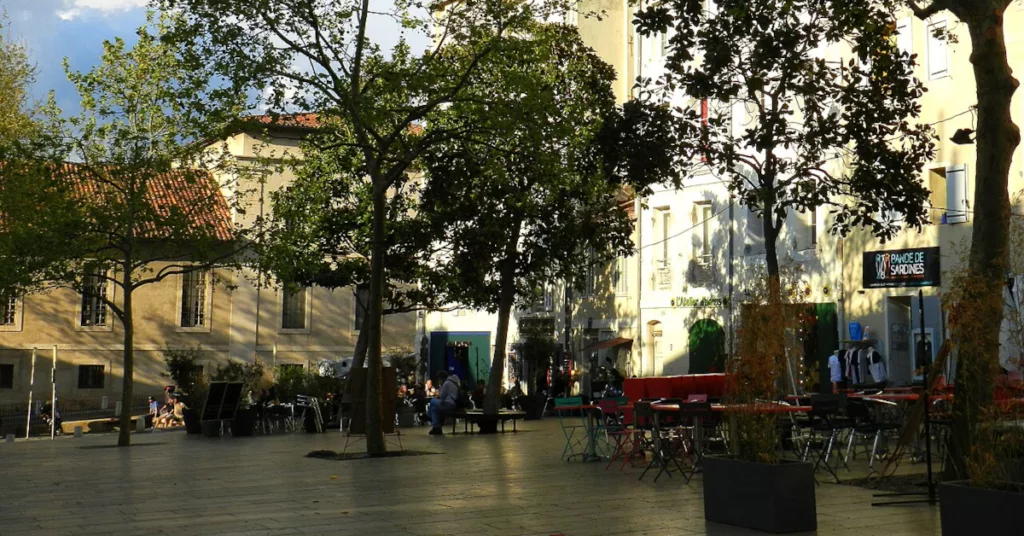
Place des Pistoles is a charming little square in Le Panier, discreet yet full of character. Its cobbled streets, colorful façades, and small cafés make it the perfect place for a break away from the busy tourist areas.
It is also a favorite spot for local artists and photographers thanks to its unique perspectives and natural light. The square reflects the authentic side of the district and allows visitors to experience the intimate atmosphere of Le Panier.
Practical Tips:
-
Take a moment to observe the architecture and local life.
-
Ideal for photographers looking for authentic Marseille scenes.
-
Combine your visit with the Diamond House and the nearby chapels.
Conclusion
Le Panier is much more than just a neighborhood of Marseille: it is a true journey into the city’s history and culture. Between its cobbled streets, lively squares, historic buildings, and street art, every visit offers a unique immersion into the soul of Marseille.
Whether you are admiring the colorful façade of the Diamond House, discovering the treasures of Pavillon Daviel, or being surprised by contemporary murals, Le Panier promises authentic and memorable experiences. Taking the time to explore its hidden corners, chat with locals, or simply absorb the atmosphere reveals why this district remains the vibrant heart of Marseille.
In short, Le Panier captivates visitors with its rich history, artistic creativity, and unique atmosphere. Whether you are a first-time visitor or a lifelong Marseillais, it remains an essential destination where every turn tells a story and invites discovery.