Visit Manchester: 30 Must-See Attractions and Things to Do
Long associated with its industrial past, Manchester is now one of the most dynamic and fascinating cities in the United Kingdom. Renowned for its legendary football clubs, influential music scene, and rich historical heritage, this major city in northern England attracts millions of visitors every year in search of authentic experiences and cultural discoveries. Whether you are planning a weekend in Manchester or a longer stay, the city offers an abundance of iconic landmarks, fascinating museums, lively neighborhoods, and expansive green spaces.
From the majestic John Rylands Library to the legendary stadiums of Old Trafford and the Etihad Stadium, as well as museums dedicated to industrial history, historic libraries, iconic canals, and multicultural districts, Manchester offers a unique blend of Victorian heritage and modern innovation. Food lovers can also discover several traditional specialties typical of northwest England.
In this comprehensive guide to visiting Manchester, discover the city’s must-see attractions, top activities, essential museums, local culinary specialties, and the best excursions nearby—from the Lake District to Liverpool, York, and the Peak District. Everything you need to plan your trip and make the most of one of England’s most surprising cities.
Monuments and Historical Heritage of Manchester
John Rylands Library: An Architectural Treasure in the Heart of Manchester
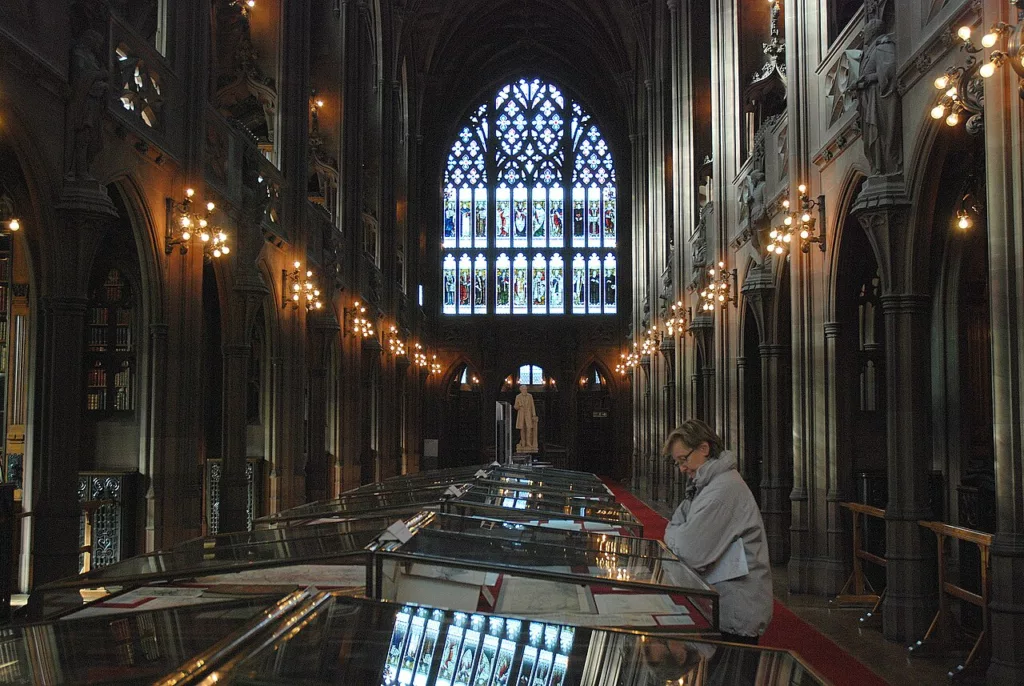
John Rylands Library
Located on Deansgate, this impressive neo-Gothic library was inaugurated in 1900 by Enriqueta Rylands in memory of her husband, the industrialist John Rylands. Now part of the University of Manchester, it is widely regarded as one of the most beautiful libraries in the United Kingdom.
Even from the outside, the building captivates visitors with its spectacular Victorian architecture, inspired by Gothic cathedrals. Inside, visitors can admire a magnificent reading room featuring colorful stained-glass windows, intricate stone carvings, and an atmosphere that feels almost medieval.
The library also houses exceptional collections, including illuminated medieval manuscripts, a Gutenberg Bible, and the famous P52 Papyrus, considered one of the oldest known fragments of the New Testament.
Beyond its historical and cultural significance, the John Rylands Library offers a peaceful retreat and a welcome moment of tranquility in the heart of the city.
Old Trafford: The Legendary “Theatre of Dreams”
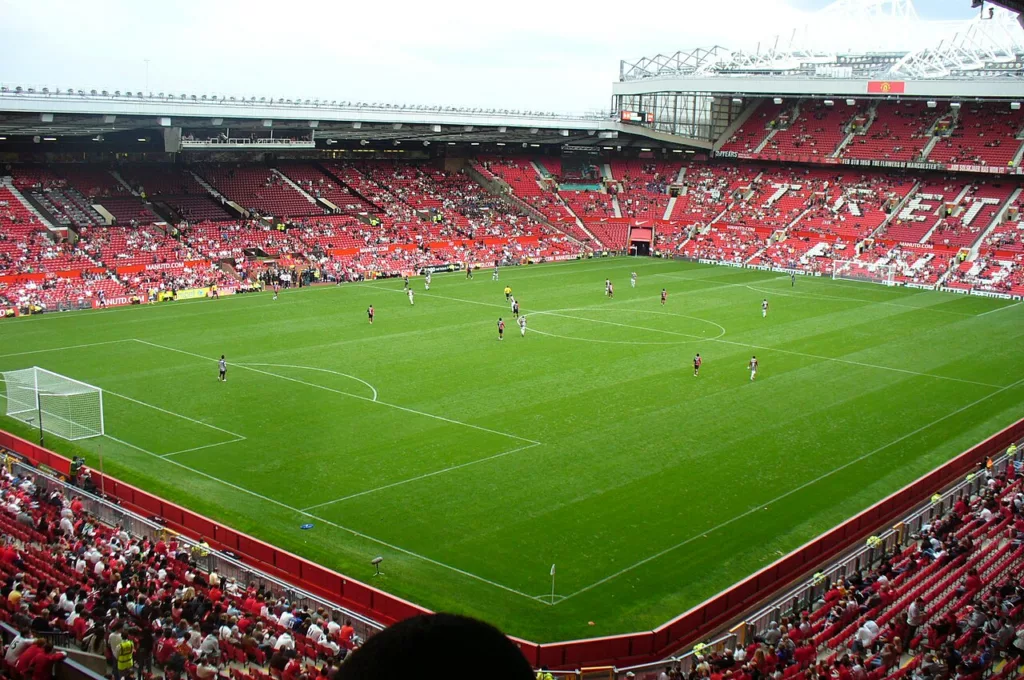
Old Trafford
It is impossible to visit Manchester without discovering Old Trafford, the iconic home of Manchester United. Nicknamed “The Theatre of Dreams” by club legend Bobby Charlton, the stadium has hosted the Red Devils since 1910 and remains one of the most famous football venues in the world.
With a capacity of more than 74,000 spectators, Old Trafford is the largest club football stadium in the United Kingdom. Its history is closely intertwined with that of Manchester United, from European triumphs to more challenging periods, including the damage caused by World War II bombings.
Even on non-match days, the stadium attracts thousands of visitors through its guided tours. These tours provide access to the dressing rooms, players’ tunnel, famous stands, and the club museum, which chronicles more than a century of history and displays numerous trophies.
Etihad Stadium: The Modern Face of Football in Manchester
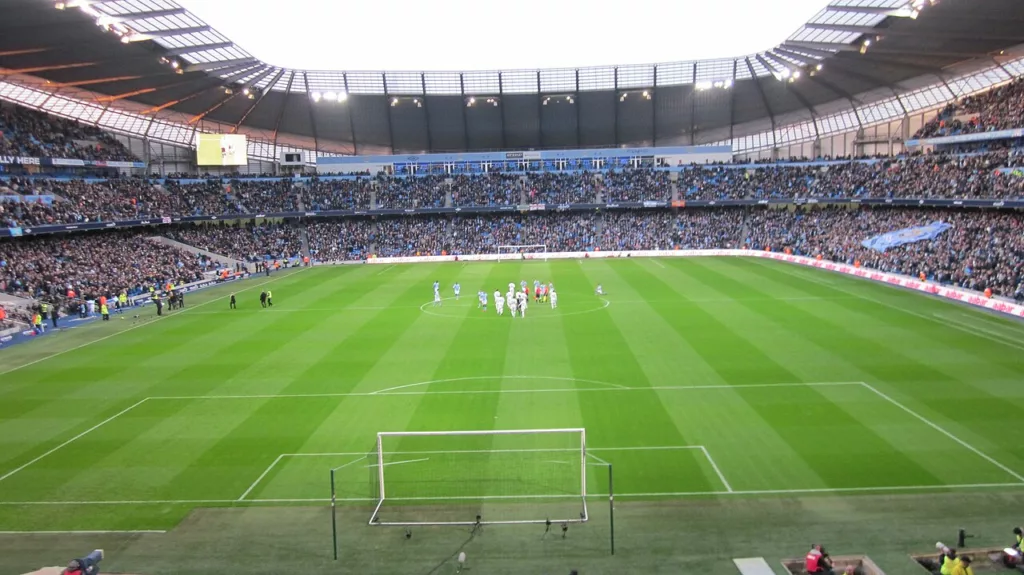
Etihad Stadium
Located in the eastern part of the city, the Etihad Stadium is the home of Manchester City and one of the symbols of Manchester’s urban regeneration. Originally built for the 2002 Commonwealth Games, it was converted into a football stadium in 2003 when Manchester City moved from its former ground at Maine Road.
With a current capacity exceeding 61,000 seats, the Etihad Stadium is one of the largest stadiums in England. Its modern architecture, distinguished by a roof suspended by masts and cables, has earned several awards for its innovative design.
In addition to Premier League matches, the stadium regularly hosts international fixtures, rugby competitions, and major concerts by world-famous artists such as Coldplay, Oasis, Taylor Swift, and Ed Sheeran.
The stadium forms part of the Etihad Campus, a vast sports complex that includes Manchester City’s training centre, facilities dedicated to youth development, and several high-performance sporting venues. This transformation has played a major role in the revitalisation of eastern Manchester.
Chinatown: A Journey Through Asia in the Heart of Manchester
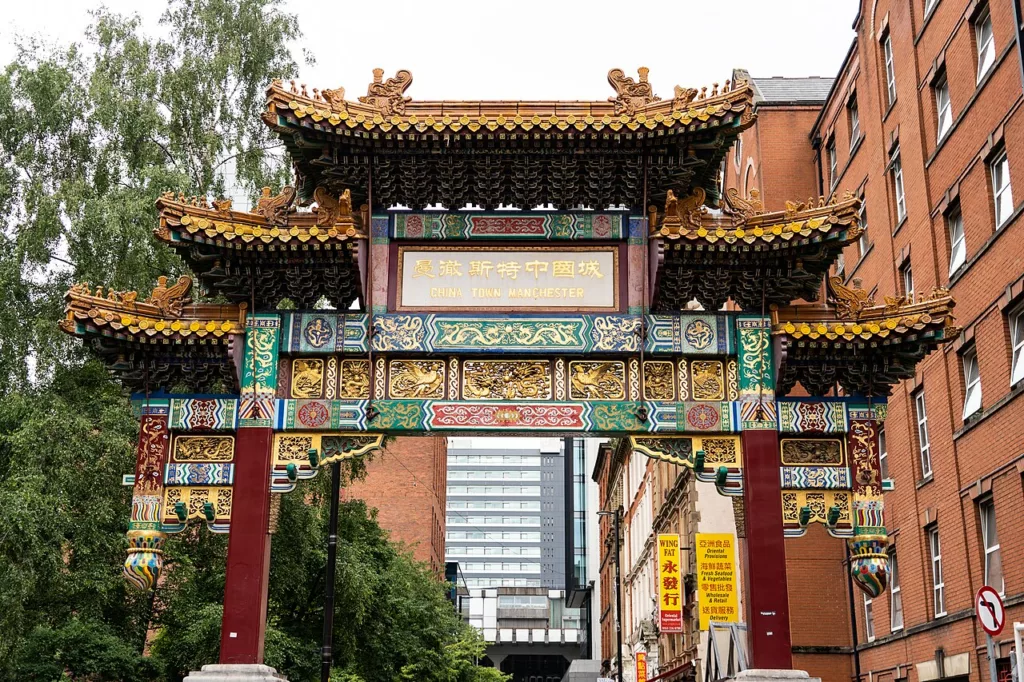
Chinatown
Located in the heart of the city centre, Chinatown is one of Manchester’s most vibrant and multicultural districts. It is the second-largest Chinatown in the United Kingdom and one of the most significant in Europe, offering visitors a fascinating Asian cultural experience right in the middle of an English city.
The entrance to the district is marked by an impressive paifang, a traditional Chinese archway installed on Faulkner Street in 1987. Manufactured in China and transported to Manchester, it has become one of the city’s most photographed landmarks.
The history of Chinatown dates back to the early twentieth century when the first Chinese immigrants settled in Manchester. From the 1950s onwards, the district expanded with the opening of numerous restaurants, shops, supermarkets, and services catering to the Asian community. Today, it also includes Japanese, Korean, Thai, Vietnamese, and Malaysian establishments.
Particularly lively during Chinese New Year celebrations, Chinatown captivates visitors with its colourful atmosphere, lanterns, exotic flavours, and cosmopolitan character.
Manchester Town Hall: The City’s Neo-Gothic Masterpiece
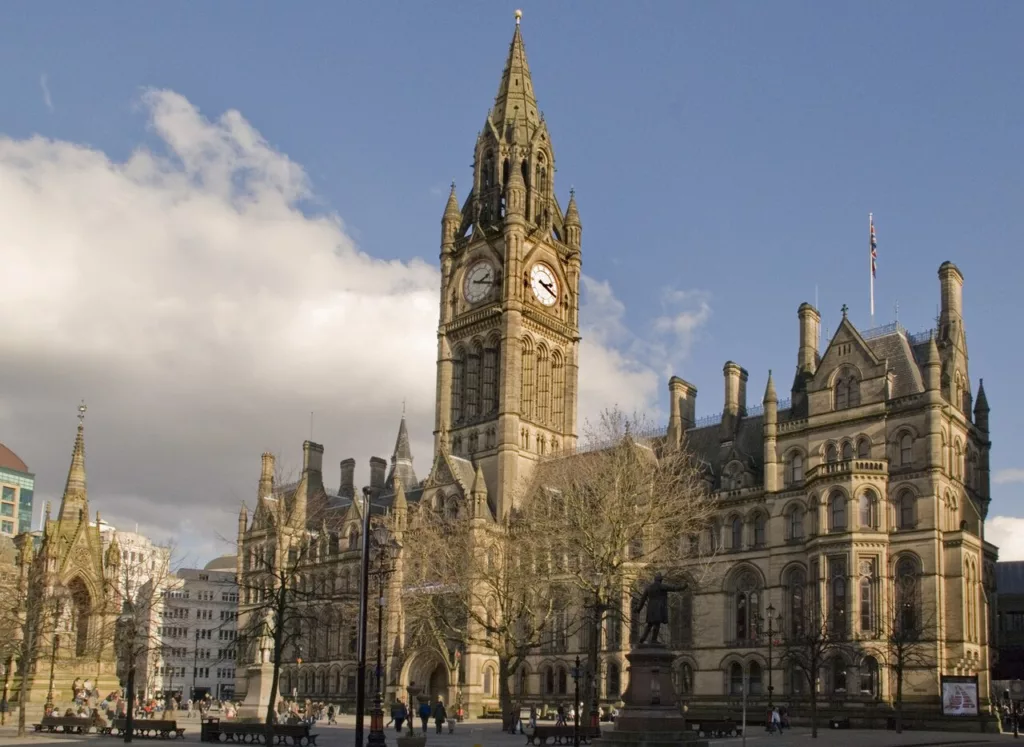
Manchester Town Hall
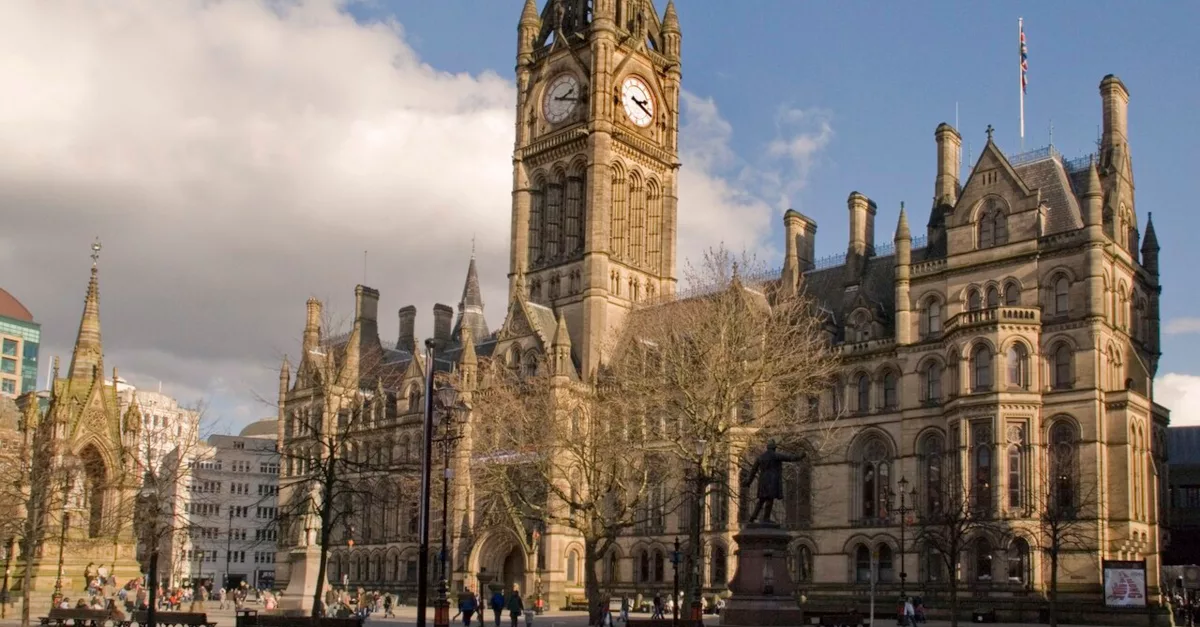
Overlooking Albert Square, Manchester Town Hall is one of the city’s most iconic landmarks. Designed by architect Alfred Waterhouse and inaugurated in 1877, this imposing Victorian neo-Gothic building symbolizes Manchester’s prosperity during the Industrial Revolution.
Its architecture impresses visitors with richly decorated façades, soaring pointed-arch windows, and above all its famous clock tower, which rises to a height of 85 metres. For decades, the building served as the headquarters of the city administration and remains one of the finest town halls in the United Kingdom.
Inside, visitors can admire the spectacular Great Hall, considered one of the most beautiful neo-Gothic halls in Europe. Its walls are adorned with the famous Manchester Murals by Ford Madox Brown, a series of paintings depicting the city’s history from its medieval origins to its industrial rise.
Renowned for its architectural elegance, the building has also served as a filming location for several movies and television series, including Sherlock Holmes, The Iron Lady, and House of Cards.
Currently undergoing an extensive restoration programme, Manchester Town Hall is expected to reopen to the public in 2027.
Manchester Cathedral: A Witness to Six Centuries of History
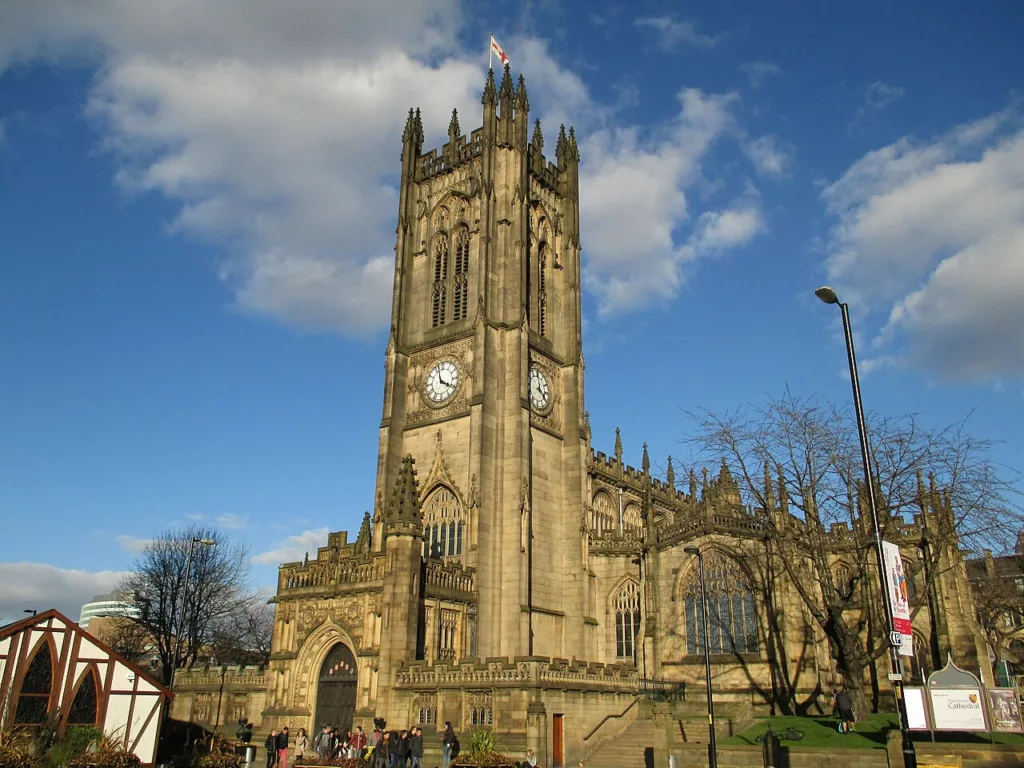
Manchester Cathedral
Located in the heart of the city centre, Manchester Cathedral is one of the city’s oldest monuments and a must-see destination for history and architecture enthusiasts. Officially known as the Cathedral and Collegiate Church of St Mary, St Denys and St George, it serves as the seat of the Anglican Diocese of Manchester.
Its origins date back to the fifteenth century when the former parish church was rebuilt in the Perpendicular Gothic style. Elevated to cathedral status in 1847, it has endured centuries of change, surviving urban redevelopment, World War II bombings, and the 1996 IRA bombing.
The interior is remarkable for its rich heritage. Visitors can admire beautifully carved late medieval choir stalls, the famous angel musicians suspended from the nave roof, and an exceptional collection of wooden misericords considered among the finest in Europe.
The cathedral also features stunning contemporary stained-glass windows installed after wartime destruction, as well as an impressive modern organ inaugurated in 2016. Its peaceful atmosphere offers a striking contrast to the bustling city centre nearby.
Royal Exchange Theatre: A Unique Cultural Venue in Manchester
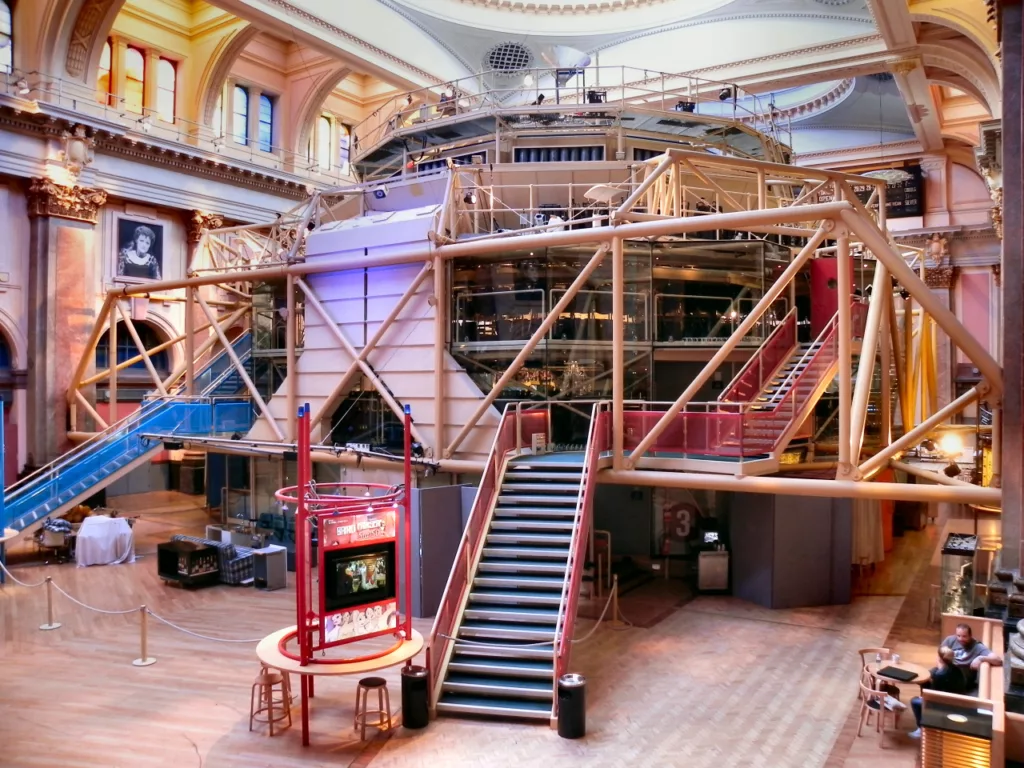
Royal Exchange Theatre
Located in the heart of the city centre, the Royal Exchange Theatre is one of Manchester’s most iconic cultural venues. Housed within the former Royal Exchange building, once the centre of the cotton trade that helped make Manchester wealthy, it perfectly illustrates the successful transformation of the city’s industrial heritage.
The Grade II listed building impresses visitors with its grand architecture and vast central hall. After commercial trading activities ceased in 1968, the building was converted into a theatre and opened to the public in 1976.
Its most distinctive feature is its spectacular circular auditorium suspended within the former trading hall. This steel-and-glass structure, capable of accommodating up to 800 spectators, is considered one of the largest theatre-in-the-round venues in the world.
The Royal Exchange Theatre offers a diverse programme combining classic productions, contemporary performances, and new works.
Damaged during the 1996 IRA bombing and subsequently fully restored, the building now stands as a symbol of resilience and creativity.
Canal Street: The Vibrant Heart of Manchester’s LGBTQ+ District
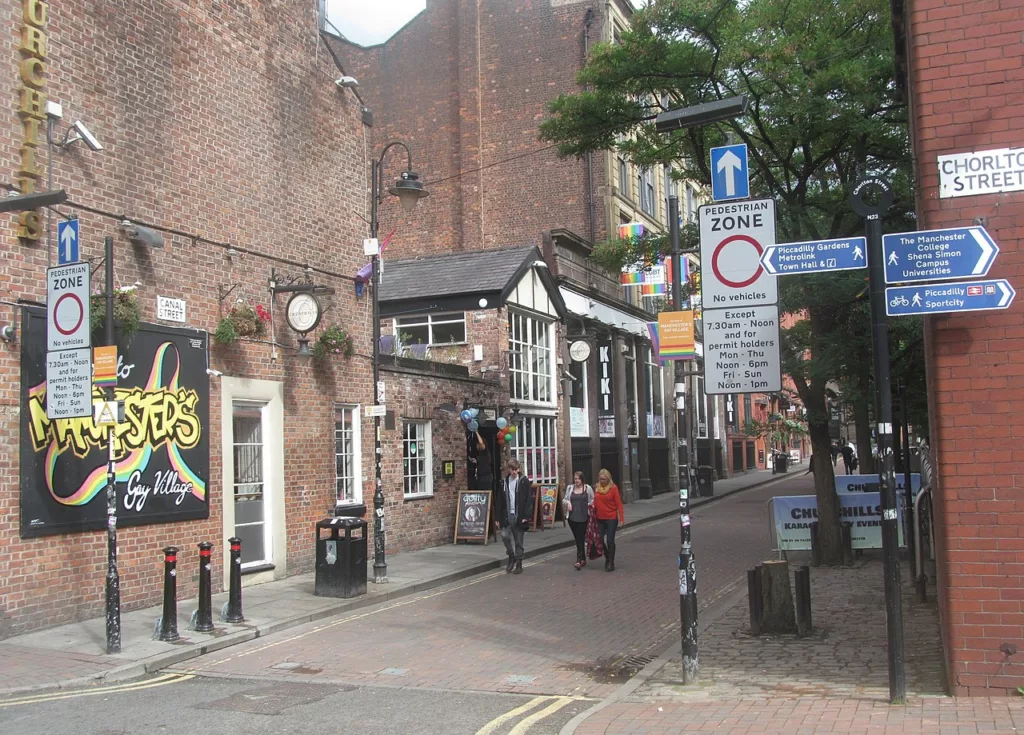
Canal Street
Running alongside the Rochdale Canal in the city centre, Canal Street is one of Manchester’s most famous streets. Widely regarded as the heart of the Gay Village, it has become a symbol of diversity, inclusion, and vibrant nightlife. Today, its many bars, restaurants, and entertainment venues attract both locals and visitors from around the world.
The history of Canal Street dates back to the early nineteenth century when the Rochdale Canal was a major route for local trade. As industrial activity declined during the twentieth century, the area gradually transformed and became an important meeting place for the LGBTQ+ community.
The Gay Village experienced significant growth during the 1990s with the opening of several iconic venues and strong support from local authorities for diversity and LGBTQ+ rights. The street also gained international recognition through the television series Queer as Folk, first broadcast in 1999, which showcased the district’s unique atmosphere.
Today, Canal Street remains one of the focal points of Manchester Pride celebrations, attracting thousands of visitors every year.
Manchester Central Library: An Architectural and Cultural Masterpiece
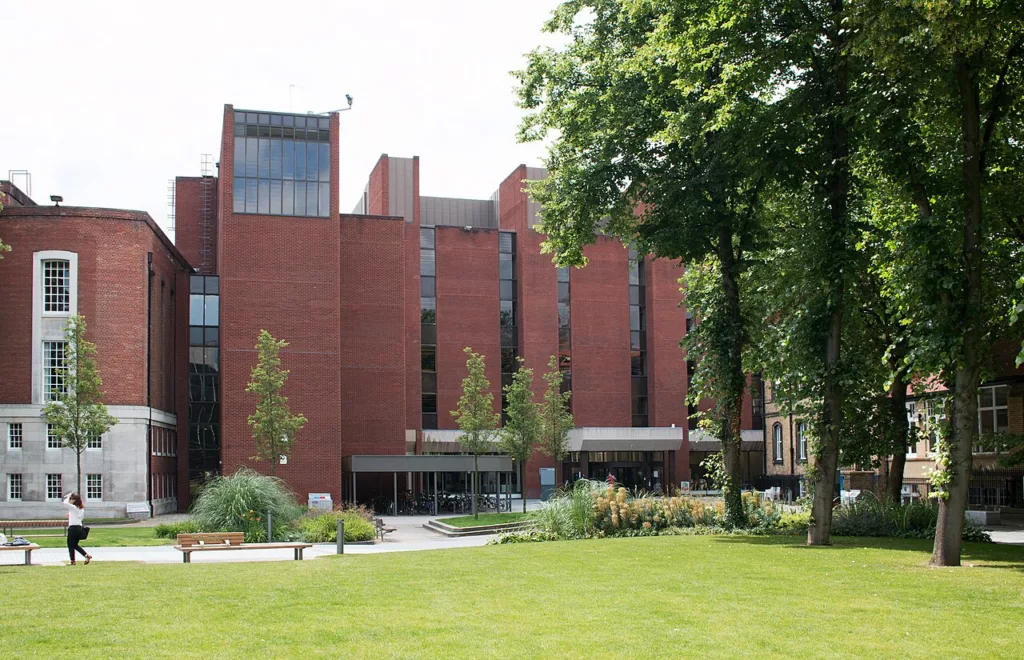
Manchester Central Library
Located on St Peter’s Square, Manchester Central Library was inaugurated in 1934 and immediately impresses visitors with its remarkable architecture. Designed by architect E. Vincent Harris, the library features a spectacular circular design inspired by the Pantheon in Rome. Its monumental colonnade and vast rotunda make it one of the most remarkable neoclassical buildings in the United Kingdom.
Inside, visitors can explore the majestic Great Hall, a vast reading room crowned by an impressive dome. The library also preserves important heritage collections, including rare books, historic manuscripts, local archives, and the prestigious Henry Watson Music Library, one of the richest public collections of musical scores in the country.
Following an extensive renovation carried out between 2010 and 2014, Manchester Central Library regained its former splendour while incorporating modern facilities dedicated to reading, research, and cultural events. Today, it welcomes students, residents, and visitors eager to discover the city’s intellectual heritage.
Chetham’s Library: The Oldest Public Library in the English-Speaking World
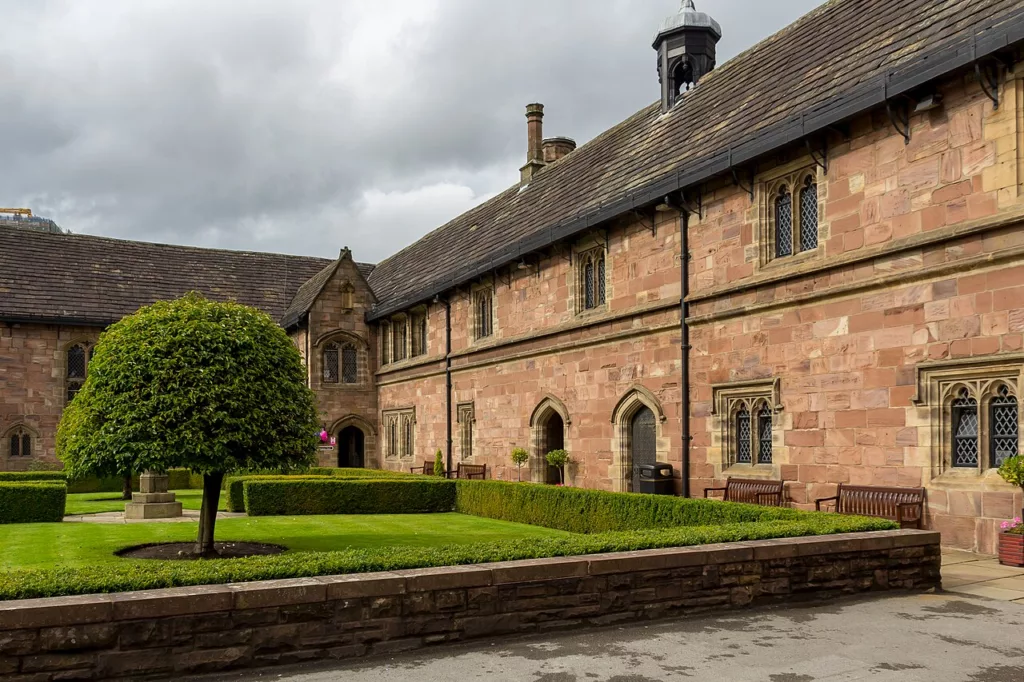
Chetham’s Library
Nestled near Manchester Cathedral, Chetham’s Library is one of the city’s most fascinating historical treasures. Founded in 1653 through a bequest from philanthropist Humphrey Chetham, it is regarded as the oldest free public reference library still in operation in the English-speaking world.
Housed within a magnificent fifteenth-century medieval building, the library immediately transports visitors to another era. Its wood-panelled rooms, oak bookshelves, and remarkably preserved atmosphere make it one of Manchester’s most authentic landmarks.
The collections at Chetham’s Library are exceptional. They include more than 100,000 volumes, featuring rare books, medieval manuscripts, historic newspapers, and unique archival documents. Among its treasures is a copy of the famous Nuremberg Chronicle, alongside thousands of archives dedicated to the history of Manchester and northern England.
The library also holds international historical significance. It was in one of its alcoves that Karl Marx and Friedrich Engels met several times during the mid-nineteenth century to conduct economic research that contributed to the development of the Communist Manifesto.
The Corn Exchange: Where Historic Heritage Meets Modern Dining
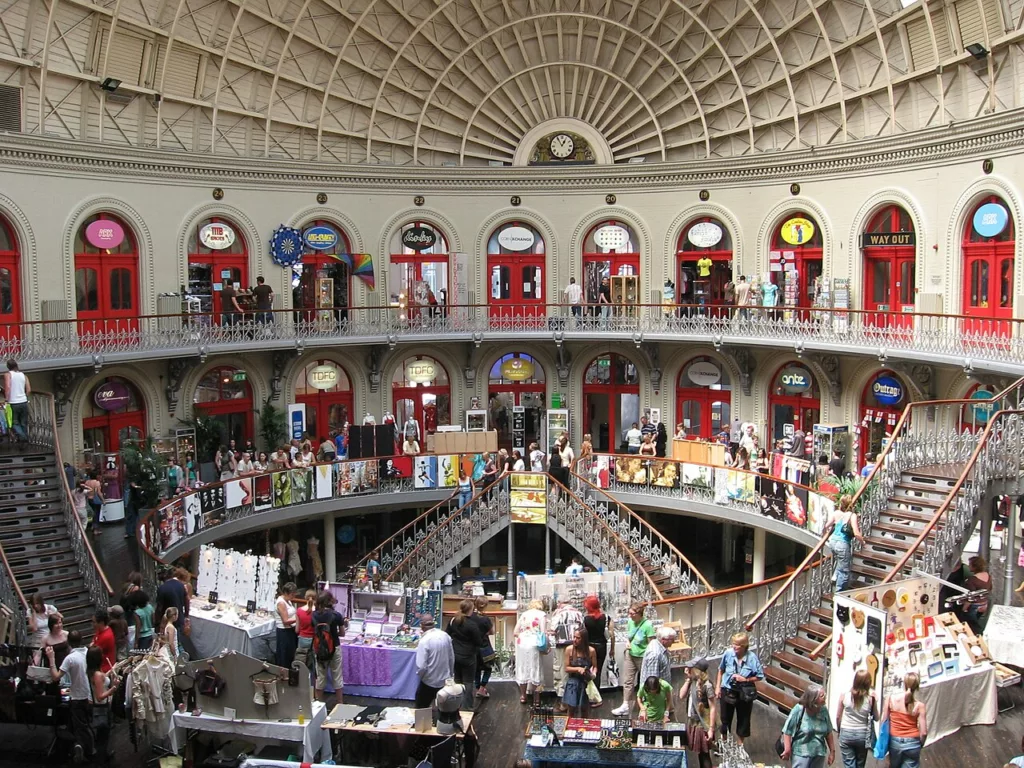
The Corn Exchange
Located on Exchange Square in the heart of Manchester, the Corn Exchange is one of the city’s most remarkable historic buildings. Constructed in the early twentieth century in an elegant Baroque style, it originally served as a trading centre for grain merchants and agricultural products, reflecting Manchester’s economic importance during the industrial era.
After several decades of transformation and a major renovation following the 1996 IRA bombing, the building entered a new chapter in its history. Today, the Corn Exchange has become one of Manchester’s premier dining destinations while preserving its historic architecture and iconic character.
Inside, visitors will find a lively space home to numerous restaurants representing cuisines from around the world. From Italian specialties and Asian flavours to contemporary British cuisine, the venue offers a diverse culinary experience in an elegant and welcoming setting.
The building also boasts a rich cultural history. During the 1970s and 1980s, its spaces hosted alternative markets and important venues within Manchester’s music scene, including the Pips nightclub where Joy Division performed one of its earliest concerts.
Gorton Monastery: Manchester’s Hidden Gothic Masterpiece
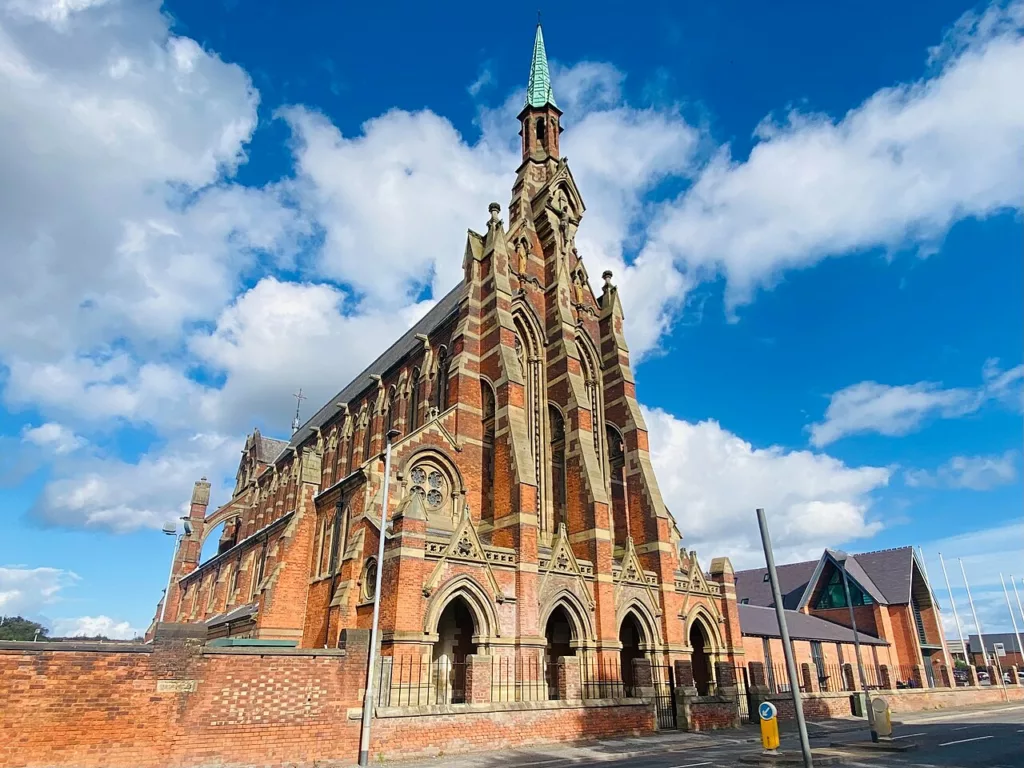
Gorton Monastery
Away from Manchester’s traditional tourist routes, Gorton Monastery is one of the city’s most impressive architectural treasures. Officially known as St Francis Church and Monastery, this neo-Gothic landmark was designed by architect Edward Welby Pugin and built between 1866 and 1872.
Its monumental polychrome brick façade, soaring arches, and finely sculpted details impress visitors with both their scale and elegance. Inside, guests discover a vast light-filled nave, a remarkable high altar designed by Peter Paul Pugin, and magnificent stained-glass windows showcasing the artistic craftsmanship of the nineteenth century.
After serving as a Franciscan monastery for more than a century, the building was abandoned in 1989 and gradually fell into ruin. Its condition became so critical that it was listed among the world’s most endangered heritage sites alongside renowned landmarks such as the Taj Mahal and Pompeii. An ambitious conservation campaign ultimately led to its complete restoration, completed in 2007.
Today, Gorton Monastery has found a new purpose. Transformed into a cultural, heritage, and events venue, it hosts concerts, exhibitions, conferences, and weddings while remaining an important community space.
The Alan Turing Memorial: Honouring a Computing Pioneer
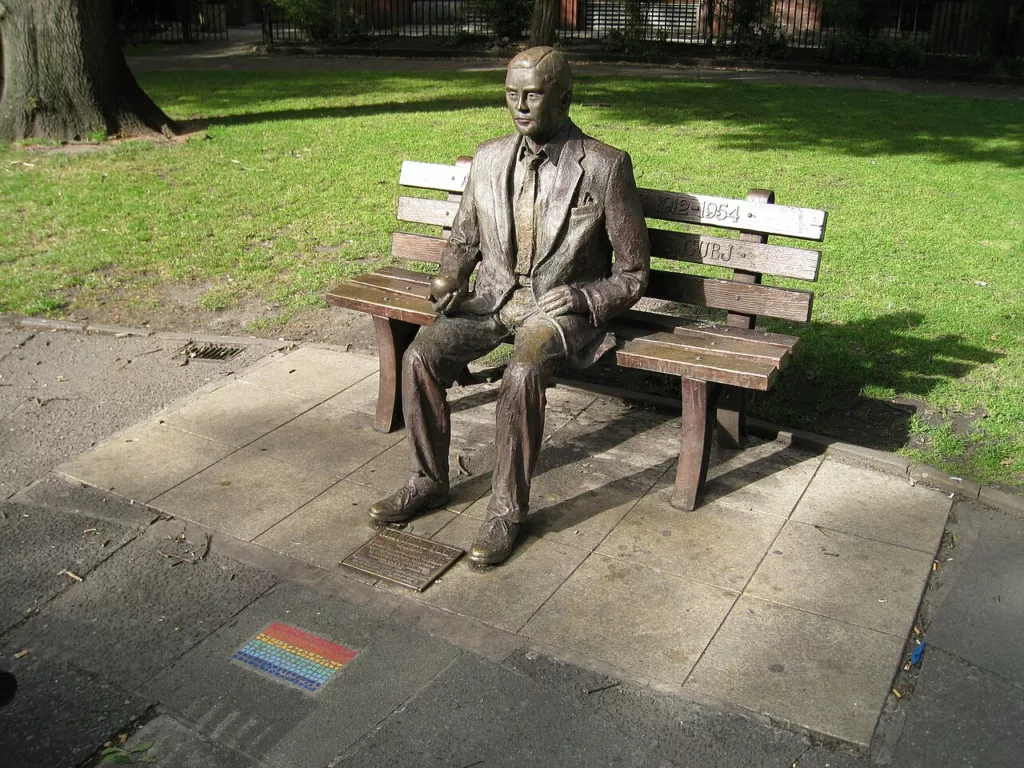
The Alan Turing Memorial
Located in Sackville Gardens, close to Canal Street and the University of Manchester campus, stands one of the city’s most symbolic monuments: the memorial dedicated to Alan Turing. Unveiled in 2001, the statue honours the British mathematician widely regarded as one of the fathers of modern computing and a pioneer of artificial intelligence.
The sculpture depicts Alan Turing seated on a bench, holding an apple in his hand. Created by sculptor Glyn Hughes, it commemorates both his extraordinary scientific achievements and his tragic personal story. During World War II, Turing played a crucial role in deciphering the Enigma code used by Nazi Germany, helping to shorten the war and save millions of lives.
The choice of location is particularly meaningful. Situated between the university’s scientific buildings and Manchester’s LGBTQ+ district, the memorial highlights both Turing’s intellectual legacy and the discrimination he suffered because of his homosexuality. A plaque at the foot of the statue describes him as a “father of computer science,” a brilliant mathematician, and a “victim of prejudice.”
Must-See Museums in Manchester
Science and Industry Museum: At the Heart of Manchester’s Industrial History
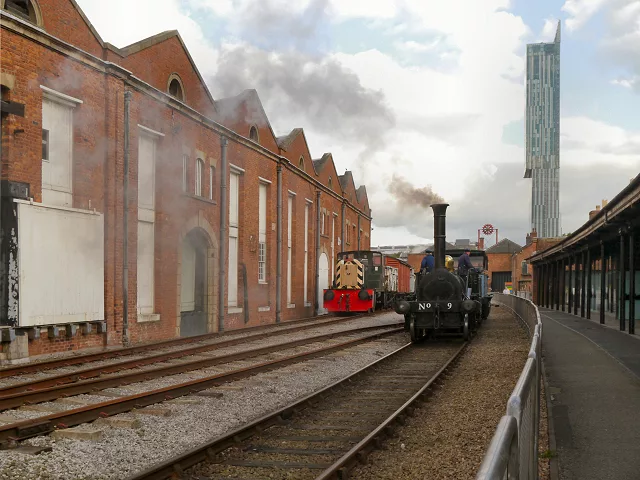
Science and Industry Museum
Located on the site of the former Liverpool Road Station—the world’s first intercity passenger railway station, opened in 1830—the Science and Industry Museum is one of Manchester’s most iconic museums. It explores the city’s scientific, technological, and industrial history, highlighting its pivotal role in the Industrial Revolution.
Through a wide range of interactive exhibitions, the museum showcases the innovations that helped shape the modern world. Visitors can discover impressive collections dedicated to transportation, steam engines, the textile industry, telecommunications, and computing. Among its most significant exhibits is a replica of the famous “Manchester Baby,” widely regarded as the world’s first stored-program computer.
The site is also home to important historic locomotives and fully operational industrial machinery, helping visitors understand Manchester’s crucial contribution to technological progress. Several of the museum’s buildings are themselves listed historic landmarks, adding further heritage value to the experience.
Beyond its permanent collections, the Science and Industry Museum regularly hosts temporary exhibitions, demonstrations, and science-themed events for all ages. Its interactive approach makes it particularly popular with families and science enthusiasts.
National Football Museum: The Temple of English Football
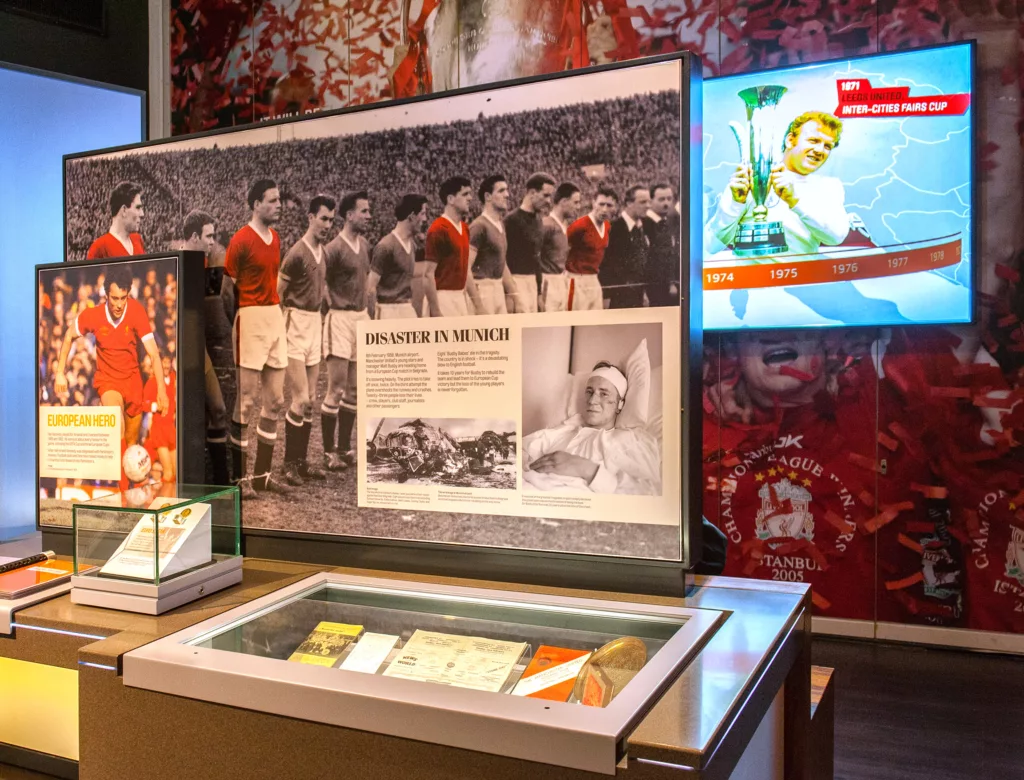
National Football Museum
Located inside the futuristic former Urbis building in the heart of Manchester, the National Football Museum is a must-visit destination for football fans. Recognised as England’s national football museum, it tells the story of a sport that occupies a unique place in British culture.
Opened in Manchester in 2012 after relocating from Preston, the museum houses one of the world’s largest collections of football memorabilia and artefacts. More than 140,000 items are preserved here, including some of the most iconic objects in football history.
Visitors can admire extraordinary treasures such as one of the footballs used during the inaugural 1930 FIFA World Cup, the ball from the 1966 World Cup Final won by England, the shirt worn by Diego Maradona during the famous “Hand of God” match, and the first official Laws of the Game drafted by the Football Association in 1863.
The museum also features interactive exhibits exploring the evolution of competitions, stadiums, equipment, and football legends. Dedicated activity zones allow visitors of all ages to test their skills through a variety of challenges and games.
Manchester Museum: A Journey Through World History and Cultures
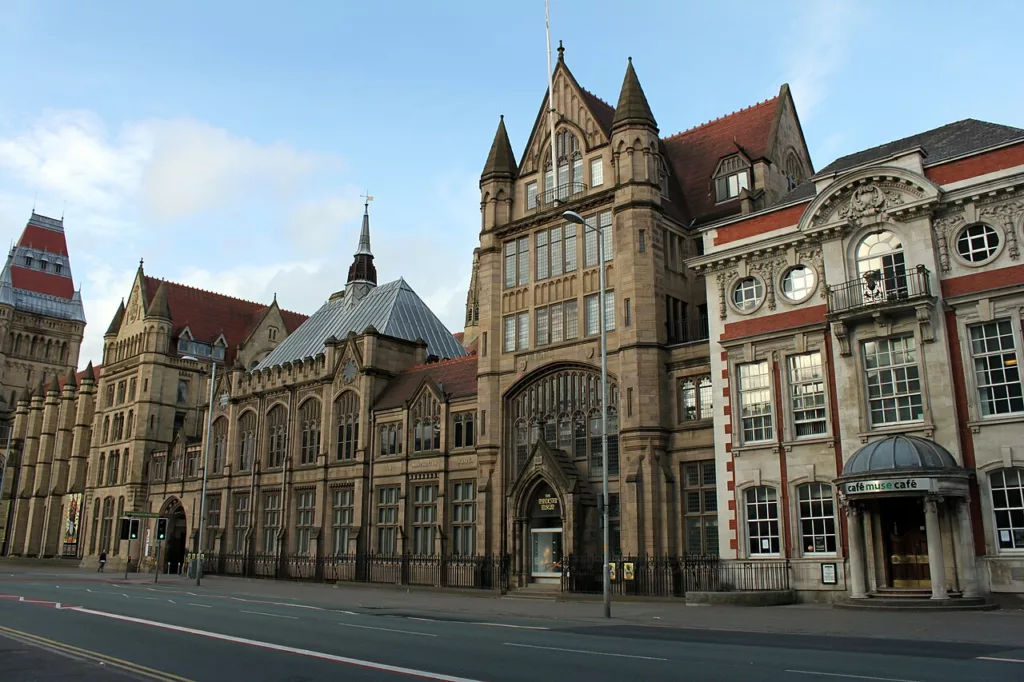
Manchester Museum
Located on Oxford Road in the heart of the University of Manchester campus, the Manchester Museum is one of the richest and most visited museums in the United Kingdom. Founded in 1867, it houses more than 4.5 million objects from across five continents and offers a fascinating journey through natural history, archaeology, and anthropology.
Housed in an elegant neo-Gothic building designed by architect Alfred Waterhouse—also known for London’s Natural History Museum—the museum impresses visitors with both its architecture and the scale of its collections. Its galleries explore ancient civilisations, global biodiversity, and contemporary cultures.
Among its highlights are the remarkable Egyptian collections, which include mummies, sarcophagi, and funerary artefacts, making them one of the most important collections of their kind in the United Kingdom. Visitors can also admire spectacular fossils, including a replica of the famous Tyrannosaurus rex “Stan,” as well as extensive natural science collections.
Following a major redevelopment completed in 2023, the museum expanded with several modern galleries, including the South Asia Gallery, the first permanent gallery in the United Kingdom entirely dedicated to the history and cultures of South Asian communities.
Manchester Art Gallery: A Must-Visit for Art Lovers
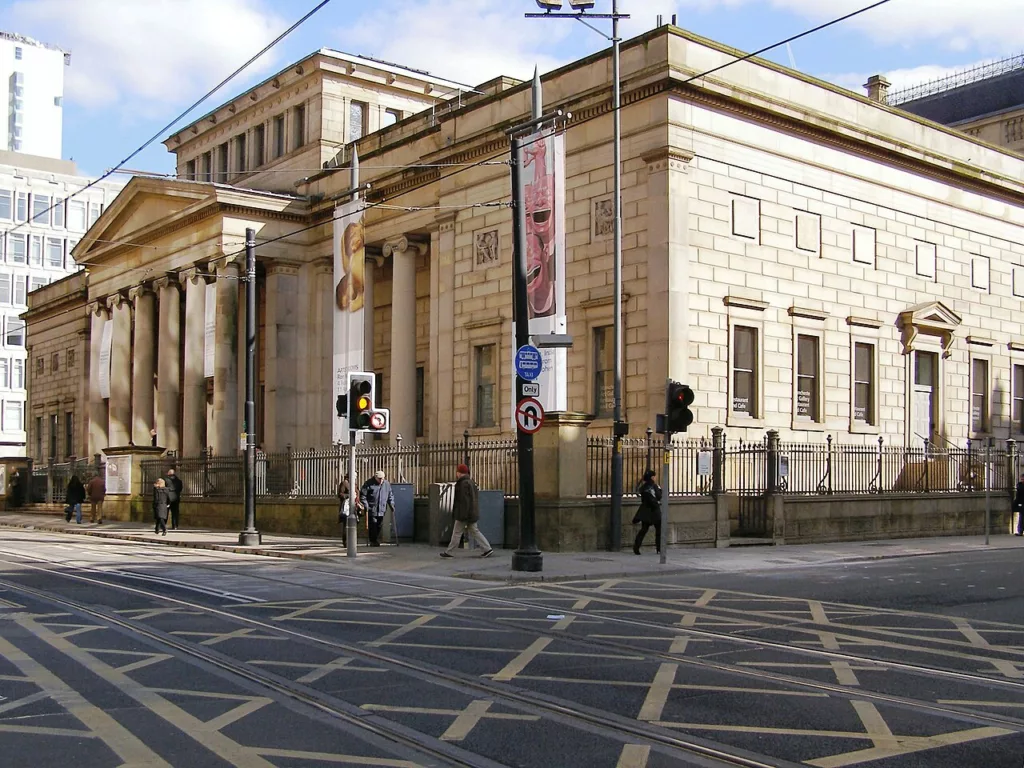
Manchester Art Gallery
Located on Mosley Street in the city centre, the Manchester Art Gallery is one of northern England’s most important art museums. Founded in 1823, it now houses more than 25,000 works spanning several centuries of artistic creation, from Old Masters to contemporary artists.
Housed within an elegant architectural complex that combines historic buildings with modern extensions, the gallery is renowned both for its setting and the richness of its collections. The main building, designed by Sir Charles Barry, is listed among the United Kingdom’s most prestigious historic landmarks.
The gallery is particularly famous for its outstanding collection of Victorian and Pre-Raphaelite art. Visitors can admire masterpieces by William Holman Hunt, Ford Madox Brown, and John William Waterhouse. Among its most celebrated works are The Light of the World, The Scapegoat, and Hylas and the Nymphs, all iconic examples of nineteenth-century British painting.
The collections also include major European paintings, sculptures, decorative arts, furniture, ceramics, and contemporary works. The gallery regularly highlights Manchester’s artistic heritage through the works of Pierre Adolphe Valette and his most famous student, L. S. Lowry, whose urban scenes immortalised the industrial city.
Free to enter and accessible to all, Manchester Art Gallery also hosts numerous temporary exhibitions and cultural events throughout the year.
People’s History Museum: The Story of Britain’s Social Movements
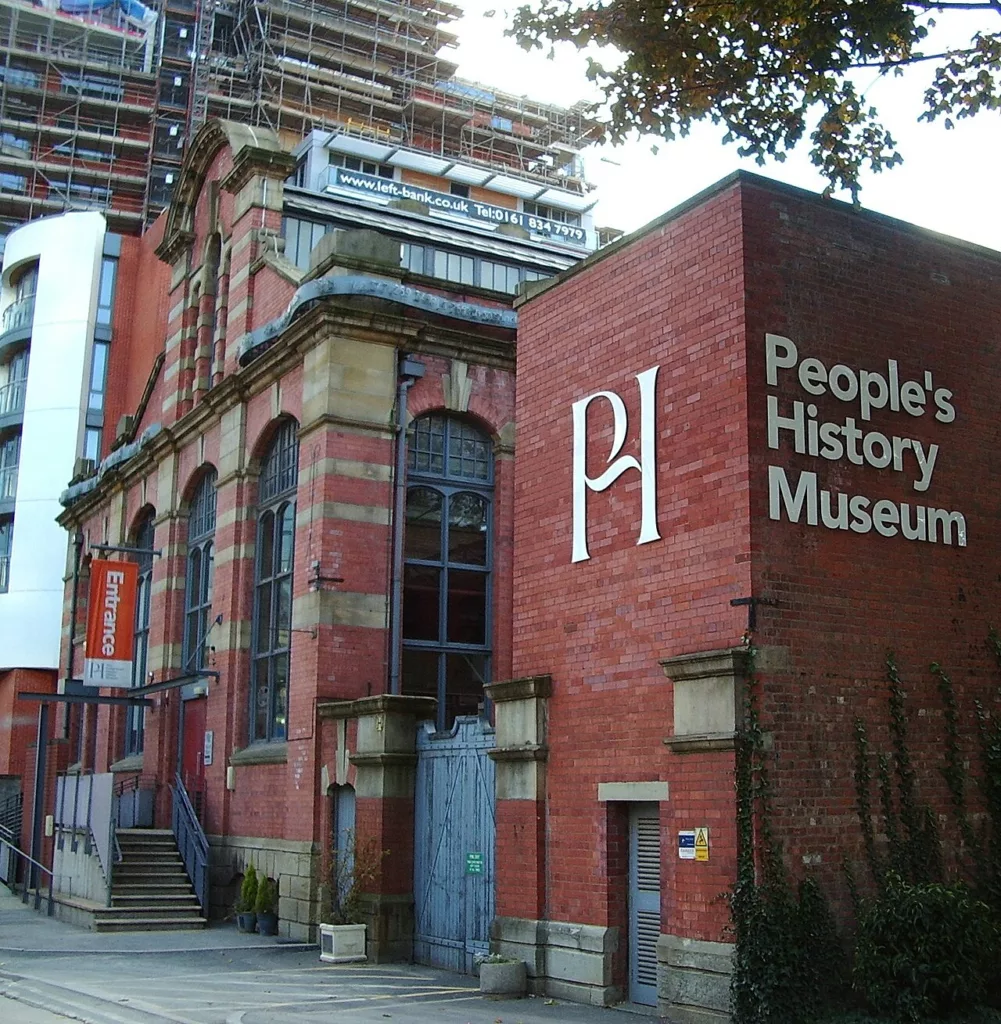
People’s History Museum
Located on the banks of the River Irwell, the People’s History Museum is a unique institution in the United Kingdom. Recognised as the national museum of democracy and working-class history, it explores more than two centuries of social, political, and trade union movements that helped shape modern British society.
Housed within a former hydraulic pumping station that is now a listed historic building, the museum displays a rich collection of artefacts, photographs, posters, and documents illustrating the evolution of civil rights and the world of work. Exhibitions cover major themes including the labour movement, trade unions, voting rights, cooperative movements, social reforms, and campaigns for equality.
Among the most significant topics explored are the Peterloo Massacre, the suffragette movement, major industrial strikes, and the political developments that contributed to improving workers’ living conditions. The museum also houses one of the world’s largest collections of trade union banners, powerful symbols of Britain’s social history.
The People’s History Museum is also home to the Labour History Archive and Study Centre, a leading research archive containing valuable documents related to the Labour Party, the cooperative movement, and British political history.
Parks and Green Spaces in Manchester
Heaton Park: Manchester’s Largest Green Space
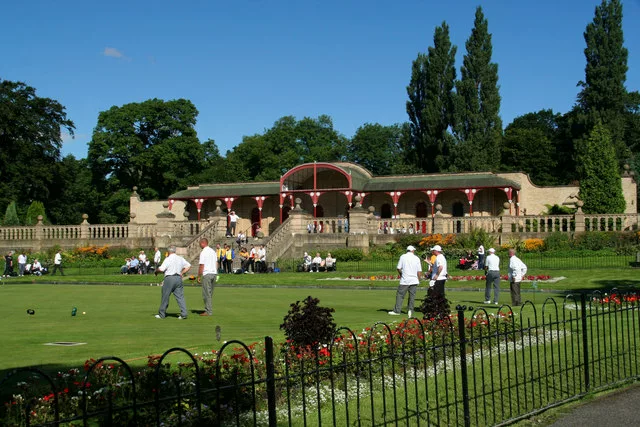
Heaton Park
Covering more than 240 hectares of greenery, Heaton Park is one of the largest urban parks in Europe and the largest green space in Manchester. Located north of the city centre, it provides a refreshing escape for both residents and visitors, combining historical heritage, outdoor recreation, and extensive natural landscapes.
The park surrounds the magnificent Heaton Hall, an elegant eighteenth-century neoclassical mansion designed by architect James Wyatt. Once the residence of the Egerton family, this listed historic building reflects the region’s rich aristocratic heritage.
The park features a boating lake, a golf course, ornamental gardens, an animal farm, an observatory, playgrounds, and a heritage tramway operated by volunteers that preserves Manchester’s transportation history.
Heaton Park is also a major venue for cultural events and large public gatherings. Over the years, it has hosted massive concerts by artists such as Oasis, The Stone Roses, and Courteeners, attracting hundreds of thousands of spectators. The park is also notable for hosting Pope John Paul II during his 1982 visit, when he celebrated Mass before a crowd of more than 100,000 people.
Fletcher Moss Botanical Garden: A Green Oasis in South Manchester
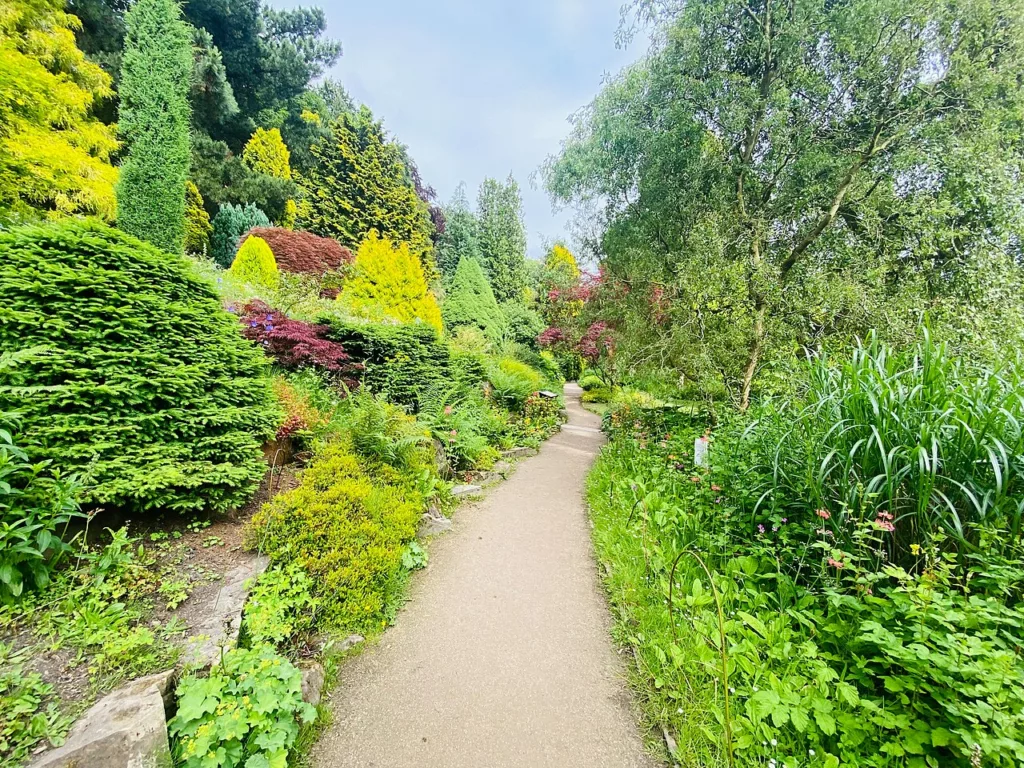
Fletcher Moss Botanical Garden
Located in the district of Didsbury, south of Manchester, Fletcher Moss Botanical Garden is one of the city’s most charming green spaces. Created in the early twentieth century and donated to the municipality by philanthropist Fletcher Moss in 1919, this botanical garden is now a peaceful haven enjoyed by both residents and visitors.
Stretching between the River Mersey and Stenner Woods, the site combines landscaped gardens, protected natural areas, and walking trails. Its famous rock garden, laid out on a sunny slope, is home to a wide variety of exotic and ornamental plants that thrive thanks to a particularly favourable microclimate.
Visitors can admire many remarkable plant species, including Chinese windmill palms, dawn redwoods, bald cypresses, and the impressive giant leaves of gunnera. Waterfalls, ponds, and flower beds complete this peaceful and colourful setting.
The garden also has a rich historical dimension. The former house known as The Croft was the birthplace of the Royal Society for the Protection of Birds (RSPB), one of the world’s leading bird conservation organisations. It was here that Emily Williamson launched a campaign in the late nineteenth century against the use of bird feathers in women’s fashion.
Manchester Ship Canal: The Engineering Work That Opened Manchester to the World
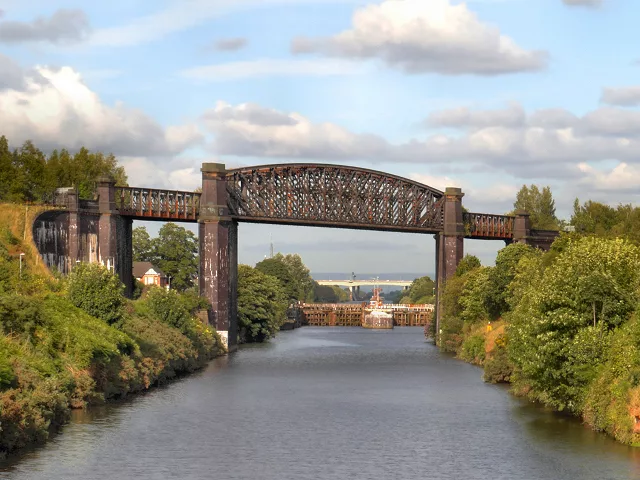
Manchester Ship Canal
A true feat of Victorian engineering, the Manchester Ship Canal transformed Manchester into a seaport despite its location nearly 60 kilometres from the sea. Stretching for 58 kilometres, the canal links the city to the Mersey Estuary and the Irish Sea, allowing ocean-going vessels to reach the Manchester docks directly.
Built between 1887 and 1893 under the direction of engineer Edward Leader Williams, the project was driven by local industrialists seeking to escape the costs imposed by the Port of Liverpool. Its official opening in 1894 marked a major turning point in Manchester’s economic development.
At the time of its inauguration, the Manchester Ship Canal was the largest river navigation canal in the world. Its creation enabled the Port of Manchester to become the third-busiest port in the United Kingdom, boosting industrial and commercial growth throughout the region.
The canal also contributed to the creation of Trafford Park, considered the world’s first planned industrial estate. This area quickly became one of Europe’s leading industrial centres, attracting numerous international companies.
Today, although maritime traffic is far less significant than at its peak, the Manchester Ship Canal remains an essential part of the city’s heritage.
Food and Specialities of Manchester
Manchester Tart

Manchester Tart
Manchester Tart is a sweet tart made with a pastry base filled with raspberry jam, custard, and desiccated coconut, often topped with a glacé cherry. Very popular in school canteens across northwest England during the twentieth century, it has become a symbol of local cuisine.
Lancashire Hotpot

Lancashire Hotpot
Originating from Lancashire, of which Manchester was historically part, Lancashire Hotpot is made with lamb or mutton slowly cooked with onions, then topped with thin slices of potato before being baked for a long time in the oven. Created in the nineteenth century among the region’s working-class communities, this hearty dish was valued for its simplicity and low cost.
Black Pudding

Black Pudding
Black Pudding is a traditional northern English speciality often associated with Manchester and nearby towns in Lancashire. This type of sausage is made from pork blood, fat, and grains, usually oats or barley. Eaten for centuries, it is especially popular as part of a full English breakfast.
The town of Bury, located in Greater Manchester, is particularly renowned across the country for the quality of its Black Pudding.
Eccles Cake

Eccles Cake
Eccles Cake is a traditional pastry from the town of Eccles in Greater Manchester. Created in the late eighteenth century, it consists of flaky pastry filled with raisins, currants, and spices. Its name comes directly from its town of origin, where it was popularised by baker James Birch around 1793. Widely enjoyed across the United Kingdom, it is often served with Lancashire cheese or a cup of tea.
Day Trips from Manchester
Lake District National Park
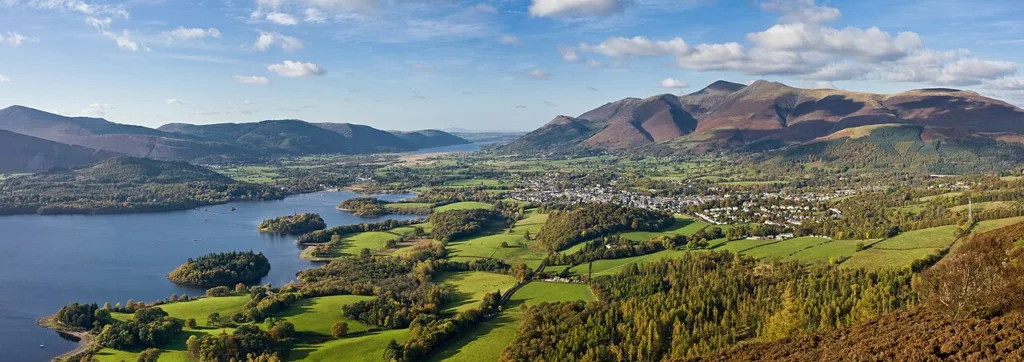
Lake District National Park
Located around an hour and a half from Manchester, the Lake District National Park is one of England’s most spectacular natural destinations. Designated a UNESCO World Heritage Site in 2017, it is renowned for its breathtaking landscapes of mountains, lakes, and green valleys.
Visitors can explore iconic locations such as Lake Windermere, the largest lake in England, and Scafell Pike, the country’s highest mountain. The region is also closely associated with poet William Wordsworth, one of the leading figures of British Romanticism. Hiking, boating, and photography are among the most popular activities. The Lake District attracts more than 15 million visitors every year.
Liverpool
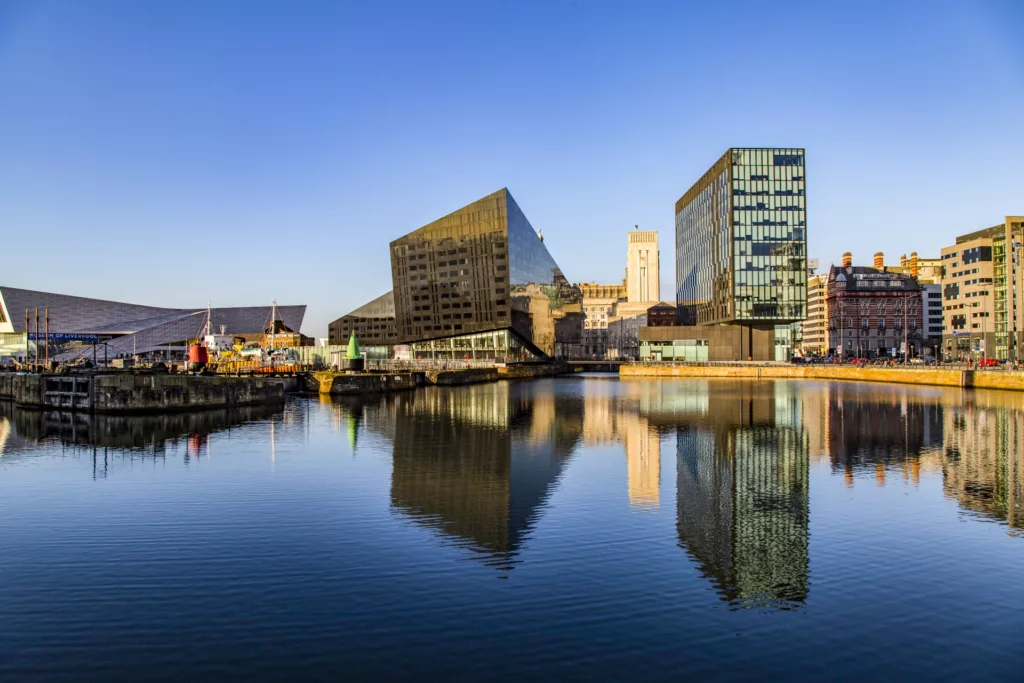
Liverpool
Located just 55 kilometres from Manchester, Liverpool is one of the most popular excursions in northern England. A major port city of the former British Empire, Liverpool boasts a rich maritime heritage that can be explored in the docklands area and at the famous Royal Albert Dock.
Liverpool is world-famous as the birthplace of The Beatles, whose legacy can be discovered through several museums and iconic landmarks. The city is also home to two historic football clubs, Liverpool FC and Everton FC.
Its historic centre combines Victorian architecture, internationally renowned museums, and a vibrant cultural scene. Liverpool can be reached from Manchester in less than an hour by train.
Peak District
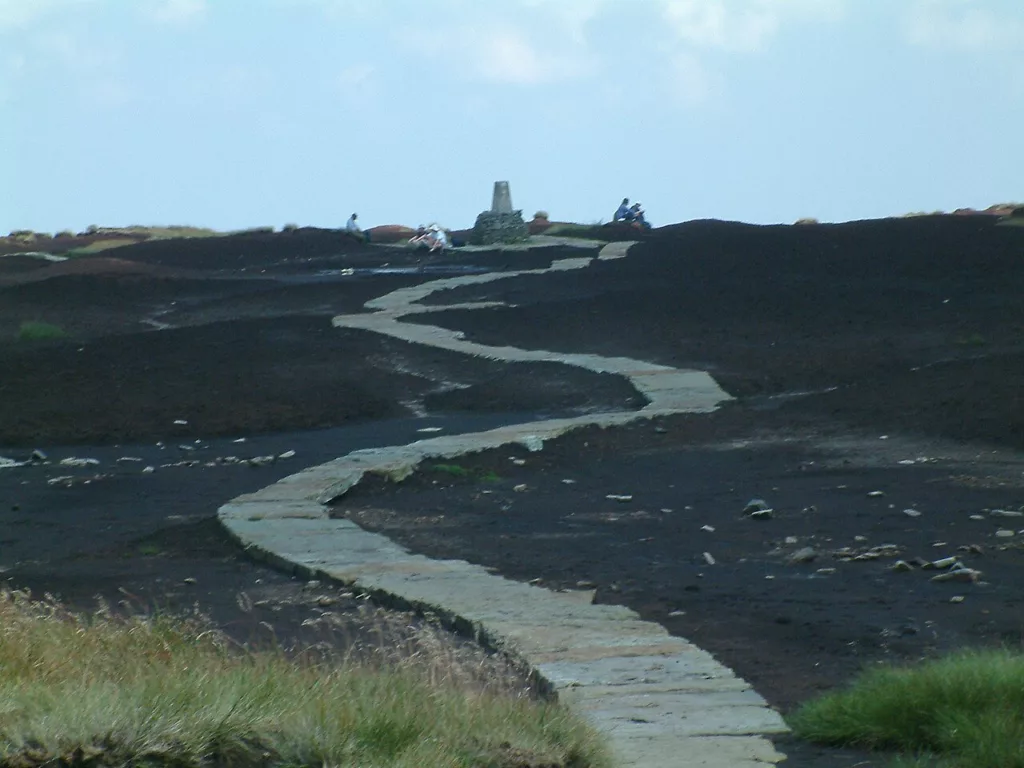
Black Hill in the Peak District
Established in 1951 as the first national park in the United Kingdom, the Peak District National Park lies less than an hour from Manchester. The region is famous for its rolling hills, traditional stone villages, and beautifully preserved natural landscapes. Outdoor enthusiasts can enjoy hundreds of kilometres of trails suitable for hiking, cycling, and climbing.
Among the park’s most popular attractions are Mam Tor, Stanage Edge, and the Dovedale Valley. The area is also home to magnificent historic estates, including Chatsworth House, often regarded as one of the finest aristocratic residences in the United Kingdom.
The Peak District welcomes more than 13 million visitors each year, making it one of Britain’s most visited national parks.
York
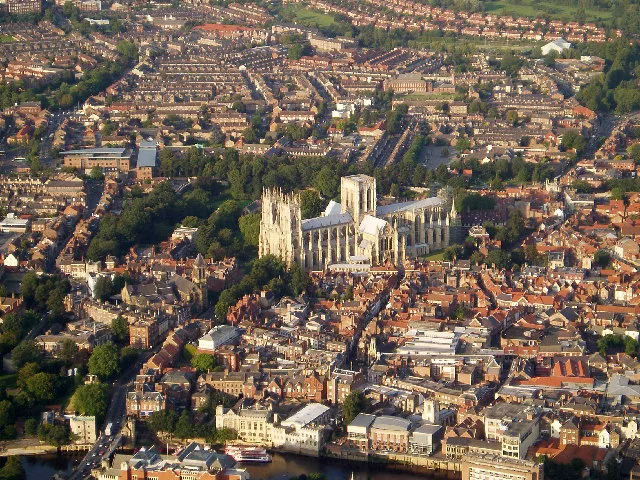
York
Founded by the Romans nearly 2,000 years ago, York is one of England’s best-preserved historic cities. Accessible in approximately 90 minutes from Manchester, it captivates visitors with its medieval walls, cobbled streets, and timeless atmosphere.
Its most famous landmark is York Minster, one of the largest Gothic cathedrals in Northern Europe. Visitors can also explore The Shambles, a beautifully preserved medieval street said to have inspired the world of Harry Potter.
York also boasts a rich Viking heritage, brought to life at the JORVIK Viking Centre, one of the city’s most popular attractions.
Conclusion
Visiting Manchester means discovering a fascinating city where industrial heritage meets innovation, culture, and modern dynamism. From iconic landmarks and world-class museums to historic libraries, vibrant neighbourhoods, and beautifully preserved green spaces, the city offers a rich and varied experience that appeals to every type of traveller.
Whether you are a football enthusiast, an architecture lover, a history buff, or simply looking for a unique urban getaway, Manchester has something to offer. Its thriving cultural scene, welcoming atmosphere, and proximity to outstanding destinations such as the Lake District, Liverpool, York, and the Peak District make it an excellent gateway to exploring northern England.
Authentic, creative, and firmly focused on the future, Manchester fully deserves its place among the United Kingdom’s finest urban destinations. It is a surprising city that rarely leaves visitors indifferent and often inspires them to return.