Visit Metz: 30 Must-See Things to Do and See
Visiting Metz means discovering a city with a rich historical past located in the heart of the Grand Est region, at the crossroads of France, Germany, and Luxembourg. Formerly a Gallo-Roman city and later a strategic stronghold through the centuries, Metz has preserved an exceptional heritage reflecting these different influences.
Its city center harmoniously combines medieval architecture, remarkable religious buildings such as Saint-Étienne Cathedral, and more recent constructions from both the French and German periods. The city is also known for its museums, historic squares, and numerous green spaces that create a pleasant and lively atmosphere.
Thanks to its privileged geographical location, Metz is also an ideal starting point for exploring the surrounding region. Numerous excursions allow visitors to discover various sites such as Nancy, Luxembourg, Rodemack, and Malbrouck Castle, offering a journey through culture, history, and landscapes.
Monuments and Historical Heritage in Metz
Saint-Étienne Cathedral of Metz
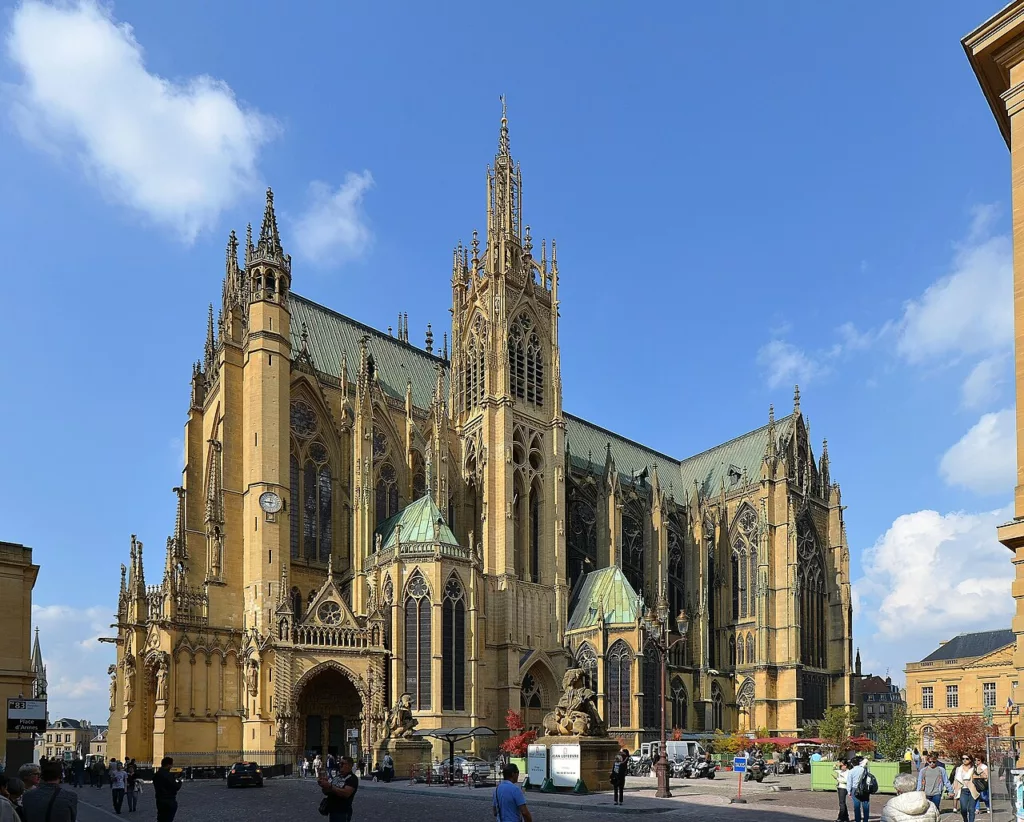
The Saint-Étienne Cathedral of Metz is one of the greatest masterpieces of Gothic architecture in Europe. Built between the 13th and 16th centuries, it has maintained a remarkable unity of style throughout its construction. Nicknamed the “Lantern of God,” it is distinguished by its immense stained-glass windows covering nearly 6,500 m², making it the brightest cathedral in France.
Built on the remains of ancient sanctuaries dating back to the 5th century, the cathedral is the result of a long architectural evolution combining Romanesque heritage with Gothic innovations. With vaults rising over 41 meters high, it is considered one of the most impressive religious buildings in the country.
Over the centuries, the cathedral underwent numerous transformations, particularly in the 18th century with classical additions, and later in the 19th century with Neo-Gothic restorations aimed at recovering its medieval appearance. After suffering damage during the Second World War, major restoration campaigns helped preserve this emblematic monument.
Today, it combines ancient heritage with contemporary creation, notably through stained-glass windows designed by artists such as Marc Chagall.
Fort de Queuleu
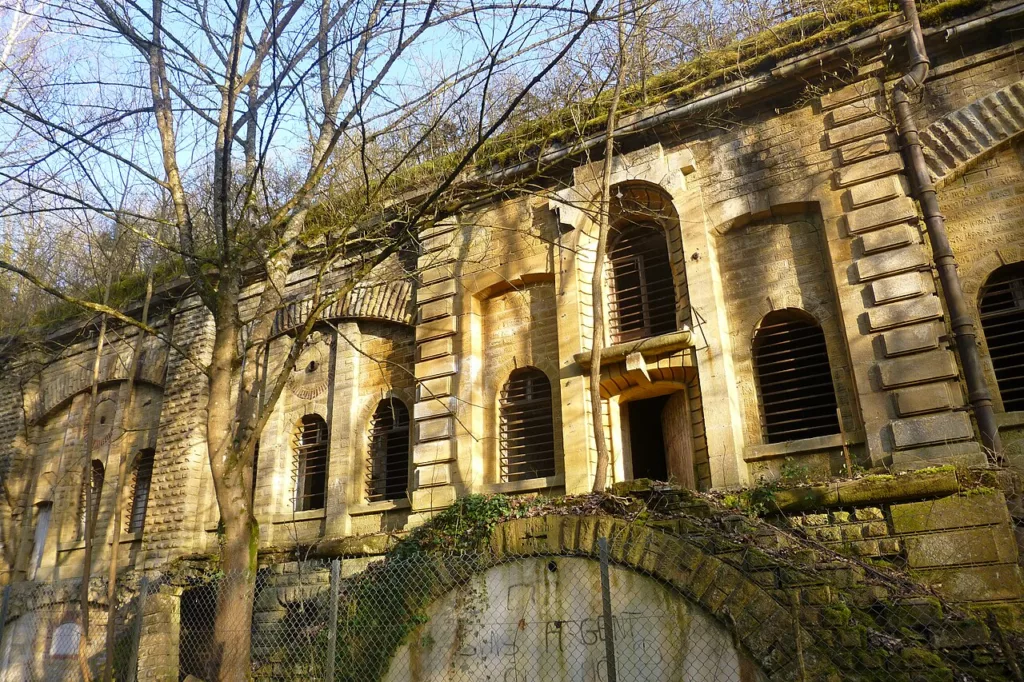
Fort de Queuleu is a vast military structure built between 1868 and 1870 as part of the first fortified belt designed by Séré de Rivières. Intended to defend the city through a network of spaced forts, it could accommodate up to 2,000 men and was equipped with significant artillery defenses.
After the Franco-Prussian War of 1870, the fort came under German control and was extensively modernized between 1872 and 1890. It gradually lost its strategic role with the evolution of artillery technology, although it continued to be used as a military barracks until the First World War.
During both World Wars, the site served several purposes, notably as a prisoner camp. During the Second World War, it became a Nazi detention and interrogation center where around 1,800 resistance fighters were imprisoned and subjected to severe violence before deportation.
After the Liberation, the fort successively served as an internment center for suspects and German civilians, a prisoner-of-war camp, and later as accommodation for Indochinese workers.
From the 1970s onward, the fort was gradually transformed into a place of remembrance, with the creation of a memorial dedicated to resistance fighters and deportees. Today, it is both a protected historical site, a memorial space, and a public area open for walks and leisure activities.
Porte des Allemands
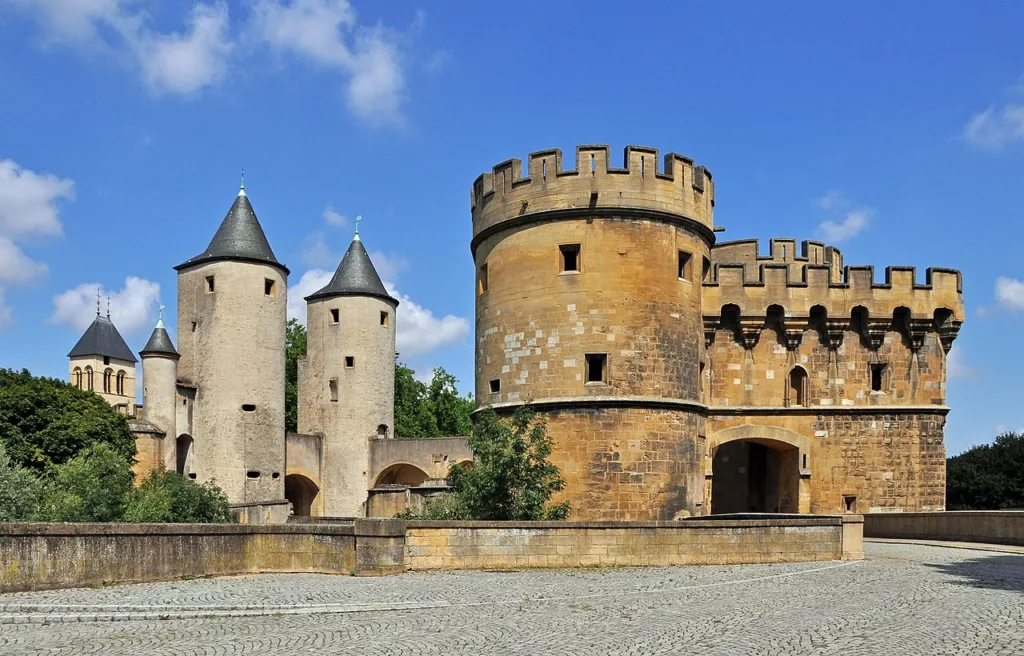
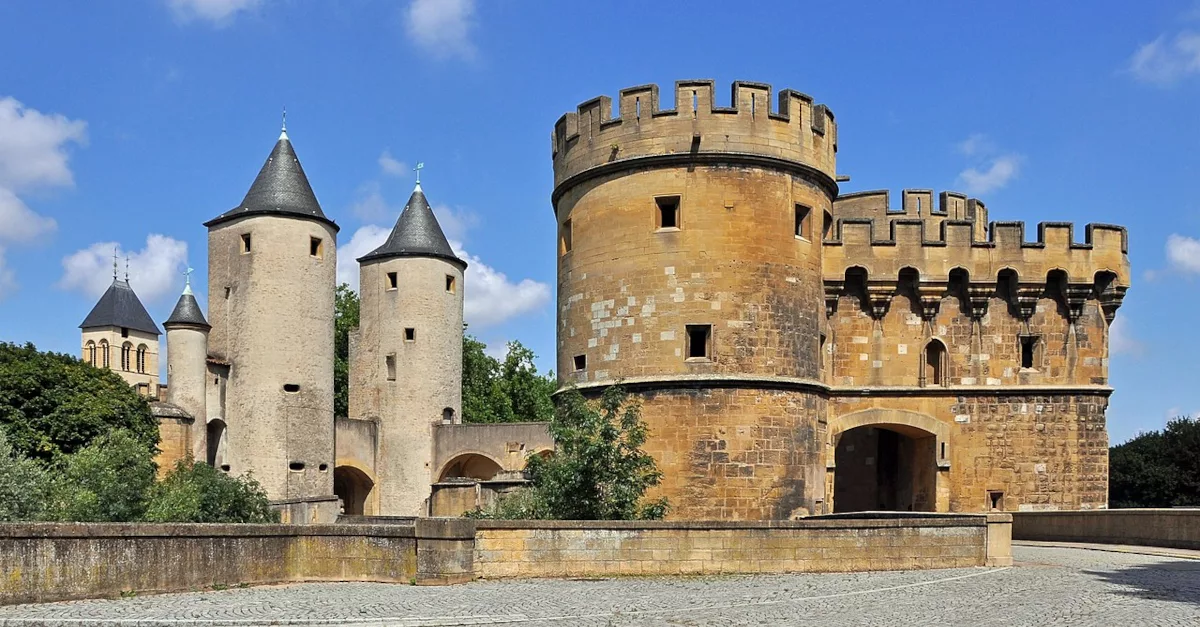
The Porte des Allemands is a former fortified gate located in Metz, built between the 13th and 16th centuries. It is one of the most significant surviving remnants of the city’s medieval ramparts.
Originally constructed from 1230 onward and later reinforced in the 15th century with powerful defensive towers, it served both as a city gate and as a fortified bridge over the Seille River. Its architecture combines Gothic and Renaissance styles, featuring advanced military elements such as machicolations, battlements, and massive towers.
Over the centuries, the gate was regularly modified and restored, notably by Vauban in the 17th century and later by the German authorities at the end of the 19th century. It gradually lost its military role but was preserved because of its historical importance.
In the 20th century, it was used as a museum before being officially listed as a historic monument in 1966. A major restoration project between 2013 and 2014 allowed it to reopen to the public and become an important cultural and heritage site.
Temple Neuf
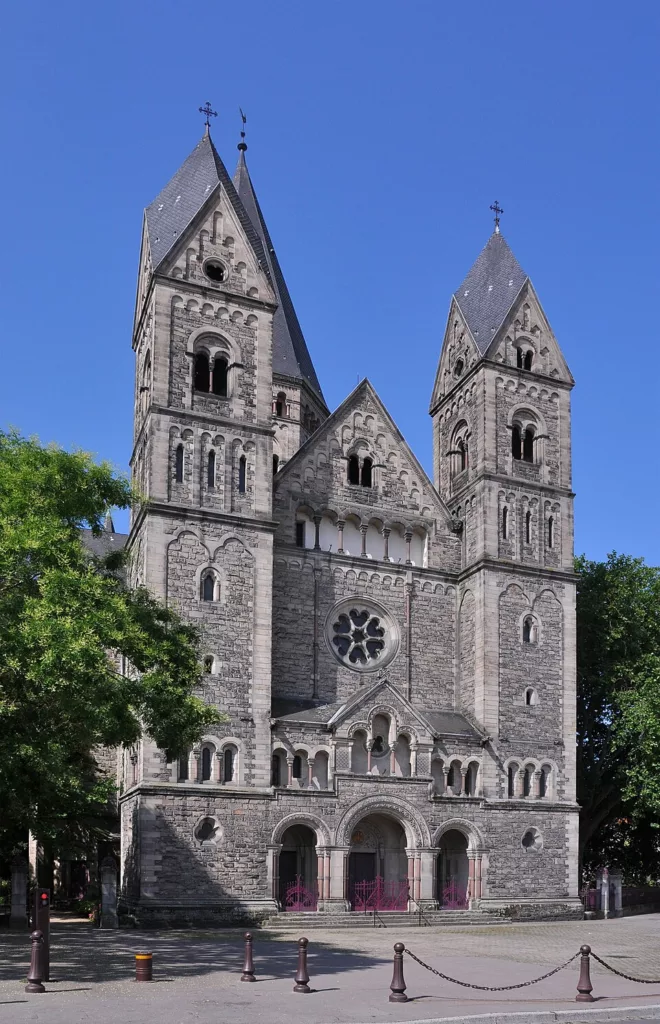
The Temple Neuf (Metz) is a Protestant Reformed church located in Metz, built between 1901 and 1905 during the German period (Wilhelmine Empire). It was part of an architectural policy aimed at modernizing and “Germanizing” the city after the annexation of Alsace-Lorraine. Designed by architect Conrad Wahn, the building adopts a Rhenish Neo-Romanesque style inspired by medieval German models, with a strong Ottonian influence.
The building is designed in the shape of a Greek cross, with a large central tower and two bell towers on the façade. It is constructed from dark sandstone, distinguishing it from the surrounding light-colored stone buildings. The church can accommodate more than 1,200 people and features a richly decorated interior with galleries, sculpted columns, and stained-glass windows.
Listed as a historic monument in 1930, it has also undergone restoration work and remains an emblematic feature of Metz’s architectural landscape, despite the criticism it received at the time of its construction.
Place Saint Louis
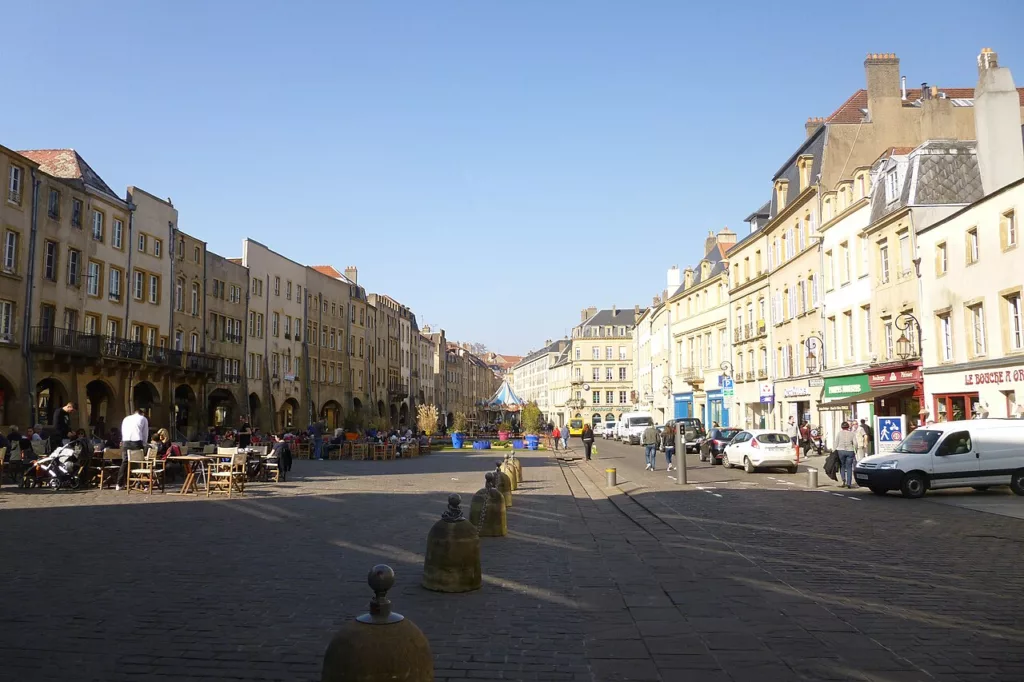
Place Saint-Louis in Metz is a medieval square located in the city center, at the foot of Sainte-Croix Hill. It is famous for its covered arcades and old houses with medieval and Renaissance façades, once occupied by Lombard money changers and merchants, making it a major commercial square as early as the 14th century.
The square owes its name to Saint Louis (Louis IX), following a historical confusion related to an ancient statue. Today, it has become a lively pedestrian area filled with cafés and events such as the Christmas market.
Place Saint-Louis still preserves its remarkable medieval architecture, with narrow houses, continuous arcades, and decorative features such as battlements and Renaissance balconies. After serving as a parking area during the 20th century, it was redeveloped into a pedestrian zone in 2007 and remains one of the emblematic sites of Metz’s historic center.
Basilique Saint-Pierre-aux-Nonnains
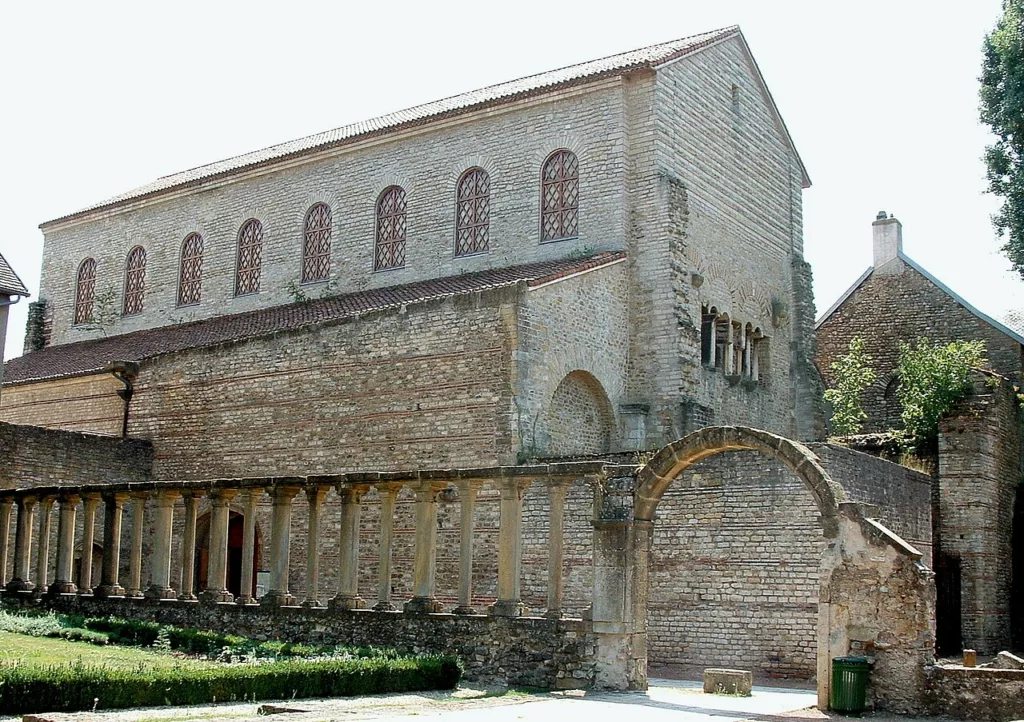
Saint-Pierre-aux-Nonnains Church in Metz is one of the oldest preserved buildings in France. Built at the end of the 4th century, it was originally a Roman structure, probably a palestra or a civil basilica connected to thermal baths.
In the 7th century, the building was transformed into a Christian place of worship and became a church attached to a Benedictine abbey. It was then extensively modified throughout the Middle Ages, with the addition of Romanesque elements around the year 1000 and Gothic vaults during the 15th and 16th centuries.
After the Siege of Metz in 1552, part of the abbey was destroyed and the building was reused for military purposes, serving as a warehouse and barracks for several centuries. It subsequently lost its religious function.
In the 20th century, it was listed as a historic monument and underwent significant archaeological excavations and restoration work. Since the 1970s, it has been converted into a venue for concerts and exhibitions while preserving its visible ancient, medieval, and military structures.
Château de Pange
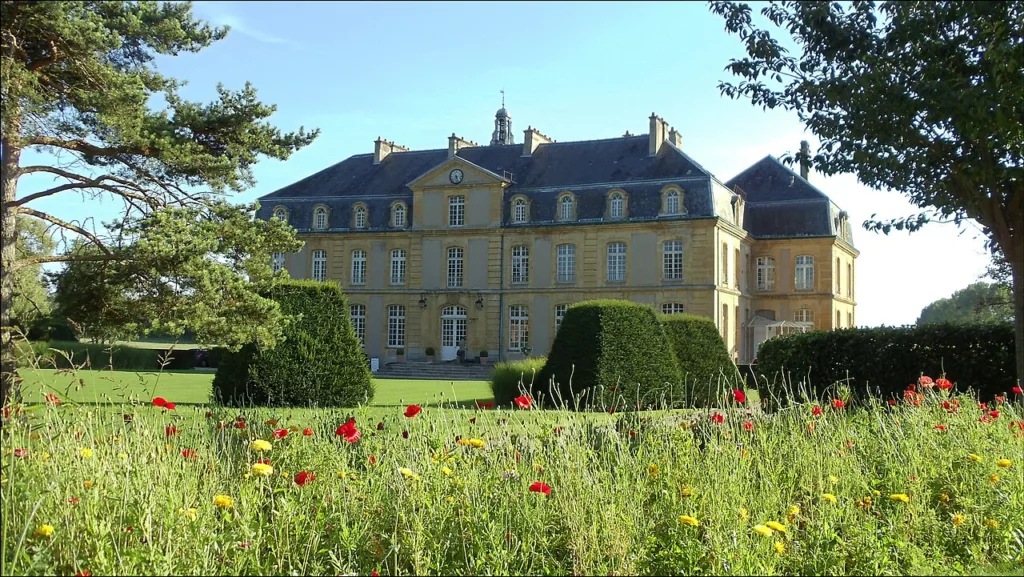
Château de Pange is an 18th-century château located in the Moselle department, built around 1720 in a classical style for Jean-Baptiste-Louis Thomas de Pange.
It replaced older medieval fortresses that had been destroyed and became a noble residence associated with the Pange family, who still own it today. The estate is linked to several historical figures and hosted important personalities such as Marie-Louise of Austria as well as military leaders during the Franco-Prussian War of 1870.
Architecturally, the château consists of a central building with a pediment and two pavilions framing the façade overlooking the Nied River. The original towers disappeared during the 19th century. Inside, several remarkable rooms and decorative features are protected as historic monuments, having been listed between 1986 and 1990.
The gardens, entirely redesigned in 2002 by landscape architect Louis Benech, are part of the “Gardens Without Borders” network and have received the “Remarkable Garden” label. They combine French formal gardens, contemporary spaces, and former moats reinterpreted with decorative plantings.
Today, the château remains a private residence and an important heritage site, known for its classical architecture and gardens.
Saint-Maximin Church
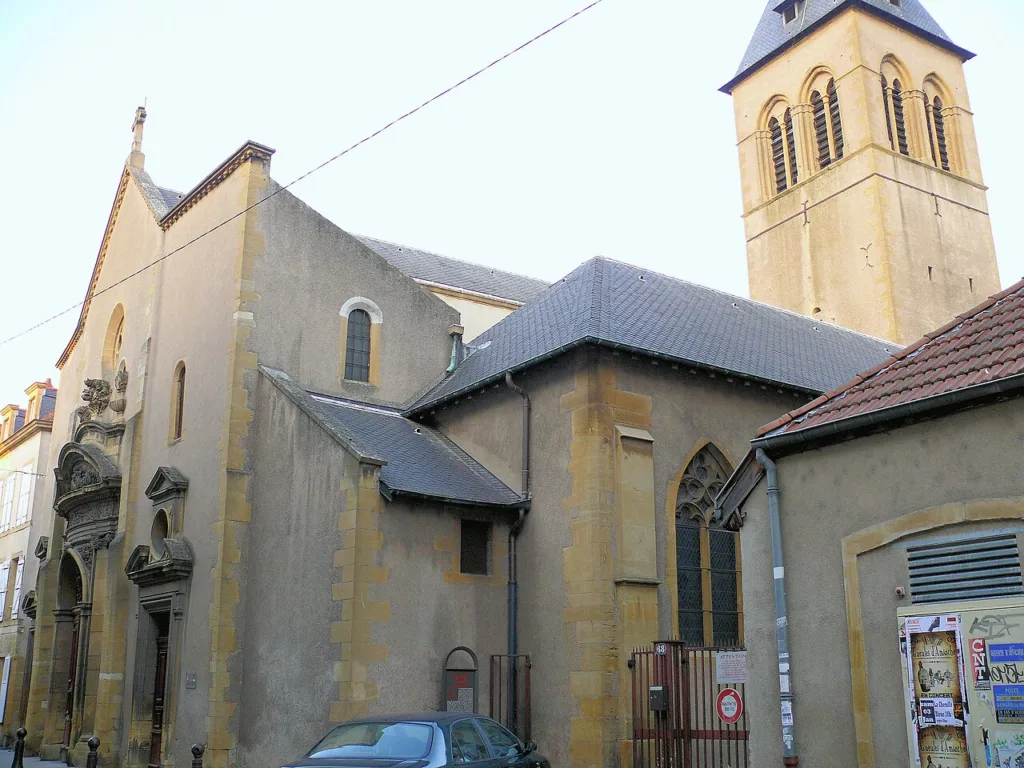
Saint-Maximin Church of Metz is a Catholic church located in Metz, whose construction spans from the 12th century to the 18th century. It combines Romanesque, Gothic, and Baroque styles, with major features including a Romanesque choir, a Gothic nave, and a portal remodeled during the 18th century.
The church is especially famous for its stained-glass windows created from drawings by Jean Cocteau in the 1960s. Installed after his death, these works are among his last major artistic creations and give the church a strong contemporary artistic identity, blending symbolism, mythology, and modern inspirations.
The church also houses a restored organ regularly used for concerts, making it an important cultural venue in addition to its religious role. Listed as a historic monument since 1923, it remains an active parish church and a major heritage and artistic site in Metz today.
Place de la Comédie
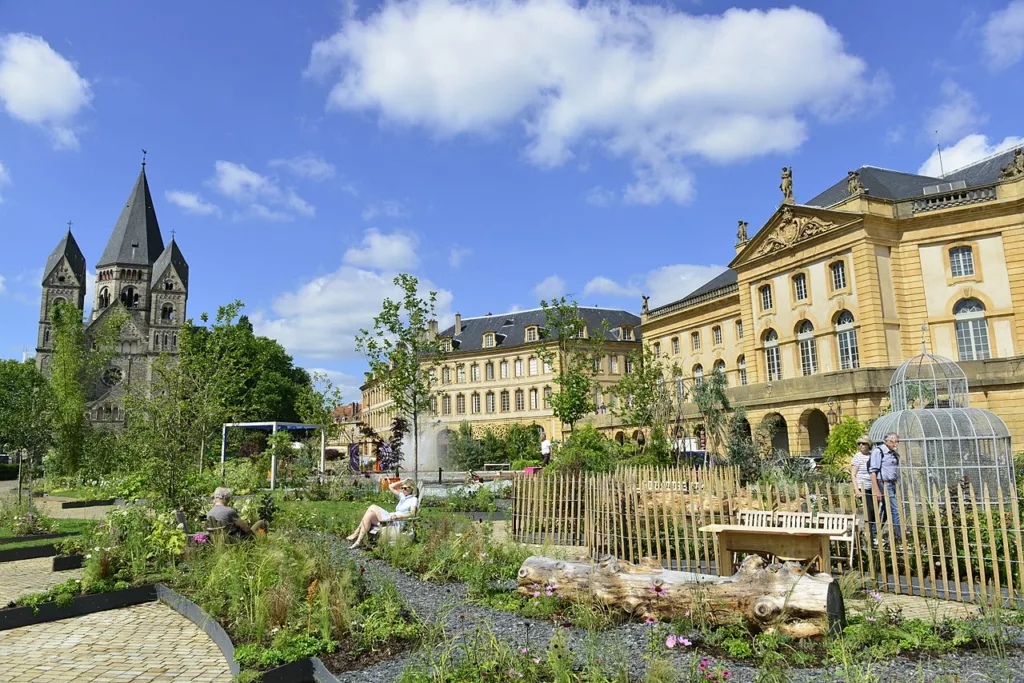
Place de la Comédie is a central square in Metz, located in the city center, in front of the Temple Neuf of Metz and close to the Opéra-Théâtre de Metz Métropole.
The square was laid out during the 18th century, with paving completed in 1732 and the opera house constructed between 1738 and 1752. It is a classical-style rectangular square, typical of urban planning from that period.
Today, it remains an important urban space in the center of Metz, surrounded by institutional and cultural buildings, and serves as a gathering and transit point within the city.
Palais du Gouverneur Militaire
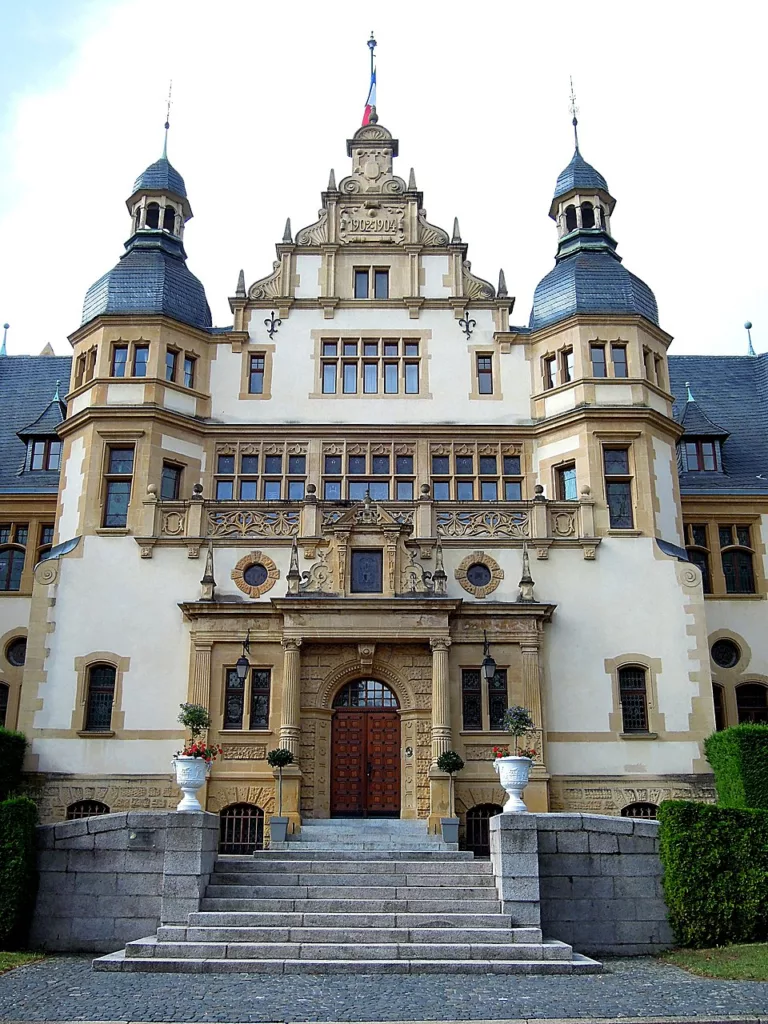
The Governor’s Palace of Metz is a Neo-Renaissance military building constructed between 1902 and 1905 in Metz (Moselle), during the German Empire, to serve as the residence of the commander of the XVI Army Corps and as a secondary residence for Emperor Wilhelm II.
Built on a historic site connected to the former citadel, it was designed by architect Ferdinand Schönhals and executed by Max Stolterforth. Constructed with Jaumont stone, the building follows a “V”-shaped plan and combines Gothic and Renaissance influences. It includes numerous rooms (around 30 living rooms and several dozen annex spaces) as well as imperial apartments on the first floor.
After 1918, when Metz returned to France, it became the residence of the French military authorities and took the name Governor’s Palace. It was reused by the German army during the Second World War and later became a French military command center again after 1945.
Protected as a historic monument since 1975, it is still used today by the French army and was restored during the 1990s.
Templar Chapel of Metz
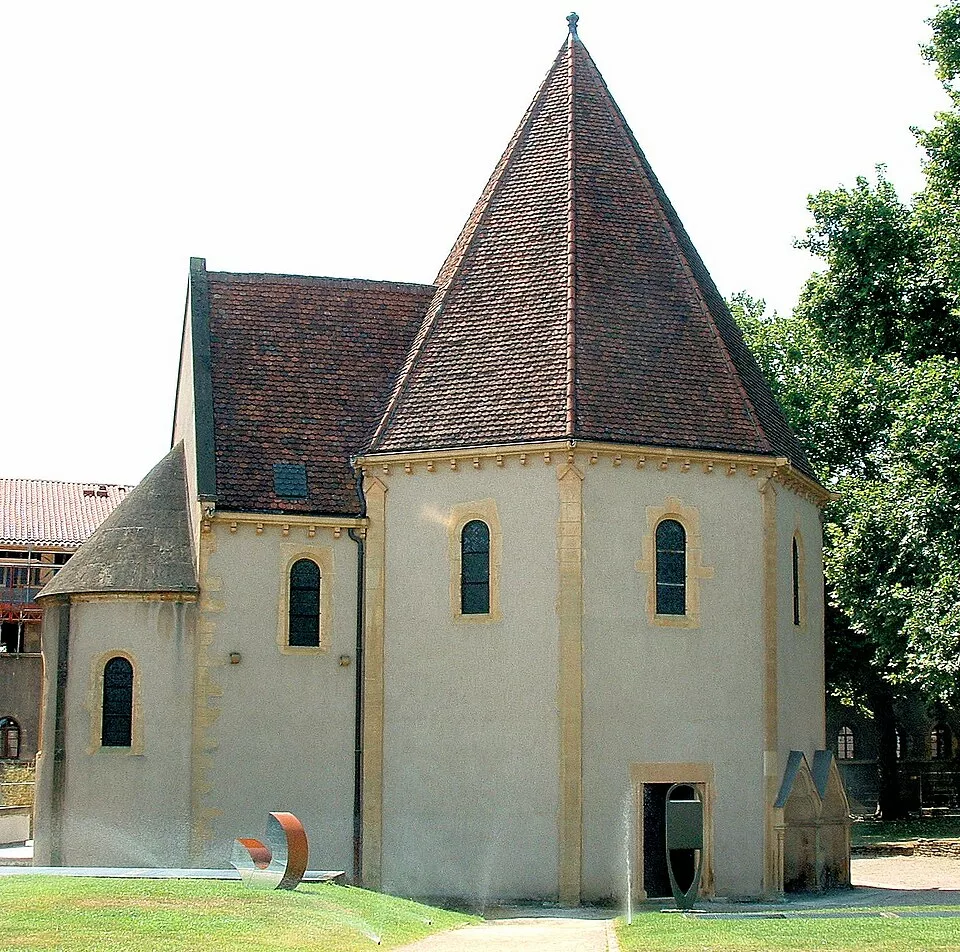
The Templar Chapel of Metz is a religious building dating from the 12th–13th centuries located in the Arsenal district of Metz. It is the last remaining vestige of a former Templar commandery.
Built between 1180 and 1220, it features a rare central octagonal plan typical of Templar architecture inspired by the Church of the Holy Sepulchre. Its style stands at the transition between Romanesque and Gothic architecture. Inside, the chapel contains rib-vaulted ceilings, sculpted capitals, and partially restored 14th-century medieval frescoes.
After the dissolution of the Order of the Temple in 1312, the site passed to the Hospitallers. The building survived numerous transformations, serving as a military depot in the 16th century, a telegraph station during the German Empire, and undergoing several restoration campaigns in the 19th and 20th centuries.
Listed as a historic monument as early as 1840, the chapel has now been restored and is used as an exhibition space.
Cloître des Récollets
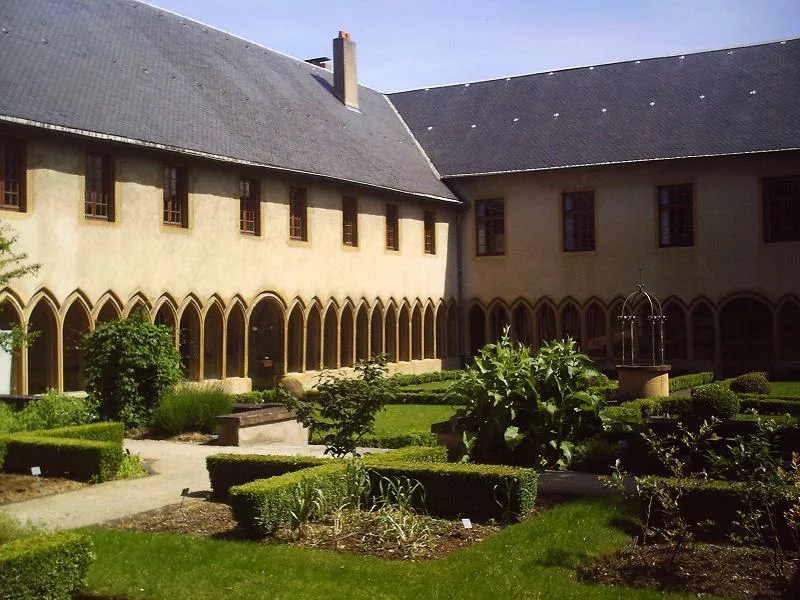
The Cloître des Récollets in Metz is a former medieval convent located in the historic center of Metz, now occupied notably by the European Institute of Ecology and the municipal archives.
Founded in the 13th century by the Franciscans and later occupied from 1602 by the Récollets, the complex was mainly built during the 13th and 14th centuries. It includes a Gothic cloister, a chapter house, and a central garden with a well. The buildings feature simple architecture, with galleries often covered by wooden frameworks rather than stone vaults.
The site preserves remarkable elements such as tombstones, a recumbent statue, fragments of religious decoration, and a 14th-century wall painting representing the Annunciation, discovered in 1975.
After the French Revolution, the convent underwent various uses, including military occupation and later functioning as an orphanage during the 19th century. Since 1972, it has been listed as a historic monument and reused for cultural and administrative purposes.
Opéra-Théâtre de Metz
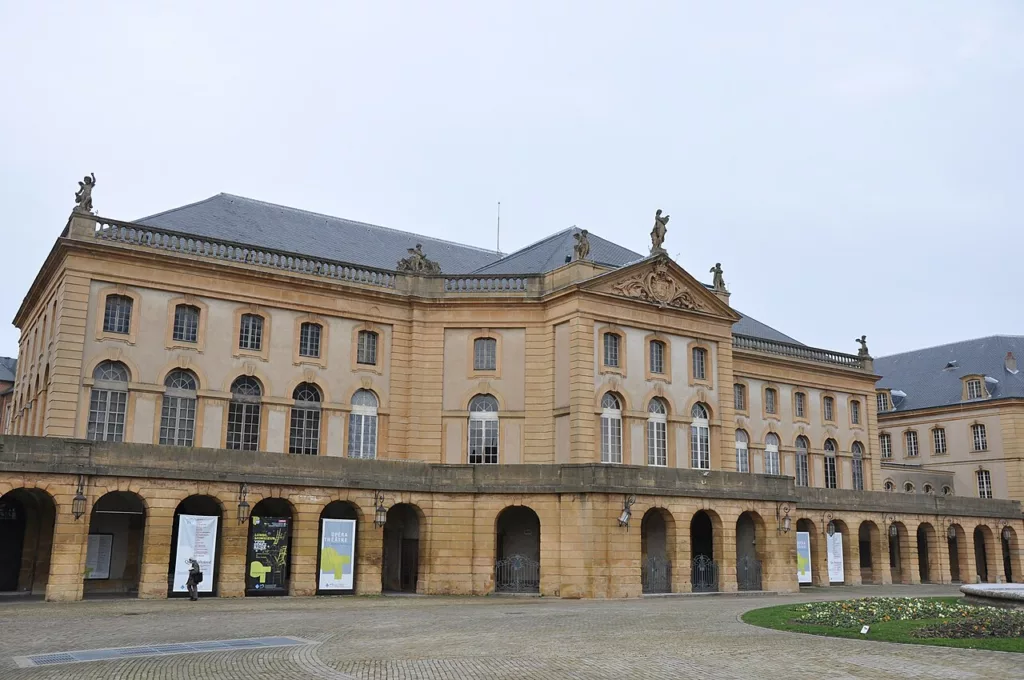
The Opéra-Théâtre de l’Eurométropole de Metz, formerly known as the Hôtel des Spectacles and later the Opéra-Théâtre de Metz, is one of the first theaters built in France and the oldest still operating today. It is located on Place de la Comédie, on the Petit-Saulcy island in the heart of Metz.
Constructed between 1738 and 1752 in a classical style inspired by Italian architecture, it was designed by architect Jacques Oger. It was inaugurated on February 3, 1752, and quickly became a central element of the city’s urban development project.
The building was designed to integrate harmoniously into an architectural ensemble including several pavilions and a modern public square envisioned by the Duke of Belle-Isle. Its peristyle and arcades were added in 1754 to structure the surrounding space.
Over time, the theater underwent several transformations, particularly during the 19th century, with the addition of decorative sculptures on the façade and modifications to the interior. A monumental fountain was also installed on the square before later disappearing.
The Opéra-Théâtre has remained continuously active since its inauguration, making it a unique case in France. It has hosted many famous artists, including Sarah Bernhardt and Jean Cocteau.
Listed as a historic monument since 1930, it is now managed by the Eurométropole of Metz and offers a diverse program including opera, ballet, theater, and contemporary productions.
Must-See Museums in Metz
Musée de La Cour d’Or
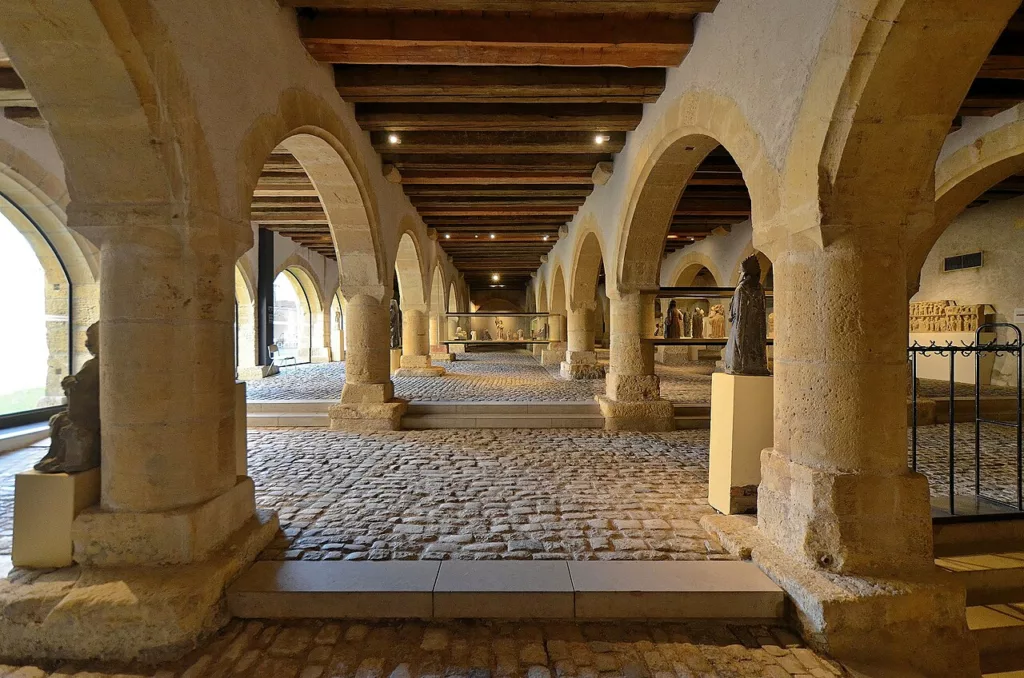
The Musée de La Cour d’Or is an art and history museum located in the center of Metz. Founded in 1839, it is housed on a historic site connected to the former palace of the Kings of Austrasia.
The museum brings together several disciplines within a single complex: archaeology, architecture, and fine arts. It houses significant Gallo-Roman and medieval collections, as well as works ranging from the 17th to the 20th century.
The building itself is remarkable because it directly incorporates ancient remains into the visitor route, including Roman baths, a Gothic granary, and a Baroque chapel.
Over time, the museum has expanded and modernized, especially during the 20th century with the creation of a new museum layout and several major renovations.
Centre Pompidou-Metz
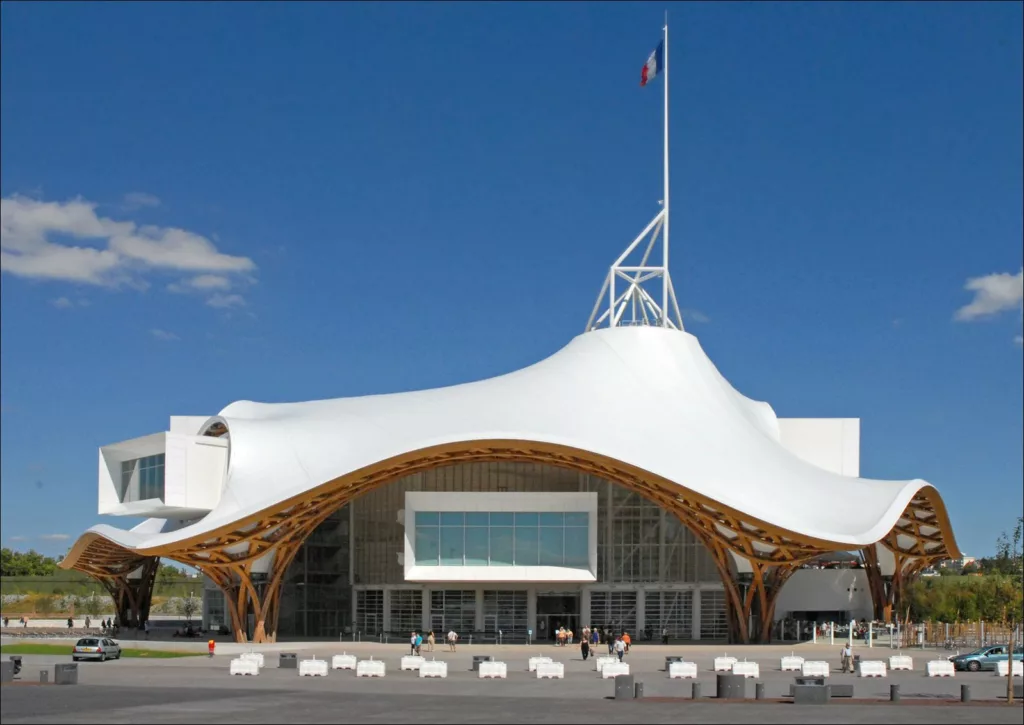
The Centre Pompidou-Metz is a modern and contemporary art museum located in Metz, France, opened in 2010. It was the first decentralization project of a major Parisian cultural institution, linked to the Centre Pompidou in Paris.
Designed by architects Shigeru Ban, Jean de Gastines, and Philip Gumuchdjian, the building stands out for its innovative architecture, particularly its large wooden roof inspired by a traditional Chinese hat. It is located in the Amphithéâtre district, close to Metz railway station.
The museum hosts a variety of temporary exhibitions dedicated to modern and contemporary art, drawing from the Centre Pompidou collection and international loans. Its program is regularly renewed with several exhibitions each year.
Centre Pompidou-Metz has become one of the most visited museums outside Paris, attracting a broad French and international audience thanks to its exhibitions and remarkable architecture.
Museum of the 1870 War and the Annexation

The Museum of the 1870 War and the Annexation, located in Gravelotte in the Moselle department near Metz, is dedicated to the Franco-Prussian War of 1870 and its consequences, particularly the annexation of Alsace-Moselle by the German Empire. Situated close to the former battlefields, it offers a deeper understanding of this major chapter in Franco-German history.
The current site was inaugurated in 2014 in a modern building designed by architect Bruno Mader. It replaced an older museum established in the 19th century, which had been destroyed and rebuilt several times throughout various conflicts.
The museum presents diverse collections including military objects, paintings, sculptures, and historical documents illustrating the violence of the battles and the memory of the war. It also highlights the political and human consequences of the annexation.
Parks and Green Spaces in Metz
L’Esplanade
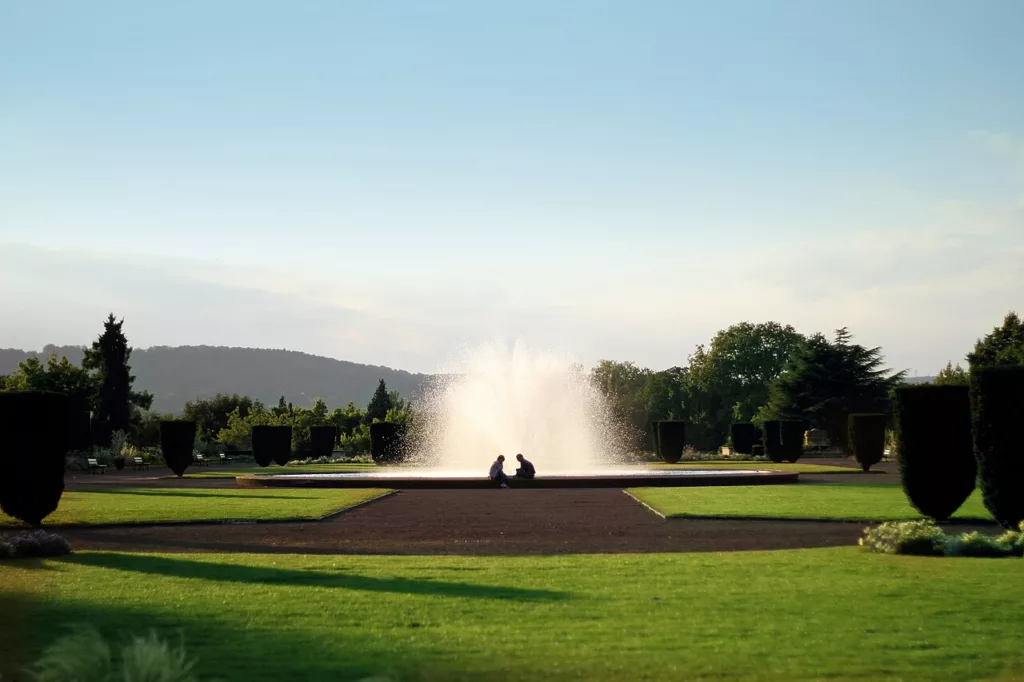
L’Esplanade de Metz is a historic public garden located in the heart of the city, offering a vast promenade lined with trees and monuments. Created during the 19th century on the site of former citadel moats, it is now an emblematic place for relaxation and heritage.
The garden is structured around avenues of lime and chestnut trees, with a central basin decorated with a fountain. It is also known for its numerous sculptures created by artists from the Metz School.
Among the most famous works are the Monument to Marshal Ney, the statue of the Naiad, the Bronze Horse, the Liberating Soldier, and the bust of Paul Verlaine.
L’Esplanade also has a strong historical dimension, having hosted important events such as part of the 1861 Universal Exhibition and various urban transformations over time.
Jean-Marie-Pelt Gardens
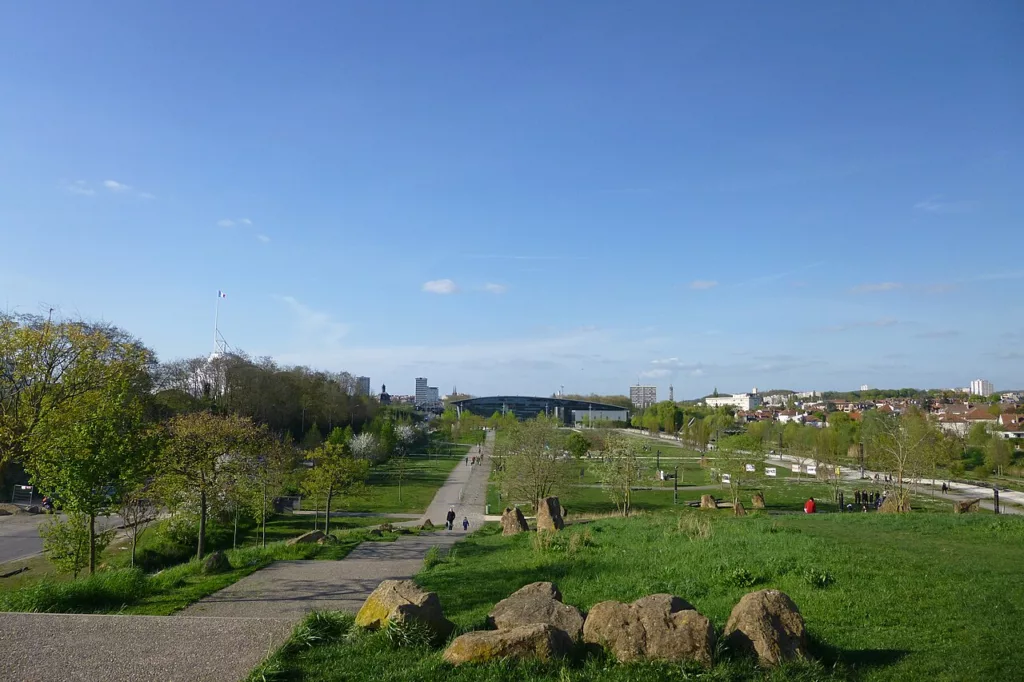
The Jean-Marie-Pelt Gardens (formerly Parc de la Seille) are a large urban park in Metz, inaugurated in 2002 and located near the Amphithéâtre district and the Centre Pompidou-Metz.
This 20-hectare park was designed with an ecological approach, featuring natural water management, recycled materials, and strong integration of biodiversity. It includes meadows, hills, ponds, and wetlands that encourage local wildlife and plant life.
The park contains numerous walking paths, cycling lanes, playgrounds, and sports facilities, making it a highly popular place for leisure and outdoor activities.
It also hosts contemporary artworks such as Tremblement de ciel and Libérazione, as well as important cultural events, notably concerts and fireworks during the Mirabelle Festival.
Renamed in 2016 in tribute to botanist Jean-Marie Pelt, it is now one of Metz’s major green spaces, combining nature, culture, and sports activities.
Botanical Garden of Metz
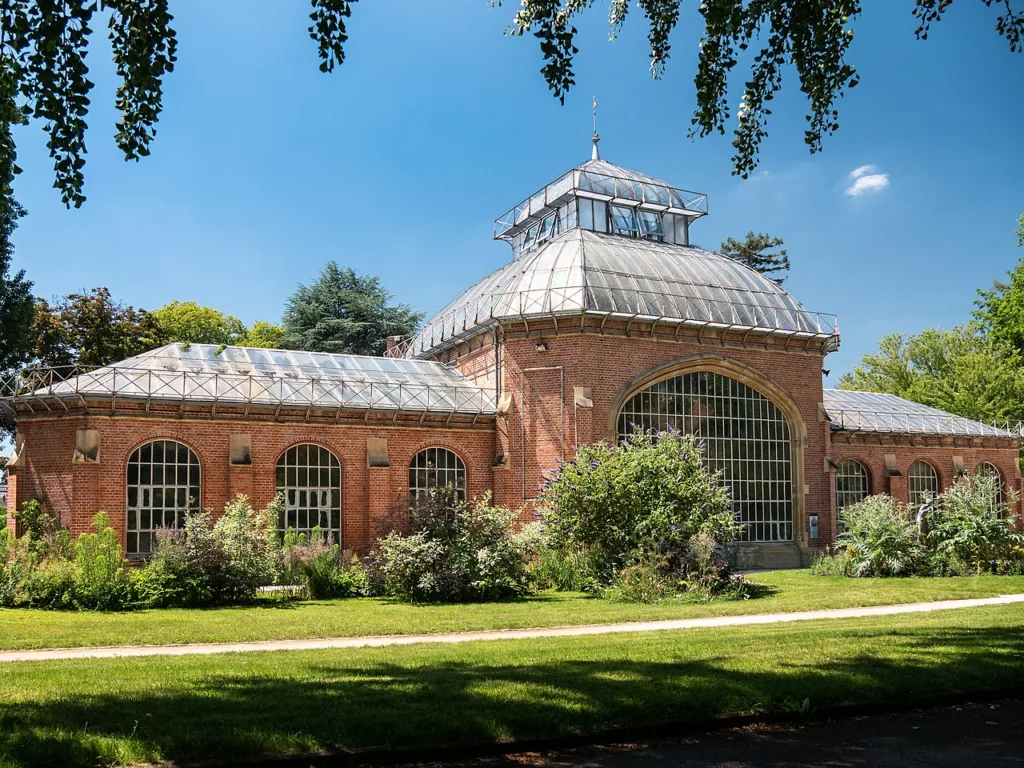
The Botanical Garden of Metz, formerly known as Parc Frescatelly, is a 4.4-hectare green space located in Montigny-lès-Metz. Acquired by the city in 1866, it is now a major place for walking and botanical discovery in the region.
Developed from 1867 onward, the park combines an English garden, a French formal garden, and more modern landscaped areas. It is home to many remarkable plant species, including century-old and exotic trees, as well as greenhouses containing thousands of tropical plants, cacti, and orchids.
The garden also features several ponds, bronze sculptures, and a rich landscaped heritage. It is part of the “Gardens Without Borders” network and is recognized for its ecological and educational role.
Gastronomy and Specialties of Metz
Quiche Lorraine
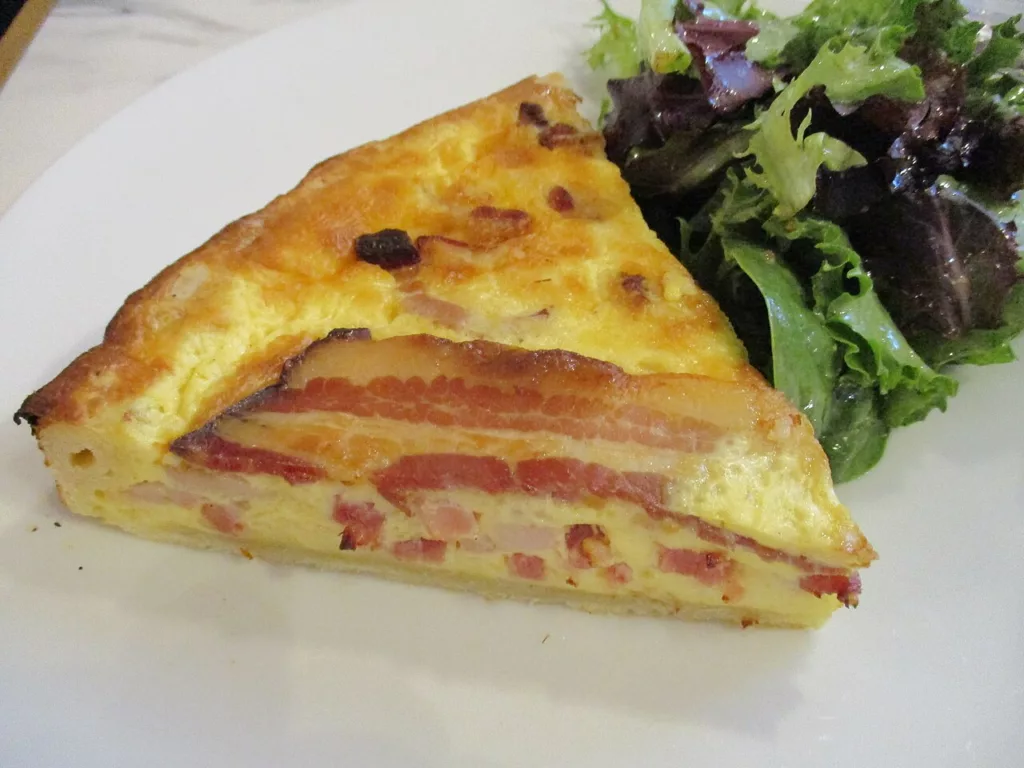
Quiche Lorraine is a traditional culinary specialty originating from the Lorraine region in France. It is a savory tart made with shortcrust pastry filled with a mixture called “migaine” (eggs and crème fraîche), to which bacon lardons are added.
Originally, quiche was a simple and rustic dish prepared during bread baking in communal ovens. Its recipe evolved during the 19th century, becoming richer and thicker, particularly with the addition of bacon. Today, it is eaten hot or cold, as a starter, a main course served with salad, or as an appetizer.
Quiche Lorraine now exists in many modern variations, sometimes including cheese, vegetables, or other ingredients.
Pâté Lorrain

Pâté Lorrain is a traditional specialty of Lorraine cuisine, made with pork and veal marinated in white wine and baked in puff pastry. Originating in the Middle Ages, it remains an emblematic dish of eastern France today.
Served hot as a starter, it is generally accompanied by a green salad. Some variations use red wine or are adapted into a larger Lorraine pie.
Macarons de Nancy
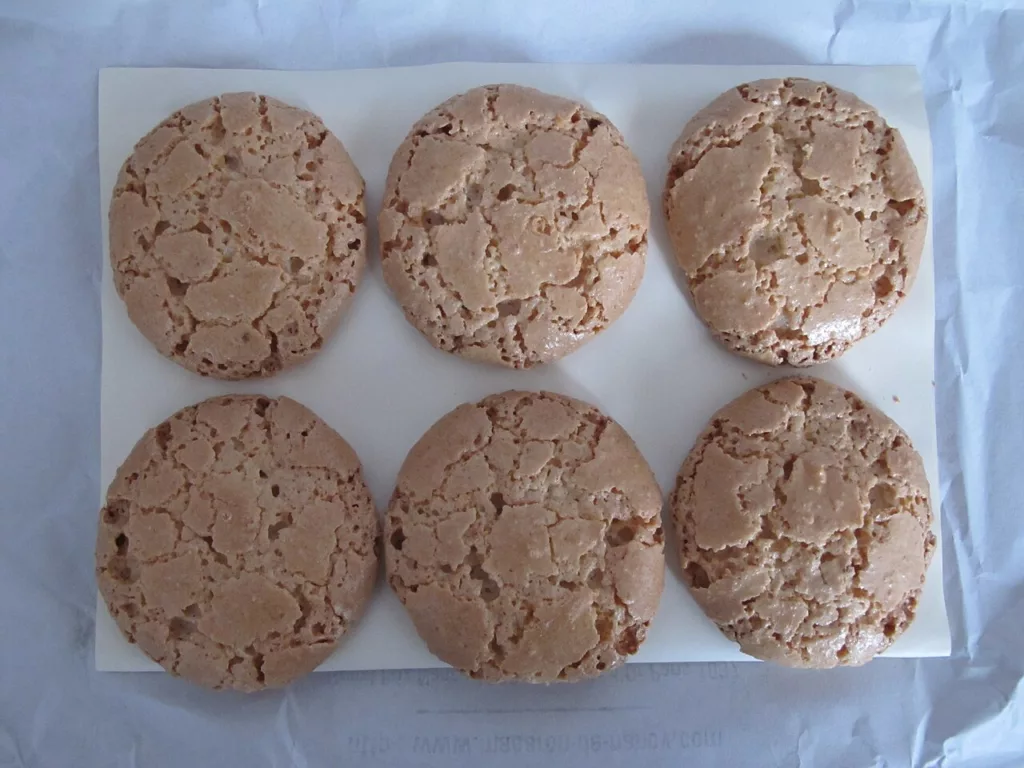
The Macaron de Nancy is a traditional biscuit from Lorraine that appeared during the 18th century. It is made with almonds, powdered sugar, and egg whites. Becoming very popular in the 19th century, it is produced by several pastry houses and is often sold by the dozen. The recipe remains simple, but each manufacturer keeps its proportions and know-how secret.
Excursions from Metz
Nancy
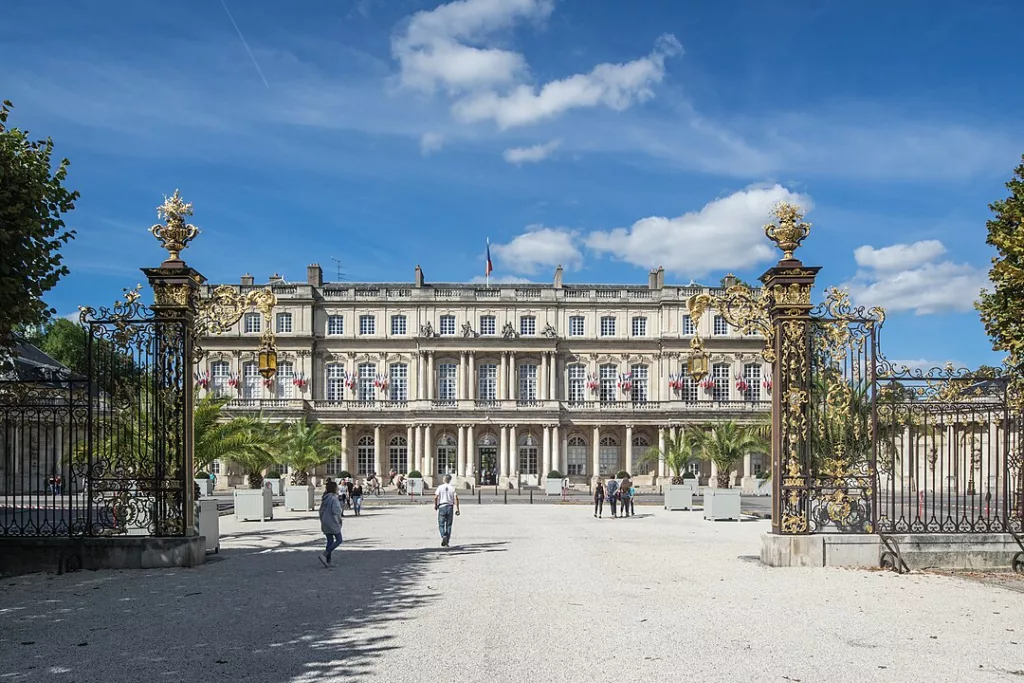
Nancy is famous for the magnificent Place Stanislas, listed as a UNESCO World Heritage Site. The square is surrounded by elegant 18th-century buildings and remarkable gilded gates.
Nancy also has a pleasant city center with historic streets and numerous monuments. The city is a major center of Art Nouveau, visible in its buildings and museums such as the Museum of the École de Nancy.
Visitors can also discover the Notre-Dame-de-l’Annonciation Cathedral and the Ducal Palace. Nancy is a lively city with parks, cafés, and a dynamic student atmosphere.
Rodemack
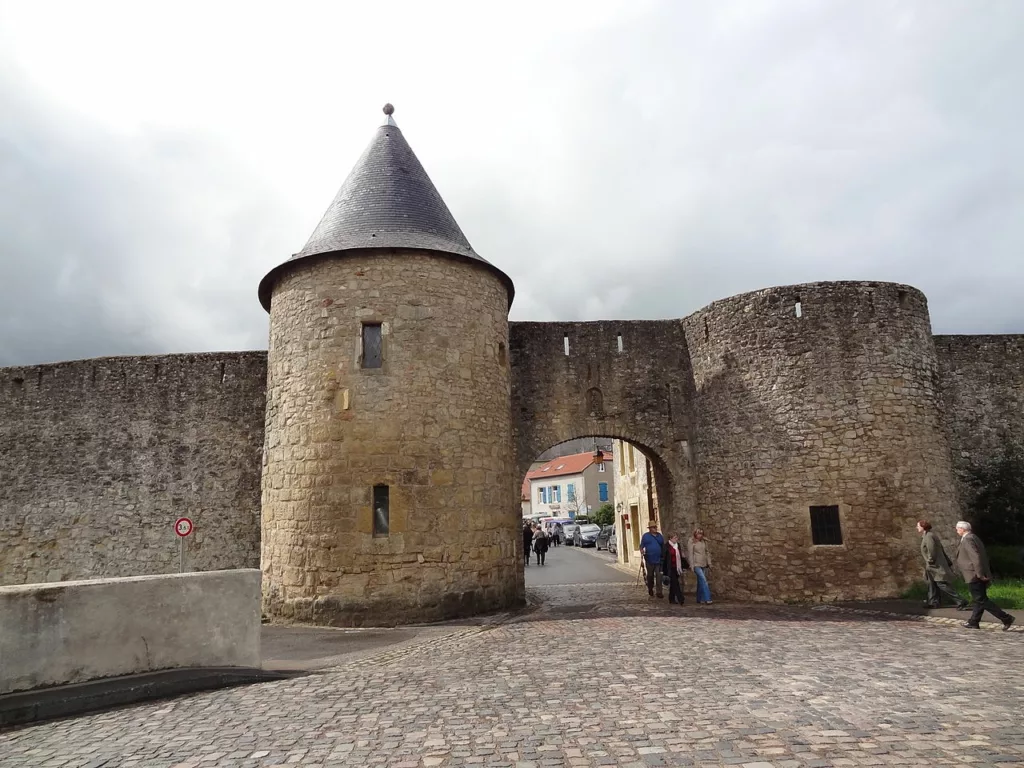
Rodemack is located near the borders of Luxembourg and Germany. This village is listed among the Most Beautiful Villages of France. Rodemack is nicknamed the “Little Lorraine Carcassonne” thanks to its medieval ramparts, which still surround the village for about 700 meters.
Visitors can explore old narrow streets, a fortified gate, and castle ruins. The village has a very well-preserved and peaceful medieval atmosphere.
Luxembourg
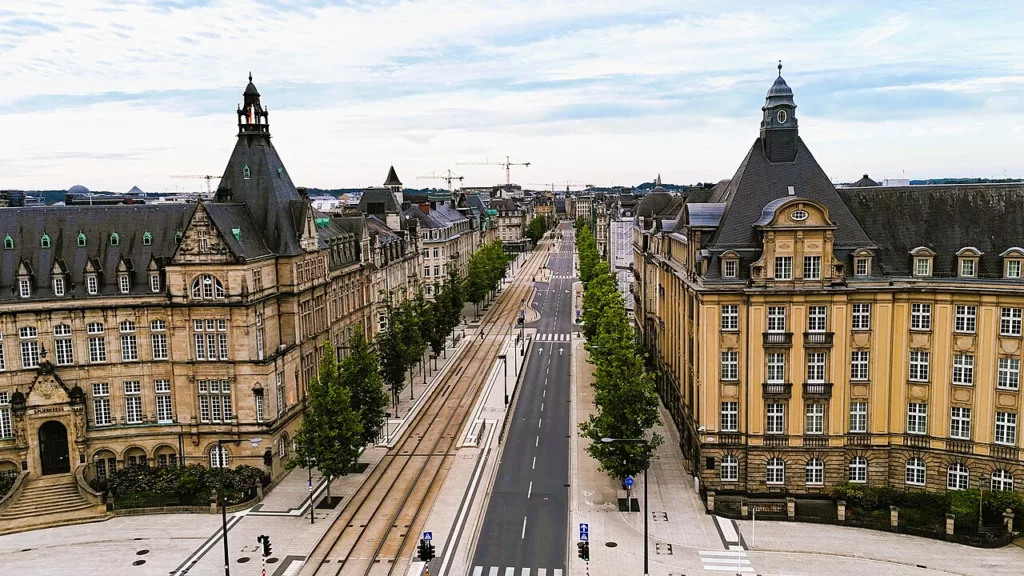
From Metz, the capital of Luxembourg can be reached in about 45 to 60 minutes by car or train. Visitors can explore Luxembourg’s Old Town, listed as a UNESCO World Heritage Site, with its fortifications and spectacular bridges.
The city also features Place Guillaume II, the Grand Ducal Palace, and the panoramic Corniche. Luxembourg is modern and dynamic, home to important European institutions and many lively districts.
Château de Malbrouck
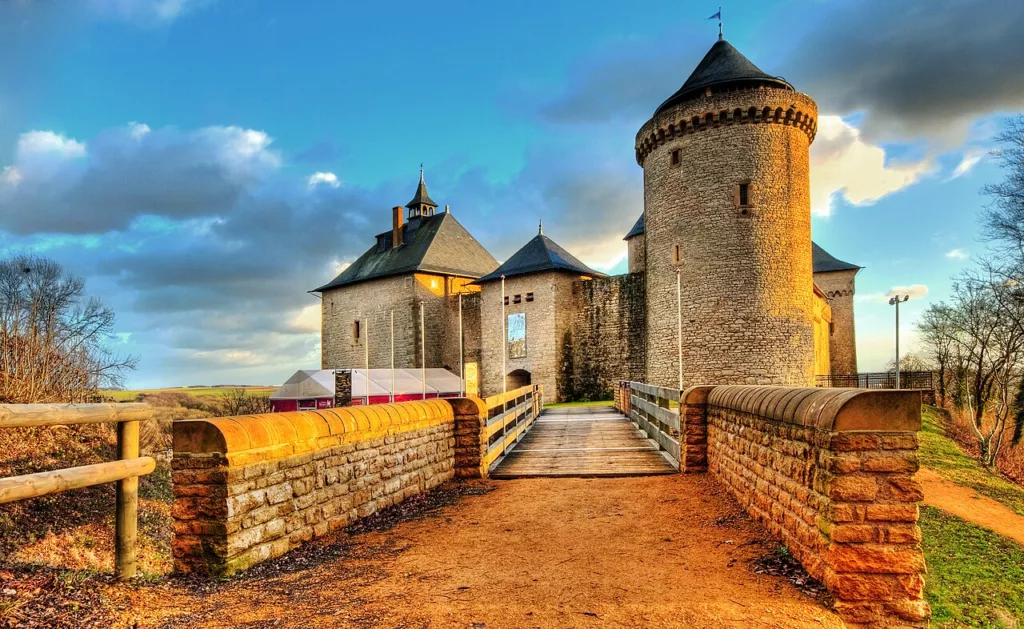
Château de Malbrouck is located in Manderen, in the Moselle department, around 40 minutes from Metz. It is a medieval castle built during the 15th century by knight Arnold VI of Sierck. Its name comes from the popular song “Malbrough s’en va-t-en guerre.”
The castle has been fully restored and now hosts exhibitions and cultural events. It features four large towers and offers panoramic views over the valley and the three-border region. Inside, visitors can tour historic rooms and learn about life during the Middle Ages. The site regularly hosts activities, festivals, and historical reenactments.
Lorraine Regional Natural Park
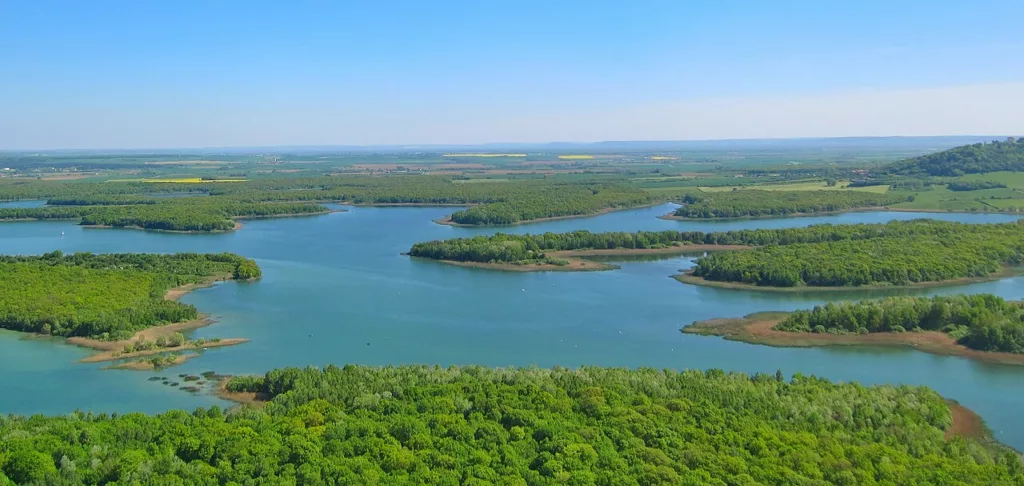
The Lorraine Regional Natural Park is a vast protected area created in 1974, located in the Grand Est region between the Meuse, Moselle, and Meurthe-et-Moselle departments. It covers more than 210,000 hectares and includes diverse landscapes such as forests, ponds, valleys, and plateaus.
The park is divided into two large zones separated by the Moselle corridor between Metz and Nancy. It contains remarkable natural sites such as Lake Madine, the Meuse Heights, and the Land of Ponds. Wildlife is abundant, including deer, wild boars, foxes, and numerous bird species.
The flora consists mainly of deciduous forests with oaks, beeches, and other trees typical of the region. The territory includes around 180 municipalities and also preserves rural landscapes and heritage.
Conclusion
Visiting Metz offers the opportunity to discover a city rich in history and heritage, where medieval monuments, imperial architecture, and contemporary creations coexist. Its city center features remarkable landmarks such as Saint-Étienne Cathedral, the Porte des Allemands, and the Temple Neuf, all reflecting its prestigious past. Museums, parks, and lively squares complete this cultural and vibrant experience.
From Metz, many excursions are possible, including Nancy, Luxembourg, Rodemack, and Château de Malbrouck, allowing visitors to explore the diversity of the region. Metz is therefore an excellent starting point for a tourist stay combining heritage, nature, and European discoveries.